Piracy was never only a man’s business. From the Adriatic Sea in the 200s BCE to the South China coast in the 1920s, women commanded fleets, ran smuggling operations, and argued face to face with kings and queens.
Some ruled cities and used raiding as a tool of foreign policy. Others signed on as regular crew members and fought aboard small Caribbean sloops.
A few ran shipping companies backed by official government licenses, which blurred the line between business and piracy. Their power came from many places, including family connections, sharp negotiating skills, wealth, and control of busy trade routes.
One of them commanded more sailors than many national navies of her day. Another walked into a royal palace and left with most of what she asked for.
Many of their stories were later stretched by storytellers, so historians still work to separate the documented facts from the legends. That puzzle is part of the fun.
In the sections ahead, you will meet rulers, rebels, businesswomen, and escaped convicts from China, Ireland, Morocco, France, Scandinavia, England, and the American colonies. You will also see how their careers reflected the politics, wars, and trade systems of their eras, and why their names still show up in books, films, and museums today.
1. Zheng Yi Sao, China
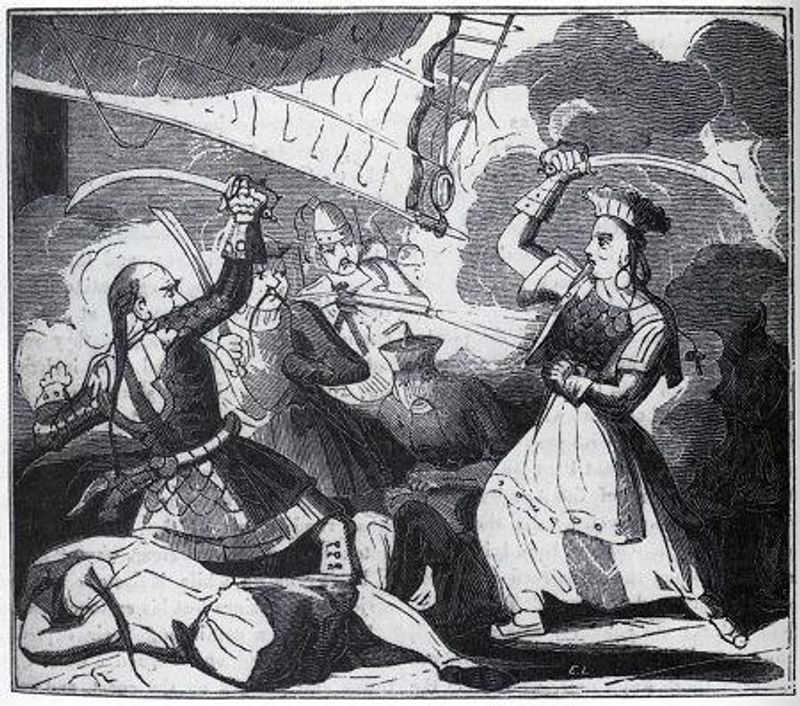
Few business leaders in any century managed a workforce as large as hers. Born Shi Yang in Guangdong in 1775, she married the pirate commander Zheng Yi in 1801.
Together they helped build a confederation of six fleets, each marked by a colored flag. The Red Flag Fleet was the largest of them all.
Estimates put the whole group at hundreds of ships and between 40,000 and 80,000 people. When Zheng Yi was gone in 1807, she took informal command of the entire operation.
She partnered with Zhang Bao, who led the Red Flag Fleet at sea. She also enforced a strict code covering discipline, shared funds, and how captives were treated.
The confederation challenged the Qing navy, plus Portuguese and British ships. Then, in 1810, she did something rare and negotiated her own surrender.
She kept her wealth, avoided prosecution, and retired around age 35. Later she ran a gambling house in Macau and lived until 1844.
2. Grace O’Malley, Ireland
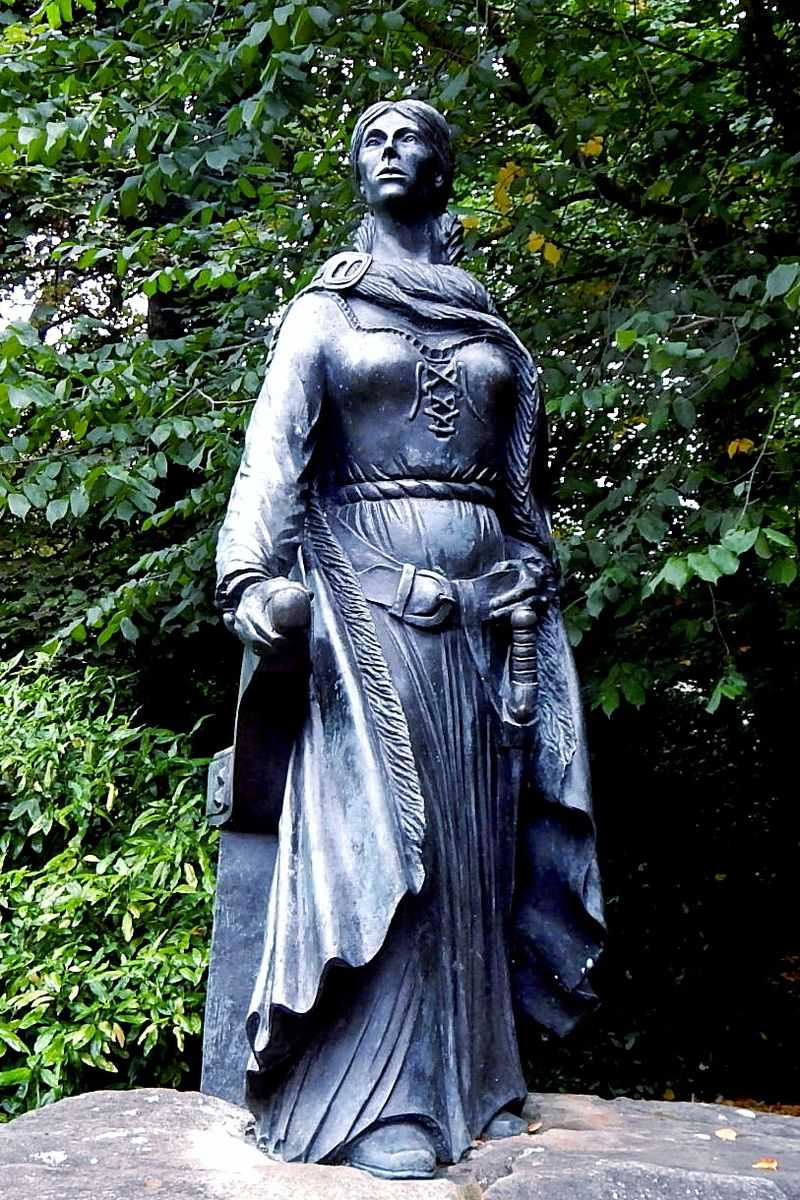
A haircut started it all, according to Irish tradition. Young Gráinne Ní Mháille supposedly chopped off her hair so her father would let her sail, earning the nickname Gráinne Mhaol, or Bald Grace.
Born around 1530 into the seafaring Ó Máille clan of County Mayo, she grew up in a family that traded, fished, and charged tolls on passing ships.
As an adult, she led the clan’s sea business even though she had a brother. Two strategic marriages expanded her reach.
She eventually controlled a fleet of oared galleys and roughly 200 fighting men. English governor Sir Richard Bingham called her the nurse to all rebellions in the province for forty years.
In 1593, Bingham jailed her sons and half-brother. So she sailed to England and met Queen Elizabeth I at Greenwich Palace.
Elizabeth granted many of her requests. Both women, born within a few years of each other, left the stage in 1603, and English State Papers still document Grace’s influence today.
3. Jeanne de Clisson, France
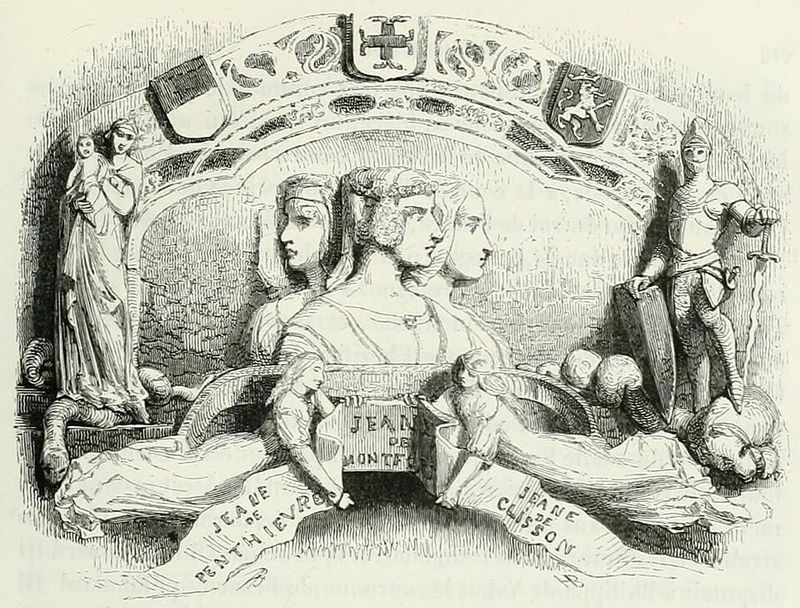
Revenge stories rarely get better branding than black ships with red sails. That is the image attached to Jeanne de Clisson, known as the Lioness of Brittany.
Born around 1300 as Jeanne de Belleville, she married the Breton lord Olivier IV de Clisson. In 1343, King Philip VI of France had him put on trial and condemned for treason during the Hundred Years’ War.
Later accounts say Jeanne sold her lands and jewels to fund a private campaign against the French crown. She reportedly outfitted three warships and named her flagship My Revenge.
According to the legend, she raided French shipping in the English Channel for over a decade. She also sided with the English and the Montfort faction in Brittany.
Historians point out that the black fleet details are not well supported by records from her own time. Much of the drama grew in later retellings.
What is solid is her noble status and her 1356 marriage to English commander Walter Bentley.
4. Anne Bonny, Caribbean
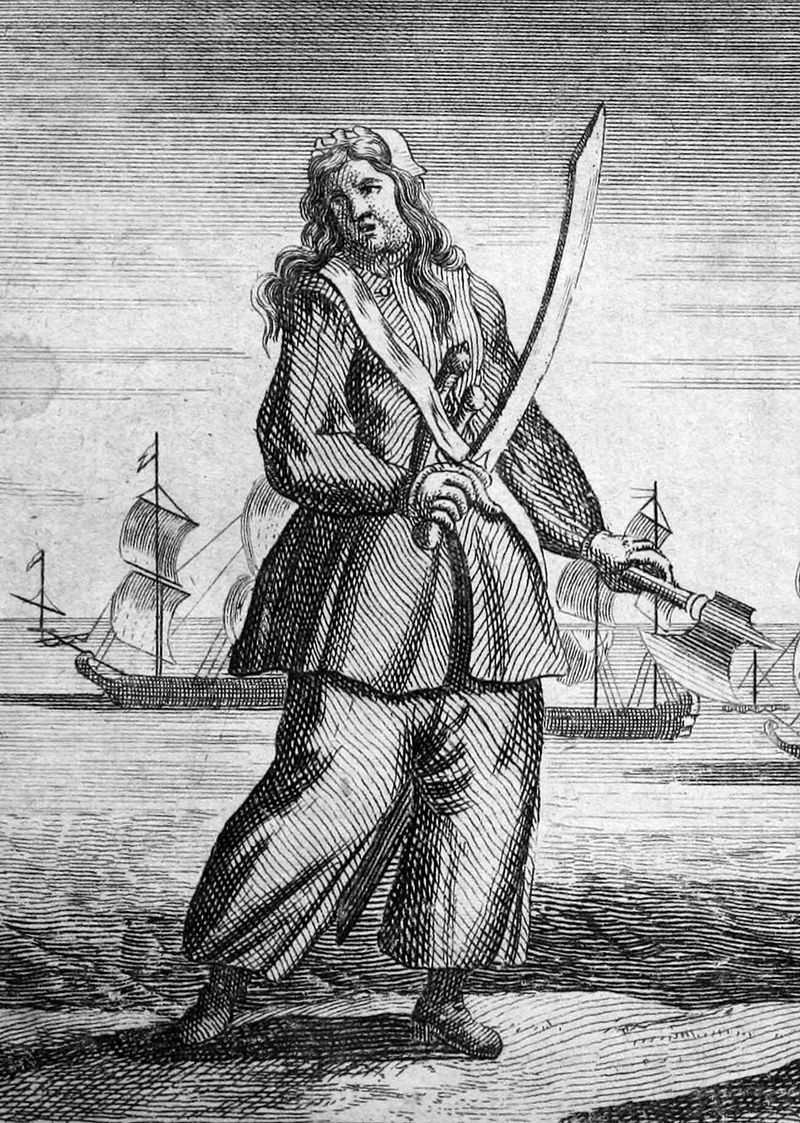
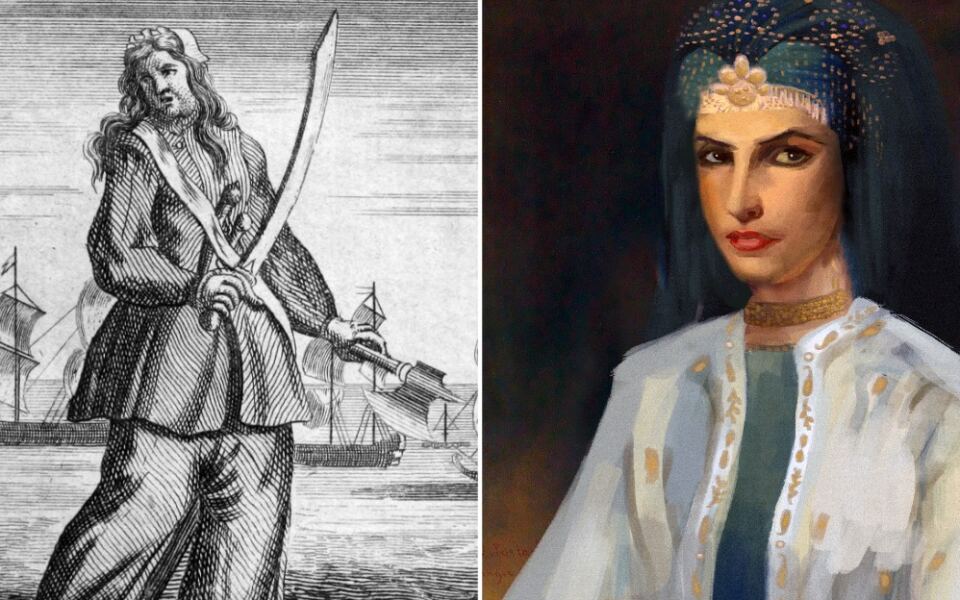
Much of what people think they know about this famous pirate comes from one 1724 book. A General History of the Pyrates, credited to Captain Charles Johnson, made her a celebrity and also added plenty of flair.
Born around 1698, possibly near Cork, Ireland, she later lived in Charleston, South Carolina. She married a sailor named James Bonny and moved to Nassau in the Bahamas, then a well-known pirate base.
There she met John Rackham, better known as Calico Jack. Around August 1720, she joined his crew, which took the sloop William from Nassau harbor.
She sailed alongside Mary Read and took part in raids on merchant ships. Court testimony later confirmed that both women were active crew members.
In October 1720, the crew was captured near Jamaica and convicted. Her sentence was postponed because she was pregnant.
After that, the record goes quiet. Her final years remain one of pirate history’s best-known open questions.
5. Sayyida al-Hurra, Morocco
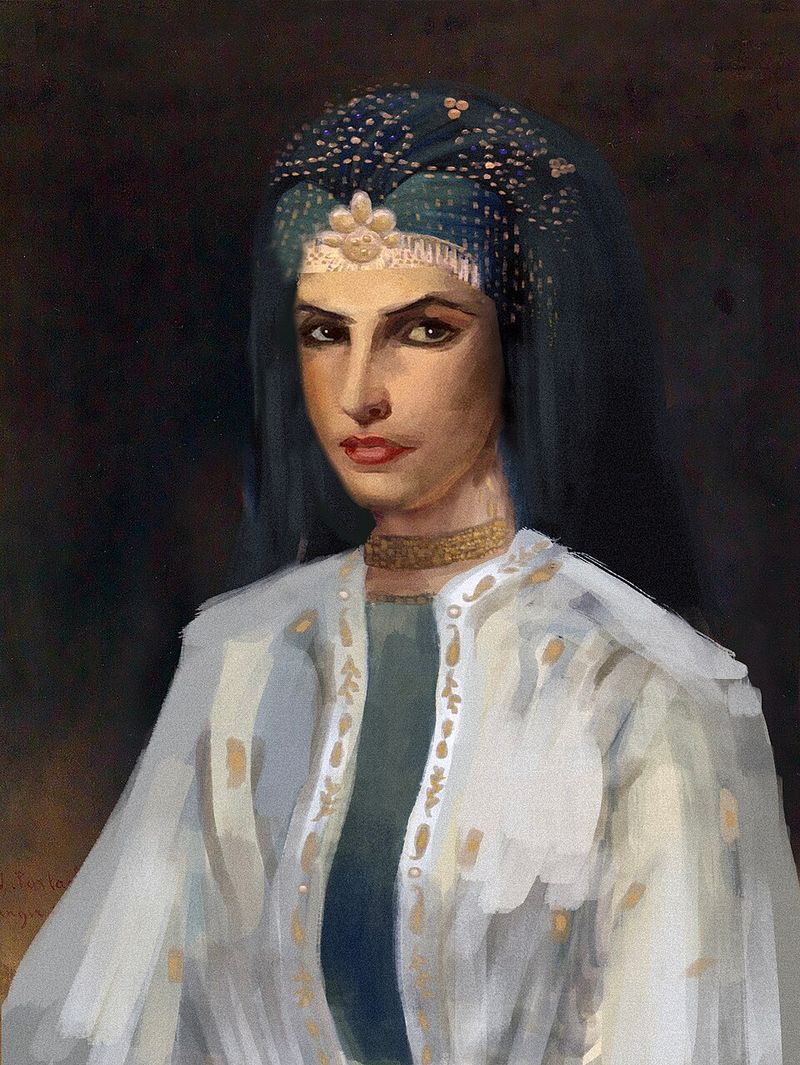
Her title tells you a lot. Sayyida al-Hurra roughly means a noble lady who is free and bows to no higher authority.
Many historians believe her personal name was Aisha. She was born between 1485 and 1495 into the Banu Rashid, an Andalusi family that fled Granada after it fell to Christian forces in 1492.
She spoke Castilian and Portuguese, which proved useful in diplomacy. After marrying the governor of Tétouan, she served as co-ruler and later governed the city alone.
Under her leadership, corsair ships targeted Spanish and Portuguese shipping. The raids earned money through cargo and ransoms while pushing back against Iberian expansion in North Africa.
She cooperated with the Ottoman-linked commander Hayreddin Barbarossa. European envoys regularly visited her court to negotiate the return of captives.
In 1541 she married the Wattasid sultan, who traveled to Tétouan for the ceremony instead of her going to Fez. She was removed from power in 1542 by her son-in-law.
6. Mary Read, England and Caribbean
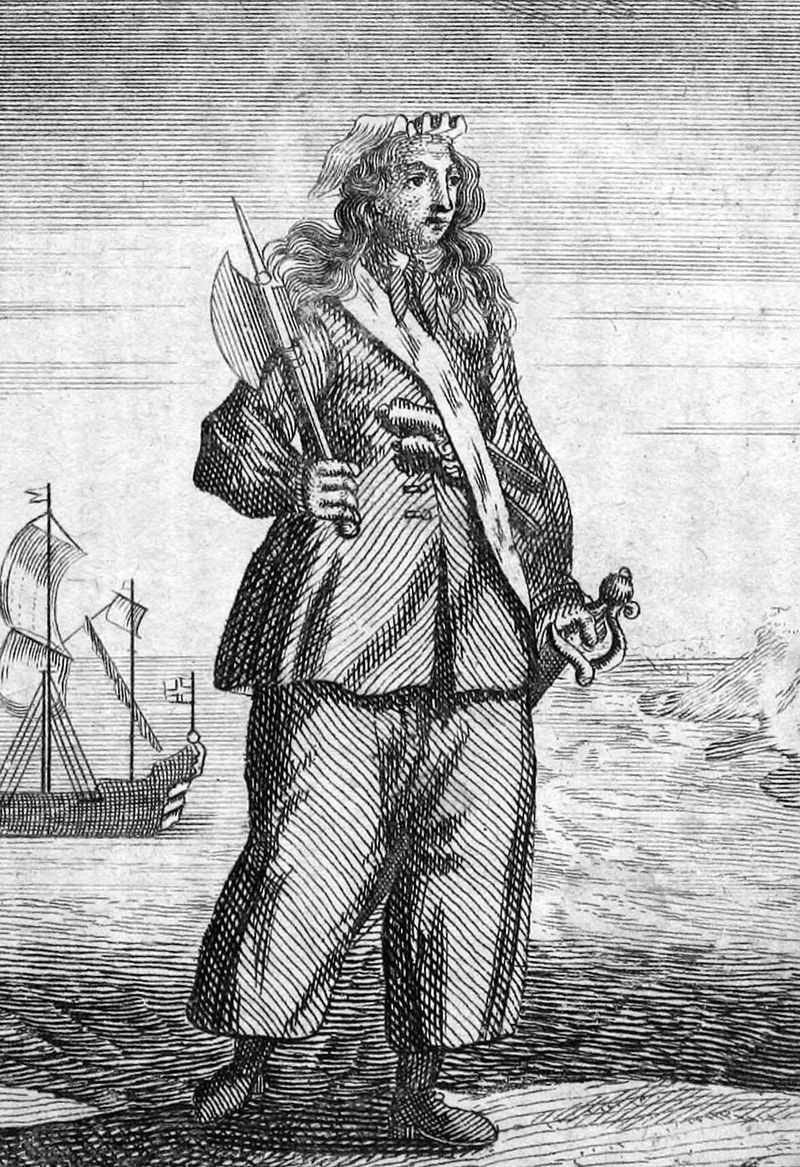
Disguise was a running theme in her life story, at least according to the 1724 book that made her famous. That source claims her mother dressed her as a boy to secure family money.
Born in England around 1695, she reportedly kept living as a man and served as a soldier in Flanders. The same account says she married a fellow soldier and helped run an inn in the Netherlands.
Many of these early details cannot be independently checked. Historians treat them with caution.
Her later career is easier to confirm. She sailed for the West Indies, ended up among pirates, and joined John Rackham’s crew, where she worked alongside Anne Bonny.
When the crew was captured near Jamaica in October 1720, witnesses said the two women took an active part in the crew’s operations.
She was convicted, and her sentence was delayed due to pregnancy. She remained in prison in Spanish Town, where her story ends in April 1721.
7. Teuta, Illyria
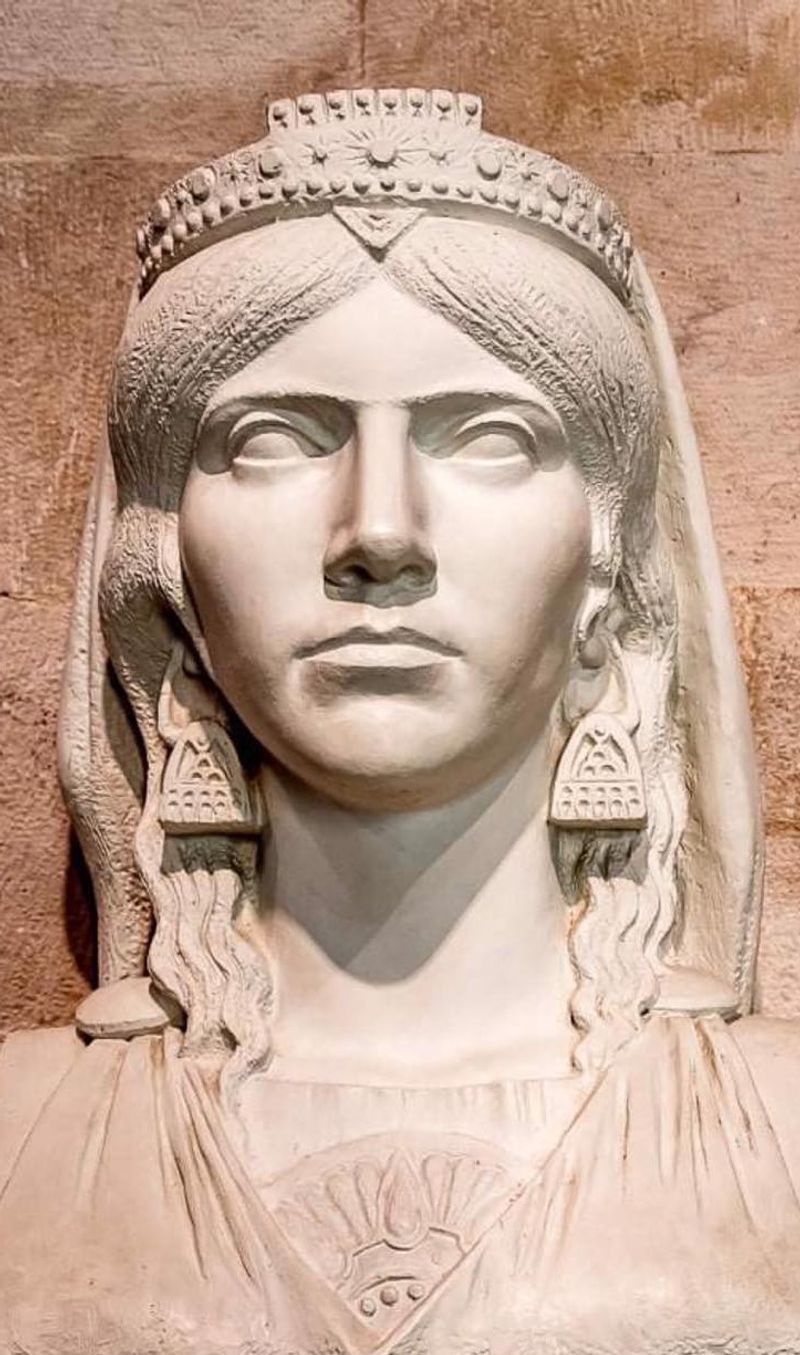
Long before anyone flew a skull-and-crossbones flag, an Adriatic queen was arguing with Rome about raiding at sea. Teuta ruled the Ardiaean kingdom of Illyria from about 231 to 228 BCE.
She acted as regent for Pinnes, the young heir of King Agron. Raiding with fast, light ships called lembi was already an accepted part of the Illyrian economy.
Italian merchants complained to Rome about losses. Ancient writers say Teuta told Roman envoys that Illyrian kings did not stop their subjects from taking prizes at sea.
That conversation went poorly. The First Illyrian War began in 229 BCE, and Rome sent about 200 ships and 20,000 soldiers.
Her lieutenant Demetrius of Pharos switched sides and handed Corcyra to Rome. Teuta withdrew to Rhizon, in modern Montenegro.
The 228 BCE treaty cost her territory and tribute. It also barred armed Illyrian ships from sailing south of Lissus.
Roman sources describe her harshly, so historians read them with care.
8. Huang Bamei, China
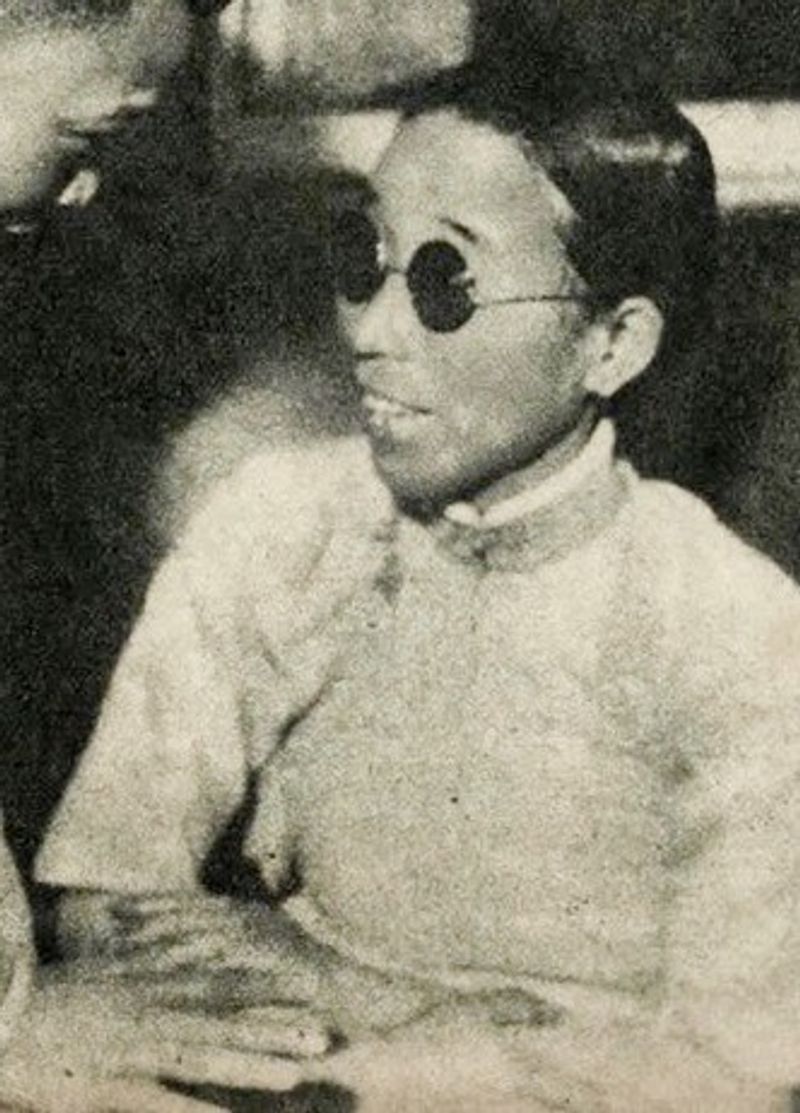
The twentieth century had its own pirate commanders, and one of the most surprising led fleets in the 1930s and 1940s. Huang Bamei was born around 1906 and became active along China’s eastern coast, especially near Zhejiang.
She reportedly took over leadership of a pirate group connected to her husband. Over time, she gained a reputation for sharp planning and sharp shooting, which earned her the nickname Two-Gun Mother.
Her story is unusual because of her government ties. During years of war and political upheaval, she worked with the Nationalist government and reportedly received an official military title.
Her forces operated in coastal waters that were hard for any single authority to control. That made local commanders valuable to whoever could win their loyalty.
After the Nationalists moved to Taiwan around 1949 and the 1950s, she reportedly went there as well.
Records about her remain limited. Still, she is often cited as one of the last notable pirate leaders in Chinese history.
9. Ingela Hammar, Sweden
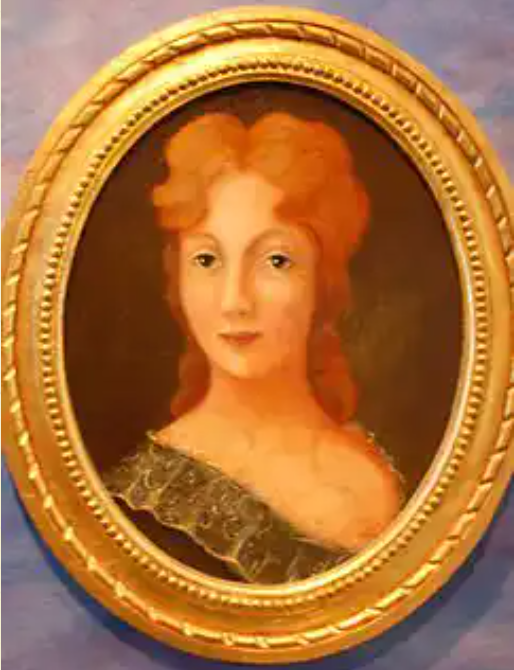
Paperwork can be a powerful weapon. Ingela Hammar ran a fleet that sailed with royal permission to capture enemy ships during the Great Northern War.
Born in Onsala in 1692, she married the famous Swedish privateer Lars Gathenhielm in 1711. Under a letter of marque from King Charles XII, his ships seized Danish and Russian vessels.
Ingela acted as a partner and advisor. Lars often directed operations from Gothenburg because of a hip injury, and the brothers were ennobled in 1715.
When Lars was gone in 1718, Ingela took over his privateering permit and the fleet. She kept operations running until peace with Denmark in 1720 and Russia in 1721.
Her ventures went far beyond ships. She ran a successful ropewalk at Gamla Varvet that supplied much of the city’s fleet.
She also gained permits for a bakery, a forge, and a sail-making shop. Afterward, she spent years in legal disputes with the Crown over privateering costs.
10. Lady Mary Killigrew, England
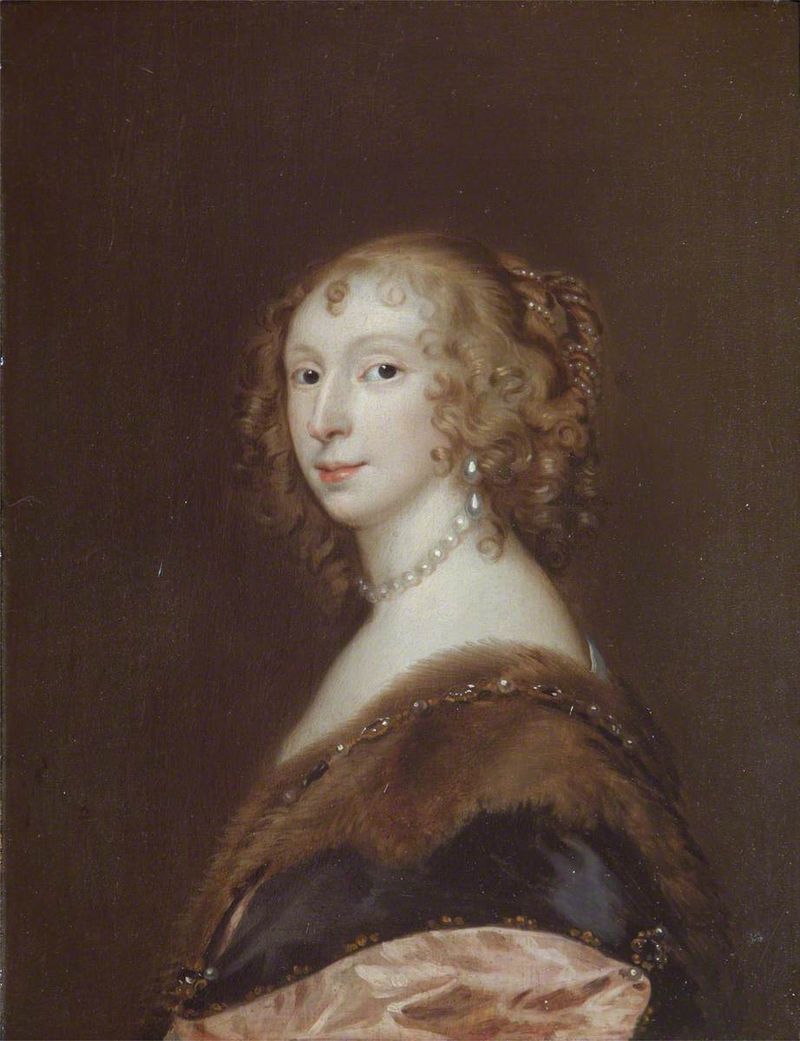
Hosting dinner guests while your servants empty their ship is quite a plan. That is roughly what Lady Mary Killigrew was accused of doing in January 1583.
Born Mary Wolverston before 1525 in Suffolk, she reportedly had a father known as a gentleman pirate. She later married Sir John Killigrew of Cornwall.
His family held strong positions around Falmouth, including command of Pendennis Castle. Their home, Arwenack House, sat right beside a busy harbor.
Historians describe the household as a center for receiving and storing goods taken at sea. Mary helped manage that side of the family business.
In 1583, the Spanish ship Marie of San Sebastian anchored nearby. While its owners were entertained ashore, members of her household seized the cargo, including silver coins, and sailed the ship to Ireland.
Mary was arrested and sentenced, but Queen Elizabeth I pardoned her. Family connections likely helped a great deal.
Her case shows how wealthy coastal families could profit from maritime crime.
11. Elise Eskilsdotter, Norway
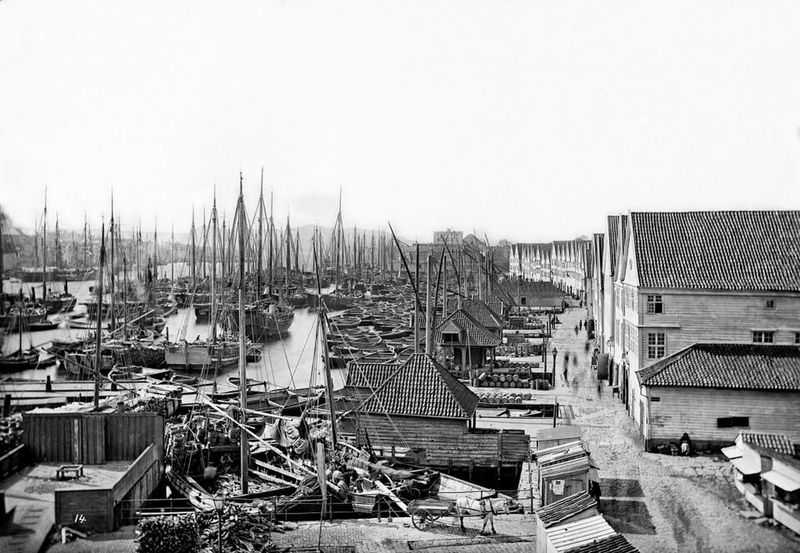
Medieval Bergen was a trade hub where German merchants of the Hanseatic League held enormous economic power. Elise Eskilsdotter spent years challenging that grip.
She was a Swedish-born noblewoman married to Olav Nilsson, a Norwegian nobleman who clashed with the Hanseatic merchants. In 1455, he fell during violent unrest in Bergen tied to that conflict.
Afterward, Elise and her sons turned to privateering. Their ships targeted Hanseatic vessels along the Norwegian coast in the decades that followed.
Her campaign mixed family loyalty with real politics. The Hanseatic League controlled much of northern Europe’s trade, and Norwegian nobles often resented its privileges.
Her activity was not simple robbery for profit. It worked as pressure on a powerful commercial network that local rulers struggled to restrain.
Historians know less about her daily life than about the conflicts around her. Even so, Scandinavian records connect her to organized raiding, which makes her one of northern Europe’s most notable maritime women of the 1400s.
12. Mary Critchett, Colonial America
Not every pirate story starts with treasure. Mary Critchett’s began with a prison sentence and a one-way trip across the Atlantic.
She was an English convict shipped to Virginia in late 1728 to work off her sentence. On May 12, 1729, she and five other convicts escaped.
The group seized the sloop John and Elizabeth and shut its two-man crew in the hold. Critchett reportedly sat on the hatch to keep them from getting out.
They sailed into Chesapeake Bay. A few days later, her companions released the captured sailors, even though she argued against it.
Her worry proved correct. HMS Shoreham soon caught up with the sloop.
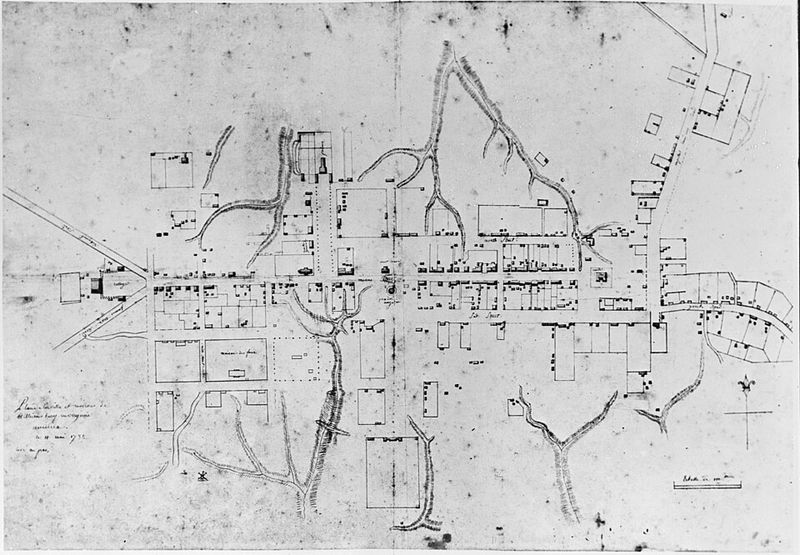
In August 1729, the group stood trial in Williamsburg and was convicted of piracy. Records do not confirm whether her sentence was carried out.
The National Park Service lists her among women linked to early American piracy. Her case proves women took part in piracy well beyond the famous Caribbean crews.
Share this story