Danes have a word for a pastry eaten on Wednesdays, and that tells you a lot about this city. Copenhagen treats breakfast baking like a serious craft, and the best counters often sell out before lunch.
Some bakers here trained in famous restaurant kitchens. Others work in shops that opened when kings still ruled from nearby palaces.
One bakery even started in Japan before coming back to Denmark. The result is a city where a simple bun can have a waiting line and a fan club.
This guide covers 13 bakeries and the one item at each that makes an early alarm worth it. You will learn what to order, when to go, and which spots get the longest lines.
You will also pick up a few fun facts, like which cake was invented for a play in 1891. Set the alarm, grab a jacket, and keep reading to plan the tastiest morning walk in Scandinavia.
1. Hart Bageri, Frederiksberg, Denmark
Richard Hart has baked in some famous places, including Tartine in San Francisco and Noma in Copenhagen. In 2018 he opened his own bakery in Frederiksberg, starting with sourdough bread.
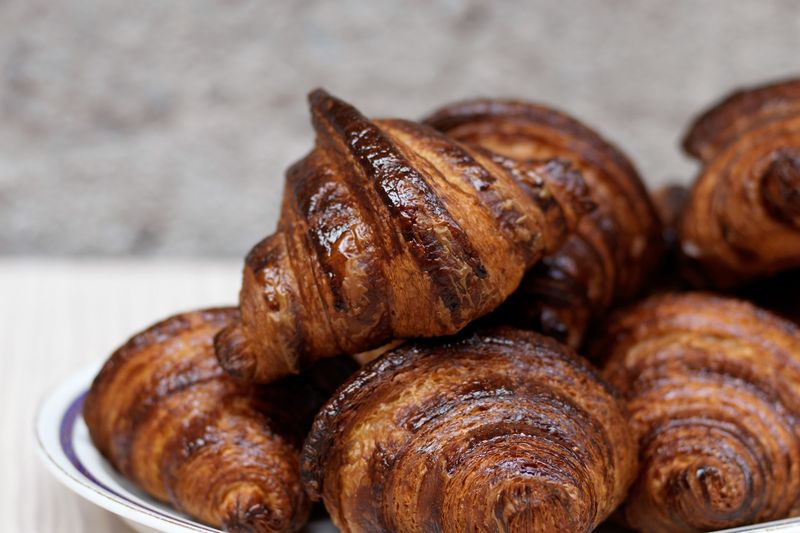
The pastry everyone talks about now is the cardamom croissant. It mixes the shape and layers of a croissant with the spice of a Danish bun.
After baking, each one gets brushed with browned Danish butter and rolled in cardamom sugar. The outside turns crisp and caramel-like, but the pastry is not overly sweet.
The shop on Gammel Kongevej has an industrial look and an open kitchen. You can watch bakers fold dough and pull bread from the ovens.
Other treats include seasonal croissants, doughnuts, and even a Basque cheesecake. The sourdough loaves are still a big reason locals visit.
Weekend lines can stretch out the door. For a calmer trip, go on a weekday morning before noon and take your time choosing.
2. Sankt Peders Bageri, Copenhagen, Denmark
Back in 1652, Denmark had a king named Frederik III, and this bakery was already selling bread. That makes Sankt Peders Bageri the oldest working bakery in Copenhagen.
It sits on Sankt Peders Stræde in the Latin Quarter. Inside, simple wooden fittings give the room a classic, old-school look.
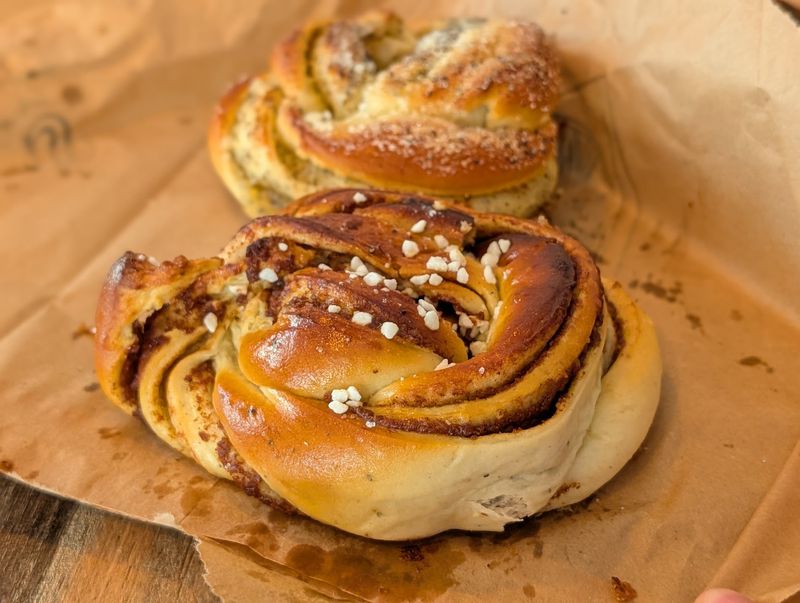
The star is the onsdagssnegl, or Wednesday snail. It is a giant cinnamon swirl that first appeared in 1988.
For years it was sold only on Wednesdays. Some weeks, around 4,000 people lined up to grab one.
Today you can buy it every day, but Wednesday still brings a lower price. That makes midweek the smart choice for budget snackers.
Other Danish classics fill the shelves too, like spandauer, wienerbrød, and tebirkes. Seating is just a few bar stools, so plan to eat on the go.
Luckily, the surrounding streets are perfect for a slow stroll with a snail in hand.
3. Andersen Bakery, Copenhagen, Denmark
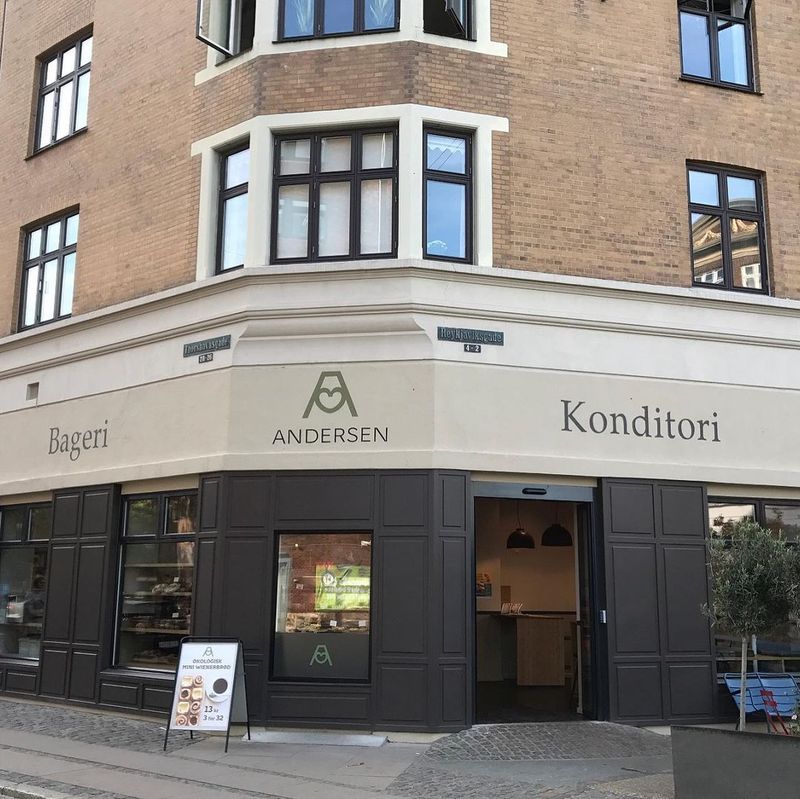
Here is a twist worthy of a fairy tale. In 1959, Japanese baker Shunsuke Takaki visited Copenhagen and fell for Danish pastry.
He took those ideas home and opened the first Andersen bakery in Hiroshima in 1967. He named it after Hans Christian Andersen, the famous Danish storyteller.
Decades later, the brand came full circle with a shop in Islands Brygge. The result is Danish baking with careful Japanese precision.
Glass panels let you watch bakers shape organic pastries by hand. Kids especially enjoy this part of the visit.
Almond croissants and cardamom buns are top picks. The small spandauer and snegl come with fillings like raspberry, strawberry, blueberry, or walnut.
Every item looks neat and evenly shaped, almost like it was measured with a ruler. The rye bread gets the same careful treatment.
Islands Brygge is close to the harbor baths. Grab a pastry, then walk along the water for an easy morning plan.
4. Andersen & Maillard, Copenhagen, Denmark
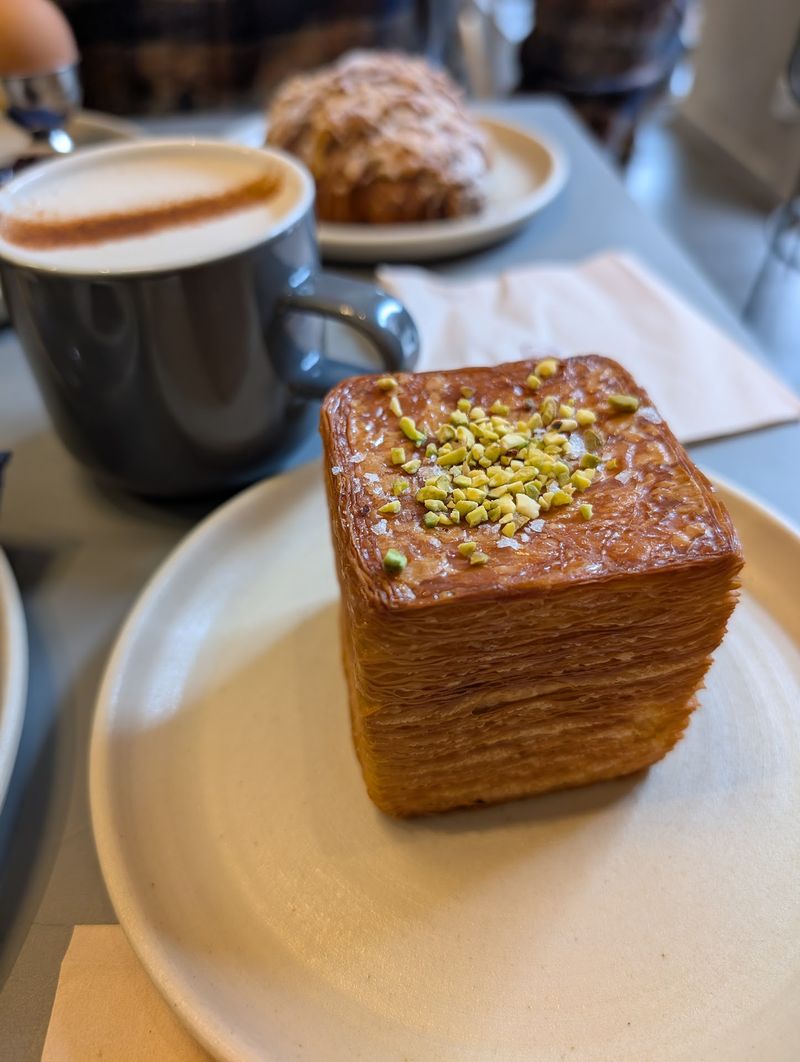
A croissant shaped like a cube sounds like a math class joke. At Andersen & Maillard, it is the pastry people photograph most.
The pistachio cube is a square laminated pastry filled with rich pistachio ganache. It takes the familiar croissant and gives it a fresh shape.
The team pairs former Noma pastry chef Milton Abel with coffee expert Hans Kristian Andersen. Their first shop opened in 2018 inside an old bank space in Nørrebro.
Coffee gets equal attention here. The roaster sits right near the service bar, and beans are ethically sourced single-origin varieties.
You can order batch brew or an Aeropress cup. Pair it with a classic croissant or cardamom bun if cubes feel too bold.
Bread comes with house-churned butter, a small detail regulars love. A second location in Nordhavn has a clean, minimalist design.
In summer, try a croissant with homemade soft-serve ice cream. Breakfast and dessert rarely team up this nicely.
5. Conditori La Glace, Copenhagen, Denmark
Some cakes are made for birthdays. The Sportskage at Conditori La Glace was made for a theater opening in 1891.
The play was called Sportsmænd, meaning Sportsmen, and the cake became more famous than the show. It stacks a macaron base, whipped cream, and nougatine, topped with caramelized cream puffs.
The shop itself goes back even further, to 1870. Founder Nicolaus Henningsen started it on Skoubogade, near Strøget.
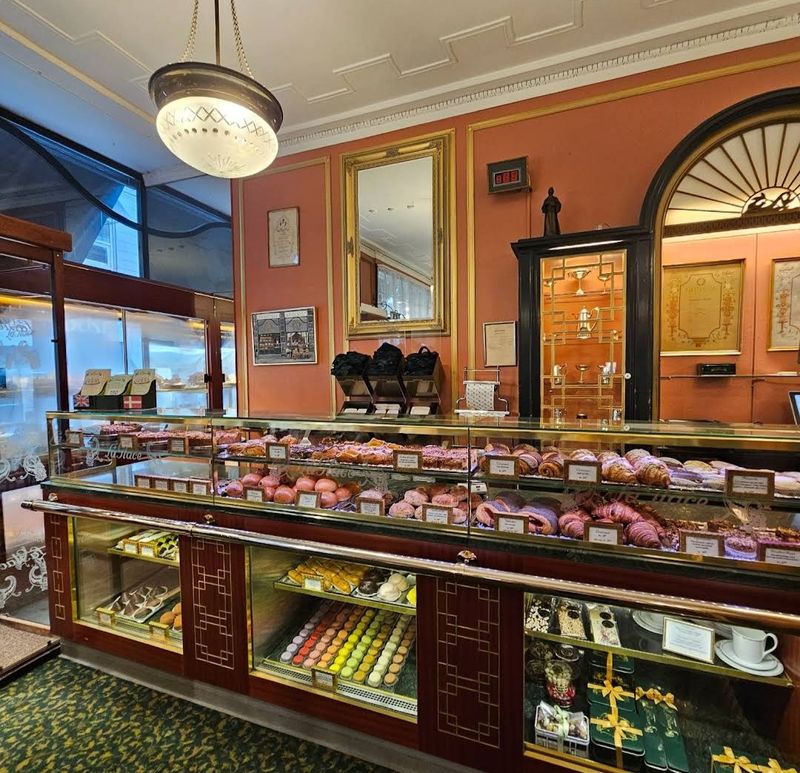
The same family has run it for six generations. Polished wood, old furniture, and tall cake displays keep the classic style alive.
Lines are common, but service is calm and unhurried. Nobody rushes you out after the last bite.
Many guests also order the hot chocolate. It comes with a big bowl of whipped cream, and the pot can be refilled.
Cake for breakfast may sound wild. Here, it counts as a local tradition, so you are simply being polite.
6. Juno the Bakery, Copenhagen, Denmark
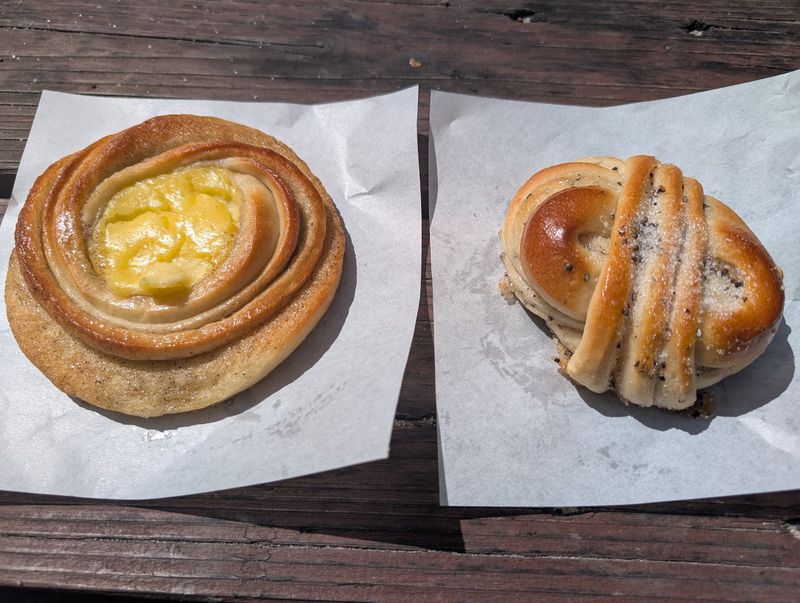
Ask a Copenhagen local to name one bun worth a queue, and Juno usually comes up first. The cardamom bun here has a real following in the quiet Østerbro neighborhood.
Emil Glaser, a former Noma pastry chef, co-founded the bakery. His focus is on precise, careful versions of classic Danish items.
The shop is small, with terrazzo floors and simple off-white walls. Large windows let you watch the bakers shaping dough while you wait.
The space has three parts: an order counter, a few shared tables, and the open baking room. Seating is limited, so most people take their buns outside to a nearby bench.
Good news for late sleepers: Juno bakes throughout the day, so fresh trays keep coming. Still, the line gets long on weekends, and popular items can run out.
Arrive near opening for the best selection. Order two buns, because one rarely feels like enough.
7. Lille Bakery, Copenhagen, Denmark
Refshaleøen used to be a busy shipyard area. Today it holds food halls, art spaces, and one very popular bakery.
Lille Bakery sits inside a repurposed industrial building with floor-to-ceiling windows. The space feels roomy compared to the tiny bakeries in the city center.
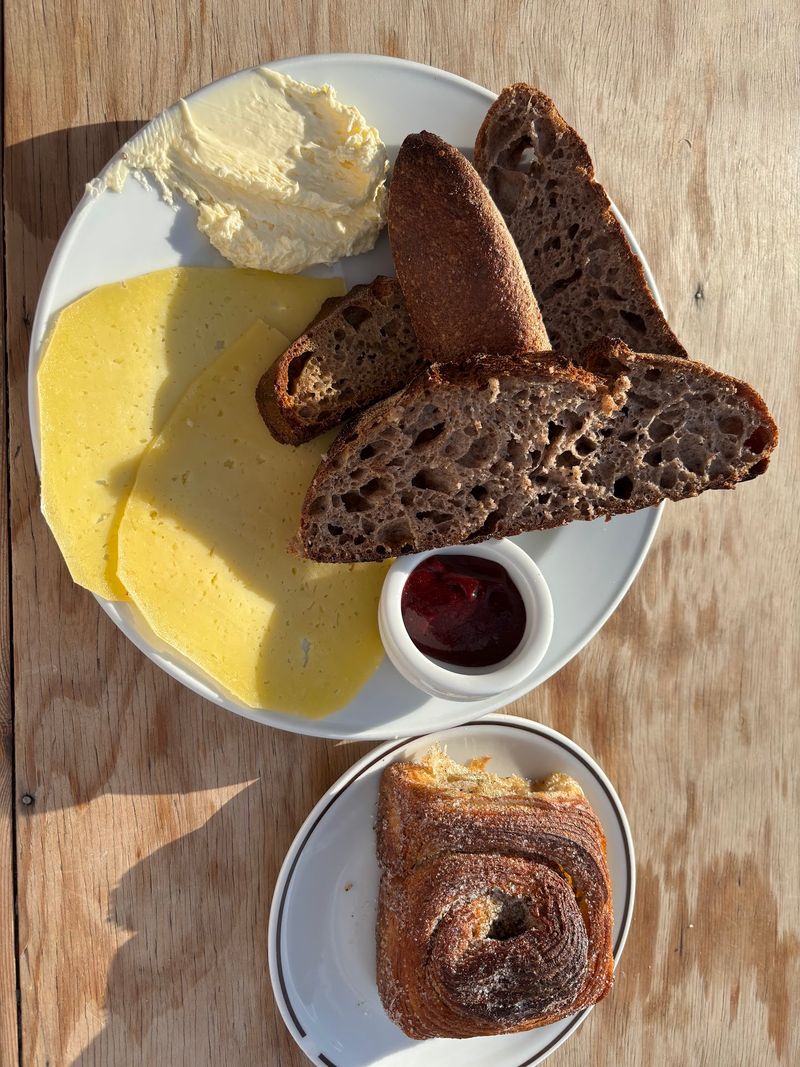
Sourdough bread is the backbone of the menu. Cinnamon rolls and Berliner-style doughnuts, filled with jam and dusted with sugar, are close behind.
Look out for the Blomster Bun too. It is a flaky pastry similar to a French kouign amann.
The founders work directly with local farmers and millers. That means organic ingredients and a menu that shifts with the seasons.
Downstairs has long shared tables, while a loft upstairs offers smaller ones. Breakfast and lunch dishes make it easy to stay a while.
Getting there takes some effort, so plan ahead. A harbor bus or bike ride works well, and the trip doubles as sightseeing.
8. BUKA Bakery, Copenhagen, Denmark
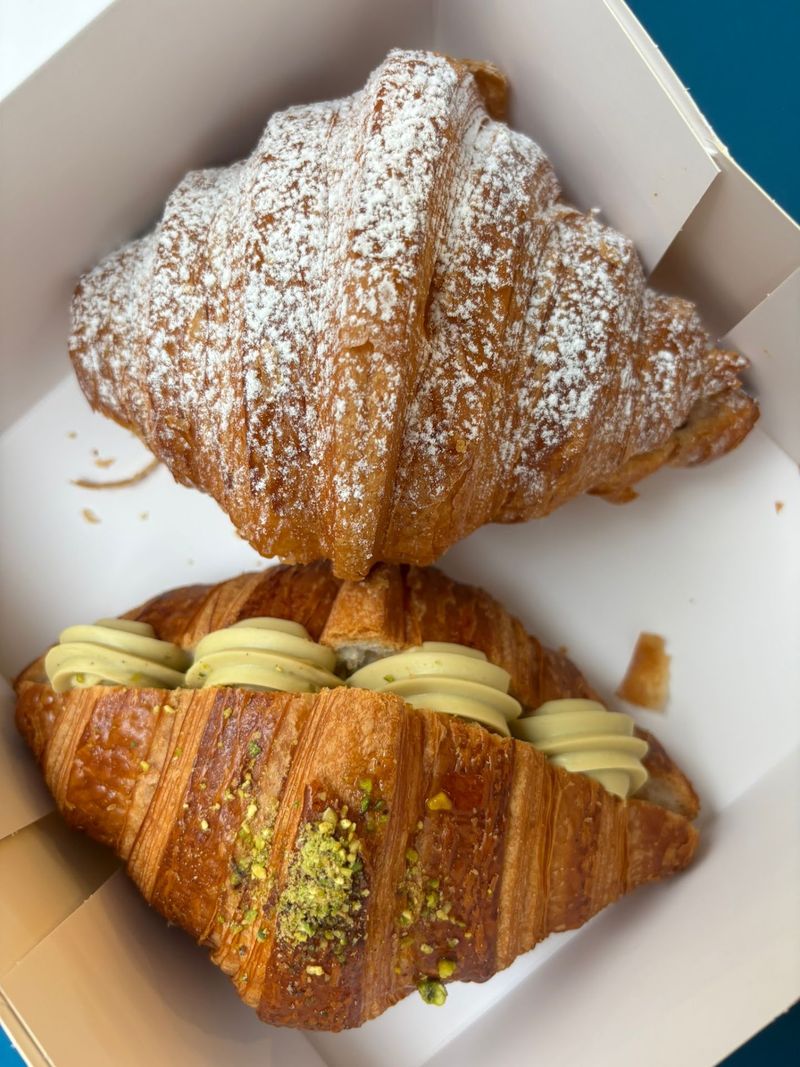
Green is the color to watch for at BUKA. The pistachio croissant is the pastry most visitors point at first.
BUKA opened its first shop in 2019, and its home base sits on Store Kongensgade. The decor blends vintage Italian touches with simple Nordic style.
The display counter is neat and full of filled croissants, cardamom buns, and custard pastries. Everything is lined up in tidy rows.
The chef aims for balanced sweetness, so the pistachio filling does not overpower the pastry. That makes it easy to finish without a sugar crash.
Locals also love the BMO, short for bolle med ost. It is a sourdough bun with butter and cheese.
Bread is baked daily with locally sourced flour. Leftover croissants turn into sandwiches or crumble pie, so little goes to waste.
With several central locations and outdoor seats, BUKA is a handy first stop. Amalienborg Palace is just a short walk away.
9. Meyers Bageri, Copenhagen, Denmark
Claus Meyer helped start the New Nordic food movement, and his bakery shows that same love for local ingredients. The shop on Jægersborggade is small but mighty.
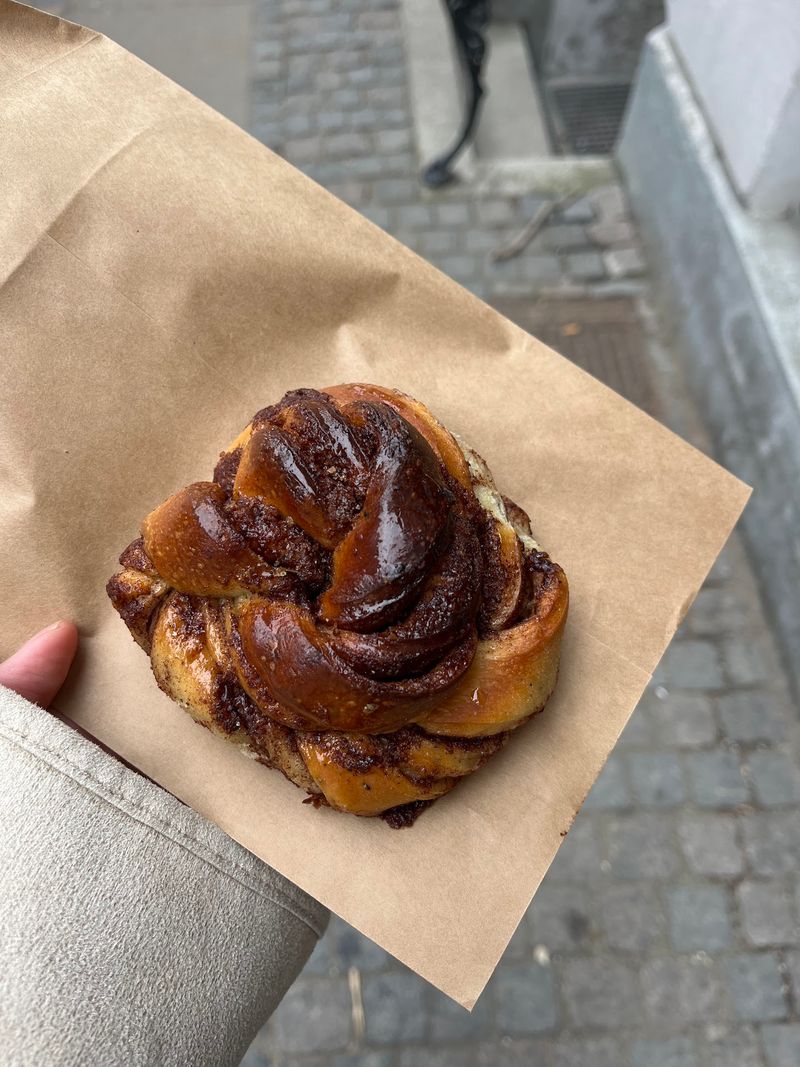
The order to grab is the kanelsnurre. It is a tall, twisted cinnamon roll made with brown sugar and often dark chocolate.
That chocolate twist sets it apart from a standard cinnamon bun. Fans call it one of the best in town.
Only a few people fit inside at once. Expect to wait on the sidewalk during busy hours.
Rye bread and sourdough loaves fill the shelves behind the counter. Organic ingredients are a core rule here.
One unusual detail: the bakery sells freshly ground flour from local mills. Home bakers can take a bag back to their own kitchen.
Jægersborggade is lined with indie shops and small cafés. Buy a kanelsnurre, then wander the street while the shops open their doors.
10. Riviera, Copenhagen, Denmark
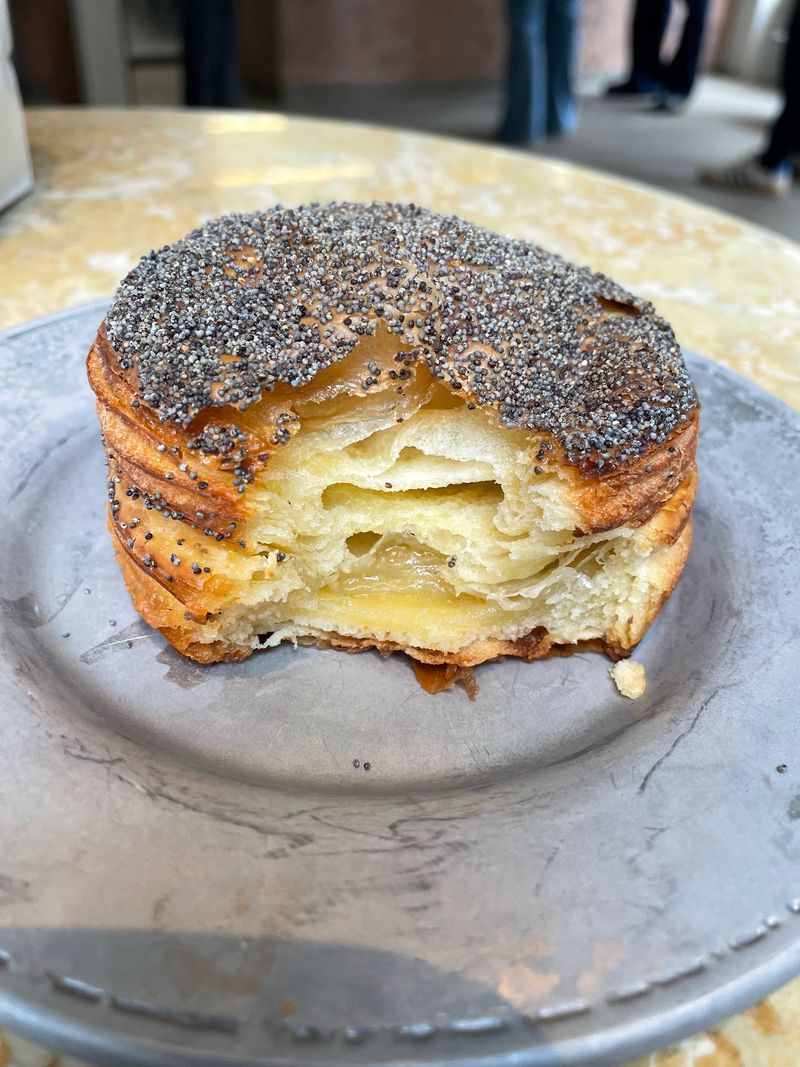
Tebirkes might be the most underrated pastry in Denmark. At Riviera, this flaky poppy-seed classic finally gets the attention it deserves.
The bakery mixes Danish and Italian baking. Chef Chiara Barla, who is Italian, also runs the nearby spot Apotek 57.
Fittingly, the building on Nansensgade housed a bakery back in the 1960s. FRAMA Studio designed the current space.
A long trestle table invites shared seating. A red marble counter anchors the room, and the floors use local Danish stone.
Beyond tebirkes, you can order Italian cornetti and several styles of cardamom and cinnamon buns. A seasonal spandauer with fanned apple slices on vanilla cream is a crowd favorite.
There is also a full breakfast menu with fresh bread. Still and sparkling water are free with your coffee.
Nansensgade is a quiet street near the lakes and the old center. It is a calm place to start before heading downtown.
11. Collective Bakery, Copenhagen, Denmark
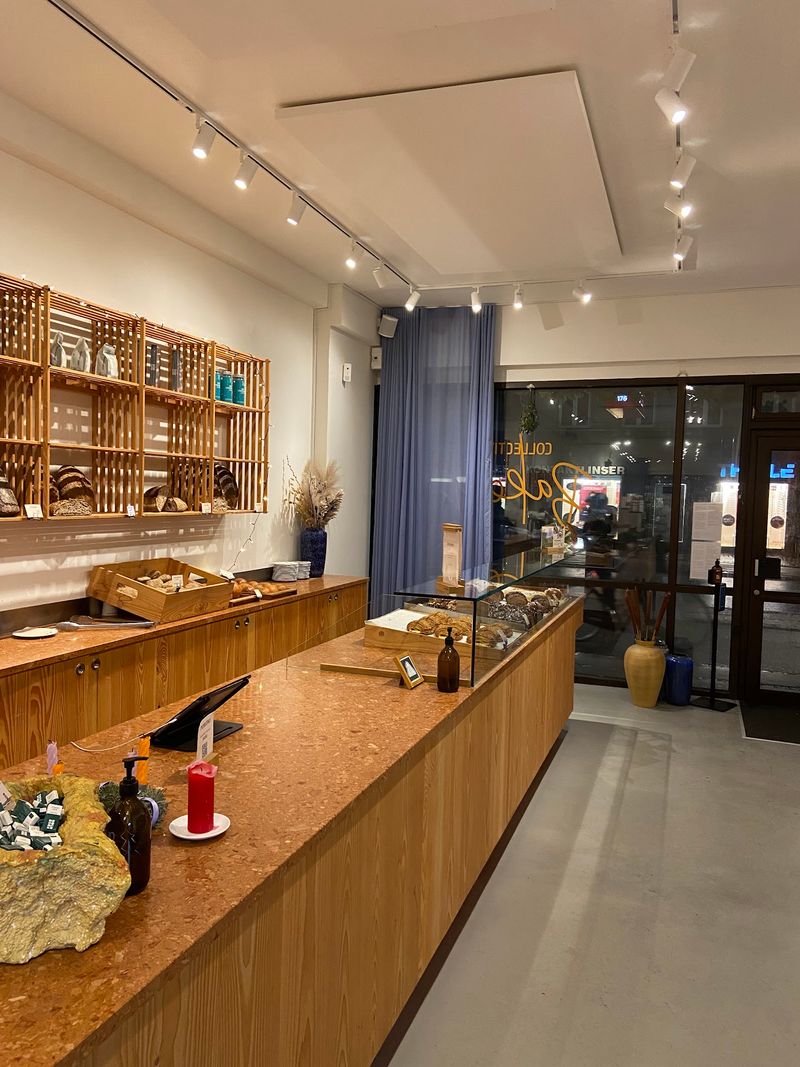
Coffee Collective has long been one of the top coffee roasters in Copenhagen. In 2021, the team asked a simple question: why not make bread just as good?
The answer is Collective Bakery on Nørrebrogade. It also supplies pastries to the company’s coffee shops around town.
Head baker Michael Craig previously worked at Hart Bageri and Juno. He leads the kitchen with fellow baker Meagan Murray.
Sesame sourdough is a top pick for bread lovers. Sweet options include sourdough tebirkes, croissants, and the kardemommeflet, a braided cardamom pastry.
Watch for the citronbølge, or lemon wave. Items rotate with the seasons, so the menu stays fresh.
Flour and grains come from local suppliers like Kornby Mølle. A large glass wall lets you watch the bakers at work.
This is a great stop if you like simple, well-made breakfasts. Pair a slice of bread with a pour-over and skip the fuss.
12. Bageriet Benji, Copenhagen, Denmark
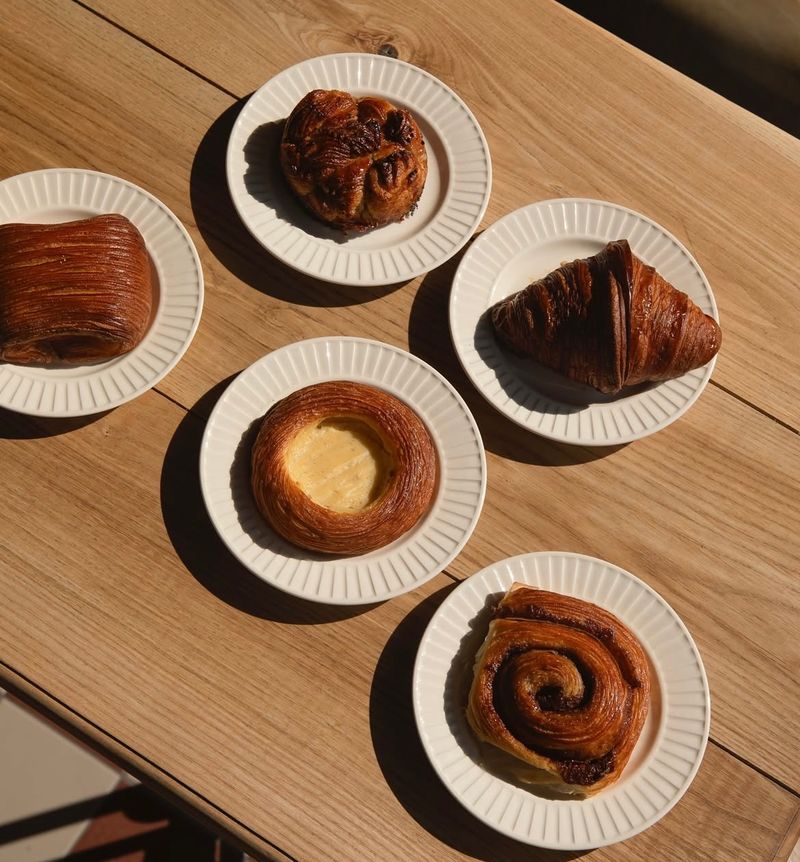
Rasmus Kristensen once served as bread master at Noma. In 2021 he swapped fine dining for a neighborhood bakery in Mjølnerparken.
Bageriet Benji keeps things relaxed. The lines here are usually shorter than at the most famous pastry shops.
Cardamom buns are the main draw. Almond croissants are a close second and sell quickly on busy mornings.
Sourdough bread is a big part of the menu too. Classic Danish pastries sit beside newer, modern bakes.
The space has easy café seating and a sunny outdoor terrace. A playground sits nearby, which makes this a smart pick for families with young kids.
Parents can sip coffee while the little ones burn off sugar on the swings. Everyone wins.
The goal here is simple: great bread and pastries without fancy extras. If crowds wear you out, Benji offers the same top-level skill with a friendlier pace.
13. Democratic Coffee, Copenhagen, Denmark
Founder Oliver Oxfeldt taught himself to make croissants, partly by studying online videos. That self-taught effort now draws a loyal crowd.
Democratic Coffee sits inside the main public library on Krystalgade. The name honors libraries as open spaces for everyone.
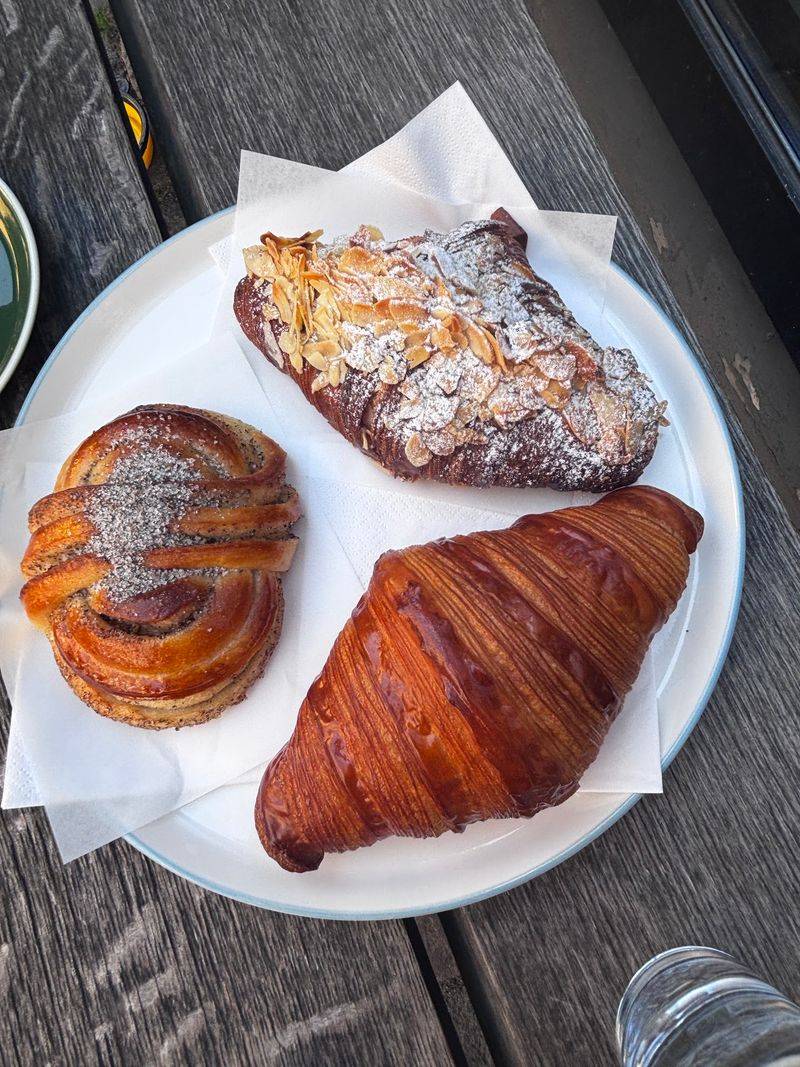
The almond croissant is the must-order item. It follows a classic French method and gets baked twice.
First comes a regular bake. Then each croissant is soaked in syrup, filled with frangipane, and baked again for a crunchy top.
Pastries come out fresh twice a day from the in-house kitchen. Arrive early for the first batch.
Coffee rotates through three or four single-origin choices. You can order V60 pour-over, espresso, or milk drinks.
Shelves of library books surround the tables, and free Wi-Fi is close by. Please keep the crumbs off the novels.
It makes a fitting final stop, with a good read and a great pastry in one place.
Share this story