Some Portuguese pastries are famous enough to make travelers visit a town just to try them. Lisbon has its custard tarts, Sintra has almond-filled travesseiros, and Aveiro sells egg-yolk sweets shaped like fish and seashells.
Many of these recipes began in convent kitchens centuries ago. Others became specialties of family-run bakeries that have been operating for generations.
A few still keep parts of their recipes secret.
Across Portugal, you can find pastries shaped like pillows, rooster combs, and delicate crescents. Some are protected regional specialties, while others are closely associated with a particular bakery.
Here are 13 Portuguese pastry shops where the signature sweet is reason enough to make a stop, along with what to order and the stories behind these local favorites.
1. Pastéis de Belém, Lisbon, Portugal
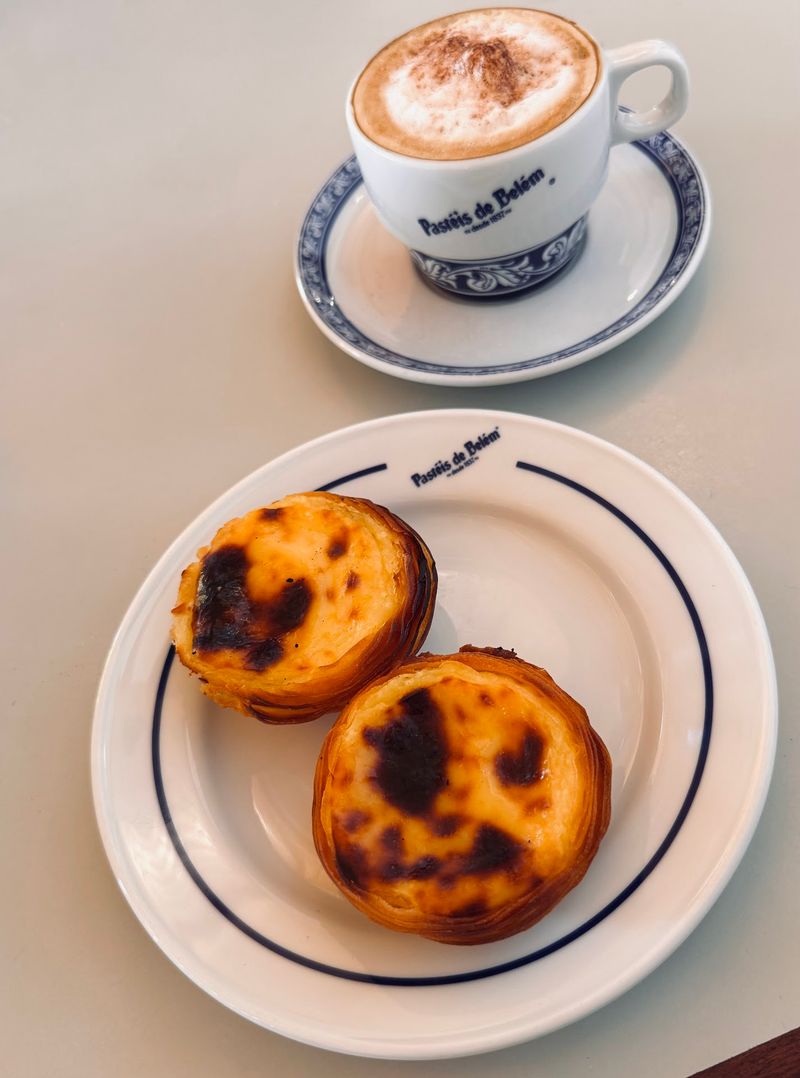
Only one bakery on Earth is allowed to sell tarts called pastéis de Belém, and it has been doing so since 1837.
The recipe came from monks at the nearby Jerónimos Monastery. After religious orders were closed in 1834, the monks sold pastries to earn money, and the bakery grew from there.
Today, a small team of master bakers makes the tarts in a locked room called the Secret Workshop. Everyone else in Lisbon has to call their version pastéis de nata.
The numbers are wild. The bakery turns out about 20,000 tarts a day, and up to 50,000 on busy weekends.
You will usually see two lines out front. One is for takeaway, and the other is for table service in a maze of tiled dining rooms that seat around 600 people.
Pro tip: skip the takeaway line and grab a seat inside. Visit before 10 AM or after 6 PM on weekdays, then shake on cinnamon and powdered sugar like the locals do.
2. Casa Piriquita, Sintra, Portugal
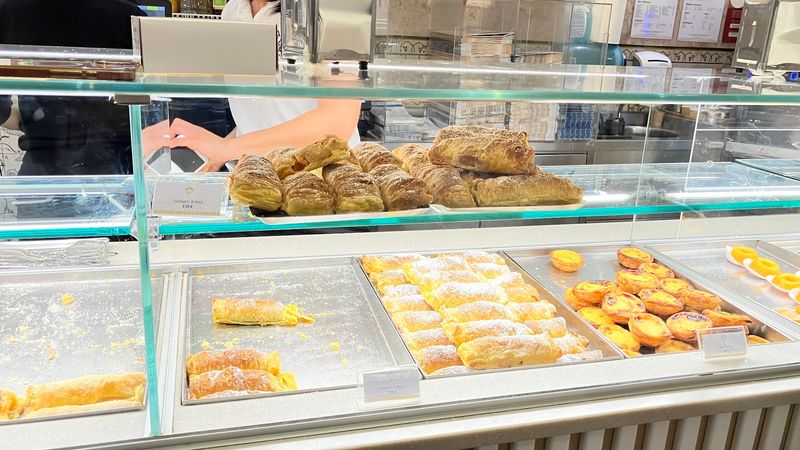
A king handed out the nickname, and the bakery kept it for more than 160 years.
Founder Constança Gomes opened her shop in Sintra in 1862. King Dom Carlos I called her Piriquita because she was very small, and the name stuck to the business.
At first, the bakery was known for queijadas, small sweet cheese tarts. The star pastry came much later, in the 1940s, when the founder’s granddaughter found an old recipe in a cookbook.
That recipe became the travesseiro, which means pillow in Portuguese. It is a long rectangle of puff pastry wrapped around egg cream and almonds, dusted with sugar.
Real ones are at least 12 cm long and about 7 cm wide. The family has protected the recipe for five generations.
Expect a line of tourists and locals mixed together. Pair a stop here with a palace visit, and order one travesseiro to eat now plus a couple for the train ride back to Lisbon.
3. Confeitaria Peixinho, Aveiro, Portugal
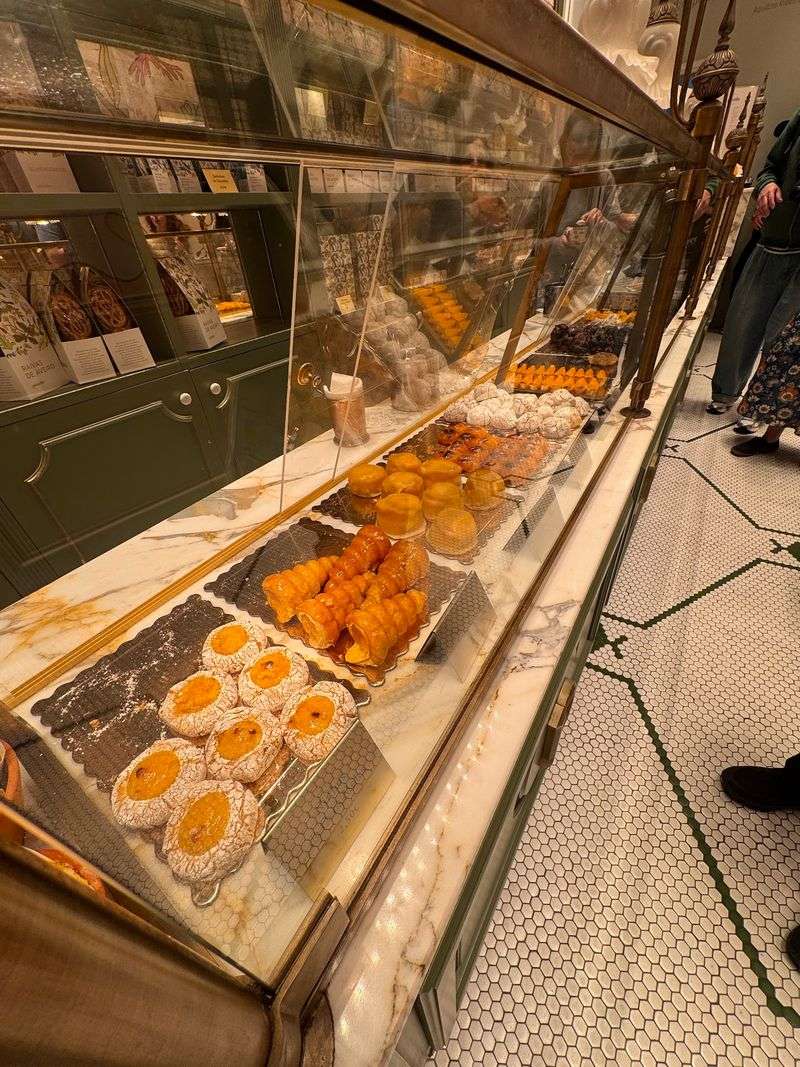
Fish, clams, and tiny barrels sit in the display case, and every single one is a dessert.
Those shapes belong to ovos moles, the signature sweet of Aveiro. A thin wafer shell, similar to the paper used for church communion wafers, holds a thick filling of egg yolk and sugar.
Confeitaria Peixinho opened in 1856 and is the oldest shop in town making them. The recipe began with nuns at the Convento de Jesus, then passed to local confectioners when convents closed.
Here is a fun bragging fact. Ovos moles were the first Portuguese pastry to earn Protected Geographical Indication status from the European Union.
That label means makers must follow strict rules about ingredients and methods. So a fish-shaped bite here is the real deal, not a copycat.
The shop sits on a pedestrian street near the main canal. Order a few with coffee, then take a boat ride past the colorful moliceiro boats to round out the visit.
4. Pastelaria Alcôa, Alcobaça, Portugal
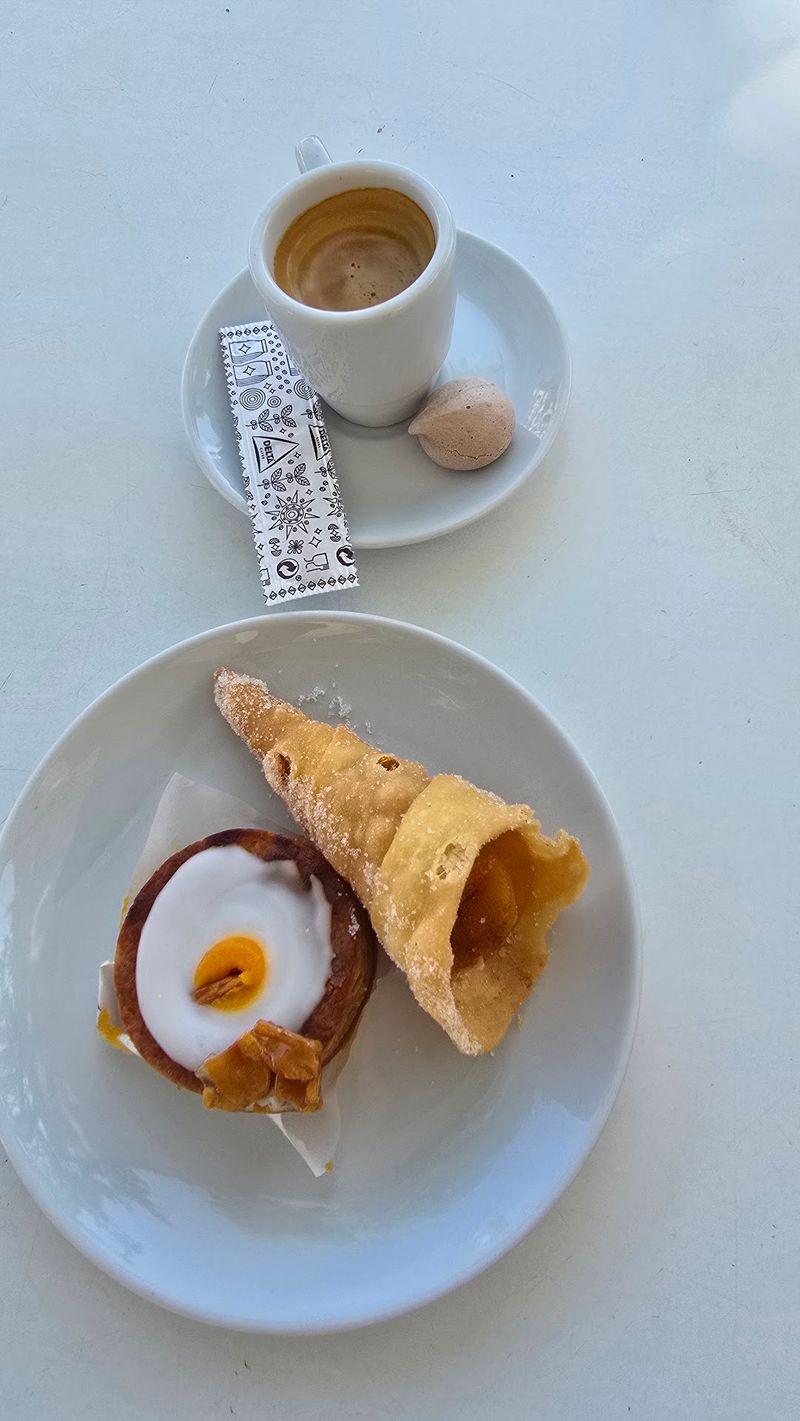
Nun’s belly, angel’s chin, and nun’s kisses are all on the menu, and nobody here blushes.
Those playful names belong to old convent sweets, and Pastelaria Alcôa treats them like museum pieces you can eat. The shop opened in 1957 on the square facing the huge Alcobaça Monastery.
Owner Paula Alves has spent years digging through historic convent documents. Her goal is to bring back lost recipes from places like Santa Maria de Alcobaça and Santa Maria de Cós.
The flagship item is the cornucópia. It is a horn-shaped pastry filled with doce de ovos, a sweet egg cream, and it has won several national pastry awards.
Treat the shop more like a sweet boutique than a sit-down café. Seating is limited, so many visitors buy a box and walk across the square.
Tour the monastery first, then come back to sample a mix. Ask staff for a small assortment so you can taste three or four recipes at once.
5. Moinho Novo, Tentúgal, Portugal
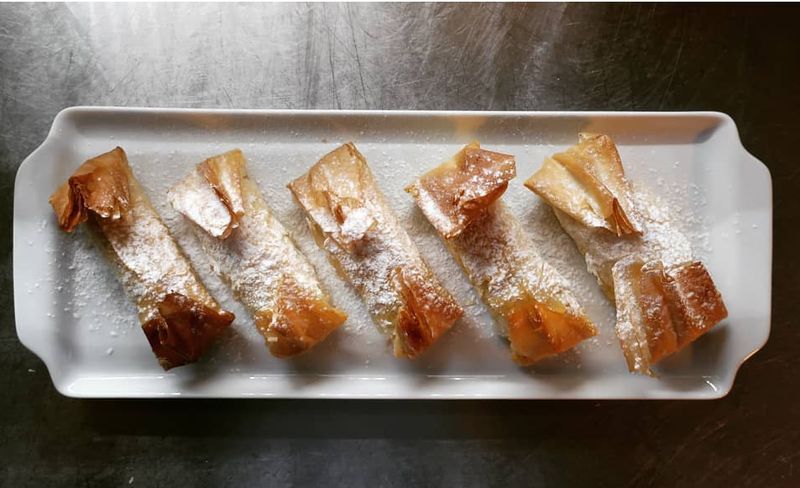
Legend says the dough for this pastry gets stretched so thin you could read a newspaper through it.
The pastel de Tentúgal is made by hand, with bakers pulling the dough across large tables until it is almost see-through. No butter goes into the dough itself.
Inside, you will find doce de ovos, a simple filling of egg yolks and sugar. The finished pastry is long, light, and shatters easily, so keep a napkin close.
Carmelite nuns at a local convent created the recipe in the 1500s. When the last nun left the convent in 1898, village women learned the method and kept it going.
The pastry earned EU protected status in 2013. Moinho Novo Doçaria Conventual is a great place to try it in its home village.
Tentúgal is a short drive from Coimbra. Buy extras in a sturdy box, because these pastries are delicate and tend to crumble in a backpack.
6. Briosa, Coimbra, Portugal
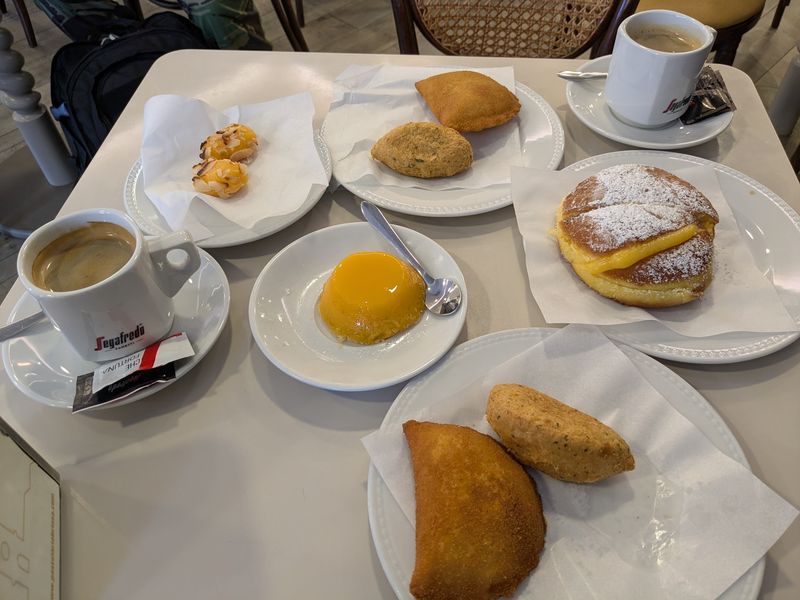
University students in Coimbra have been snacking on these crescents for centuries, long before vending machines existed.
Pastéis de Santa Clara come from the city’s Convent of Santa Clara, founded in the late 1200s. The nuns sold them to students, which may be the oldest campus snack deal in Portugal.
Each pastry is shaped like a half-moon. A thin shell holds a filling of ground almonds and egg yolks.
Briosa has been part of daily life in Coimbra since 1955. Its home on Largo da Portagem sits right by the river and the bridge into the old town.
Locals use it as a meeting spot, so you will see regulars chatting at the counter alongside visitors. The shop also sells arrufadas, a soft sweet bread, and queijadas.
Plan a stop before climbing the steep streets to the university. A pastry and a coffee are good fuel for all those hills and stairs.
7. Confeitaria Clarinha, Guimarães, Portugal
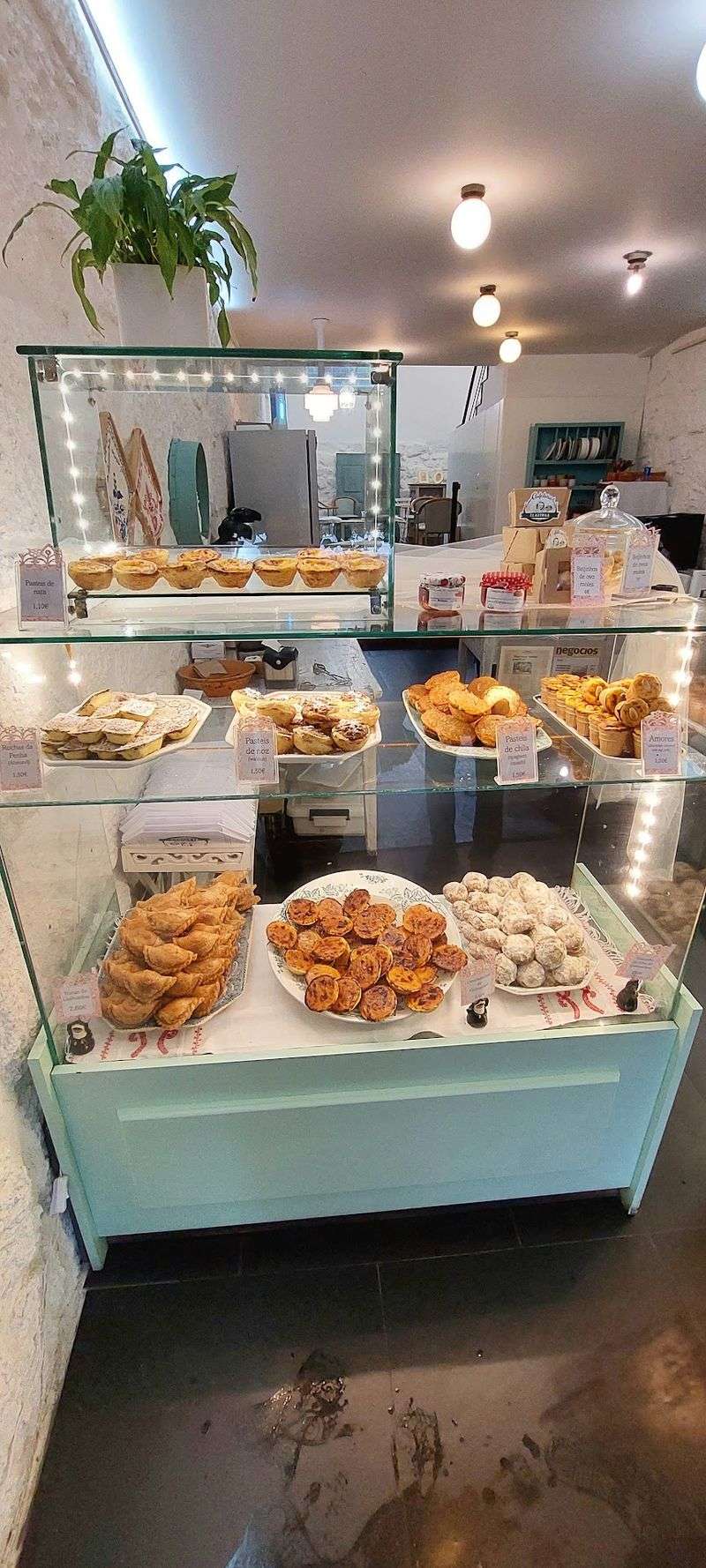
Some pastries are quick snacks, but one of these can take up to 36 hours to make.
Tortas de Guimarães are crescent-shaped pastries with thin, flaky dough. The filling mixes sugar, egg yolks, ground almonds, and chila, a jam made from a type of squash.
After baking, the tortas often get a quick dip in light syrup. That step gives them a shiny finish.
Nuns at the Convento de Santa Clara in Guimarães are believed to have created them in the late 1800s. Confeitaria Clarinha opened in 1953 and still bakes its goods on-site.
The shop sits on Rua de Santa Maria, one of the oldest streets in a city often called the birthplace of Portugal. That makes it easy to fit into a walking tour.
Here is a smart plan. Visit the castle and the Palace of the Dukes of Braganza first, then reward yourself on the way back down.
8. Pastelaria Cego, Vila Nogueira de Azeitão, Portugal
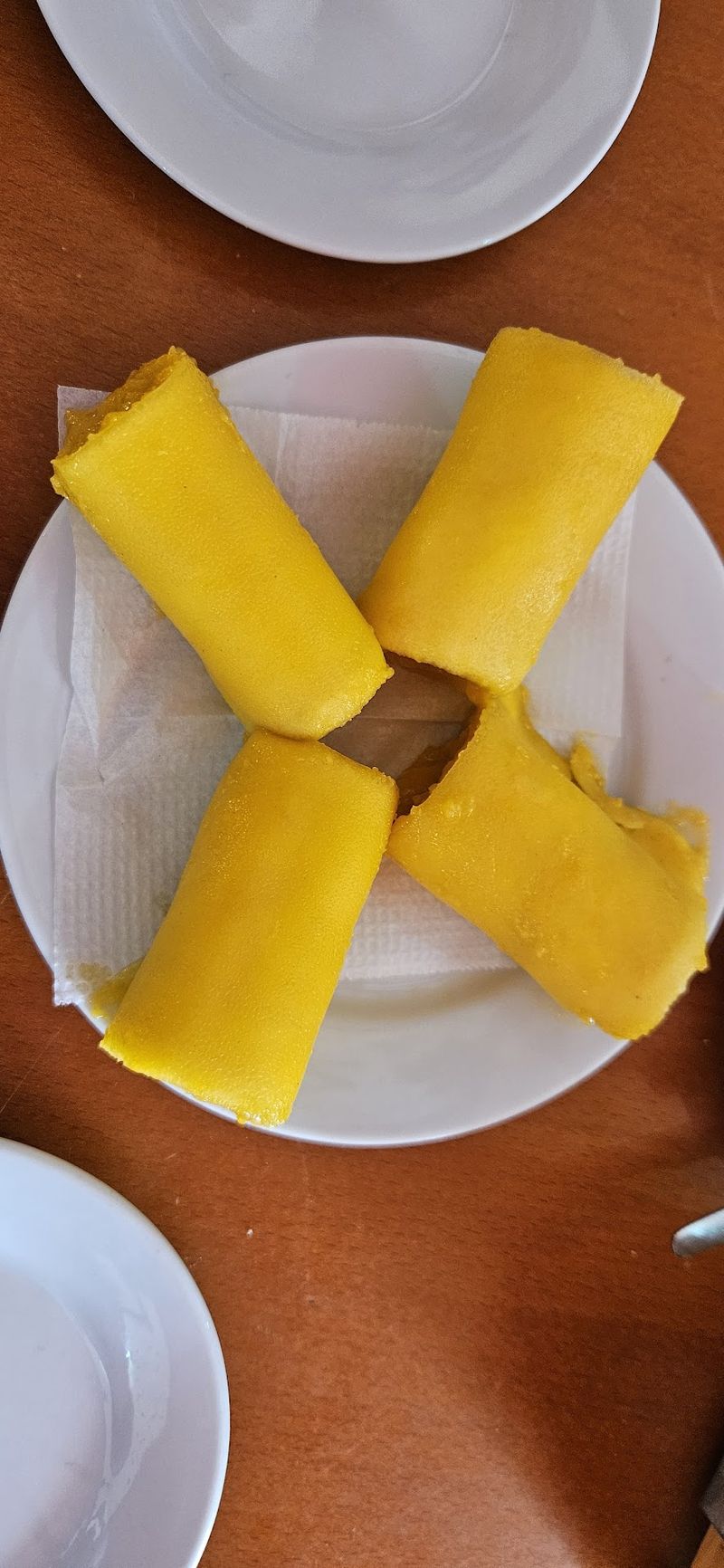
Big city pastry shops get the crowds, but small-town Azeitão gets the bragging rights for this rolled treat.
A torta de Azeitão is a thin sponge cake rolled around sweet egg cream. It is then cut into single servings, so each piece is a neat little spiral.
The cake usually uses eggs, sugar, and a bit of cornstarch. The filling is rich and yolky, in true Portuguese style.
Pastelaria Cego is a well-known local stop for this specialty. It feels calmer than the busy cafés of Lisbon, which is part of its charm.
Azeitão sits near the Arrábida hills, about 40 minutes from the capital. That location makes it a handy stop on a day trip to beaches, viewpoints, or the town of Setúbal.
Order a few tortas to share, and grab a coffee at the counter. If you are heading to the coast, pick up a box for later, since the portions travel well.
9. Confeitaria Nacional, Lisbon, Portugal
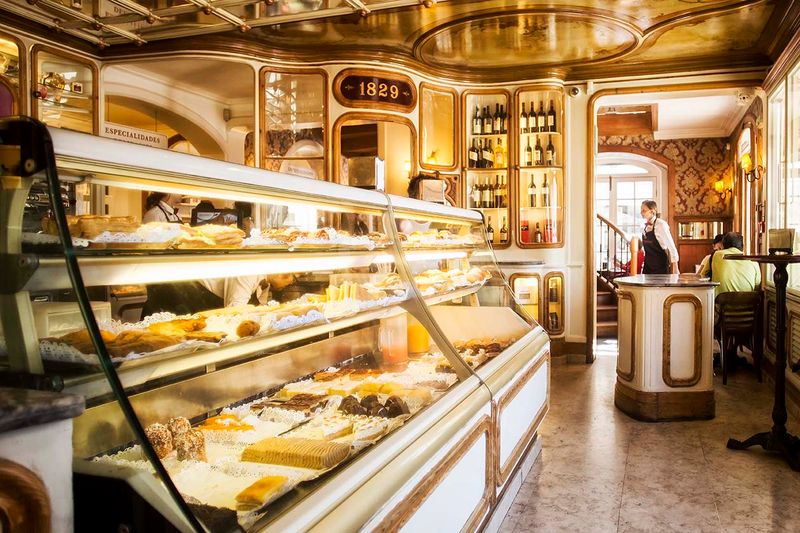
Royal approval came early here, in 1873, and the bakery still supplies the Portuguese president today.
Confeitaria Nacional opened in 1829 on Praça da Figueira. A few decades later, the founder’s heir brought a recipe home from Toulouse, France, and introduced bolo-rei to Portugal in 1875.
Bolo-rei means king cake. It is a ring of soft dough topped with candied fruit and nuts.
Tradition says a dried fava bean hides inside. Whoever finds it is expected to buy the next cake, which is a clever way to keep the party going.
After Portugal became a republic in 1910, some people tried renaming it president cake. The new name flopped, and the king kept his crown.
The cake is most popular from Christmas through January 6, the Day of Kings. Visit in December for the full experience, but the elegant old café is worth a stop any time of year.
10. Manuel Natário, Viana do Castelo, Portugal
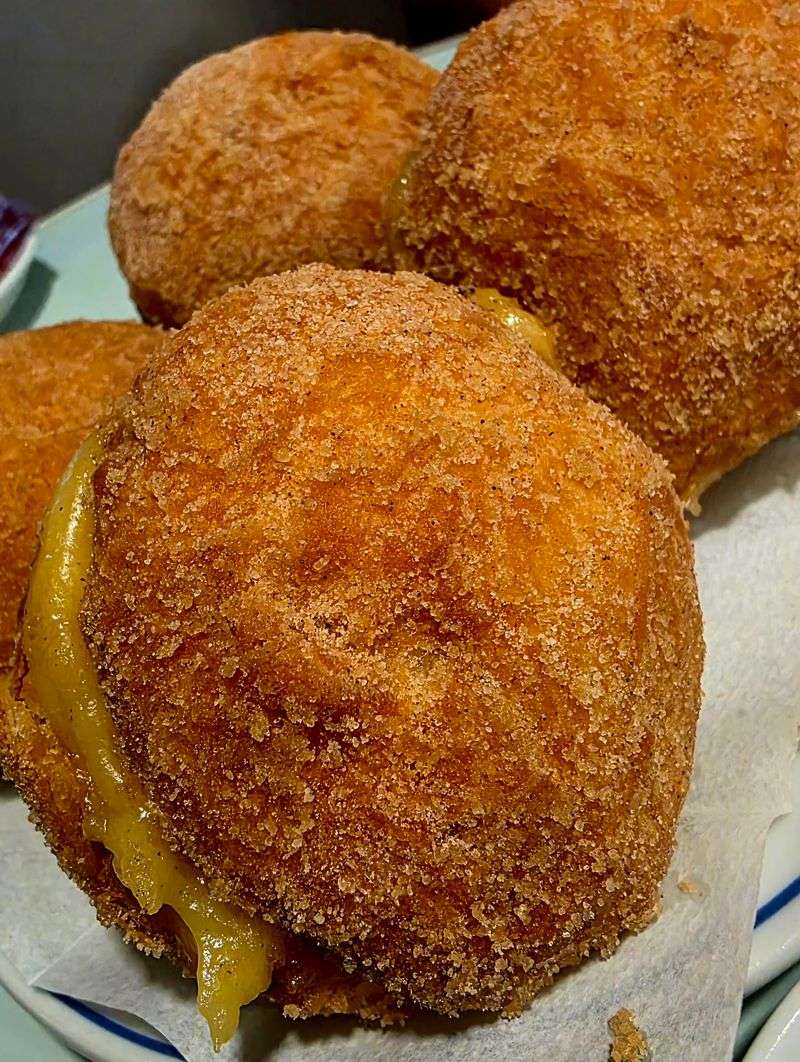
Portuguese beachgoers know the call of the doughnut seller better than any lifeguard whistle.
The bola de Berlim is the country’s favorite summer snack. It is a round fried dough ball rolled in sugar and split open for a thick stripe of yellow custard cream.
Its roots go back to the German Berliner. During World War II, refugee families from Germany worked in Portuguese cafés and adapted the recipe, swapping jam for creme de pasteleiro.
The Portuguese version also grew bigger. One is usually enough, though plenty of people order two anyway.
In Viana do Castelo, Manuel Natário is the name everyone mentions. The bakery sits in the historic center and draws steady lines of locals.
Arrive in the morning for the best selection, since popular batches can sell out. Then take the funicular up to the Santa Luzia sanctuary and enjoy your snack with one of the best views in northern Portugal.
11. Pastelaria Moura, Santo Tirso, Portugal
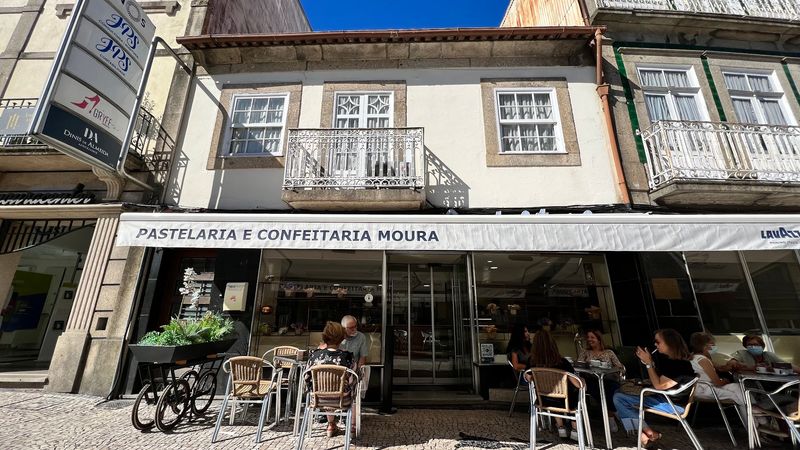
About 2,000 jesuítas leave this bakery every single day, so the oven rarely gets a break.
Pastelaria Moura opened in Santo Tirso in 1892. Founder Guilherme Moura hired a Spanish pastry chef who had worked with Jesuit priests in Bilbao, and that chef brought the recipe along.
The jesuíta is a triangle of puff pastry with egg cream inside and a crisp sugar icing on top. Many say the name and shape refer to the clothing of Jesuit priests.
The same family has run the business for five generations. The town is so proud of the pastry that a brotherhood was formed in 2007 just to promote it.
Locals even have a serving trick. Some cut the jesuíta in half and press the iced sides together for a sweeter bite.
Santo Tirso is about 30 minutes from Porto by train. It makes an easy half-day trip for anyone who wants a break from custard tarts.
12. Pastelaria Casa Lapão, Vila Real, Portugal
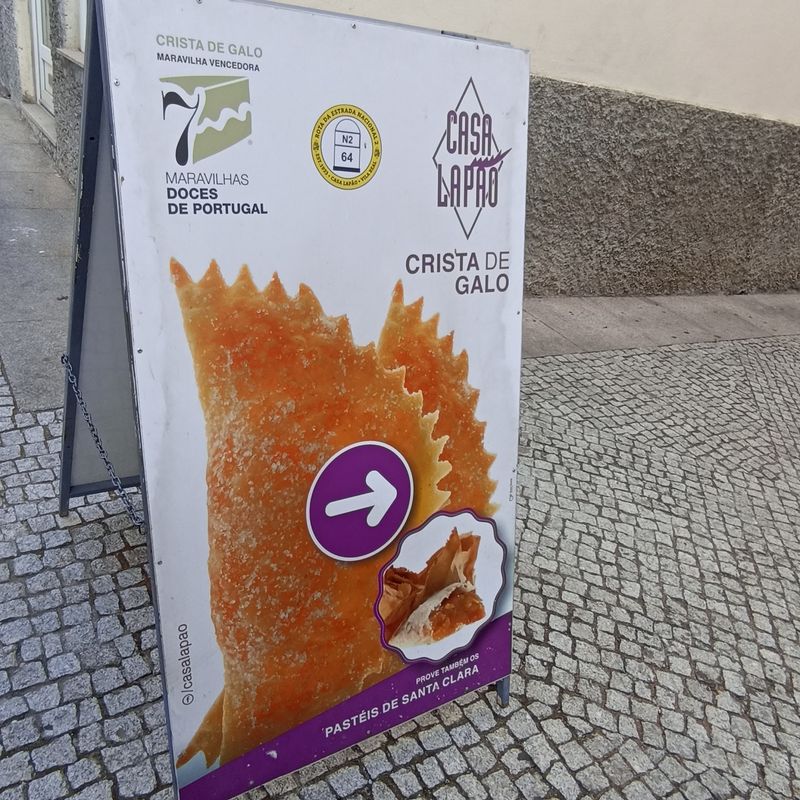
Few desserts are named after part of a chicken, yet Vila Real proudly serves one.
The crista de galo means rooster’s comb. Its folded edge looks a lot like the red crest on a rooster’s head.
Inside, you will find a filling of eggs and almonds. That pairing shows up all over Portuguese convent baking, and it works well here.
Pastelaria Casa Lapão has been part of Vila Real since 1918. It still uses recipes handed down through generations of bakers.
The shop also sells other regional sweets, so the counter offers a good sampler of local traditions. Ask which items are made that day, and staff can usually point out house favorites.
Vila Real sits at the edge of the Douro Valley, with its famous terraced hills. Many travelers pass through on road trips without stopping, which is a real missed chance.
Plan a short break here and try at least one rooster’s comb before moving on.
13. Pastelaria Casinha do Pão de Ló, Ovar, Portugal
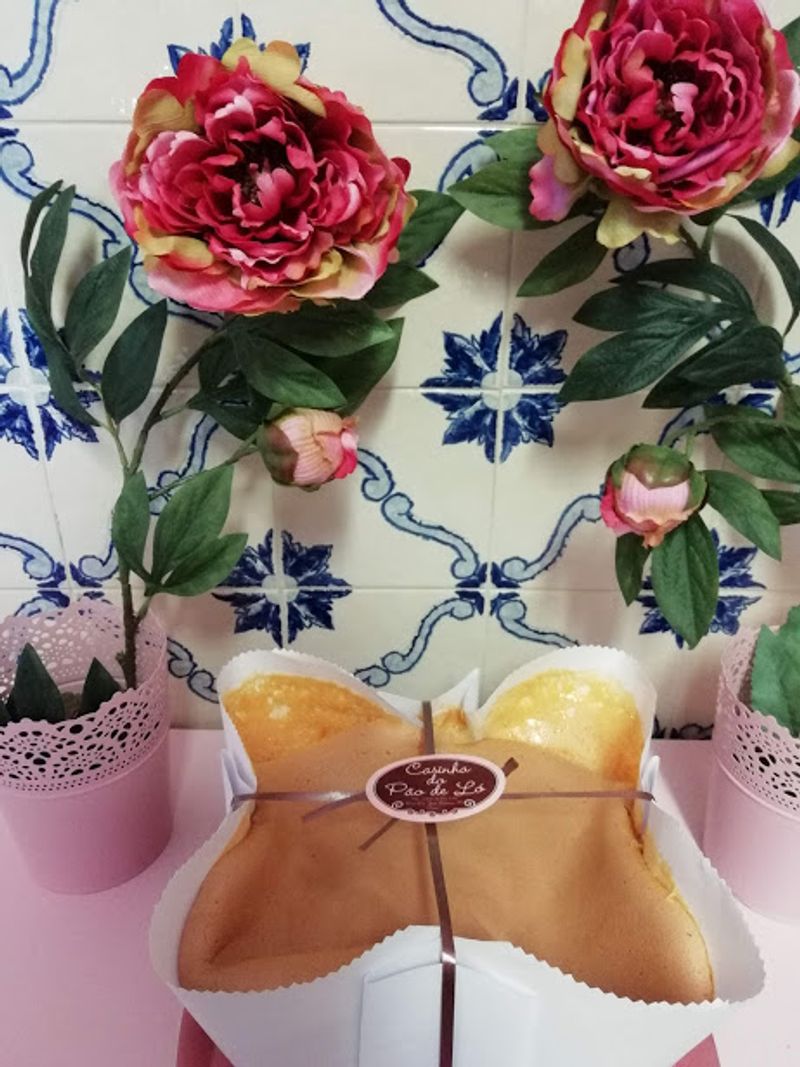
Underbaking a cake on purpose sounds like a mistake, but in Ovar it is the whole point.
Pão de ló de Ovar is a sponge cake with a soft, gooey center. Locals often grab a spoon to finish the middle part.
The recipe uses just three main ingredients: eggs, sugar, and flour. It is baked in a mold lined with special paper called almaço, which stays on the cake when it is sold.
Its roots trace back to an 18th-century convent. Since 2011, the cake has held EU protected status, so true versions must follow traditional methods.
Pastelaria Casinha do Pão de Ló focuses on this one specialty, and the name says it all. Few shops are this dedicated to a single cake.
Ovar even throws a five-day summer festival to honor its famous dessert. If your trip lines up, plan to visit then, and finish your Portuguese pastry tour on a very sweet note.
Share this story