Italy has a pastry for nearly every town, holiday, and time of day. Some are crisp and filled with cream, while others are soft, syrupy, or layered like a book.
Each one tells a story about the place where it was born. Here are ten classics worth tasting, along with where to find them.
1. Cannoli – Sicily
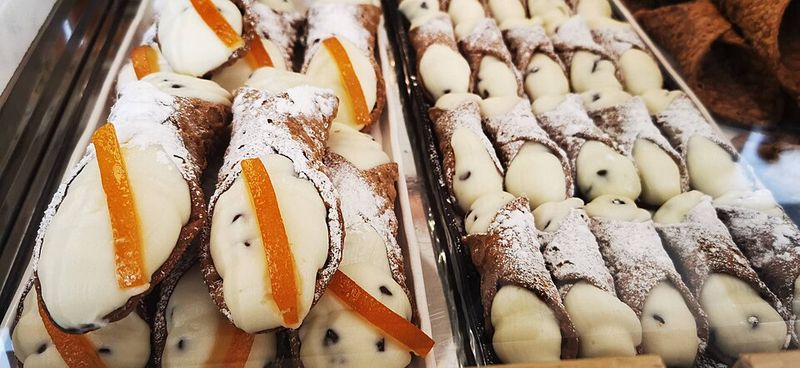
Few sounds are as satisfying as the crack of a cannolo shell breaking in your hands. This Sicilian classic is a fried pastry tube filled with sweet ricotta, often mixed with chocolate chips or candied fruit.
Cannoli date back centuries and are linked to Palermo and the Arab influence on Sicilian cooking. They were once a treat made for Carnival season, though now they are sold all year.
The best cannoli are filled only after you order them. That keeps the shell crunchy instead of soggy.
Look for ricotta made from sheep’s milk, which gives a rich and slightly tangy flavor.
Small shops in Palermo and Catania are good places to try them. Many are finished with crushed pistachios or a cherry on the ends.
Order one with coffee for a classic Sicilian snack.
2. Sfogliatella Riccia – Naples, Campania
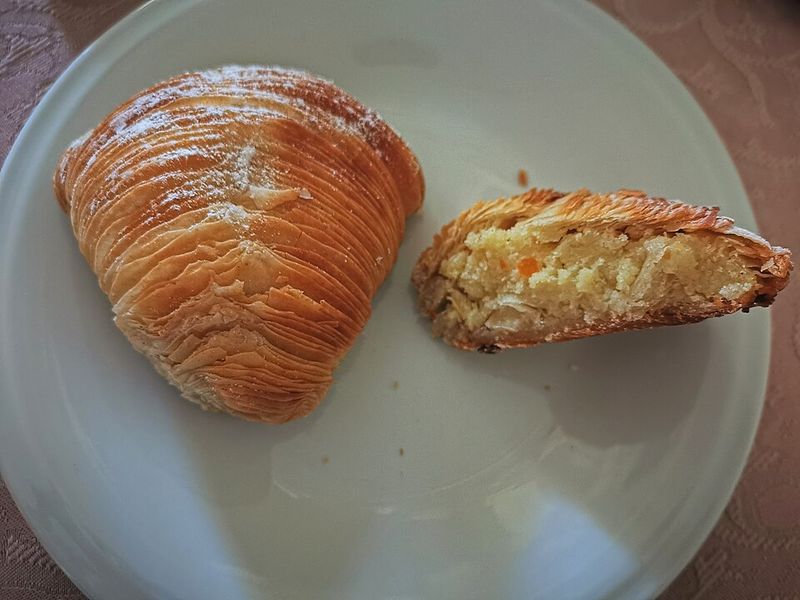
Picture a pastry made of dozens of paper-thin layers that shatter with every bite. That is the sfogliatella riccia, a shell-shaped treat that has been a pride of Naples for hundreds of years.
The filling is a creamy mix of semolina, ricotta, sugar, and bits of candied orange. A hint of cinnamon adds warmth to each mouthful.
Legend says the recipe began in a convent on the Amalfi Coast before bakers in Naples made it famous. Making the dough takes patience, because it is stretched thin and rolled tightly.
Try one warm from the oven, when the layers are at their crispiest. Neapolitans often enjoy it at breakfast with an espresso.
A smoother version called sfogliatella frolla uses shortcrust pastry instead.
3. Maritozzo con la Panna – Rome, Lazio
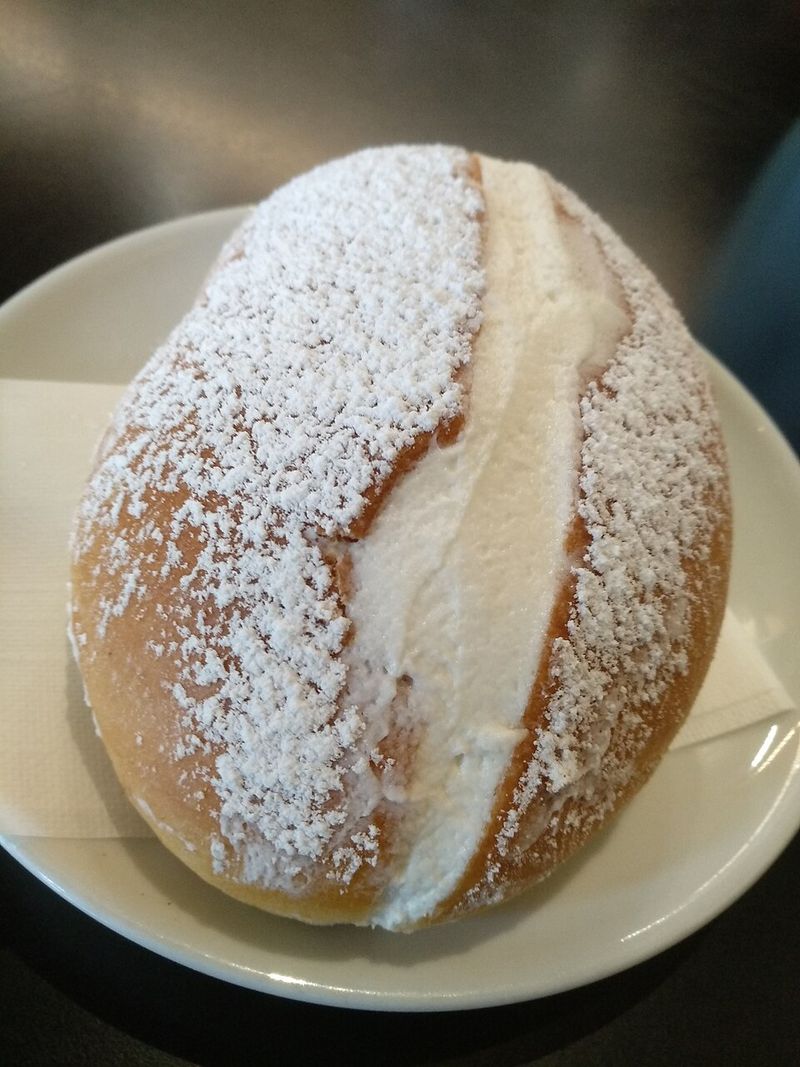
A soft bun stuffed with a mountain of whipped cream sounds like a dream breakfast, and in Rome it is real. The maritozzo is a sweet, lightly spiced bun that is split open and filled with fresh cream.
Long ago, it was eaten during Lent and given as a love token. The name comes from the word for husband, since young men supposedly offered the buns to their future wives, sometimes with a ring hidden inside.
The dough is enriched with eggs, honey, and sometimes raisins or orange peel. Its tender texture contrasts with the cool, airy cream.
Romans usually eat it in the morning with a cappuccino. Go with a napkin handy, because the cream tends to spill out.
Many cafes around the city serve their own version.
4. Cornetto – Throughout Italy
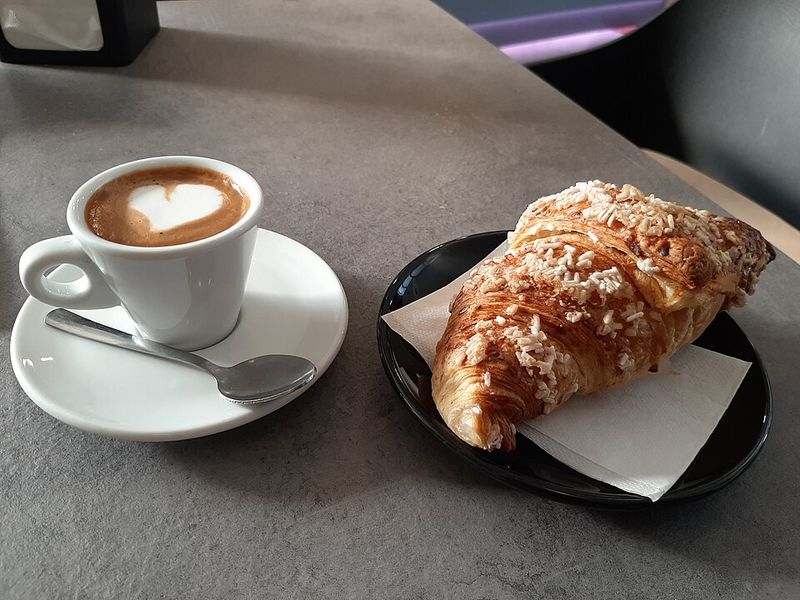
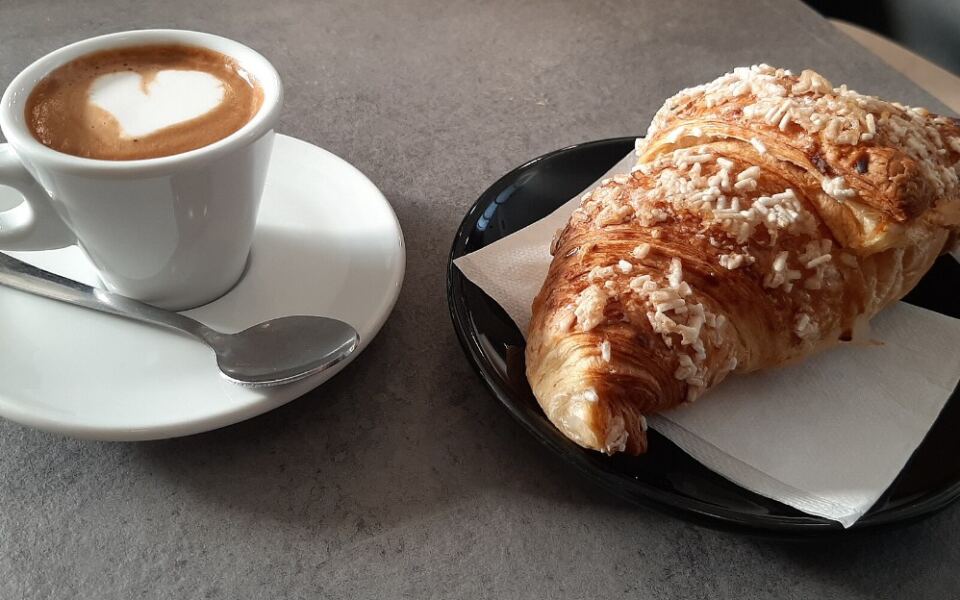
Walk into any Italian bar before 10 a.m. and you will see locals standing at the counter with a cornetto and a coffee. It is the country’s everyday breakfast pastry.
The cornetto looks like a French croissant, but it is usually softer and sweeter. The dough often includes eggs and a touch of honey, and it may carry a hint of orange or vanilla.
Fillings vary widely. You can find them plain, or stuffed with custard, apricot jam, chocolate, or pistachio cream.
Some bakers also make a whole grain version for a lighter option.
Ask for a cornetto vuoto if you want it empty, or ask what is fresh that morning. Eating one at the counter is often cheaper than sitting at a table.
It is a simple way to start the day like an Italian.
5. Pasticciotto Leccese – Lecce, Puglia
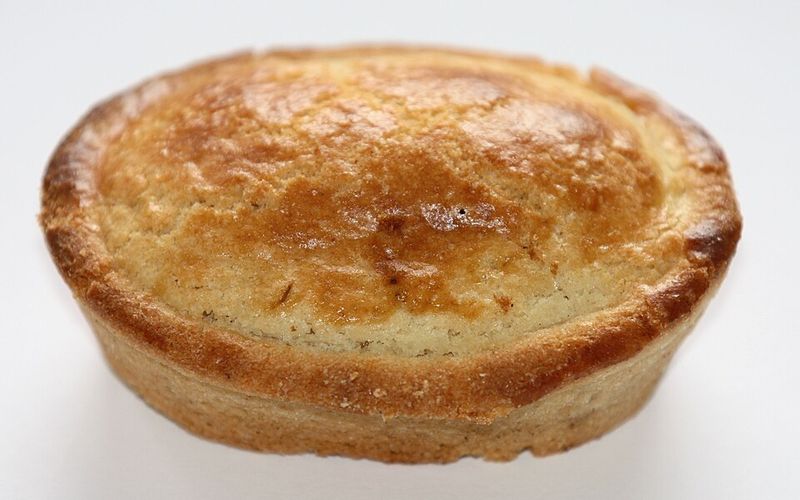
In Lecce, a warm pasticciotto at breakfast is almost a daily ritual. This small oval pastry has a buttery, crumbly shell and a heart of thick vanilla custard.
The story goes that a baker named Andrea Ascalone invented it in 1745 using leftover pastry and cream. Whether or not that is exactly true, it has been a favorite in Salento ever since.
The shell is made with shortcrust pastry often enriched with lard, which gives it a tender crumb. Some bakers add sour cherries or chocolate to the custard.
Locals say the best way to eat it is straight from the oven. Many cafes in Lecce serve it with a caffe leccese, an espresso poured over ice and almond syrup.
It is a sweet reason to visit southern Puglia.
6. Baba al Rum – Naples, Campania
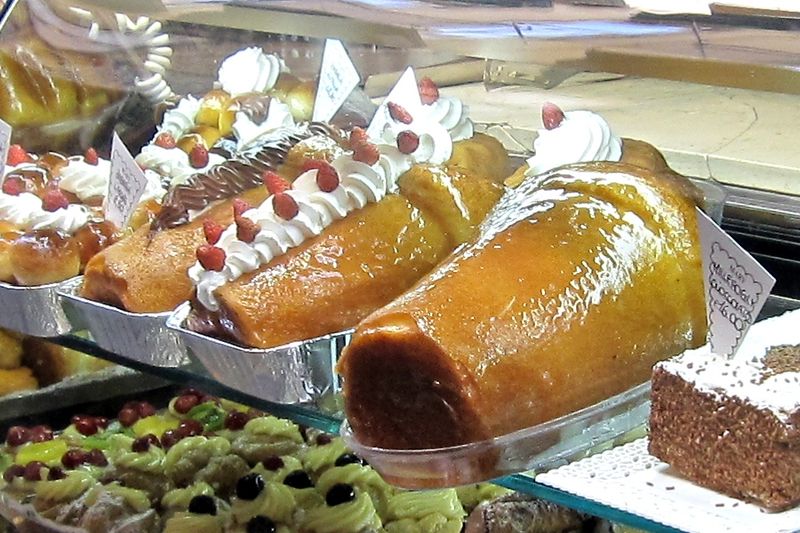
Some desserts are happy to be a little wet, and the babà is one of them. This mushroom-shaped cake is soaked in a rum syrup until it turns soft, juicy, and deeply fragrant.
Its roots stretch to Poland, where a king reportedly poured liquor over a dry cake. The idea traveled to France and then to Naples, where cooks made it their own.
The dough is yeasted and airy, which lets it drink up the syrup like a sponge. It is often served plain, or with whipped cream, pastry cream, or fruit.
Neapolitans enjoy it as a dessert or an afternoon treat. Mini versions are easy to find in pastry shops.
If you do not like strong alcohol, ask whether the syrup is lighter, since recipes vary.
7. Zeppole di San Giuseppe – Southern Italy
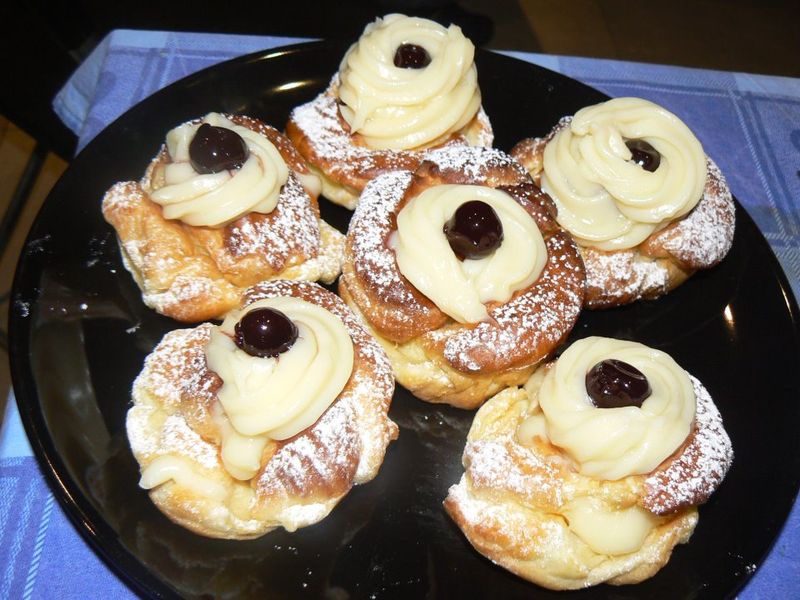
Every March 19, bakeries in southern Italy fill their windows with zeppole. They are made to celebrate Saint Joseph’s Day, which also serves as Father’s Day in Italy.
A zeppola is a ring of choux pastry, either fried or baked. It is topped with a swirl of pastry cream and crowned with a sour cherry in syrup.
The fried version is crisp outside and airy inside, while the baked one is lighter. Both are dusted with powdered sugar.
Naples is especially known for them, though Puglia, Sicily, and Calabria all have their own takes.
Since the pastry is seasonal, it tastes best when you buy it fresh in the days around the holiday. Pair it with a small cup of coffee, and you will see why families look forward to it all year.
8. Coda d’Aragosta – Campania
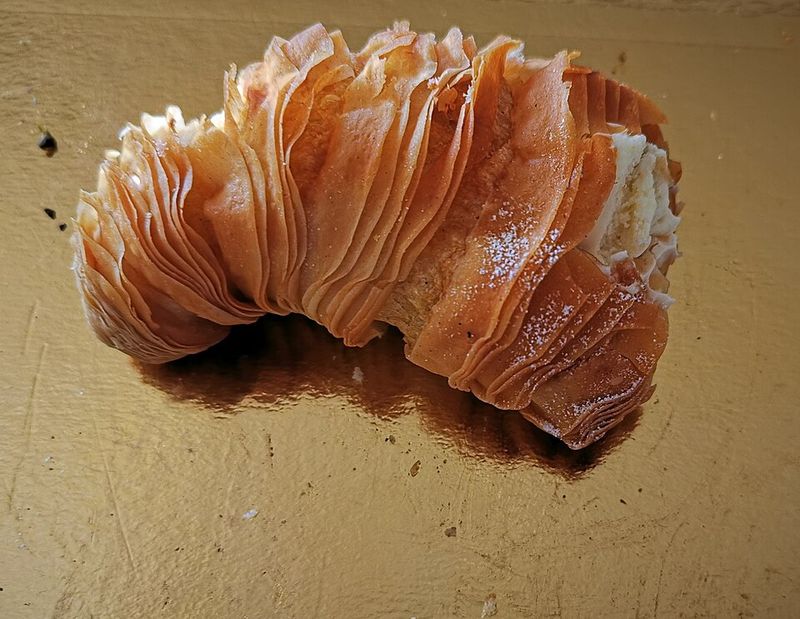
The name means lobster tail, and the pastry really does look like one. Its twisted, ridged shape comes from the same crisp layered dough used for sfogliatella.
Bakers in Naples created it as a more generous cousin, filled with plenty of cream. Instead of ricotta, the filling is usually light vanilla custard, though some shops add whipped cream or chocolate.
Each bite starts with a crackle and ends in something soft and sweet. The outside is often lightly glazed or dusted with powdered sugar.
It is a good pick if you find the traditional sfogliatella a bit too dense. The pastry is large, so sharing is a fair option.
Order it fresh in the morning, since the shell loses some of its snap as the day goes on.
9. Bombolone – Tuscany
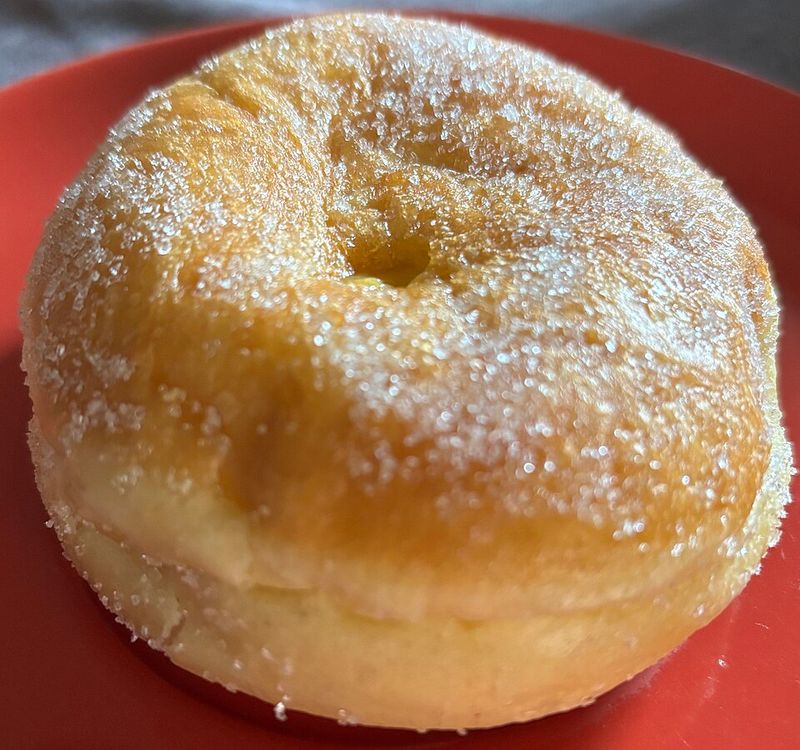
Think of a doughnut with no hole and a very generous heart. The bombolone is a round, fluffy fried dough rolled in sugar and filled with cream, jam, or chocolate.
In Tuscany, they are a beach-day favorite as well as a morning treat. Vendors along the coast sell them warm, and the smell of frying dough drifts down the sand.
The dough is yeast based, so it turns out airy and slightly chewy. Classic fillings include crema pasticcera, apricot jam, and Nutella-style hazelnut spread.
Many Florence bakeries sell them fresh around dawn. Some make them to order after midnight for people heading home from a night out.
If you can, eat one right away, while the sugar still clings and the dough is warm.
10. Tette delle Monache – Altamura, Puglia
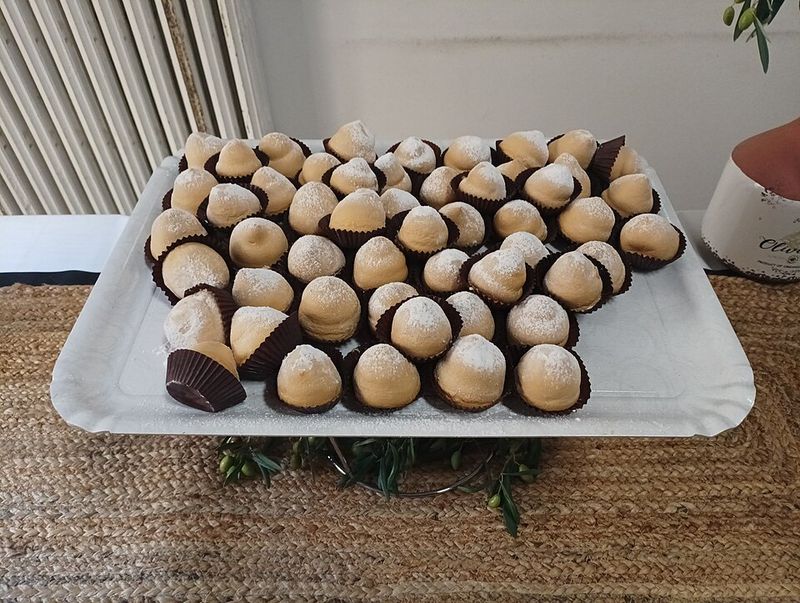
This pastry has one of the most surprising names in Italy. Tette delle monache translates to nuns’ breasts, and it refers to the rounded shape topped with a small dot.
It is a small sponge or choux pastry filled with cream and covered with a smooth white glaze. A cherry or chocolate drop often sits on top.
The treat is tied to Altamura in Puglia, a town best known for its famous bread. Local convents are said to have inspired the sweet, which explains the cheeky name.
Pastry shops in the region still make it, usually in small batches. Expect a soft bite and a creamy center.
If you visit Altamura for the bread, stop at a pastry counter and ask for one to go with your coffee.
Share this story