Food is one of the best ways to learn about a culture, but not every traditional dish is easy for newcomers to enjoy. Some countries serve foods with strong smells, unusual textures, or ingredients many travelers have never tried.
Knowing what to expect can help you decide what to taste and what to skip. Here are twelve countries and the famous dishes that surprise visitors the most.
1. Iceland: Fermented Shark and Sheep’s Head
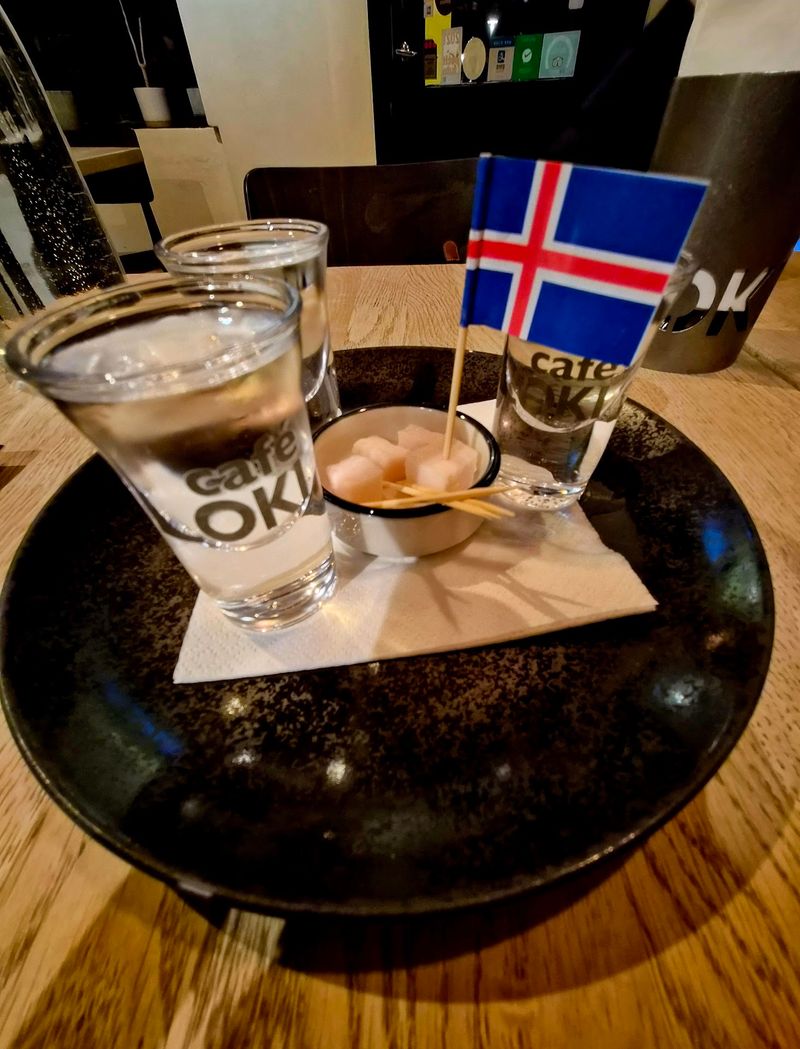
Few foods get a reaction quite like hákarl. Icelandic cooks bury Greenland shark meat, then hang it to dry for months, which removes natural toxins and creates a sharp ammonia smell.
Most first-timers take one small cube, often with a shot of the local spirit called brennivín to wash it down. The taste is strong, salty, and a little like very sharp cheese.
Svið is another old favorite. A sheep’s head is singed, boiled, and served with mashed turnips or potatoes.
Locals eat the cheeks and tongue, which are tender and rich.
Both dishes come from a time when nothing could be wasted on a cold island with short growing seasons. If you visit in winter, you may see them at midwinter feasts called Þorrablót.
Try a small portion first, and ask a local how they like to eat it.
2. Japan: Natto, Shirako, and Fermented Squid
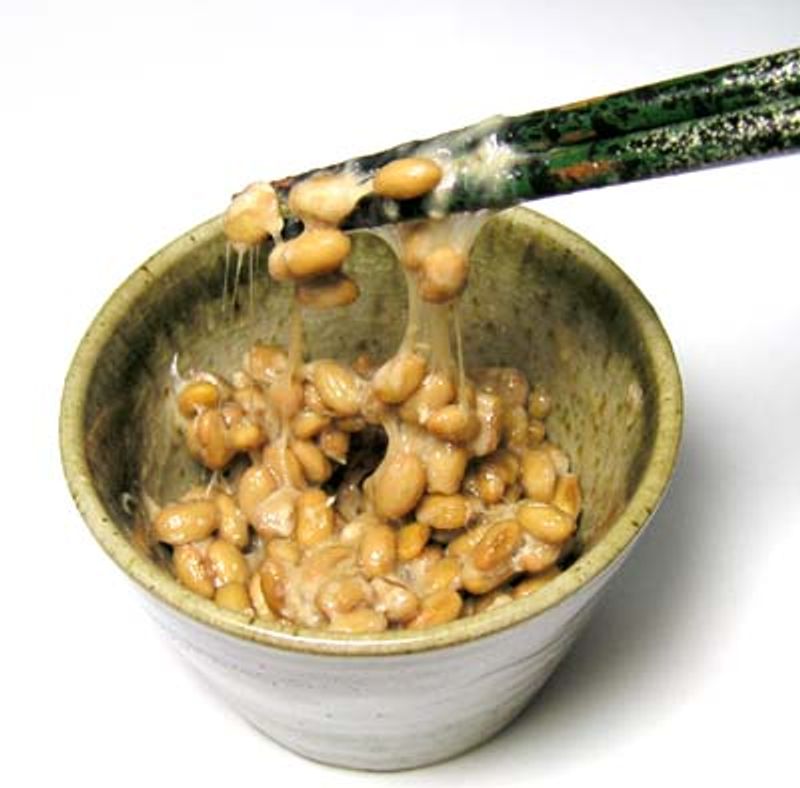
Pull a chopstick out of a bowl of natto and you will see long, sticky strings follow it. This breakfast staple is made from fermented soybeans and is loved for its nutrition, though many visitors find the smell and slimy feel hard to handle.
Shirako is the milt, or sperm sac, of fish like cod. It is creamy and mild, with a texture often compared to custard, and it appears in winter hot pots and izakaya menus.
Shiokara is fermented squid mixed with its own salty innards. It is very strong, so it is usually eaten in tiny bites alongside rice or sake.
If you are nervous, start with natto mixed with soy sauce and mustard. Stirring it well makes the flavor smoother, and spooning it over hot rice helps a lot.
3. South Korea: Fermented Skate and Silkworm Pupae
Walk past a street cart in Seoul and you may catch a nutty, earthy smell coming from paper cups of beondegi. These are steamed or boiled silkworm pupae, seasoned and eaten as a cheap, popular snack.
The texture is soft on the outside with a slightly juicy center. Many Koreans grew up eating them, so they bring back childhood memories of school trips and festivals.
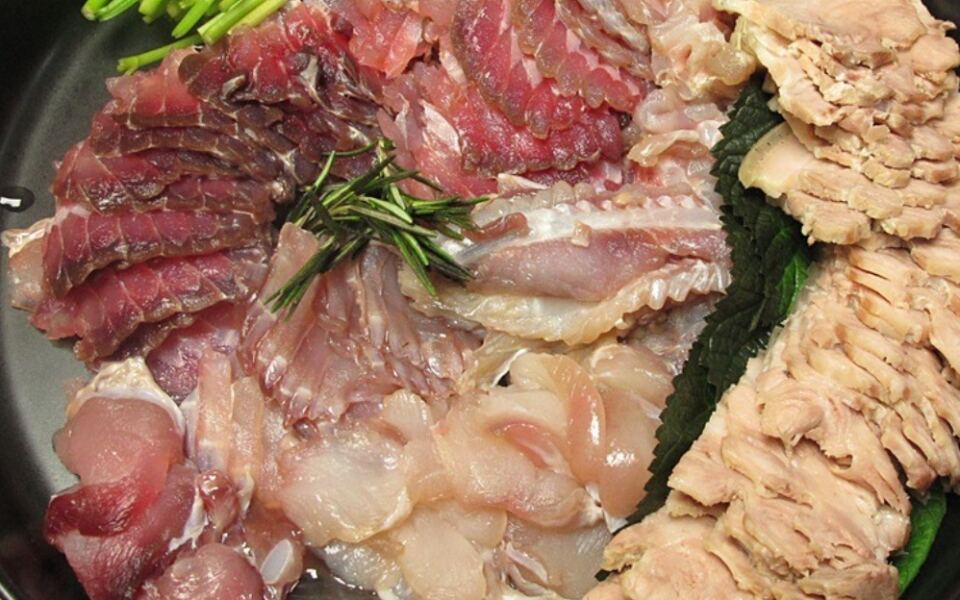
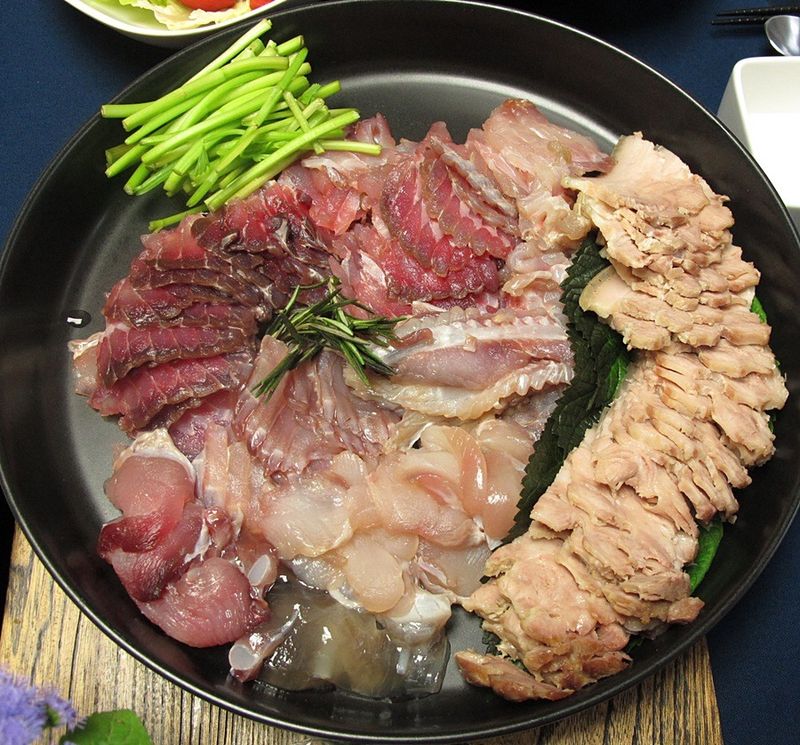
Hongeo, or fermented skate, is a regional specialty from Heuksando Island and the city of Mokpo. As it ferments, it releases a powerful ammonia scent that can make eyes water.
It is usually served in thin slices with pork and aged kimchi, a combination called samhap. Eating all three together softens the sharpness and gives you a better first impression.
4. China: Century Eggs, Stinky Tofu, and Chicken Feet
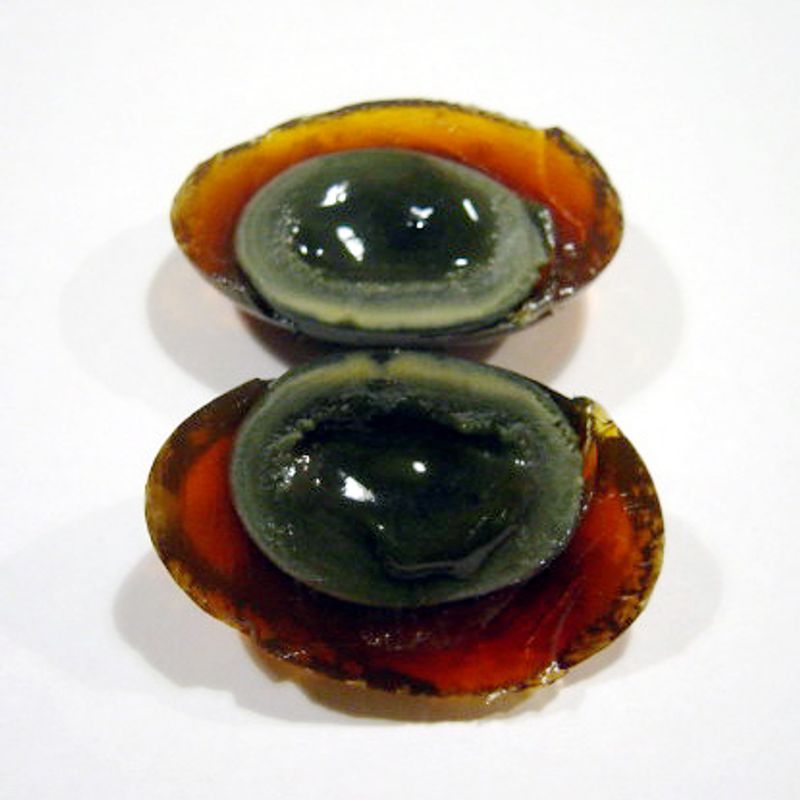
Century eggs look like something from a science lab. Duck eggs are cured in a mix of clay, ash, and salt for weeks, turning the white into amber jelly and the yolk dark green and creamy.
They are often sliced over silky tofu or stirred into rice porridge. The flavor is savory and rich, a bit like a very strong boiled egg.
Stinky tofu earns its name from a smell that reaches you from down the street. Once fried crisp and topped with chili sauce, the taste is far milder than the aroma suggests.
Chicken feet, a dim sum favorite, are simmered until soft and sticky. There is little meat, so the fun comes from the chewy skin and savory sauce.
Pair them with hot tea for the full experience.
5. Philippines: Balut, Dinuguan, and Tamilok
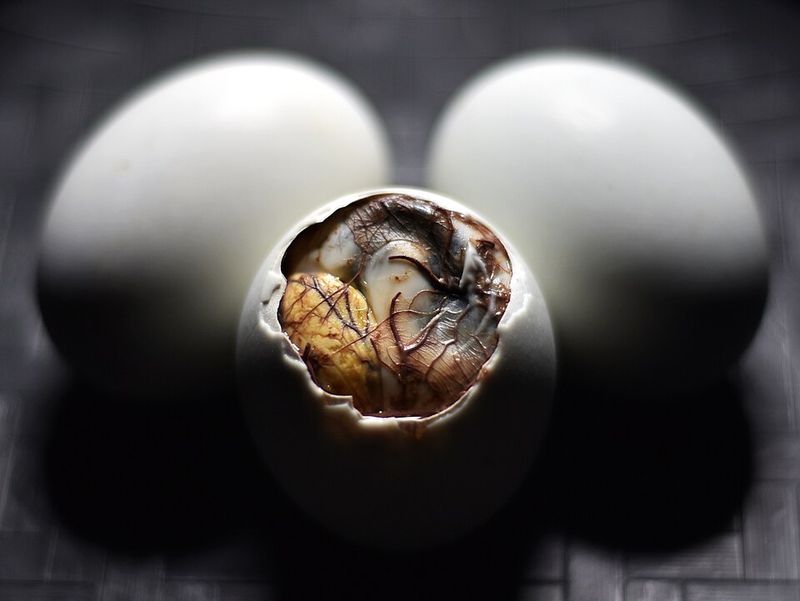
At dusk in Manila, vendors call out “Baluuut!” as they carry baskets of warm eggs. Balut is a fertilized duck egg boiled and eaten from the shell, usually with salt or vinegar.
Fans say the broth inside is the best part. Many locals treat it as a late-night snack with beer, and a first-timer is often coached by friends through each bite.
Dinuguan is a dark stew made with pork and pig’s blood, simmered with vinegar and chili. It tastes tangy and rich, and is commonly served with steamed rice cakes called puto.
Tamilok comes from Palawan. It is a woodworm harvested from mangrove trees and eaten raw with vinegar, calamansi, and onions.
Its texture is often described as similar to an oyster.
6. Thailand: Fried Insects and Pla Ra
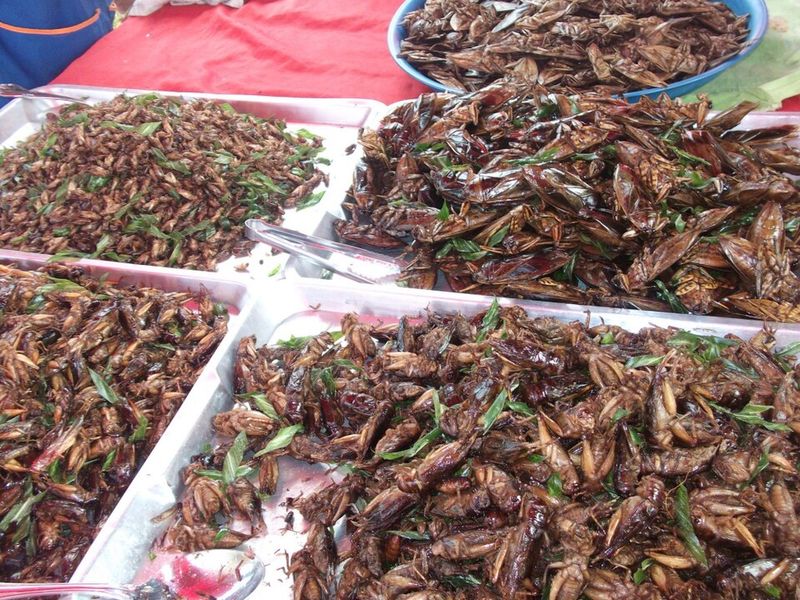
Bangkok street carts often sell piles of golden crickets, grasshoppers, and bamboo worms. They are fried until crunchy, then tossed with soy sauce or chili and eaten like chips.
Insects are a sensible protein in Thailand. They are plentiful, low in fat, and have been eaten in rural areas for generations, especially in the northeast.
Pla ra is a different kind of challenge. Fish is fermented with salt and rice bran for months, creating a funky, deeply savory paste used in the northeastern dish som tam.
A little goes a long way, so cooks add it by the spoonful. If the smell worries you, ask for a version of papaya salad without it, then add a taste on the side to compare.
7. Vietnam: Duck Embryo Eggs and Shrimp Paste
Ask a Hanoi local about their favorite late-night treat and trứng vịt lộn might come up. The egg holds a partly developed duck, boiled and served warm with lime, black pepper, and fresh herbs like rau răm.
The herbs matter. Their peppery freshness balances the rich yolk and soft broth, and many eaters say the flavor is milder than they expected.
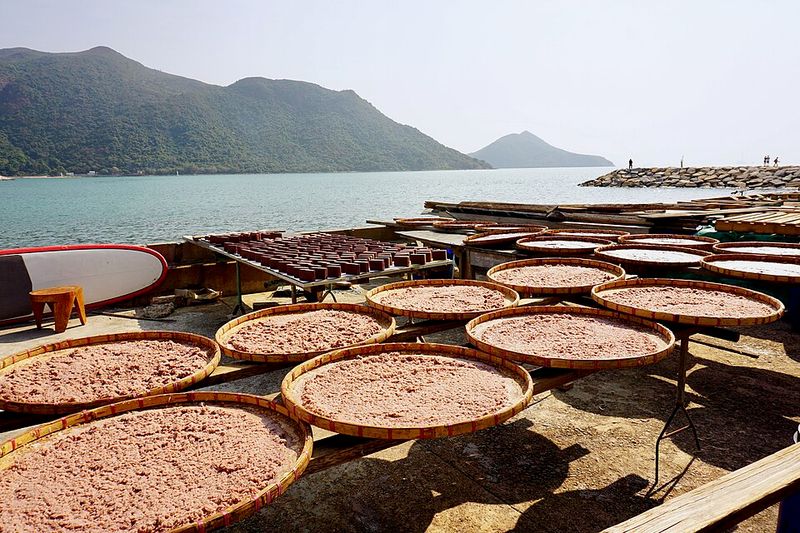
Mắm tôm is a purple-gray paste of fermented shrimp. The scent is intense, so it is typically mixed with sugar, lime, and chili before serving.
It is a classic dipping sauce for dishes like bún đậu mắm tôm, which pairs fried tofu with rice noodles. Beginners can start with a very small dab and add more as their courage grows.
8. Mongolia: Fermented Mare’s Milk and Dried Curds

On the Mongolian steppe, hospitality often begins with a bowl of airag. This lightly fizzy drink is made by fermenting mare’s milk in a leather bag or wooden barrel, and guests are expected to at least take a sip.
The taste is sour and tangy, with a touch of alcohol. It is most popular in summer, when mares produce the most milk.
Aaruul is a snack made from dried milk curds. Shaped into small pieces and left in the sun, it turns rock hard and can last for months, which made it ideal for travelers.
Flavors range from very sour to slightly sweet. Let a piece soften in your mouth rather than biting down quickly, or your teeth may protest.
9. Peru: Guinea Pig and Anticuchos
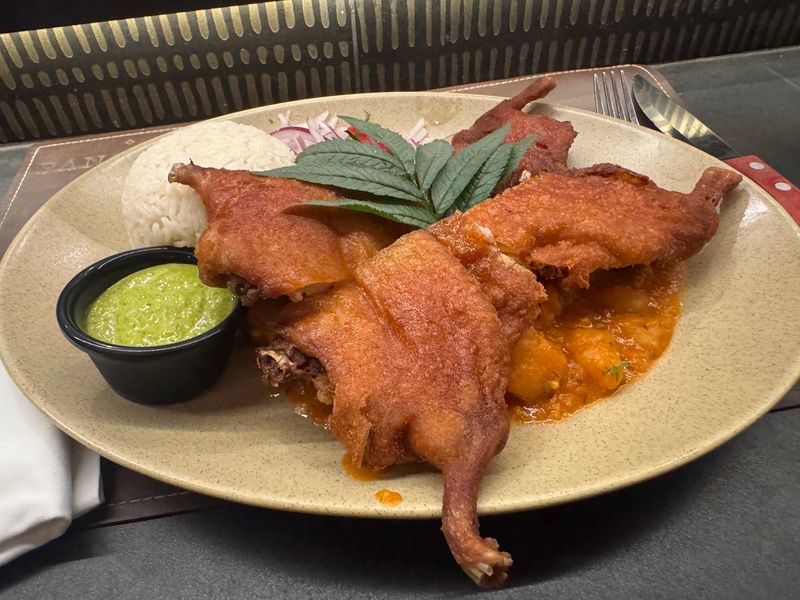
In the Andes, guinea pig is not a pet but a celebration dish. Known as cuy, it has been raised in homes for thousands of years and is usually roasted or fried whole until the skin turns crisp.
The meat is dark and rich, often compared to rabbit. Diners pick it apart by hand, and it is commonly served with potatoes and corn.
Anticuchos are skewers of marinated beef heart, grilled over hot coals. Street vendors in Lima sell them at night, brushed with a sauce of vinegar, cumin, and aji peppers.
Beef heart is a lean muscle, so it tastes more like steak than many people expect. If cuy feels like too much, anticuchos are a gentle first step into Peruvian specialties.
10. Cambodia: Fried Tarantulas and Prahok
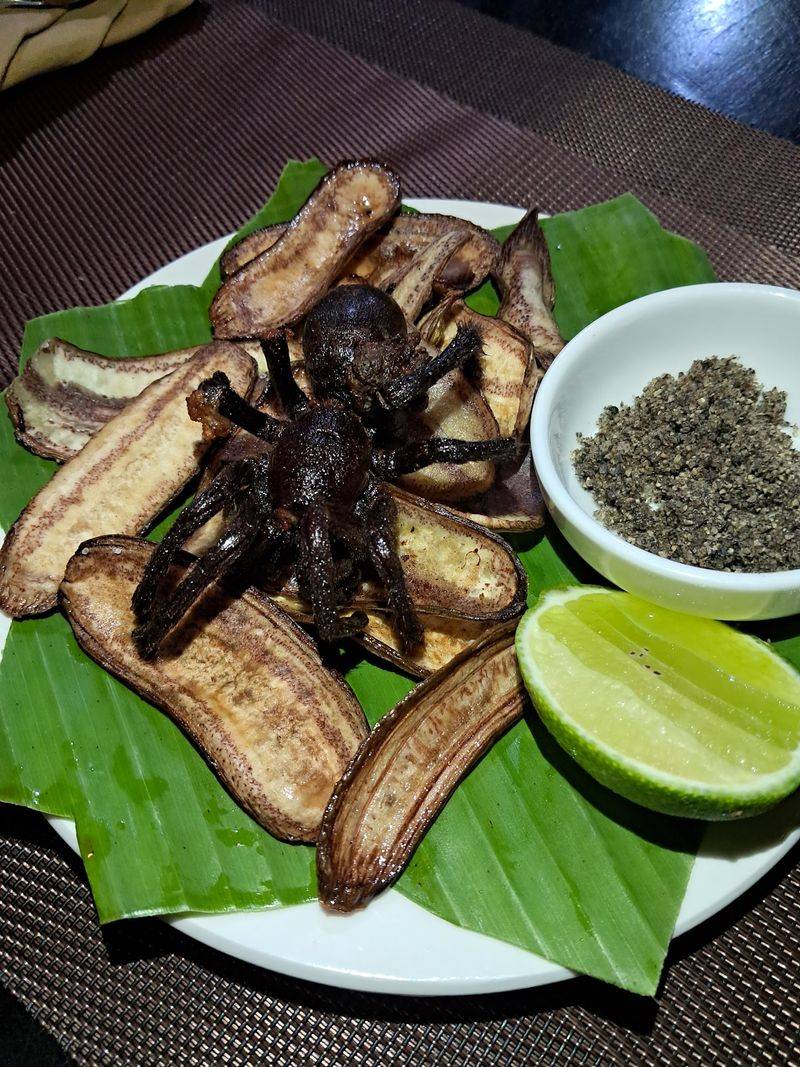
The town of Skuon is nicknamed Spider Town, and for good reason. Vendors there sell fried tarantulas, dusted with garlic, sugar, and salt, a snack that became popular during hard times in the 1970s.
The legs are crunchy like chips, while the body is soft inside. Many travelers say the taste is a mix of chicken and fish.
Prahok is a staple in Cambodian homes. Small freshwater fish are salted, crushed, and fermented into a pungent paste that flavors soups, dips, and stir-fries.
Cooks often call it the soul of Khmer cooking. When mixed with lemongrass, chili, and herbs, the smell fades and a deep savory taste remains, which is a good way to try it.
11. Sweden: Fermented Herring and Blood Pudding

Open a can of surströmming and the air changes. This Swedish fermented herring continues to ripen inside the tin, building gas and a smell that many people say is among the strongest of any food.
Because of this, Swedes often open the can outdoors. It is served on thin flatbread with boiled potatoes, chopped onion, and sour cream, and usually appears in late summer.
Blodpudding is easier on the nose. It is a dark loaf made from blood, flour, and spices, sliced and fried until crisp at the edges.
The classic pairing is lingonberry jam and a bit of bacon. The sweet and tart berries cut through the rich, earthy flavor, which makes this a friendly starting point for curious eaters.
12. Norway: Lutefisk and Rakfisk
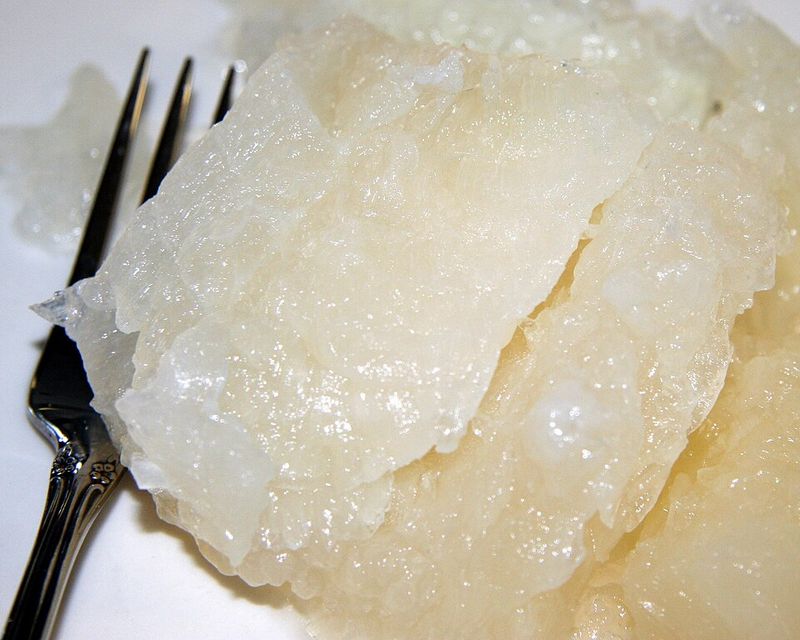
Lutefisk starts as dried white fish, usually cod, which is soaked in lye and then rinsed for days. The result is soft, jiggly, and mild in flavor, with a texture that surprises many first-time eaters.
It is a holiday tradition in Norway and in Norwegian American communities. Families serve it with bacon, mashed peas, and potatoes, and often debate the best way to cook it.
Rakfisk is trout salted and fermented for several months, then eaten without cooking. The flavor is tangy and strong, and it shows up at winter festivals.
A common way to enjoy it is on lefse or flatbread with sour cream, onions, and potatoes. Those toppings soften the intensity, making it easier to see why Norwegians treasure this old method of keeping fish.
Share this story