Some people dream of a place where mornings are quiet and nature is just down the road. Skyscrapers and traffic jams are not part of that picture.
Small towns across America offer lakes, forests, friendly faces and walkable streets. Here are 15 spots where daily life feels refreshingly simple.
Traverse City, Michigan
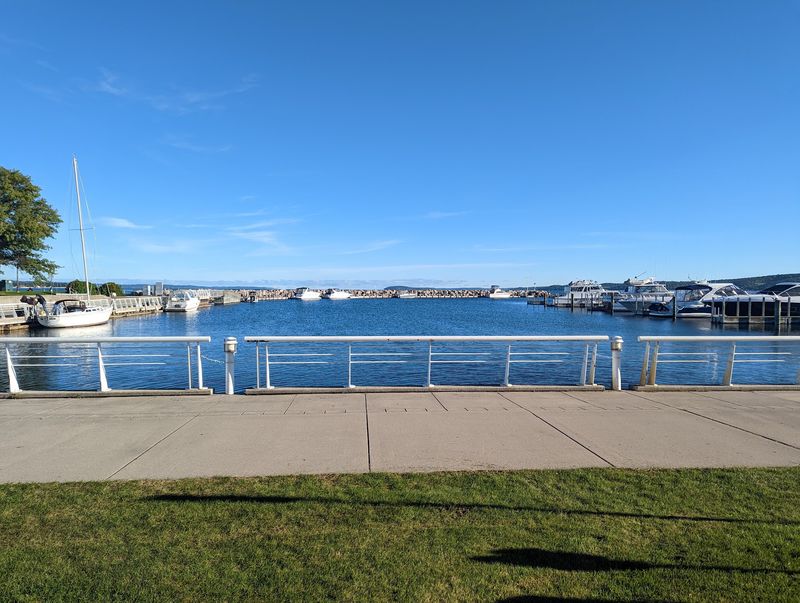
Cherries are the unofficial celebrities of Traverse City, and the whole region seems to wear them proudly. The town sits beside Grand Traverse Bay in northern Michigan, surrounded by orchards, vineyards and sparkling freshwater.
Downtown has restaurants, shops and cultural events, yet it never feels like a big, noisy city. Just beyond the center, the nearby peninsulas turn into farmland and quiet shoreline.
Country Living included the town in its 2026 small-town roundup for its relaxed rhythm and easy access to the Leelanau and Old Mission peninsulas.
A typical day might start with a walk along the waterfront. By afternoon, you could be browsing a farm market for peaches, honey and fresh bread.
Evening can mean dinner in a compact downtown where you may run into a neighbor.
The mix works because it is active without being rushed. You can swim, bike, taste local wine or simply sit on the sand and watch sailboats drift by.
Summer is popular with visitors, so fall can be a calmer time to enjoy the colors and the quieter beaches.
Brevard, North Carolina
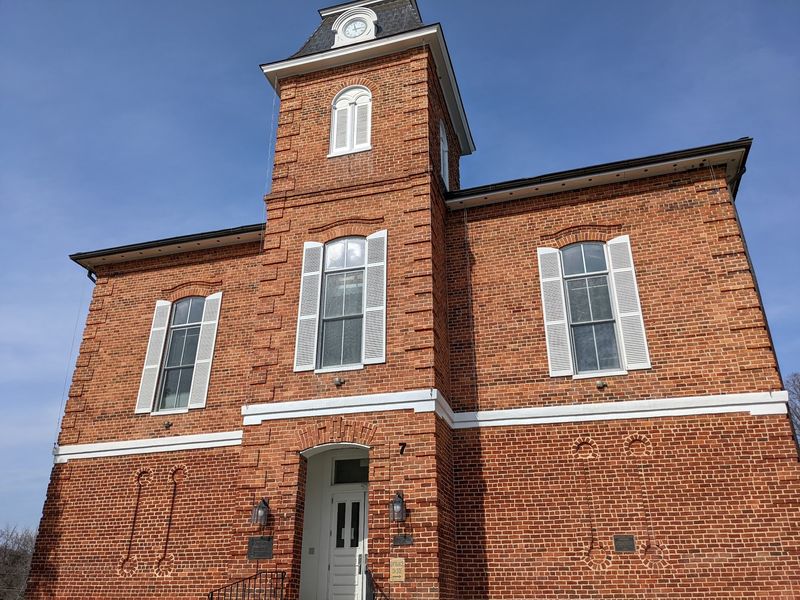
Brevard is sometimes called the Land of Waterfalls, and a visit makes the nickname easy to believe. This western North Carolina town sits in the Blue Ridge Mountains, where forests and rushing water are never far away.
Pisgah National Forest begins just outside town. DuPont State Recreational Forest adds lakes, trails and some of the region’s best-known falls.
Hikers, cyclists and anglers all find their own favorite corner.
Downtown is small enough to cross on foot, yet it still has restaurants, music venues and local businesses. Compared with bigger Asheville, Brevard feels more connected to the land around it than to urban growth.
You will not find sprawling shopping strips here.
Daily life can revolve around a morning hike, a quick lunch in town and an evening listening to live music. Long commutes are not the main story.
People who want mountain access and a real sense of community often fall for Brevard fast. Bring sturdy shoes and a waterproof jacket, since mist from the falls can surprise you.
Friday Harbor, Washington
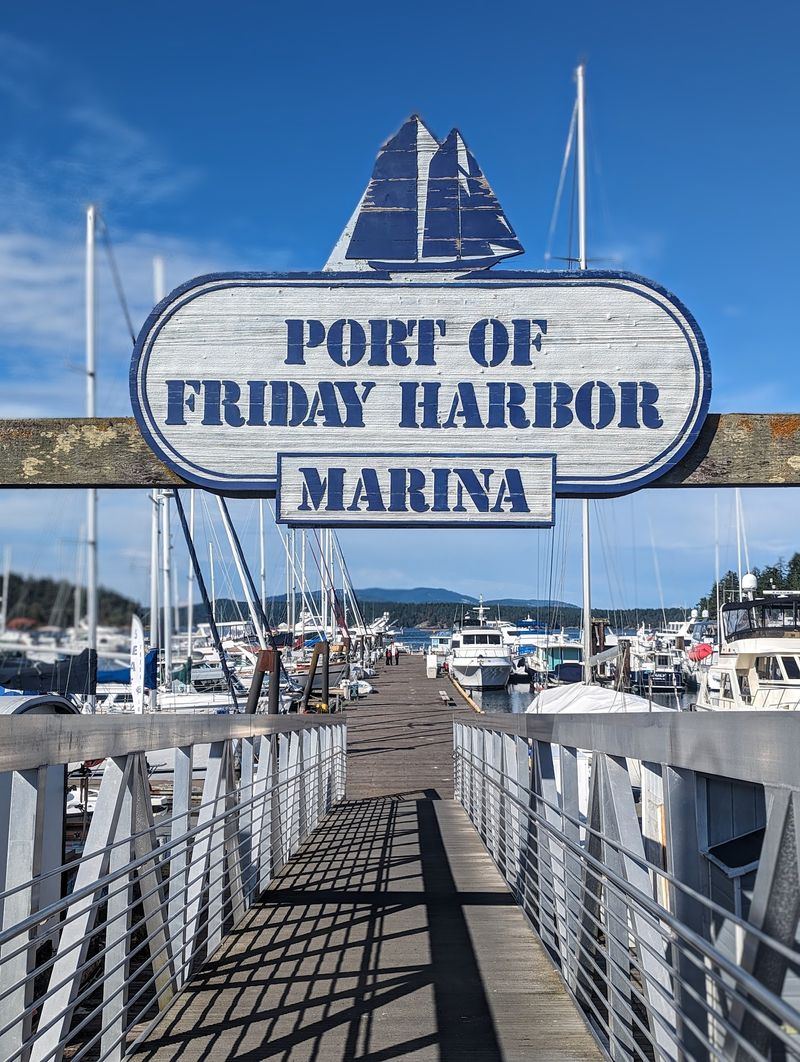
Here, the commute often involves a ferry horn instead of a honking horn. Friday Harbor sits on San Juan Island, where boats replace highways and the Salish Sea sets the pace of life.
The compact downtown is easy to walk. Cafes, galleries, waterfront views and a busy working harbor sit only a few steps apart.
You can grab a coffee, watch fishing boats come in and be back at your door in minutes.
Free time on the island is often spent kayaking, hiking coastal trails or scanning the water for wildlife. Recent small beach town coverage listed Friday Harbor among America’s strongest slow-paced coastal communities.
Island living does come with trade-offs. Ferry schedules shape your plans, and some goods cost more because they have to cross the water.
Still, many residents say those limits are part of the charm. When you cannot rush off anywhere, you tend to notice sunsets, seabirds and neighbors.
Plan ahead, pack a good book and let the tide set your schedule.
Saranac Lake, New York
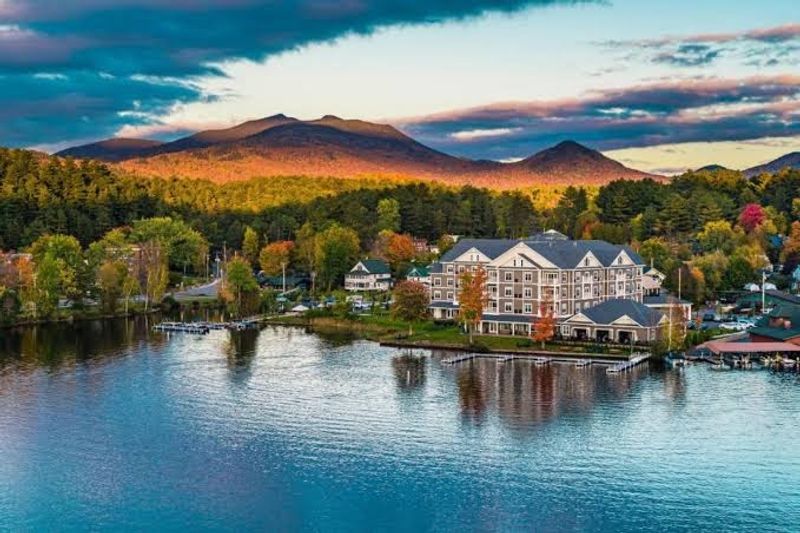
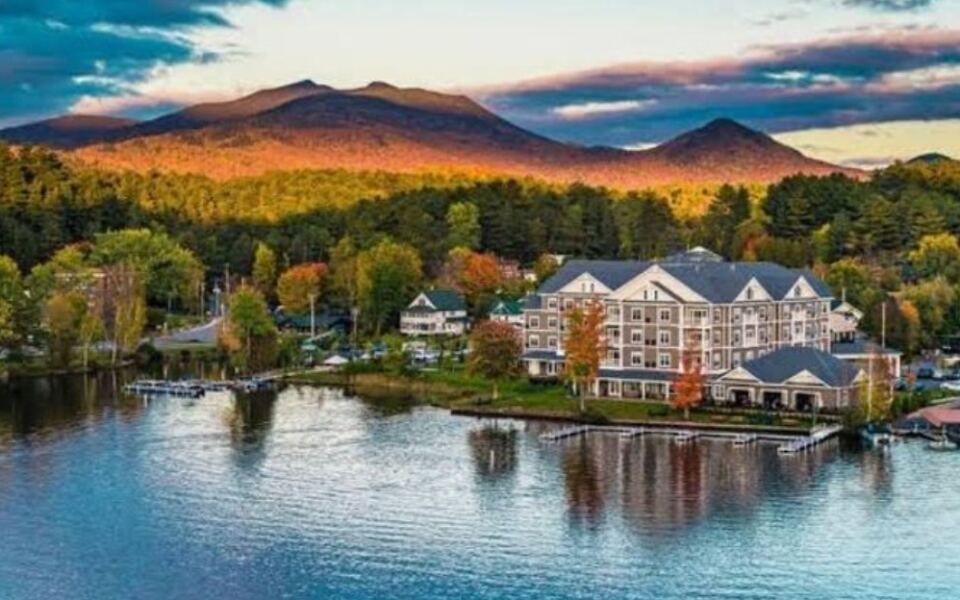
Picture a canoe slipping across glassy water while mist floats off the hills. That is an ordinary morning in Saranac Lake, a small Adirondack town that feels calmer than its famous neighbor, Lake Placid.
Lakes, wooded hills and hiking routes surround the community. The little downtown has cafes, local shops and historic buildings, so errands feel easy instead of stressful.
Nobody needs to hunt for parking or battle a crowd to grab a loaf of bread.
Summer brings paddling and fishing. Winter turns the area into a playground for cross-country skiing and snowshoeing, and the town has a long tradition of hosting a winter carnival every year.
Locals bundle up and celebrate the cold instead of hiding from it.
Travel writers often describe Saranac Lake as a more affordable option than Lake Placid, with cabins, crisp mountain air and quick access to the outdoors. If you value quiet coffee on a porch and a trailhead a few minutes away, this town is a lovely fit.
Pack warm socks, because the nights can get chilly even in summer. The pace here invites you to breathe deeply and slow down.
Lewes, Delaware
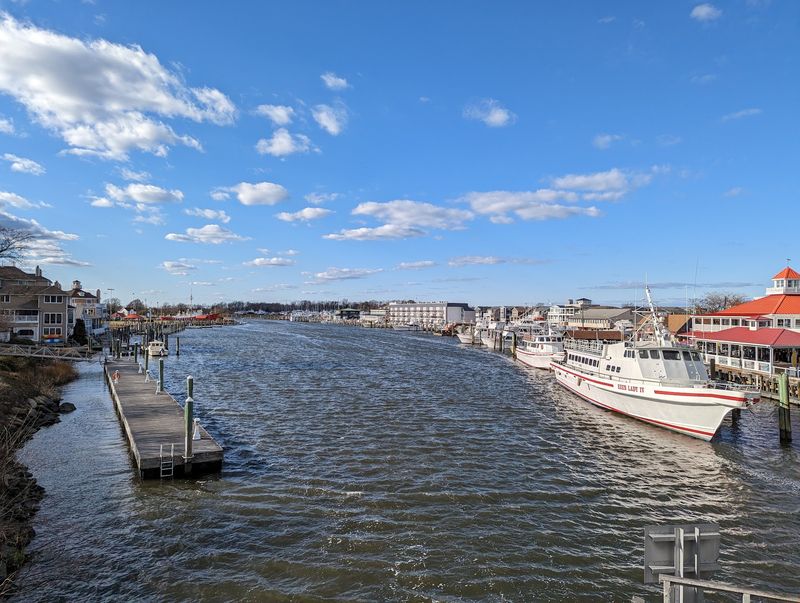
Some streets in Lewes have been around longer than the country itself. The town was founded in the 1600s, and its historic center still has centuries-old architecture and a pleasantly old-fashioned feel.
Delaware Bay and Cape Henlopen State Park sit nearby. That means beaches, cycling trails and quiet dunes are a short ride away, with no long drive needed.
Locals often hop on bikes to reach the shore.
The compact center has local restaurants and shops. Bigger services are still within reach in surrounding communities, which keeps life comfortable without making it hectic.
Travel + Leisure included Lewes on its list of the best small towns to live in for 2026, praising the community feel, access to nature and slower pace.
It is especially appealing if you want coastal living without a loud resort atmosphere. Think boat watching, ice cream walks and evenings on a porch.
Visit in late spring or early fall for mild weather and thinner crowds. Wander the side streets, read the historic markers and you will soon see why people stay.
Eureka Springs, Arkansas
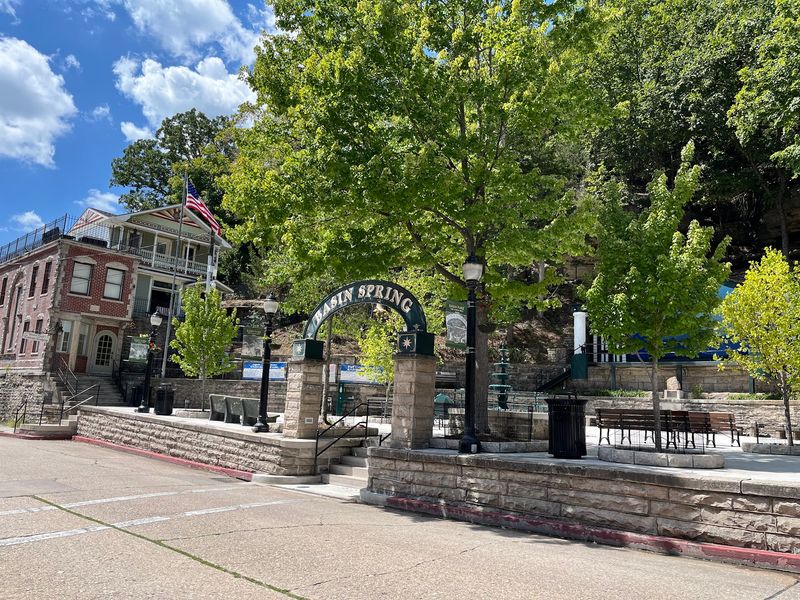
Streets in Eureka Springs twist and tilt like they were drawn by someone with a playful pencil. The town is tucked into the wooded Ozark hills, and its Victorian homes and porches give it a personality all its own.
The historic center is compact, so strolling beats driving. Beyond it, forests offer hiking, lakes and scenic drives.
Galleries, independent shops and historic inns create a strong sense of place without a giant commercial district.
Small-town guides often call Eureka Springs slow-paced and romantic. It also has an unusually strong arts identity for a place its size, with painters, potters and musicians keeping things creative.
Weekends can get busy with visitors. Come on a weekday, though, and the town settles into a much quieter groove than larger Southern destinations.
Locals chat on sidewalks and shop owners wave from doorways.
Comfortable shoes are a must, because those hills are real. Reward yourself afterward with a porch seat and a cold drink.
The whole place seems to say that there is no rush.
Wimberley, Texas
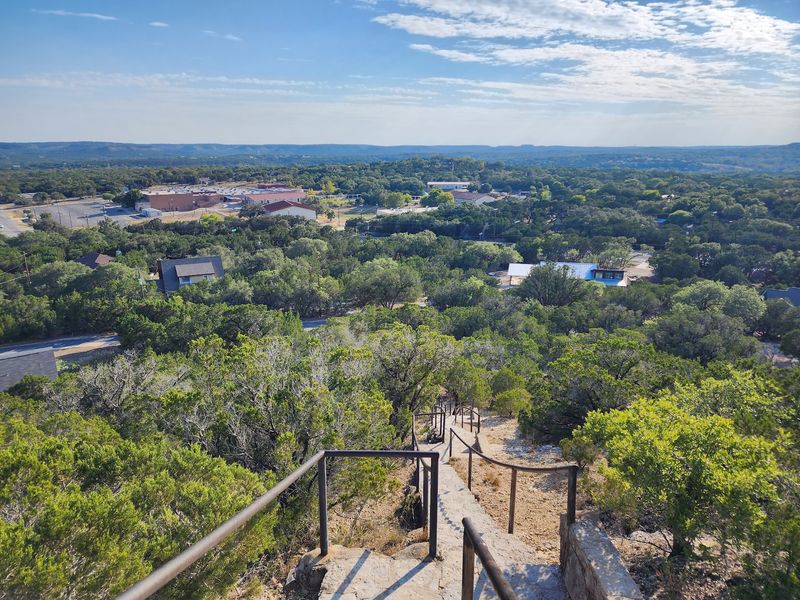
Ask a local where to cool off in July and you will hear about swimming holes. Wimberley, in the Texas Hill Country, is famous for them, thanks to Cypress Creek and the Blanco River.
The town square still feels like the true center of the community. Shops, cafes and shady spots invite you to linger instead of hurry.
Nearby hills add scenic drives and walking routes with wide views.
The pace is slower than in Austin or San Antonio, yet both cities stay within reach when residents need an airport or a big hospital. That balance is a big draw for people leaving crowded metro areas.
Guides often describe Wimberley as a classic Hill Country community, known for porch culture, limestone creeks and an easy rhythm. Warm weekends can bring crowds, so plan swims for early morning or midweek.
Water levels can change after dry spells, so check conditions before you go.
When the day cools off, find a porch, listen to the crickets and enjoy the simple pleasures that make this place so appealing.
Hood River, Oregon
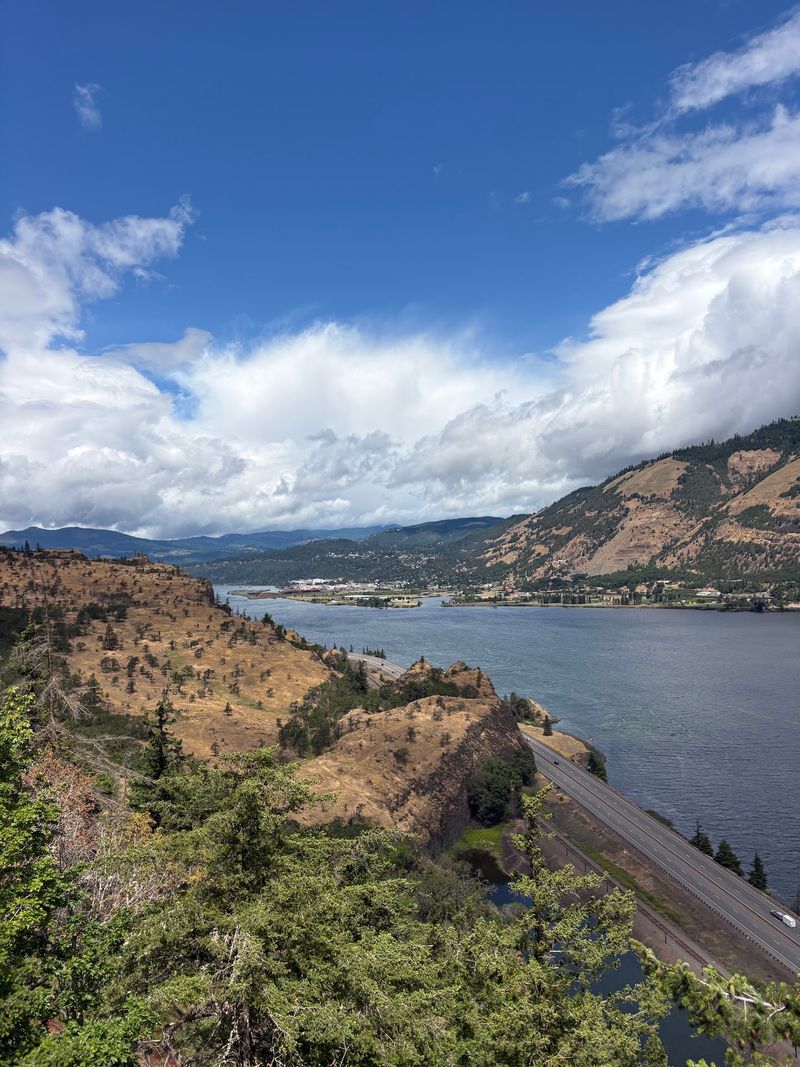
Windsurfers dart across the Columbia River while Mount Hood glows in the distance. It is a postcard view, and in Hood River it is simply Tuesday.
The town sits between the river and the Cascade Mountains, with a scenic setting and none of the size of Portland. You can walk a compact downtown, cycle through orchard country or reach waterfalls and hiking trails with little effort.
In winter, the slopes of Mount Hood are close.
The Columbia Gorge supplies water sports and dramatic scenery all year. Hood River is not especially cheap, so budgeting matters.
Even so, much of its appeal comes from how easy it is to move between daily life and the outdoors.
Instead of planning elaborate weekend escapes, residents can be paddling, biking or hiking shortly after leaving home. Fall brings fruit stands loaded with pears and apples.
Spring brings blossoms across the valley. Bring a windbreaker, because the gorge breezes are no joke, and keep a camera handy for the views.
Sandpoint, Idaho
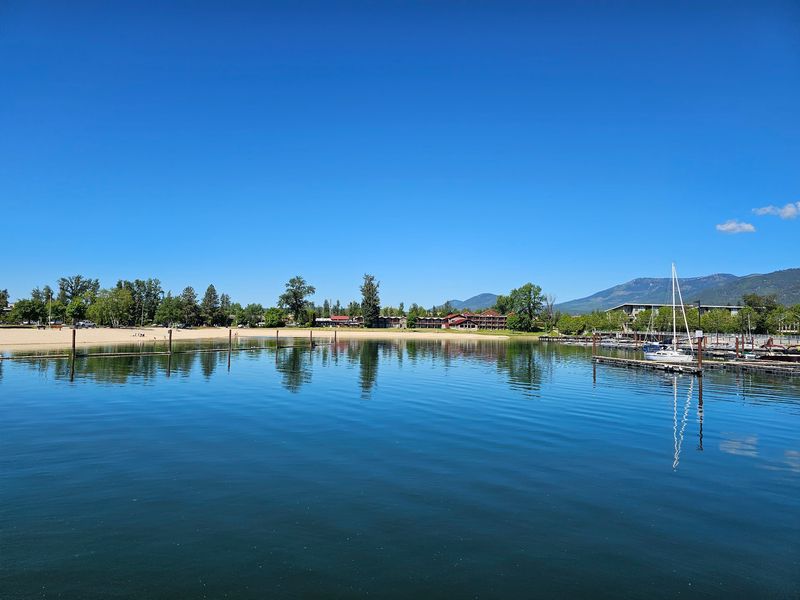
Lake Pend Oreille is so large and deep that it has been used for submarine testing. Sandpoint sits on its shore, with the Selkirk Mountains rising behind town.
That setting gives residents an instant link to water, peaks and four-season fun. The historic downtown is small enough for casual walking.
Boating, fishing and hiking begin only minutes away, and Schweitzer Mountain brings skiing in winter.
Compared with bigger Western outdoor towns, Sandpoint keeps a smaller scale and a stronger neighborly feel. Life can revolve around lake days, farmers markets and mountain trails rather than freeway traffic.
You still get restaurants, bookstores and everyday services, so you are not giving up comfort for calm. Summer evenings are made for sunsets on the dock, and winter has cozy cafes for warming up after the slopes.
If you want a slower lifestyle with room to explore, Sandpoint strikes a strong balance. Visit in shoulder seasons for fewer crowds.
Pack layers, since mountain weather changes fast, and leave extra time to simply stare at the lake.
Beaufort, South Carolina
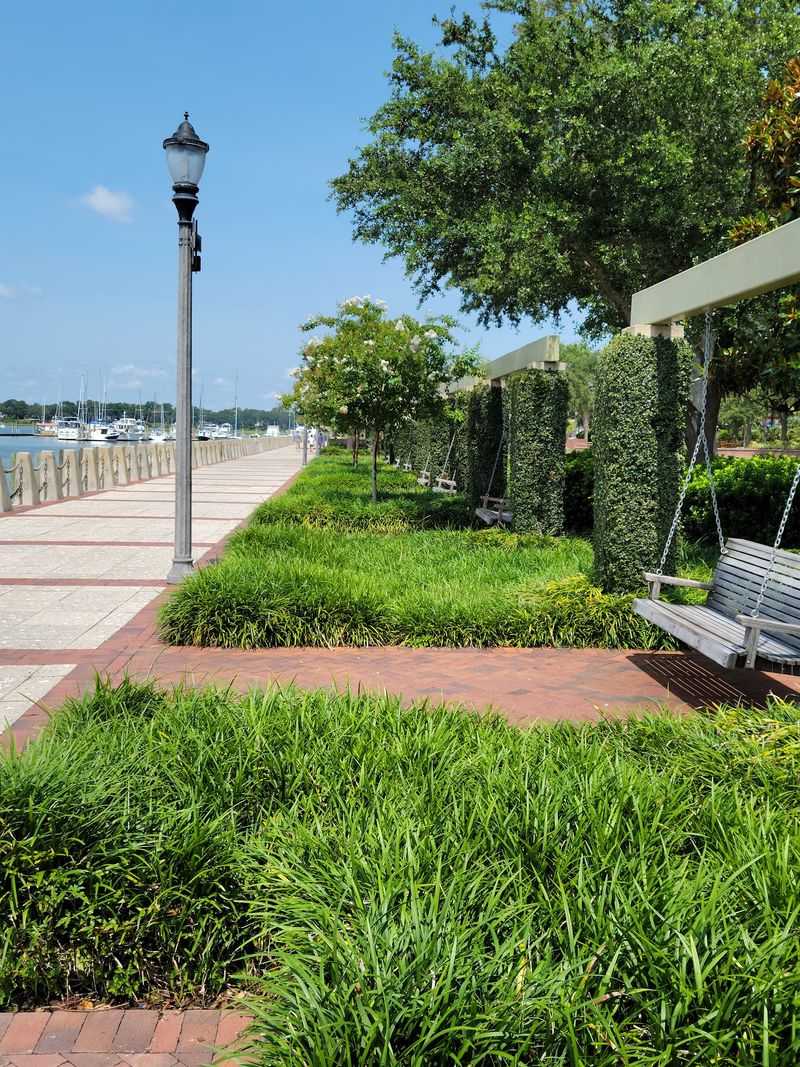
Spanish moss sways from the live oaks like lazy curtains, and the pace of Beaufort follows suit. This South Carolina town offers a gentler take on coastal Southern life.
Shady oaks cover historic streets, and marshes ring the town. The waterfront park gives residents an easy place to stroll without driving anywhere special.
Evening walks here are a local habit.
There are enough restaurants and shops to keep things lively, but Beaufort is far smaller and quieter than Charleston or Savannah. Fewer tour buses means more room to breathe.
Water shapes much of daily life. Boating, fishing and nearby beaches provide simple recreation through much of the year.
Many people spend weekends on a boat or watching dolphins from the shore.
Beaufort’s charm is less about dramatic attractions and more about atmosphere. Warm evenings, porch swings and friendly hellos set the tone.
Summers are hot and humid, so plan outdoor time for mornings or late afternoon. Bring bug spray for the marsh, and keep your schedule loose.
Lanesboro, Minnesota
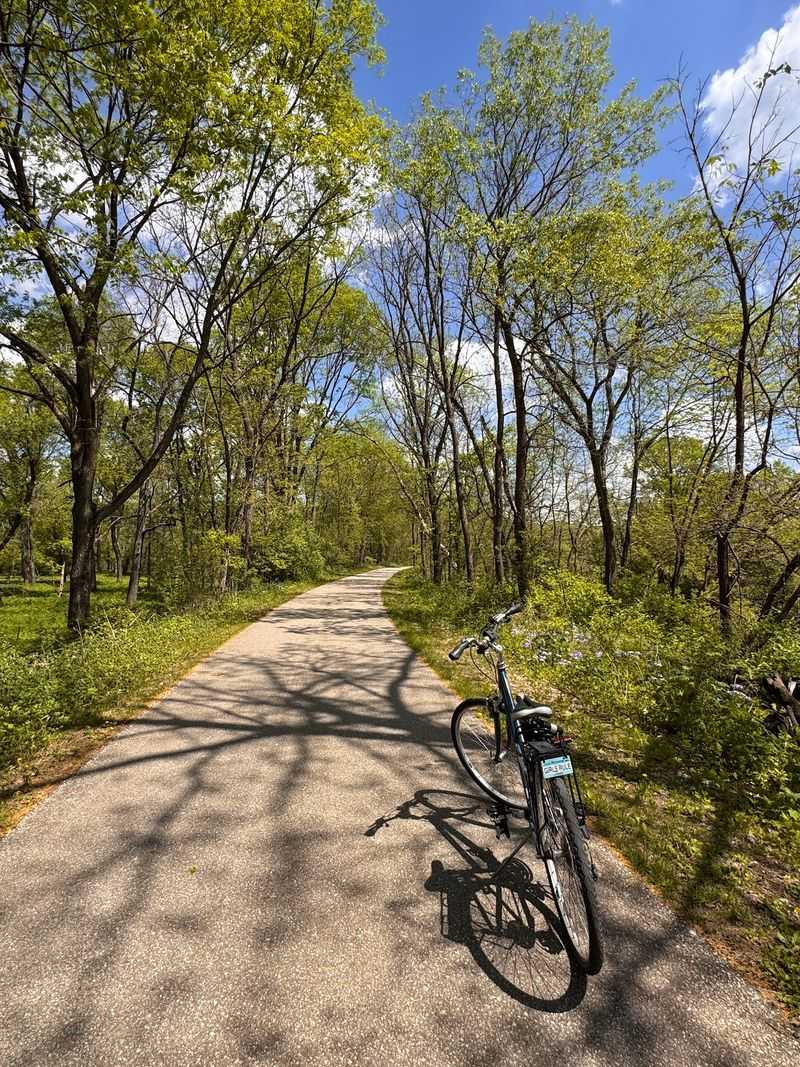
In Lanesboro, a bicycle bell is practically part of the soundtrack. The Root River State Trail runs right through town, linking it to the rolling countryside and limestone bluffs of southeastern Minnesota.
Historic buildings, small inns and local cafes line the compact center. The river offers fishing and paddling, so a lazy afternoon is never hard to plan.
Tubing down the water is a popular summer treat.
For a town so small, Lanesboro has plenty of culture. It is known for its arts and theater, which gives it more going on than its population might suggest.
Instead of big attractions, the appeal comes from ordinary pleasures. Walk downtown, ride the trail, sit by the river and see familiar faces.
Those small moments add up to a calm routine.
Fall is a lovely time to visit, when the bluffs turn gold and red. Rent a bike if you did not bring one, and stop at a cafe for pie.
Do not be surprised if you leave planning a return trip.
Apalachicola, Florida
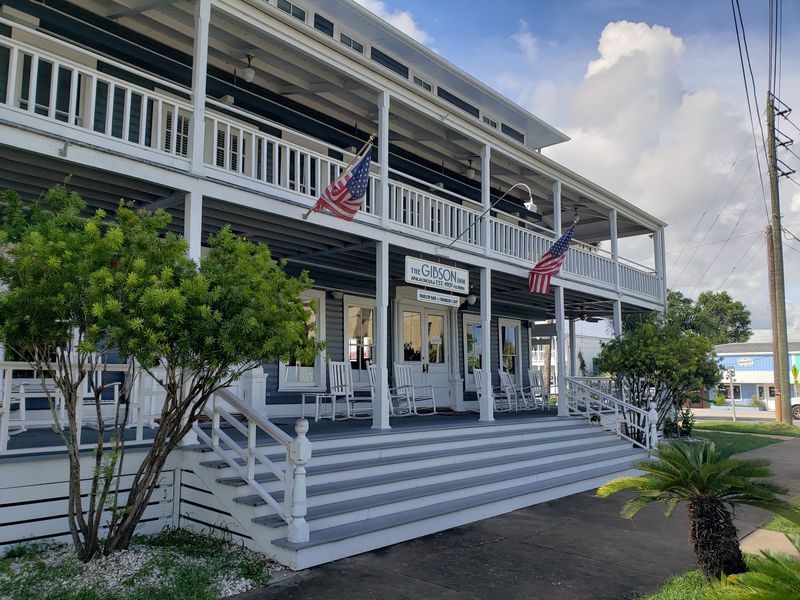
Florida without a single theme park sounds almost made up, yet Apalachicola proves it is real. This historic town rests along the Apalachicola River near the Gulf, far from high-rise resorts.
Seafood restaurants, small shops and waterfront streets reflect a long history of fishing and maritime work. Oysters are a local star, and you can often taste them within hours of harvest.
Travel writers describe the town as a quieter pick on Florida’s Forgotten Coast. Visitors find historic streets, local businesses and a slow coastal mood that feels a world away from the busy tourist belts.
Nearby beaches and state lands offer fishing, paddling and long walks. Wildlife is part of the show, with herons and pelicans often nearby.
The town is a good fit for anyone who wants warm weather without the crowds. Bring sunscreen, a hat and a patient attitude, because service here moves at a relaxed speed.
Sunsets over the water are the daily finale, and they never get old.
Bellingham, Washington
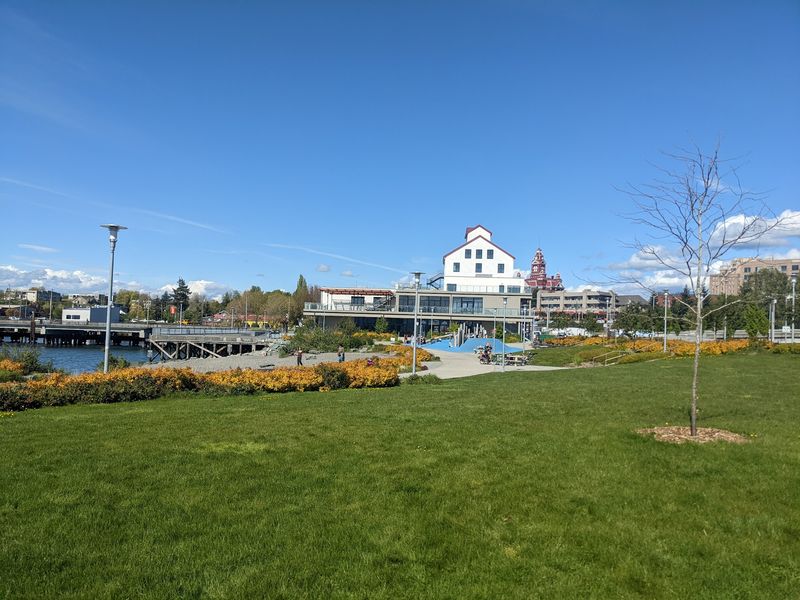
Locals joke that Bellingham is Seattle after a long, deep breath. It is bigger than some towns on this list, yet it feels much calmer than its famous neighbor to the south.
The city sits along Bellingham Bay, with the North Cascades rising to the east. Waterfront walks, mountain biking, kayaking and hiking are all within easy reach.
You can paddle in the morning and climb a trail by afternoon.
Travel + Leisure recently called it a laid-back alternative to Seattle, noting that residents enjoy bayfront strolls and cycling while staying connected to larger regional centers. That connection matters if you ever need a big airport or specialty services.
Coffee shops, breweries and a compact downtown provide enough activity without a constant sense of rush. Rainy days are common, so a good jacket is your best friend.
The reward is lush green scenery and cozy cafes.
Bellingham works well for people who want a slower pace without feeling cut off from the world.
Berea, Kentucky
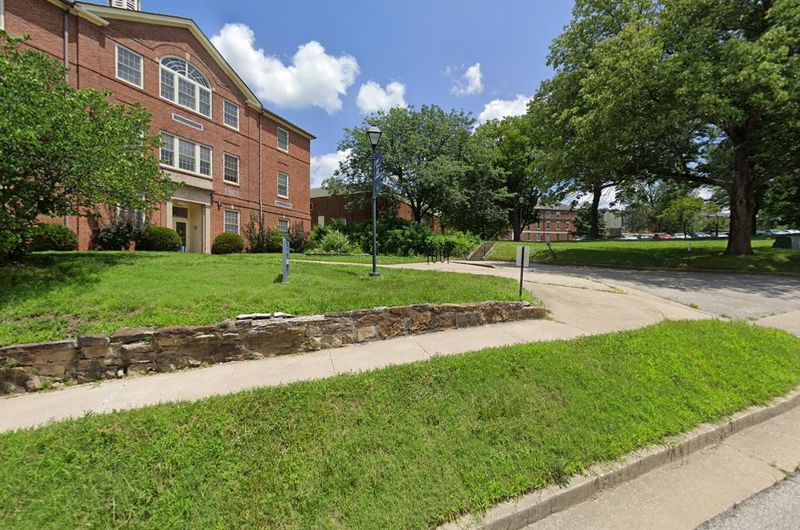
Walk into a studio in Berea and you may hear the soft thump of a pottery wheel. The town is known as a hub for traditional crafts, from woodworking to weaving to clay work.
Berea sits in the Appalachian foothills and has a small college-town feel. Nearby Berea College Forest offers hiking trails and overlooks only minutes from downtown.
A quick walk can turn into a view you did not expect.
The downtown is compact, and the college adds cultural events and learning opportunities. Even so, Berea never turns into a big urban center.
Students, artists and longtime residents share the same sidewalks.
Housing costs have long been friendlier than in many trendy mountain towns. That makes it easier for some people to build a quieter life without paying resort prices.
The simplicity here comes from a mix of local culture, accessible nature and manageable size. Stop by a craft shop, chat with the maker and take something handmade home.
It is a fine reminder that slow work can be beautiful.
Decorah, Iowa
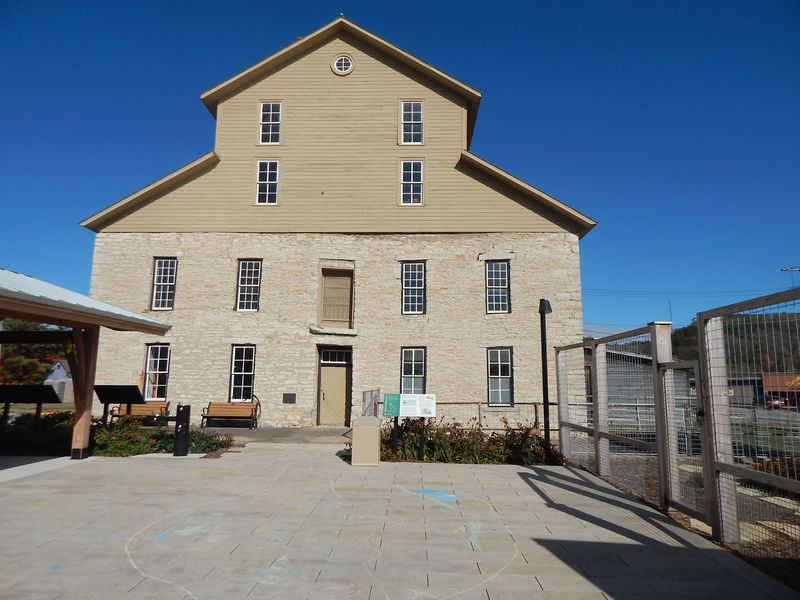
Iowa is not all flat cornfields, and Decorah is happy to prove it. The town sits among wooded bluffs and river valleys in the northeastern corner of the state.
Strong Norwegian-American roots show up in the local museum, the food and the festivals. The center of town is walkable, and trails, parks and the Upper Iowa River are close by.
Anglers and paddlers have plenty of choices.
Luther College adds concerts, cultural events and learning resources. That gives the community more going on than a town of its size might expect.
You can catch a performance and still be home in minutes.
Residents can bike, paddle, hike and reach downtown without a long drive. Fall color on the bluffs is a real showstopper.
Decorah is not dramatic the way Western mountain towns can be, and that is part of its charm. Life feels modest, connected and refreshingly manageable.
Try a Norwegian treat from a local bakery, then take a slow walk by the river and enjoy the calm.
Share this story