Pretty beaches and old towns do more than make great photos. In some countries, visitor spending pays for jobs, roads, hotels, and shops.
Around the world, travel makes up about 9.8% of economic activity, but on these islands and coasts the share is far higher. Get ready to see how stunning scenery and a country’s paycheck can be tied together.
Antigua and Barbuda
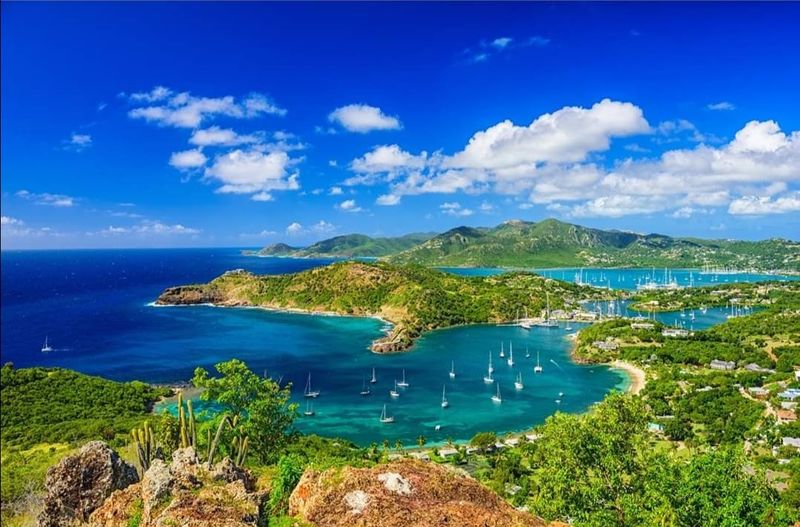
Here is a number that stops people cold: 87.1%. That is the share of Antigua and Barbuda’s GDP tied to travel and tourism in 2023, based on World Bank analysis using WTTC data.
It is the highest figure among the Caribbean countries studied.
Walk along the coast and it is easy to see why. Protected bays, bright turquoise water, and a strong sailing culture bring boats and guests all year long.
Beaches wrap around both main islands, so almost every community sits near a place visitors want to be.
Jobs follow the crowds. Resorts need cooks, drivers, builders, and boat captains.
Small shops and restaurants count on hungry travelers just as much as the big hotels do.
That makes international demand hugely important. When flights fill up, the whole island economy hums.
When they do not, everyone from the front desk to the corner vendor feels it. Behind the carefree postcard look is a country that works hard to keep the welcome mat out.
Saint Lucia
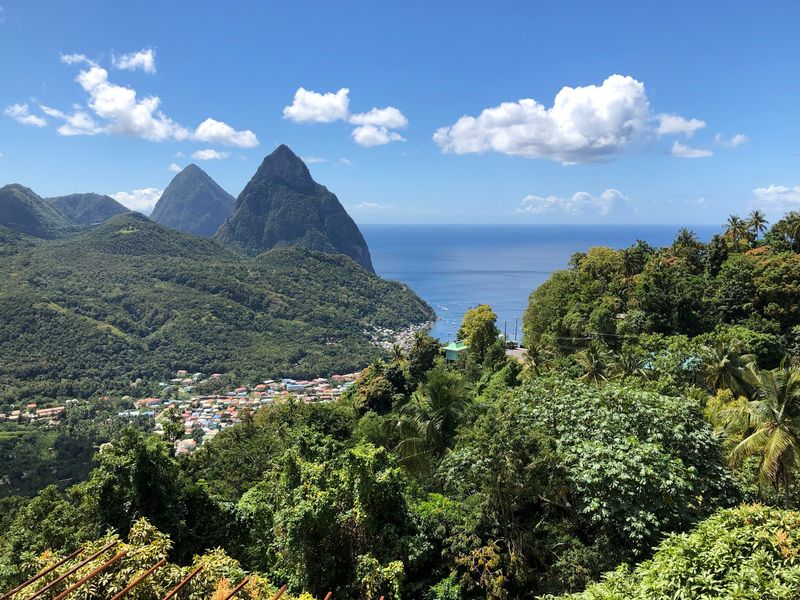
Two giant green spikes rise straight out of the sea, and suddenly you understand why Saint Lucia gets so many honeymooners. The Pitons are the island’s famous calling card.
Rainforest mountains and a volcanic coastline add even more drama.
Luxury resorts, cruise ships, weddings, and romantic getaways have become pillars of the national economy. World Bank analysis based on WTTC figures put tourism’s total contribution at roughly 66% of GDP in 2023.
Employment leans heavily on visitors too.
Picture the chain reaction. A couple books a stay, and a taxi driver, a chef, a boat guide, and a farmer selling fruit all get a share of the spending.
This also explains why a change in airline service can matter so much. A smaller economy with fewer other big industries feels each shift in travel demand more strongly than a larger, more varied country would.
Saint Lucia is gorgeous, and it knows its scenery is a vital asset.
Maldives
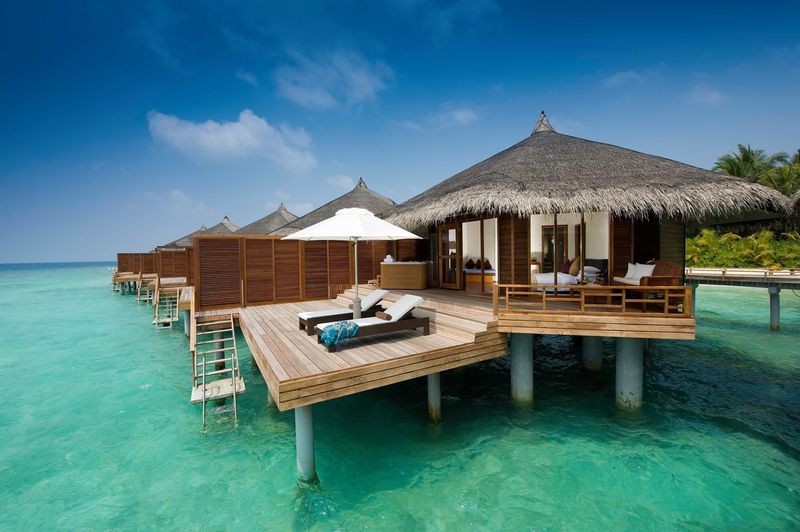
Imagine a country where one island often equals one resort. That is the Maldives, a place built on white sand, coral reefs, and overwater villas.
Its geography shaped a tourism model where many islands work as self-contained getaways.
The numbers are big. The country has 26 natural atolls and around 1,192 coral islands, and well over 170 resort properties were operating by 2024.
That is a lot of beds on a lot of tiny dots of land.
World Bank analysis using WTTC data put travel and tourism’s total contribution at 58.9% of GDP in 2023. In plain terms, more than half of the economy links back to visitors in some way.
Few places show so clearly how a famous natural landscape can become the center of a nation’s income. Clear water and healthy reefs are not just pretty.
They are the product on offer, and the whole country has a reason to protect them.
Seychelles
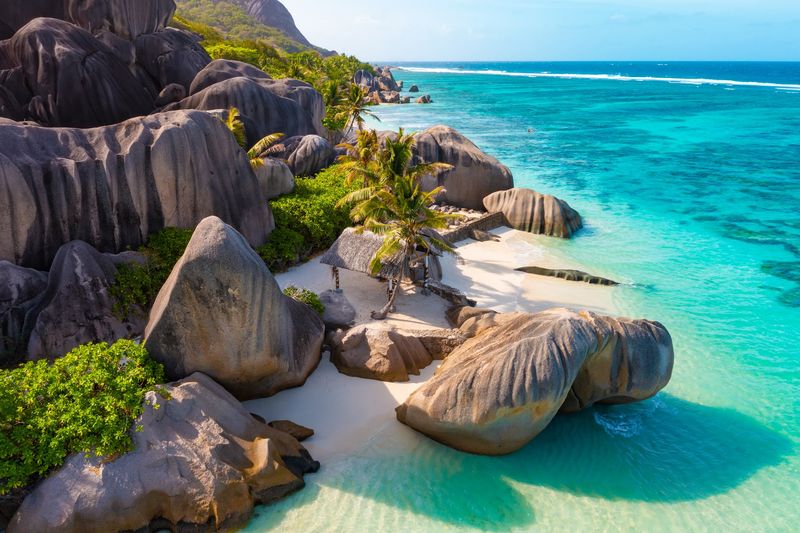
Giant granite boulders sit on powder-soft beaches like sculptures nobody asked for. Seychelles pairs them with rainforest hills and brilliant Indian Ocean water, creating one of the world’s top luxury island escapes.
Behind the exclusive resorts is an economy leaning heavily on international guests. World Bank data using WTTC estimates placed tourism’s total contribution at 52.1% of GDP in 2023.
That is more than half.
Think about the setup. The country has limited land and people spread across many islands.
Visitor spending pays for hotels, boats, flights, restaurants, and the suppliers who keep them stocked.
There is a balancing act, too. Growth is welcome, but the same reefs, forests, and wildlife that bring travelers in need protection.
If the scenery fades, so does the reason to come. Seychelles has to build carefully while keeping its natural treasures safe.
Grenada
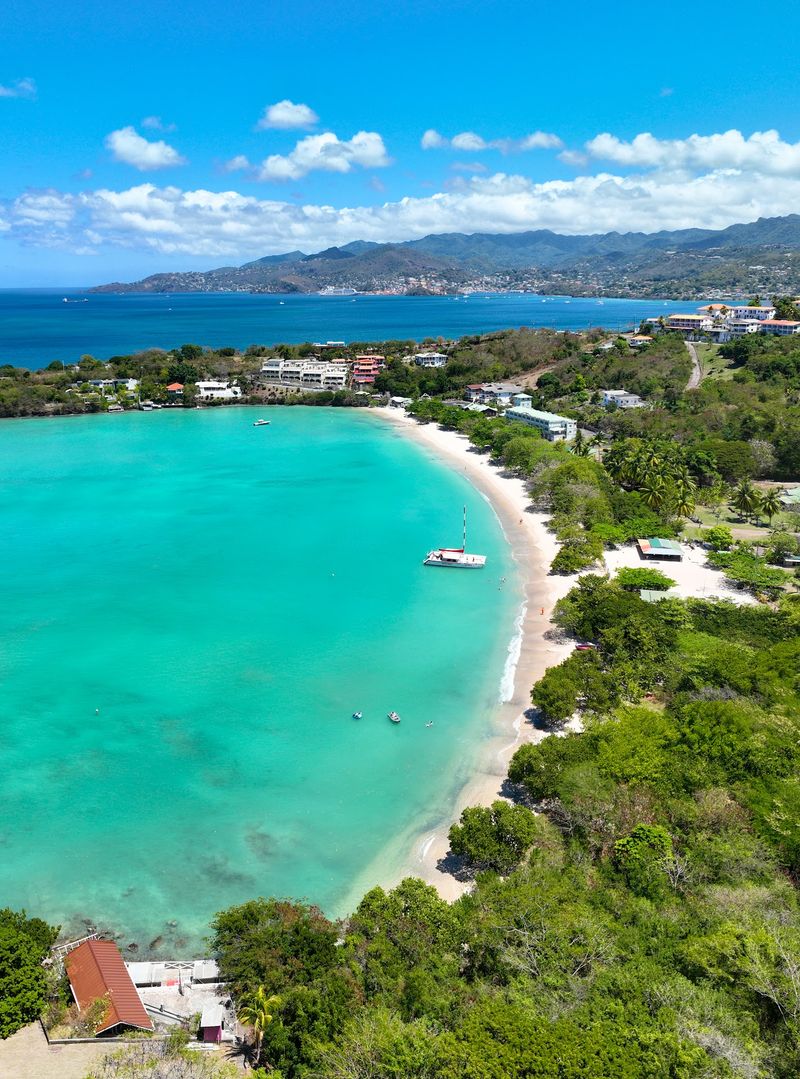
Nutmeg is so important here that it sits on the national flag. Grenada earned the nickname Spice Island, and its rainforest mountains, waterfalls, and plantations back that up.
Add tropical beaches, and you get a very easy sell.
Tourism has steadily joined farming as a foundation of the economy. World Bank analysis based on WTTC figures estimated that travel and tourism contributed around 52% of GDP in 2023.
Resorts and cruise stops matter, yet the benefits spread wider. Visitors pay for dive trips, guides, restaurant meals, taxis, and local products from small farms.
On such a compact island, nothing stays in one corner. A slow season does not only hit beachfront hotels.
It can ripple through villages, markets, and boat crews far from the shore. Grenada shows how a place can be both a farm and a vacation spot, with both sides leaning on each other.
Cabo Verde
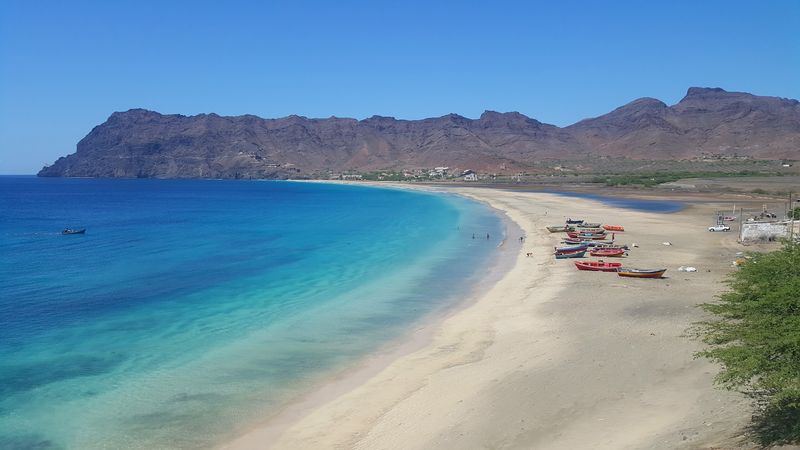
About 500 kilometers off West Africa, a string of volcanic islands rises from the Atlantic. Cabo Verde offers steep mountain valleys on Santo Antao and wide, sunny beaches on Sal and Boa Vista.
It is a surprisingly varied playground.
Tourism is now one of the archipelago’s biggest engines. The World Bank says the sector adds around 25% of GDP directly and as much as 44% once indirect effects are counted.
The trend is still going strong. Cabo Verde’s economy grew 6.3% in 2025, and the World Bank pointed to strong tourism activity as a major reason.
There is a catch, though. The same report warns that depending so much on one sector creates risk.
If travel slows, there are fewer other industries ready to fill the gap. Cabo Verde is enjoying the boom while working to stay ready for bumpier times.
Bahamas
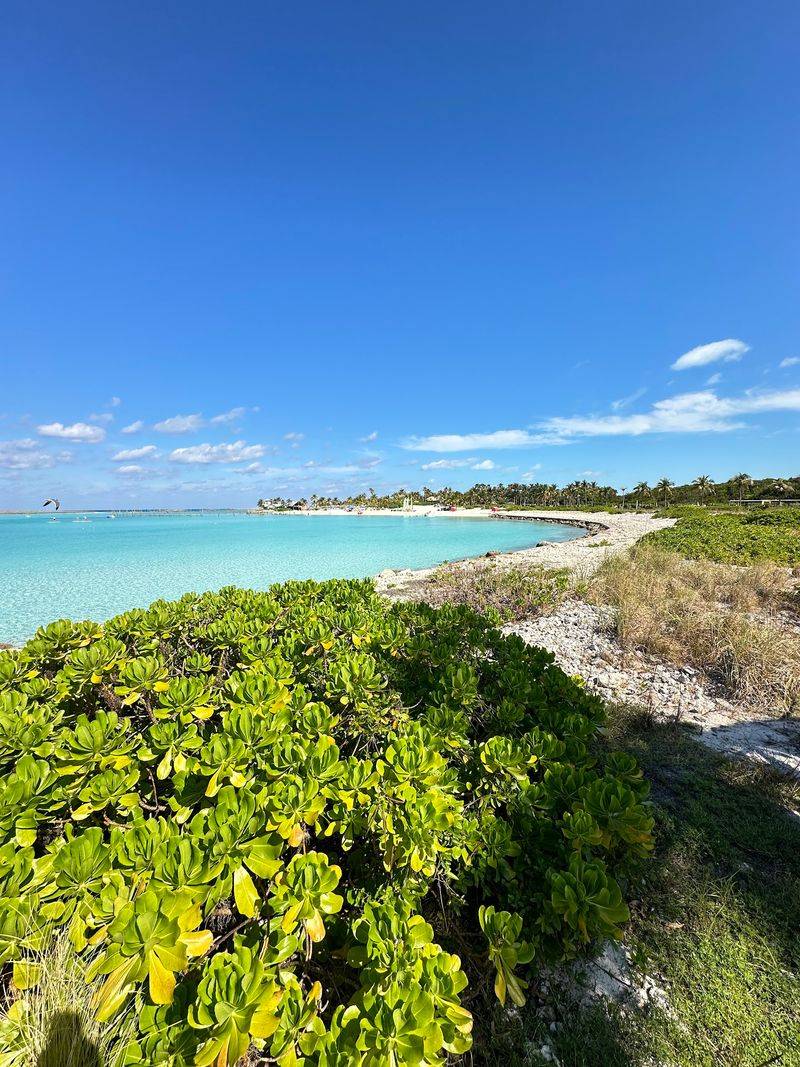
Count them if you dare: more than 700 islands and cays make up the Bahamas. Shallow turquoise water, coral reefs, and powdery beaches stretch across the whole chain, and visitors are happy to spread out.
Most of those visitors come from nearby. Because of that, shifts in U.S. and Canadian travel habits can move through the economy fast.
World Bank analysis estimated tourism’s total contribution at about 42% of GDP in 2023.
Jobs tell the same story. A big share of workers earn a living in hotels, restaurants, boating, and air travel.
Nassau draws much of the traffic, but the smaller Out Islands may feel the dependence even more. Their economies are less varied, so a good season can lift a whole community, and a weak one can hurt just as widely.
For the Bahamas, sunshine is serious business.
Fiji
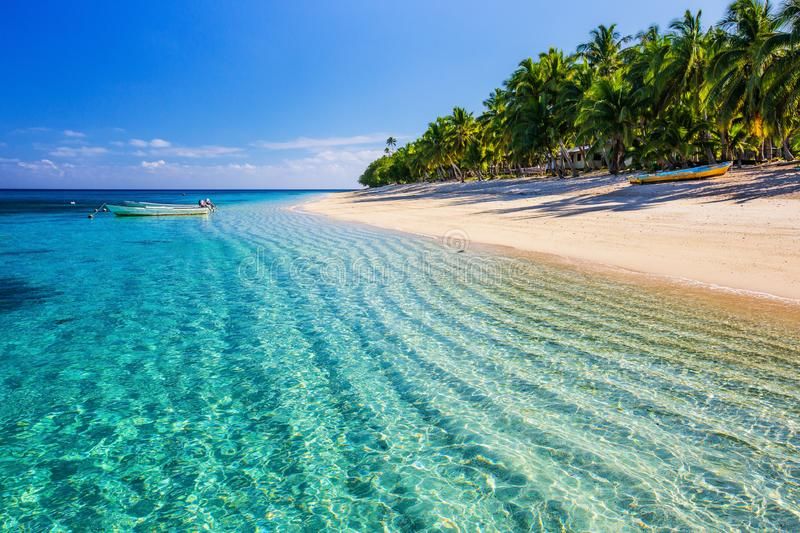
Say “Bula!” and you are already part of the Fiji experience. About 300 islands make up this South Pacific favorite, with volcanic mountains, coral reefs, and beaches that scream tropical vacation.
Tourism brings in major income and foreign exchange. Yet Fiji has more farming and industry than many small island states, which gives it some extra balance.
The numbers depend on how you count. World Bank comparisons put the sector’s total contribution at around 35% of GDP in 2023.
That figure includes supply chains and spending sparked by tourism workers.
Fiji’s own statistics office looked at it more narrowly. It reported that tourism directly accounted for about 13% of gross value added in 2024.
Both views are useful. One shows direct hotel and tour activity, and the other shows how far the ripples reach.
Either way, visitors are a big part of the story.
Jamaica
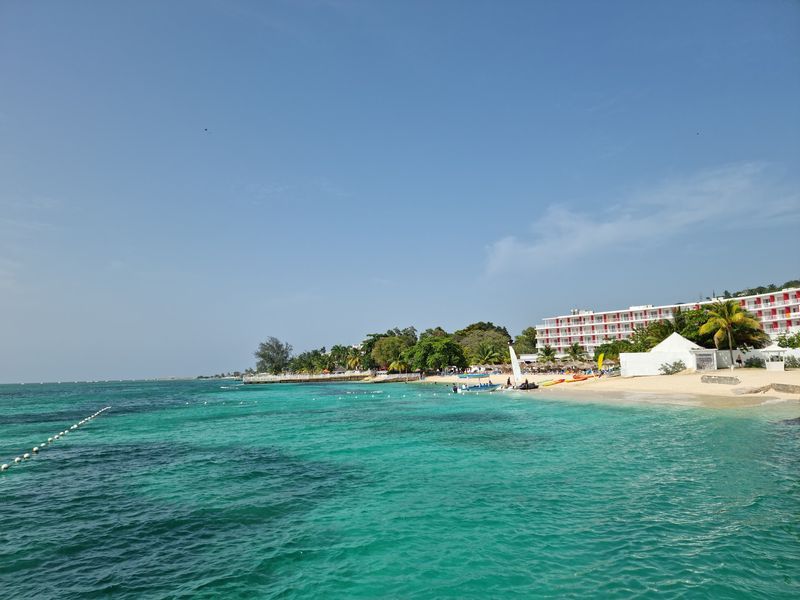
Reggae on the radio, jerk smoke in the air, and waves lapping at Negril’s long beach: Jamaica serves up a full sensory package. Beyond the coast are the Blue Mountains and waterfalls, plus a culture that has shaped music and food worldwide.
Tourism is one of the strongest engines of the island economy. World Bank analysis using WTTC data estimated the sector’s total contribution at about 34% of GDP in 2023.
Big resorts are only part of it. Transportation, attractions, farmers who supply restaurants, and thousands of small businesses all serve visitors.
That reach has a flip side. Jamaica can be unusually exposed to hurricanes, global recessions, and trouble in its main North American travel markets.
When the weather or the world economy shifts, a lot of people feel it at once. Still, the island’s spirit keeps visitors coming back for more.
Belize
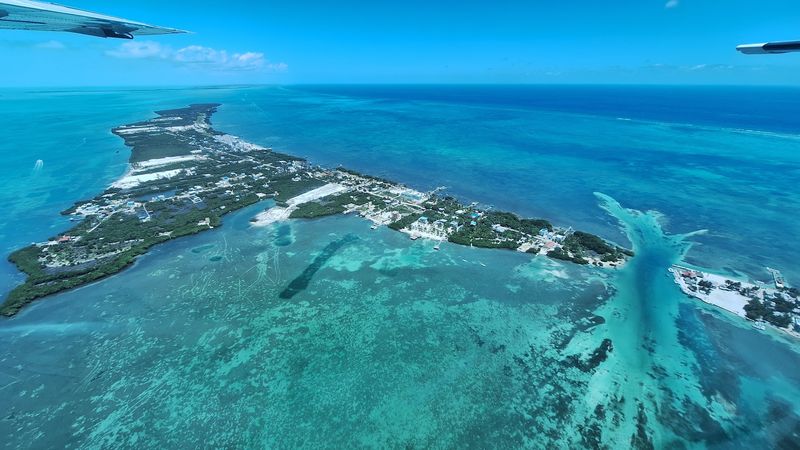
Dive masters whisper about the Blue Hole, and snorkelers rave about the barrier reef. Belize mixes Caribbean coastline with dense rainforest and ancient Maya sites, which is a lot of variety for a small country.
That mix has made tourism a major pillar even with a small population. World Bank figures based on WTTC estimates put the total contribution at roughly 31% of GDP in 2023.
On the coast and islands, divers and snorkelers fill boats each day. Inland, lodges, guides, and nearby communities earn income from archaeological and protected natural areas.
Here is the key link: visitors come for healthy reefs, forests, and wildlife. If those suffer, so does the income.
Belize shows that protecting nature is not just a feel-good idea. It is also a smart way to keep an economy strong and ready for whatever comes next.
Barbados
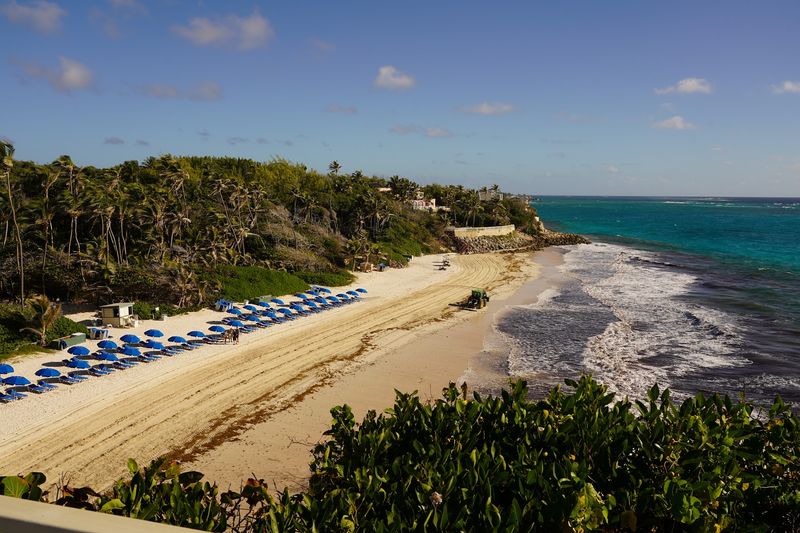
“Little England” is a nickname Barbados earned, and British visitors still arrive in droves. They are joined by guests from the United States and Canada, all heading for the white-sand beaches on the west and south coasts.
The island has a more varied economy than many in the Caribbean. Even so, tourism is a dominant force.
A 2025 government climate submission said tourism directly generated about 17.5% of GDP in 2024.
Wider estimates tell a bigger tale. WTTC figures that include indirect effects put the contribution near 31%.
Financial services add another solid source of income, which helps. Still, visitor spending remains essential for foreign exchange, jobs, and many local businesses.
Rum shacks, taxi drivers, and hotel staff all share the same hope for a busy season. Barbados proves that even a diverse economy can have a very sunny center.
Montenegro
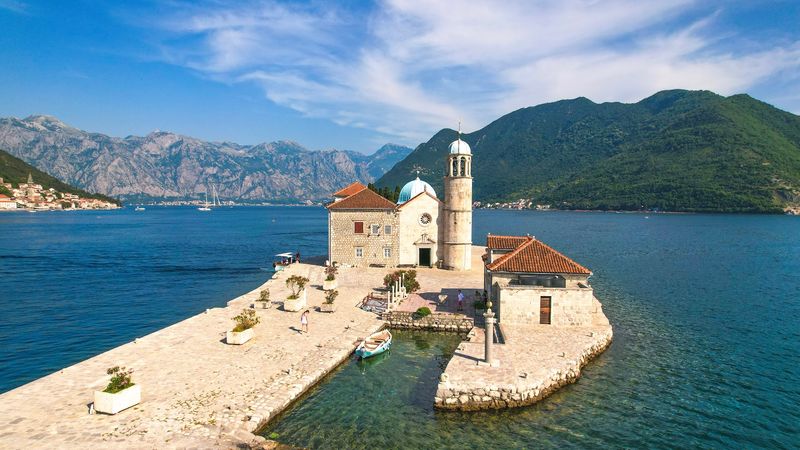
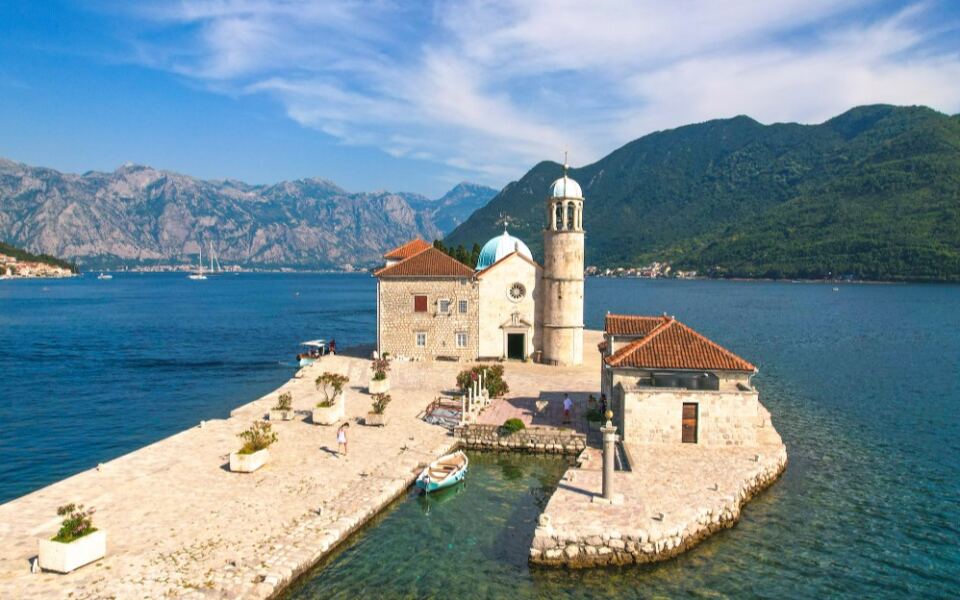
Fewer than a million people live in Montenegro, yet millions of photos come out of it. The Bay of Kotor, medieval coastal towns, Adriatic beaches, and rugged northern mountains pack a lot into a small space.
Tourism here plays an enormous role. The U.S.
International Trade Administration reported in 2026 that it accounts for about 30% of total GDP.
Look at who stays in the hotels. Foreign visitors generated 96% of commercial-accommodation overnight stays in 2024.
Locals are hardly part of the count.
OECD data adds another striking detail. Travel produced more than half of Montenegro’s service exports that year.
Few European economies depend so heavily on how the summer season goes. A strong year means busy harbors and full guesthouses.
A weak one can sting quickly. Montenegro is small, scenic, and very much open for business.
Portugal
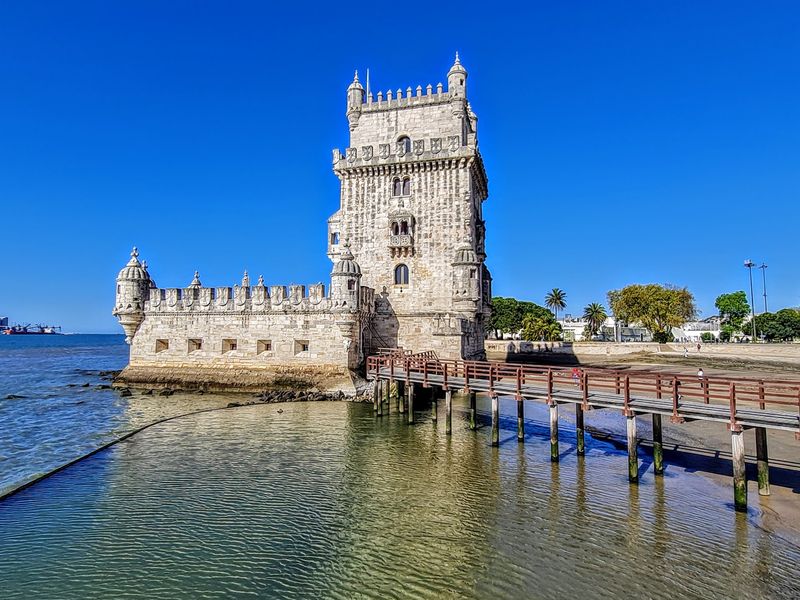
Pastel de nata in hand, a tourist rides a yellow tram up a Lisbon hill. It is a scene repeated thousands of times a day.
Portugal is far bigger and more varied economically than most countries here, so tourism’s weight stands out even more.
Lisbon, Porto, Madeira, the Algarve, and historic inland regions draw guests all year. WTTC estimated that travel and tourism supported 21.3% of GDP in 2024 and projected about 21.5% for 2025.
Not every measure agrees. Portugal’s official Tourism Satellite Account uses a narrower method.
It put the direct and indirect contribution at 11.8% of GDP in 2025.
The gap shows how definitions change the totals. Whichever number you prefer, the message is the same.
The sector remains central to jobs and regional development, from busy cities to quiet coastal towns.
Greece
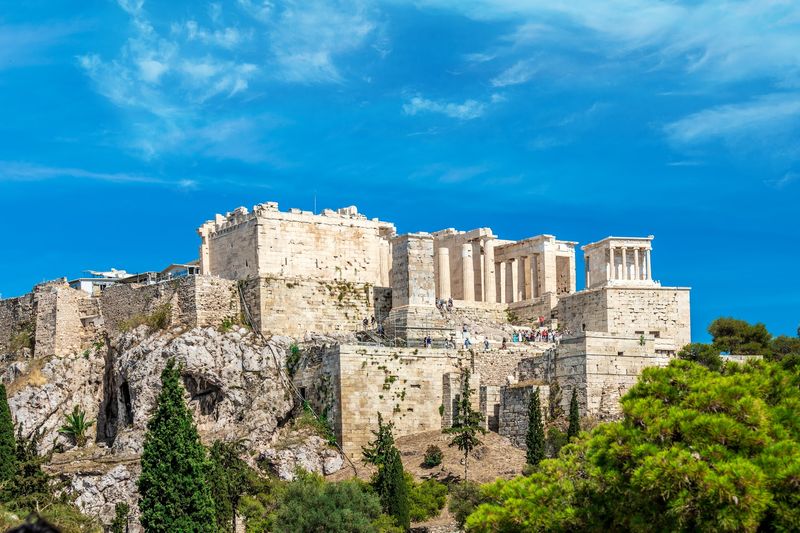
Blue domes, white walls, and ruins older than almost anything else you will ever touch: Greece sells history and sunshine in one package. Ancient monuments, island groups, and a long Mediterranean coastline made tourism one of its defining industries.
The dependence is greater than many visitors realize. The Bank of Greece reported that tourism’s overall contribution was estimated at 19.4% of GDP in 2024 when wider effects were included.
A 2026 analysis from Greece’s tourism industry added another view. It calculated a direct contribution of 32.4 billion euros in 2025, equal to 13% of GDP, with total effects potentially much higher.
Islands feel it most. Hotels, restaurants, ferries, and seasonal jobs all revolve around international travel.
When the ferries run full, whole communities thrive. Greece may be ancient, but its economy is very much tuned to this year’s bookings.
Mauritius
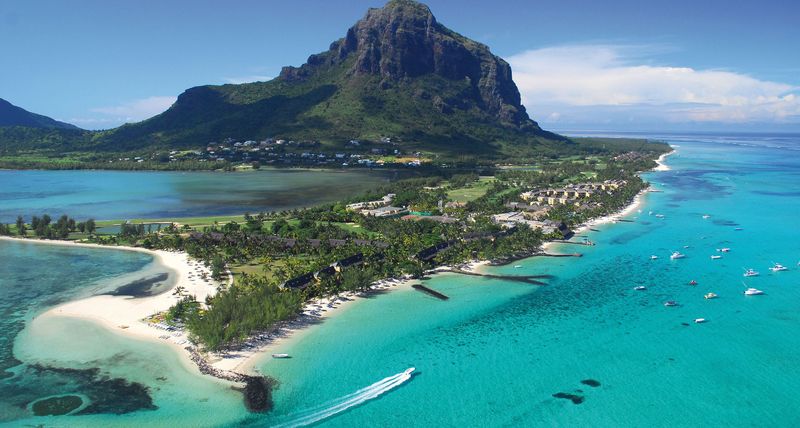
Few islands pack in as many cultures as Mauritius. African, Indian, European, and Chinese influences all shape its food and festivals.
Add lagoons, sugarcane fields, and a mountainous volcanic interior, and you have a standout destination.
Tourism is one of several important sectors, but its footprint is still big. World Bank comparisons using WTTC data placed the total contribution at around 21% of GDP in 2023.
The country has worked hard to branch out. Financial services, manufacturing, and information technology all add strength to the economy.
Even so, hotels, airlines, restaurants, and other visitor-facing businesses remain major employers and sources of foreign exchange. That puts Mauritius a step below the Maldives or Seychelles in dependence.
By global standards, though, it is still strongly tied to tourism. It is a good example of a country growing in several directions while keeping its beaches busy.
Share this story