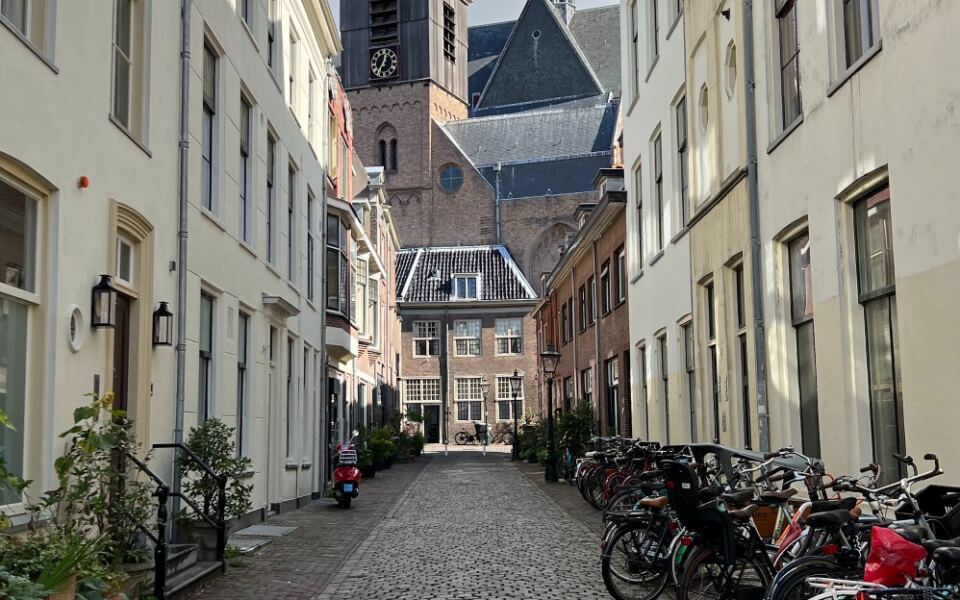
Amsterdam gets most of the spotlight, but the Netherlands has so much more to offer. Just a short train ride away, you can find canal towns, cheese markets, medieval gates and tiny villages that feel like storybook pages.
Each place has its own flavor, history and pace of life. Pack a light bag and get ready to meet the Dutch towns that deserve a spot on your map.
Delft
Blue and white pottery is the first thing most people think of here, and the town wears that fame proudly. Delft Blue shops line the streets, and some workshops let you watch artists paint each piece by hand.
The old center is small enough to cover on foot. Canals, little bridges and quiet courtyards sit around every corner.
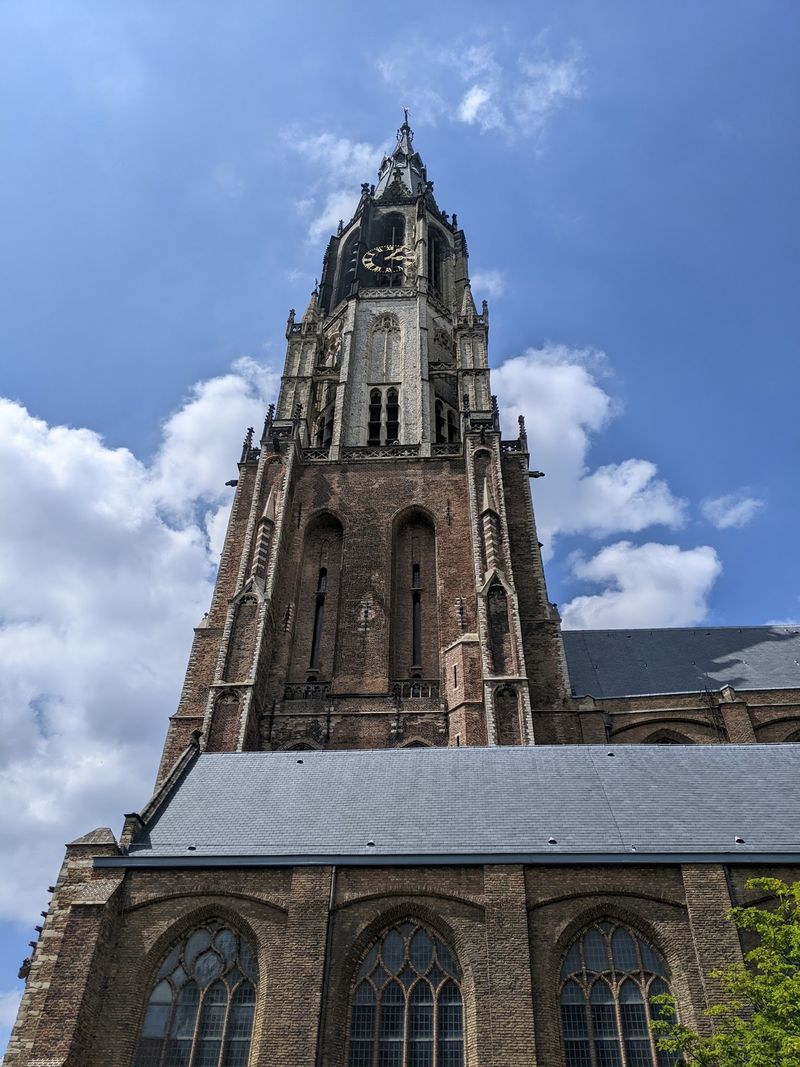
The Oude Kerk leans slightly, while the Nieuwe Kerk lifts its tower high above the market square. Climbing that tower is a fun workout with a great reward at the top.
Art fans will love the link to painter Johannes Vermeer, who lived and worked here. The Prinsenhof museum tells the story of William of Orange, who was shot inside its walls in 1584.
You can still spot the bullet holes in the stairwell wall.
Here is a handy tip: stay overnight. Once the day-trippers head home, the lanterns glow on the water and the streets turn calm.
Breakfast by a canal with almost nobody around feels like a secret the town is sharing only with you. Trains from Amsterdam make planning easy, so you can arrive early and linger late.
Leiden
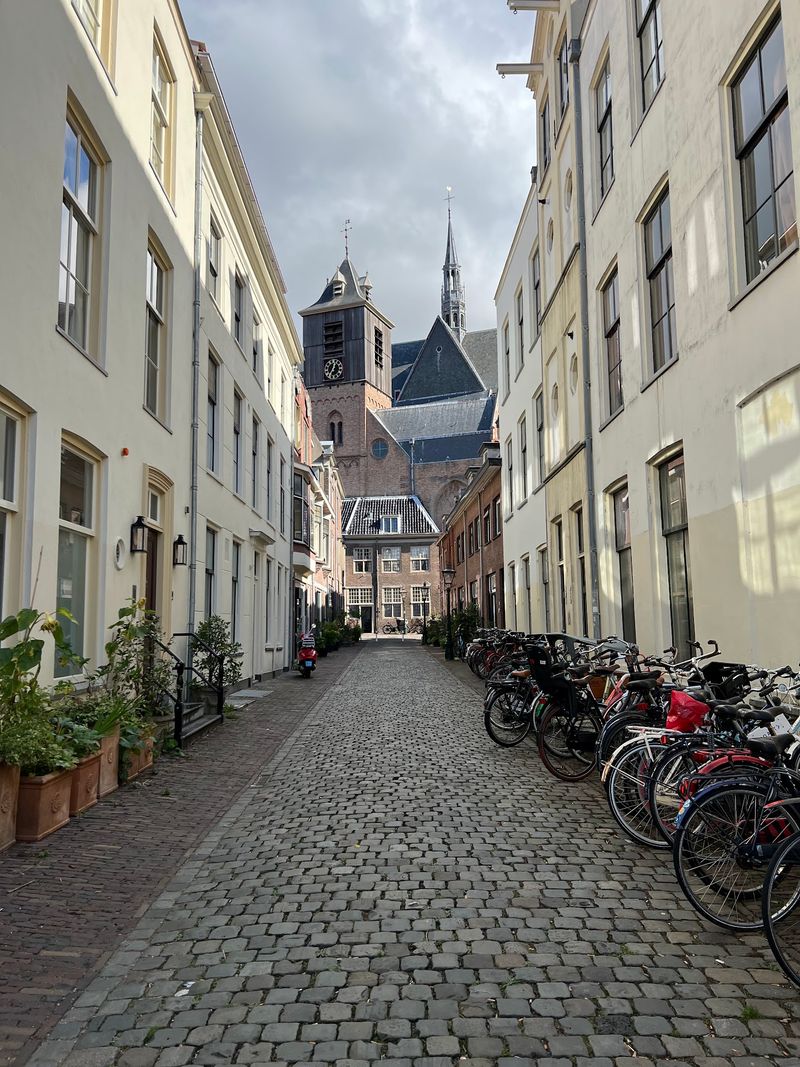
Rembrandt picked up his first brushes in this town, and you can follow walking routes through the streets of his youth. Leiden is the city of students, scholars and curious minds, and you can feel that buzz everywhere.
The country’s oldest university opened here in 1575. Around it, hundreds of monuments, hidden courtyards called hofjes and thirteen museums fill a compact center.
Bring comfy shoes, because every turn invites a detour.
Windmills are part of the skyline, and one of them, De Valk, doubles as a museum. Step inside to see how wind power once ground grain and ran daily life.
Old city gates and narrow lanes add a calm mood that Amsterdam’s busiest streets rarely offer.
For a lazy hour, hop on a canal boat and let the guide point out the details you would otherwise miss. Afterward, grab a coffee at a waterside cafe and watch cyclists roll over the bridges.
The nickname City of Discoveries fits well. You will likely find something new before lunch, and something even better after it.
Utrecht
Eat lunch below street level and you will understand Utrecht right away. The Oudegracht canal has wharves set lower than the road, and old storage rooms there now hold cafes and restaurants right beside the water.
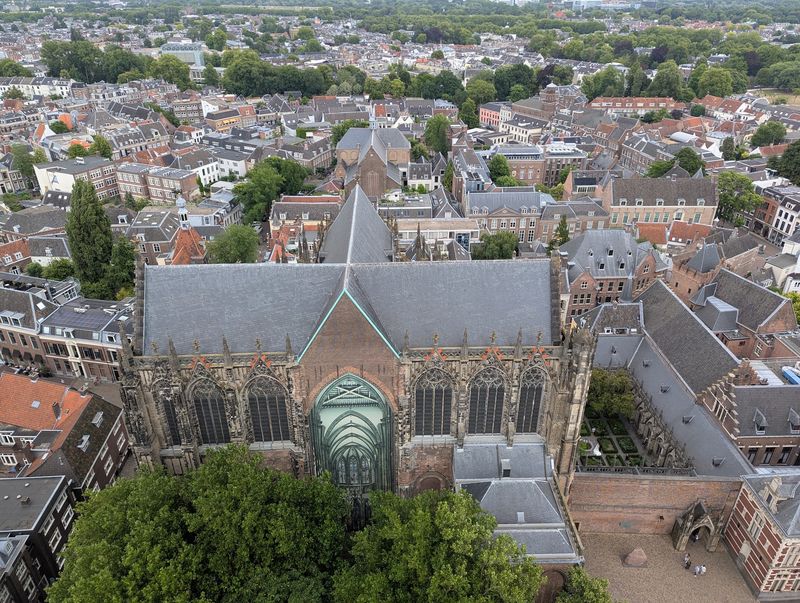
Above it all stands the Dom Tower at 112 meters, the tallest church tower in the country. Climb its steps and the whole city spreads out like a map.
Bring snacks for the stairs, because there are plenty.
The city is bigger than many on this list, yet the old core feels cozy. Bookshops, small museums and terraces fill the lanes, and students keep the mood young and friendly.
Bikes zip past in every direction, so stay alert on the paths.
When you want a break from stone and brick, follow green routes toward the Vecht River, where country estates sit among trees. It is an easy way to turn a city day into a gentle countryside stroll.
If you want canals without repeating the Amsterdam script, this is a smart pick.
Haarlem
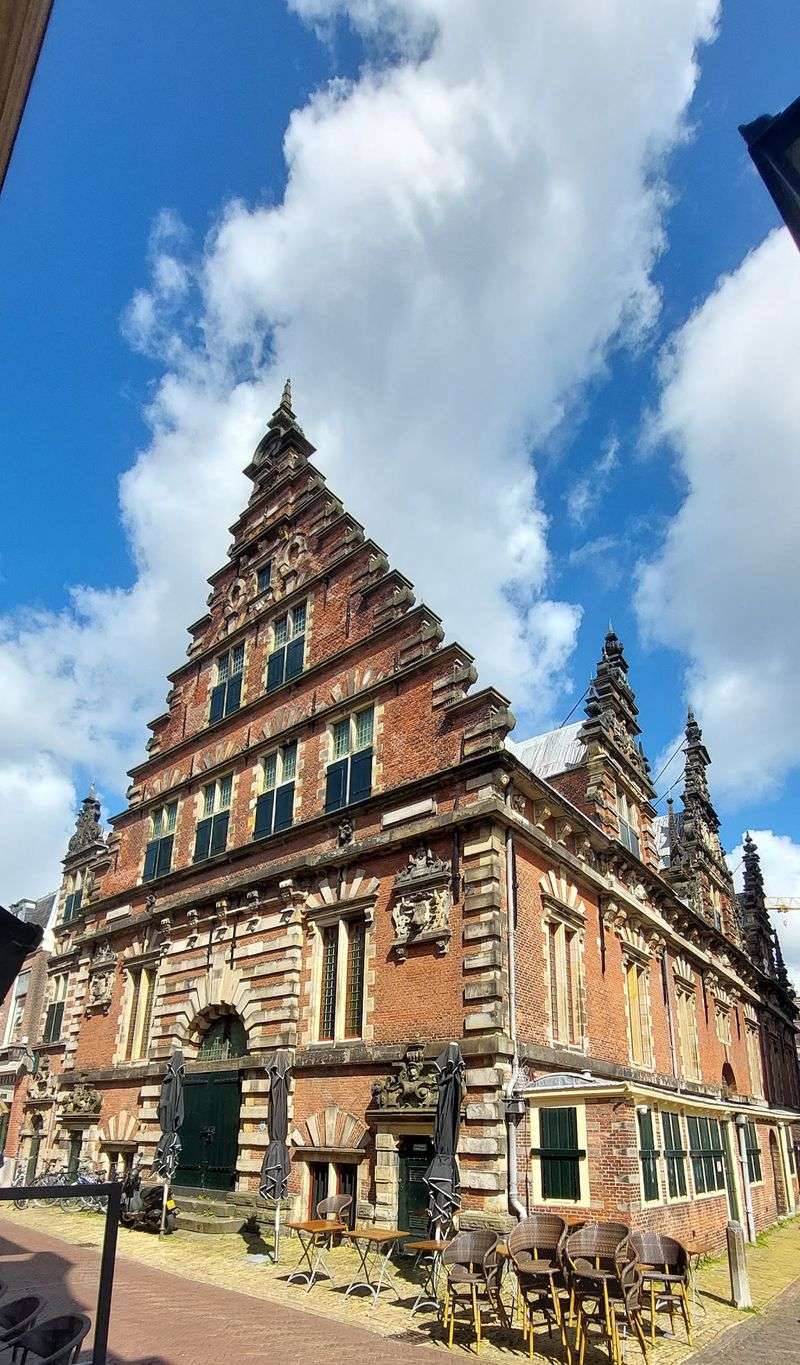
Only about fifteen minutes by train from Amsterdam, Haarlem feels like a deep breath after a busy day. The mood is relaxed, and the pace is pleasantly slow.
Everything revolves around the Grote Markt, a broad square framed by grand buildings. The huge Grote Kerk fills the skyline, and cafe terraces fill the cobblestones below.
Order a drink, sit back and let the people-watching begin.
Art lovers should head to the Frans Hals Museum, which shows centuries of Dutch painting in a former almshouse. Smaller streets nearby hide boutiques, courtyards and tiny shops that reward slow wandering.
Many of the courtyards, called hofjes, are quiet gardens tucked behind plain doors.
Here is a bonus: the beach is close. A short ride brings you to the North Sea coast and wide dune landscapes, so you can pair city culture with fresh sea air in one day.
Despite its cultural depth, Haarlem keeps a friendly small-town feel that makes visitors want to stay a little longer than planned.
Giethoorn
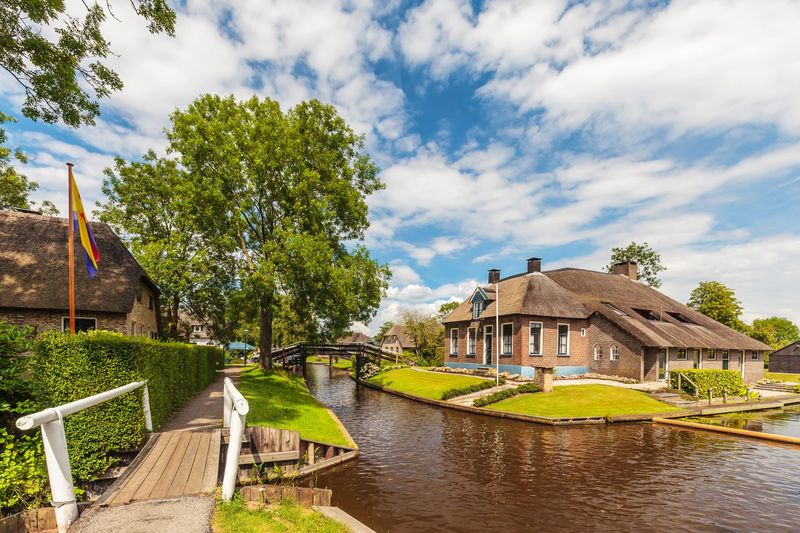
Forget traffic, because this village barely has any roads. Water does the job instead, and small boats are the everyday way to get around.
Thatched-roof houses sit beside narrow canals, linked by tiny wooden bridges. Gardens spill right down to the water’s edge, and footpaths wind between them.
Long ago, villagers dug waterways to transport peat, and that work shaped the layout you see today.
The best way to explore is a quiet electric boat. You can rent one, steer gently and glide under bridges while ducks paddle alongside.
It is slow, silly and wonderfully relaxing.
Giethoorn does get busy with day visitors, so plan smart. Early mornings and evenings are calm and golden, and the reflections on the water are at their best.
Walk the main footpath, stop at a lakeside cafe and enjoy a slice of apple pie. Compared with the energy of Amsterdam, this place feels like a pause button for your whole trip.
Maastricht
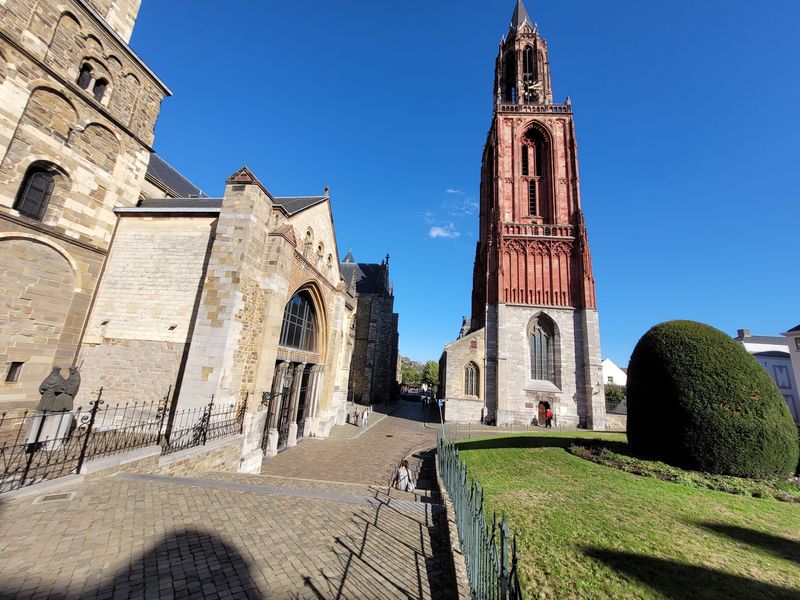
Hills, vineyards and a hint of French flair make it hard to believe you are still in the Netherlands. Maastricht sits in the far south near Belgium and Germany, and its mood is warm and sociable.
The Vrijthof square is the heart of town, surrounded by Roman history, medieval churches and cobbled streets. One church even houses a bookshop inside its old walls, and it is a stunning place to browse.
Cross the Meuse River to Wyck, where boutiques and restaurants wait.
Food is a big reason to visit. Try regional pastries, local beer and long, cheerful dinners that stretch into the evening.
Locals seem to enjoy the table as much as the menu.
For some fresh air, head to Sint-Pietersberg. Its caves and wooded paths make a fun escape just outside the center.
You can walk or cycle through quiet trails and learn about the old tunnels. This is a city that rewards curious eaters and wanderers, and it proves the Dutch landscape has more variety than most people expect.
Gouda
Sure, the cheese is famous, but the town behind it steals the show. Gouda has a grand Gothic town hall that stands alone in the middle of the Markt, looking like a fancy cake on a plate.
Streets and canals spread around the square, with cafes and specialty shops tucked into old buildings. Wander without a plan and you will find sweet corners at every turn.
Syrup waffles, called stroopwafels, are a local treat, so grab one still warm.
Inside Sint-Janskerk, look up. The stained-glass windows are among the most impressive in the country, and the colors glow when the sun hits them just right.
It is a quiet, awe-filled stop.
The traditional cheese market runs in the warmer months and draws plenty of visitors, with costumed traders and lively bargaining. If you cannot visit on market day, do not worry.
The town stays charming all year, and cheese shops are always open for tastings. Bring an empty bag and a big appetite.
Dordrecht
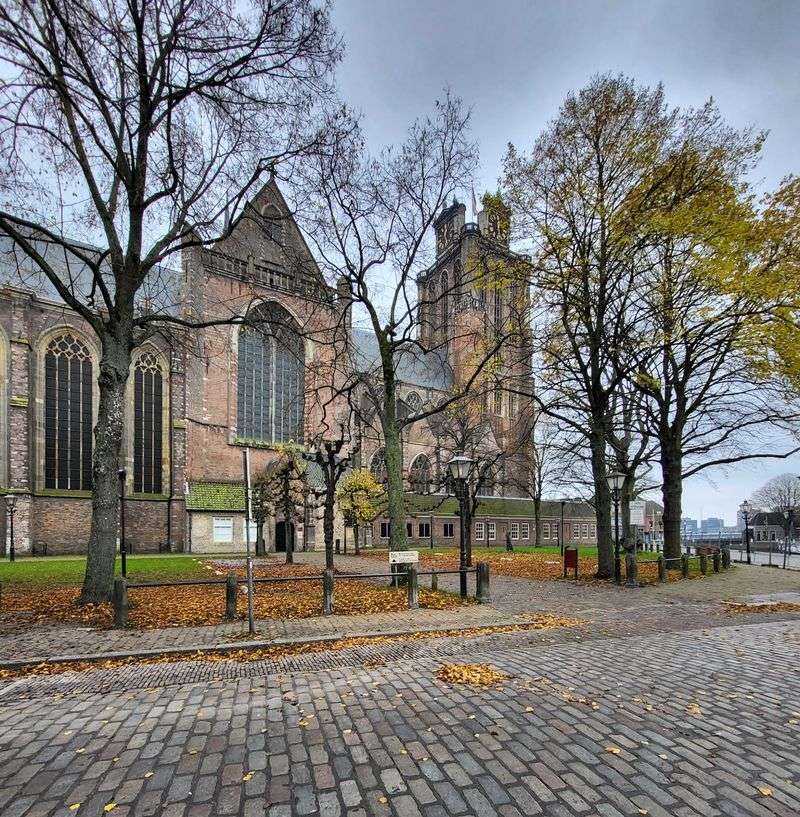
Many people call it the oldest city in Holland, and its setting backs up the claim. Several rivers meet here, which made it a busy trading post for centuries.
The historic center grew around harbors and waterways, and merchant houses still line the edges. Narrow streets lead to the Grote Kerk, while old warehouses and bridges create new views with every step.
Stand near the water for a few minutes and the scene keeps shifting as boats pass.
Nature lovers get a bonus. Dordrecht is a great base for visiting Biesbosch National Park, one of Europe’s largest freshwater tidal areas.
You can paddle quiet channels, spot beavers and birds, and feel miles from any city.
Compared with Amsterdam or Rotterdam, far fewer international visitors come here, so the pace stays easygoing. Cafes by the harbor are perfect for a slow lunch.
If you enjoy places with deep roots, good scenery and elbow room, put this river city on your list.
Amersfoort
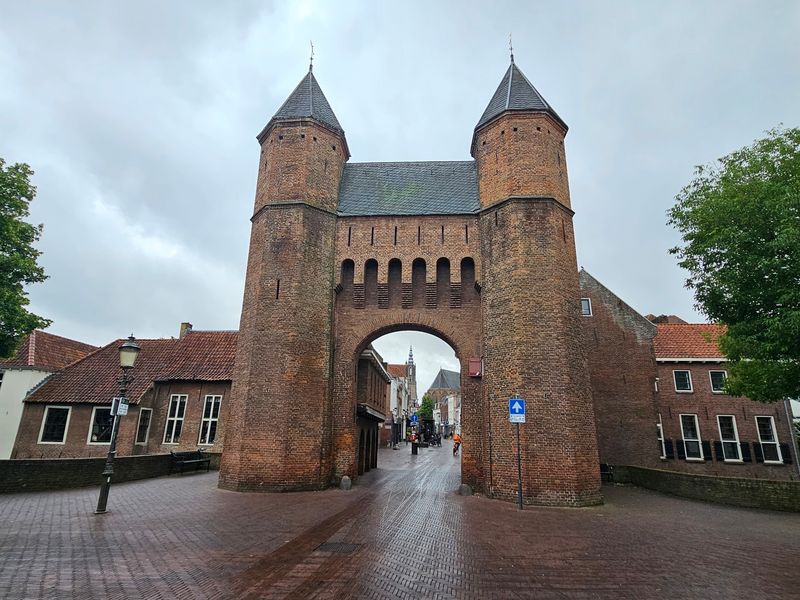
A gate that straddles both land and water is not something you see every day. The Koppelpoort, built in the Middle Ages, is the star of Amersfoort and a favorite spot for photos.
Beyond it, canals and narrow lanes lead to small squares full of cafes and historic buildings. The old center is compact, so you can see a lot without rushing.
Leave extra time for pausing, because every corner is a postcard.
Climb the Onze Lieve Vrouwetoren for wide views across the rooftops and countryside. The steps take some effort, but the panorama is worth every one.
Back on the ground, look for quirky details like decorated facades and old city walls.
Amersfoort was named European City of the Year in 2024, and it still earns that praise. The slow, friendly feel makes it ideal for a one or two day visit.
Sit by the water with a pastry, watch the swans and enjoy a medieval town that stays pleasantly low-key.
Alkmaar
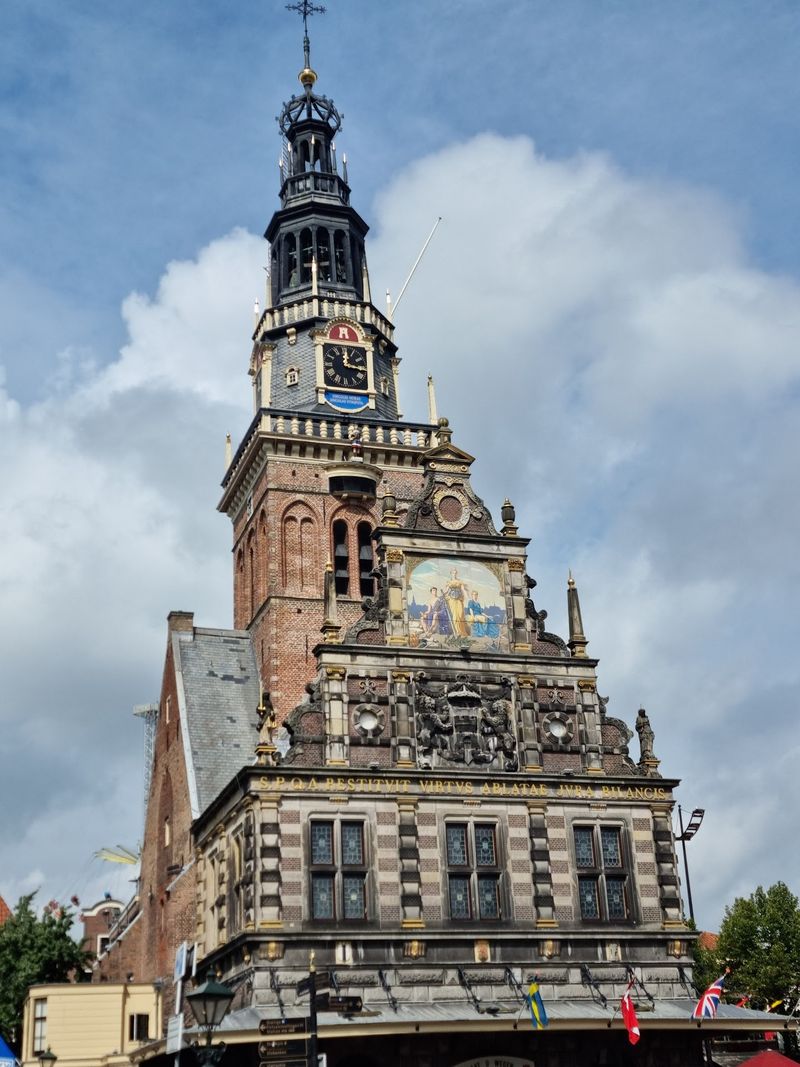
Picture men in white outfits and colorful hats hauling heavy wheels of cheese on wooden sleds. That is Friday morning in Alkmaar during the warmer months, and it is as lively as it sounds.
The market is a centuries-old tradition, and it gives the city a strong local personality. Arrive early to find a good viewing spot, because the square fills fast.
Traders clap hands to seal deals, which is a fun detail to watch.
Once the show ends, explore the rest of town. Canals run beside merchant houses, narrow lanes open into quiet squares and the Grote Sint Laurenskerk rises above the rooftops.
Museums, shops and waterfront cafes keep the days full all year.
Alkmaar is a green trading city, and it has plenty of charm beyond dairy. When you want a change of scenery, the North Sea coast is close enough for an easy day trip.
Pack a sweater for sea breezes and a snack for the road.
Deventer
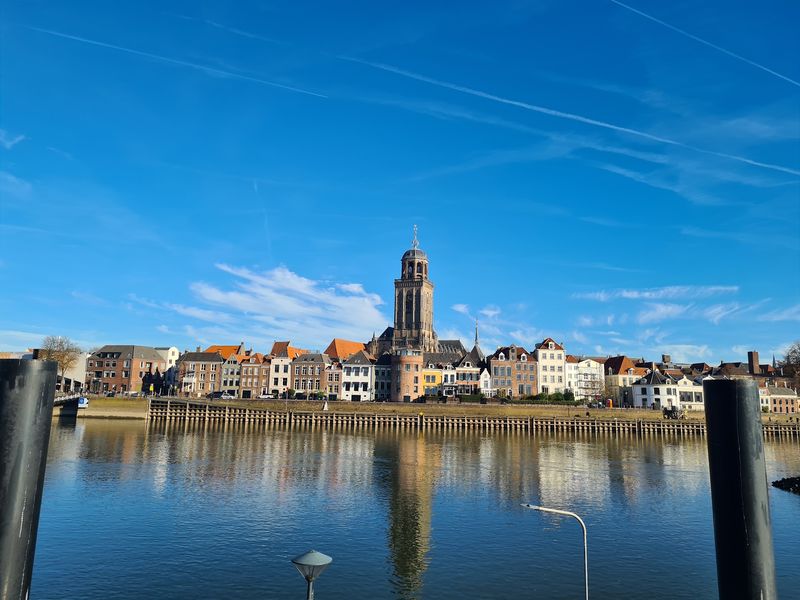
Books take center stage here every summer. Deventer hosts one of the biggest book markets in Europe, when the streets fill with stalls, readers and the smell of old paper.
The town sits on the IJssel River and once belonged to the Hanseatic League, a network of trading cities across northern Europe. River commerce brought wealth, and you can see it in the merchant houses and medieval churches.
The Brink is the main square, lively with terraces and chatter.
The Lebuinuskerk is one of the best known landmarks and a fine place to rest your feet. Inside, high ceilings and calm light make a nice break from the street noise.
Back outside, wander the lanes and peek into little shops.
Gingerbread is the local specialty, so try a slice of Deventer koek with your coffee. The riverside setting gives this town a different feel from the canal cities in the west.
If you love history with a side of snacks, this is your kind of stop.
Middelburg
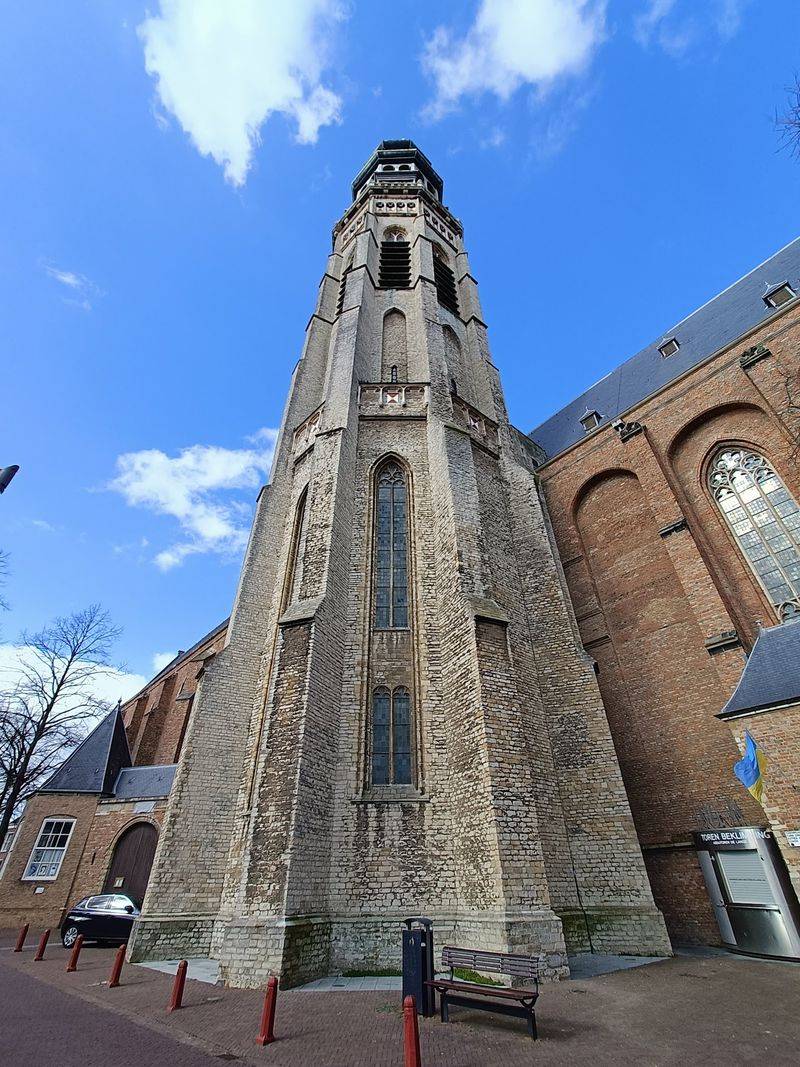
Grand buildings and sea breezes make a surprisingly good pair. Middelburg lies in Zeeland, in the southwest, and it carries the confidence of a former trading powerhouse.
Merchant houses, canals and monumental buildings cluster around the historic core. The huge former abbey complex fills a big part of the center, and the Lange Jan tower stands high above the rooftops.
Climb it for a view of red tiles, water and wide skies.
Walk slowly, because details hide everywhere. Look for carved stones, tall doorways and quiet courtyards.
On market days, stalls fill the square and the town hums with local life.
Zeeland’s coast and islands are close, so nature is never far. Rent a bike, ride to a beach and be back in town for dinner.
Middelburg feels photogenic and calm at once, and it shows a quieter, more maritime side of the Netherlands that many visitors never see. Bring a camera and a good appetite for fresh seafood.
Hoorn
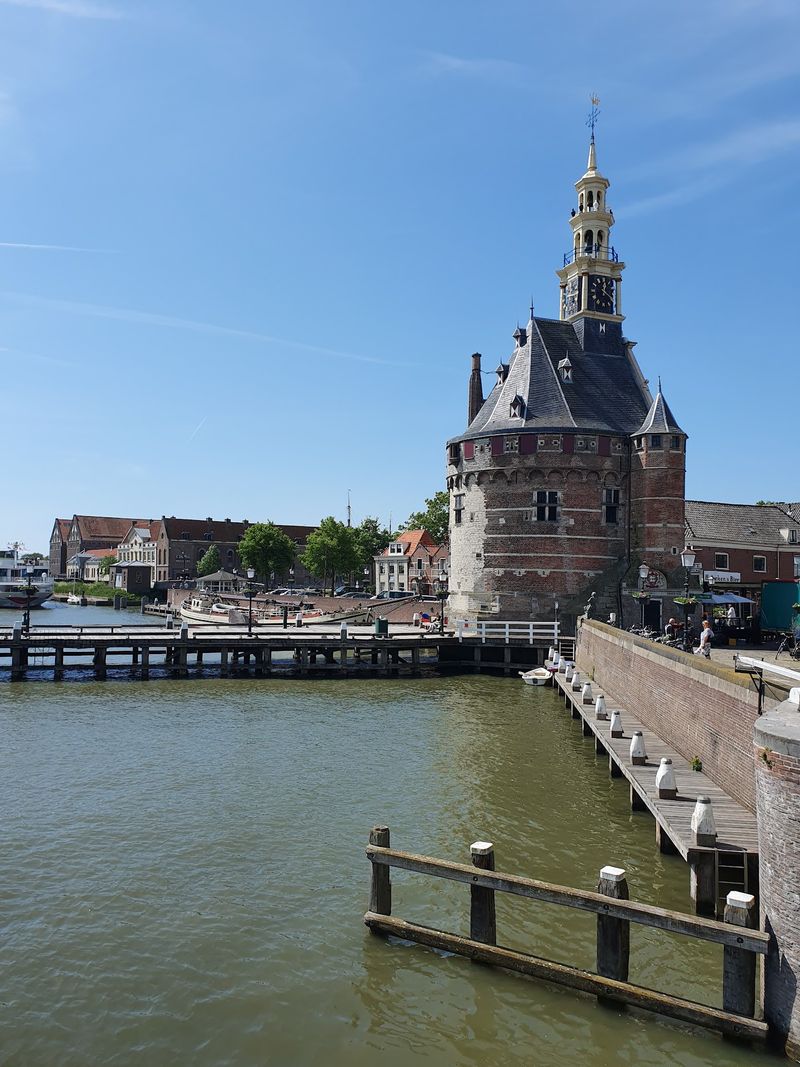
Ever heard of Cape Horn? The name comes from this town, whose sailors once crossed the globe.
Hoorn sits on the former Zuiderzee, and its maritime pride is easy to spot.
Trade during the Dutch Golden Age built grand merchant houses, warehouses and civic buildings. Many still stand, with ornate gables and carved stones.
The harbor is the prettiest part, especially near the Hoofdtoren, a defensive tower right beside the water.
Narrow streets connect the waterfront to squares and museums that explore the town’s trading past. Pop into one to see ship models, old maps and tales of far-off voyages.
Afterward, find a harbor terrace and watch sailboats drift by.
Compared with Amsterdam, Hoorn feels smaller and more relaxed. Still, its architecture and history show many of the same forces that shaped the capital.
You get the story without the crowds. A heritage steam train also runs nearby, which adds a fun, old-fashioned twist to your day.
Enkhuizen
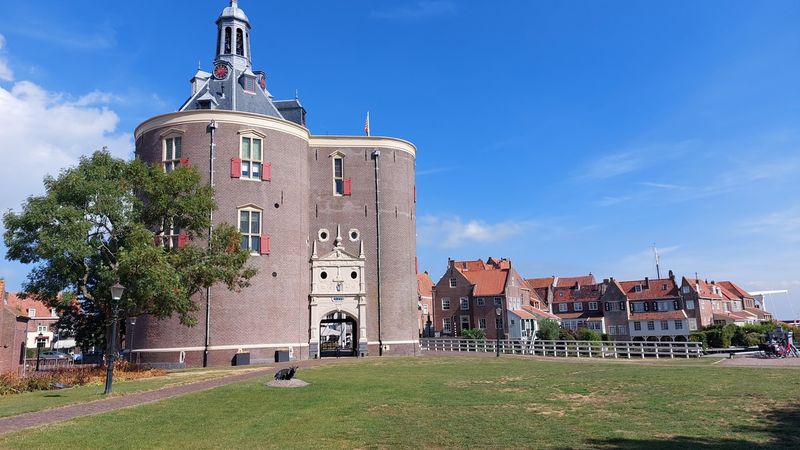
Herring once made this town rich, and the proof is in its handsome streets. Enkhuizen is another harbor gem on the former Zuiderzee, built on fishing and maritime trade.
Canals, historic houses and imposing gateways fill the old center. The Drommedaris tower guards the harbor like a stout, patient doorman.
Walk the quay at sunset and the whole place glows.
The Zuiderzee Museum is the standout attraction. Indoors, you will find collections about fishing and seafaring.
Outdoors, an open-air section recreates entire streets and homes from long ago, with costumed staff and working crafts. Kids and adults both get a kick out of it.
The town is worth a look even without the museum. Stroll along the old harbor, climb a bridge for photos and stop for smoked fish at a stand.
If you are curious about how water shaped Dutch life long before modern engineering changed the landscape, this is the place to learn it. Allow a full day.
Zierikzee
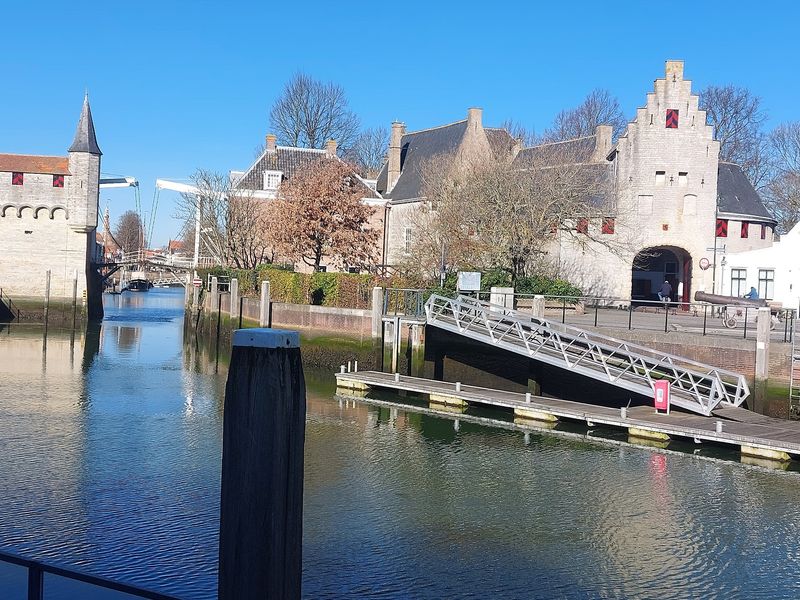
Some towers are simply too ambitious to finish, and Zierikzee has one. The huge Sint-Lievensmonstertoren was meant to be taller still, and its stubby, bold shape rises above the town anyway.
Climb it for views across Zeeland’s fields and waterways. The wind up top is part of the fun, so hold on to your hat.
Down below, narrow streets, traditional houses and medieval gates make the old center feel frozen in time.
The harbor is the best place to linger. Boats bob gently, gulls argue overhead and cafes serve local mussels and oysters.
Zeeland is famous for shellfish, and here you can taste it near the source.
Zierikzee sits well away from the busiest tourist routes, and that is part of its appeal. You can walk the lanes in peace and chat with shopkeepers who are happy to share tips.
Easy access to the Zeeland coast adds beach time to your plans. For a trip that feels truly different from Amsterdam, this quiet town delivers.
Share this story