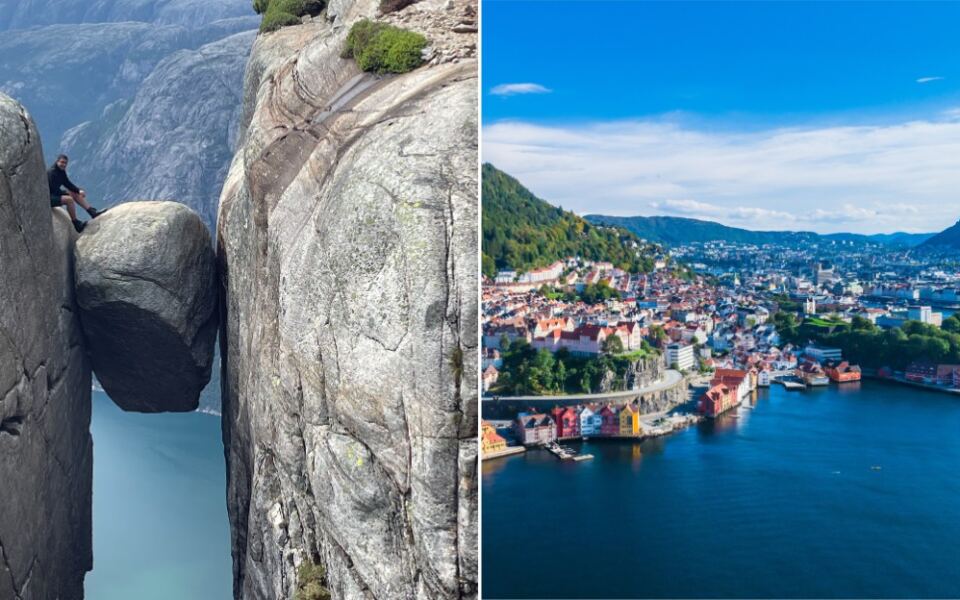
Norway has a way of making big headlines with its scenery, and this list shows why the country deserves a closer look. From Arctic vaults to steep fjords, medieval harbors, and a road built over the sea, these places cover very different sides of Norway.
Some require serious hiking boots, while others can be enjoyed from a train seat or a city park bench. Many are protected by UNESCO or promoted by Visit Norway as national highlights.
Whether you plan trips years ahead or just like to browse, this collection gives you fifteen specific reasons to put Norway on your map. Each stop includes practical details so you can picture how a visit might actually work.
Svalbard Global Seed Vault, Svalbard
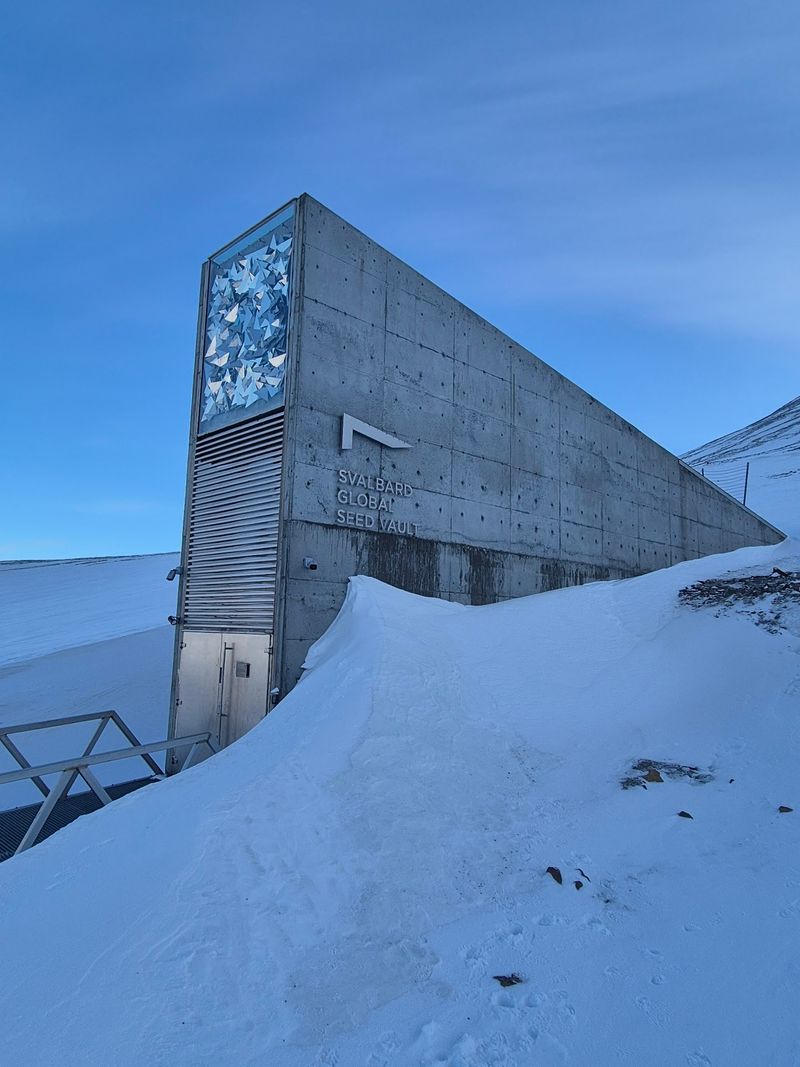
Here is a building that most people will never walk inside, yet it matters to farmers everywhere. The Svalbard Global Seed Vault is built into a mountain outside Longyearbyen and stores duplicate seed samples from gene banks around the world.
Think of it as a backup plan for global crop diversity. By October 2026, the vault held more than 1.4 million seed samples, which is a huge number for a place so remote.
Access is restricted to authorized personnel, so a visit does not include going inside. Guided excursions do take travelers to the futuristic entrance, where the structure rises out of the Arctic landscape.
That alone makes for a memorable photo stop.
If you go, plan it as part of a wider Svalbard trip, since Longyearbyen is the base for most tours. Book a guided outing ahead of time, because independent access to the entrance area is not the same as a regular attraction.
It is a science story and a travel story in one.
Geirangerfjord
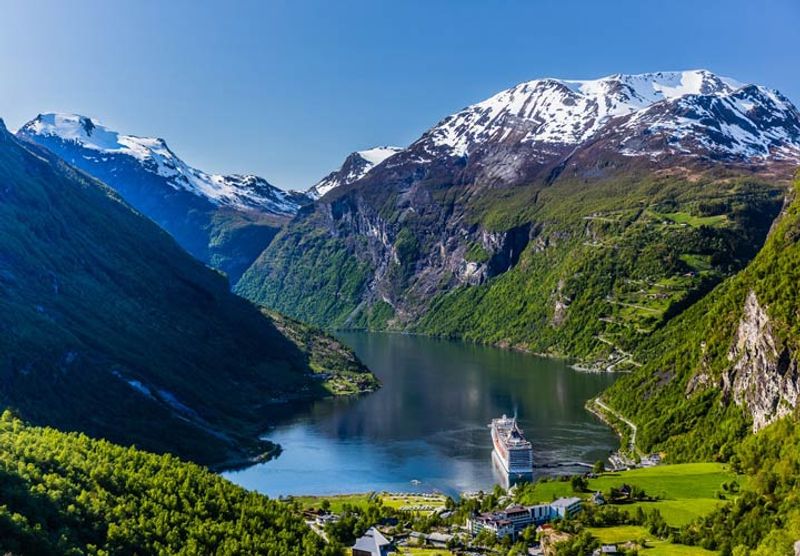
Close your eyes and picture Norway, and chances are you see something like Geirangerfjord. Towering mountains and waterfalls surround the water, giving the place the look most travelers expect from the country.
Together with Nærøyfjord, it forms part of the UNESCO-listed West Norwegian Fjords. That recognition puts it in the same conversation as the world’s most important natural landscapes.
The scenery is built on steep mountain walls that drop into deep blue water. Because the fjord is so narrow, the cliffs feel close from almost any vantage point, whether you are looking from a boat or from a viewpoint above.
For planning, think about how you want to see it. A boat trip gives you the view from the water, while a high lookout shows the full shape of the fjord.
Either way, bring a camera with plenty of storage, since the angles change with every bend.
It is one of Norway’s signature destinations for good reason.
Nærøyfjord
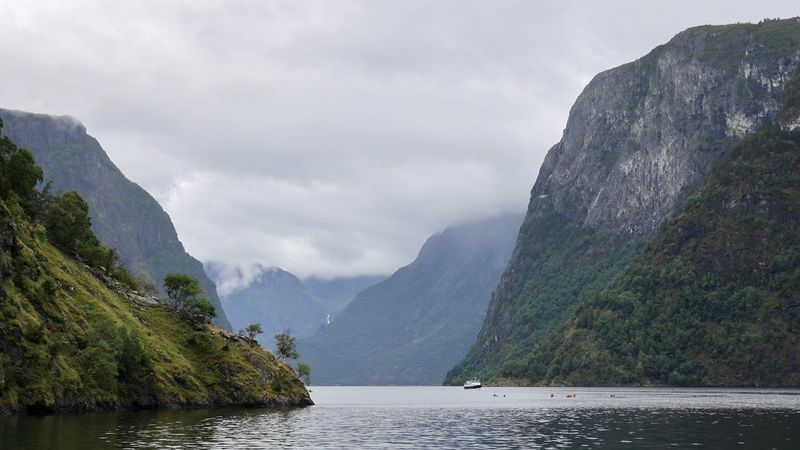
Narrow is the keyword for Nærøyfjord. The water winds in tight stretches between enormous mountains, and the result can look almost impossibly dramatic.
This fjord shows another side of Norway’s UNESCO-protected landscape. It belongs to the same World Heritage property as Geirangerfjord, yet it has its own character, shaped by closeness rather than open space.
Fjord sightseeing is the main reason to come. Boat trips are the natural way to see it, because moving along the water lets you appreciate how high the mountain walls rise above you.
If you are comparing fjords for a trip, this is a good pick for travelers who like the feeling of being surrounded by rock and water. Pairing it with other western Norway stops makes sense, since the region is full of scenic options.
It remains one of the country’s standout destinations, and a photo from the water usually explains why in a single frame.
Trolltunga
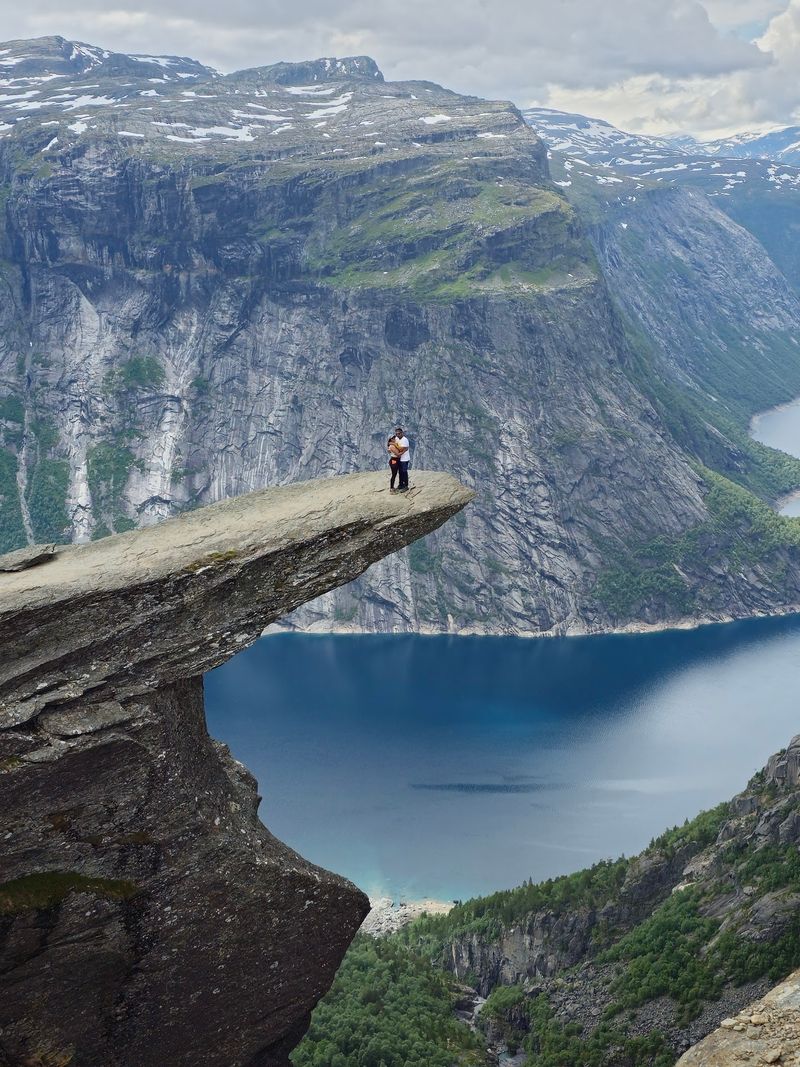
Few viewpoints in Norway are photographed as often as Trolltunga, which means Troll’s Tongue. The rock formation projects dramatically above Ringedalsvatnet lake, roughly 700 meters below.
Getting there is not a casual stroll. The main route covers around 27 kilometers and normally takes eight to 12 hours, so it is a full day on the trail.
Preparation matters here. Proper equipment, fitness, and attention to seasonal conditions are essential, and anyone planning the hike should treat those points seriously rather than as optional advice.
Start early, carry enough food and water, and check conditions before you set out. Sturdy footwear and layers are sensible choices for mountain weather that can change.
The reward is a famous ledge and a view that explains why so many photos of Norway feature it. If a long hike sounds appealing, this one belongs near the top of your list.
If not, admiring pictures from home is perfectly fine.
Preikestolen
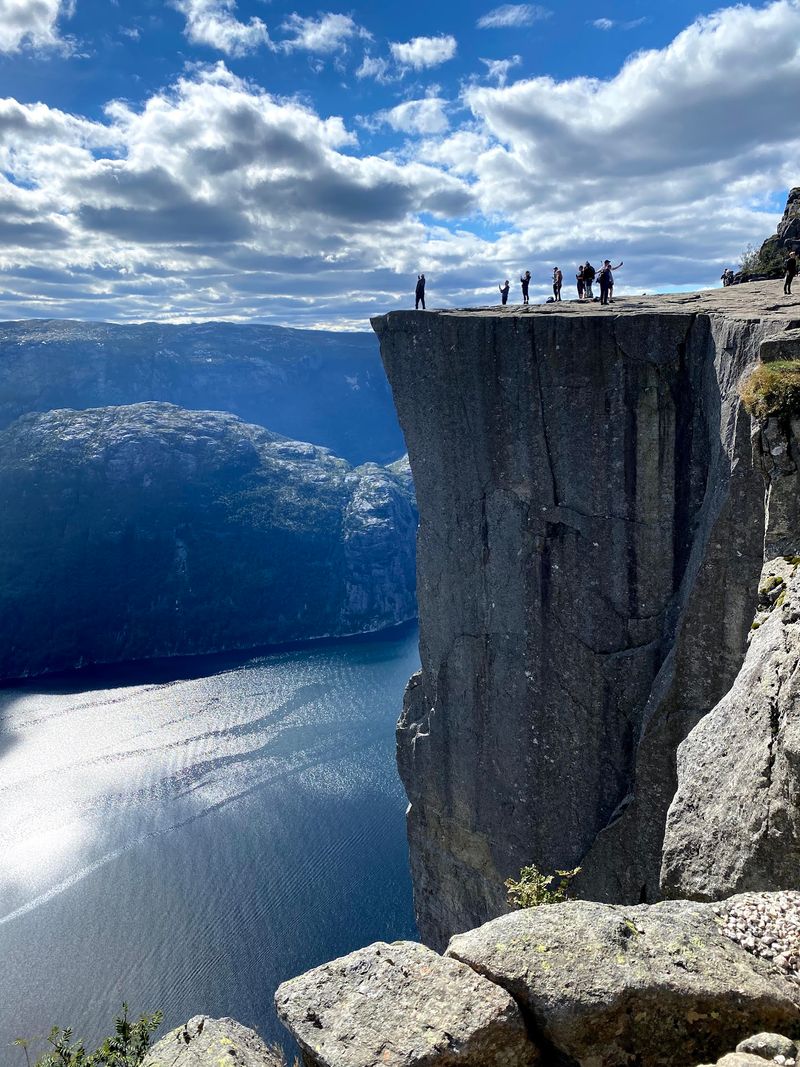
At 604 meters above Lysefjord, Preikestolen has a cliff top so flat it looks almost cut by hand. Most people know it as Pulpit Rock, and it is one of Norway’s most recognizable viewpoints.
Compared with Trolltunga, the hike is much more approachable. The round trip is approximately eight kilometers, and Visit Norway recommends allowing around four hours to complete it.
That makes it a realistic choice for travelers who want a famous view without committing to a marathon day. Still, it is a mountain hike, so comfortable shoes and a bit of planning go a long way.
Give yourself time at the top rather than rushing back down. The wide plateau offers plenty of room to take in Lysefjord from above.
For anyone building a Norway itinerary around hikes, this one fits nicely as a moderate option. It delivers a big payoff for the effort and sits among the country’s most iconic scenes.
Kjerag and Kjeragbolten, Rogaland
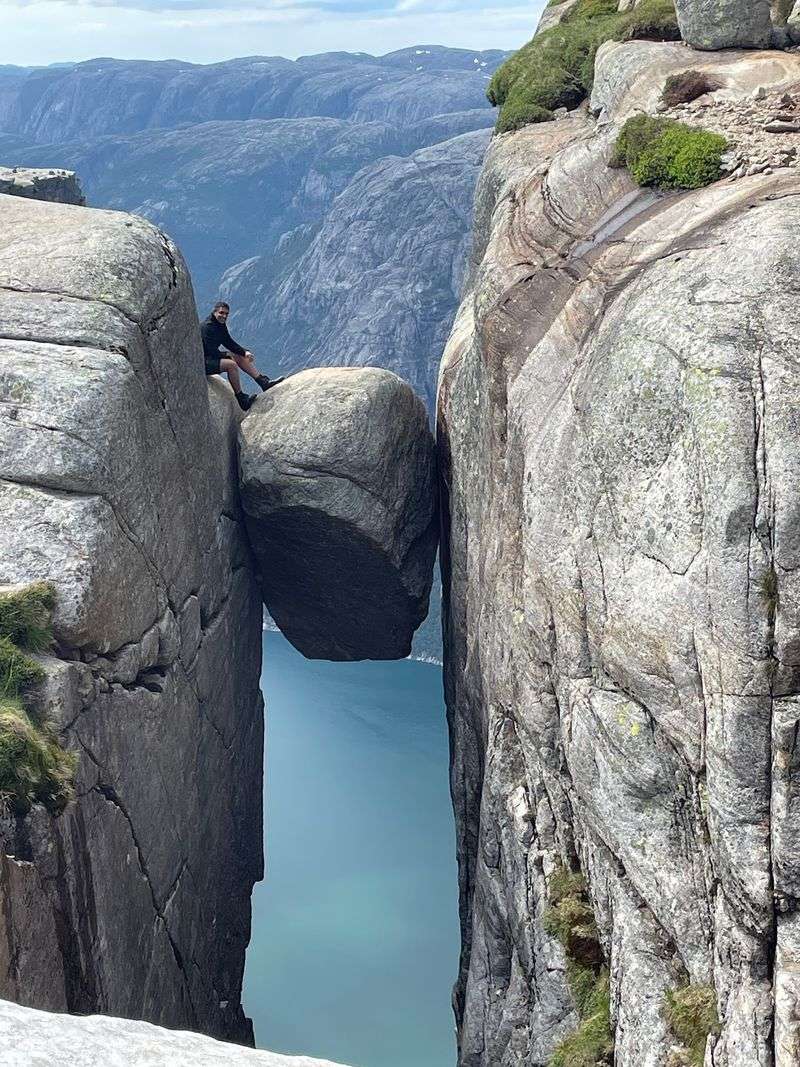
A giant boulder stuck between two rock faces sounds like a movie set, but Kjeragbolten is real. It sits high above Lysefjord at Kjerag, which reaches 1,084 meters above sea level.
The area is particularly famous for that wedged stone, and it draws hikers who want a view few other places can match.
Reaching it involves a challenging hike of about 11 kilometers round trip. Depending on conditions and ability, the outing generally takes six to 10 hours.
That range tells you something useful: pace and weather matter. Plan for a long day, pack food and water, and wear footwear made for rough terrain.
It is a good fit for experienced walkers who enjoy steep, rocky routes. Travelers who prefer something gentler might look at Preikestolen nearby on the same fjord.
Both give a strong sense of Lysefjord’s scale, but Kjerag asks for more from your legs and your preparation.
The Lofoten Islands, Nordland
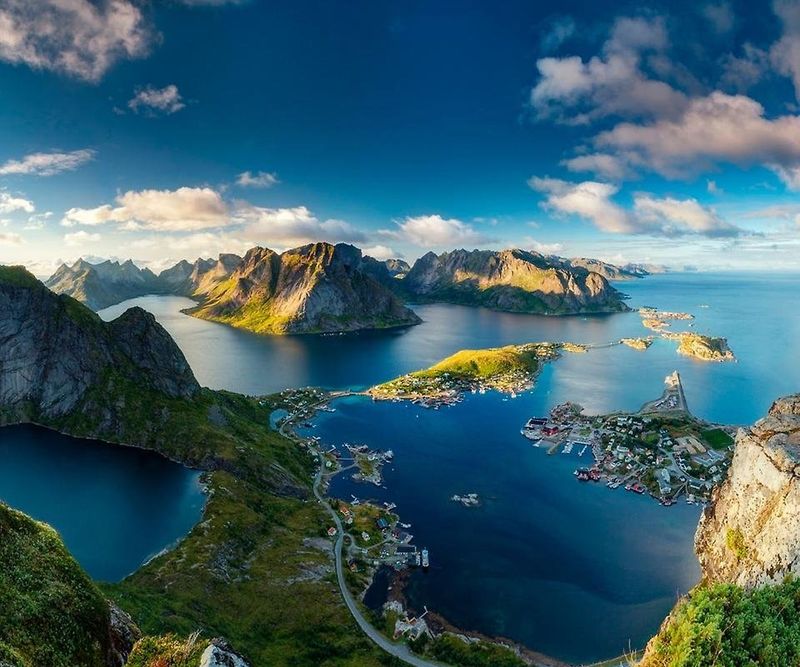
Red fishermen’s cabins lined up beside sharp mountains make Lofoten instantly recognizable. Beaches, sheltered bays, and small settlements add to a landscape that feels unlike anywhere else in Norway.
The archipelago is one of the country’s best-known northern destinations. It is also included among Norway’s official scenic routes, which makes driving here a main event rather than just a way to get around.
Activities are varied. Hiking, road trips, and kayaking are all popular, so travelers can pick a pace that suits them.
The seasonal light of Northern Norway is another reason people come. Days and nights change dramatically through the year, and that shapes what a visit looks like depending on when you go.
If you are planning, give yourself time to stop often. The coastline invites short detours, and many of the best views come from simply pulling over.
It is a place that rewards slow travel and a flexible schedule.
Bryggen, Bergen
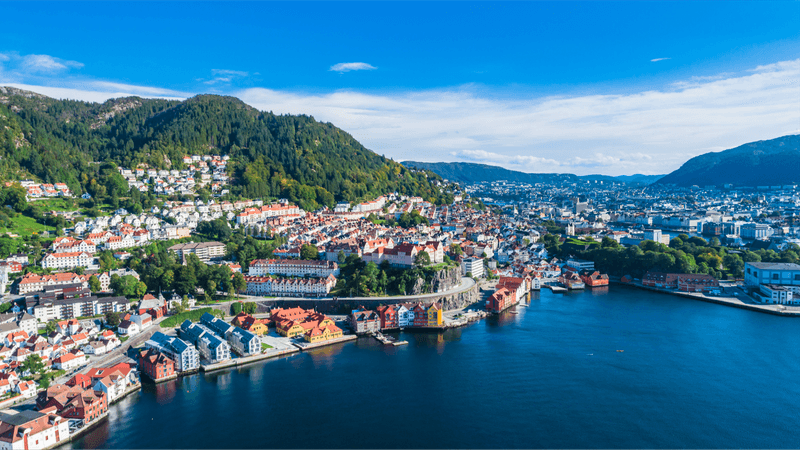
Bergen’s old harbor holds a row of colorful wooden buildings that look like a preserved page from medieval Scandinavia. That is Bryggen, and it is the city’s most famous historic district.
The buildings reflect centuries of Bergen’s importance within the Hanseatic trading network. They stand along the waterfront as a reminder of how much trade shaped the city.
UNESCO says about 62 buildings survive as part of the historic townscape. The area has been on the World Heritage List since 1979, so it has long been recognized as globally significant.
For visitors, Bryggen is easy to fit into a city day. It sits right by the harbor, which makes it a natural place to start a walk before heading elsewhere in Bergen.
Take time to look closely at the facades and the narrow spaces between them. Details like these are what turn a quick photo stop into a real sense of the past.
The Flåm Railway, Flåm
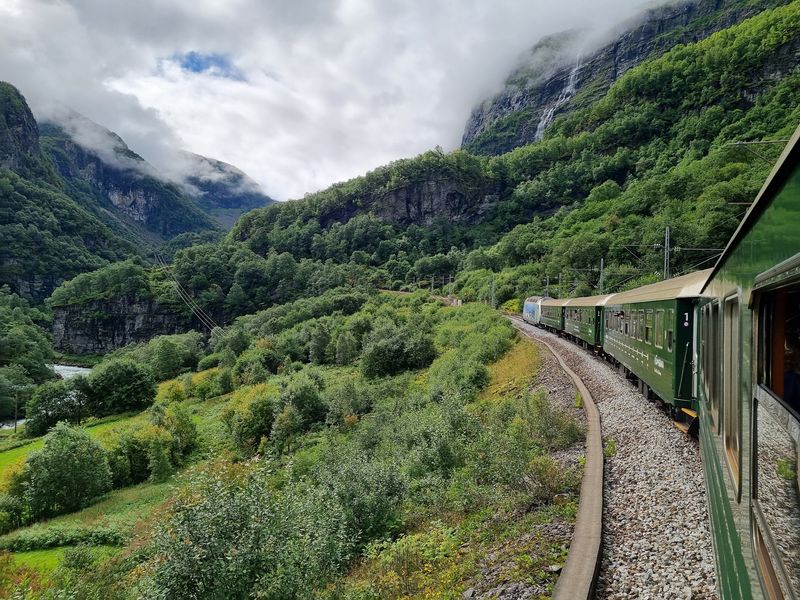
Not everyone wants to hike to see Norway’s mountains, and the Flåm Railway is proof you do not have to. It is one of the classic ways to take in the scenery without putting on hiking boots.
The railway connects the fjord-side village of Flåm with the mountain railway network above it. Along the way it passes through an extraordinarily steep landscape of valleys and waterfalls.
Visit Norway continues to list the Flåm Railway among the country’s top attractions, which says a lot about how well it showcases the region.
This makes a great choice for mixed groups. Some travelers can enjoy the views from a seat while others use the trip as a starting point for walks in the area.
Pick a spot by the window and keep your camera handy, because the landscape changes quickly. It is a relaxed way to experience terrain that would otherwise take real effort to reach.
Vøringsfossen, Hardanger
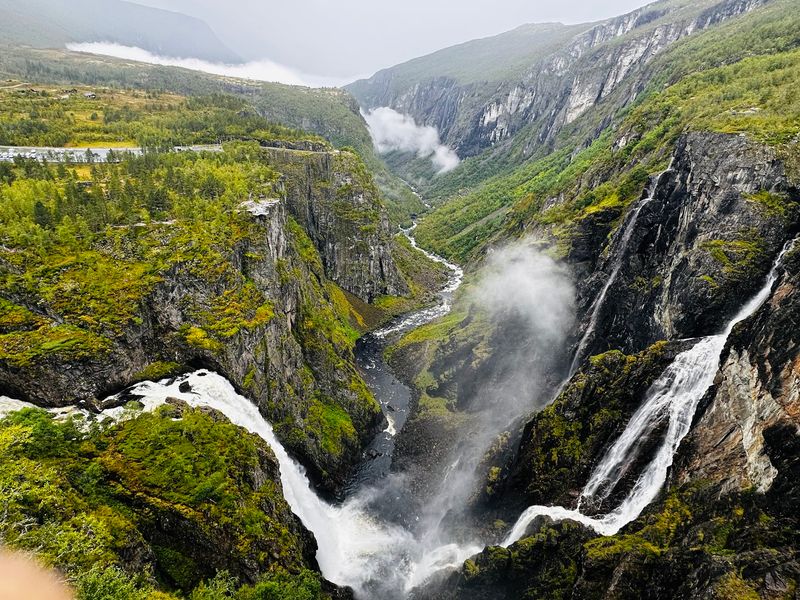
Waterfall fans will want to know about Vøringsfossen, one of Norway’s most famous and a highlight of the Hardanger region.
It sits amid the mountainous scenery of western Norway. Visit Norway includes it among the country’s leading attractions, so it is a well-established stop for visitors exploring this part of the country.
Modern viewpoints make it possible to experience the landscape from several dramatic angles. That is helpful because a waterfall of this scale looks quite different depending on where you stand.
Try more than one lookout if you can. Each angle shows something new, from the drop itself to the wider surroundings.
It fits easily into a western Norway road trip, especially for travelers already exploring Hardanger. Plan a little extra time to walk between viewpoints rather than stopping once and leaving.
The setting rewards patience, and the photographs come out better when you have time to choose your spot.
The Atlantic Road, Møre og Romsdal
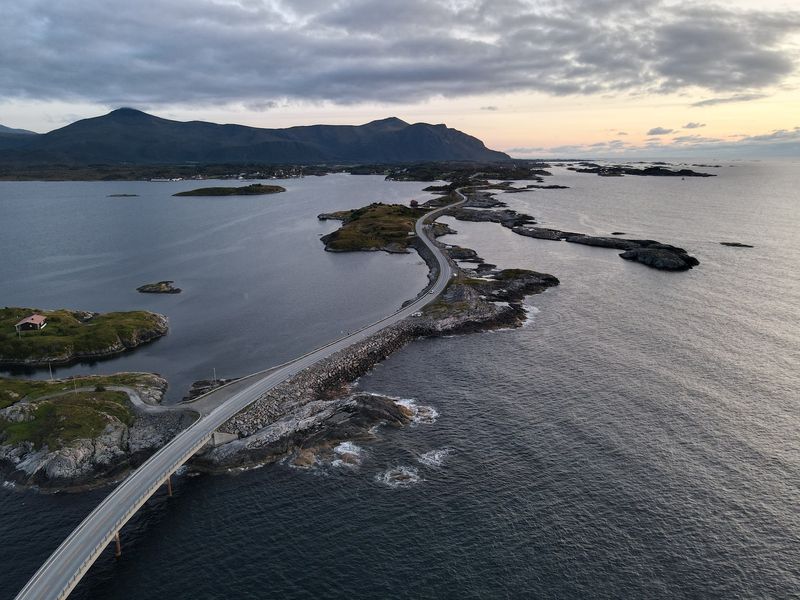
Norway somehow managed to make a road itself into a tourist attraction. The Atlantic Road, or Atlanterhavsvegen, crosses a spectacular stretch of coast in northwestern Norway.
It uses bridges and small islands to carry drivers across open water. That design is the reason people plan trips around it rather than simply passing through.
The road forms one of Norway’s official National Scenic Routes and is regularly promoted as one of the country’s great road-trip experiences.
For visitors, the best approach is to drive it slowly. Stopping along the way lets you appreciate the coast from different positions, and it keeps the trip from feeling over too quickly.
It works well as part of a larger northwestern Norway itinerary, since the surrounding coast offers plenty to see. Bring a camera, allow flexible timing, and treat the drive as a destination in its own right.
Vigeland Sculpture Park, Oslo
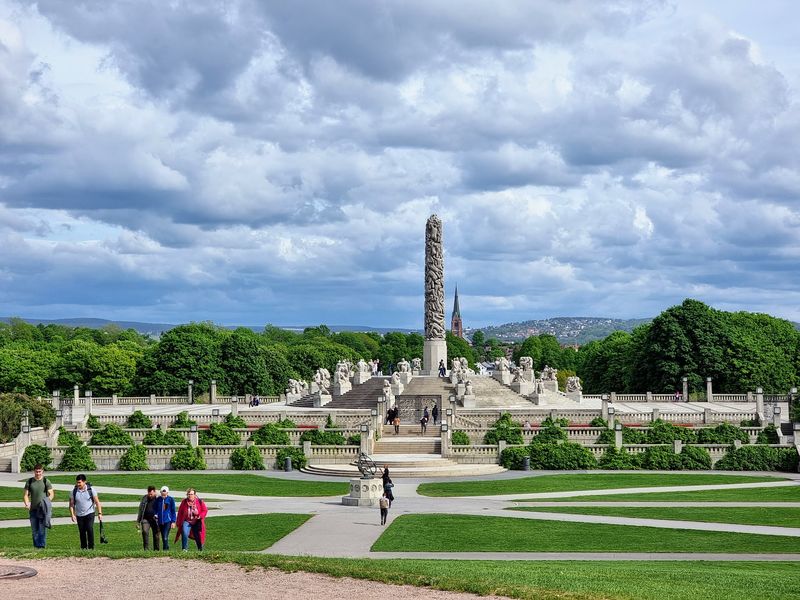
You do not have to leave Norway’s capital to find something extraordinary. Vigeland Sculpture Park sits inside Frogner Park in Oslo and is a city stop with real artistic weight.
The park contains more than 200 sculptures by Norwegian artist Gustav Vigeland. The works portray people at different stages of life, which gives the whole place a human, relatable focus.
Those sculptures have turned the park into one of Oslo’s most distinctive attractions. It is the kind of place where you can wander without a plan and still find something to stop and look at.
Because it is part of a larger public park, it is easy to combine with a relaxed walk. That makes it a handy option for travelers who want culture without a rigid schedule.
Give yourself time to move slowly among the figures. Details show up more clearly when you take a second look.
Røros
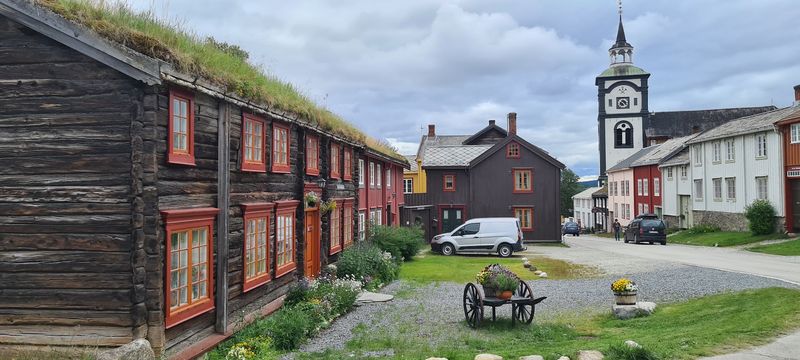
Røros feels like a journey into Norway’s mining past. The historic town and surrounding area are recognized by UNESCO for their exceptional connection to centuries of copper mining.
It is one of Norway’s UNESCO World Heritage properties, which places it among the country’s most significant cultural sites.
What sets Røros apart is that it remains a living town rather than simply a preserved historical exhibit. People live and work here, so a visit feels connected to the present as well as the past.
That mix makes it a good stop for travelers who like history but do not want a museum-only experience. Walking through the streets gives a sense of how the community developed around mining.
Take time to explore on foot and notice how the old buildings fit into everyday life. It is a quieter choice than many of Norway’s famous scenic spots, and that is part of its appeal for visitors who enjoy heritage travel.
Urnes Stave Church, Ornes
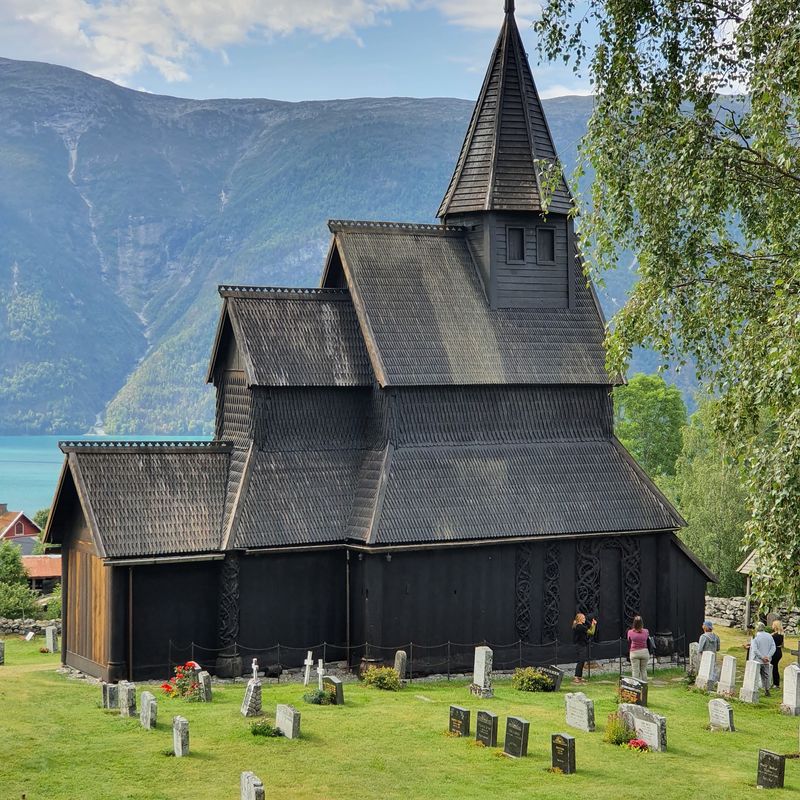
Norway’s stave churches are among the country’s most remarkable architectural survivors, and Urnes is the most internationally recognized of them.
The medieval wooden church is inscribed on UNESCO’s World Heritage List. That status reflects how rare and valuable such buildings are.
Stave churches were once widespread, but Visit Norway notes that surviving examples today are found almost exclusively in Norway. That fact alone gives the country a special place in the story of wooden church building.
Planning matters here. Visitor access can be seasonal, so travelers should check opening dates before making the trip, especially if the church is the main reason for the journey.
Once you confirm timing, it makes a rewarding stop for anyone interested in architecture or medieval history. Look closely at the timber structure and its details, since the craftsmanship is the real attraction.
It is a small building with a big place in Norwegian heritage.
The Vega Archipelago, Nordland
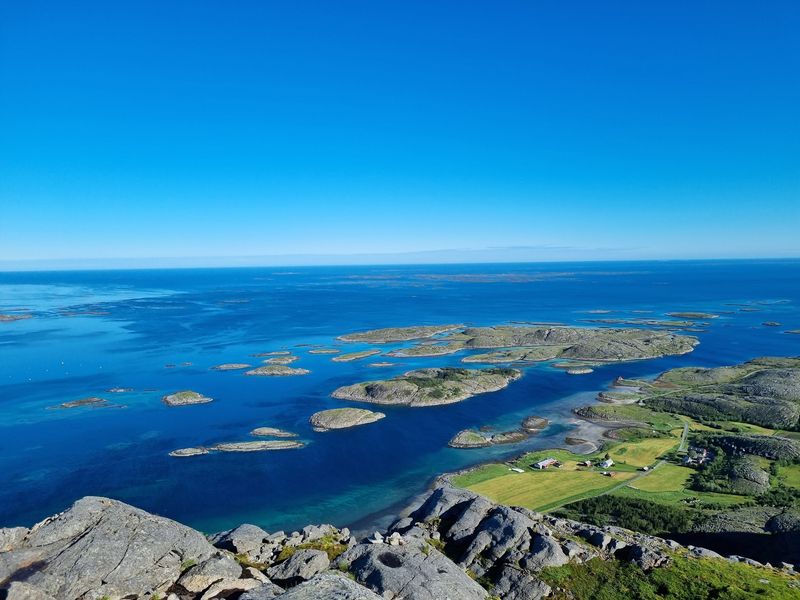
Farther north, the Vega Archipelago offers an entirely different kind of Norwegian landscape. Instead of towering fjord walls, it features a scattering of islands along the coast.
Known as Vegaøyan in UNESCO’s records, the island group is recognized as a World Heritage Site. It represents the long relationship between coastal communities and the challenging environment of northern Norway.
That story is what makes it interesting. The value here is not only in the view but in how people have lived alongside the sea for generations.
It is also a quieter alternative to some of the country’s heavily photographed fjord destinations. Travelers who prefer a calmer pace may find it a refreshing change after busier stops.
If you are planning a northern route, consider adding it as a thoughtful detour. Check ferry and travel options in advance, since islands usually require some logistics.
The effort pays off with a different perspective on Norway.
Share this story