In 1969, Americans bought music on 45 rpm singles that cost under a dollar, and they heard new songs mostly on AM radio. The Beatles were close to breaking up, Motown was changing its sound, and a cartoon band was outselling real ones.
Rock, soul, folk, and pop all fought for the same spot at the top of the Billboard Hot 100. The winners did not always make sense, and that is part of the fun.
One chart-topper had no singing at all. Another warned listeners about life thousands of years in the future, right as astronauts were walking on the moon.
Some of these hits stayed at No. 1 for weeks. Others held the crown for just seven days before slipping away.
Many still show up on oldies stations, movie soundtracks, and streaming playlists more than 50 years later. Below, you will find every song with the story behind it, from studio accidents to surprise radio plays.
You will learn who wrote them, how long they lasted at the top, and why some still matter today. Keep score as you read.
See how many you can name from the first few notes, and how many you forgot ever existed.
1. I Heard It Through the Grapevine by Marvin Gaye
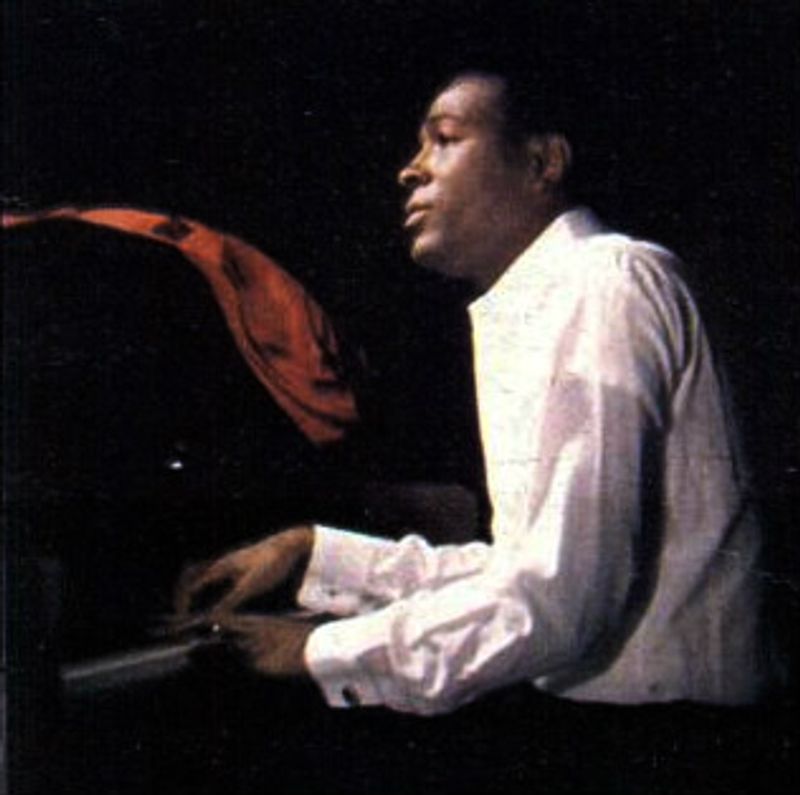
Motown boss Berry Gordy turned this recording down twice. He thought it sounded too bluesy to be a hit.
Radio disc jockeys disagreed. E.
Rodney Jones at WVON in Chicago kept playing it from Gaye’s 1968 album In the Groove, and listeners demanded more. Motown finally released it as a single in October 1968.
The song reached No. 1 in December and held the spot for seven weeks, carrying it well into January 1969. It became the best-selling Motown single up to that point.
Norman Whitfield and Barrett Strong wrote it in 1966. Gladys Knight and the Pips had already scored a hit with their faster version in 1967.
Whitfield pushed Gaye to sing higher than usual, which gave his voice a strained, urgent edge. That choice, plus strings from the Detroit Symphony Orchestra, made this version stand apart.
It later entered the Grammy Hall of Fame.
2. Crimson and Clover by Tommy James and the Shondells
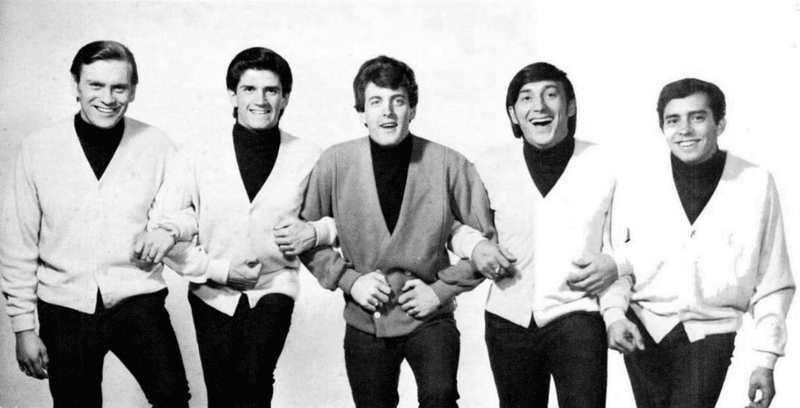
A radio station leaked it, and the leak became a smash. Tommy James played a rough mix for Chicago’s WLS in November 1968, and the station secretly recorded it and aired it as a world exclusive.
Listeners loved it so much that Roulette Records rushed out that unfinished mix as the official single.
The song hit No. 1 on February 1, 1969, and stayed for two weeks. It sold about 5 million copies, the band’s biggest seller ever.
James and drummer Peter Lucia Jr. wrote it. One story says the title combined James’s favorite color with his favorite flower.
The famous wobbly vocal came from a late studio experiment. The band ran James’s voice through a guitar amplifier with tremolo turned on.
Joan Jett and the Blackhearts took their own cover to No. 7 in 1982, introducing it to a new generation.
3. Everyday People by Sly and the Family Stone
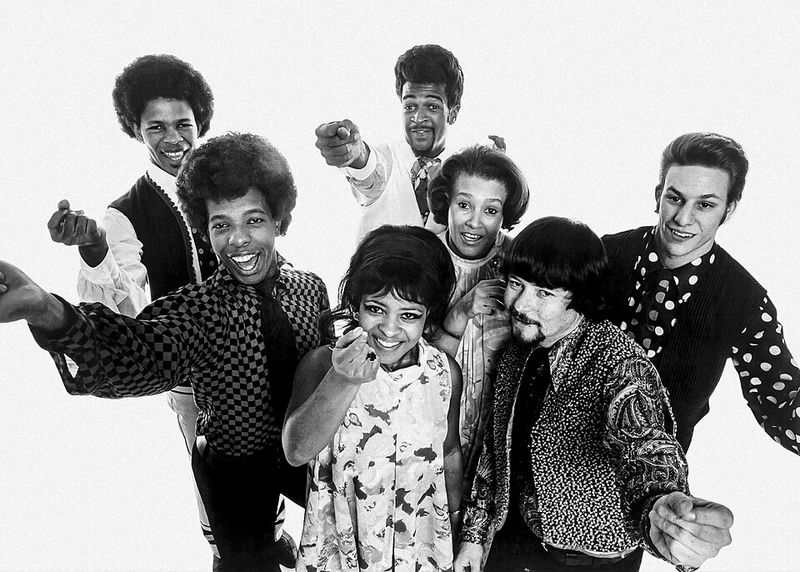
Different strokes for different folks. That line from this song became a 1969 catchphrase and later inspired the name of a popular TV sitcom.
Sly Stone wrote and produced the track as a message of acceptance across race and background. His band backed up the idea in real life.
The Family Stone included Black and white members, plus women playing instruments, which was rare at the time. Trumpeter Cynthia Robinson and keyboardist Rose Stone were key parts of the sound.
The single topped the Hot 100 for four weeks, from February 9 to March 8, 1969. It was the group’s first No. 1.
Bassist Larry Graham is often credited with using an early slap bass style here, a technique that became central to funk.
Arrested Development later sampled it for their 1992 hit People Everyday. Rolling Stone ranked it No. 109 among its greatest songs in 2021.
4. Dizzy by Tommy Roe
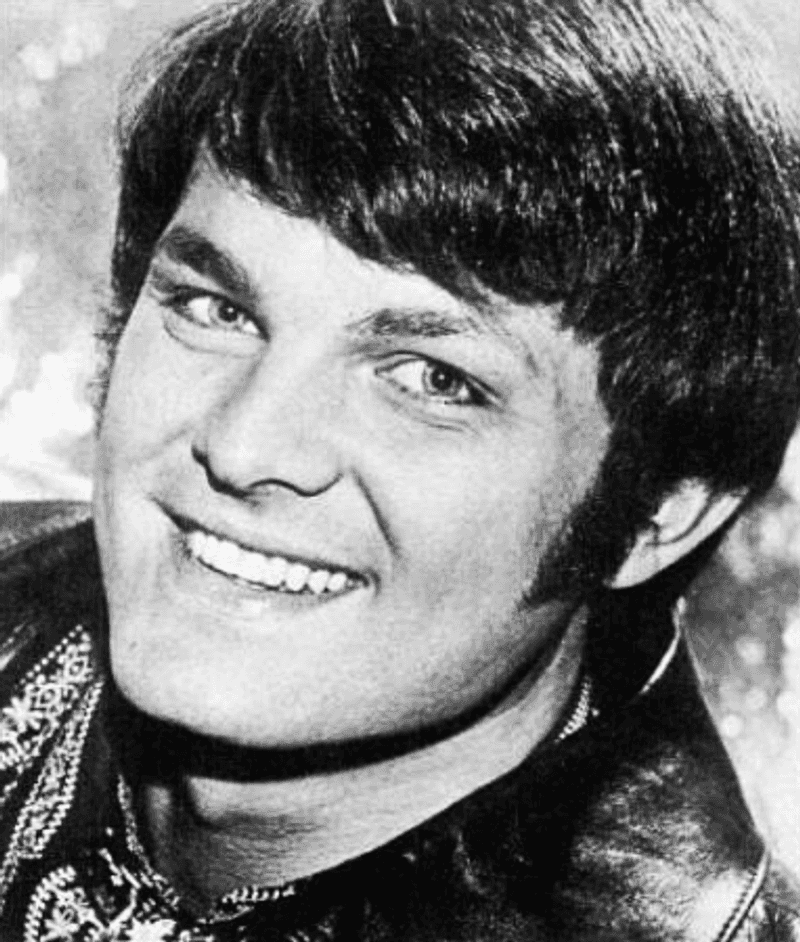
Some of the best session players in Los Angeles helped build this cheerful pop record. The Wrecking Crew, including drummer Hal Blaine and bassist Joe Osborn, laid down the music in Hollywood in August 1968.
Tommy Roe co-wrote the song with guitarist Freddy Weller. The title was inspired by Larry Williams’ 1958 rock tune Dizzy Miss Lizzy.
The lyrics describe a crush so strong it makes your head spin. Fittingly, the music keeps changing keys, so it never sits still.
Dizzy reached No. 1 in March 1969 and stayed for four weeks. It also topped the charts in the UK and Canada.
By mid-April, it had sold two million copies and earned Roe his third gold record.
Fun fact: a 1991 cover by comedian Vic Reeves and the Wonder Stuff went to No. 1 in Britain all over again.
5. Aquarius/Let the Sunshine In by The 5th Dimension
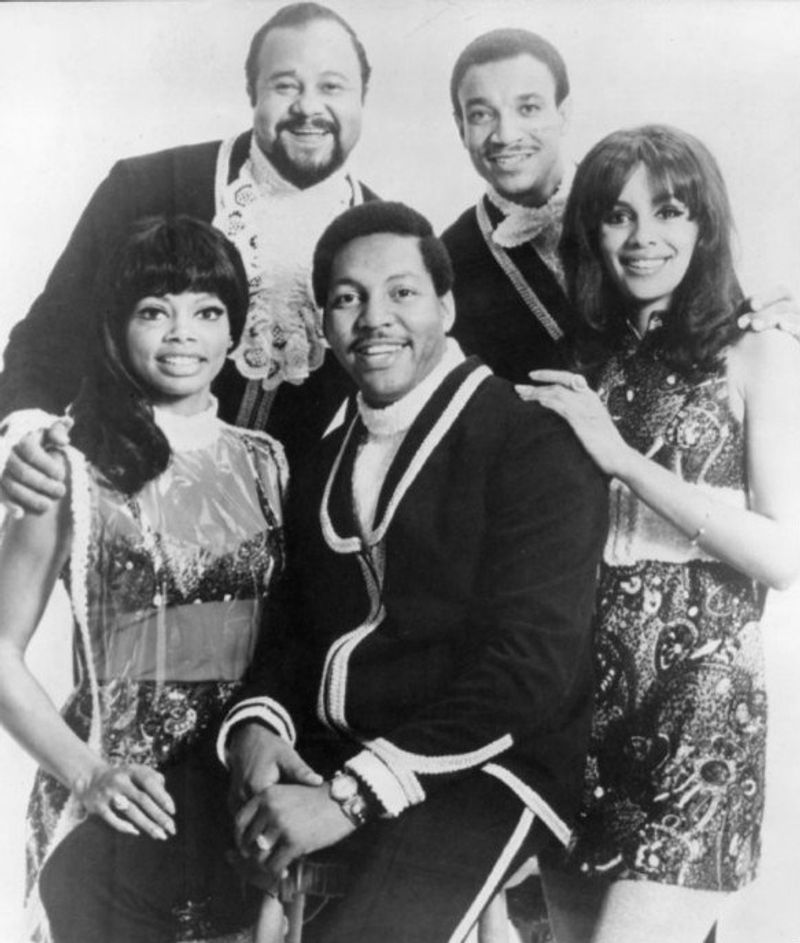
A lost wallet started it all. Singer Billy Davis Jr. reportedly left his wallet in a New York taxi, and someone from the musical Hair returned it and invited the group to the show.
The 5th Dimension wanted to record Aquarius. Producer Bones Howe worried because earlier versions had flopped, so he stitched it together with the closing chant Let the Sunshine In.
The idea worked. The medley spent six straight weeks at No. 1 in April and May 1969.
Wrecking Crew musicians recorded the backing in Hollywood. The singers added vocals in Las Vegas using just two microphones for five voices.
The single went platinum and won Grammys for Record of the Year and Best Pop Vocal Performance by a Group.
It even reached space history. The Apollo 13 crew named their lunar module Aquarius, partly as a nod to the hit.
6. Get Back by The Beatles with Billy Preston
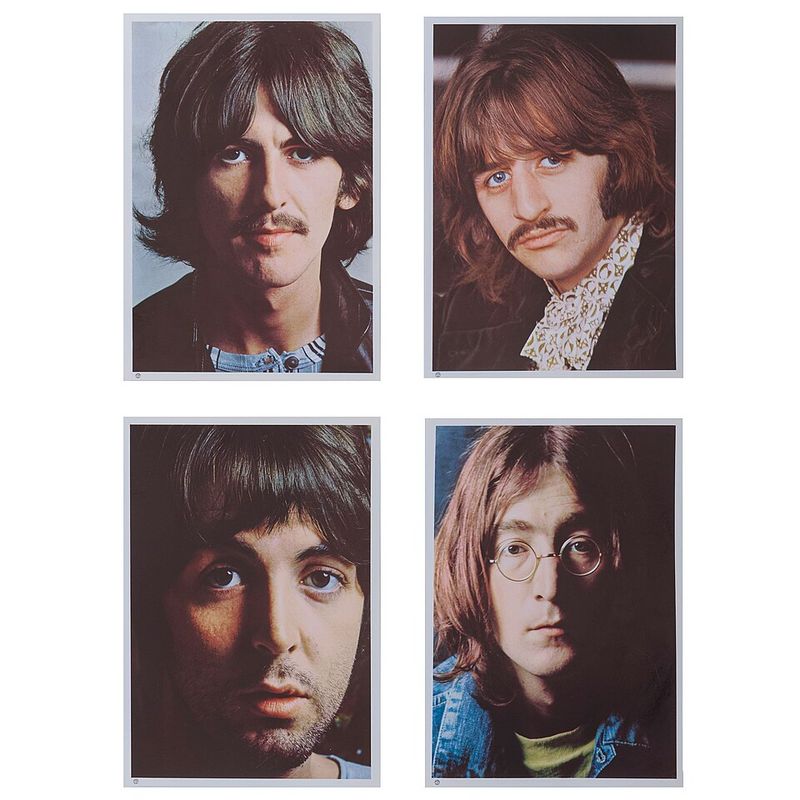
Only one musician ever shared a credit on a Beatles single. Billy Preston earned that honor on Get Back.
George Harrison invited the American keyboardist to the tense January 1969 sessions. His friendly presence helped the band get along, and his electric piano solo shaped the record.
Paul McCartney wrote most of it and sang lead. John Lennon played lead guitar, a job usually handled by Harrison.
The single came out on April 11, 1969. It spent five weeks at No. 1 in the U.S. and six in the UK.
That run gave the Beatles their 17th Billboard No. 1, tying Elvis Presley’s record at the time.
The band also played the song during their famous rooftop concert on January 30, 1969. It was their final public performance, with Preston at the keys once again.
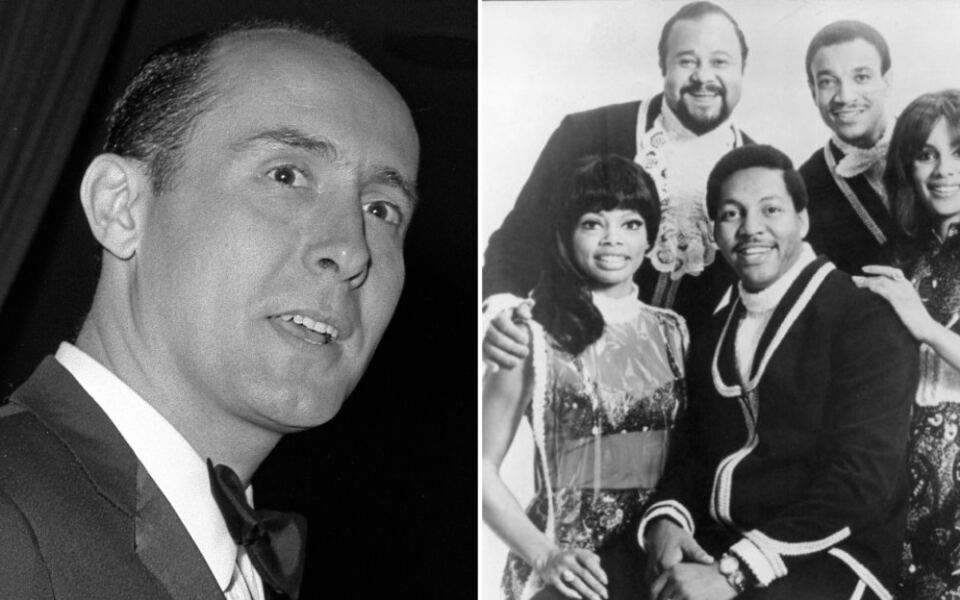
7. Love Theme from Romeo and Juliet by Henry Mancini
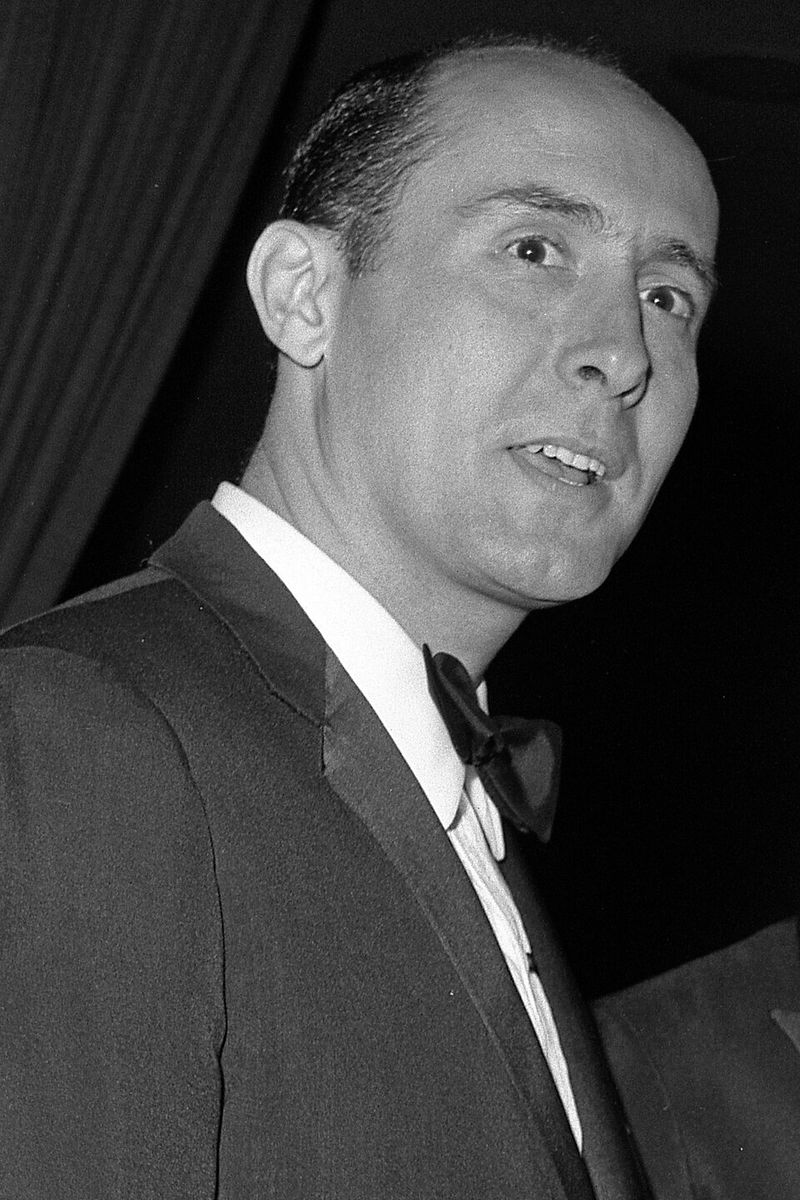
No vocals, no guitars, and still a No. 1 hit. Henry Mancini’s piano and orchestra recording knocked the Beatles’ Get Back off the top in June 1969.
The melody came from Nino Rota’s score for Franco Zeffirelli’s 1968 film Romeo and Juliet. Mancini saw the movie and gave the theme a fuller, grander arrangement.
Here is the surprise. It was first meant as a B-side.
An Orlando, Florida, radio station started playing it anyway. Listener response was so strong that other stations followed.
The track held No. 1 on the Hot 100 for two weeks. It ruled the Easy Listening chart for eight weeks, Mancini’s only No. 1 there.
Mancini was already known for The Pink Panther and Breakfast at Tiffany’s. Over his career he won 20 Grammys and four Academy Awards.
Lyrics called A Time for Us were added later.
8. In the Year 2525 by Zager and Evans
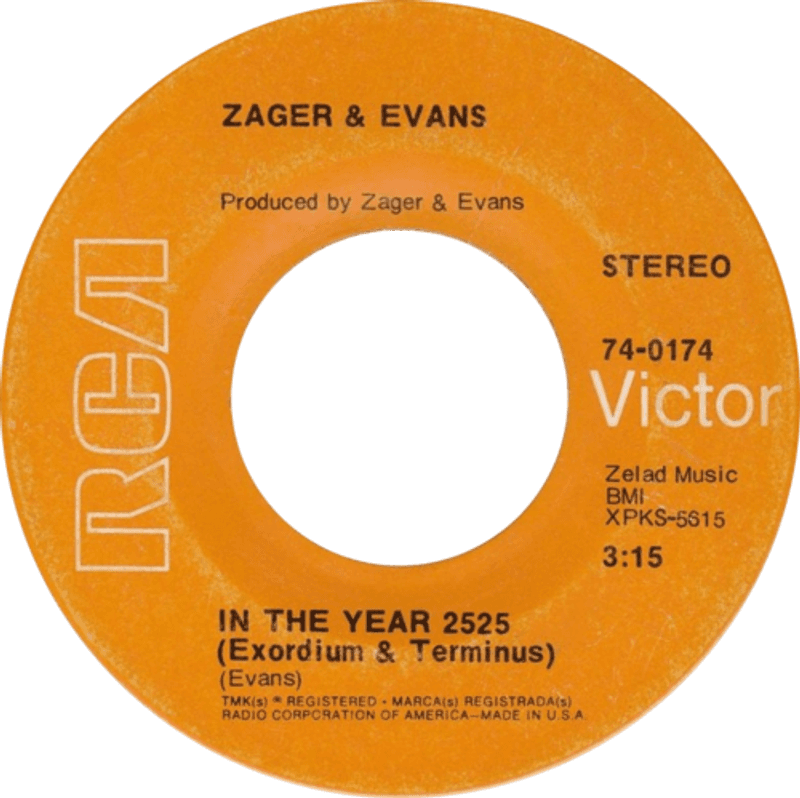
Rick Evans wrote it in 1964, and for years nobody wanted it. His bandmates thought the song was too gloomy.
By 1967, Evans and Denny Zager were playing it live in Lincoln, Nebraska. Audiences kept requesting it.
In 1968, the duo paid $500 to record it at Tommy Allsup’s studio in Odessa, Texas, which sat in a cow pasture. RCA signed them and released that same recording nationally in April 1969.
The lyrics jump through future centuries, from 2525 up to 9595, each predicting people relying more on machines.
It hit No. 1 on July 12, 1969, and stayed six weeks. That stretch included the Apollo 11 moon landing on July 20.
The duo never scored another Top 40 hit in the U.S. or UK. That makes them a classic example of a one-hit wonder.
9. Honky Tonk Women by The Rolling Stones
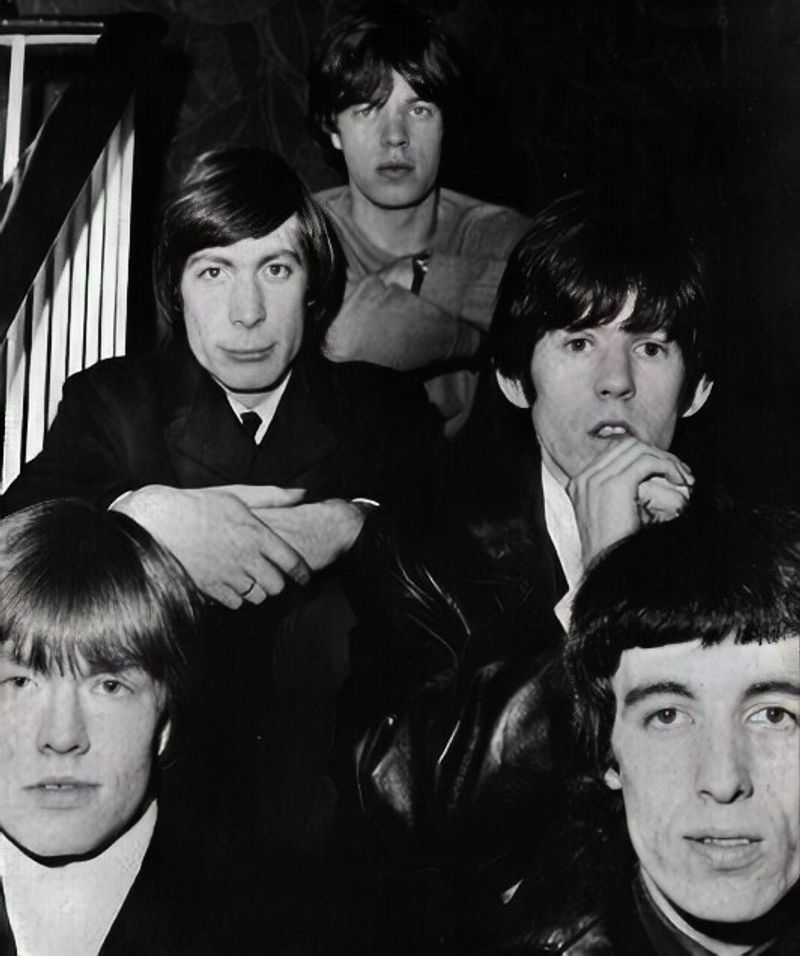
Brazil gets some credit for this one. Mick Jagger and Keith Richards wrote it on a vacation there around the start of 1969.
It began as a slow country tune, inspired partly by Hank Williams. In the studio, it turned into the riff-heavy rock single everyone knows.
The famous cowbell intro was played by producer Jimmy Miller, not a band member.
New guitarist Mick Taylor added lead fills, his first appearance on a Stones record. The single arrived in July 1969, a time of big lineup changes for the group.
It spent four weeks at No. 1 in the U.S. in August. In Britain, it was their last single to top the charts.
A country version called Country Honk appeared on the album Let It Bleed that November. It featured Byron Berline on fiddle.
10. Sugar, Sugar by The Archies
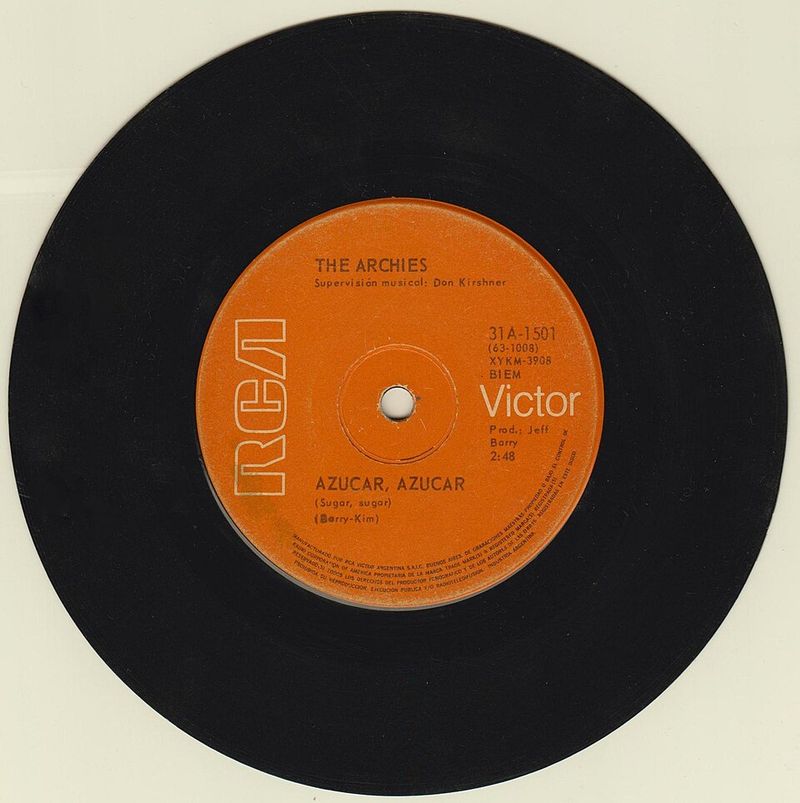
The biggest song of 1969 came from a band that did not exist. The Archies were cartoon characters from The Archie Show.
Producer Don Kirshner, who had already built the Monkees, created the act. He sent the song to radio without mentioning that the band was animated.
Jeff Barry and Andy Kim reportedly wrote it in about ten minutes. Session singer Ron Dante sang lead, and Toni Wine handled the female vocals.
It replaced Honky Tonk Women at No. 1 in September and stayed four weeks. It also ruled the UK chart for eight weeks.
Sugar, Sugar finished as Billboard’s top song of the year. No other fictional band has ever done that.
Bonus fact: Apollo 12 astronaut Alan Bean brought it along on the November 1969 moon mission.
11. I Can’t Get Next to You by The Temptations
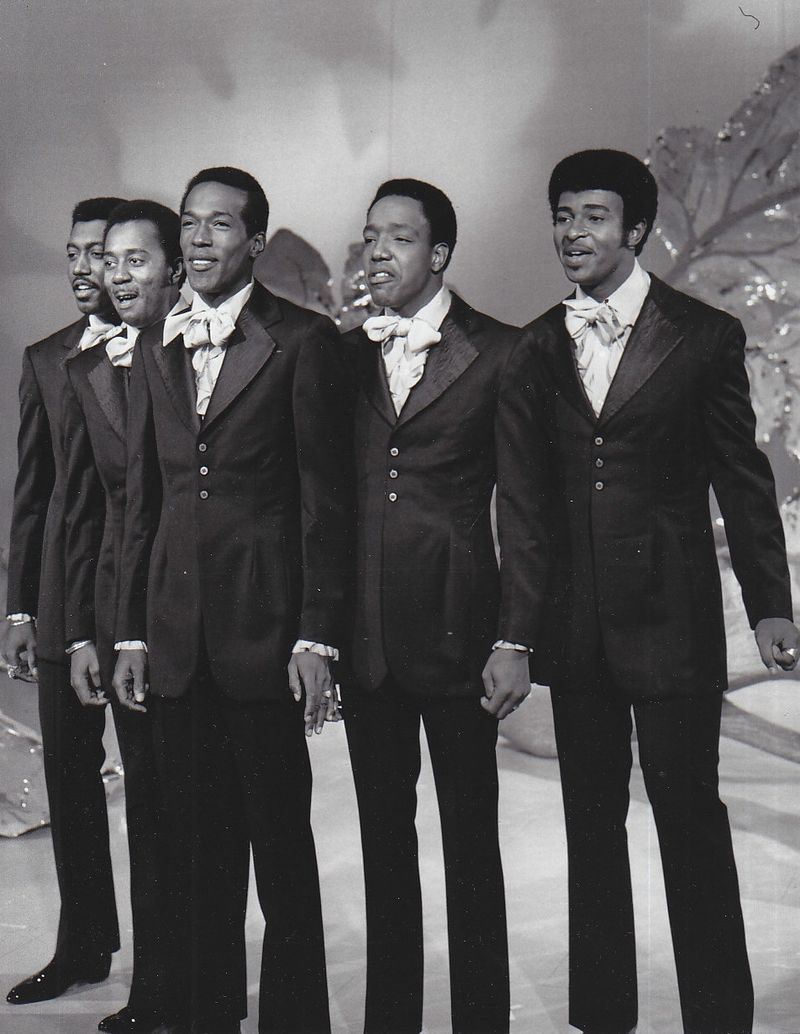
Five singers, one microphone spotlight, and no single star. The Temptations traded lead vocals among all five members on this track.
Dennis Edwards, Eddie Kendricks, Paul Williams, Melvin Franklin, and Otis Williams each took turns. That approach gave the record lots of energy.
Producer Norman Whitfield was steering the group toward a funkier psychedelic soul style, partly inspired by Sly and the Family Stone. The song followed their Grammy winner Cloud Nine.
In the lyrics, the singer can turn gray skies blue and build a castle from a grain of sand. Yet he still cannot win over the woman he loves.
It topped the Hot 100 for two weeks in October 1969 and ruled the R&B chart for five. Billboard ranked it No. 3 for the year.
Al Green later recorded a slower version in 1970.
12. Suspicious Minds by Elvis Presley
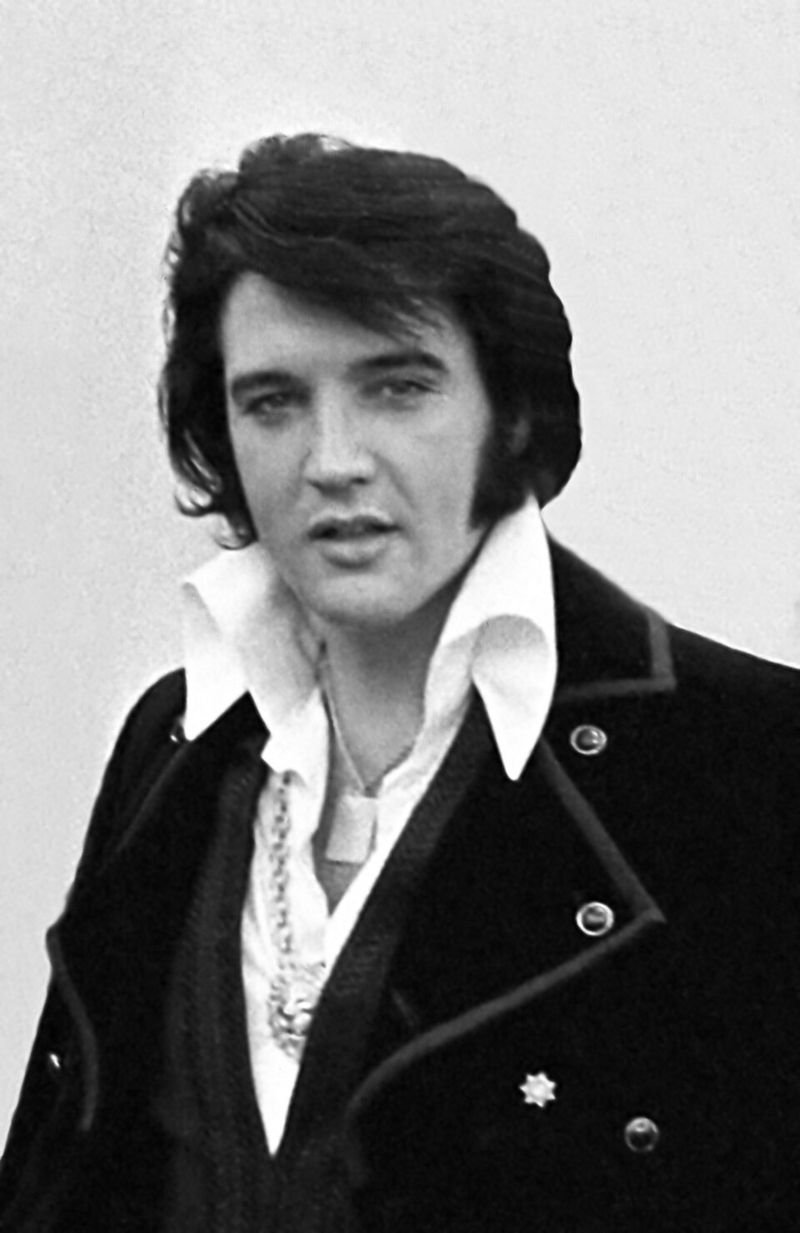
Seven years separated this song from Elvis’s previous No. 1. His last chart-topper had been Good Luck Charm in 1962.
During the 1960s, he spent much of his time making movies. His 1968 TV comeback special changed that and sparked new interest in his music.
Songwriter Mark James released his own version first, but it went nowhere. Producer Chips Moman then pitched it to Elvis.
Elvis recorded it early on January 23, 1969, at American Sound Studio in Memphis. He reportedly practiced karate between takes.
The single reached No. 1 on November 1, 1969, for one week. It was his 18th and final Hot 100 No. 1.
He first performed it live that July at the International Hotel in Las Vegas. Onstage, he often stretched it out much longer than the record.
13. Wedding Bell Blues by The 5th Dimension
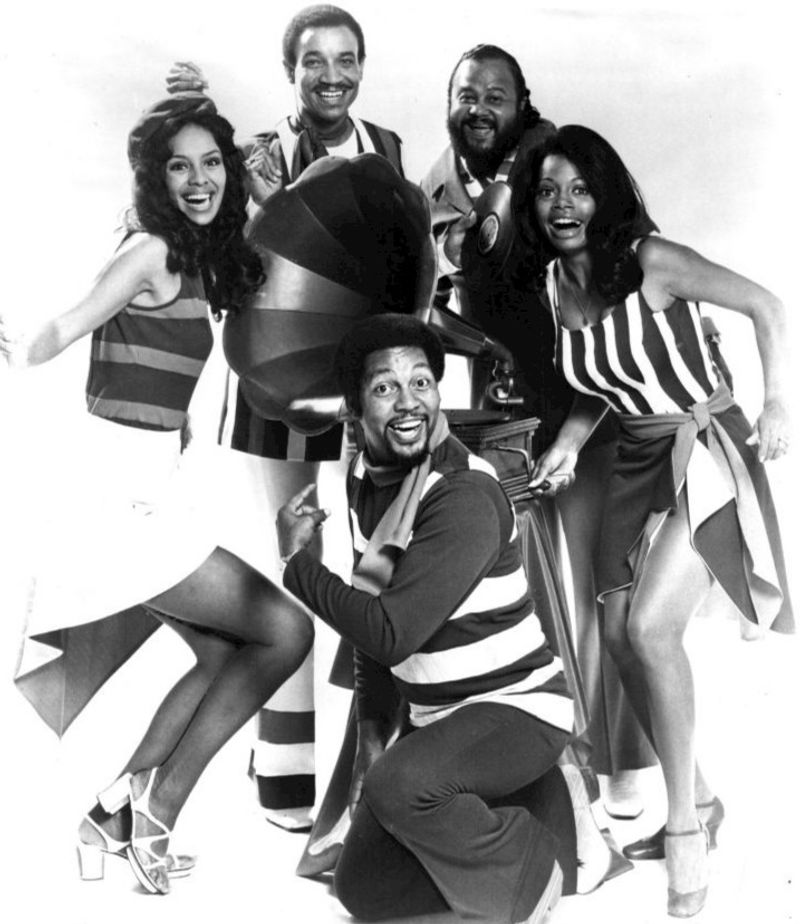
When Marilyn McCoo begged Bill to marry her, the song felt a little too real. She was engaged to bandmate Billy Davis Jr. at the time.
On TV, McCoo often sang her lines straight to Davis. He played along with puzzled looks, and audiences loved it.
Laura Nyro wrote the song in 1966 when she was only 18. The 5th Dimension had already scored with her songs Stoned Soul Picnic and Sweet Blindness.
It started as an album track. A San Diego disc jockey began playing it, and Soul City Records released it as a single in September 1969.
The song spent three weeks at No. 1 in November. It also topped the charts in Canada and New Zealand.
That gave the group nine total weeks at No. 1 in 1969, a standout year by any measure.
14. Come Together by The Beatles
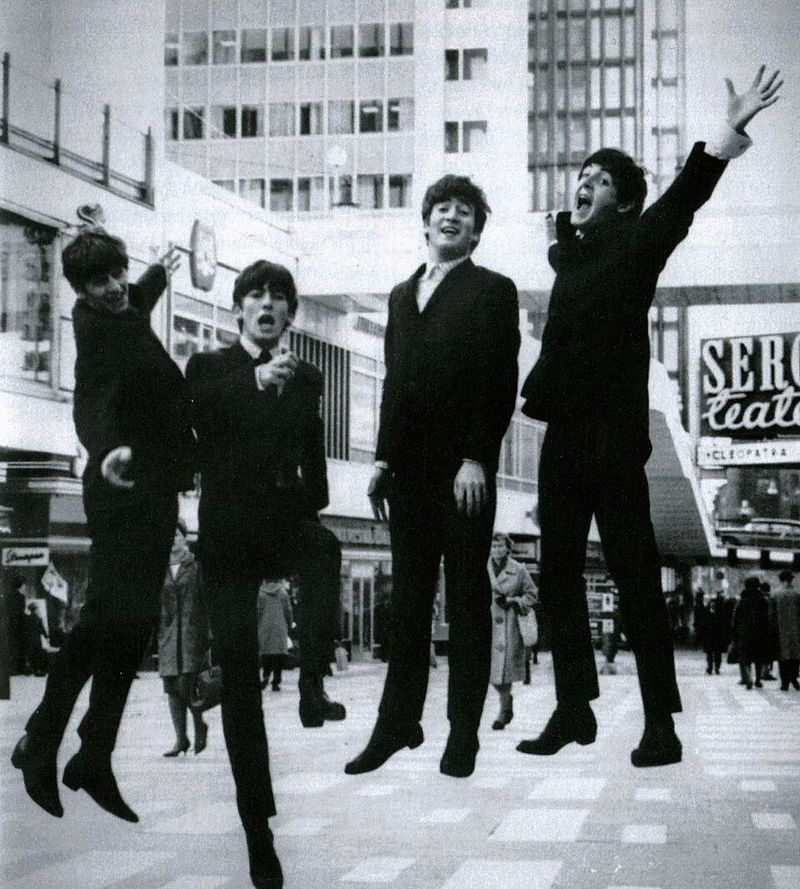
A political campaign slogan sparked the idea. Timothy Leary asked John Lennon for a song based on his phrase Come Together, Join the Party, during a 1969 run for California governor.
Lennon wrote Leary a short chant, then turned the idea into a full Beatles song.
The opening line borrowed from Chuck Berry’s You Can’t Catch Me. That led to a lawsuit, settled when Lennon agreed to record songs owned by Berry’s publisher.
Paul McCartney suggested slowing the tempo, and his bass line became the backbone. Ringo Starr reportedly muffled his drums with tea towels.
The track opened Abbey Road, the last album the band recorded together. In the U.S., it shared a double A-side single with Something.
After Billboard changed its rules for double A-sides, the pair hit No. 1 for one week on November 29, 1969.
15. Leaving on a Jet Plane by Peter, Paul and Mary
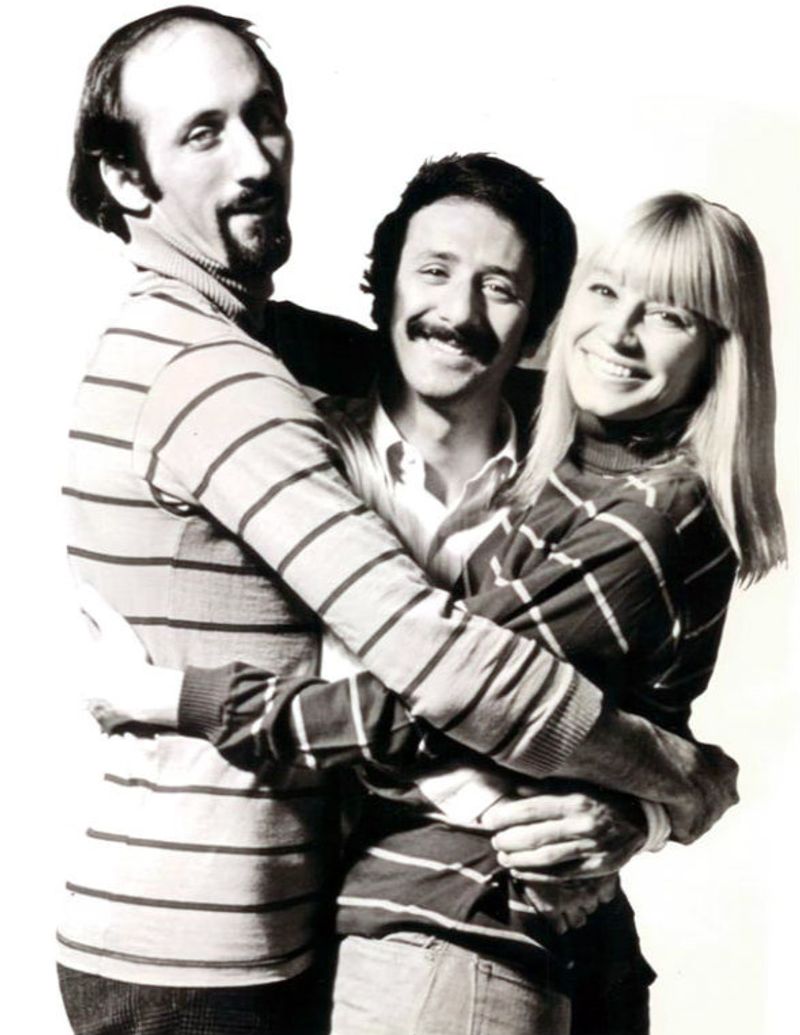
Its first title was Babe I Hate to Go. A young, unknown John Denver wrote it in 1966, reportedly during a layover at Washington National Airport.
His producer, Milt Okun, convinced him to rename it. Denver drew on a childhood of frequent moves because his father served in the Air Force.
Mary Travers loved the song and pushed her trio to record it. It appeared on their 1967 record Album 1700.
Warner Bros. had no plans to make it a single. Radio stations kept playing it anyway, so the label finally released it.
The song reached No. 1 in December 1969. It was the folk group’s only No. 1 and their last Top 40 hit.
Many listeners linked it to military departures and long-distance relationships. Denver later recorded his own version for his 1973 Greatest Hits album.
Share this story