Argentina stretches from subtropical jungle in the north to icy islands near the bottom of the world. That means one trip can include thundering waterfalls, giant glaciers, grand city theaters, red desert canyons, and wetlands full of wildlife.
This list moves through some of the country’s most memorable places, covering nature, history, culture, and city life. Whether you are planning a big adventure or just dreaming over a map, these stops show how different one country can be.
Iguazú Falls, Misiones
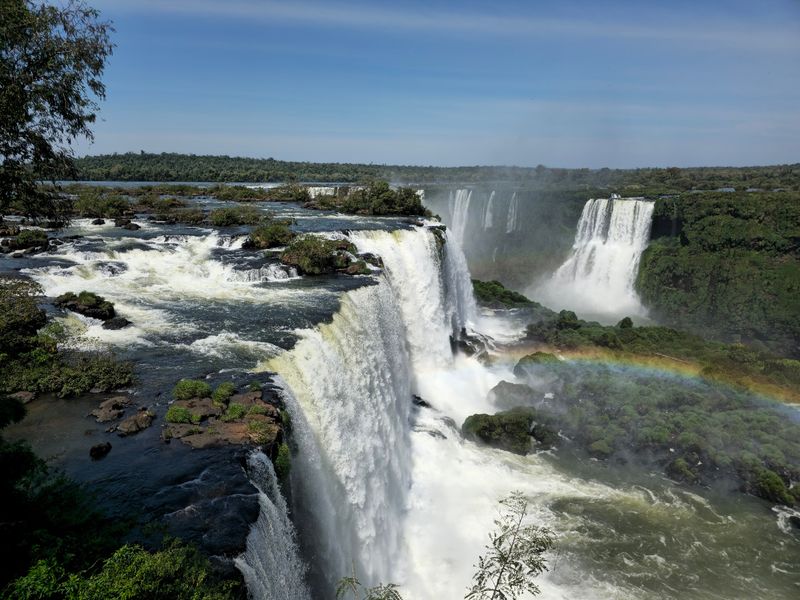
Hundreds of separate waterfalls make up Iguazú Falls, and they are spread across a wide curve of rainforest near the Brazilian border. The area sits inside Iguazú National Park, which has been a UNESCO World Heritage Site since 1984.
Most people explore on foot. Walkways, trails, viewpoints, and an ecological train link the main areas, so you can see the falls from above and below.
The park is open every day from 8 a.m. to 6 p.m.
Check current conditions before you go. As of November 2026, the Upper and Lower circuits and other park attractions remain open, but the Garganta del Diablo, or Devil’s Throat, circuit is temporarily closed because of high river levels.
That kind of closure can change with the river, so a quick look at official park updates is smart. Even with one circuit paused, the other routes still give you plenty of waterfall views and forest scenery to enjoy during a full day of walking.
Perito Moreno Glacier and Los Glaciares National Park, Santa Cruz
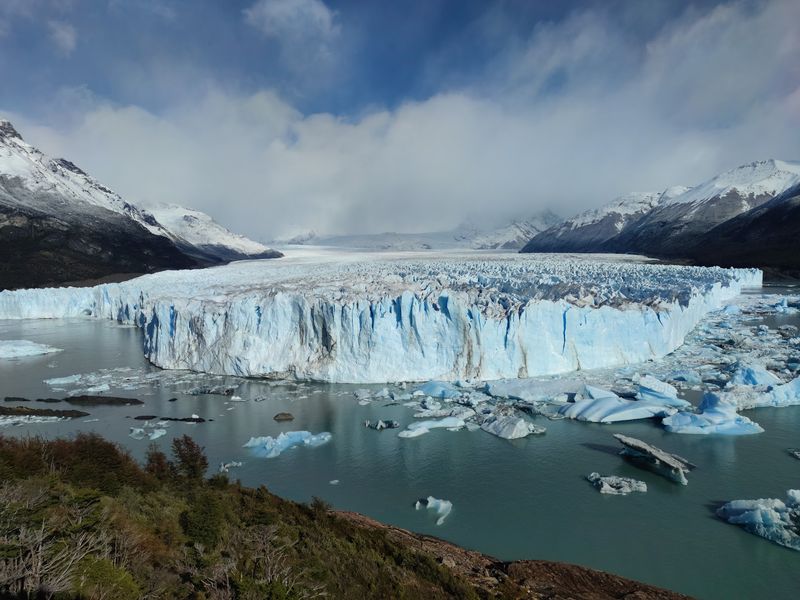
Patagonia has plenty of showstoppers, and Perito Moreno Glacier is near the top of the list. It sits inside Los Glaciares National Park, a UNESCO World Heritage Site that protects a huge area of mountains, lakes, forests, and glaciers in southwestern Argentina.
Viewing platforms let you watch the towering ice front from several angles, so you can walk along and keep changing your view. Boat excursions on Lago Argentino add another perspective from the water.
If you want to get closer to the ice itself, guided ice experiences are available through authorized operators. It helps to book with a licensed company rather than just showing up.
Los Glaciares is among the Argentine national parks currently charging visitor admission, which confirms that it is actively welcoming visitors in 2026. Bring layers, since conditions near a glacier can be cooler than the town you started in.
Buenos Aires Historic Center
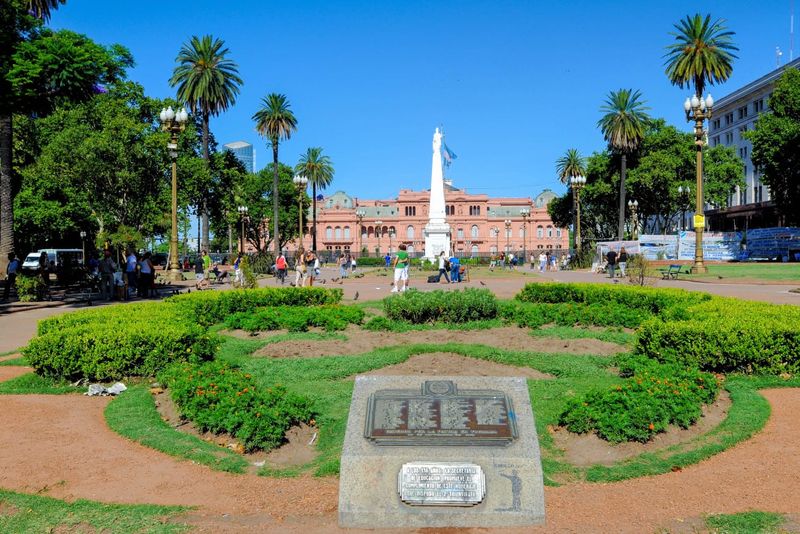
Argentina’s capital deserves more than a quick stop, and the historic center is the easiest place to start. Plaza de Mayo brings together some of the city’s best-known landmarks in one walkable area.
Look for the Casa Rosada, the Metropolitan Cathedral, and the historic Cabildo around the square. Each one adds a different piece of the city’s story, so it is worth slowing down and reading the details.
From the plaza, the route keeps going. You can follow Avenida de Mayo or head toward the Obelisk and Avenida Corrientes, which makes it simple to turn one landmark visit into a half-day wander.
Buenos Aires’ official tourism authority continues to list these central landmarks among the city’s essential attractions. Comfortable shoes are the best planning tip here, because the sights are close together and walking is the most natural way to link them.
Teatro Colón, Buenos Aires

You do not have to be an opera fan to appreciate a building like Teatro Colón. It is one of Buenos Aires’ architectural landmarks, and it remains an important venue for opera, ballet, concerts, and other performances.
There are two main ways to see it. You can attend a show, or you can explore the building through guided experiences, which is a good option if your schedule is tight or tickets are not in the budget.
I would pick a guided visit if architecture is your thing. A performance is the better choice if you want to see the theater doing what it was built to do.
The city’s tourism authority continues to feature Teatro Colón among its essential attractions and cultural highlights. Check the official schedule ahead of time, since performances and visit options depend on what is happening in the building that day.
Recoleta Cemetery, Buenos Aires
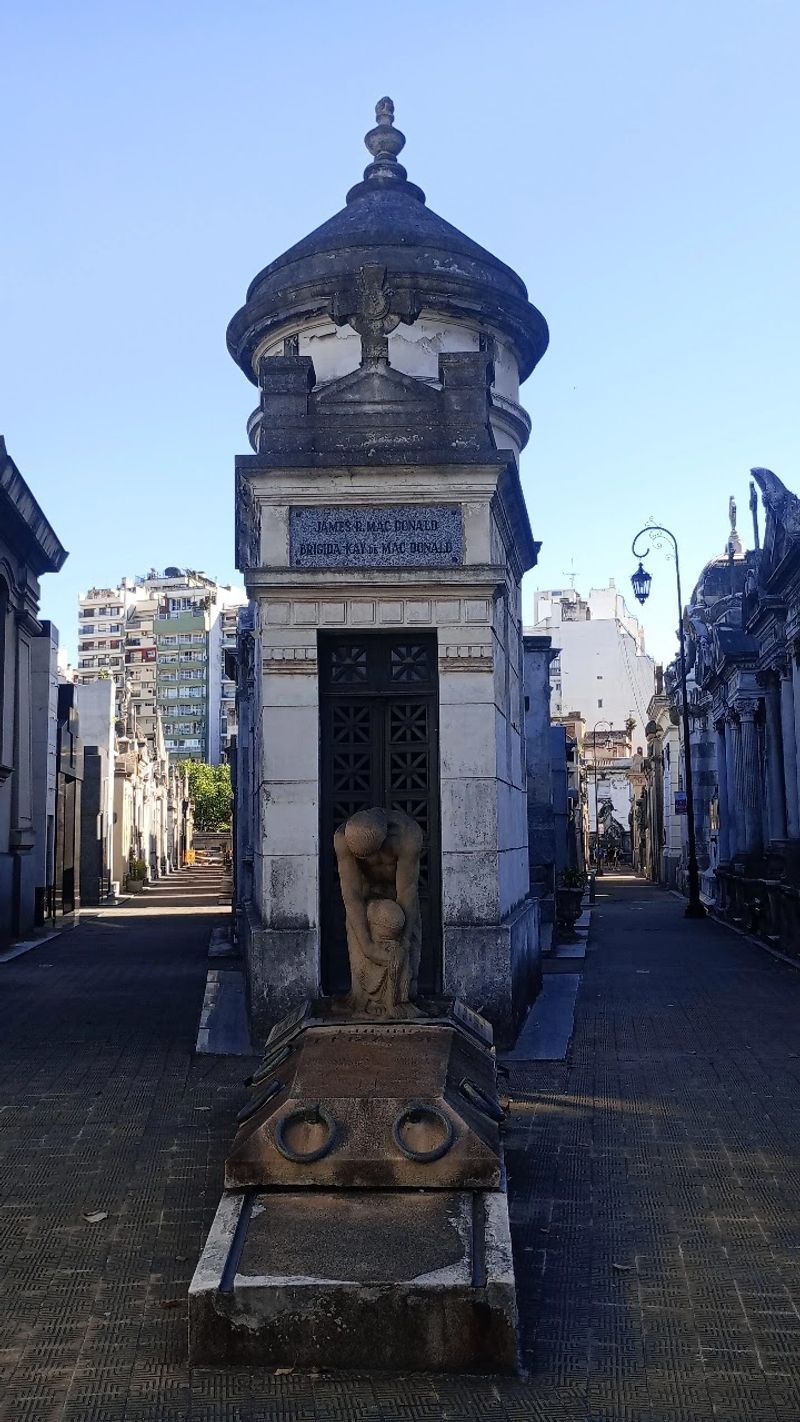
Here is a cemetery that works more like an open-air architecture museum. Narrow lanes are lined with elaborate mausoleums and sculptures that belong to some of Argentina’s best-known historical families and personalities.
The details are the main draw. Stone carvings, statues, and different building styles change from one lane to the next, so slow walking pays off.
More than 90 tombs and vaults have been declared National Historic Monuments, which shows how much heritage is packed into this one site.
It is open to visitors daily, and Buenos Aires Tourism currently lists hours from 9 a.m. to 5 p.m. Plan your visit with that closing time in mind, and give yourself enough room to wander without rushing.
It makes a quiet change of pace from the busier museums and plazas in the city, and it is an easy fit for a morning or early afternoon outing.
Quebrada de Humahuaca, Jujuy
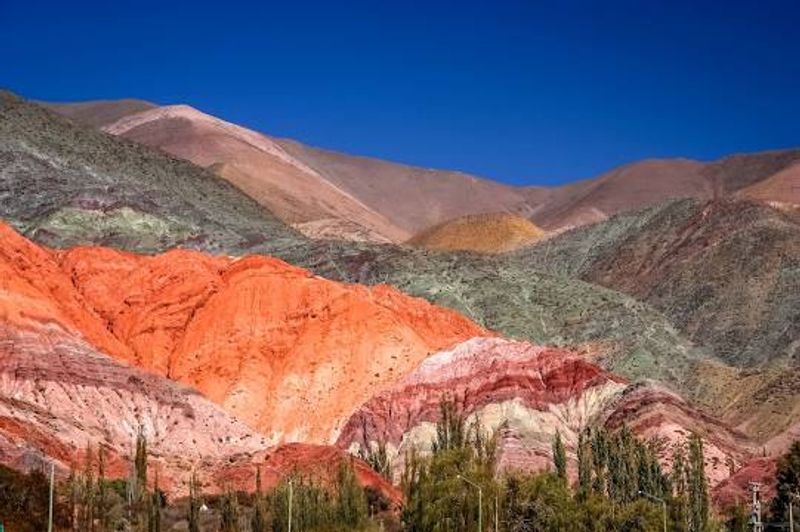
Northern Argentina looks nothing like Patagonia or Buenos Aires, and this valley is one of the best places to see that contrast. Colorful mountain formations line the route through Jujuy Province.
The roughly 155-kilometer valley follows an ancient cultural route and holds archaeological traces of thousands of years of settlement and trade. UNESCO designated it a World Heritage Site in 2003.
Popular stops include Purmamarca, Tilcara, and Humahuaca, plus access to nearby Salinas Grandes. Taking your time between towns lets you enjoy the changing scenery from one stop to the next.
Timing matters if you like clear days. Argentina’s official tourism site recommends April through November for generally drier conditions, so that is a good window to aim for when you start planning a northern route.
Mendoza Wine Country, Mendoza
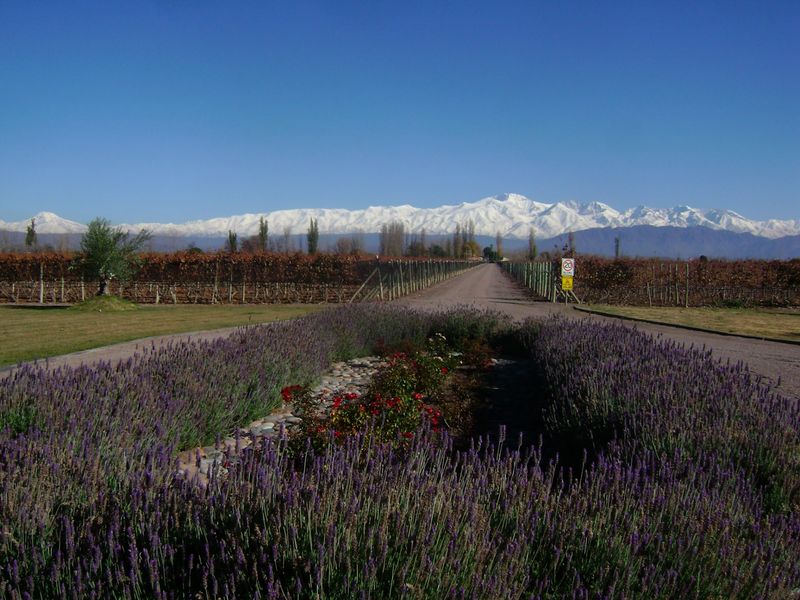
Mendoza is Argentina’s essential destination for wine lovers, and the setting is as big a draw as the tastings. Vineyards spread across areas such as Luján de Cuyo, Maipú, and the Uco Valley.
Visitors can tour wineries, walk through vineyards, enjoy tastings, and pair local wines with regional cuisine. Malbec is the star, but the region produces many other varieties too.
The official tourism board highlights four broad wine-growing areas, which gives you a simple way to organize a trip. Picking one or two areas is easier than trying to cover everything.
Booking ahead is the practical tip to remember. The tourism board recommends reserving winery visits in advance, particularly in popular destinations such as the Uco Valley, where spots can fill up.
Aconcagua Provincial Park, Mendoza
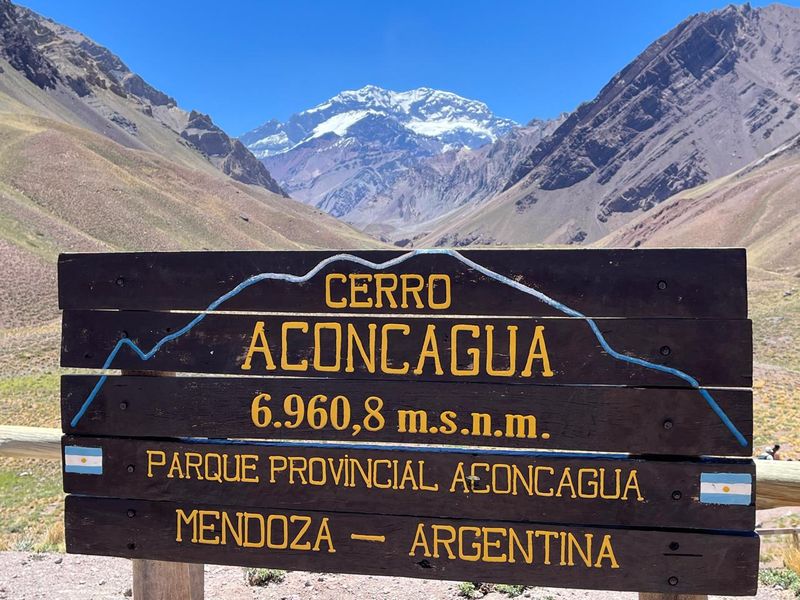
At 6,962 meters, Aconcagua is the highest mountain in the Americas, and it stands as one of Argentina’s defining natural landmarks.
You do not need to be an expedition climber to experience it. Aconcagua Provincial Park offers opportunities for hiking and mountain sightseeing, so day visitors can enjoy the scenery without attempting the summit.
Route 7 makes the area easier to reach. The road also connects travelers with attractions such as Puente del Inca and spectacular high-Andes scenery along the way.
That makes a road trip from Mendoza a flexible idea. You can stop at viewpoints, take short walks, and decide how much time you want to spend in the park.
Argentina’s tourism authority continues to list the park among Mendoza’s signature attractions, so it remains a recognized stop for anyone exploring the region.
Nahuel Huapi National Park and Bariloche, Río Negro
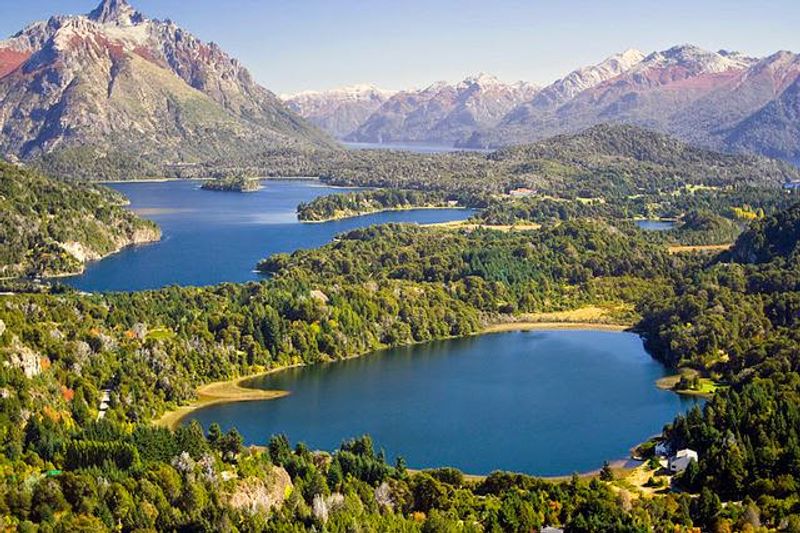
Lakes, mountains, and Patagonian forests surround the city of San Carlos de Bariloche, and together they make Nahuel Huapi National Park one of Argentina’s classic outdoor destinations.
The protected area covers more than 717,000 hectares across Río Negro and Neuquén provinces. That is a lot of room to explore, so it helps to choose a few activities rather than trying to see it all.
Visitors come for hiking, mountain scenery, lake excursions, skiing in the surrounding region, and scenic drives. Bariloche works as a convenient base for many of those plans.
The park remains an active visitor destination and is included in Argentina’s current 2026 national park admission system. Check official information for entry details before you head out for the day.
Tierra del Fuego National Park, Ushuaia
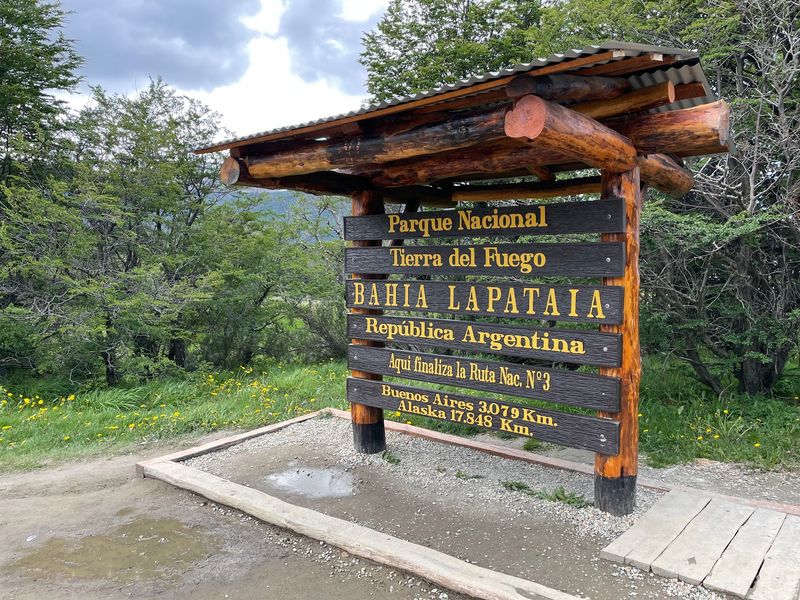
Argentina’s southern edge has its own national park, and it is only about 12 kilometers from Ushuaia. Tierra del Fuego National Park combines mountains, peat bogs, forests, lakes, and coastal landscapes.
Hiking is a popular way to take it in. You can also visit Lapataia Bay, a scenic spot that shows off the meeting of land and water in the far south.
One stop draws a lot of photos: the famous sign marking the end of National Route 3. It is a simple but memorable place to pause at the end of a very long road.
The park remains one of the region’s primary visitor attractions, and it is included in the country’s active national park admission system for 2026. Its short distance from town makes it easy to fit into a day.
Beagle Channel, Ushuaia
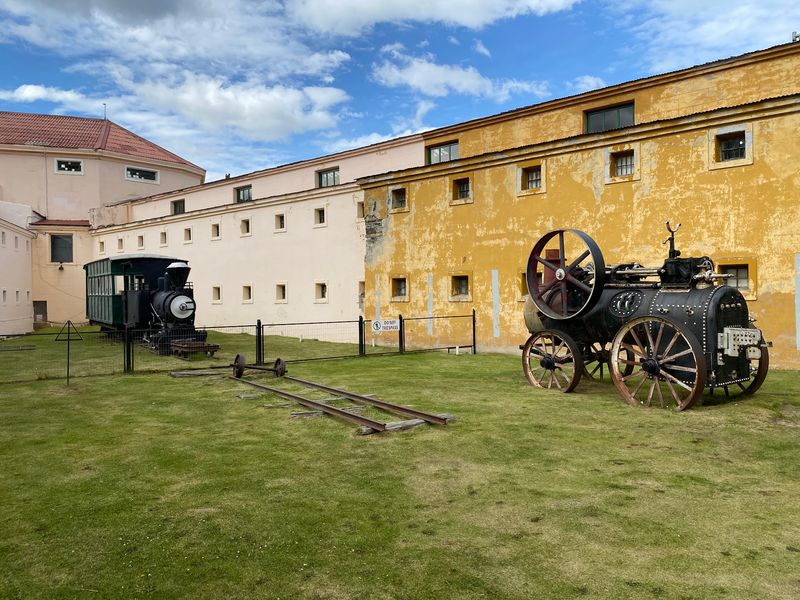
Seeing Tierra del Fuego from the water gives you a completely different view than staying on shore. A boat trip through the Beagle Channel is one of the most popular ways to do it.
Excursions departing from Ushuaia commonly pass islands populated by seabirds and sea lions. They also go by the red-and-white Les Éclaireurs Lighthouse, a favorite subject for photographers.
Some seasonal itineraries also travel toward the penguin colony around Isla Martillo. Since those trips depend on the season, ask the tour operator what is offered on your dates.
The mountains rise directly behind the water, which gives the whole trip a dramatic backdrop. For many travelers, the channel is one of the most memorable ways to experience Argentina’s far south.
Península Valdés, Chubut
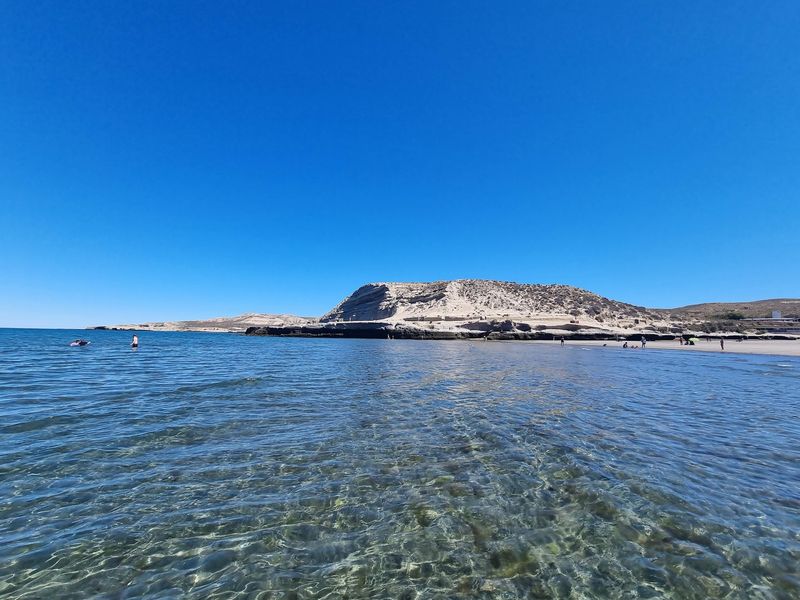
Wildlife fans often put Península Valdés near the top of their Argentina plans, and it has been a UNESCO World Heritage Site since 1999.
The peninsula and its surrounding waters are known for marine wildlife. Southern right whales, elephant seals, sea lions, and numerous seabirds are the animals most often associated with the area.
Timing is the key planning detail. Wildlife sightings vary considerably by season, so a good trip starts with deciding which animals you most want to see.
Once you know that, you can look up the best months for those species and plan around them. A little research here goes a long way, because the experience can look quite different depending on when you arrive.
Talampaya National Park, La Rioja
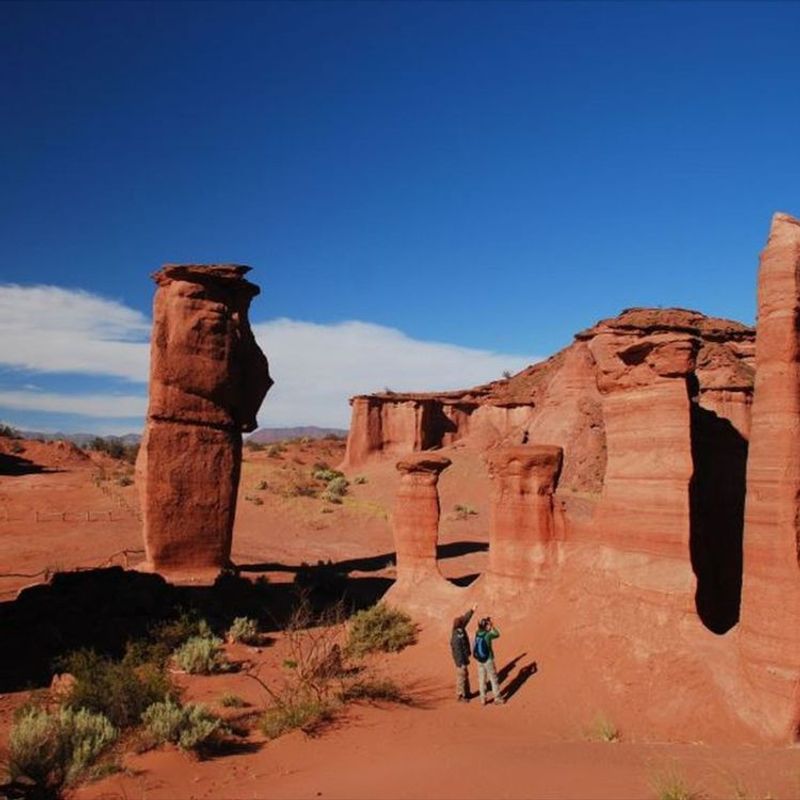
Red sandstone walls rise high above desert landscapes here, and the result looks unlike almost anywhere else in Argentina.
Talampaya National Park works together with neighboring Ischigualasto Provincial Park, and the area is recognized by UNESCO for its exceptional geological and paleontological importance.
The science behind that recognition is impressive. The parks contain an unusually complete continental fossil record from the Triassic Period, which gives the landscape a deep historical story.
For visitors, the practical news is good. Talampaya remains open for tourism and is included in Argentina’s 2026 national park ticket system.
It makes a strong pick for travelers who want a change from lakes and glaciers and are curious about the geology that shaped the country’s northwest.
San Ignacio Miní Jesuit Ruins, Misiones
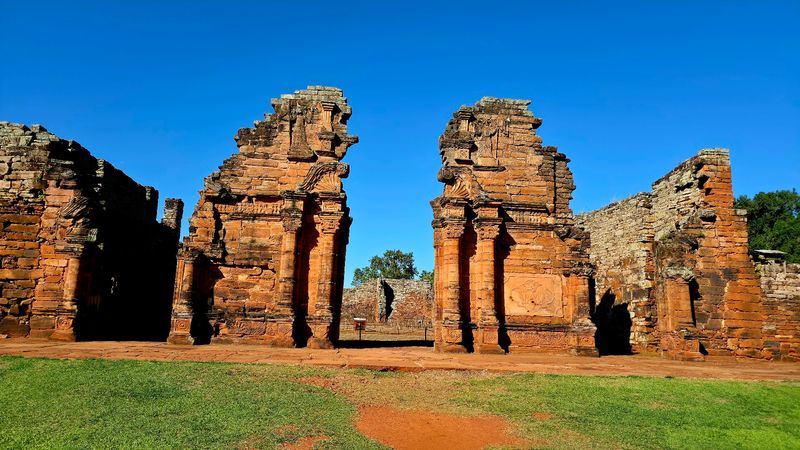
Anyone heading to Iguazú can add a very different kind of stop to the trip at San Ignacio Miní, which shifts the focus from waterfalls to history.
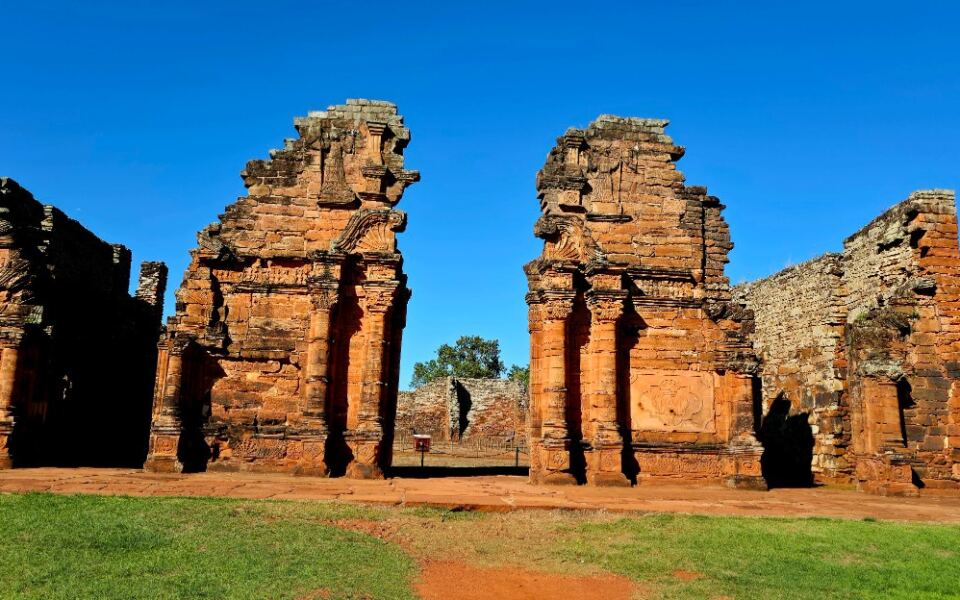
The ruins are part of the UNESCO-listed Jesuit Missions of the Guaranis. They preserve remains of the churches, courtyards, residences, and communal spaces developed by Jesuits and Guaraní communities during the colonial era.
Walking through the site gives a sense of how a mission community was laid out and how people shared daily spaces.
Argentina’s tourism board continues to promote San Ignacio Miní as one of Misiones’ main cultural attractions. That makes it an easy way to balance a nature-heavy itinerary with something rooted in the region’s past.
Iberá National Park and Wetlands, Corrientes
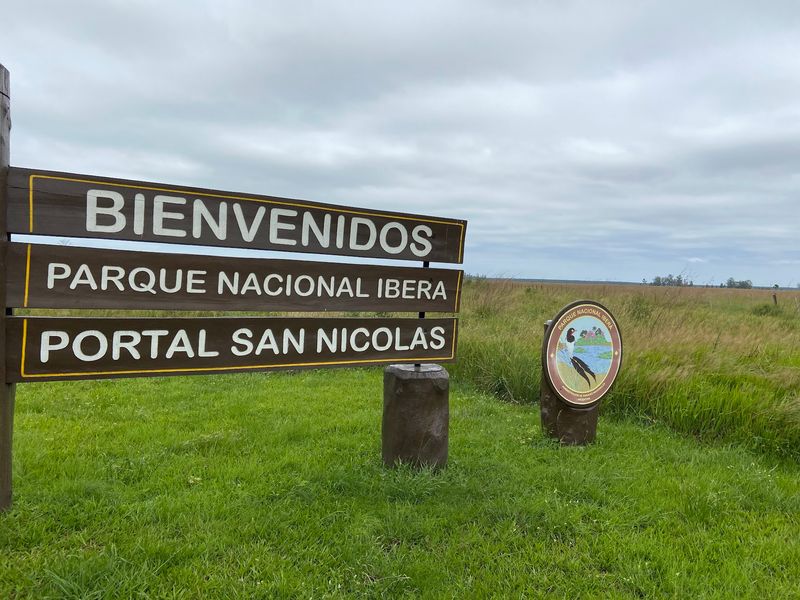
If you like wildlife more than mountains, the Iberá wetlands offer one of Argentina’s most rewarding alternatives to the country’s better-known glacier destinations.
The region protects extensive marshes, lagoons, grasslands, and forests. Capybaras, caimans, marsh deer, birds, and other native wildlife live there.
Different entrance portals give visitors options for hiking, wildlife observation, and nature-based tourism, so you can choose the style of visit that suits you.
Iberá National Park remains open daily. Current official information lists seasonal opening hours for portals including Cambyretá, Carambola, San Nicolás, and Laguna Iberá.
Road access can be affected after heavy rain, so check conditions before you travel. A flexible schedule helps if the weather changes.
Share this story