Before they took the oath of office, many American presidents lived lives that looked nothing like a path to the White House. Some split logs, stitched clothes, guarded campgrounds, or ran small shops that did not last.
Others faced poverty, danger, or hard choices far from Washington. Looking at these earlier jobs helps show how ordinary work shaped some of the nation’s best-known leaders.
1. Abraham Lincoln: Rail Splitter and Postmaster
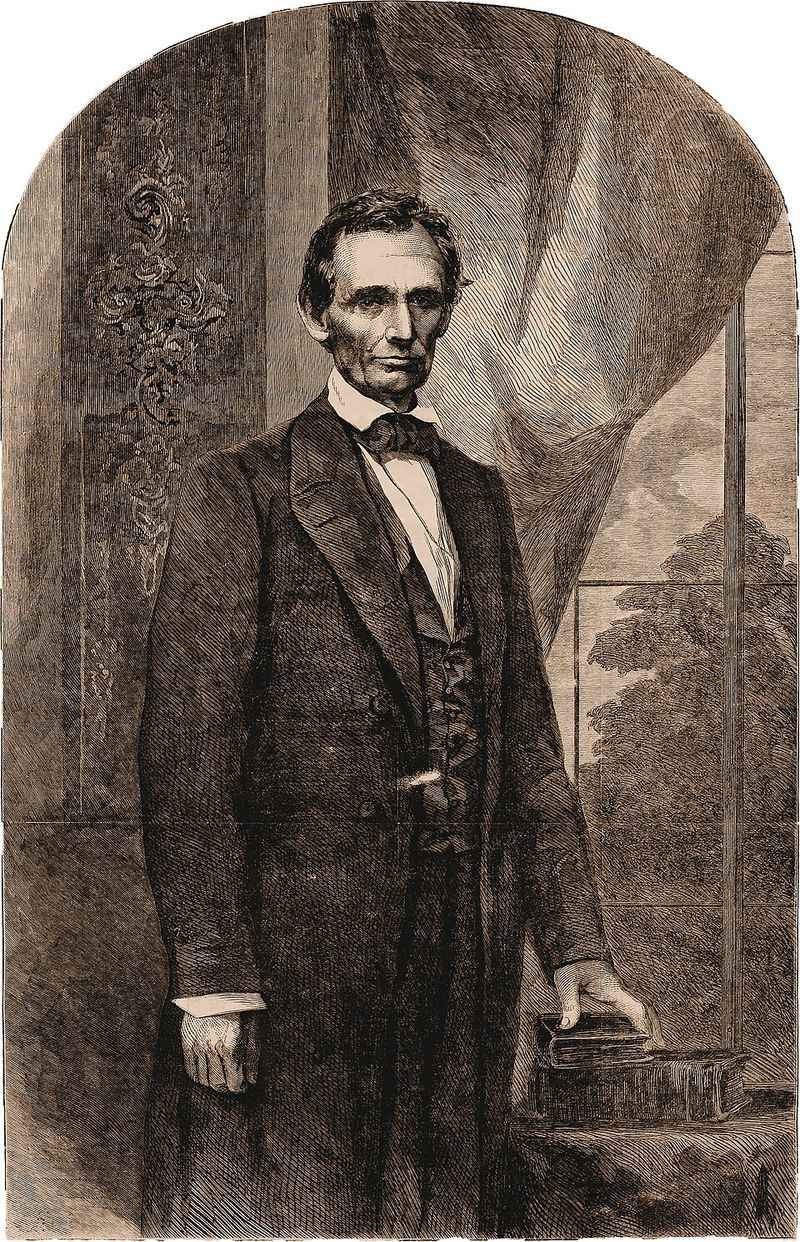
Long before the stovepipe hat, Abraham Lincoln swung an axe for a living. Growing up on the frontier, he split rails for fences and worked on a flatboat that carried goods down the Mississippi River to New Orleans.
Later, in New Salem, Illinois, he clerked in a general store and served as the town postmaster. The job was small, but it gave him a steady stream of newspapers to read, and he often read them before delivering them.
He also surveyed land and taught himself law by borrowing books. After years of study, he became a lawyer and then won a seat in the Illinois legislature.
His time doing hard physical labor and handling everyday tasks gave him a lasting connection to working people. Many voters later saw him as one of their own, and that image helped define his political story.
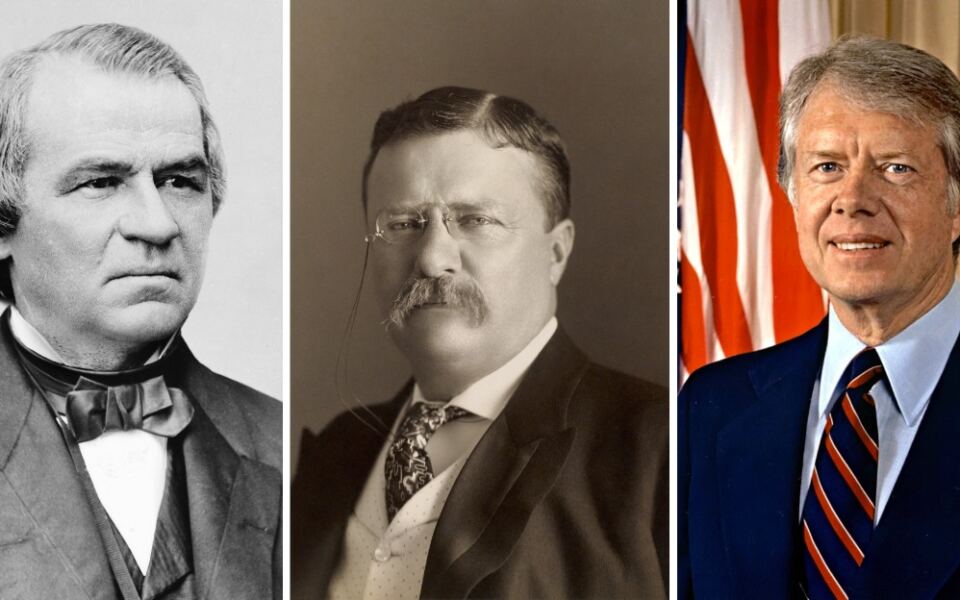
2. Andrew Johnson: The Tailor Who Became President
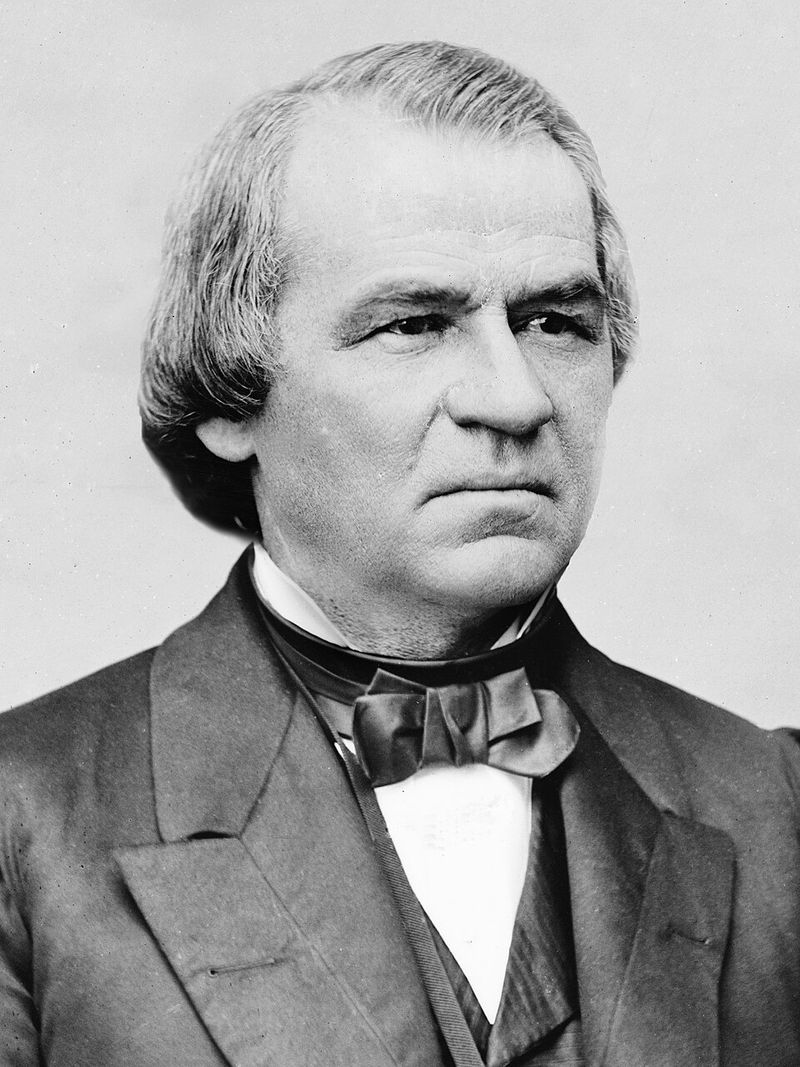
Few presidents started life with less than Andrew Johnson. His family was poor, and his father died when he was a small boy.
As a child, he was apprenticed to a tailor, a job that meant long hours and very little pay.
He eventually left that arrangement and made his way to Greeneville, Tennessee, where he opened his own tailor shop. Customers came in for coats and suits, and the shop also became a place where local men talked about politics.
Johnson never had formal schooling. He learned to read as an adult, and, according to accounts from the time, his wife Eliza helped him improve his writing and math.
He kept working as a tailor even after he entered local politics. That background shaped his identity as a self-made man, and he often spoke proudly of his humble roots during his career.
3. Ulysses S. Grant: A Hard Stretch Before Fame
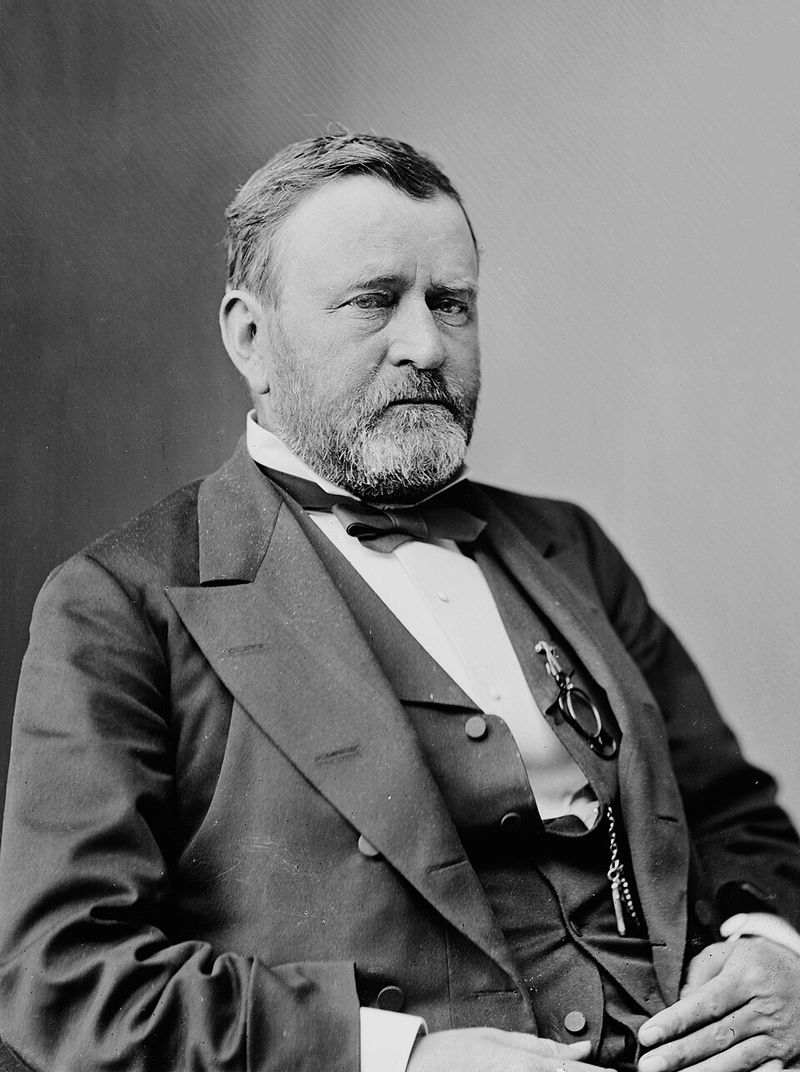
Picture a future war hero selling harnesses behind a counter. That was Ulysses S.
Grant in the years before the Civil War, and it was not a happy time for him.
After he left the Army in 1854, money was tight. He tried farming near St. Louis, and he worked as a real estate agent, but neither job brought steady income.
At one point, he sold firewood on city streets to help support his family.
Eventually, he took a job as a clerk in his family’s leather goods business in Galena, Illinois. It was a modest position for a man who had graduated from West Point.
When the Civil War began in 1861, Grant returned to military service. His rise from store clerk to commanding general is one of the most striking turnarounds in American history.
4. James Garfield: From Canal Boats to the Classroom
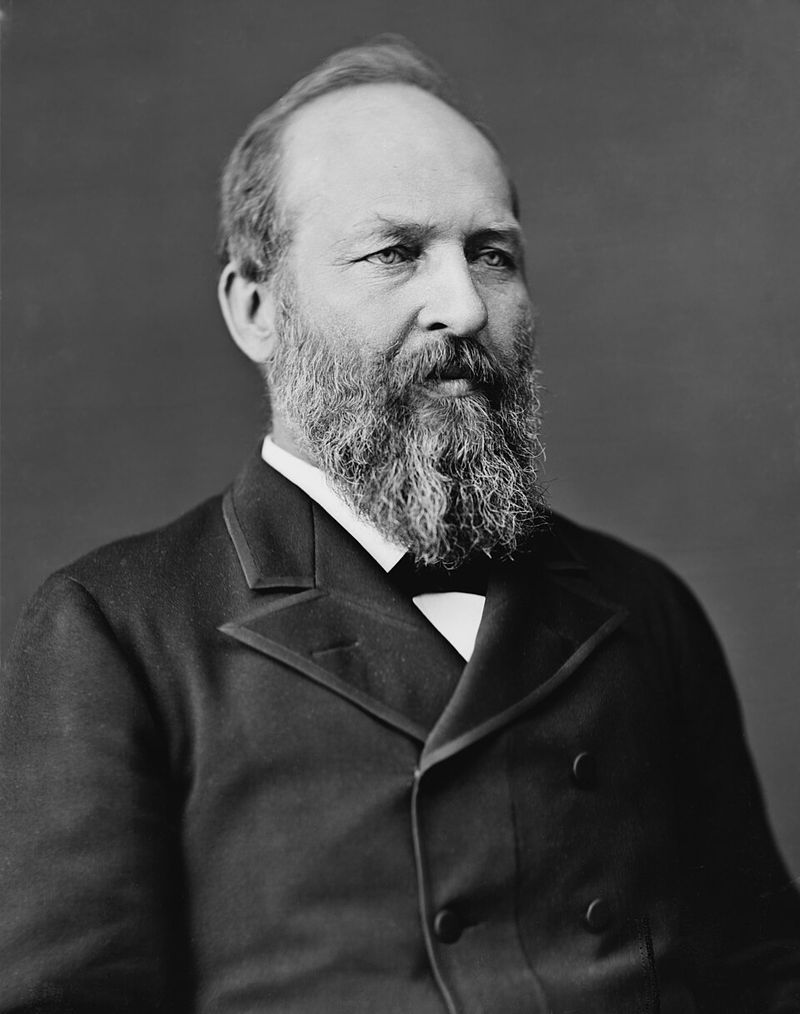
Born in a log cabin in Ohio, James Garfield was only a toddler when his father died. As a teenager, he took a job on the Ohio and Erie Canal, driving the mules that pulled boats along the towpath.
The work was rough, and he fell into the water several times. After a bout of illness, he decided to focus on his education instead.
That choice changed everything. Garfield studied hard, became a teacher, and then served as president of the Western Reserve Eclectic Institute, which later became Hiram College.
He went on to serve as a Union general in the Civil War and then won a seat in Congress. Few presidents moved through so many different roles.
Garfield took office in 1881 but was shot just months later and died that September.
5. Herbert Hoover: Mining Engineer Abroad
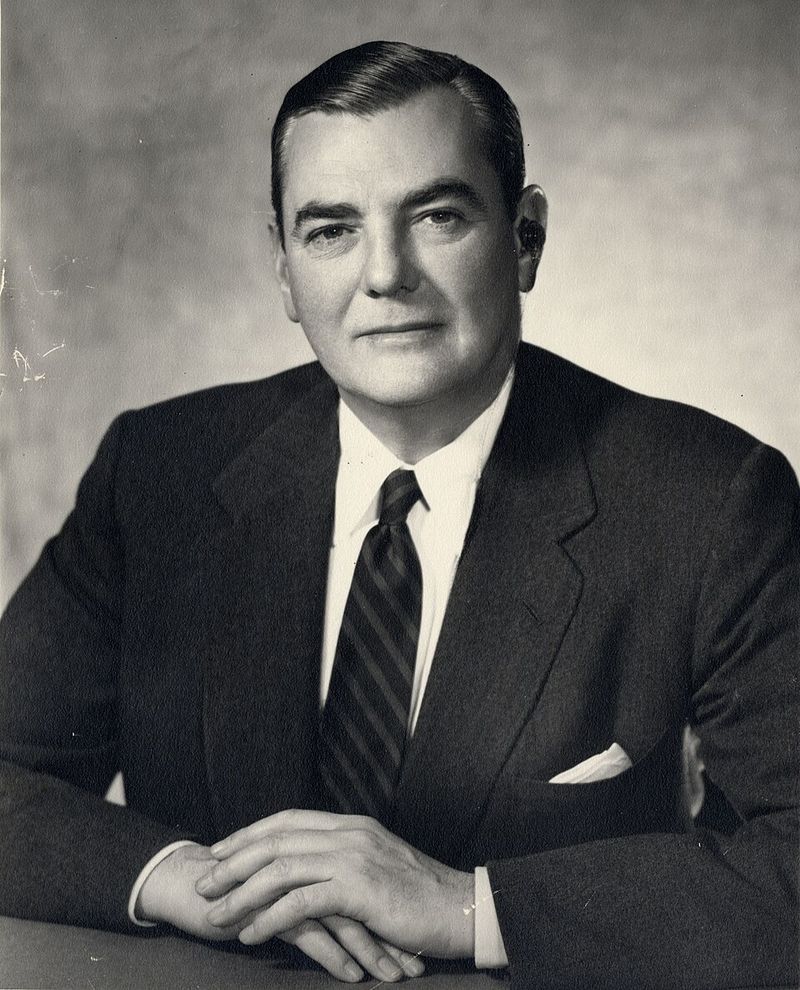
Here is a twist: before he led the nation, Herbert Hoover spent years digging for a living on the other side of the world. After graduating from Stanford University as a geologist, he took mining jobs in Western Australia and later in China.
In 1900, he was in Tianjin when the Boxer Rebellion broke out. He and his wife Lou were caught in the fighting, and Hoover helped organize defenses and supplies for foreign residents until the siege ended.
His skills as an engineer and manager led to work with companies on several continents. By his late thirties, he had become a wealthy consultant and businessman.
Hoover later became famous for leading relief efforts that fed people in war-torn Europe during and after World War I. That humanitarian work helped carry him into national politics.
6. Harry S. Truman: Shopkeeper and Farmer
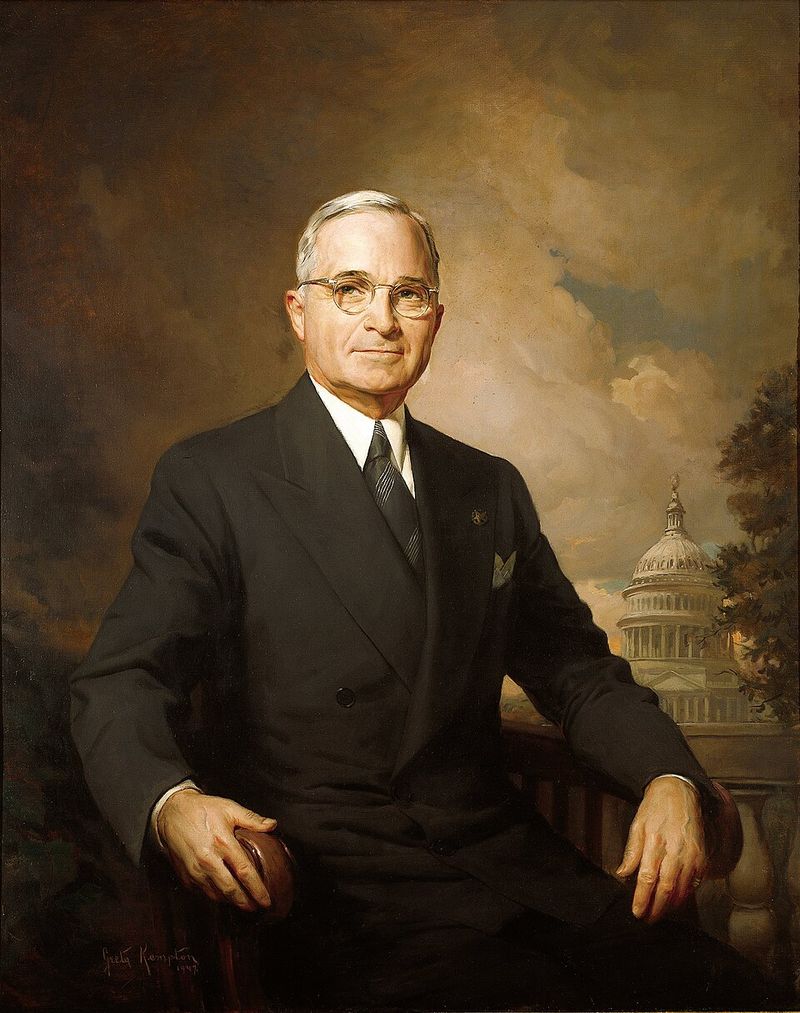
If a business fails, does that end a career? Harry S.
Truman proved the answer can be no. Before politics, he tried a long list of jobs, including working as a bank clerk in Kansas City.
He also spent about a decade running the family farm in Grandview, Missouri. The work was demanding, and he later said those years taught him a great deal about discipline.
After serving as an artillery officer in World War I, Truman opened a men’s clothing store with his friend Eddie Jacobson. The shop did well at first, but a sharp economic downturn in the early 1920s forced it to close.
Truman was left with heavy debts, which he paid off over many years. He then turned to local politics, and that move launched the career that eventually took him to the presidency in 1945.
7. Theodore Roosevelt: Cowboy in the Dakota Badlands
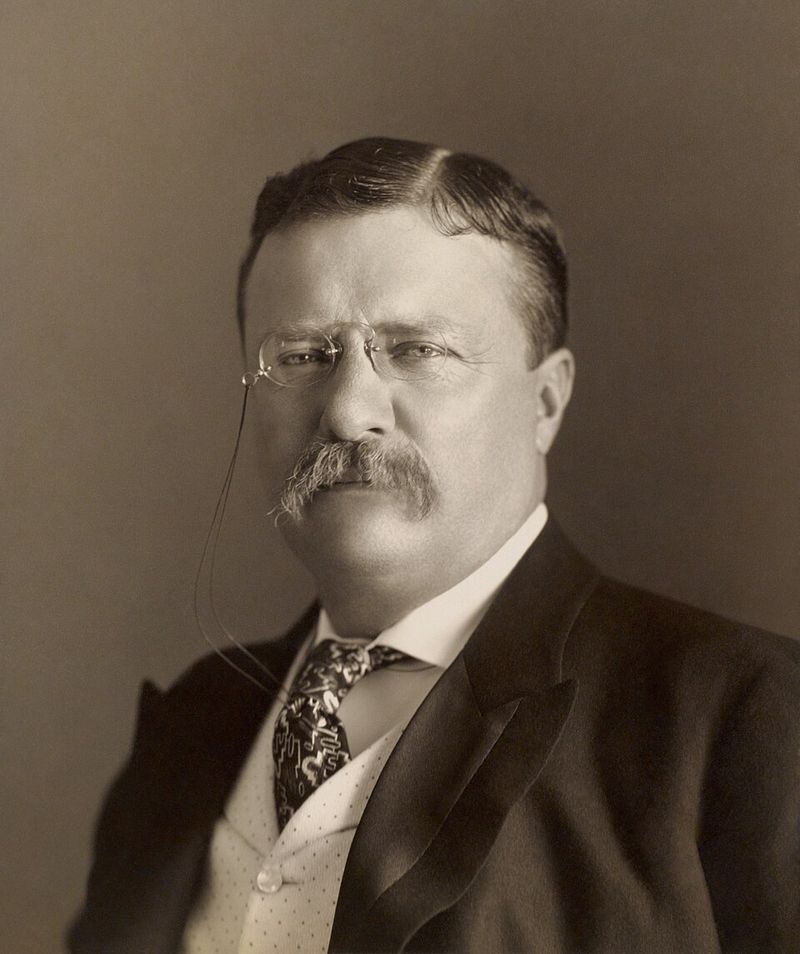
In 1884, Theodore Roosevelt faced a painful loss when his wife and his mother died on the same day. Seeking a fresh start, he headed west to the Dakota Territory and became a cattle rancher.
The young New Yorker had to prove himself among seasoned ranch hands. He took part in cattle drives, rode for long hours, and learned the rhythms of life on the open range.
He also served as a deputy sheriff. In one well-known episode, he helped track down men who had stolen his boat, and he brought them in for trial.
A harsh winter in 1886 and 1887 wiped out much of his herd, and he returned east. Even so, the experience deepened his love of the outdoors and shaped his later work to protect public lands.
8. Grover Cleveland: The Sheriff Who Did the Hanging
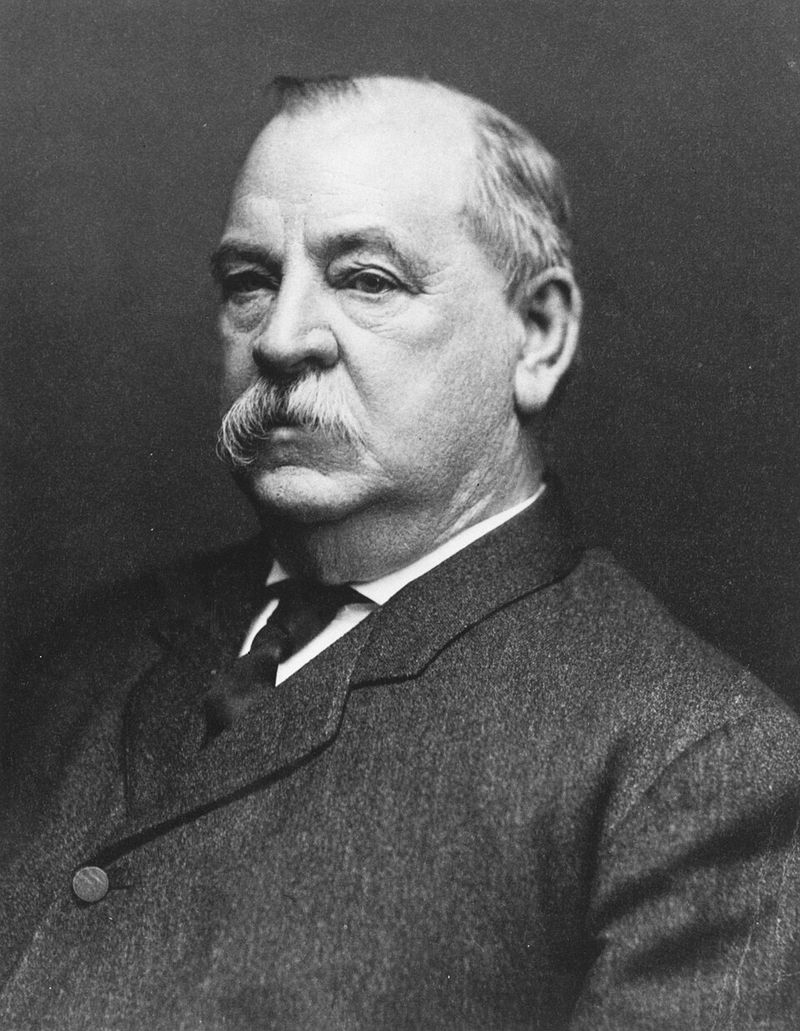
Most sheriffs leave the toughest duties to deputies. Grover Cleveland did not.
Elected sheriff of Erie County, New York, in 1870, he served a three-year term that included one of the hardest parts of the job.
At the time, the sheriff was responsible for carrying out executions. Cleveland personally performed two hangings, saying he did not want to ask someone else to do a task he was legally required to oversee.
He had worked as a lawyer in Buffalo before taking the post, and he built a reputation for honesty. That reputation became his greatest political asset.
Voters later elected him mayor of Buffalo and governor of New York. In 1884, he won the presidency, and he remains the only president to serve two nonconsecutive terms.
9. Gerald Ford: A Summer as a Park Ranger
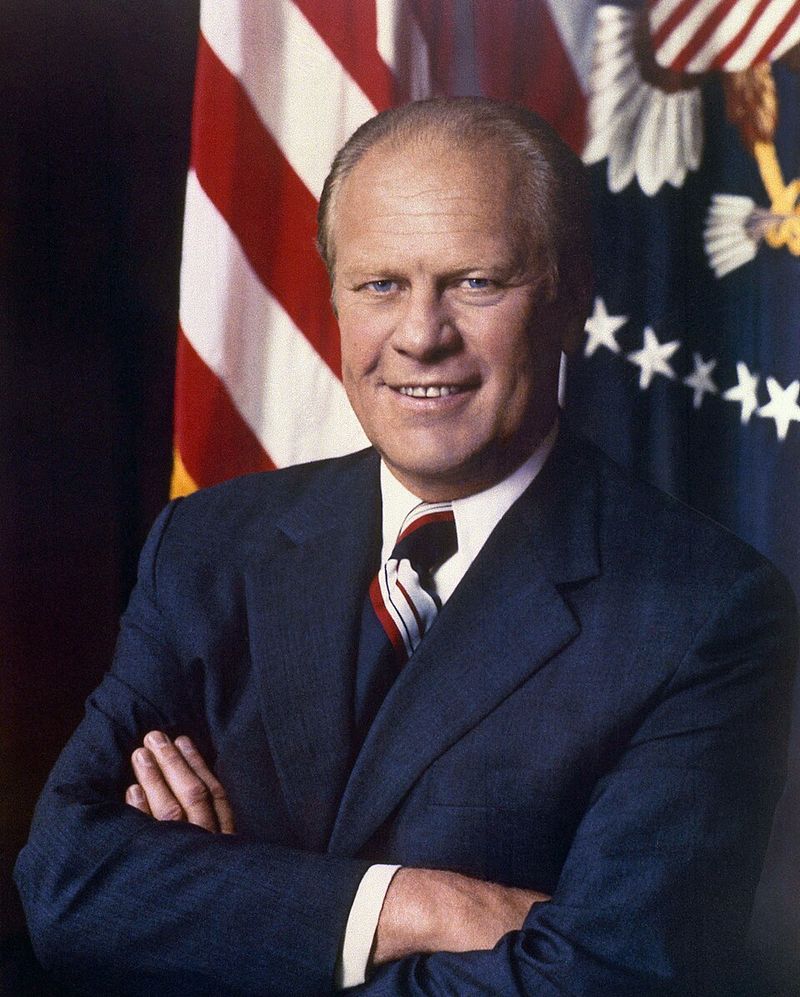
Yellowstone’s geysers and bears might seem an odd training ground for a future president. Yet in the summer of 1936, a young Gerald Ford worked there as a seasonal park ranger.
His duties included helping manage campgrounds, directing traffic, and handling the occasional wildlife issue. Visitors were often curious about the animals, and rangers had to keep people at a safe distance.
Ford was a former college football star at the University of Michigan, and the park job gave him a way to earn money while enjoying the outdoors. That fall, he began working as an assistant football coach and studying law at Yale.
He later served in the Navy during World War II and spent many years in Congress. In 1974, he became president after Richard Nixon resigned.
10. Ronald Reagan: Lifeguard, Announcer, and Actor
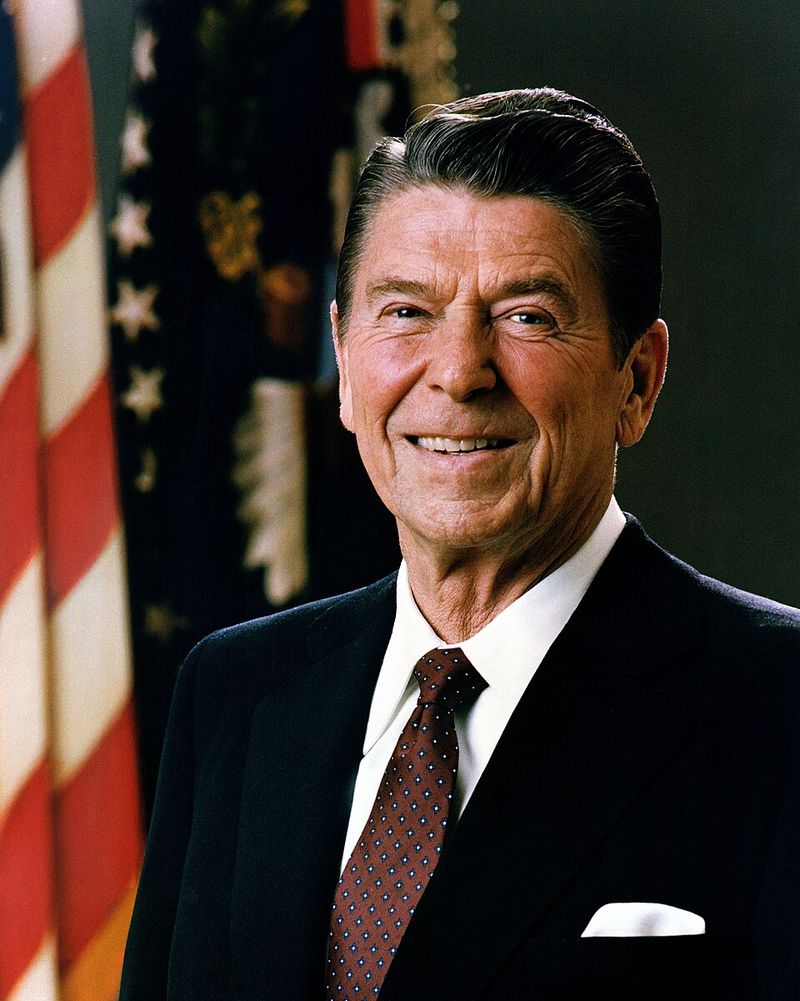
Seventy-seven. That is the number of people Ronald Reagan was credited with rescuing during his summers as a lifeguard on the Rock River in Dixon, Illinois.
He spent several seasons at the job as a teenager, and local legend says he marked each rescue with a notch on a log.
After college, Reagan found work as a radio sports announcer in Iowa, where he recreated baseball games from short telegraph reports. His smooth voice made him popular with listeners.
In 1937, he moved to California and signed a movie contract with Warner Bros. He appeared in dozens of films and later served as president of the Screen Actors Guild.
Those years of public speaking and performing helped him become a skilled communicator. He was elected governor of California in 1966 and president in 1980.
11. Jimmy Carter: Navy Officer and Peanut Farmer
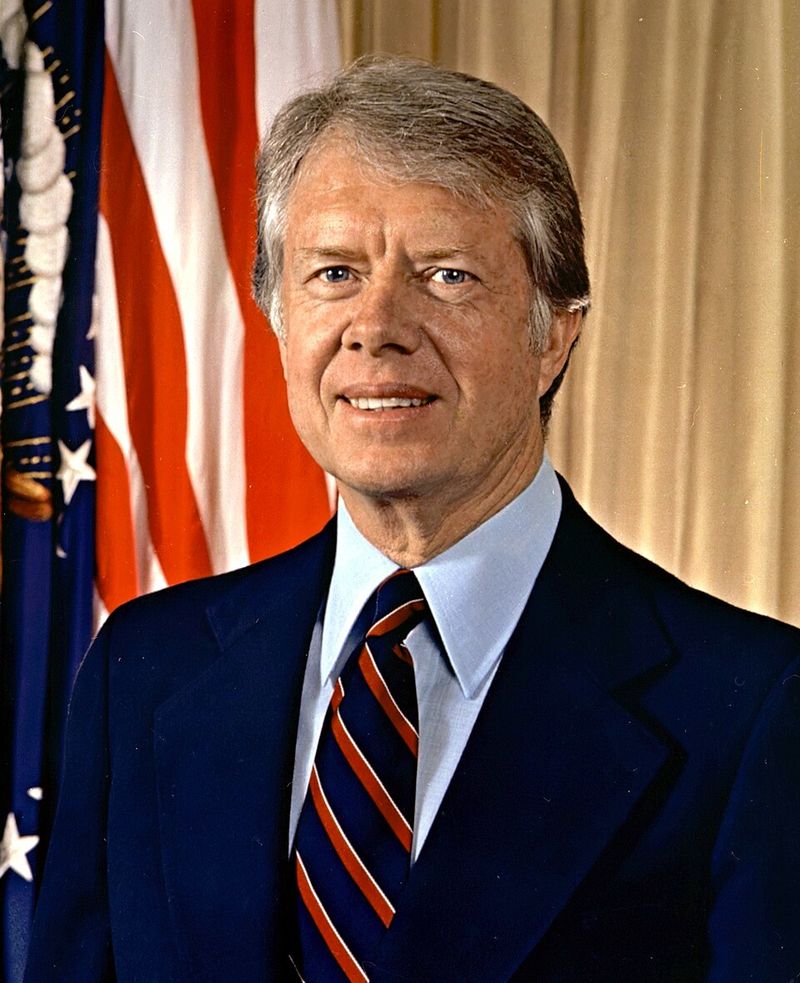
Jimmy Carter’s path to the White House ran through the deep sea. After graduating from the U.S.
Naval Academy in 1946, he served on submarines and joined the early nuclear submarine program under Admiral Hyman Rickover.
Rickover’s standards were famously demanding, and Carter later said the experience shaped his approach to work. He trained as an engineer and was helping with a nuclear reactor project when his career took a turn.
In 1953, his father died, and Carter left the Navy to return to Plains, Georgia. He took over the family peanut business, which he had to rebuild.
Running a farm supply and warehouse operation gave him a close look at the concerns of local farmers. He soon entered Georgia politics, became governor in 1971, and won the presidency in 1976.
Share this story