Europe is home to some of the richest economies on Earth, yet the money gap between its countries is huge. Using the World Bank’s 2025 numbers for average income per person, the lowest spots are mostly in Eastern and Southeastern Europe.
Each country on this list faces its own money troubles, from war damage to people moving abroad for work. Ready to see who is where and why?
Ukraine
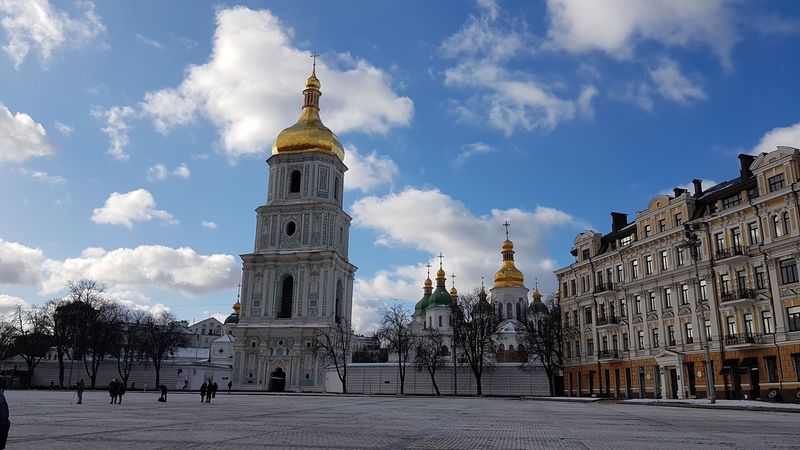
Picture a country where rebuilding costs are about three times the size of the whole yearly economy. That is Ukraine, with a GDP per capita of about $5,866 in 2025, the lowest on this list.
The cause is Russia’s ongoing invasion. The World Bank estimates that recovery and rebuilding needs have reached nearly $588 billion.
Homes, roads, railways, power plants, factories, and farms have all taken serious hits.
Workers are also in short supply. Many people have left the country, others have been displaced inside it, and many have joined the military.
Fewer workers means fewer goods and services, and that slows everything down.
Energy is another headache. Damaged power systems and high energy costs make it expensive to run a business.
Investors tend to wait on the sidelines when the future feels uncertain, so private investment stays weak.
The World Bank expects growth to stay soft for now. Ukraine’s economic story is less about slow progress and more about survival and repair.
Once the fighting stops, the huge job of rebuilding can really begin, and it will need money, skilled workers, and lots of patience from partners around the world.
Kosovo
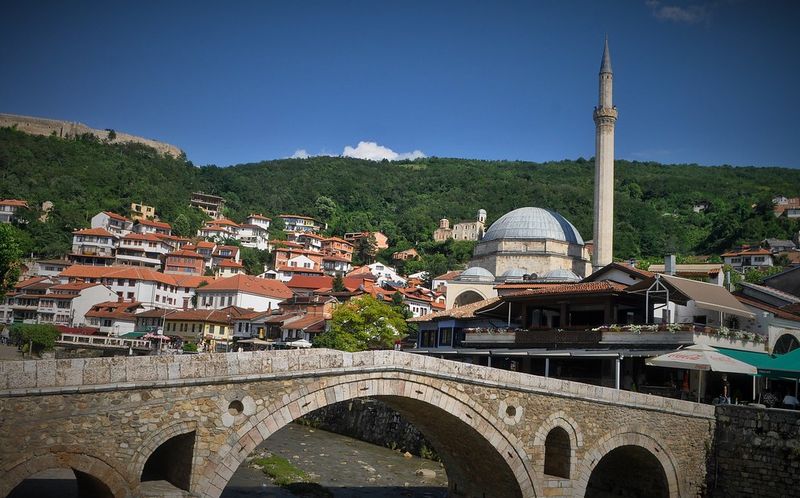
Flip on a light switch in Kosovo and you might hold your breath. Power supply can be shaky, and much of it still comes from old coal plants.
Kosovo’s GDP per capita was about $7,899 in 2025. The economy has grown steadily for ten years, but much of that growth came from money sent home by relatives abroad and from loans, not from selling more products to other countries.
Jobs are a big problem. Fewer people are working here than in most of Europe, especially women.
Many young people are neither working nor studying, and many others pack their bags for jobs overseas.
Foreign investment mostly flows into real estate. Buildings go up, but new technology and skills do not travel along with them.
That limits how much workers can earn.
There are bright ideas on the table. Factories that make goods for export, digital services, and clean energy could create better-paid jobs and make the economy less lopsided.
If those pieces fall into place, Kosovo could grow on a much sturdier base.
Moldova
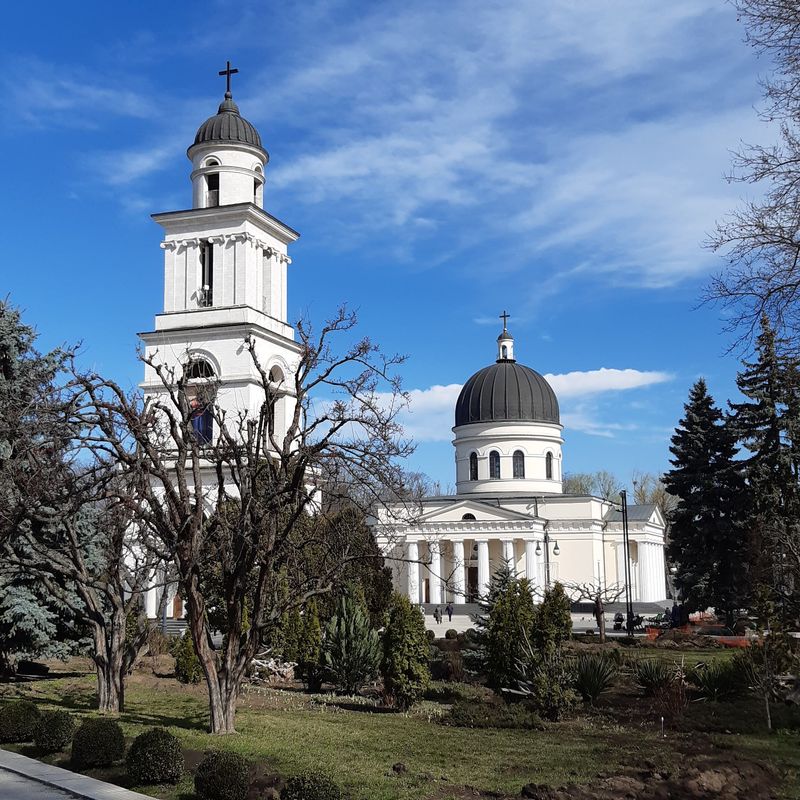
Few countries have faced as many curveballs in a row as Moldova. A pandemic, a war next door, and soaring energy prices all landed within a few short years.
The result is a GDP per capita of roughly $8,622 in 2025. The World Bank says these shocks exposed a weak spot: growth that leans heavily on money sent home by workers living abroad.
At home, businesses struggle to find skilled workers. The population is getting older, and weak market institutions and low competition keep productivity down.
Rural areas feel the squeeze most, and poverty there remains a real worry.
In 2026, rising prices and costly energy kept pressing on household budgets. A large gap between what Moldova buys from abroad and what it sells also shows how exposed it is to outside forces.
One big hope is joining the European Union. Accession talks push the country to improve its laws, courts, and business rules.
If reforms stick, they could open doors to more investment and better-paying jobs.
Belarus
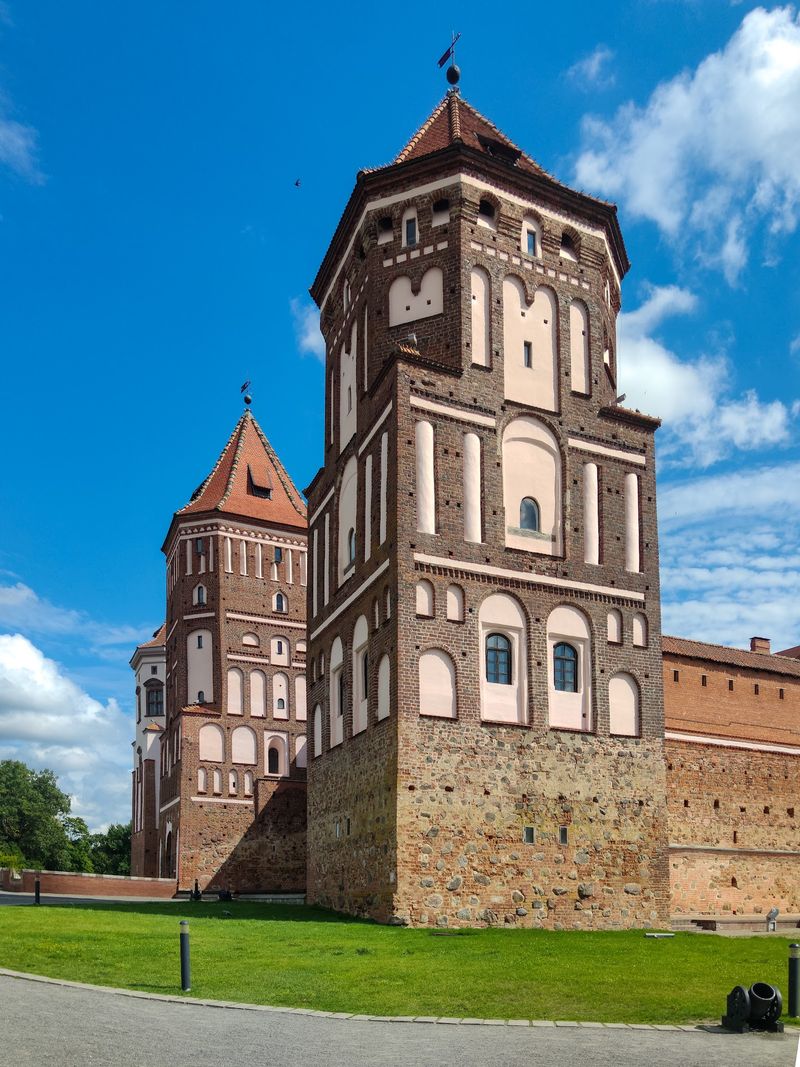
Here is a trade puzzle: when the front door to Europe closes, everything has to go out the back. Belarus lives that reality, with a GDP per capita near $10,279 in 2025.
Western sanctions have limited access to European markets and global money channels. So more trade now runs through Russia.
The World Bank says this raises shipping costs, shrinks profit margins on exports, and ties Belarus closely to how well Russia’s economy does.
Other troubles pile on top. Companies cannot find enough workers, prices keep climbing, and supply bottlenecks slow production.
Growth dropped sharply in 2025, and the road ahead looks bumpy. The economy is run in a highly centralized way, which leaves less room for private firms to experiment and grow.
Belarus also has trouble getting advanced technology and new customers. With fewer partners and less investment, it is tough to build the kind of high-value industries that lift incomes.
Wider trade options would likely help most.
Bosnia and Herzegovina
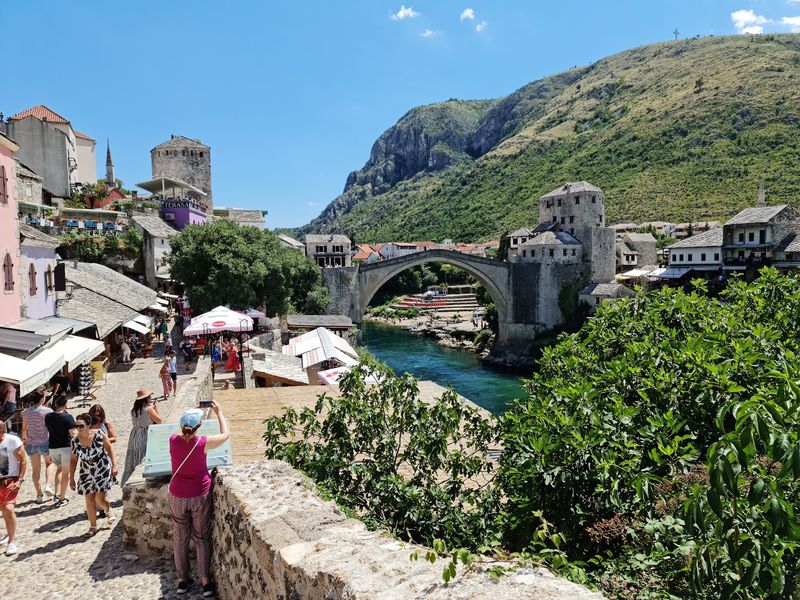
More than 10 percent of Bosnia and Herzegovina’s economy in 2025 came from money sent home by family members abroad. That single fact says a lot about the country.
GDP per capita was about $10,382. The good news is that public debt is fairly low and the economy is steady.
The not-so-good news is that growth is too slow to catch up with richer European neighbors.
The World Bank points to low productivity, weak investment, political uncertainty, and people leaving for work elsewhere. Spending by households and a large public sector prop up growth, instead of exports and private business.
Think of what that means for a young graduate. Good jobs at home can be hard to find, so a ticket to Germany or Austria looks tempting.
Each departure shrinks the pool of talent that could build new companies.
Faster reforms, stronger competitiveness, and more quality jobs could change the picture. Without them, catching up with the EU will keep taking a very long time.
North Macedonia
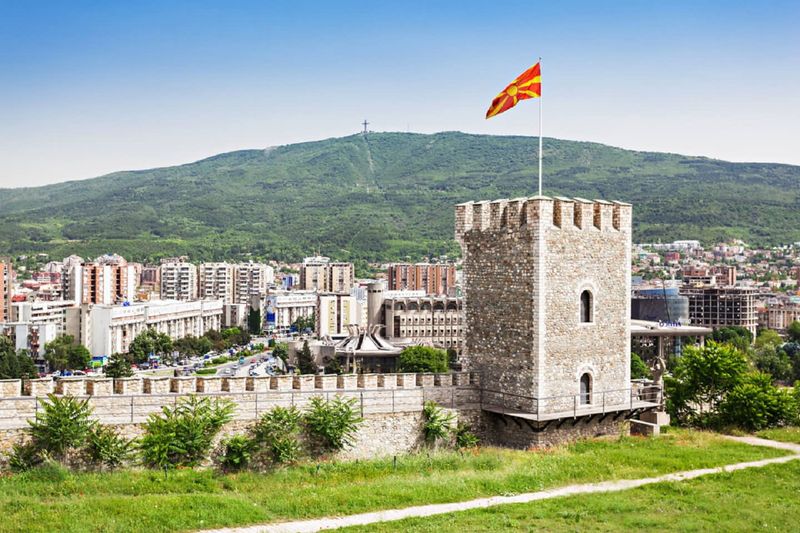
Statistics say North Macedonia is getting smaller. Fewer babies, more people leaving, and a large diaspora all shrink the number of available workers.
GDP per capita reached about $10,490 in 2025. Factories that make goods for export, plus rising foreign investment, help the economy move forward.
Still, many of the jobs created in the last decade pay low wages and require basic skills. The World Bank notes weak competition, governance problems, low investment, and a mismatch between what schools teach and what employers need.
Young people feel it most. Youth unemployment remains a concern, and fewer women hold paid jobs than in many other European countries.
That leaves a lot of talent untapped.
The path to EU membership could be a helpful nudge. Reforms tied to joining can improve laws, strengthen institutions, and make the country more attractive to investors.
Better training and better jobs would also give young workers a reason to stay and build careers at home.
Albania
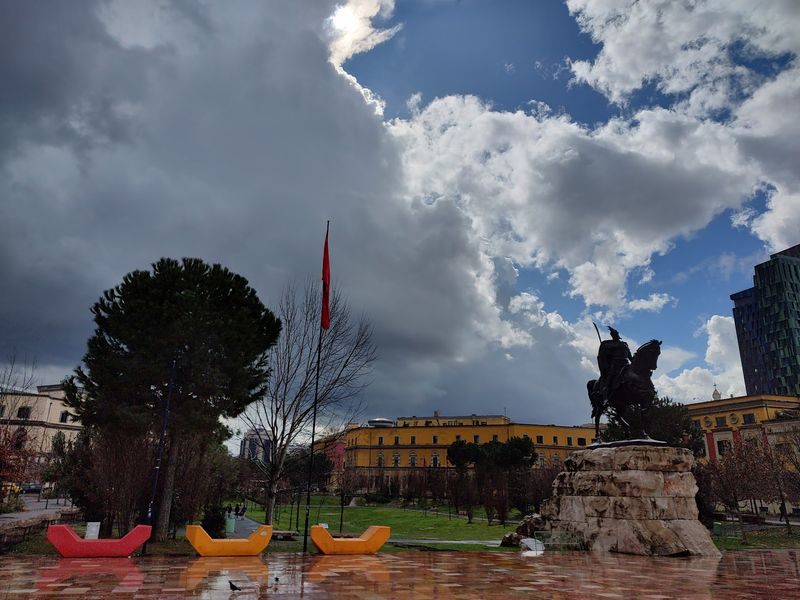
Albania has a surprising stat: more than a third of its people are estimated to live abroad. Imagine a country where nearly every family has a relative overseas.
Its GDP per capita hit about $12,998 in 2025, real progress. Tourism, construction, and strong spending at home have powered recent growth, and beach resorts along the coast keep filling up.
Yet the World Bank warns of lasting hurdles. Exports come from a narrow range of products, growth leans heavily on tourism and services, and informal work keeps productivity low.
Pay in Western Europe is far higher, so many workers keep heading out the door. That leaves fewer skilled people at home, and the population is also getting older.
If productivity does not improve, shortages of skills and workers could slow the economy in the years ahead. Building stronger industries beyond the summer crowds would help Albania keep its momentum going and give more of its people a reason to stay.
Montenegro
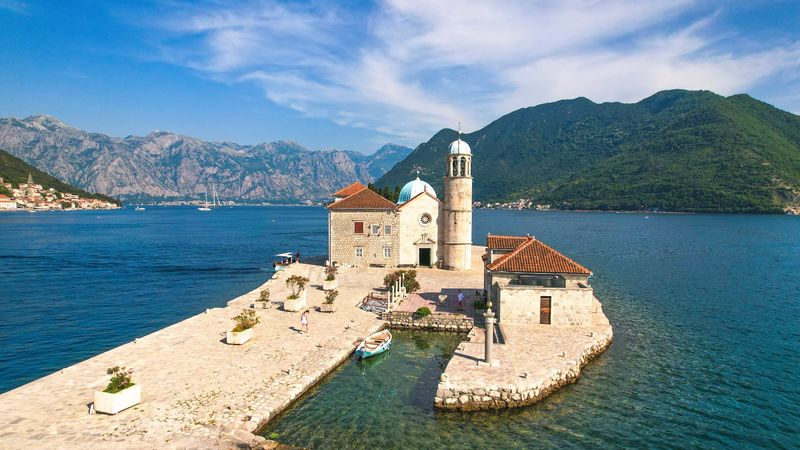
Montenegro uses the euro, yet it never got a say in how the euro is run. That quirk shapes much of its economic story.
GDP per capita was roughly $14,817 in 2025. This small country leans hard on tourism, foreign investment, and imported goods.
When travelers stay home or money from abroad dries up, it feels the pain fast.
The World Bank expects tourism to keep driving growth. But the gap between what Montenegro buys and sells abroad is projected to top 20 percent of GDP in 2026, which is very large.
Public debt and big repayment needs add to the pressure. The government has less room to react when trouble hits.
Since Montenegro cannot set its own interest rates or print its own money, budget decisions must do the heavy lifting during rough patches. Joining the EU could help by strengthening institutions and steering investment toward more productive businesses, not just hotels and apartments.
Serbia
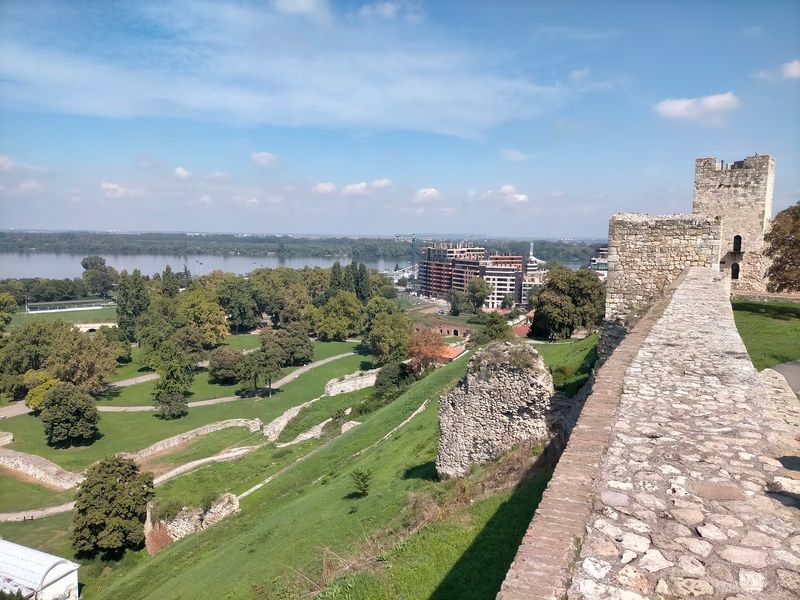
Serbia builds cars, makes metals, and runs plenty of services, which makes its economy more varied than many on this list. GDP per capita stood at about $15,262 in 2025.
Basic stability is no longer the main worry. The bigger question is how to move up the ladder toward industries that pay better and need more advanced skills.
Recent growth has come mostly from spending and investment, not from big jumps in productivity. The World Bank flags slow reforms, trouble in large state-owned companies, and workers whose skills do not match open jobs.
Look at the youth numbers. Unemployment among young people was around 22 percent in mid-2026, even though overall unemployment was much lower.
That gap shows how hard it can be for newcomers to land a first job.
Foreign direct investment has also cooled lately. To keep climbing, Serbia needs smarter factories, stronger schools, and firms that can compete on quality, not only on low costs.
Bulgaria
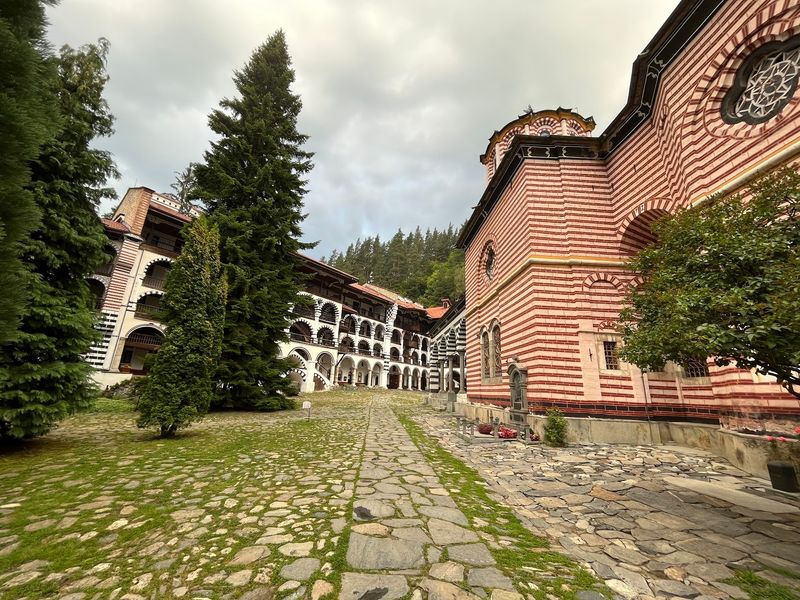
On January 1, 2026, Bulgaria swapped its lev for the euro. It was a big milestone for a country that has come a long way since joining the EU.
GDP per capita was about $20,328 in 2025, the highest on this list and now in the high-income group. Even so, it remains among the lowest in Europe per person.
In purchasing-power terms, it was only about 68 percent of the EU average.
Productivity is growing slowly, and investment is low. The World Bank also points to governance problems.
Meanwhile, Bulgaria has one of the fastest-shrinking populations on the planet, which leaves fewer workers and fewer customers.
Inequality stands out too. Income gaps are the widest in the EU, and differences between regions keep growing.
A fast-moving capital can sit not far from towns that feel left behind.
Remember that GDP per capita is not the same as poverty rates. Numbers can change with living costs, so the ranking is a snapshot, not the whole story.
Share this story