Winter means something very different in the coldest parts of the world. In some countries, lakes freeze solid enough to become roads, and temperatures can fall below -30°C.
Climate data from 1991 to 2020 shows which nations top the chilly charts. Get ready to meet ten places where winter truly takes over.
Russia
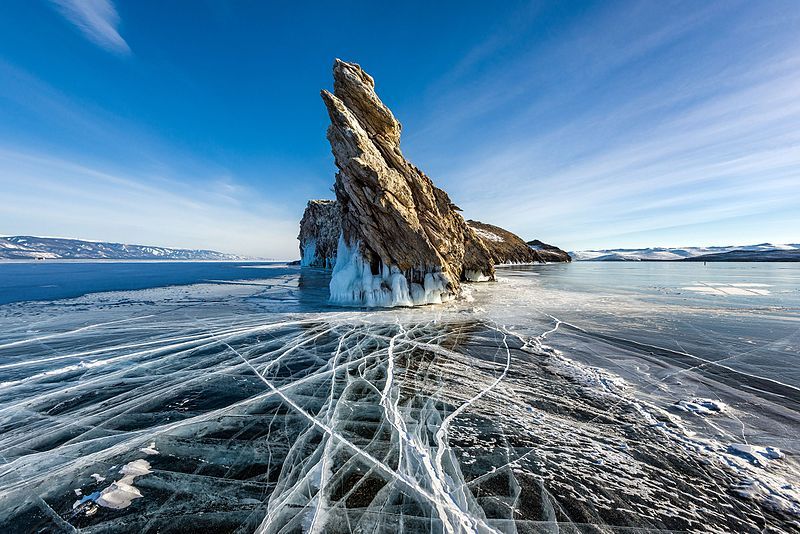
Eyelashes that freeze in seconds sound like a joke, but in Siberia they are real. Russia has a national annual average of about -3.8°C, right alongside Canada at the bottom of the global rankings.
Oymyakon, in the Sakha Republic, is the star of the show. Winter temperatures there can plunge below -50°C, and a historic reading came close to -68°C.
People still live there year round.
Daily life bends around the cold. Drivers may leave car engines running for long stretches so they do not refuse to start.
Frozen ground shapes how buildings and pipes are made.
Cities such as Yakutsk keep right on working through conditions that would shut down most places. Schools, shops and buses carry on, and residents bundle up in thick fur and layers.
Fun fact: Siberia is so cold that breath can crackle as it freezes in the air. Locals even have a nickname for the sound, whispering stars.
Mongolia
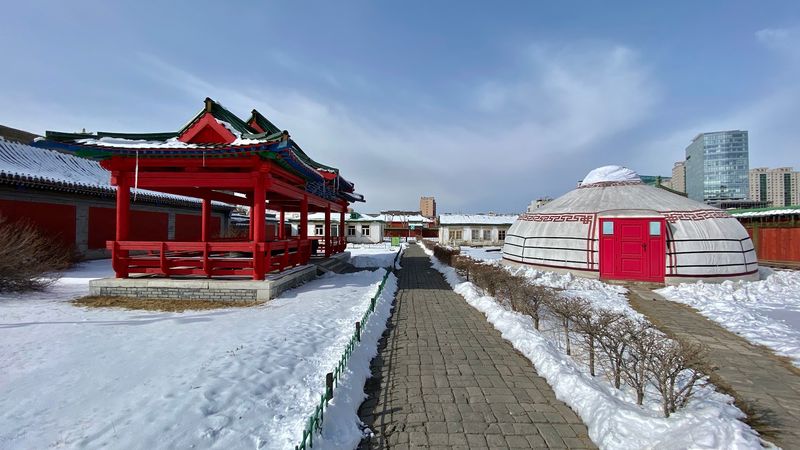
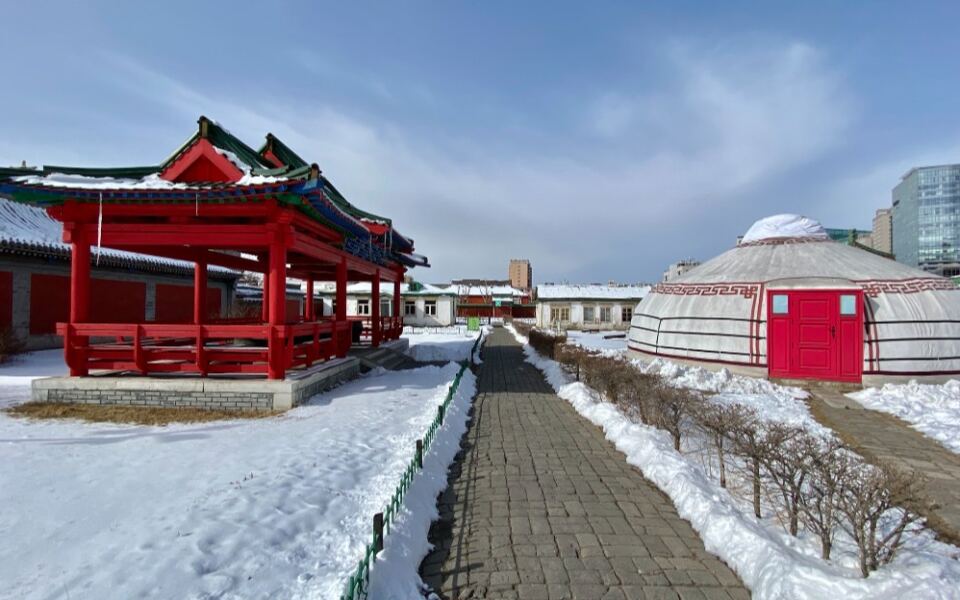
Mongolia is far from any ocean, and winter makes that painfully clear. The country averages only about 1.1°C over the year, which lands it among the coldest independent nations on the planet.
Without sea air to soften the chill, the cold settles in deep. Ulaanbaatar is widely known as one of the coldest capital cities in the world.
Out in the countryside, strong winds and bitter temperatures roll across open land with little snow to cover it.
Herders face a special danger called dzud. It happens when a poor summer leaves little grazing grass, and then a harsh winter follows.
Livestock struggle to find food, and families who depend on animals feel it hard.
The seasons here are a study in extremes. Summers turn warm and green, while winters turn silver and sharp.
That gap is a classic sign of a continental climate.
Visitors in winter should expect crisp, dry air and bright blue skies. Bring serious insulation for your toes.
Canada
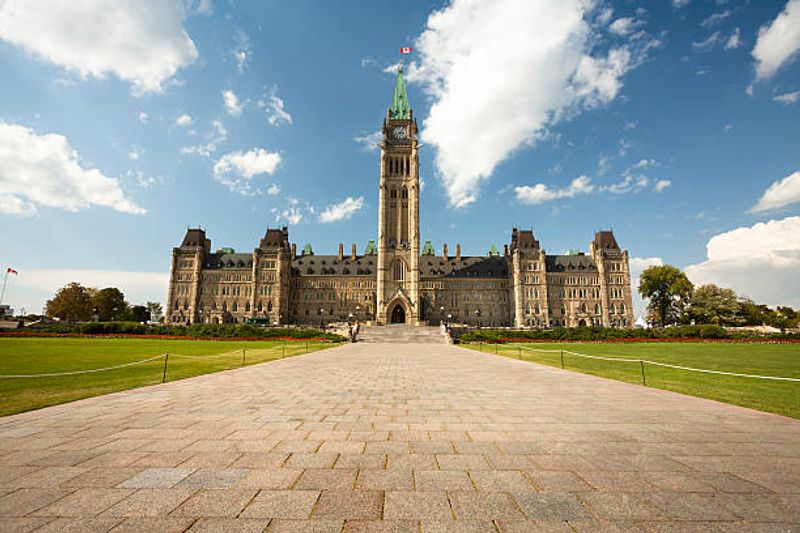
Picture a lake so frozen that trucks drive across it like a highway. That is everyday winter in northern Canada.
The country averages roughly -4°C across the year, based on 1991 to 2020 data, which is among the lowest of any independent nation.
Most Canadians live in the milder south, near the U.S. border. Head north, and the story changes fast.
Yukon, Nunavut and the Northwest Territories can stay far below freezing for months at a time.
Yellowknife is a great example. Frozen lakes and snowy forests surround the city for much of the season.
Around December, daylight shrinks to just a few hours, so people plan their days around the brief glow of the sun.
Size makes Canada tricky to sum up. Vancouver might be soggy with rain while a community in the Arctic faces brutal cold at the exact same moment.
Same country, wildly different weather.
Locals handle it with layers, warm boots and a very serious respect for wind chill. Pack a good hat if you visit, because ears are not built for this.
Iceland
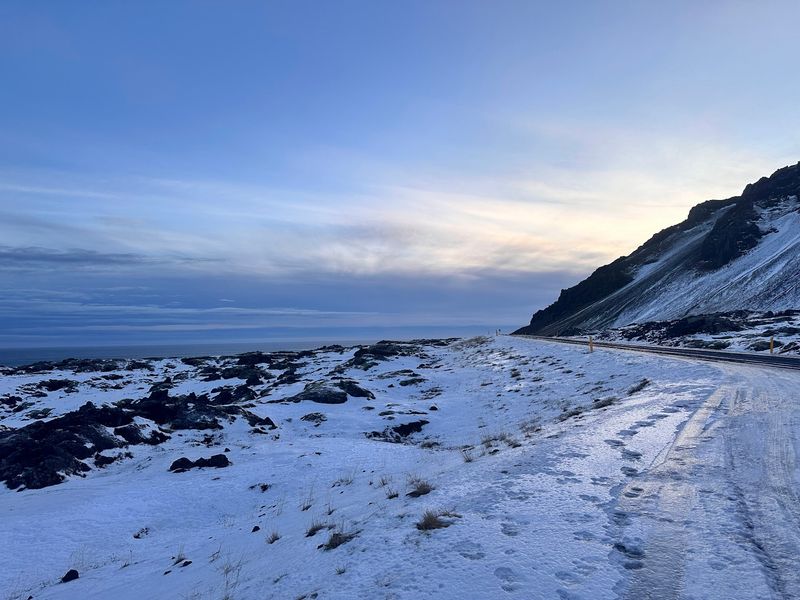
Despite the icy name, Iceland plays a trickier game. Its national average is around 1.9°C, and the North Atlantic keeps coastal spots like Reykjavík warmer than you might guess for such a northern latitude.
What makes winter memorable here is the mix. Short days, gusty wind, sudden storms, snow and ice all take turns.
A calm morning can become a whiteout by lunch.
Wind makes the air feel much colder than the thermometer claims. Waterfalls freeze along their edges, and mountain roads can turn slippery or close entirely.
The interior highlands are even harsher and mostly out of reach in the cold months.
Still, the season has big rewards. Long nights give northern lights fans plenty of time to watch the sky.
Snowy lava fields and steaming hot springs make a cozy contrast.
Tip for travelers: check road and weather alerts every morning. Icelanders do, and they know what they are talking about.
Norway
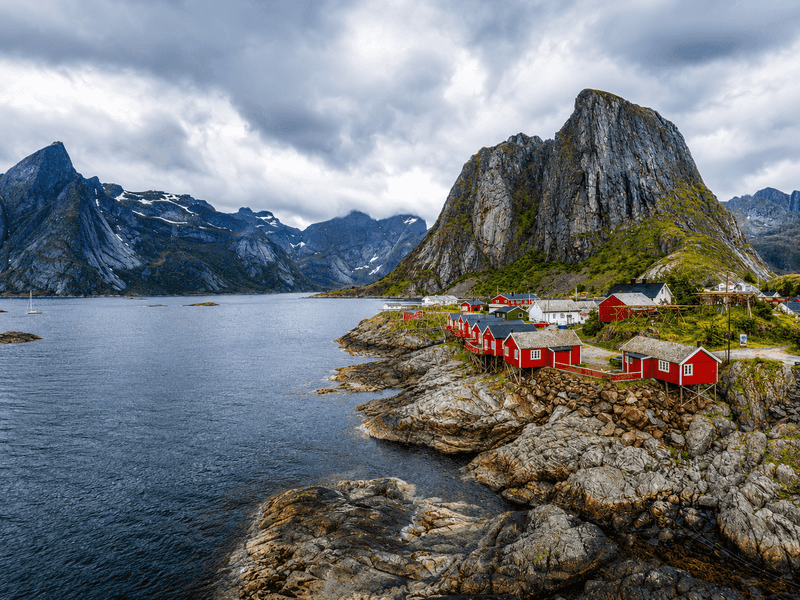
Norwegians have a saying that there is no bad weather, only bad clothing. It fits a country that averages about 2.2°C a year and treats snow as an invitation.
The coastline stays fairly mild thanks to the North Atlantic Current. Head north or inland, though, and winter gets serious.
Finnmark sees deep cold, heavy snow and weeks when the sun never climbs above the horizon.
Distance can change everything. An inland valley may be far colder than a coastal town only a short drive away.
Mountains and frozen plateaus sit close to fjords that stay free of ice.
Life goes on outdoors. Skiing, snowshoeing and long winter walks are normal, not special events.
Kids often learn to ski almost as early as they learn to walk.
If you visit, try a day on a cross-country trail. It is quiet, beautiful and a great workout.
Just keep a thermos of something hot handy.
Finland
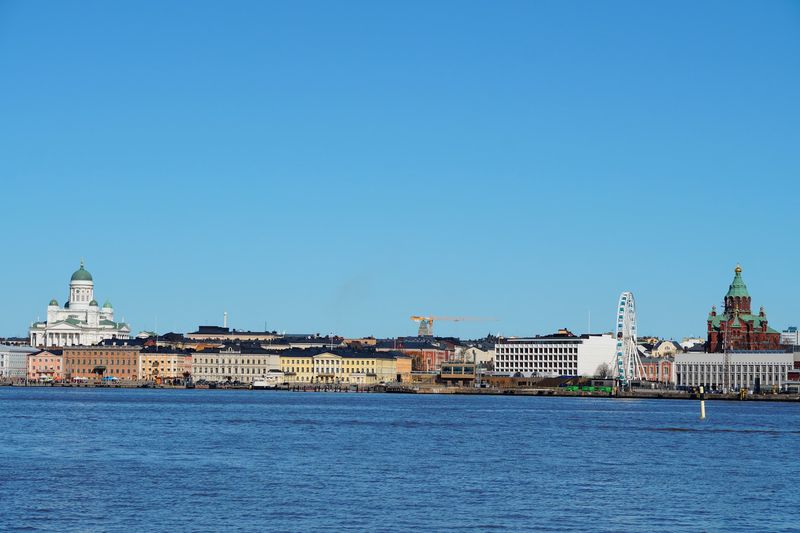
Trees wearing thick snow coats look like ghostly statues in Finnish Lapland. Locals call this heavy snow tykky, and it bends branches into shapes that seem carved by artists.
Finland averages about 2.5°C a year, but the south and the far north feel like different worlds. Lapland can stay snow-covered for many months, with midwinter temperatures sinking well below freezing.
Above the Arctic Circle comes the Polar Night. The sun does not rise for days, yet the sky is not simply dark.
Soft blue and pink twilight glows for a few hours, which is oddly lovely.
The country is built for this. Roads get plowed fast, schools keep their doors open and public services roll on through weather that would stop many warmer places in their tracks.
Finns also know how to warm up. A hot sauna after a freezing walk is practically a national habit, and a roll in the snow is optional but popular.
Kyrgyzstan
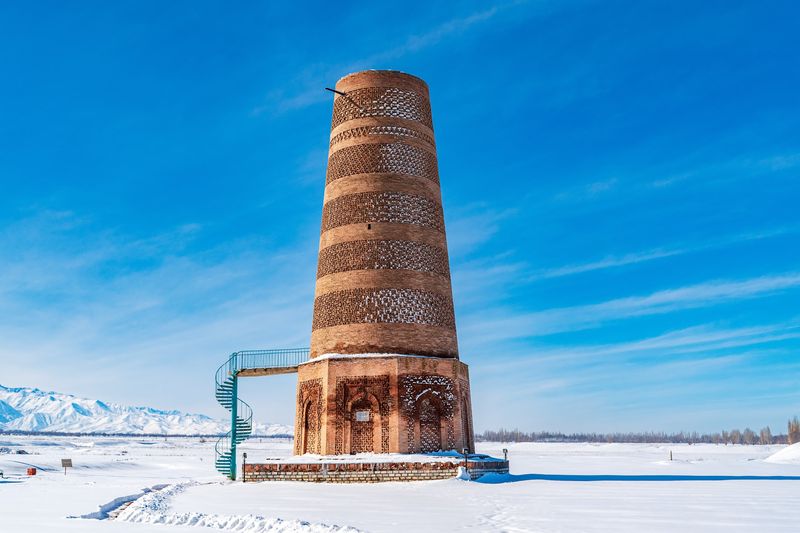
Here is a surprise for the map readers: Kyrgyzstan sits much farther south than Scandinavia, yet it still averages only about 2.7°C. The secret is height.
Much of the country is covered by the Tian Shan mountains. At high elevation, winters grow long and bitter no matter the latitude.
High valleys and plateaus can stay buried in snow for months.
Mountain passes may become tough or impossible to cross, which leaves some villages feeling very far from everything. Remote areas mix cold, thin air and isolation, and the result feels harsher than the map suggests.
Then comes a twist. Lake Issyk-Kul stays mostly unfrozen all winter, even with snowy peaks ringing its shores.
Deep water and a bit of salt help it resist the ice.
That blue lake against white mountains is one of Central Asia’s most striking winter views. It proves that elevation can beat latitude in the cold contest.
Sweden
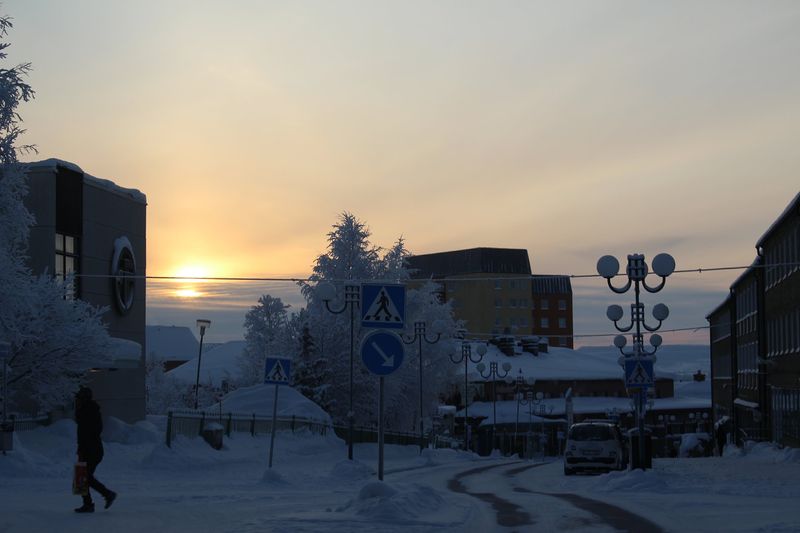
Sweden can serve up a gentle winter in Malmö and a fierce one in Lapland, all in the same season. The national average is about 3.2°C, but the cold grows stronger the farther north you go.
Kiruna sits above the Arctic Circle and spends part of December without the sun showing over the horizon. Deep snow and sharp cold rule the region, and daily life adjusts with warm gear and plenty of lights.
Winter turns the landscape into a playground. Frozen lakes become skating rinks and walking paths.
Dogsleds glide across white fields. Near Jukkasjärvi, a hotel made partly of ice rises again every year, then melts away in spring.
Sweden’s strong infrastructure keeps things running smoothly, so the cold feels manageable most days. Heated buses and cleared roads help a lot.
Still, stepping outside during a northern cold snap is unforgettable. Your nose hairs may freeze on the first breath, and that is a very Arctic hello.
Tajikistan
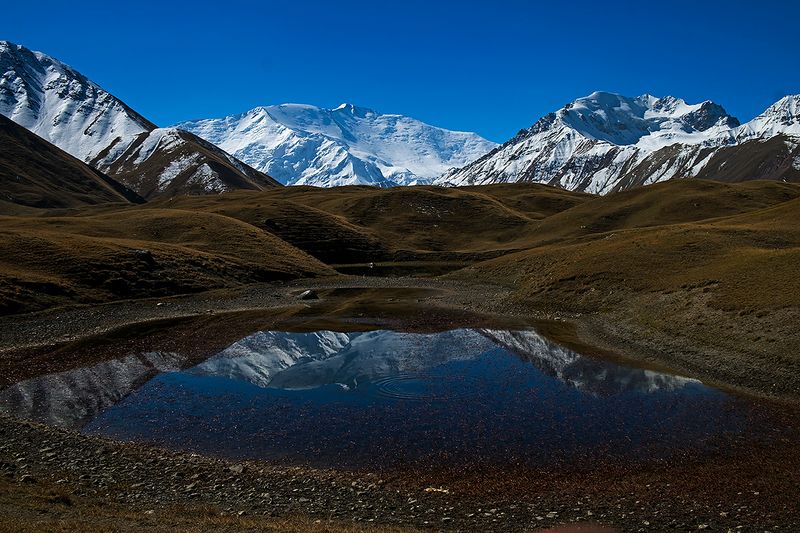
Want Arctic cold without leaving the middle latitudes? Go up.
Tajikistan averages roughly 3.9°C, and the Pamir Mountains deserve most of the credit.
Lower valleys can feel fairly mild in winter. The eastern highlands are another planet.
Communities in the Pamirs sit above 3,000 meters, where temperatures can fall below -20°C and snow may cut off settlements or mountain routes.
The Pamir Highway crosses some of the highest inhabited terrain in Central Asia. In winter, barren peaks and frozen lakes surround the road, and the silence feels enormous.
Travel can be slow, and sometimes it simply stops.
Thin air adds to the challenge. Every step takes more effort, and the cold seems to sink right into your bones.
Tajikistan is a handy reminder that latitude does not tell the whole story. Height can build a frozen world surprisingly far south, and the Pamirs prove it every single year.
Estonia
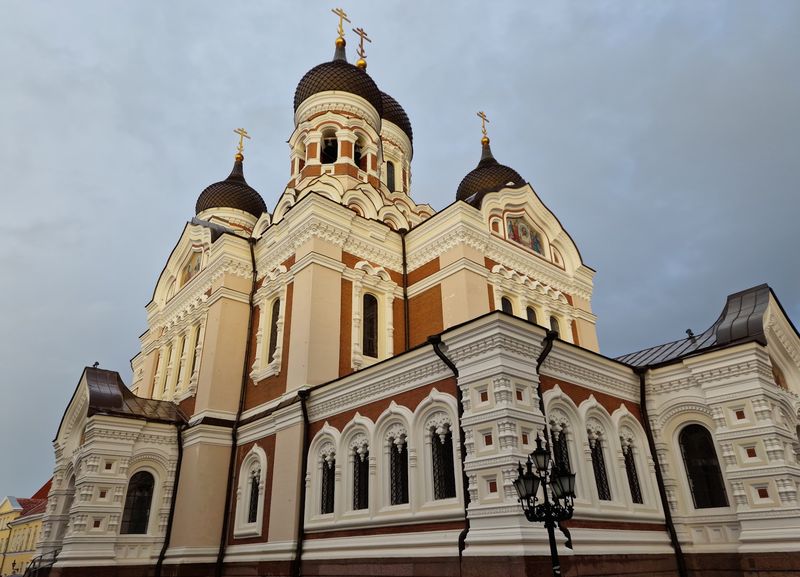
Estonia squeaks into the top ten coldest countries in one popular 1991 to 2020 dataset, with an average of about 6.3°C. That sounds gentle next to Russia or Canada, yet Baltic winters bite.
Cold air from the continent can push temperatures well under freezing. January and February bring short days and frosty scenery, and the sun often feels like a rare guest.
In colder winters, parts of the Baltic Sea and the waters between Estonia’s islands can freeze. People have been known to walk or even drive on the ice, though only when local officials say it is safe.
Tallinn looks like a snow globe in the cold months. Medieval streets and old towers wear a fresh white coat, and warm cafes glow in every corner.
Away from the capital, forests, bogs and islands show the deeper side of the season. Quiet, white and wide open, it is northern Europe in its frostiest form.
Share this story