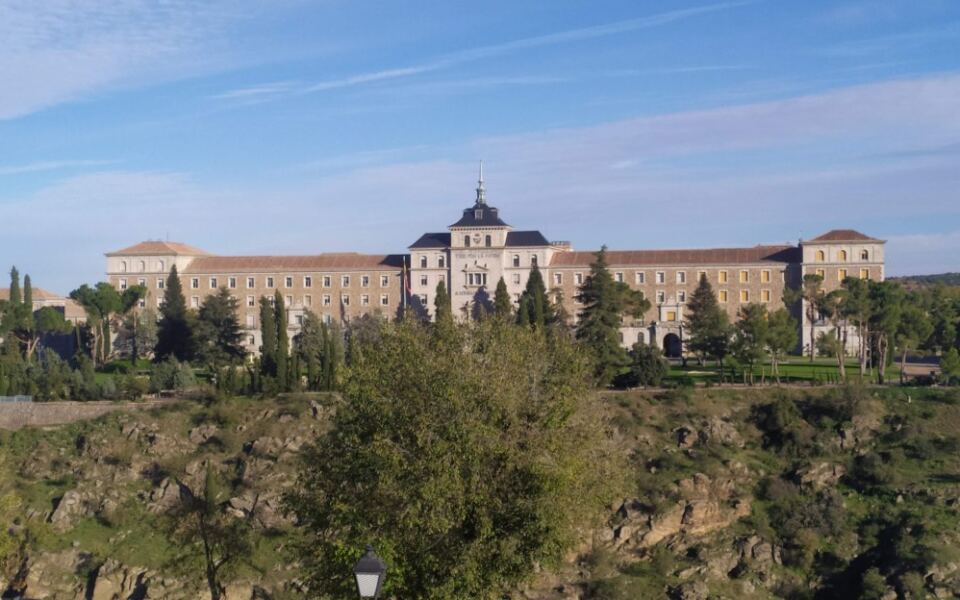
Look up from almost anywhere in Toledo and you will spot a giant stone fortress sitting on top of the hill. The Alcázar de Toledo has been a Roman palace, a royal home, and a military school.
Today it holds a huge army museum, a library, and some of the best views in Spain. Here are ten things that make this old giant worth the climb.
The Skyline Showstopper
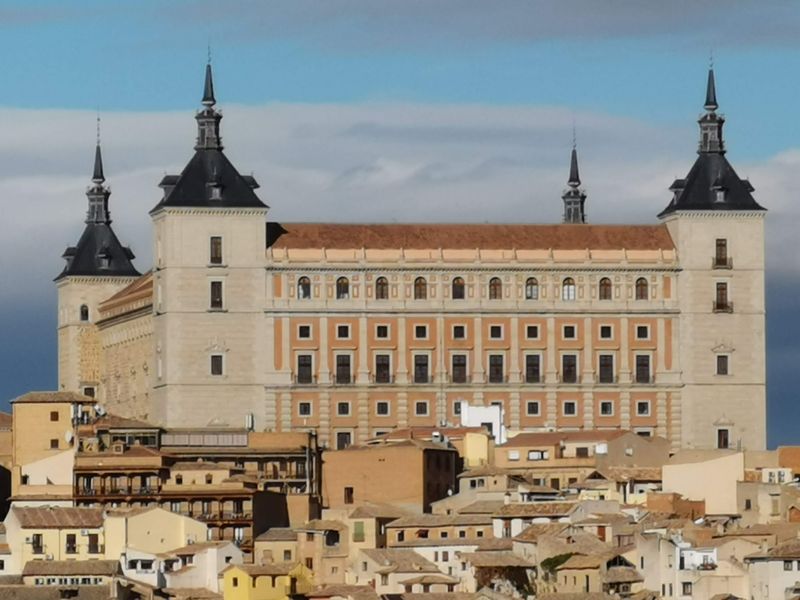
Toledo has plenty of rooftops, but only one of them looks like a stone crown. The Alcázar sits at the highest point of town, and its square shape and corner towers are easy to spot from far away.
Reviewers call it iconic, and they are not exaggerating.
The fortress stands proud over the old streets, so you can use it as a landmark when you get lost. That will probably happen, since the lanes below twist like tangled string.
Just look up, find the towers, and walk toward them.
The building has Renaissance style with a strong military feel. Its thick walls and tall corners were made to impress and to protect.
Even if you never step inside, the outside alone is a good reason to stop and stare.
Photographers love it from many angles. Try the bridges and viewpoints outside the city walls for a wide shot.
Then walk up close and see how small a person looks beside those giant walls. The scale is hard to believe until you stand next to it.
A Hill Full of Ancient Layers
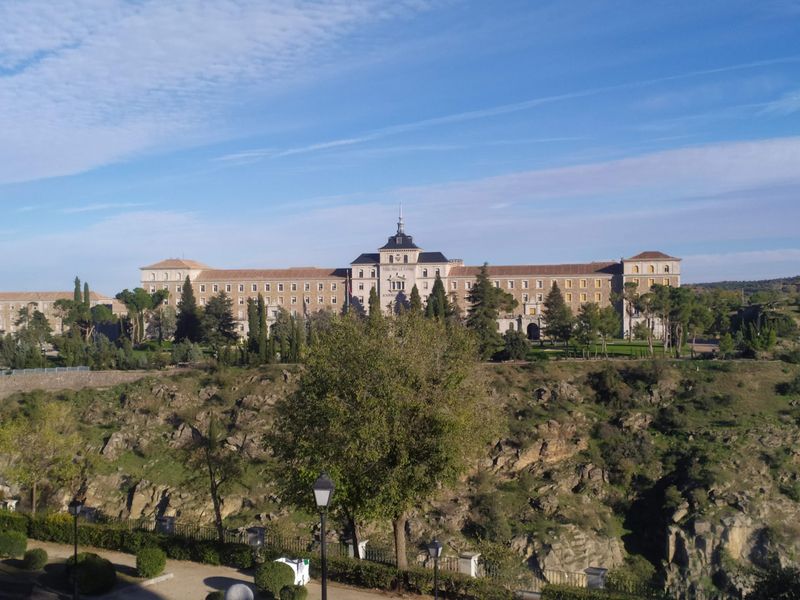
Here is a quirky fact: the fortress you see today is just the latest version. One happy reviewer pointed out that it was built on an old Roman site.
Later came Visigoths, Muslim rulers, and Spanish kings, who each left their mark.
That is what makes the hilltop so special. Every group that took over Toledo wanted this spot for the same reason.
It is the highest point, so you can see enemies coming from miles away.
Some visitors even say the site had an old water source. For a fortress, that was a big deal, because nobody can defend a castle if everyone inside is thirsty.
Toledo itself is one of the oldest cities in Spain, so the Alcázar fits right in. Walking around the area, you can feel how many people have crossed these same stones.
Bring your curiosity, and maybe read a short history page before you go. The place makes a lot more sense once you know who lived here.
The Army Museum
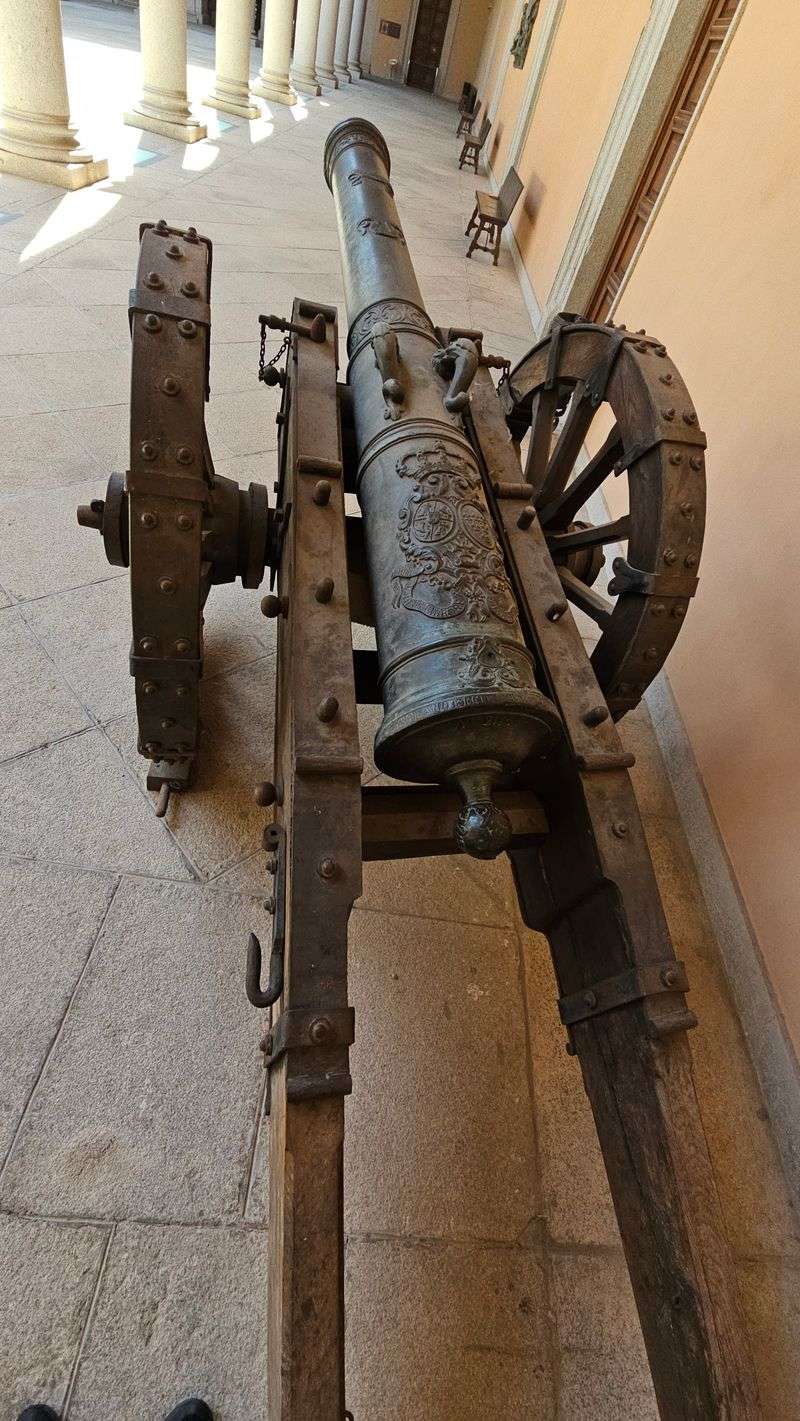
Swords, cannons, medals, and more fill the halls of the Army Museum, which got its modern form in 2010. It brings together big collections that used to be kept in Madrid.
In the Popular Topics list, it is the most mentioned thing about the Alcázar by far.
The story runs from ancient times all the way to the present day. Visitors say it is one of the most complete military collections around.
Rare weapons and old uniforms line the rooms, and the labels include English.
Not everyone loves it, and that is fine. One traveler admitted that guns and cannons are not their cup of tea.
Another suggested picking what interests you and skipping the rest.
That is smart advice. If you are not a history buff, you can get information overload fast.
Choose a few rooms, enjoy them, and keep your energy for the views upstairs.
Toledo Steel and Edged Weapons
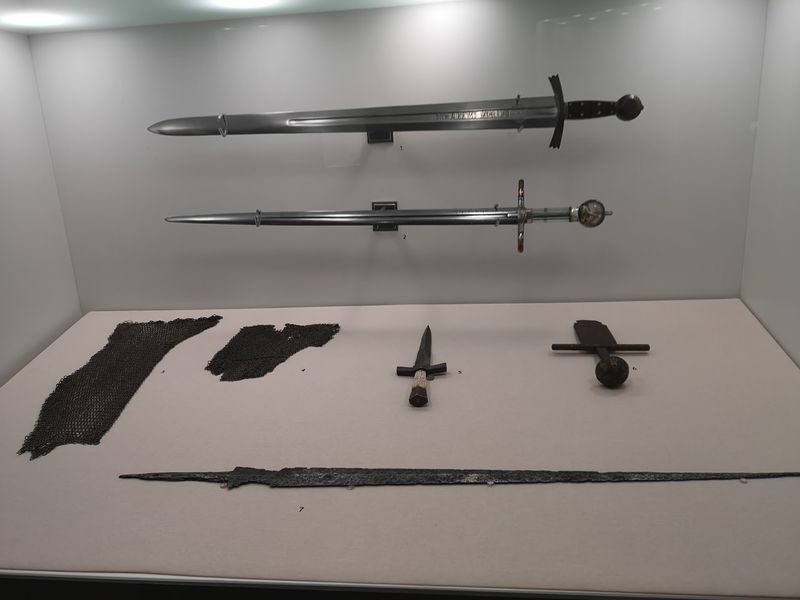
Toledo and swords go together like bread and butter. The city has been famous for fine steel blades for centuries.
One reviewer was especially impressed by the collection of edged weapons that honors that proud craft.
Look closely at the blades and handles. Some are plain and made for work, while others are decorated with careful, fancy details.
You can almost imagine a blacksmith bent over the glowing metal.
After your visit, the shops in town make more sense. You will see swords and knives in many windows, and now you will know the story behind them.
Just remember that souvenir blades are very different from the museum pieces.
This section is a fun way to link the fortress to the wider city. It shows that Toledo was not only a place of kings and soldiers.
It was also a place where skilled hands made things that were famous across the world.
Suits of Armor and a Good Laugh
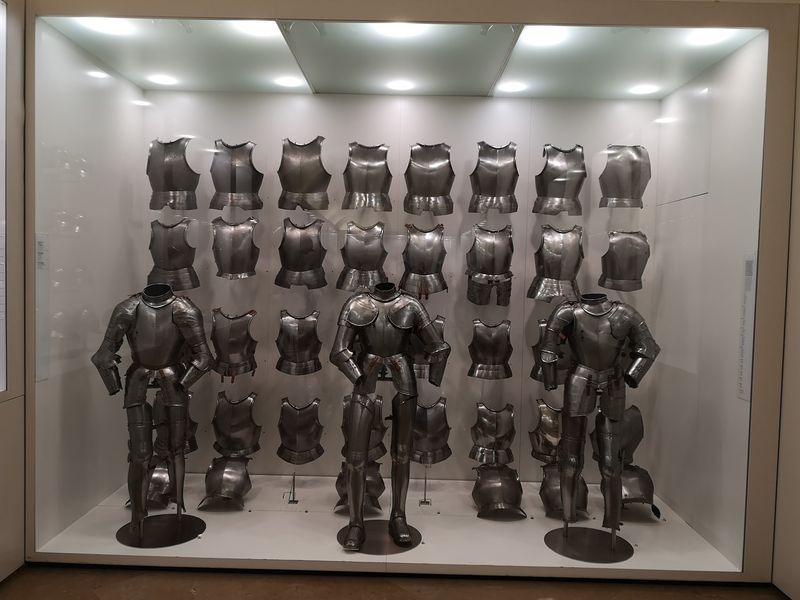
Armor rooms have a way of making people smile. One visitor from the US said their group had a good laugh in the armor room and took lots of photos.
It was a nice reminder not to take everything too seriously.
Suits of armor were mentioned dozens of times in reviews, so they are clearly a crowd favorite. Standing next to a metal outfit made for a knight, you start to wonder how anyone moved in it.
Imagine trying to scratch your nose.
The same traveler enjoyed seeing a different point of view on the exploration of America. It is always interesting to read history from another country.
You learn how the same events look from the other side of the ocean.
Bring your camera and a sense of humor. Pose beside the shiny helmets and ask a friend to take a picture.
The best museum visits are the ones that leave you with a story to tell later.
A Palace With a Dramatic Past
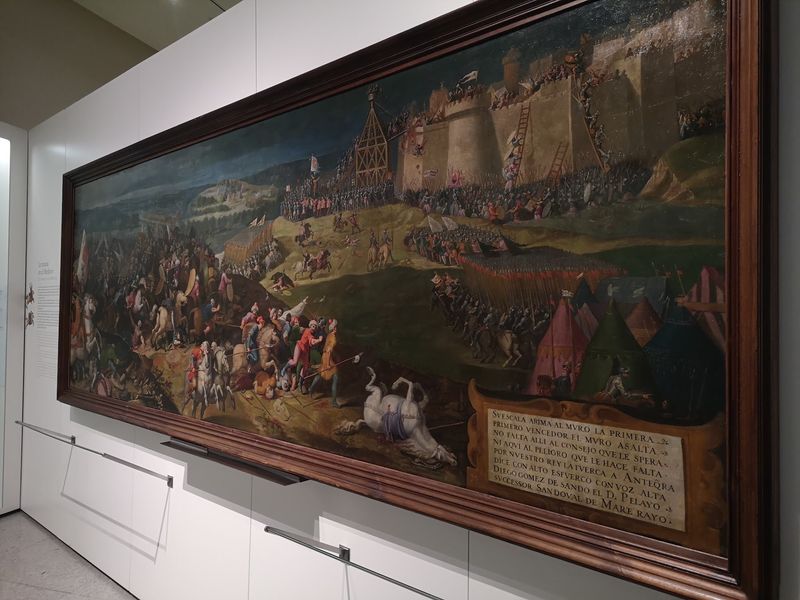
The walls here have seen a lot of drama. The Alcázar was a royal residence, a military academy, and later the scene of a famous siege during the Spanish Civil War in 1936.
Parts of it were badly damaged and rebuilt afterward.
One visitor noted that the building withstood a siege and bombardment less than 100 years ago. That is a lot for one set of stones to handle.
It makes the place feel alive rather than frozen in time.
Some guests wish the museum said more about the civil war. Others like how the building itself tells much of the story.
Walking the courtyard gives a real sense of how big and strong the fortress is.
Take your time in the open spaces and look at the walls. You may spot patches that look newer than others.
Each repair is a tiny clue about what this hill has lived through.
Views That Steal the Show
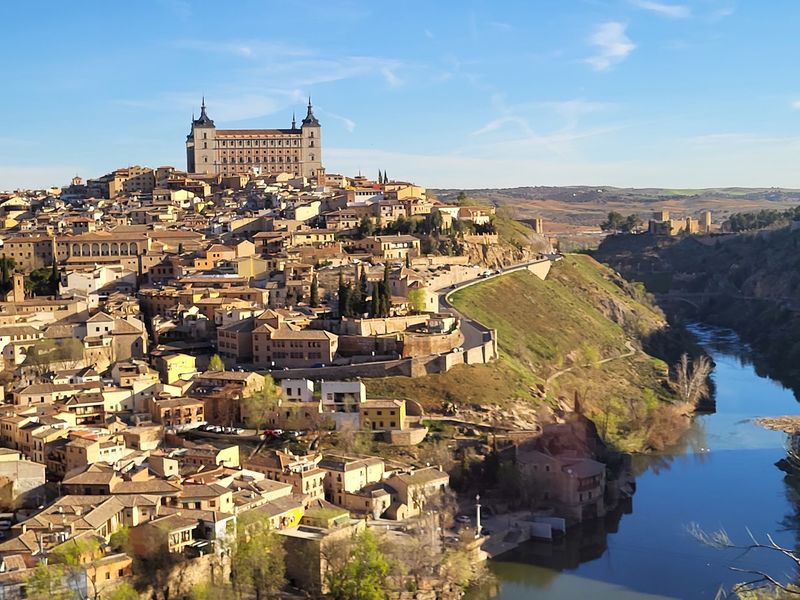
“The view is beautiful once you get to the top of the hill,” says one happy traveler, and many others agree. From the Alcázar, the old town spreads out in a patchwork of tiled roofs and church towers.
Beyond it, the countryside rolls away into the distance.
Even a visitor who was not wowed by the inside still praised the outlook. That says a lot.
Views like this are free, and they do not need any history homework.
Go on a clear day if you can. The light is softer in the morning and again near sunset, and the stone glows warm.
Photographers say the fortress is one of the best spots in the city for travel pictures.
Do not rush. Find a ledge or a window, sit for a few minutes, and let the city come to you.
It is a nice pause after all those steep streets.
The Library and Cafeteria Trick
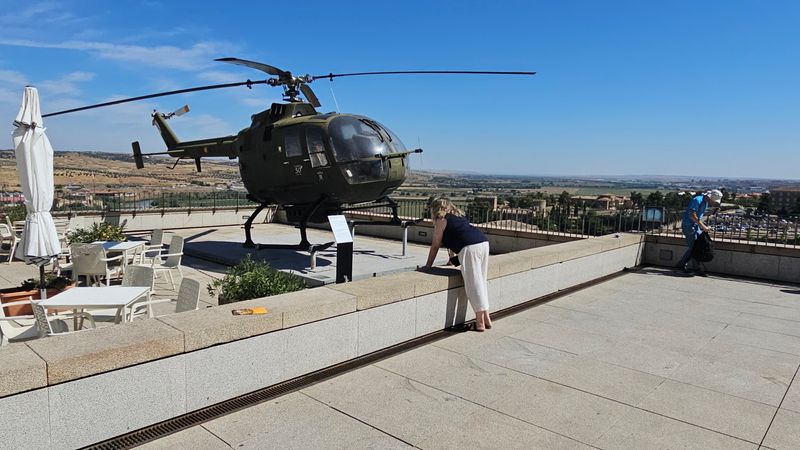
Here is a sneaky tip from the reviews: you can visit the library and the cafeteria without a ticket. One traveler took the lift up to the cafeteria and found great views.
A beer and a glass of wine together cost just 3.50 euros.
That makes it a bargain stop for tired legs. Order something cold, find a seat, and look out over the rooftops.
It is a very relaxed way to enjoy the fortress.
The library is also a popular topic, with hundreds of mentions. It is a working library, so keep your voice low and be respectful.
The building mixes old stone with modern spaces, which is a nice surprise.
Another reviewer said there is even a full restaurant on site. If you plan to explore for two hours or more, a snack break is a smart idea.
You can refuel and then decide whether to enter the museum.
Tickets, Hours, and Free Days
Planning ahead will save you a headache. The Alcázar is open from 10 am to 5 pm most days, but it is closed on Mondays.
One visitor found it shut on January 1, so check holidays before you walk up the hill.
Entry has been very affordable. A past visitor mentioned a normal price of about 5 euros, and many reviews mention free entry.
Sunday admission was also noted as free by several guests, though rules can change.
Finding the door can be tricky. A few people said map apps were not much help, and the ticket desk seemed confused at times.
Follow the signs near the main building and ask a staff member if needed.
It is smart to look at the official website before your trip. Some parts have closed for renovation in the past.
Knowing what is open means no surprises when you arrive.
Survival Tips for the Climb
Wear good shoes, because Toledo is steep. Reviewers describe narrow, hilly streets that are tough on feet and a nightmare to drive in.
Parking is available in public lots, so leave the car and walk.
In summer, the heat can be fierce. One traveler suggests carrying a backpack with a couple of water bottles and sunscreen.
Another warned that the museum layout is like a maze and takes lots of walking.
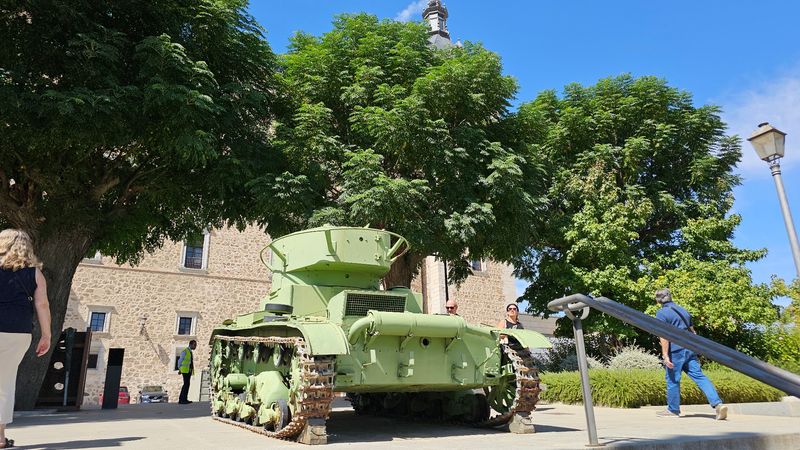
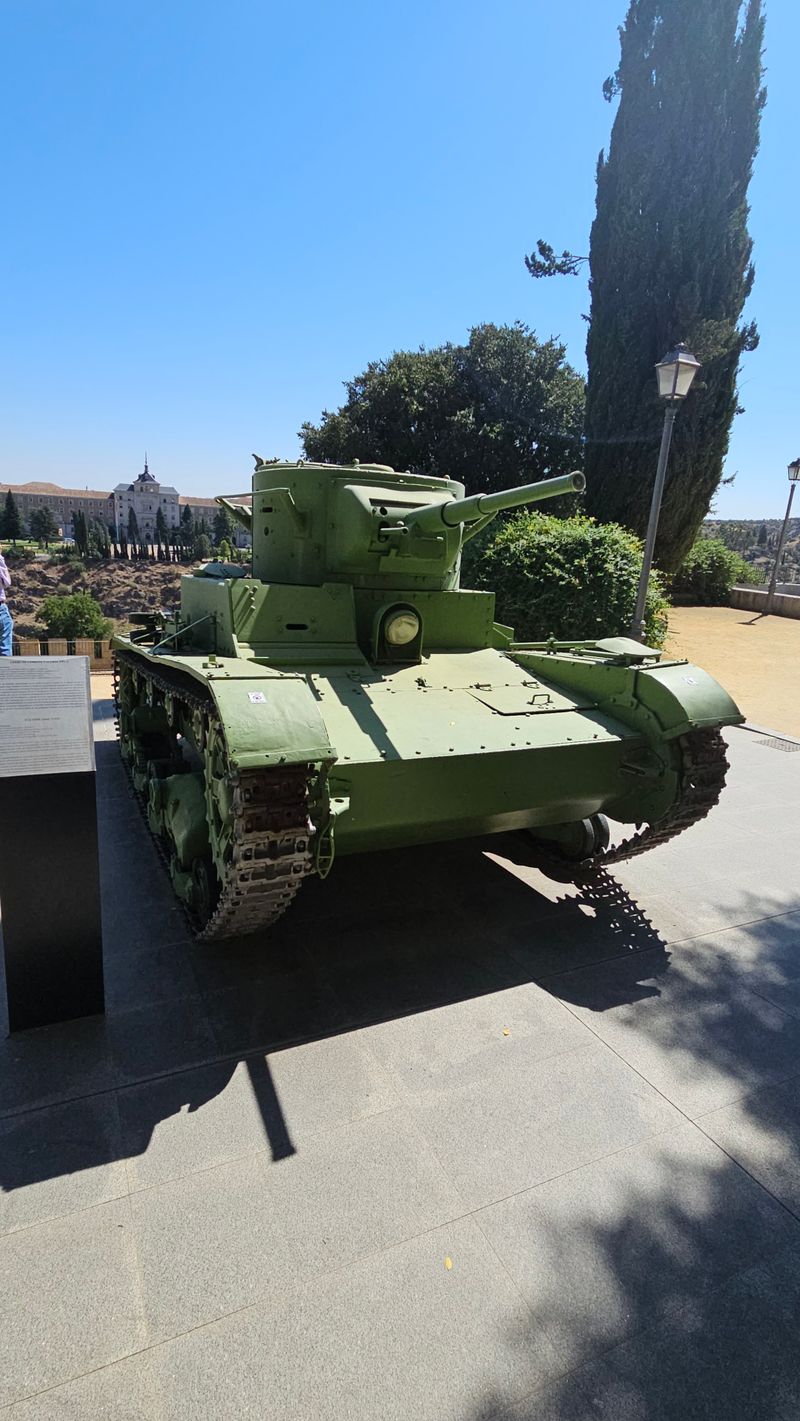
Give yourself at least two hours, or even a full day if you love military history. There are gardens, overlooks, and exhibits outside, including a helicopter and a tank.
A taxi stop sits right by the fortress if you need a quick ride to the train.
Staff are often described as helpful and knowledgeable. Ask them for the best route.
A little planning turns a tiring day into a great one.
Share this story