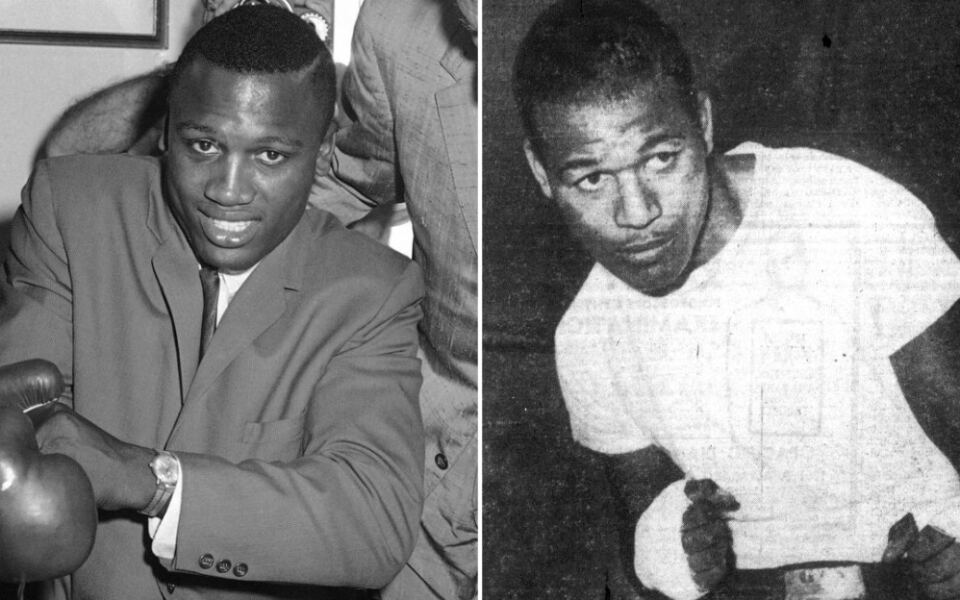
Boxing was one of the biggest sports in America during the 1960s. Title fights made front-page news, and families gathered around black-and-white televisions or listened on the radio to hear who won.
Closed-circuit broadcasts even let fans watch major bouts live on movie theater screens. It was the decade when a brash Olympic champion changed his name and changed the sport along with it.
Yet the story was never only about heavyweights. Fighters from Brazil, Japan, Italy, Nigeria, Mexico, and Puerto Rico won world titles and became heroes in their home countries.
Some champions were famous for raw punching power, while others won with speed, footwork, and clever defense. A few became cultural figures whose names reached far beyond the sports page.
In the sections below, you will meet fighters who ruled their divisions, staged famous comebacks, and built rivalries people still talk about. You will also learn a few surprising facts that rarely come up in casual sports chats.
Keep score as you read and see how many of these names you already know.
1. Muhammad Ali
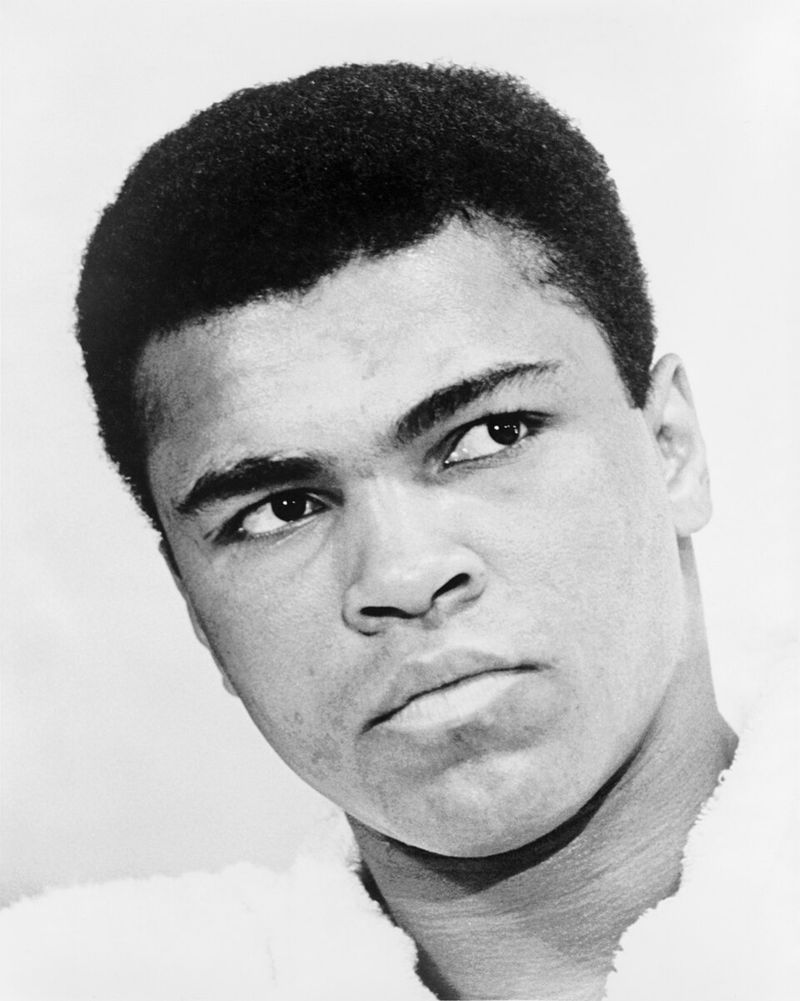
Few athletes have ever predicted their own wins in rhyme and then backed it up. Cassius Clay did exactly that after winning light heavyweight gold at the 1960 Rome Olympics at just 18 years old.
He turned professional on October 29, 1960, and won a six-round decision in his debut. His fast feet and hands-low style broke many old boxing rules.
In February 1964, he stunned fans by beating Sonny Liston for the heavyweight title. A month later, he announced he had joined the Nation of Islam and took the name Muhammad Ali.
Ali defended his crown several times before refusing military induction in 1967 because of his religious beliefs. He lost his boxing license and did not fight from March 1967 until October 1970.
He never spent time behind bars while his case was appealed. His return against Jerry Quarry in Atlanta opened a whole new chapter.
2. Sonny Liston
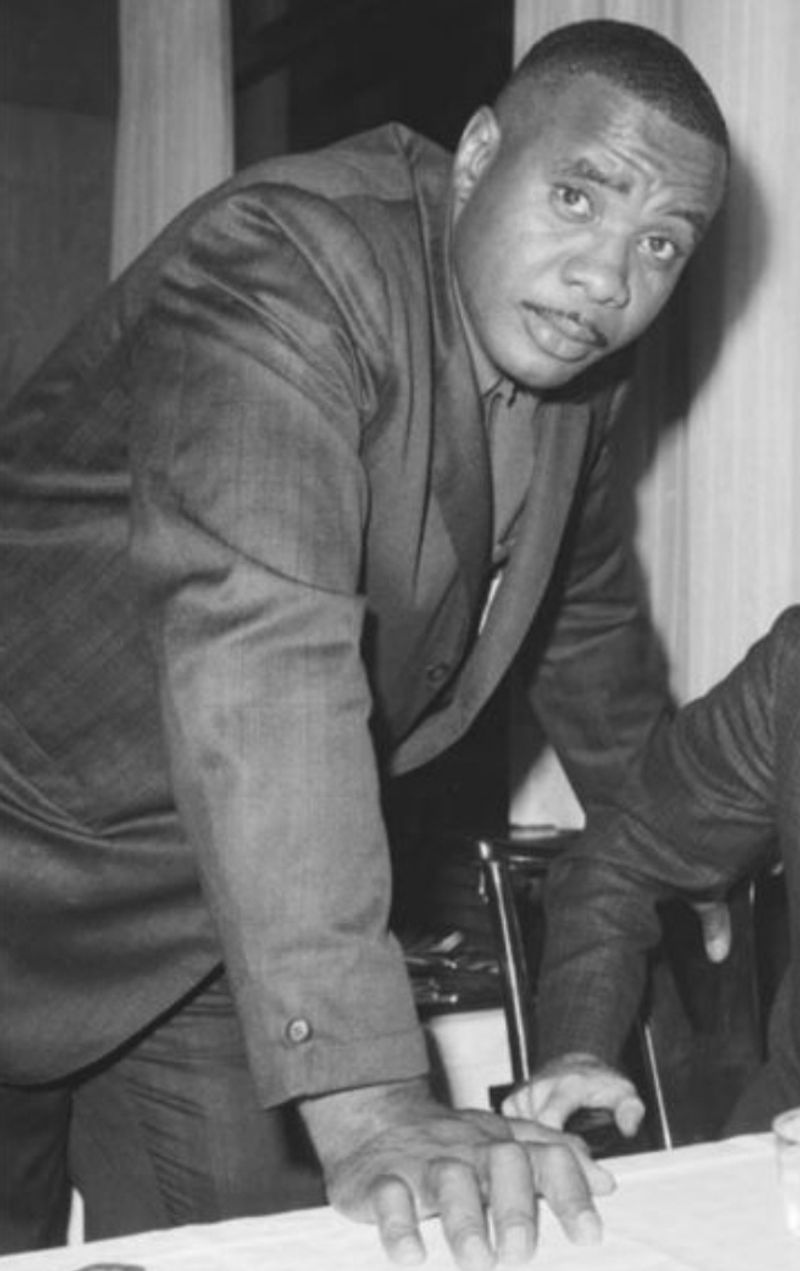
Opponents often looked worried before the opening bell even rang. Sonny Liston had a long reach, a heavy jab, and a cold stare that became part of his legend.
In September 1962, he knocked out Floyd Patterson in the first round to become heavyweight champion. The 1963 rematch ended the same way, also in round one.
Many experts thought he would easily handle the young Cassius Clay in February 1964. Instead, Liston stayed on his stool after the sixth round, pointing to a shoulder injury.
Their 1965 rematch in Lewiston, Maine, ended in the first round. Fans still argue about the so-called phantom punch that dropped him.
Those two losses tend to shape how people remember him today. Still, for a stretch of the early 1960s, nobody in the heavyweight division seemed more fearsome.
Record books show just how dominant he was before Ali arrived.
3. Joe Frazier
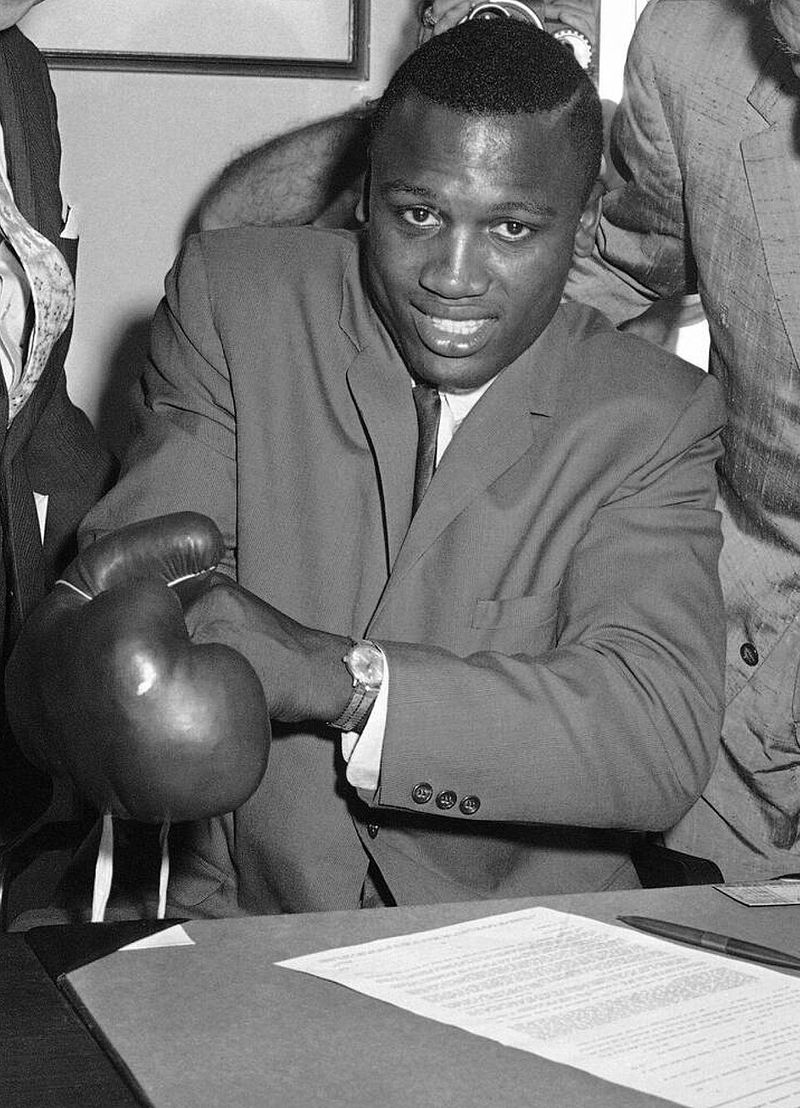
Backing up was simply not part of the plan. Joe Frazier built his whole style around moving forward and throwing a left hook that opponents learned to fear.
He won heavyweight gold at the 1964 Tokyo Olympics, even though he had entered the games as an alternate. A year later, he turned professional in Philadelphia.
Frazier wore opponents down with nonstop pressure, bobbing and weaving under their punches. Fans loved that every round felt busy.
In March 1968, he beat Buster Mathis at the new Madison Square Garden to claim the New York version of the heavyweight title. Wins over other top contenders soon followed.
He finished 1969 still undefeated. With Ali sidelined, many fans saw Frazier as the real champion in waiting.
His famous trilogy with Ali belongs to the 1970s. The groundwork, though, was laid entirely during this decade.
4. Floyd Patterson
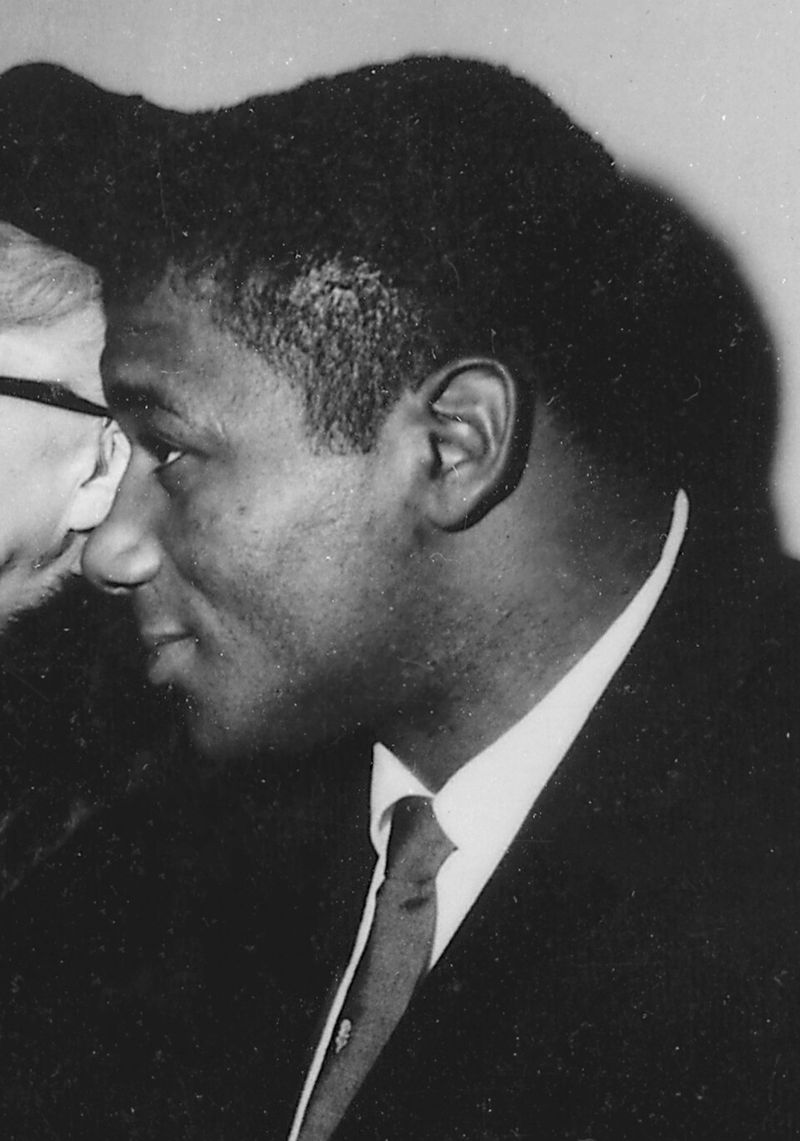
History had never seen a heavyweight win the title back until June 1960. Floyd Patterson changed that by knocking out Ingemar Johansson in their rematch.
He had first won the crown in 1956, becoming the youngest heavyweight champion up to that point. Losing it to Johansson in 1959 only set up his comeback.
Trained by Cus D’Amato, Patterson used a high, tight guard often called the peek-a-boo style. He relied on hand speed and quick bursts of punches.
His run ended in September 1962 with a first-round loss to Sonny Liston. The 1963 rematch went the same way.
Patterson kept fighting as a top contender for the rest of the decade, including a 1965 bout with Ali. Quiet and polite in public, he stood out in a sport full of big talkers.
His career proved that champions can bounce back.
5. Sugar Ray Robinson
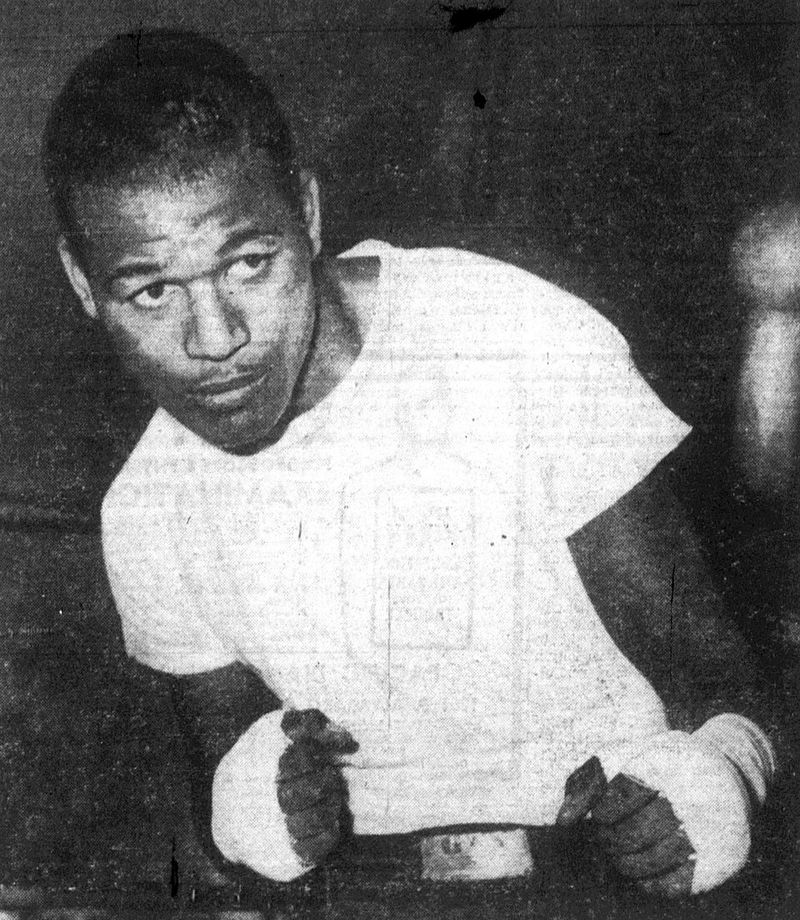
When boxing writers rank the best fighter pound for pound, one name usually lands at the top. That honor goes to Sugar Ray Robinson, and the phrase itself was popularized partly because of him.
He held the welterweight title and won the middleweight crown five separate times. His mix of speed, power, and footwork set a new standard.
By 1960, his greatest years were behind him. He lost the middleweight title to Paul Pender that year and could not win it back.
Robinson kept fighting anyway, touring and staying a big draw for crowds. He finally retired in 1965 after a career of about 25 years and roughly 200 professional bouts.
Outside the ring, he ran businesses in Harlem and drove a famous pink Cadillac. Muhammad Ali openly called him an idol and copied parts of his style.
6. Emile Griffith
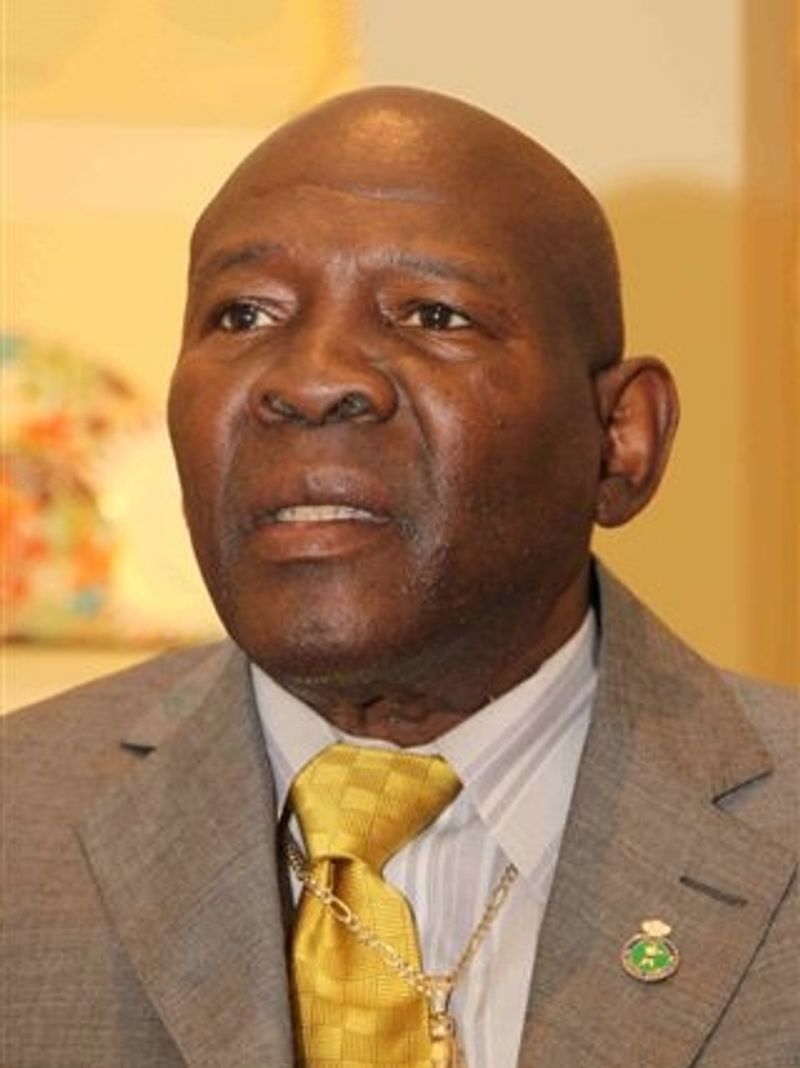
Before he ever laced up gloves, he designed ladies’ hats in a New York factory. His boss noticed his strong build and steered him toward a gym, and boxing history took a turn.
Emile Griffith was born in the U.S. Virgin Islands and moved to New York as a teen.
He won the welterweight title in 1961 by beating Benny Paret.
Their third fight, in March 1962, ended with Paret seriously hurt. The event weighed on Griffith for years and pushed officials to review safety rules.
He kept competing at the top level all the same. In 1966, he beat Dick Tiger to claim the middleweight crown.
His three bouts with Nino Benvenuti in 1967 and 1968 drew huge crowds. Winning titles in two divisions made him one of the decade’s most respected champions.
7. Dick Tiger
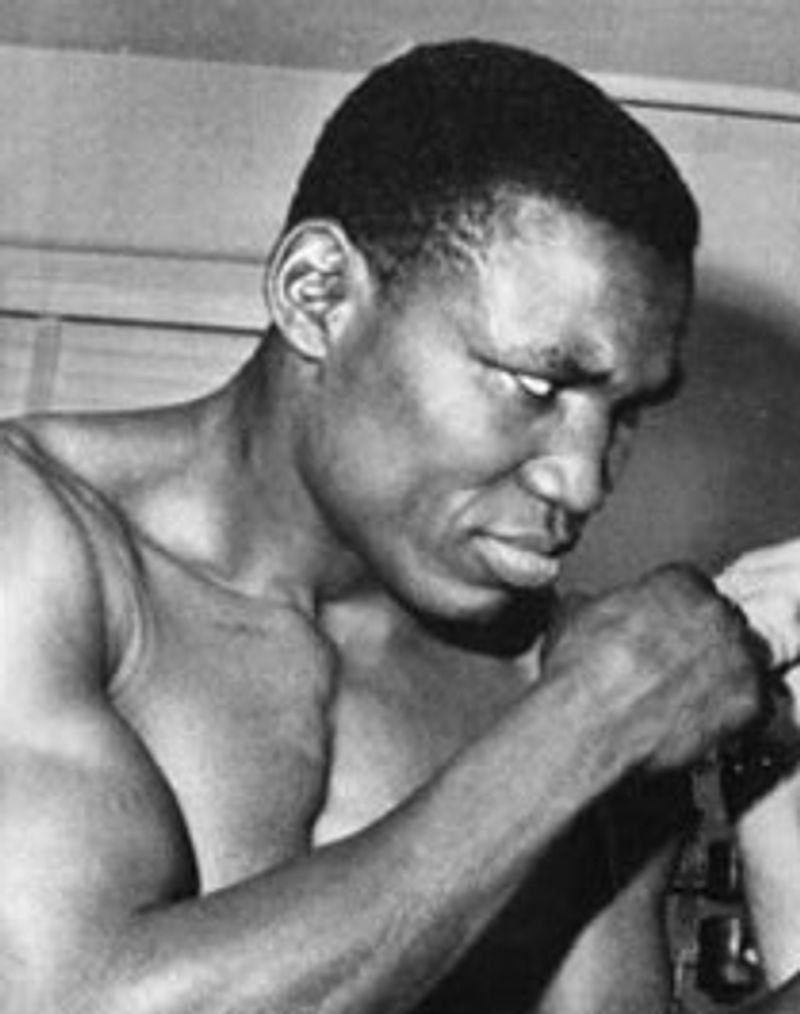
Born Richard Ihetu in Nigeria, he took a ring name that sounded fierce and then lived up to it. Dick Tiger began boxing in Lagos before moving to Liverpool and later New York.
In 1962, he beat Gene Fullmer to win the world middleweight title. Their rivalry included three fights, and Tiger never lost any of them.
He dropped the crown to Joey Giardello in 1963, then took it back in 1965. That kind of persistence was his trademark.
The next year, he moved up and beat José Torres for the light heavyweight championship. Few fighters of his time won major titles in two divisions.
He was named Fighter of the Year by The Ring magazine twice, in 1962 and 1965. Tiger also earned praise for his steady, workmanlike approach and strong chin.
8. Nino Benvenuti
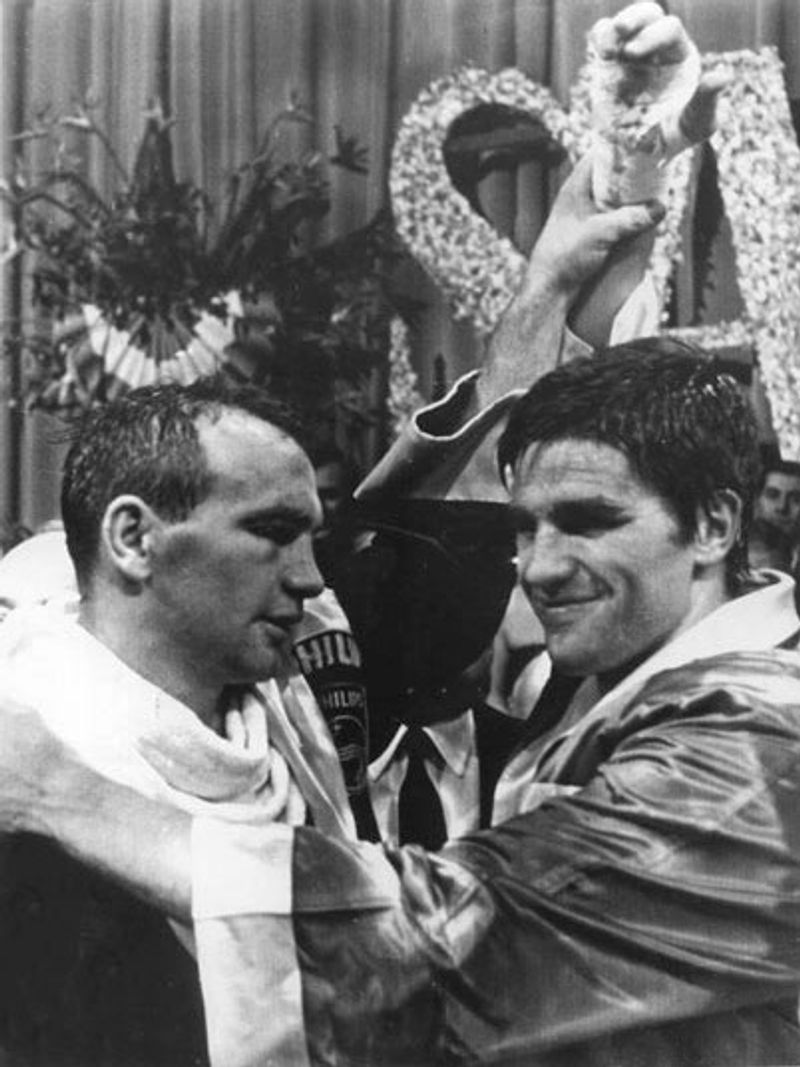
Italy hosted the 1960 Summer Olympics, and a young boxer from Trieste gave the home crowd plenty to cheer about. Nino Benvenuti won welterweight gold and was even named the top boxer of the tournament, ahead of Cassius Clay.
He turned professional soon after and won his first 65 fights. That streak made him a superstar back home.
Benvenuti fought with an upright, elegant style. He controlled distance with a sharp jab and smart timing.
He captured the junior middleweight title in 1965. Then, in April 1967, he beat Emile Griffith at Madison Square Garden for the middleweight crown.
Millions of Italians reportedly followed that fight on the radio late at night. He won two of their three bouts.
After boxing, he became a TV personality in Italy. He also stayed lifelong friends with Griffith.
9. Carlos Ortiz
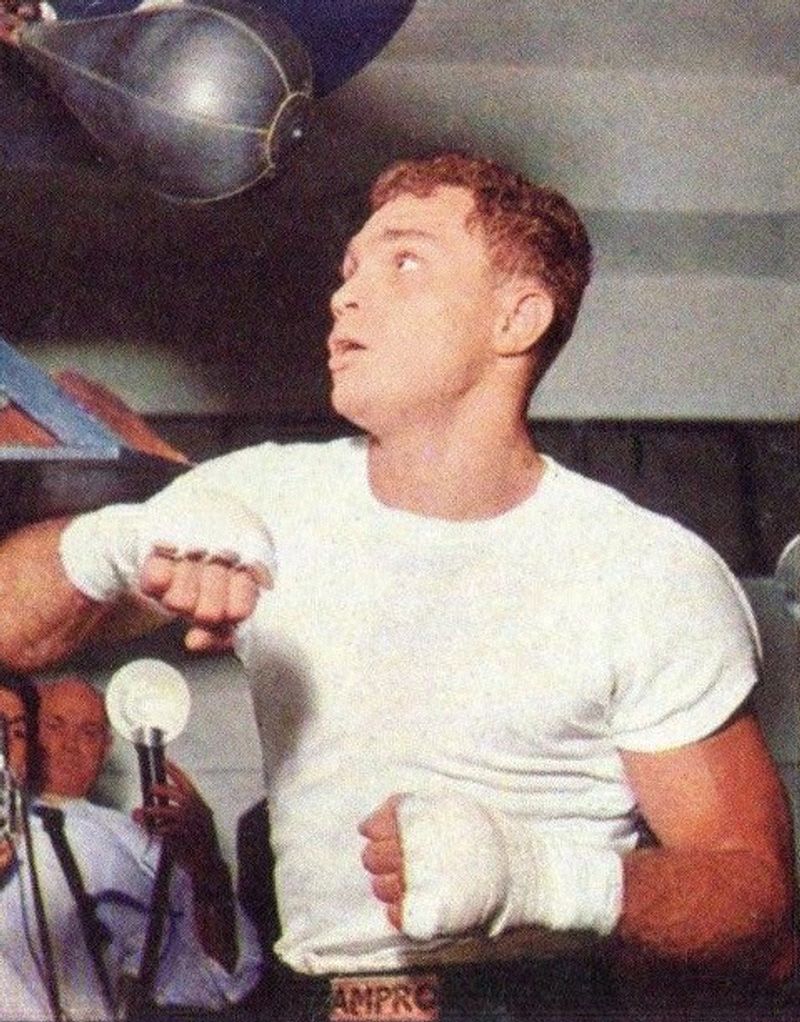
Smart fighters rarely make the loudest headlines, and that was true here. Carlos Ortiz quietly became one of the best lightweights of his generation.
Born in Ponce, Puerto Rico, he grew up in New York City. In 1959, he won the junior welterweight title.
His biggest moment came in 1962, when he beat Joe Brown to win the lightweight crown. He later defended it in places like Tokyo, Manila, and Panama.
A 1965 loss to Ismael Laguna was only a short detour. Ortiz won the rematch later that year and held the title until 1968.
He used sharp combinations, steady defense, and careful game plans tailored to each opponent. Trainers often pointed to him as a model of technique.
Heavyweights got more airtime. Serious fans, though, ranked Ortiz among the finest fighters of the decade, pound for pound.
10. Willie Pep
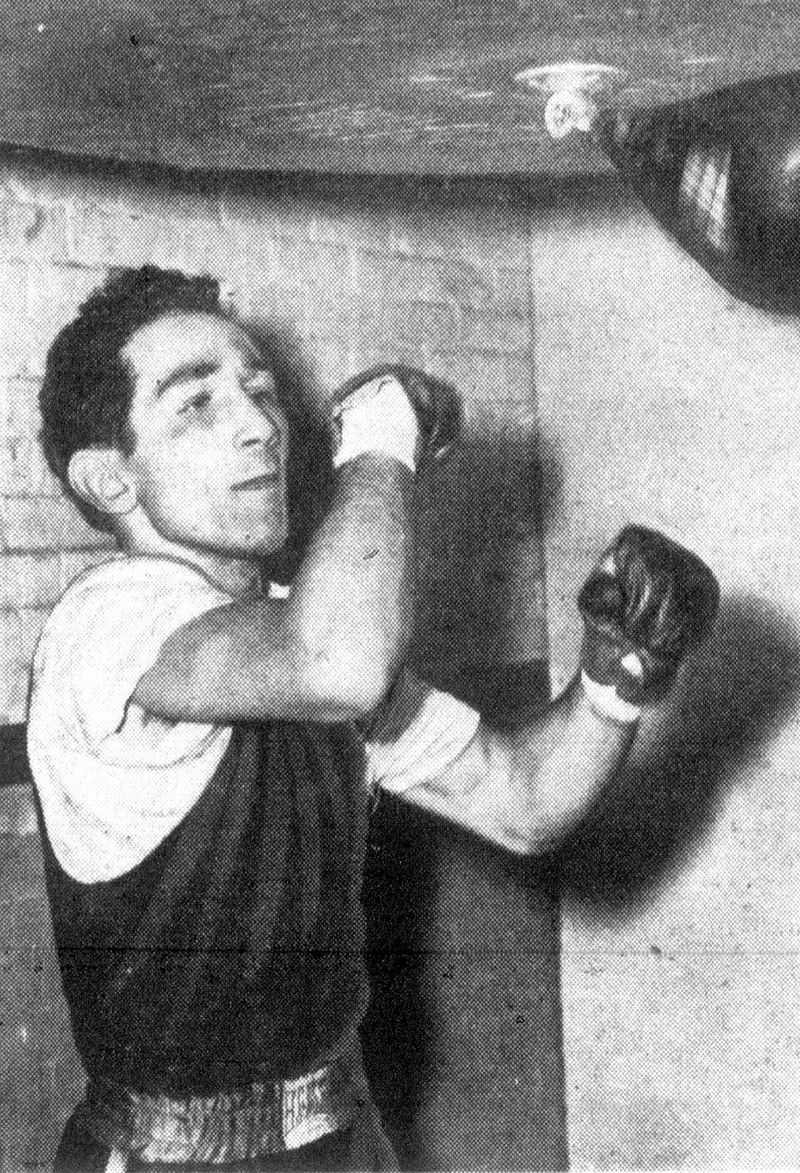
A popular boxing tale claims he once won a round without throwing a single punch. Historians doubt the story, but the fact that people believed it says a lot about Willie Pep.
He ruled the featherweight division during the 1940s. His footwork and reflexes made him extremely hard to hit.
Pep won the title in 1942 at age 20. His four-fight rivalry with Sandy Saddler became one of the most famous in the lighter divisions.
By the 1960s, his championship days were over. He returned to the ring in 1965 for a short comeback, mostly in smaller venues.
He retired for good in 1966 with more than 240 professional wins. That total remains among the highest in boxing history.
Younger fans watching then were seeing a living legend. Many trainers still use his films to teach defense.
11. Vicente Saldivar
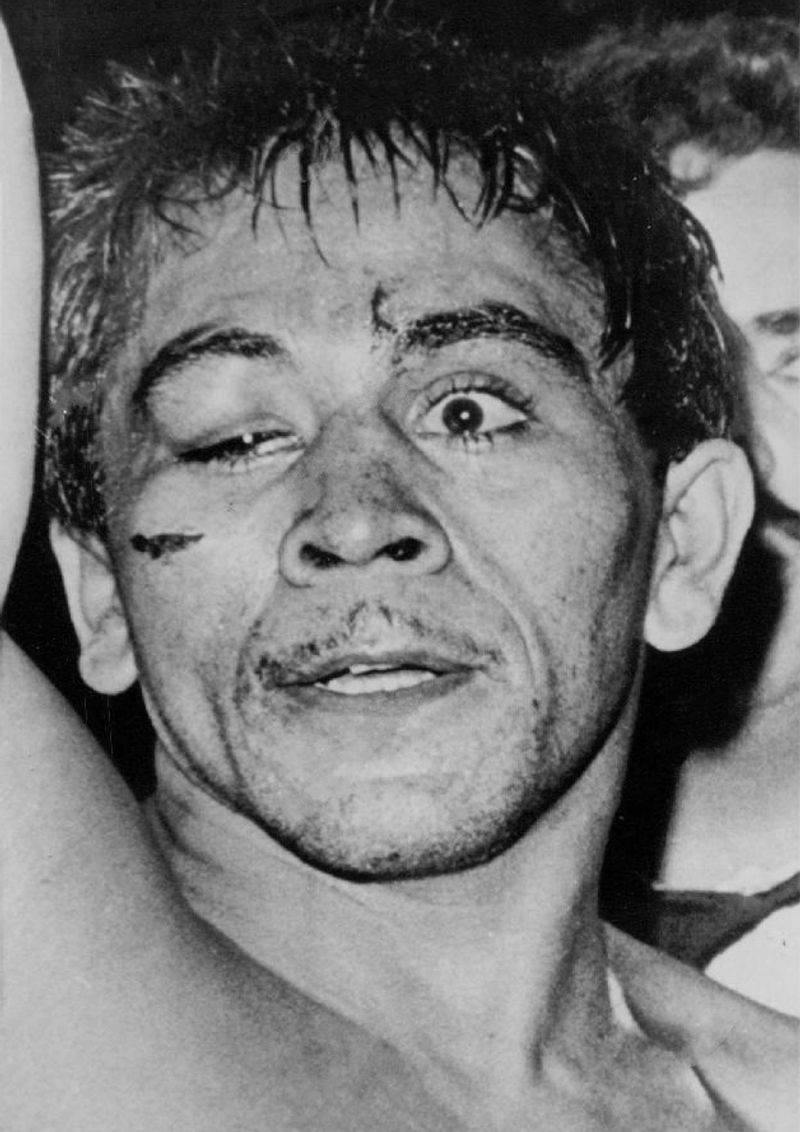
Mexico has produced many great champions, and the 1960s gave fans one of the most tireless. Vicente Saldivar fought as a southpaw and seemed to have endless energy.
In September 1964, he beat Sugar Ramos in Mexico City to win the featherweight title. He was only 21 at the time.
His three fights with Welsh star Howard Winstone became a true rivalry. One took place in London, one in Wales, and one in Mexico City, and Saldivar won all three.
Those bouts showed how he could keep up pressure for 15 full rounds. Opponents often faded late while he kept punching.
He surprised everyone by retiring as champion in 1967. Later, he returned and won the title again in 1970.
His success helped build Mexico’s reputation for tough featherweights. Many later champions followed his path.
12. Eder Jofre
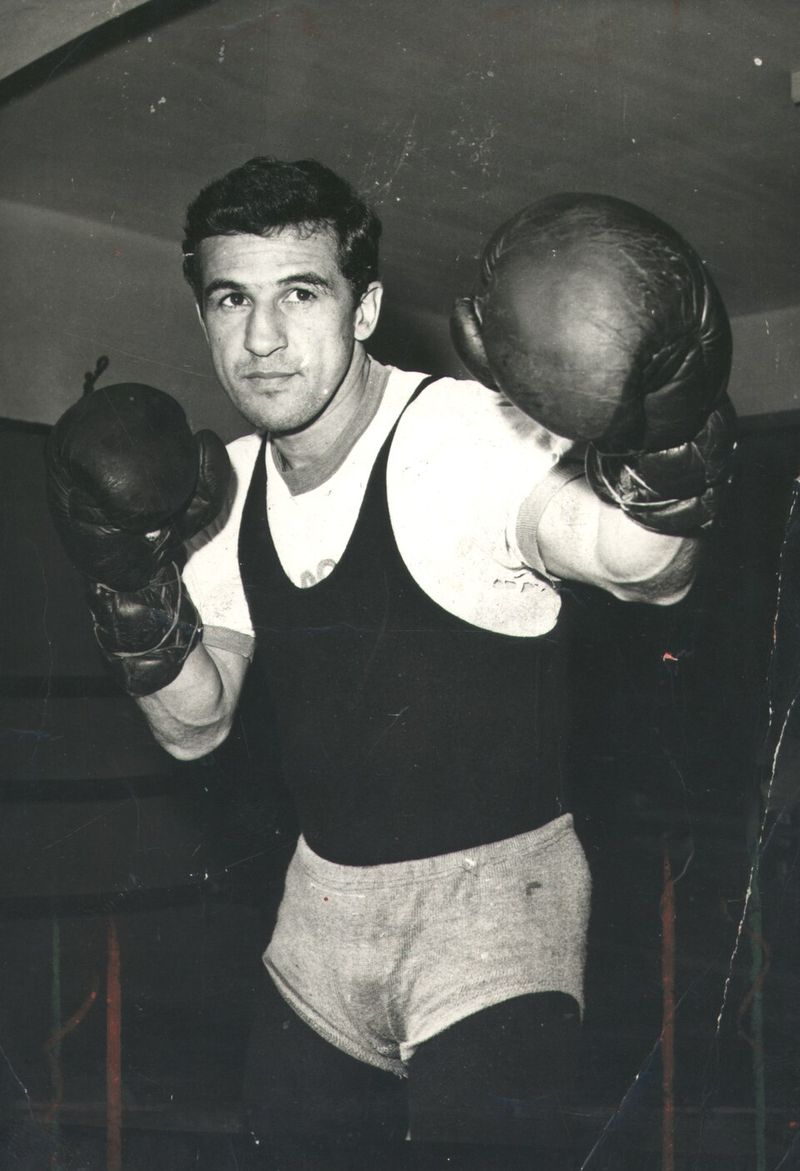
Boxing ran in the family, and so did a surprising diet choice. Eder Jofre was a vegetarian for much of his career, which was very unusual for a fighter in that era.
Born in São Paulo, Brazil, he trained under his father. In 1960, he won the world bantamweight title.
He defended it again and again with sharp technique and strong punches. Many of his wins came by knockout.
Jofre stayed unbeaten until May 1965, when Fighting Harada beat him in Japan. Harada won their 1966 rematch too.
After that, Jofre stepped away from the ring for a few years. Then he made a comeback and won the featherweight title in 1973.
The Ring magazine later ranked him among the greatest bantamweights of all time. In Brazil, he is still treated as a national treasure.
13. Fighting Harada
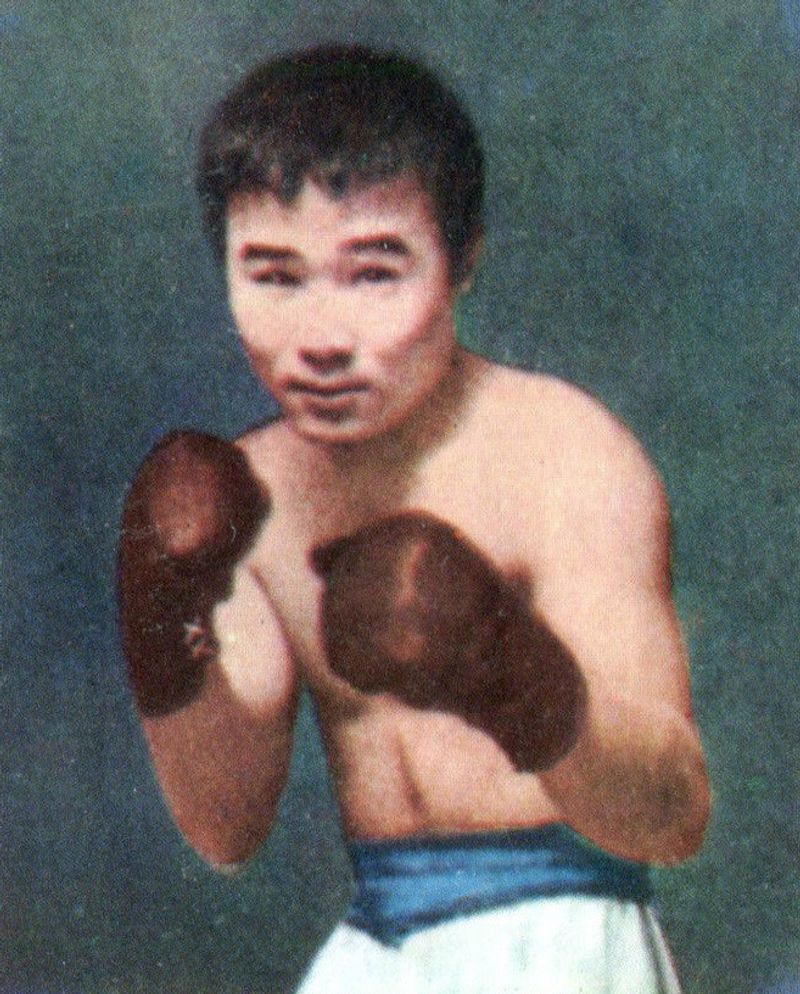
Nicknames do not get much more honest than this one. Masahiko Harada threw punches at such a busy pace that fans simply called him Fighting Harada.
In 1962, at age 19, he beat Pone Kingpetch of Thailand to win the flyweight title. He was one of Japan’s youngest world champions.
Moving up to bantamweight brought his biggest moment. In May 1965, he handed Eder Jofre his first loss, winning a decision in Nagoya.
He beat Jofre again in 1966. Television ratings in Japan for his fights were among the highest of the decade.
Harada later challenged for the featherweight title too. His career showed the world that Japanese boxing could compete at the top.
He remained a beloved figure at home long after retiring. He also led the Japan Pro Boxing Association.
14. Rubin “Hurricane” Carter
A shaved head and a fierce glare made him easy to spot on any fight card. Rubin Carter earned the nickname Hurricane for the fast, heavy punches he threw early in bouts.
In December 1963, he knocked out Emile Griffith in the first round. It was the biggest win of his career.
He challenged Joey Giardello for the middleweight title in December 1964. Carter lost a unanimous decision in Philadelphia.
His career ended after he was convicted in a 1966 New Jersey criminal case. He always said he was innocent.
In 1985, a federal judge overturned the convictions, citing serious constitutional problems with the trial. Carter was freed.
Bob Dylan wrote the song Hurricane about him in 1975. Later, Denzel Washington played him in the 1999 film The Hurricane, which introduced his story to new generations.
Share this story