American presidents have shaped history, but their personal lives often include surprising details. Some kept unusual pets, some had odd habits, and a few were part of remarkable coincidences.
Here are fifteen facts about presidents that may sound invented but have roots in the historical record. Each one offers a small window into the people behind the office.
1. John Quincy Adams Enjoyed Swimming Naked in the Potomac River
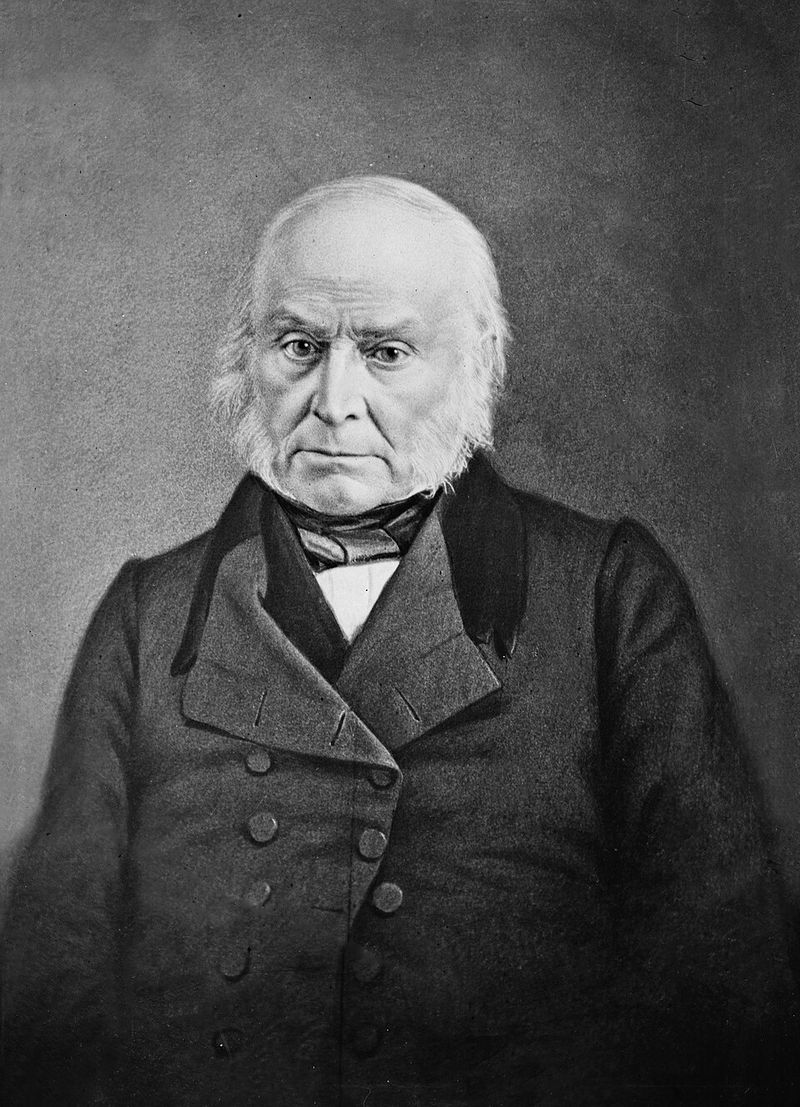
Before the sun came up, the sixth president often slipped out of the White House and headed for the water. John Quincy Adams liked a brisk morning swim in the Potomac River, and he was known to go in without any clothing.
Adams wrote about his routines in a detailed diary, which is one reason historians know so much about his habits. He valued exercise and walked long distances, too, often before most of Washington was awake.
One famous story says a reporter, Anne Royall, sat on his clothes until he agreed to give her an interview. Historians treat that tale as a popular account rather than a firmly proven event.
Even so, it fits the picture of a disciplined man who kept a steady schedule and enjoyed cold water more than most people would. His swims show that a stern, serious politician could also have a very simple love of the outdoors.
2. Andrew Jackson’s Parrot Reportedly Swore at His Funeral
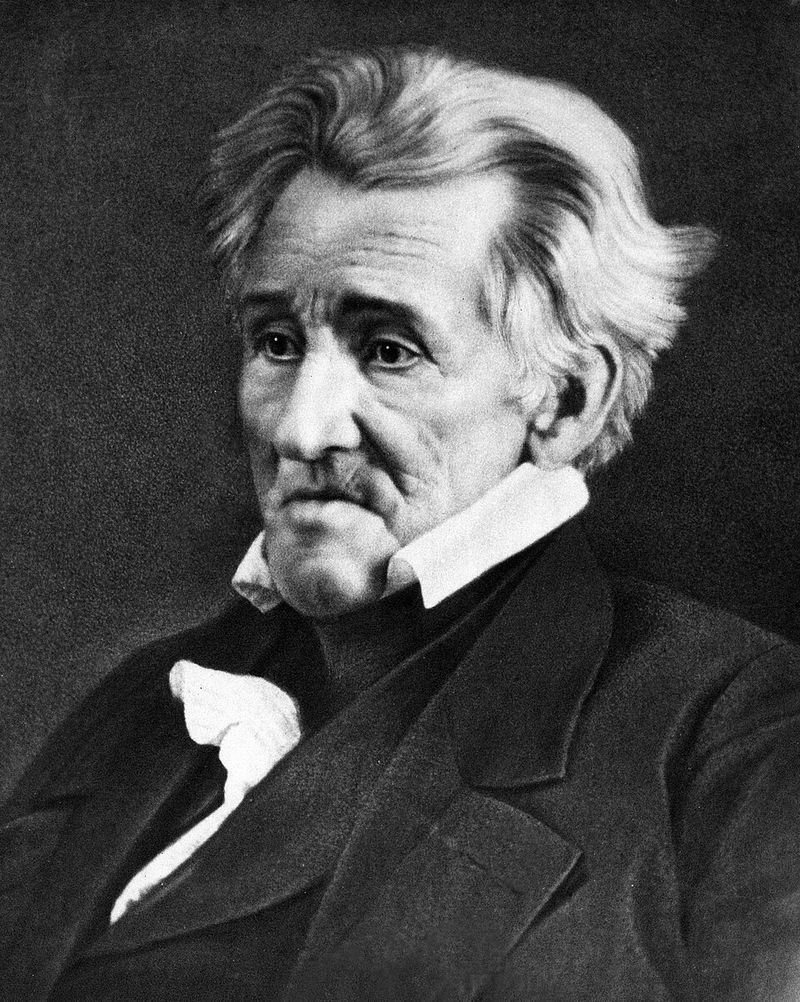
Picture a quiet, sad funeral interrupted by a bird shouting rude words. That is the story told about Andrew Jackson’s pet parrot, named Poll, when the former president was laid to rest in 1845.
The account comes from a minister who attended the service. According to him, the parrot became so loud and used such colorful language that it had to be carried out of the room.
Jackson was known for his fiery temper and strong language, so some people joked that the bird had simply learned from its owner. Parrots can copy words they hear often, which makes the tale believable, though it rests on one recollection written down later.
It remains one of the most repeated stories about Jackson’s home, the Hermitage, and it gives visitors a smile alongside the serious history of a powerful and controversial leader.
3. Abraham Lincoln Was a Licensed Bartender
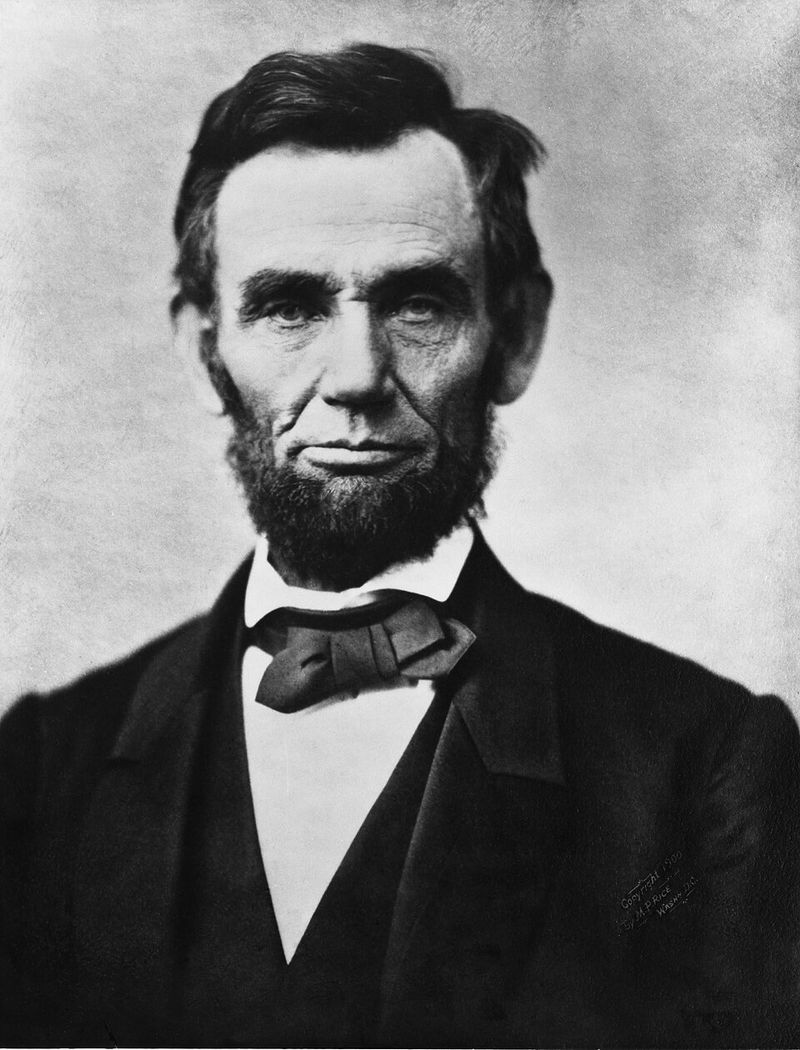
Long before he lived in the White House, Abraham Lincoln worked behind a store counter in a small Illinois village. In 1833, he and a partner ran a general store in New Salem that sold many goods, including liquor.
The business held a license that allowed it to sell alcohol, which led people to say Lincoln was a licensed bartender. The store did not do well, and it closed, leaving Lincoln with debts that he called his national debt because they took years to repay.
Lincoln himself rarely drank. Friends later said he did not care for the taste.
His time in New Salem shaped him in other ways, since he read, studied law, and learned how to talk with all kinds of people. Today, New Salem is a historic site where visitors can walk through a rebuilt version of that early frontier town.
4. Thomas Jefferson Helped Popularize Macaroni in America
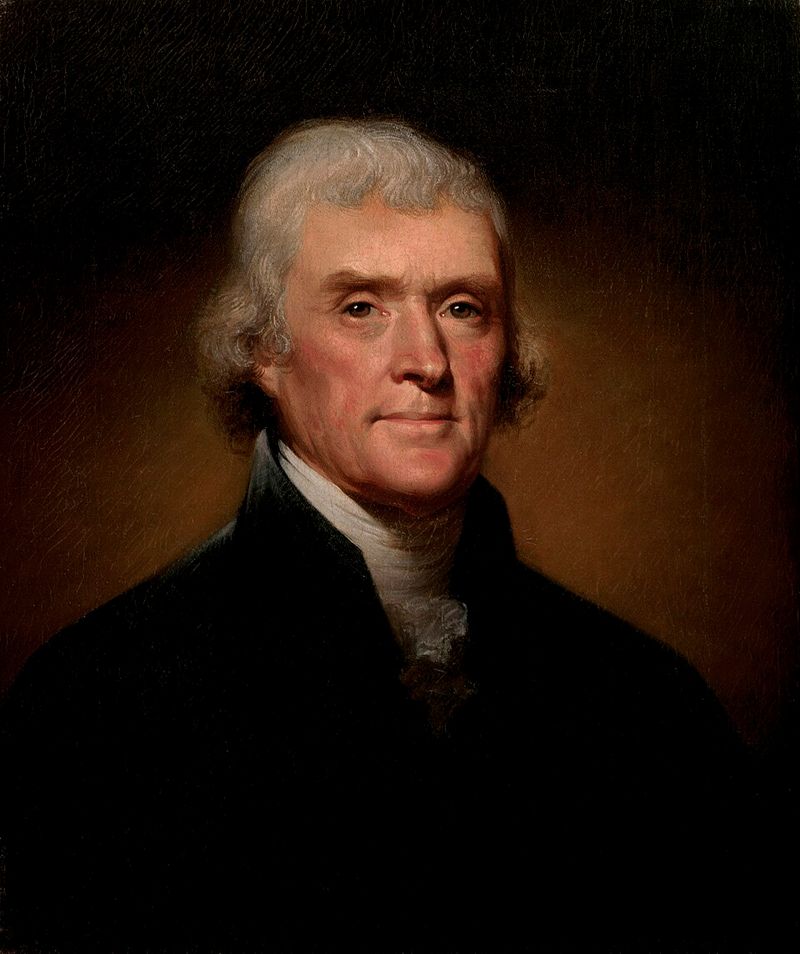
Mac and cheese fans owe a small nod to Thomas Jefferson. While traveling in Europe in the 1780s, he tasted pasta and liked it enough to bring the idea home.
Jefferson ordered a macaroni-making machine and also had pasta supplies sent from Italy. Back in America, his kitchen staff, including the skilled chef James Hemings, prepared macaroni dishes for the family and for guests.
A well-known state dinner menu from the era included a macaroni pie. Jefferson did not invent pasta or the dish we know today, and his notes show he copied a recipe rather than creating a brand-new one.
Still, his interest helped introduce wealthy Americans to a food that was unfamiliar at the time. Pasta later became a daily staple across the country, so his experiments look surprisingly ahead of their time.
5. Theodore Roosevelt Kept a Remarkable Collection of White House Pets
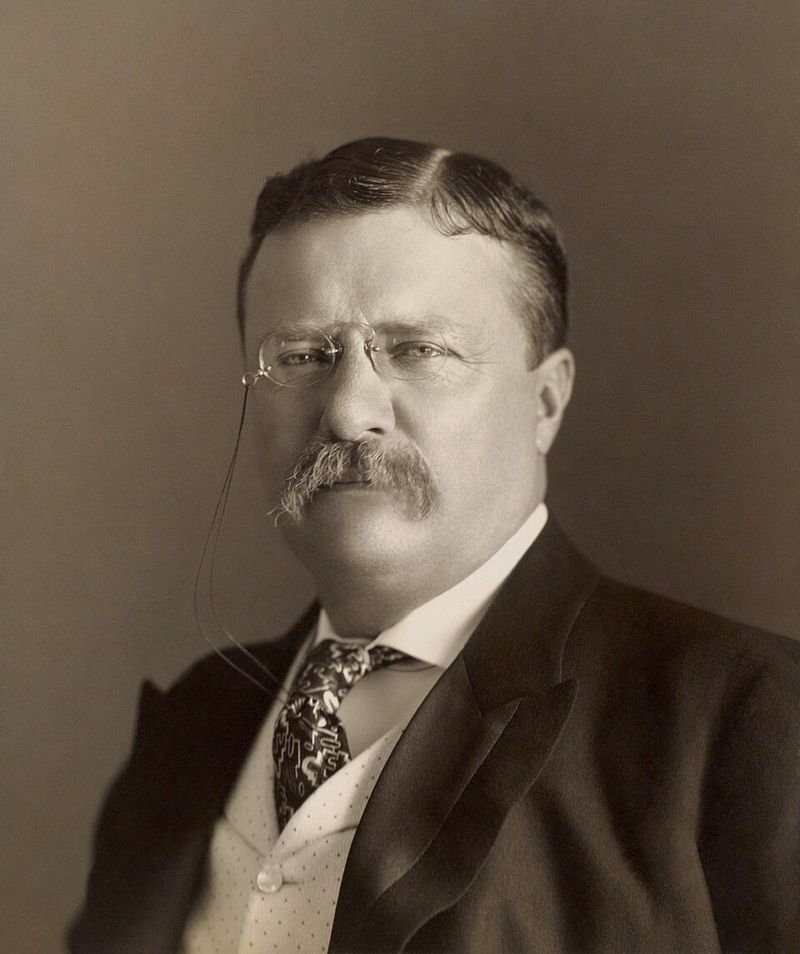
Few families have filled the White House with as many animals as the Roosevelts. Theodore Roosevelt and his six children kept dogs, cats, guinea pigs, birds, a badger, snakes, and ponies.
One famous tale involves Archie Roosevelt, who was sick with measles. His brothers sneaked his pony, Algonquin, into the White House elevator and rode up to cheer him up.
The household felt more like a lively farm than a government mansion. Roosevelt loved nature and would later protect millions of acres of public land, so his fondness for animals was no surprise.
Staff members had to get used to surprises around every corner, including a lizard or a small bear cub that visited. The lively pet parade remains a favorite part of White House history and shows a warm, playful side of a famously tough leader.
6. James Garfield Could Write in Two Languages Simultaneously
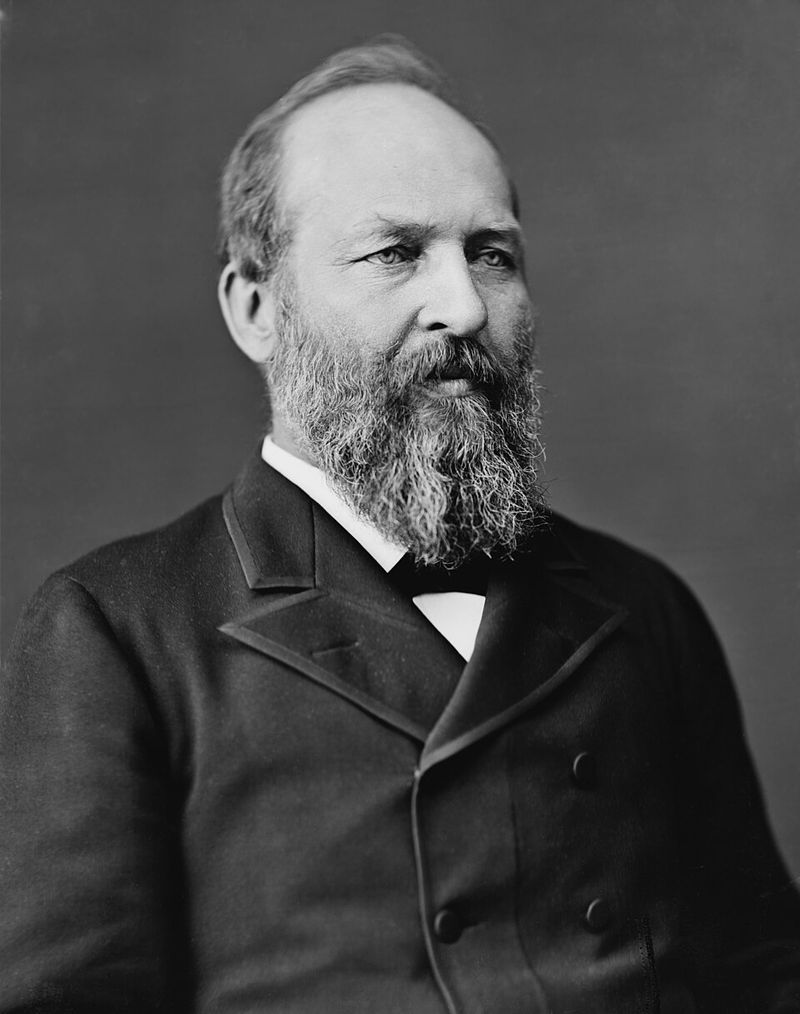
Imagine writing a sentence in Greek with one hand while writing Latin with the other. James Garfield is widely said to have done exactly that, and the story has been told for well over a century.
Garfield was a gifted scholar. He taught classical languages at the Western Reserve Eclectic Institute in Ohio and later became its principal before entering politics.
The two-handed trick is often repeated, but evidence from his own time is limited, so historians view it as a popular legend that may have grown over the years. What is certain is his love of learning and his skill with languages and mathematics.
He read widely and served in Congress for many years. His life was cut short in 1881 after he was shot by an assassin, so he served only a few months as president.
7. Martin Van Buren Was the First President Born After American Independence
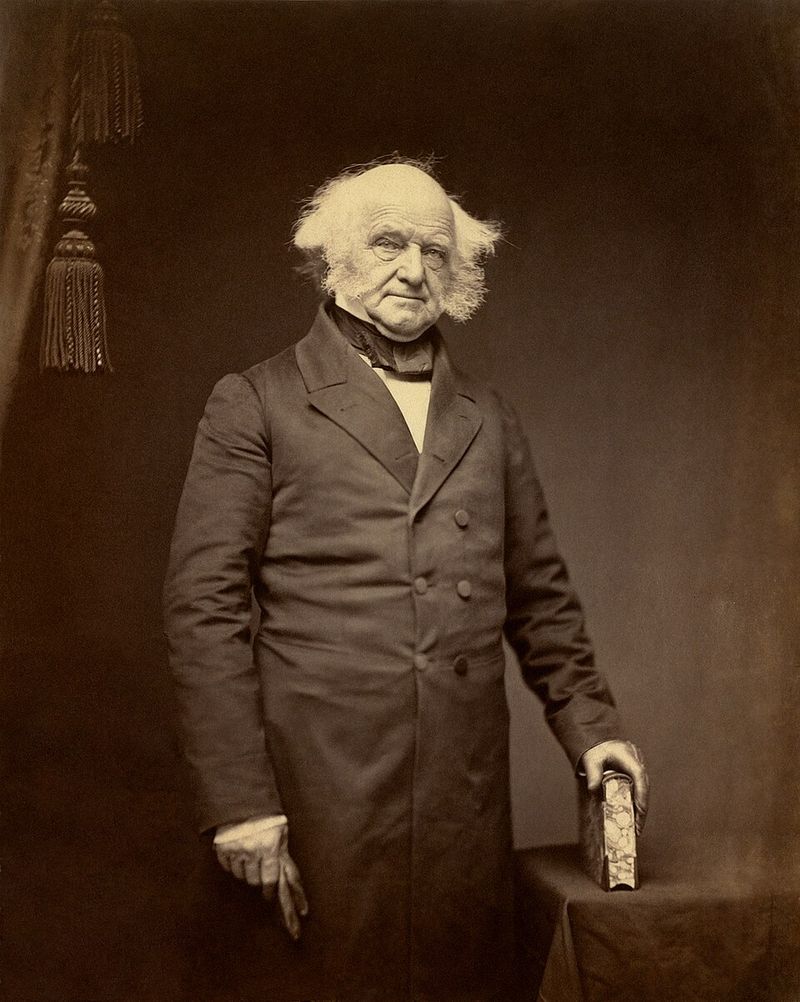
Every president before him began life as a British subject. Martin Van Buren broke that pattern, since he was born in December 1782 in Kinderhook, New York, after the Declaration of Independence had been signed.
That made him the first president born as a citizen of the United States rather than a colony. He took office in 1837 after serving as Andrew Jackson’s vice president.
Van Buren also grew up speaking Dutch at home, which means English was his second language. He is remembered as a skilled political organizer, and some people nicknamed him the Little Magician for his clever tactics.
His term was shadowed by the Panic of 1837, a serious economic downturn, and he lost his bid for reelection. Even so, his birthplace gives him a unique spot on the list of presidents.
8. William Howard Taft Later Became Chief Justice of the United States
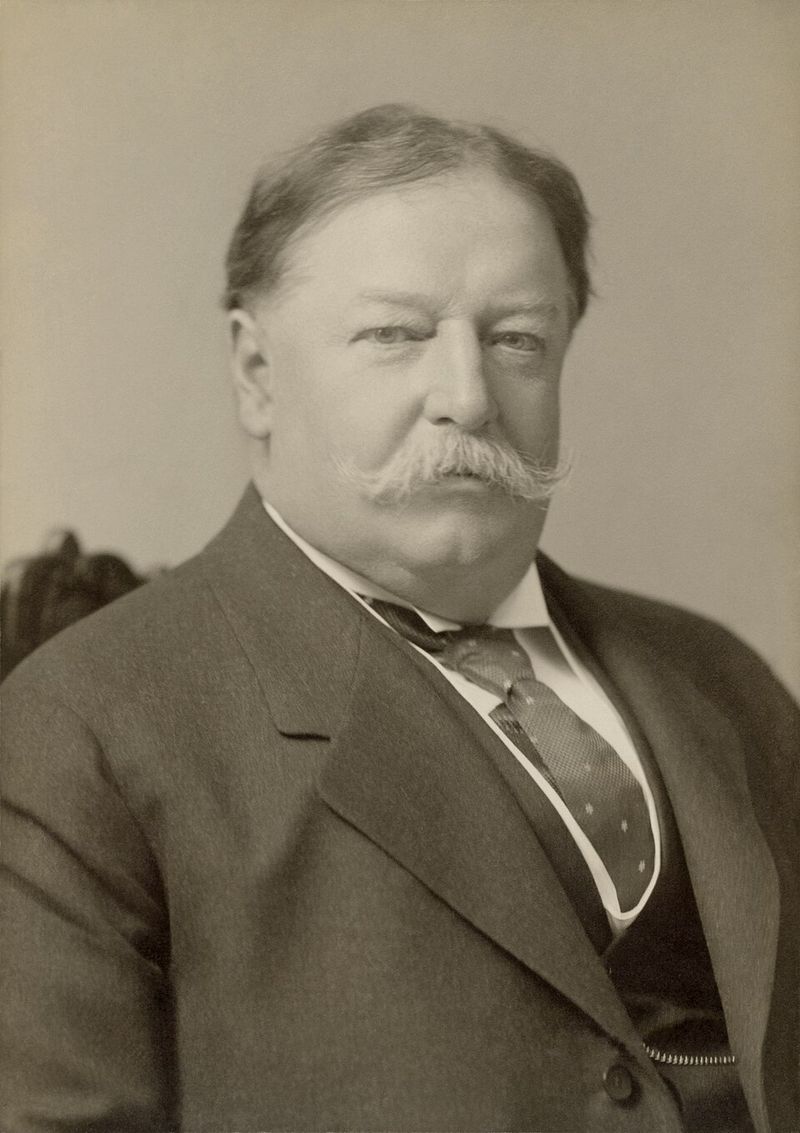
Plenty of people leave the presidency and retire quietly. William Howard Taft chose another path and, in 1921, became chief justice of the Supreme Court.
President Warren G. Harding nominated him, and the Senate confirmed the choice quickly.
Taft later said he barely remembered being president, because the court was the job he had always wanted.
To this day, he is the only person to have led both the executive branch and the Supreme Court. During his nine years as chief justice, he pushed for a modern court system and helped win funding for the Supreme Court building, which opened after his time in office.
Taft served until shortly before his death in 1930. His unusual double career shows that public service can take surprising turns after leaving the White House.
9. Benjamin Harrison Was Afraid to Touch the White House Light Switches
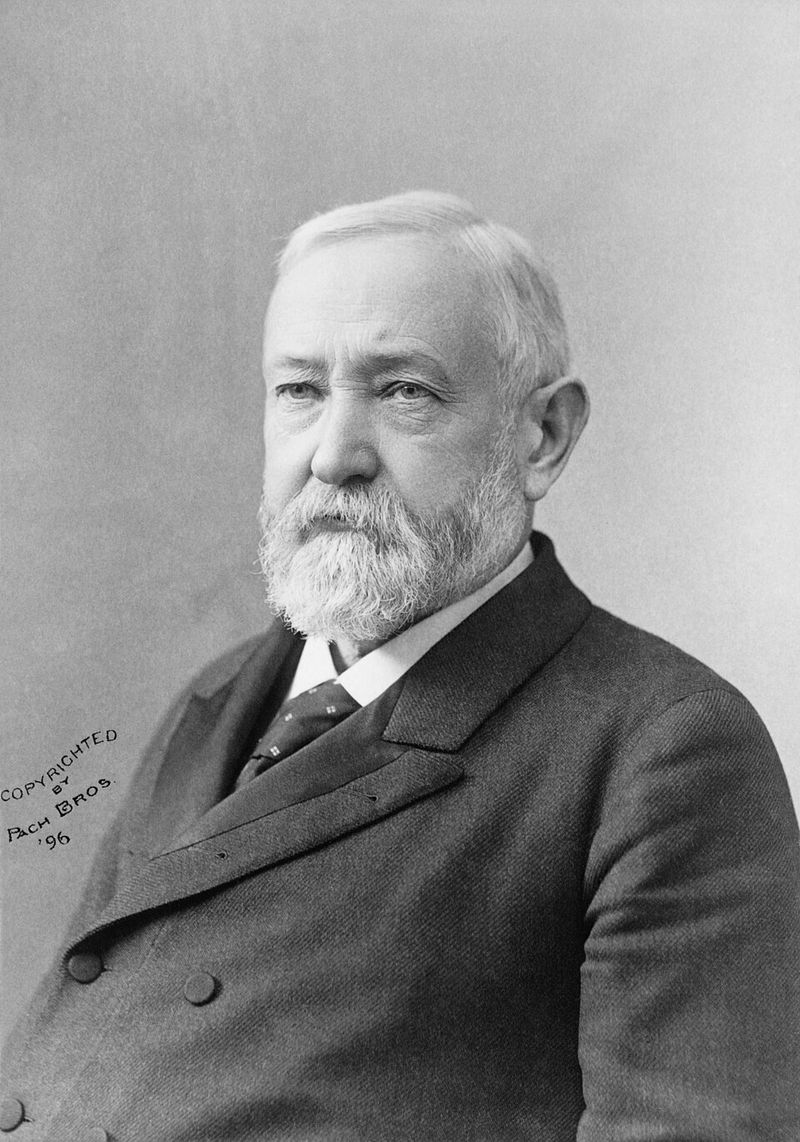
New technology can feel scary, and electricity certainly did in 1891. That year, the White House was wired for electric lights, and President Benjamin Harrison and his wife, Caroline, were not sure it was safe.
The couple worried about getting a shock from the switches. According to the White House Historical Association, they often left the lights burning at night or asked staff members to turn them on and off.
Early electrical systems were new and sometimes unreliable, so their caution was not entirely silly. Gas lamps stayed in place in some rooms for a while as a backup.
Harrison’s term also saw other changes, including the growth of the Navy and the passage of major trade laws. The light switch story is a charming reminder that even world leaders once had to learn how to live with a brand-new invention.
10. Calvin Coolidge Kept a Raccoon Originally Intended for Thanksgiving Dinner
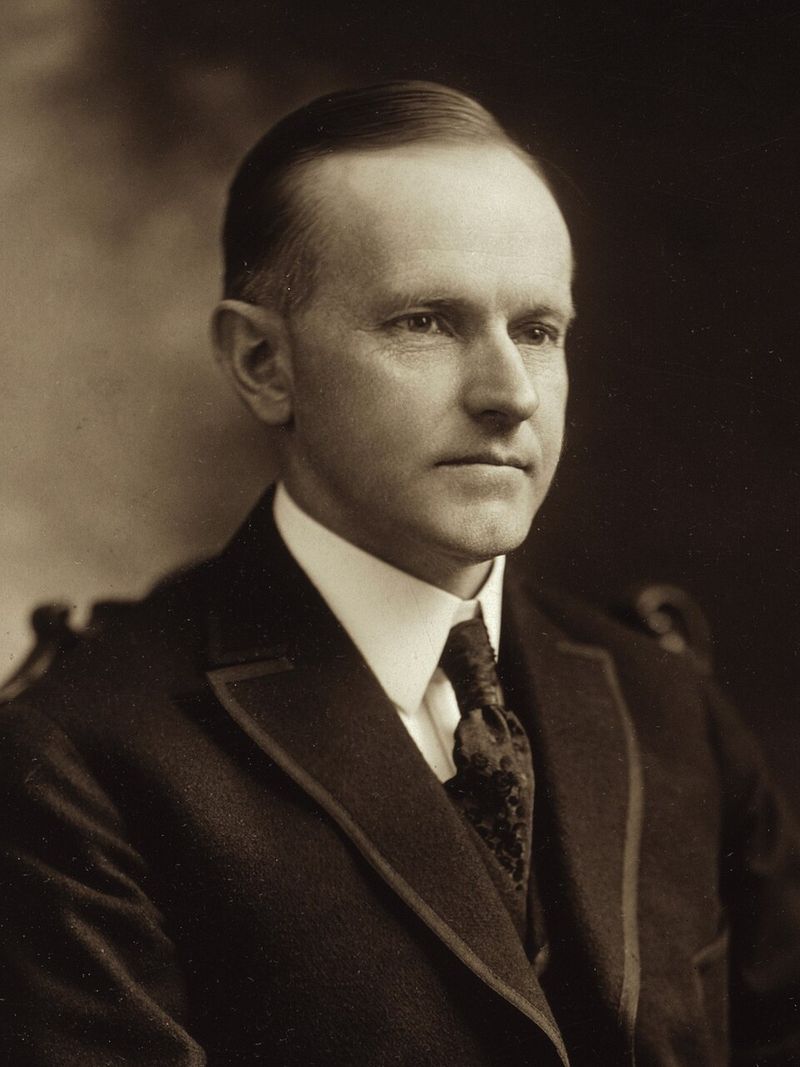
A raccoon arrived at the White House in 1926 with a note suggesting she be served for Thanksgiving. The Coolidge family had other plans, and they adopted her instead.
The animal was named Rebecca. According to the White House Historical Association, she was sent from Mississippi, and the family quickly grew fond of her.
Rebecca lived in a small house built for her and was walked on a leash around the grounds. Calvin Coolidge reportedly liked to let her explore, and she once joined the family at an Easter egg roll.
The Coolidges owned many animals, including dogs, cats, birds, and even a pygmy hippo gift that went to a zoo. Rebecca’s story shows a gentler side of a president often known for being quiet and reserved, and it gave Americans a cheerful tale during the 1920s.
11. Woodrow Wilson Had Sheep Grazing on the White House Lawn
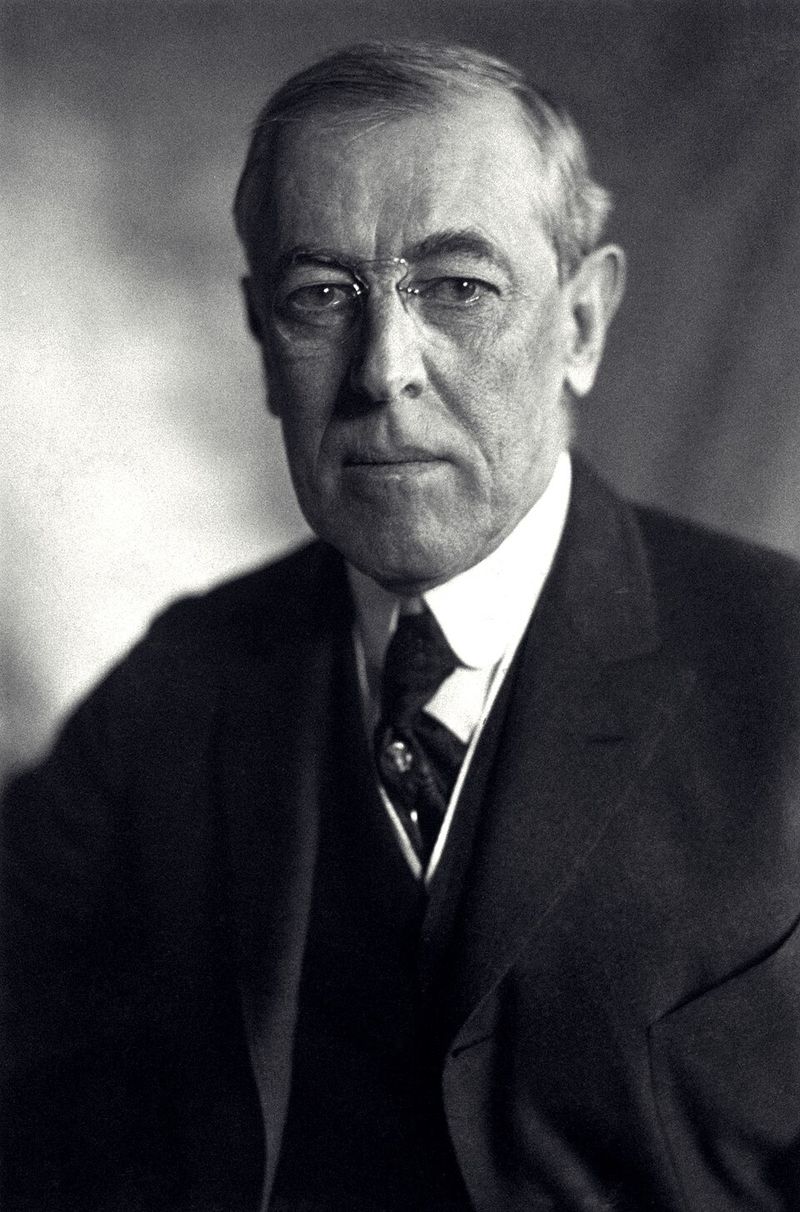
During World War I, the White House lawn briefly looked like a pasture. Woodrow Wilson’s administration brought in a flock of sheep, which grazed on the grounds in 1918.
There was a practical reason. Groundskeepers were needed for the war effort, and sheep could trim the grass without people or gas-powered tools.
The flock also helped the war cause in a second way. Their wool was sheared and auctioned, and the money, which totaled tens of thousands of dollars, went to the Red Cross.
Estimates from the White House Historical Association say the sheep numbered around a few dozen. The idea showed how everyday life changed during wartime, with households and government alike finding small ways to save resources and raise funds.
Wilson’s famous sheep remain one of the more unexpected sights in the mansion’s long history.
12. Ulysses S. Grant Was Invited to Lincoln’s Final Night at the Theater
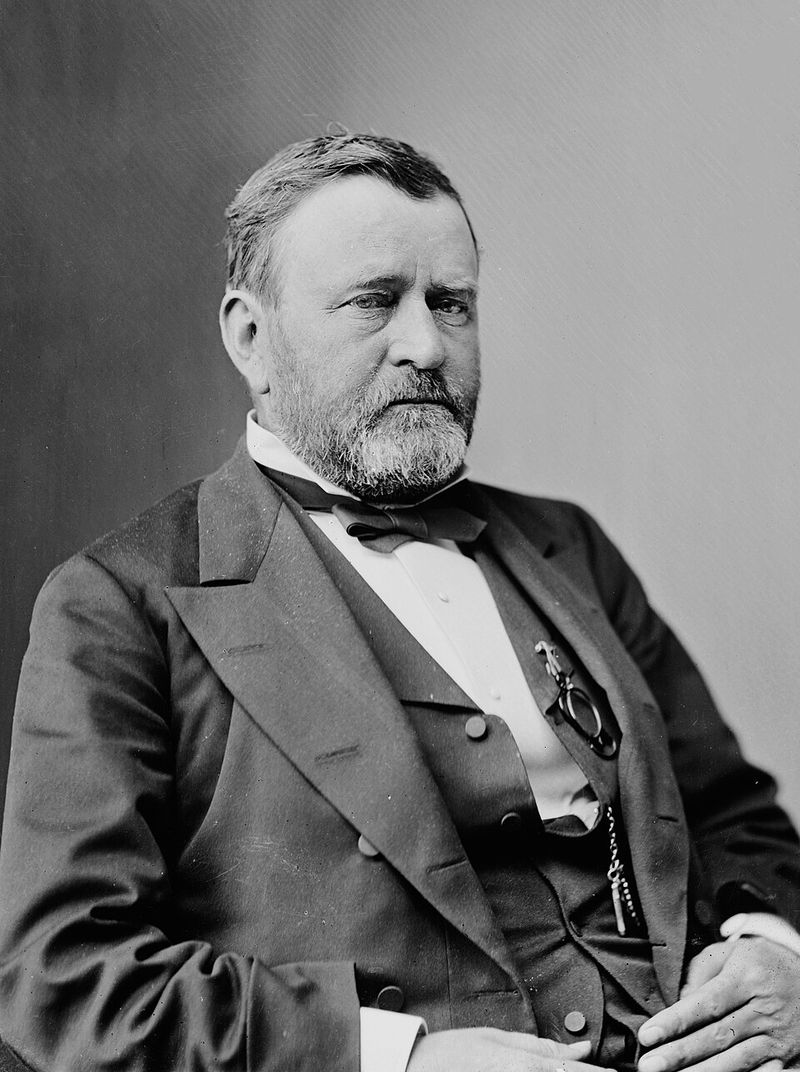
On April 14, 1865, a simple decision may have saved a general’s life. Ulysses S.
Grant and his wife, Julia, were invited to watch a play with Abraham Lincoln at Ford’s Theatre, and they said no.
Grant had just helped end the Civil War, and the couple wanted to travel to see their children in New Jersey. Julia also reportedly disliked Mary Todd Lincoln’s company, which added to their reasons.
That night, John Wilkes Booth shot Lincoln at the theater. Later accounts suggest Grant might have been a target of the larger plot, though historians debate the details.
Grant went on to become the eighteenth president in 1869. The story shows how small choices can change the course of a life, and how closely the end of the war was tied to a moment of national grief.
13. John Tyler Fathered 15 Children
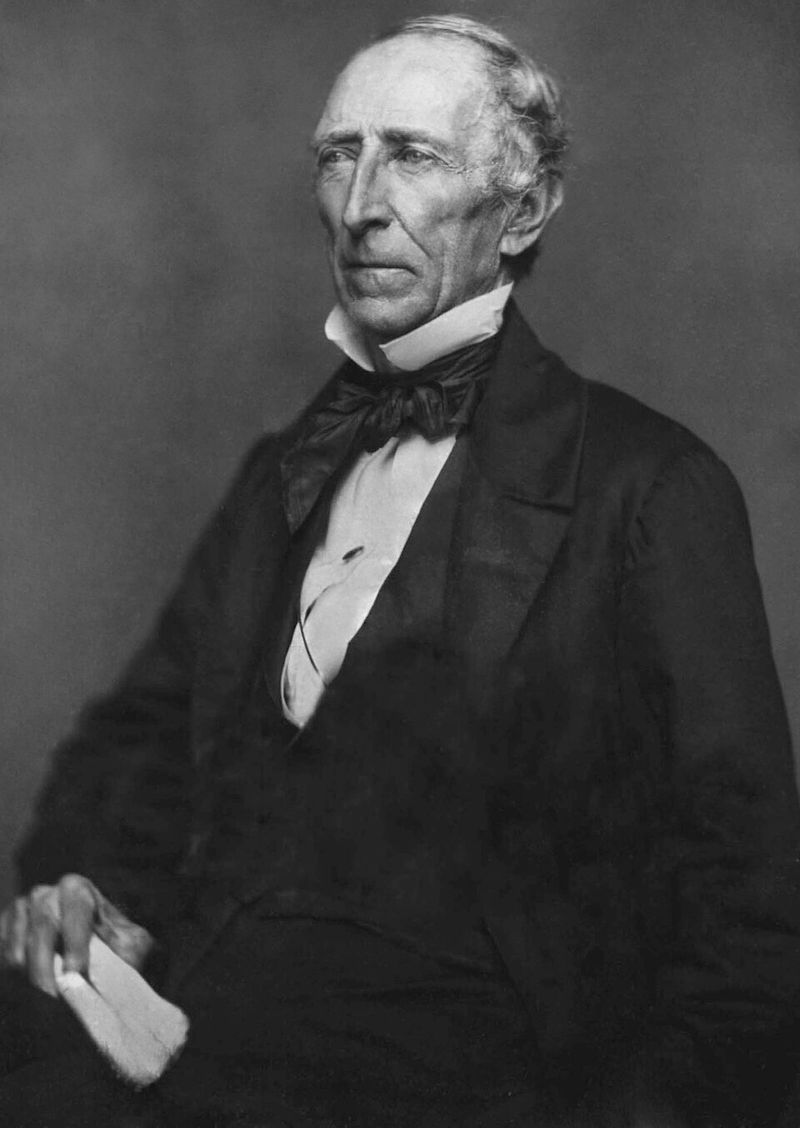
Family dinners must have been loud at John Tyler’s house. The tenth president had fifteen children, more than any other person who has held the office.
Eight children were born during his first marriage to Letitia Christian, and seven came with his second wife, Julia Gardiner. Julia was much younger than Tyler, and the couple married while he was in the White House, in 1844.
His youngest child, Pearl, was born in 1860 when Tyler was seventy years old. Remarkably, some of his grandchildren were still alive well into the twenty-first century, which shows how a few generations can stretch across centuries.
Tyler’s presidency began unexpectedly in 1841 after William Henry Harrison died in office. His large family is now one of the most surprising parts of his legacy.
14. William Howard Taft Kept a Cow at the White House
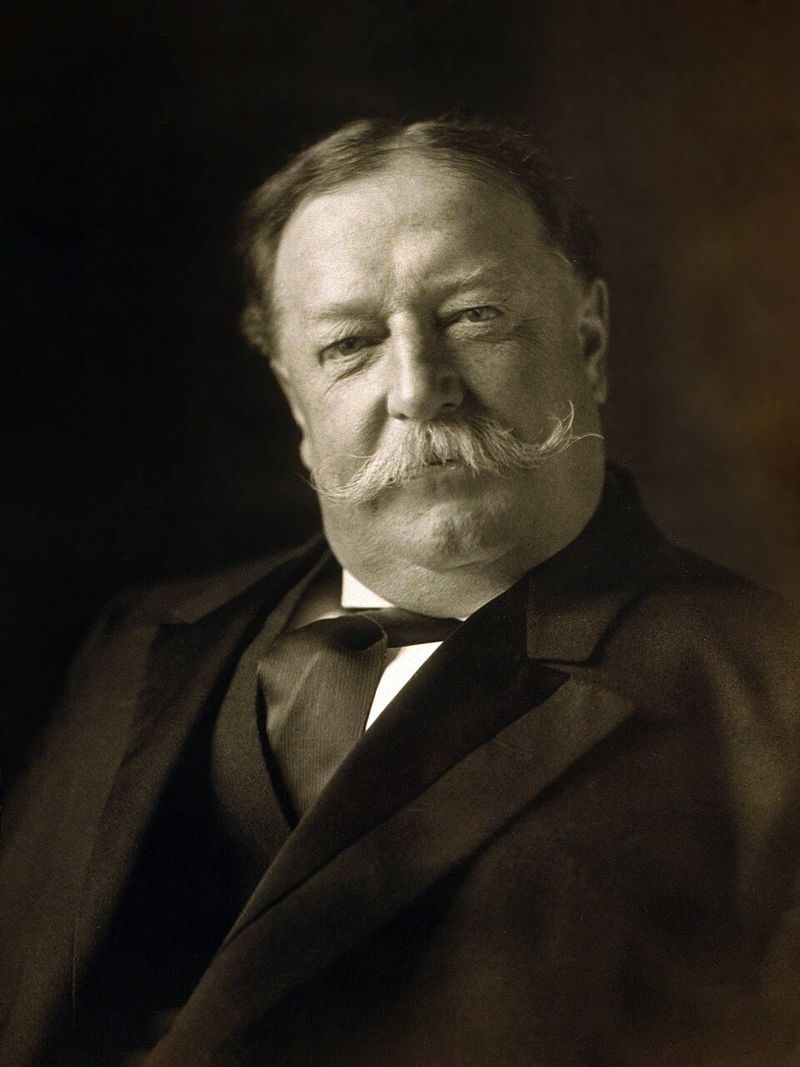
Fresh milk was once delivered straight from the front yard of the White House. William Howard Taft kept a cow named Pauline Wayne, who grazed on the grounds and supplied milk for the family.
Pauline came from Wisconsin and was a well-bred Holstein. She replaced an earlier cow named Mooly Wooly, who had become ill.
According to the White House Historical Association, Pauline was the last cow to live at the executive mansion. She became a minor celebrity, and newspapers often wrote about her.
Photos show her calmly chewing grass while visitors watched. Having a cow in the capital city may seem odd now, but keeping livestock was more common in the early twentieth century.
The animal also fit the image of Taft as a down-to-earth, friendly man who liked comfort and good food.
15. John Adams and Thomas Jefferson Died on the Same Day
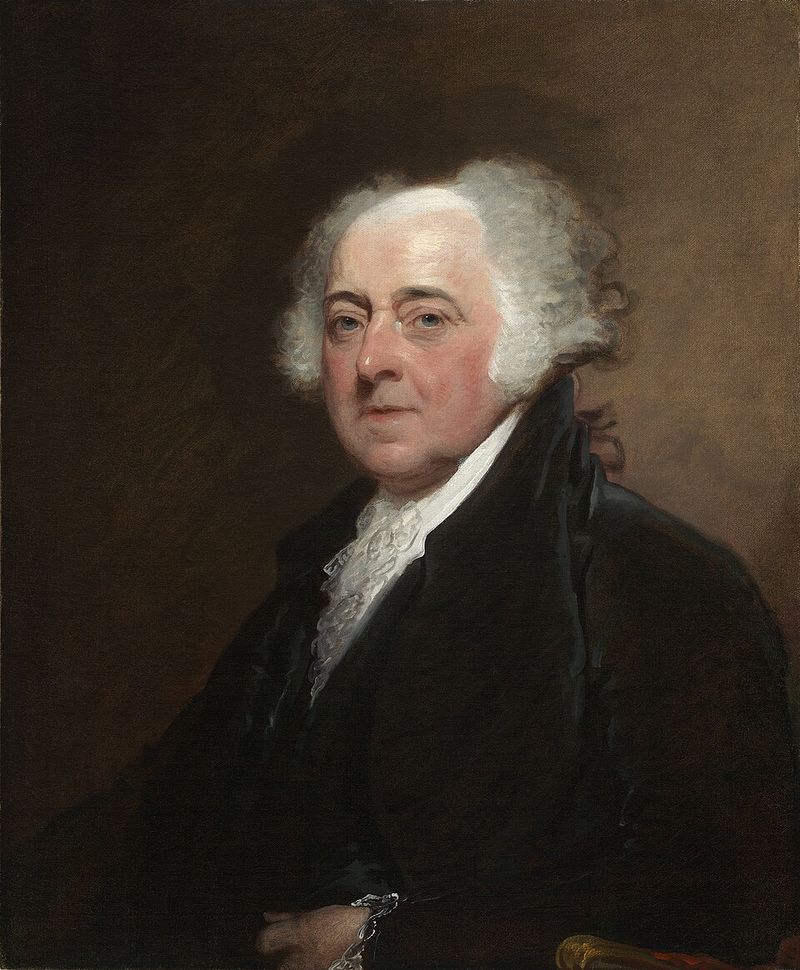
Few coincidences in American history are as striking as this one. John Adams and Thomas Jefferson both died on July 4, 1826, exactly fifty years after the Declaration of Independence was adopted.
The two men had been close allies, then bitter rivals, and finally friends again through long letters written late in life. Jefferson died first that day at Monticello in Virginia.
Adams, at his home in Massachusetts, is said to have whispered that Jefferson still survived, not knowing his old friend had already passed. Historians note that the exact wording may be remembered imperfectly.
Five years later, James Monroe also died on July 4, in 1831. The pattern gave the holiday an extra layer of meaning for many Americans, who saw it as a sign tied to the nation’s founding.
Share this story