South Korea has one of the most exciting food cultures in the world, and while Korean BBQ gets most of the spotlight, the real magic happens in everyday kitchens, street stalls, and neighborhood restaurants. From hearty stews to icy desserts, Korean food tells a story of history, community, and bold flavors.
Whether you are planning a trip to Seoul or simply want to explore Korean cuisine from home, these 15 dishes will give you a true taste of what locals actually eat every day.
1. Bibimbap
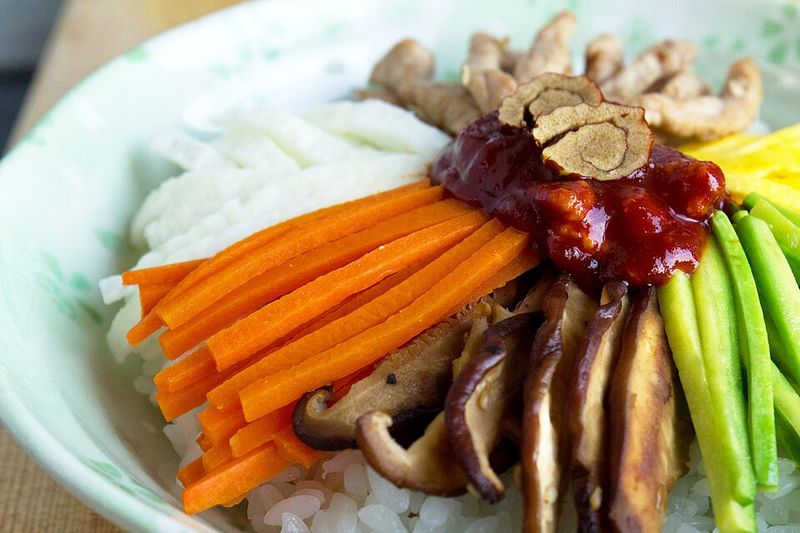
Few dishes capture the spirit of Korean home cooking quite like bibimbap. The name literally means “mixed rice,” and that is exactly what you do: stir everything together in one satisfying bowl.
Topped with seasoned vegetables, a fried egg, and a spoonful of spicy gochujang paste, it is both nutritious and deeply comforting.
Bibimbap has roots going back to the Joseon Dynasty, when leftover vegetables were mixed with rice to avoid waste. Today, it is served in everything from casual diners to fine restaurants across the country.
The stone bowl version, called dolsot bibimbap, creates a crispy layer of rice at the bottom that locals absolutely love.
Each region in Korea puts its own spin on the dish, using local vegetables and proteins. Jeonju, a city in the southwest, is considered the bibimbap capital and is well worth a visit for food lovers.
2. Kimchi Jjigae
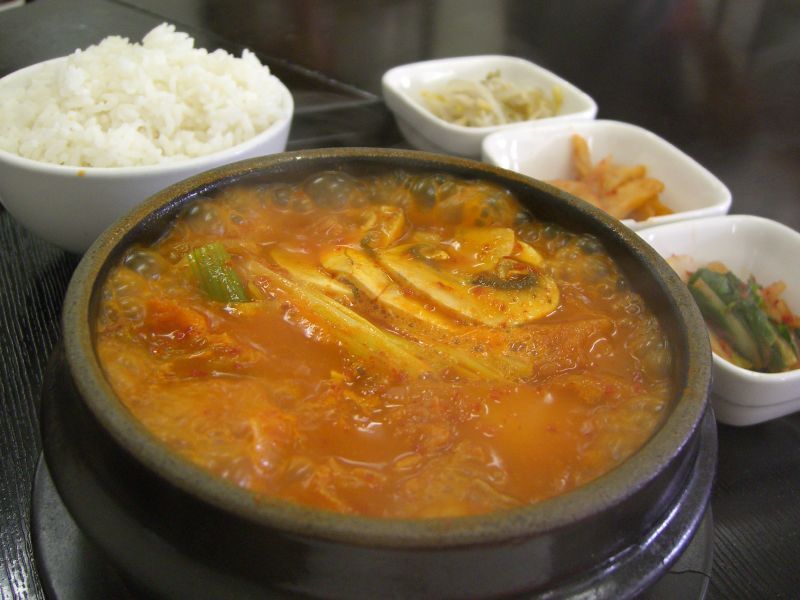
Walk into almost any Korean home during winter and you will likely smell kimchi jjigae simmering on the stove. This fermented kimchi stew is one of the most beloved comfort foods in the country, warming people up from the inside out.
It is tangy, spicy, and deeply savory all at once.
The best kimchi jjigae is made with well-aged kimchi, the kind that has been fermenting for weeks or even months. Older kimchi develops a sour punch that gives the stew its signature depth.
Pork belly or canned tuna are common additions, along with soft tofu and green onions.
Locals often eat this dish for breakfast, lunch, or dinner without a second thought. It is served with a bowl of steamed rice and a spread of small side dishes called banchan.
Simple, affordable, and endlessly satisfying, kimchi jjigae is Korean soul food at its finest.
3. Samgyeopsal
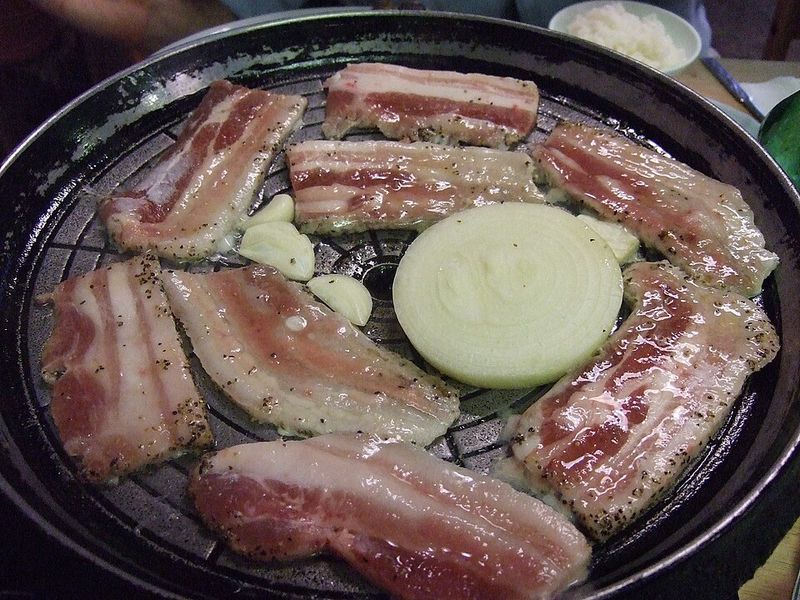
Samgyeopsal might sound like it belongs in the Korean BBQ category, but it deserves its own spotlight as a true local staple. Unlike marinated meats, samgyeopsal is plain grilled pork belly, celebrated for its natural richness and crispy, caramelized edges.
Koreans eat it almost every week, especially after a long day at work.
The real fun is in how you eat it. You grab a piece of grilled pork, place it in a lettuce or perilla leaf, add a smear of fermented shrimp paste or ssamjang sauce, a slice of raw garlic, and a strip of green onion salad.
Then you fold it up and pop the whole thing in your mouth.
Samgyeopsal restaurants are everywhere in Korea, usually open late into the night. They are lively, social places where friends gather over soju and laughter.
The experience is just as important as the food itself.
4. Dakgalbi
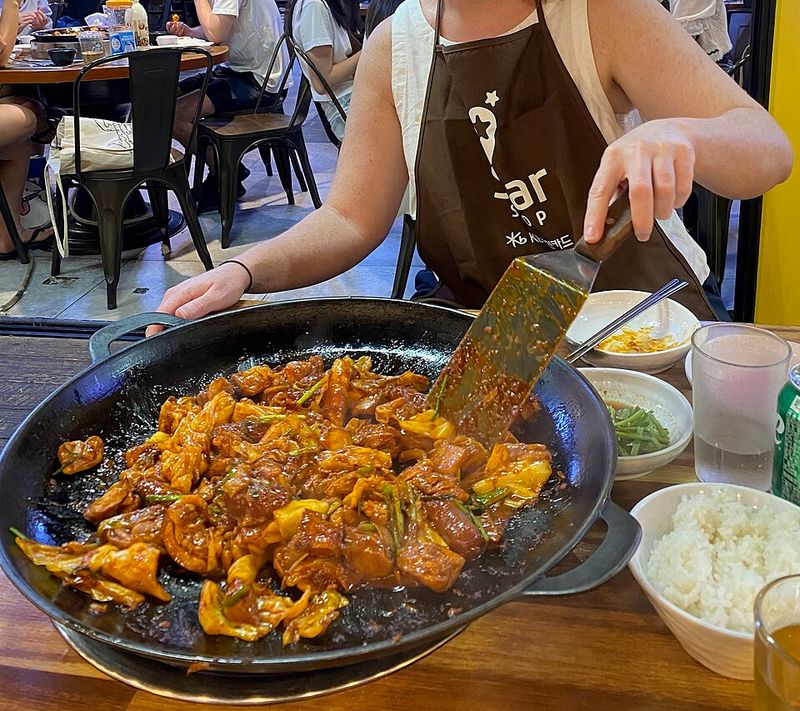
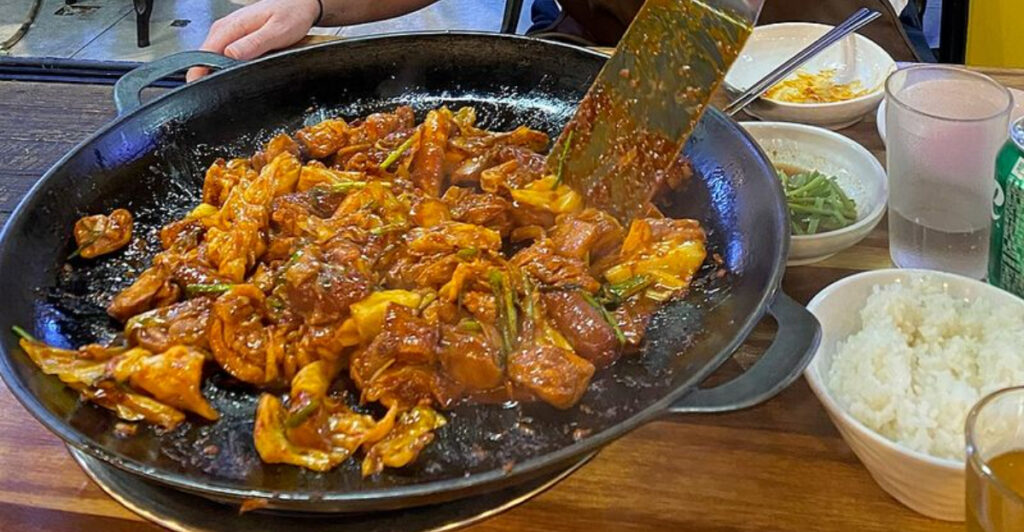
Spicy, chewy, and completely addictive, dakgalbi is a stir-fried chicken dish that originated in the city of Chuncheon in the 1960s. Back then, it was created as an affordable alternative to pork, and it quickly won over the hearts and taste buds of locals.
Today, Chuncheon is so famous for the dish that tourists make special trips just to eat it there.
The chicken is marinated in a fiery gochujang-based sauce and stir-fried on a large iron griddle with cabbage, sweet potatoes, rice cakes, and green onions. The combination of textures, tender chicken, chewy tteok, and soft vegetables, makes every bite interesting.
It smells incredible as it cooks right at your table.
At the end of the meal, many restaurants will add cooked rice directly to the leftover sauce in the pan and stir-fry it into a crispy fried rice. Do not skip that step.
It might be the best part of the whole meal.
5. Sundubu Jjigae
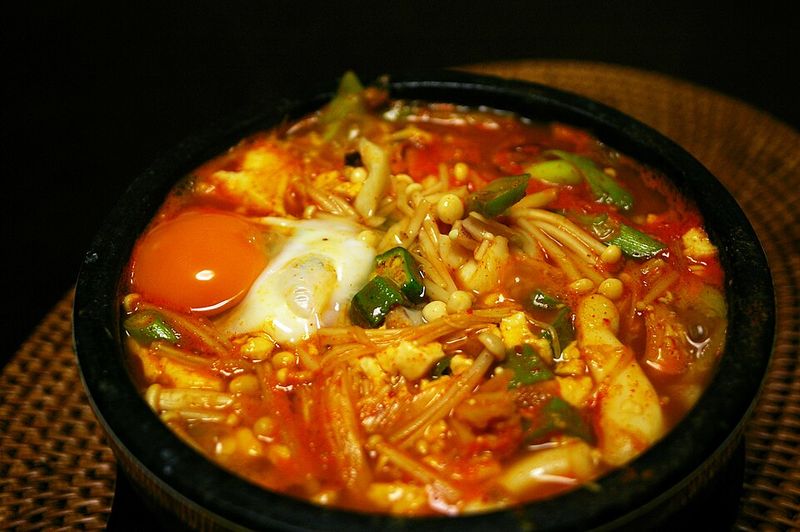
Sundubu jjigae is a soft tofu stew that looks almost too pretty to eat, with its deep red broth and silky white tofu trembling in a scorching stone pot. A raw egg is cracked directly into the stew right before serving, and it slowly cooks in the residual heat.
The result is rich, creamy, and wonderfully spicy.
Soft tofu, or sundubu, has a custard-like texture that absorbs the bold broth beautifully. The stew typically includes clams, shrimp, or pork, adding layers of savory flavor.
Some versions are milder for those who prefer less heat, making it accessible to a wide range of diners.
Korean grandmothers have been making versions of this dish for generations, and today it is a go-to meal for cold mornings or rainy afternoons. Paired with steamed rice and a few banchan, sundubu jjigae is one of those meals that feels like a warm hug in a bowl.
6. Naengmyeon
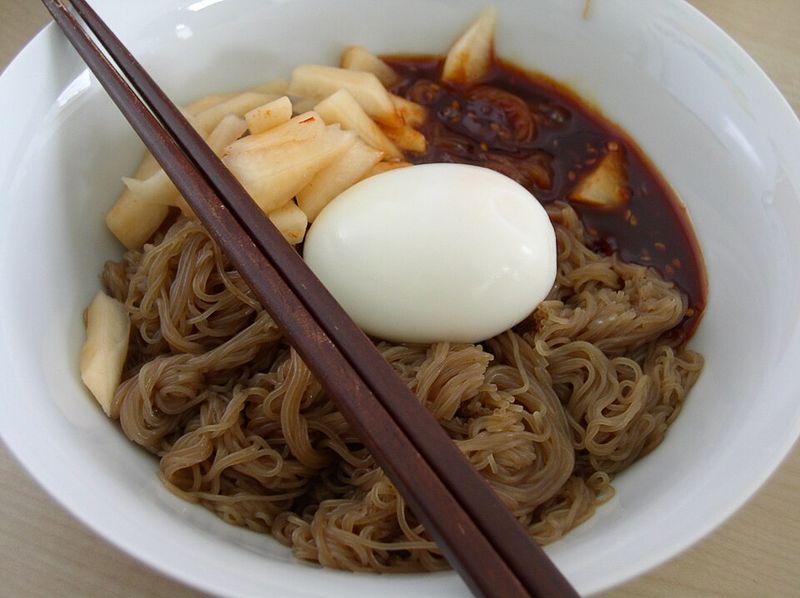
On a sweltering summer day in Seoul, locals head straight for naengmyeon. These icy cold buckwheat noodles served in a chilled beef broth are one of the most refreshing things you can eat in Korea.
The noodles are long, slightly chewy, and meant to be eaten without cutting, though scissors are often provided at the table.
There are two main styles: mul naengmyeon, which comes in a clear, lightly tangy broth, and bibim naengmyeon, which is tossed in a spicy red sauce. Both versions are topped with thin slices of cucumber, Korean pear, and half a hard-boiled egg.
A squeeze of vinegar and a dab of mustard are added at the table to brighten the flavors.
Originally a winter dish from North Korea, naengmyeon has become a beloved year-round staple in the South. Pyongyang-style naengmyeon, with its subtle and elegant broth, is considered the most traditional version and remains highly sought after.
7. Kalguksu
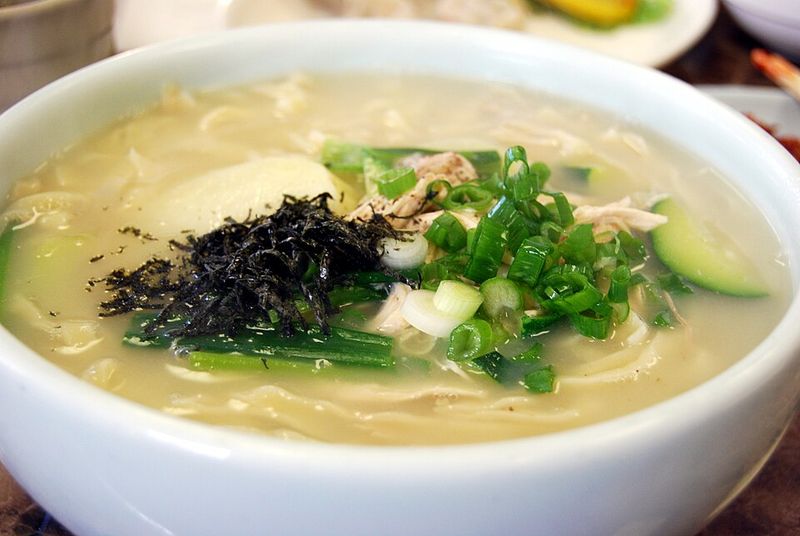
Kalguksu translates to “knife noodles,” named after the way the dough is cut by hand with a knife rather than pulled or extruded. The result is flat, thick, and slightly uneven noodles that have a wonderfully hearty, rustic feel.
Eating kalguksu feels like sitting down to a home-cooked meal, no matter where you order it.
The broth is typically made from anchovies, kelp, or chicken, giving it a clean and comforting flavor. Zucchini, clams, mushrooms, and green onions are common additions.
Unlike many Korean soups, kalguksu is not particularly spicy, making it a great entry point for those new to Korean cuisine.
Rainy days in Korea are practically synonymous with kalguksu. There is even a Korean expression that connects noodle cravings to rainy weather.
Head to any traditional market in Korea and you will find a stall serving steaming bowls of this simple, satisfying dish at very reasonable prices.
8. Gamjatang
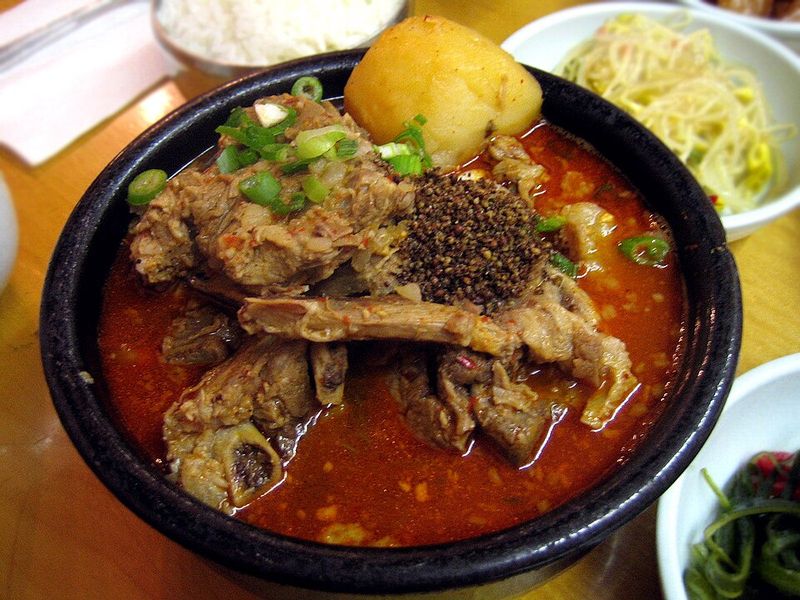
Gamjatang is not for the faint-hearted, and that is exactly what makes it so exciting. This bold, deeply flavored stew is built around pork neck bones and potatoes, slow-cooked until the meat practically falls off the bone.
The broth is thick, earthy, and packed with perilla seeds, dried peppers, and fermented soybean paste.
Despite the name, “gamja” can refer to either potato or the bone marrow inside pork vertebrae, depending on which theory you believe. Either way, the dish delivers incredible flavor for very little money.
It is a favorite among late-night workers and anyone needing a serious, stick-to-your-ribs meal.
Many gamjatang restaurants in Korea stay open 24 hours, catering to night owls and early risers alike. The stew arrives bubbling at your table, and you scoop out the tender meat with chopsticks before soaking it up with a bowl of rice.
Few dishes feel more authentically Korean than this one.
9. Jjajangmyeon
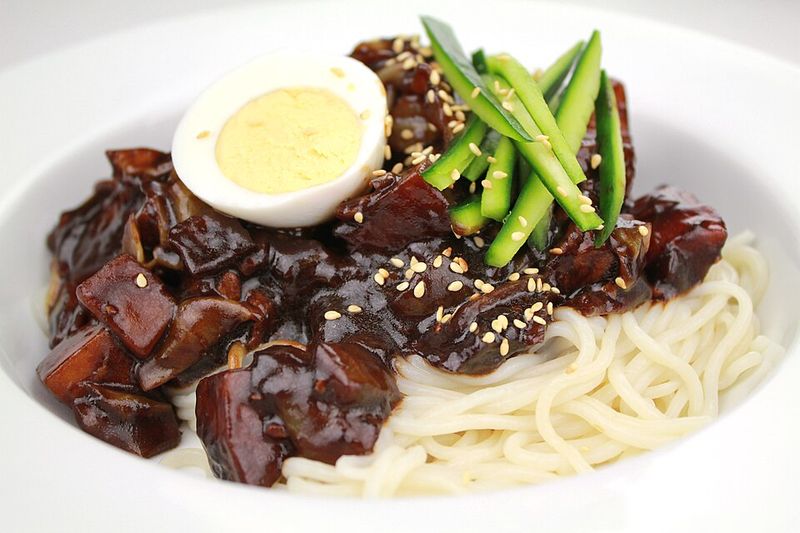
Every year on April 14th, single Koreans observe “Black Day” by eating jjajangmyeon, a dish of noodles coated in thick, savory black bean sauce. Whether or not you are celebrating this unofficial holiday, jjajangmyeon is one of the most comforting noodle dishes Korea has to offer.
It is hearty, slightly sweet, and deeply satisfying.
The dish has Chinese origins, brought to Korea by Chinese immigrants in the early 1900s and gradually transformed into something uniquely Korean. The sauce is made from fermented black bean paste, stir-fried with diced pork, onions, zucchini, and sometimes potatoes.
It is served over thick wheat noodles and garnished with sliced cucumber for a fresh contrast.
Jjajangmyeon is one of the most ordered delivery foods in South Korea, with millions of bowls delivered every single day. Ordering it on a lazy Sunday afternoon with a side of tangsuyuk, sweet and sour pork, is a beloved Korean tradition worth adopting immediately.
10. Tteokbokki
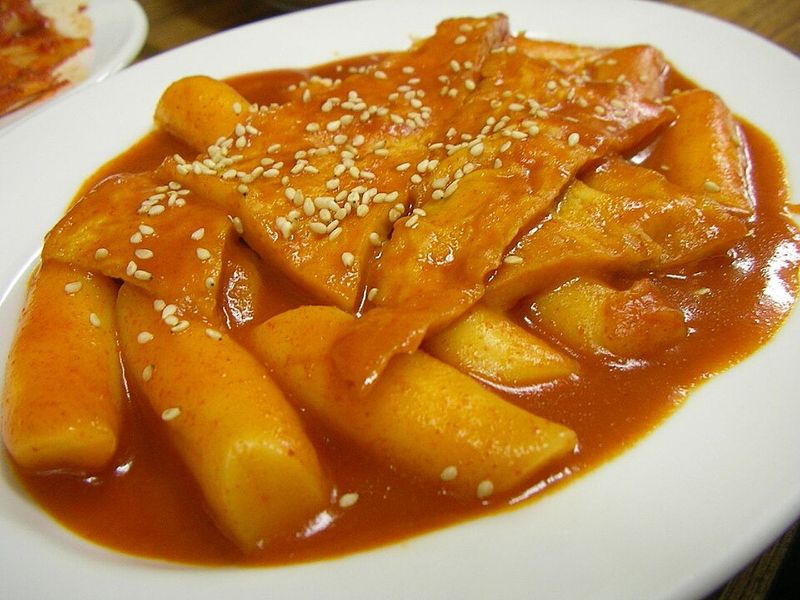
Ask any Korean about their favorite childhood snack and tteokbokki will come up almost every time. These chewy cylindrical rice cakes are cooked in a fiery, slightly sweet gochujang sauce alongside fish cakes and boiled eggs.
The sauce clings to everything and turns the whole pan a vivid, irresistible red.
Tteokbokki has been a staple of Korean street food culture for decades, sold at pojangmacha, which are small outdoor tented stalls found on street corners across the country. Modern versions have expanded far beyond the classic recipe, with cheese-topped, rose cream sauce, and even carbonara-style variations now widely popular.
The chewy texture of the rice cakes is something that takes a little getting used to if you have never tried them before, but most people are hooked after just a few bites. Pair a cup of tteokbokki with fried dumplings and a warm fish cake skewer for the full Korean street food experience.
11. Gimbap
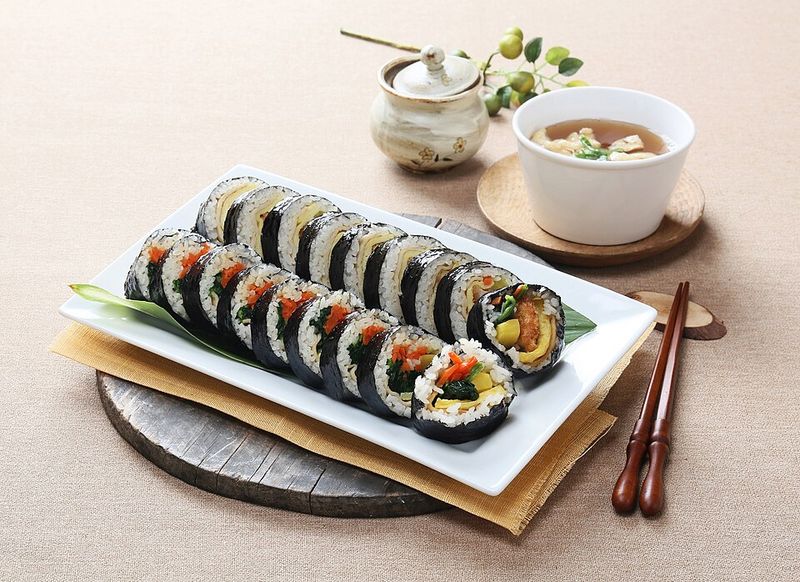
Gimbap looks similar to sushi at first glance, but the two are completely different experiences. Made with seasoned rice, vegetables, egg, and meat rolled up in dried seaweed, gimbap is Korea’s ultimate portable meal.
It is the go-to food for picnics, school trips, and long train journeys, eaten by people of all ages across the country.
Unlike sushi, gimbap rice is seasoned with sesame oil rather than vinegar, giving it a nutty, savory flavor. The fillings vary widely and can include pickled radish, spinach, carrots, canned tuna, bulgogi beef, or processed cheese.
Each roll is sliced into bite-sized pieces and often served with a side of pickled radish cubes.
Gimbap restaurants, or bunsikjip, are some of the most affordable and beloved eating spots in Korea. A full roll costs just a few dollars, and many shops have been run by the same family for generations.
It is simple, nourishing food that Koreans genuinely love every single day.
12. Bossam
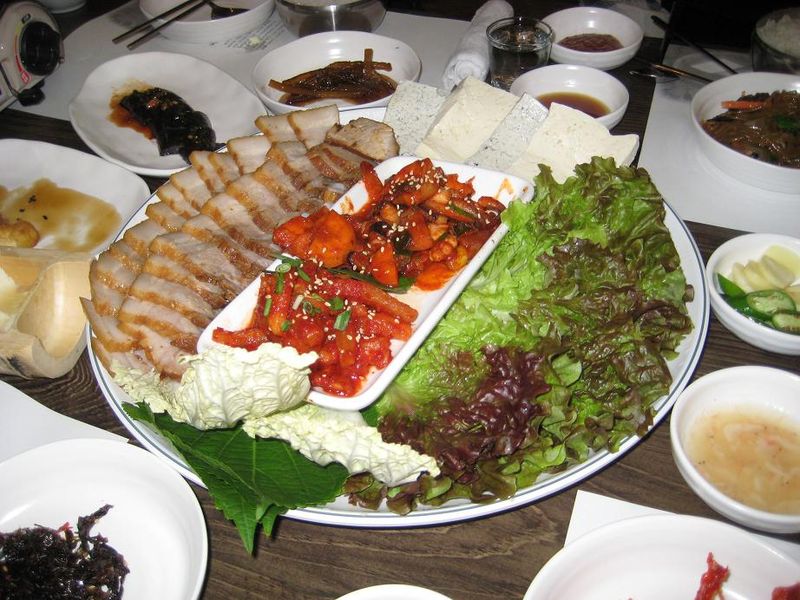
Bossam is the kind of dish that turns a regular Tuesday into something worth remembering. Tender, slow-boiled pork belly is sliced thin and served with fresh cabbage leaves, raw oysters, and a variety of fermented condiments for wrapping.
The combination of soft pork, briny oysters, and tangy kimchi is unlike anything else in Korean cuisine.
The pork is boiled with aromatics like ginger, doenjang, and onion to remove any gamey taste, leaving the meat clean, silky, and incredibly flavorful. Wrapping it all up in a cabbage leaf with a dab of fermented shrimp paste is the traditional way to enjoy it, and there is a reason that method has not changed in centuries.
Bossam is often eaten during kimchi-making season in late autumn, when families gather to prepare large batches of kimchi together. That tradition, called kimjang, is so culturally significant that UNESCO recognized it as an Intangible Cultural Heritage of Humanity.
Sharing bossam during this time is a deeply meaningful Korean experience.
13. Haemul Pajeon
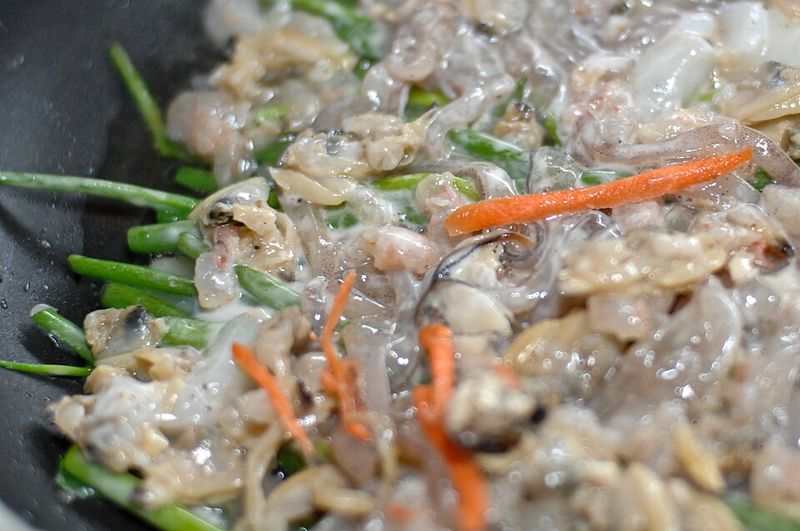
There is a running joke in Korea that whenever it rains, everyone suddenly craves pajeon. Haemul pajeon is a savory seafood and green onion pancake that sizzles on a hot oiled pan until the edges turn golden and impossibly crispy.
The sound of the batter hitting the pan is said to resemble falling rain, which might explain the connection.
Loaded with shrimp, squid, and green onions, the pancake is thick, chewy on the inside, and deeply satisfying. It is served with a tangy soy and vinegar dipping sauce that cuts through the richness beautifully.
Makgeolli, a milky Korean rice wine, is the traditional pairing and is practically mandatory in the minds of many Koreans.
Haemul pajeon is widely available at traditional markets, seafood restaurants, and Korean taverns called makgeolli bars. Gwangjang Market in Seoul is one of the best places in the country to try a freshly made version, cooked right in front of you by skilled vendors.
14. Seolleongtang
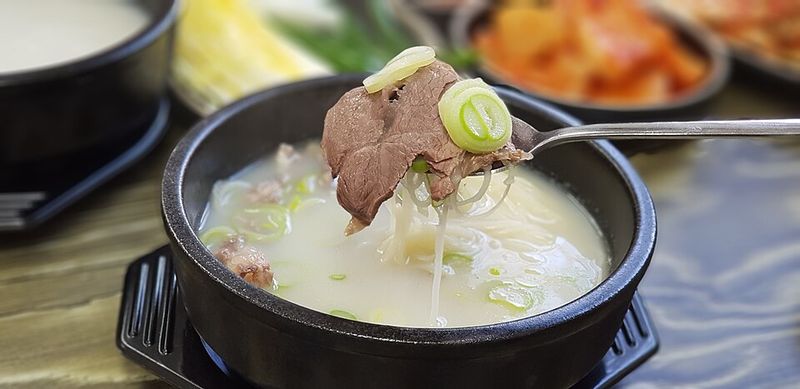
Seolleongtang has been warming Korean bellies for over 600 years. This pale, milky soup is made by boiling ox bones for hours, sometimes an entire day, until the collagen and marrow dissolve into the broth, turning it a creamy, opaque white.
The flavor is subtle and clean, seasoned only with salt at the table.
Thin slices of brisket or ox tongue float in the bowl alongside glass noodles and a generous handful of chopped green onions. The simplicity is the point.
Seolleongtang is not trying to impress you with bold flavors; it is meant to restore and nourish. Koreans often eat it when recovering from illness or exhaustion.
Many seolleongtang restaurants in Seoul have been operating for decades, some for over a century, serving the same slow-cooked broth every single morning. Walking into one of these old-school establishments feels like stepping back in time, and the soup itself tastes like quiet, restorative tradition.
15. Bingsu
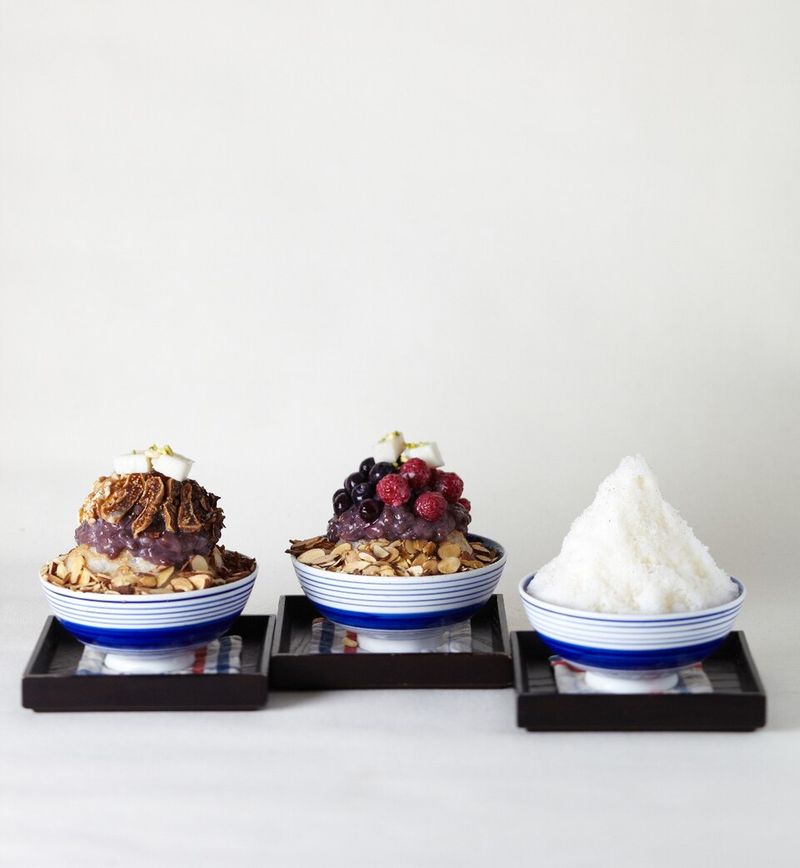
Bingsu is Korea’s answer to summer heat, and it is spectacular. Unlike regular shaved ice, Korean bingsu uses milk-infused ice that is shaved into impossibly fine, snow-like flakes that melt on your tongue almost instantly.
Piled high with toppings, a good bowl of bingsu is equal parts dessert and artwork.
The classic version, called patbingsu, is topped with sweet red bean paste, chewy rice cake balls, and a drizzle of condensed milk. Modern dessert cafes have pushed the boundaries with matcha, strawberry, mango, and even tiramisu-flavored versions.
Some bowls are so large that they are clearly designed for sharing, though no one would judge you for finishing one alone.
Bingsu culture in Korea is serious business. People line up outside popular dessert shops for 30 minutes or more just to get a bowl.
The best ones are found in specialty cafes in neighborhoods like Insadong or Hongdae in Seoul, where presentation and quality are taken very seriously.
Share this story