Indian bakeries turn out some of the most charming baked goods in the world, yet many of them rarely leave their home cities. From flaky pastries in Mumbai to honey-soaked cakes in Karnataka, each treat tells a story about local tastes and history.
Here are nine favorites worth seeking out, along with what makes each one special.
1. Nankhatai
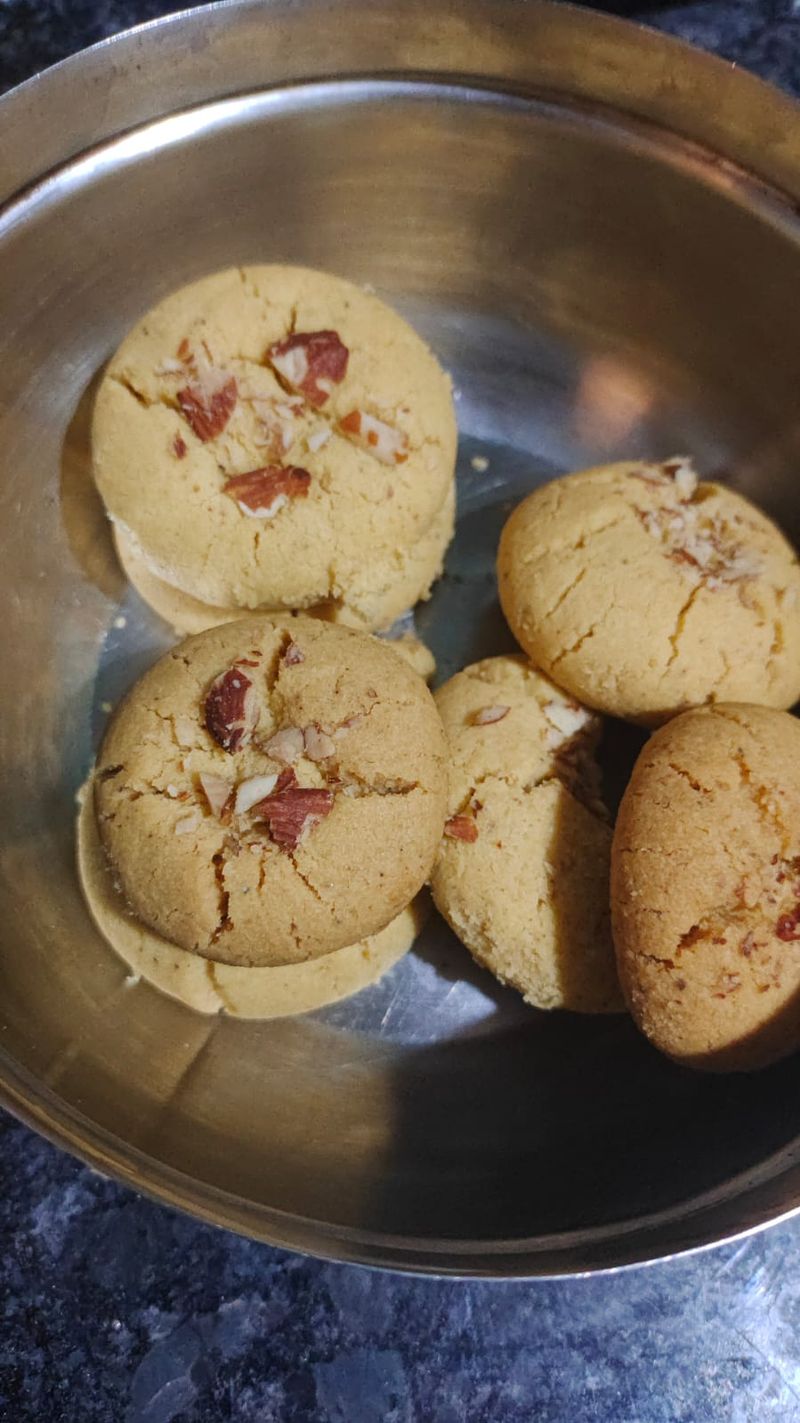
Few cookies have a story as old as nankhatai. The name comes from Persian words meaning bread and biscuit, and the recipe is said to have started in Surat in the 1600s.
A Dutch couple had left the bakery, and a local baker kept making treats in the same oven.
The dough is simple: flour, ghee, sugar, and often cardamom. It bakes into a round cookie with a crumbly center and a lightly cracked top.
Nankhatai is a common sight during festivals such as Diwali, when families share boxes of sweets. Many bakers top each cookie with a pistachio or almond sliver.
For the best texture, handle the dough gently. Overmixing makes the cookies tough instead of delicate and sandy.
2. Osmania Biscuits
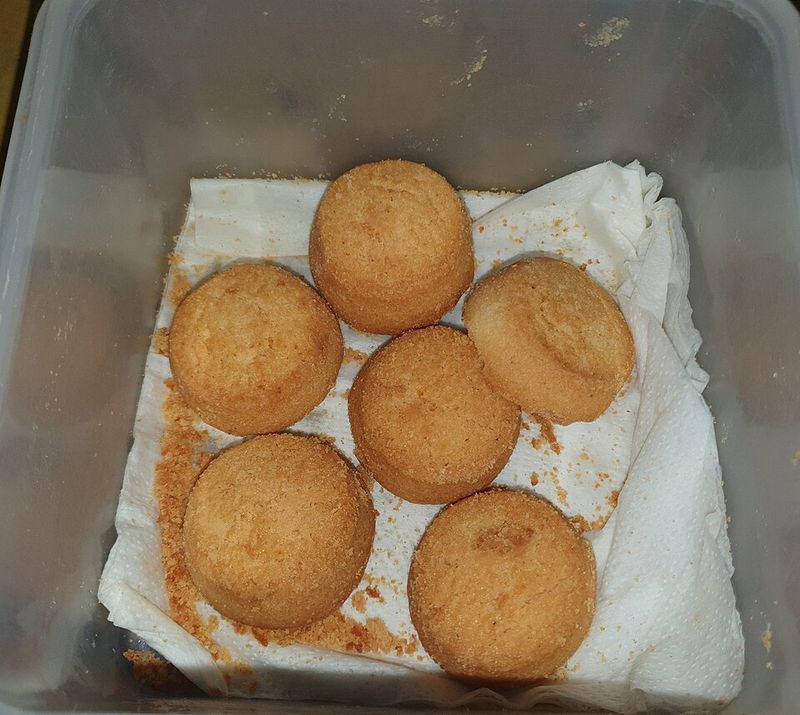
Picture a rainy afternoon in Hyderabad, a cup of milky Irani chai, and a plate of pale, round biscuits. That is the classic way to enjoy Osmania biscuits.
They are named after Osmania General Hospital, where they were reportedly served to patients.
What sets them apart is the balance of sweet and salty. A thin, crumbly bite gives way to a buttery finish with a pinch of salt.
Many cafes in the old city bake them fresh each morning and pack them in boxes for travelers. They keep well, which makes them a popular gift.
If you are tasting one for the first time, dip it briefly into tea. The salt and sugar play off the warm drink in a surprising way.
3. Shrewsbury Biscuits
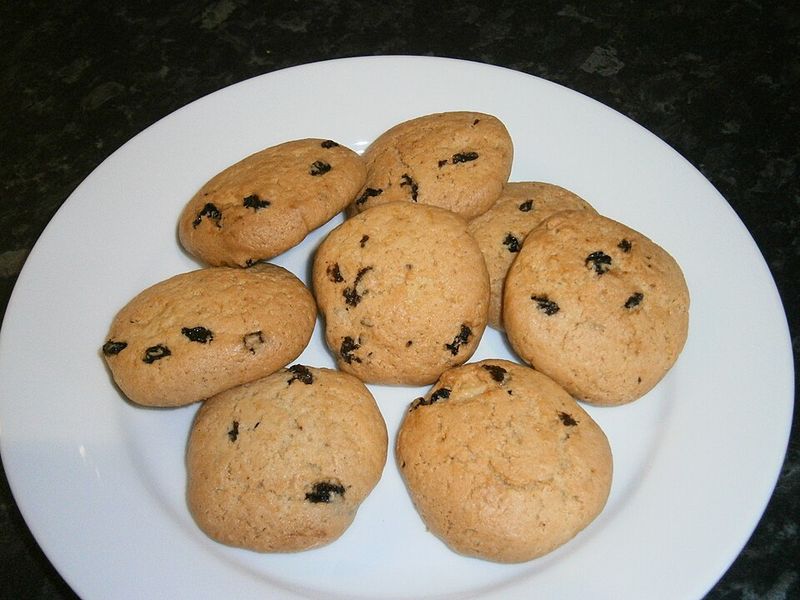
Walk into an old bakery in Pune and you may spot a tray of pale, crisp rounds with a soft snap. Shrewsbury biscuits trace their roots to England, but Pune has made them its own.
Kayani Bakery is the name most often linked to them.
The recipe leans on butter, sugar, and flour, with very little else. A hint of vanilla or lemon sometimes adds a gentle lift.
The result is a cookie that tastes rich yet stays light on the tongue. It pairs well with a plain cup of tea or coffee.
Visitors often arrive early, since the best batches sell out by midday. Buy a box to take home, and keep it sealed so the crispness lasts.
4. Dilkhush
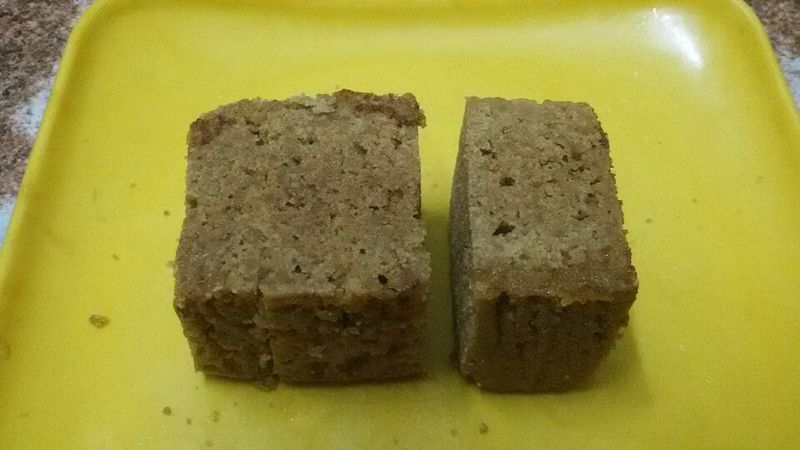
The name means delight of the heart, and one bite explains why. Dilkhush is a soft bun or pastry stuffed with a sweet mix of coconut, sugar, and sometimes tutti frutti or raisins.
It is a staple on South Indian bakery shelves.
The outside is tender and lightly golden, often brushed with sugar glaze. Inside, the filling is chewy and fragrant.
People often buy it as an afternoon snack to go with tea. Kids tend to love the colorful bits of candied fruit tucked into the center.
Look for ones that feel slightly heavy for their size, since that usually means generous filling. Eat it the same day for the softest texture.
5. Mawa Cake
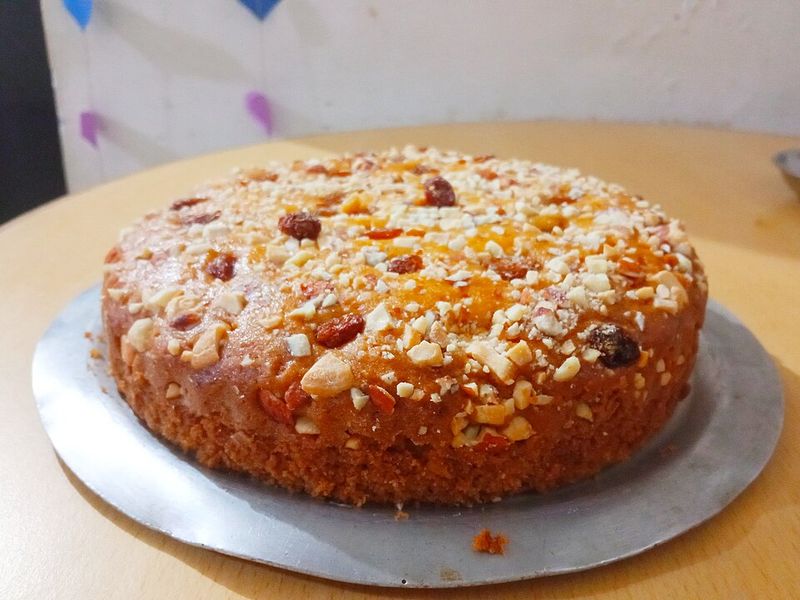
Some desserts feel like a memory even on the first taste. Mawa cake, a favorite at Mumbai’s Irani cafés, has that quality.
It is made with mawa, which is milk cooked down until it turns into soft solids.
The cake is dense yet tender, with a buttery aroma and a hint of cardamom. Its edges are lightly crisp, and the crumb is moist.
Parsi and Irani families helped popularize it in the city, and many cafés still sell it by the slice. Locals often pick one up with a cup of sweet tea.
When buying a whole cake, check for a deep golden top and a rich milky smell. Wrap it well and it stays fresh for a couple of days.
6. Bun Maska
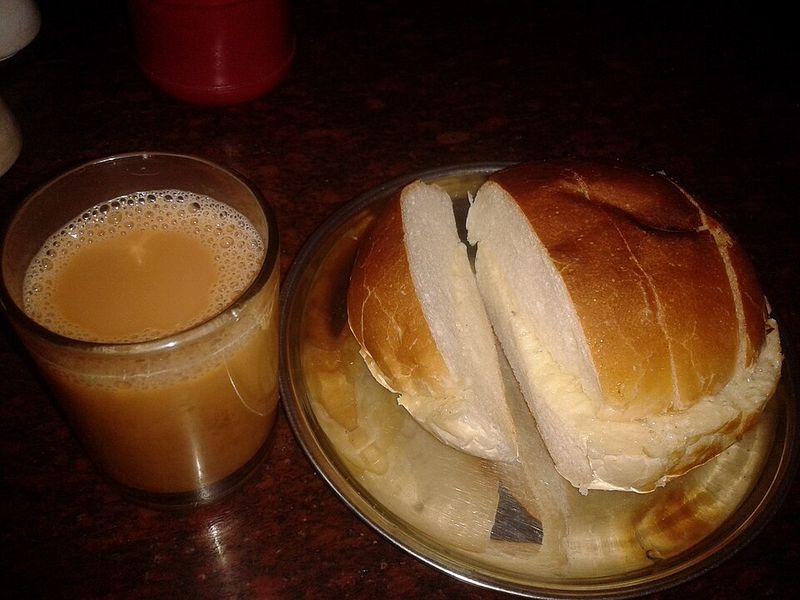
Simple things can be the hardest to get right. Bun maska is just a soft, slightly sweet bun split open and spread with a thick layer of butter.
Yet it has kept Irani cafés busy for generations.
The best buns are fluffy inside with a thin, shiny crust. Many cafés slice them fresh and let the butter melt slightly into the crumb.
Most people order it alongside chai, and dunking is encouraged. The tea softens the bread while the butter adds a salty richness.
Fun fact: maska is the Hindi and Marathi word for butter. If you are trying it at home, use good salted butter and let it come to room temperature first.
7. Karachi Biscuits
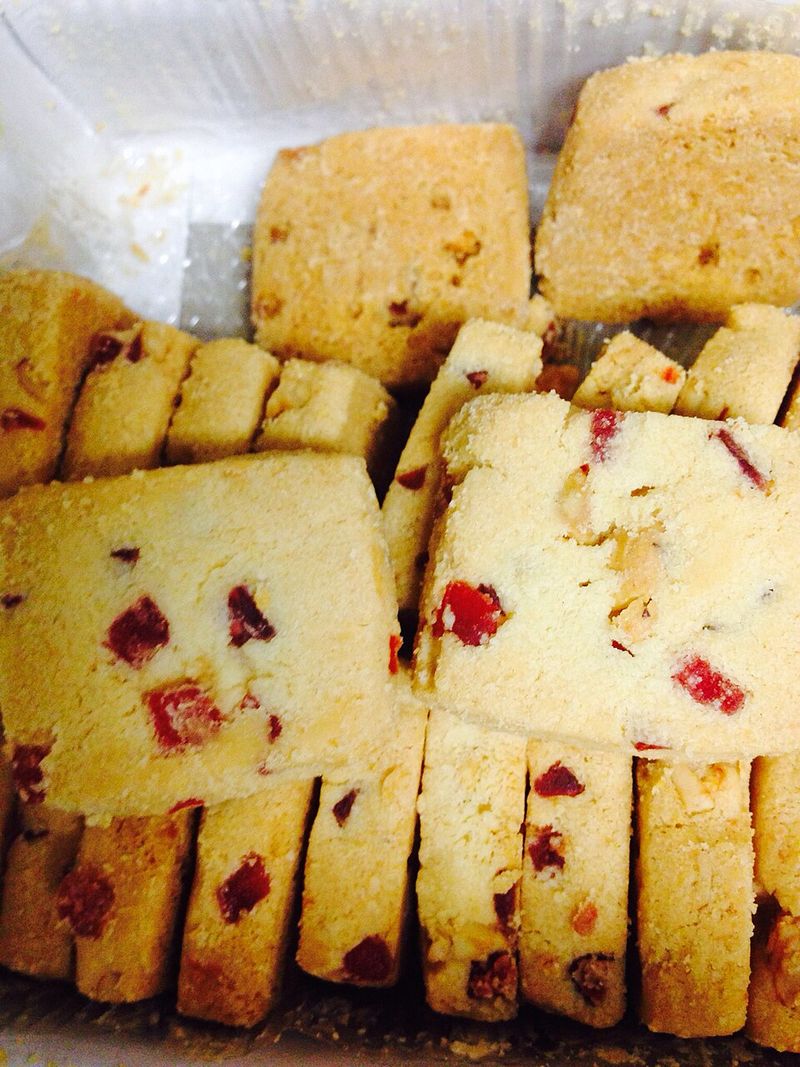
A box of Karachi biscuits looks like a jar of tiny jewels. Each round cookie is dotted with pieces of candied fruit in red, green, and yellow.
They are linked to Hyderabad, especially the famous Karachi Bakery.
The story goes that the founder moved from Karachi after the 1947 partition and opened a shop in Hyderabad. The name stayed, and the recipe became a local icon.
The biscuits are crumbly and buttery, with a gentle sweetness from the fruit. Cashew and other nuts sometimes appear in different versions.
They travel well, so many visitors carry them home as gifts. Store them in a tin and they stay crisp for weeks.
8. Egg Puffs
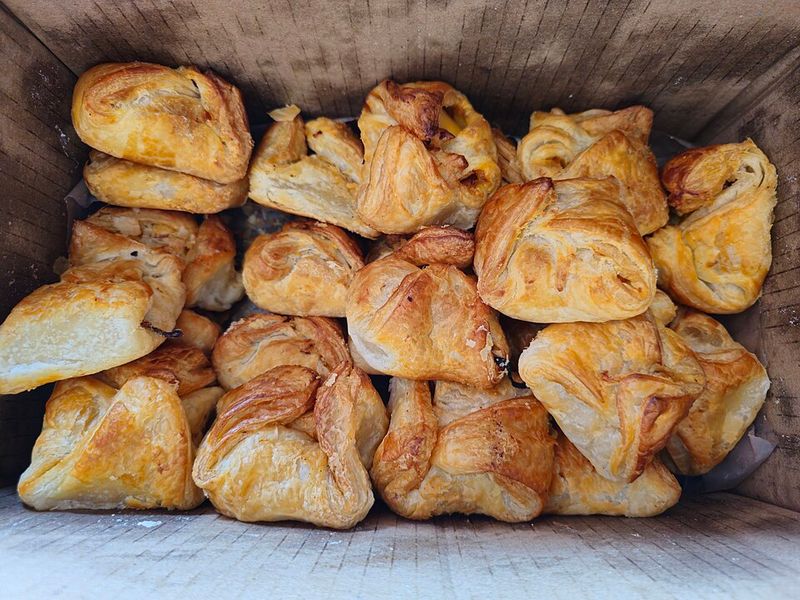
Ask anyone in Kerala about bakery snacks, and egg puffs come up fast. A square of puff pastry is wrapped around a boiled egg and a spicy onion masala.
It bakes into a golden, flaky parcel.
The filling usually has chili, turmeric, and a little pepper. Each bite mixes buttery layers with warm, savory spice.
Egg puffs are popular as a quick tea-time snack and are sold at nearly every bakery counter. Fresh batches often come out in the late afternoon.
For the best taste, eat one while it is still warm. If you reheat leftovers, use an oven rather than a microwave to keep the pastry crisp.
9. Goan Baath Cake
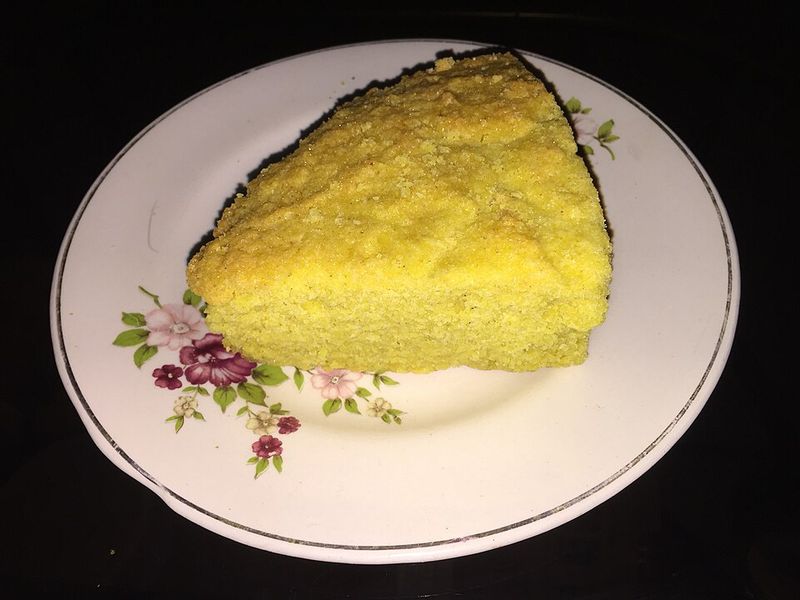
Goa has a baking tradition all its own, shaped by Portuguese influence and coastal ingredients. Baath cake is a fine example.
It is made with semolina and coconut, which give it a moist, slightly grainy crumb.
Cardamom adds a warm aroma, and some cooks add a splash of rose water. The cake is often baked for Christmas and other family gatherings.
One helpful tip: let the semolina rest in the batter for a while before baking. This softens the grains and keeps the cake tender.
Baath is usually served in thick slices with tea. It stays good for a few days, so it works well for sharing with guests.
Share this story