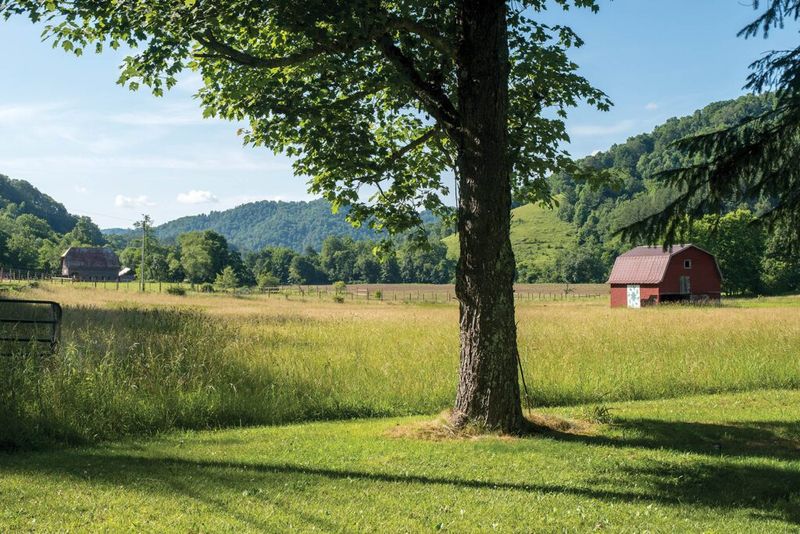
Most people planning a North Carolina mountain trip hear one name above all others: Boone. But just 8 miles down the road, a rural valley called Valle Crucis offers a completely different kind of weekend, one built around a 140-year-old general store, a pastoral river setting, and a pace that feels worlds apart from a college town on a busy Saturday.
Whether that trade-off sounds better or worse depends entirely on what you came to the mountains for, and that is exactly the debate worth having.
The Better Clue Leads to Valle Crucis
Valle Crucis sits about 8 miles from Boone, but the gap between the two feels much wider once you arrive. The official Valle Crucis visitor site markets the community as “only 8 miles from Boone but a lifetime away,” leaning hard into the language of escape, pastoral surroundings, and relief from traffic.
That framing is a positioning choice, not a traffic count, but it captures something real about the difference in feel between a rural valley and a working college town.
A quick clarification before going further: Valle Crucis is not an incorporated town. It is an unincorporated rural community and valley in Watauga County.
The Mast General Store’s own history page places the community among several surrounding rural delivery areas, including Sugar Grove, Banner Elk, and Vilas. Using the word “town” in a headline is a casual shorthand, and this article treats it that way, but the distinction matters if you are trying to look up municipal services or local governance.
So why does Valle Crucis come up as the strongest quieter alternative to Boone? The combination is fairly specific: a documented rural historic district, the 1883 Original Mast General Store, Watauga River access, a community park, and a compact mix of outdoor and heritage experiences.
None of those things are secrets. The destination is actively promoted by state and local tourism organizations, and it draws real visitors across every season.
What Valle Crucis offers is a different set of priorities, not a universally better weekend. Readers who want heritage atmosphere, river scenery, and a slower rural itinerary will find a strong match here.
Readers who want a wider range of restaurants, retail, and evening entertainment may find Boone serves them better. The goal of this article is to lay out both cases clearly and let you decide which one fits the trip you actually want to take.
Boone Offers More Choice and Commercial Scale
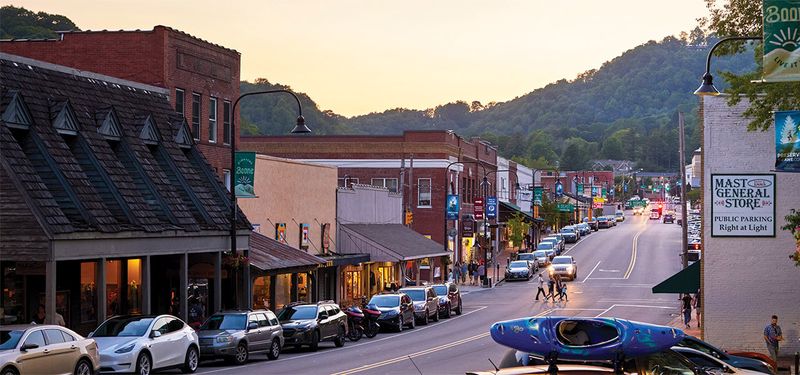
Boone is a genuine mountain city with real commercial depth, and any honest comparison has to start there. U.S.
Census Bureau data puts Boone’s 2020 population at 19,092 residents, with an estimated 19,929 by 2025, and its 2022 accommodation-and-food-services sales reached approximately $187.4 million. Those numbers describe a substantial visitor economy, not just a pass-through stop on the way to somewhere else.
Appalachian State University drives a lot of that activity. On football Saturdays, during graduation weekends, and across the academic calendar, Boone pulses with a crowd density that a small rural valley simply cannot match.
That is not a criticism. For travelers who want a lively downtown, a wide restaurant selection, late-night options, and the energy of a college town, Boone delivers.
The official Explore Boone tourism site lists an extensive range of dining, shopping, events, and outdoor outfitters that collectively reflect how much the town has built around visitor needs.
The important caveat is that Boone is not always crowded. Crowd levels shift considerably depending on the season, the day of the week, whether school is in session, which festivals are running, and what the weather is doing.
A Tuesday morning in early March feels nothing like a Saturday afternoon in October during peak foliage season. Treating Boone as permanently overrun misreads the place.
The honest framing is scale and variety versus pace and rural character. Boone wins on the first two counts without much argument.
If you want the widest selection of places to eat, the most retail options, the easiest access to outdoor outfitters, and the most concentrated calendar of events, Boone is the practical choice in the High Country. What it cannot offer is the specific feeling of pulling off a two-lane road into a quiet mountain valley where the main attraction is a store that has been open since 1883.
The 1883 Mast Store Gives the Valley Its Identity
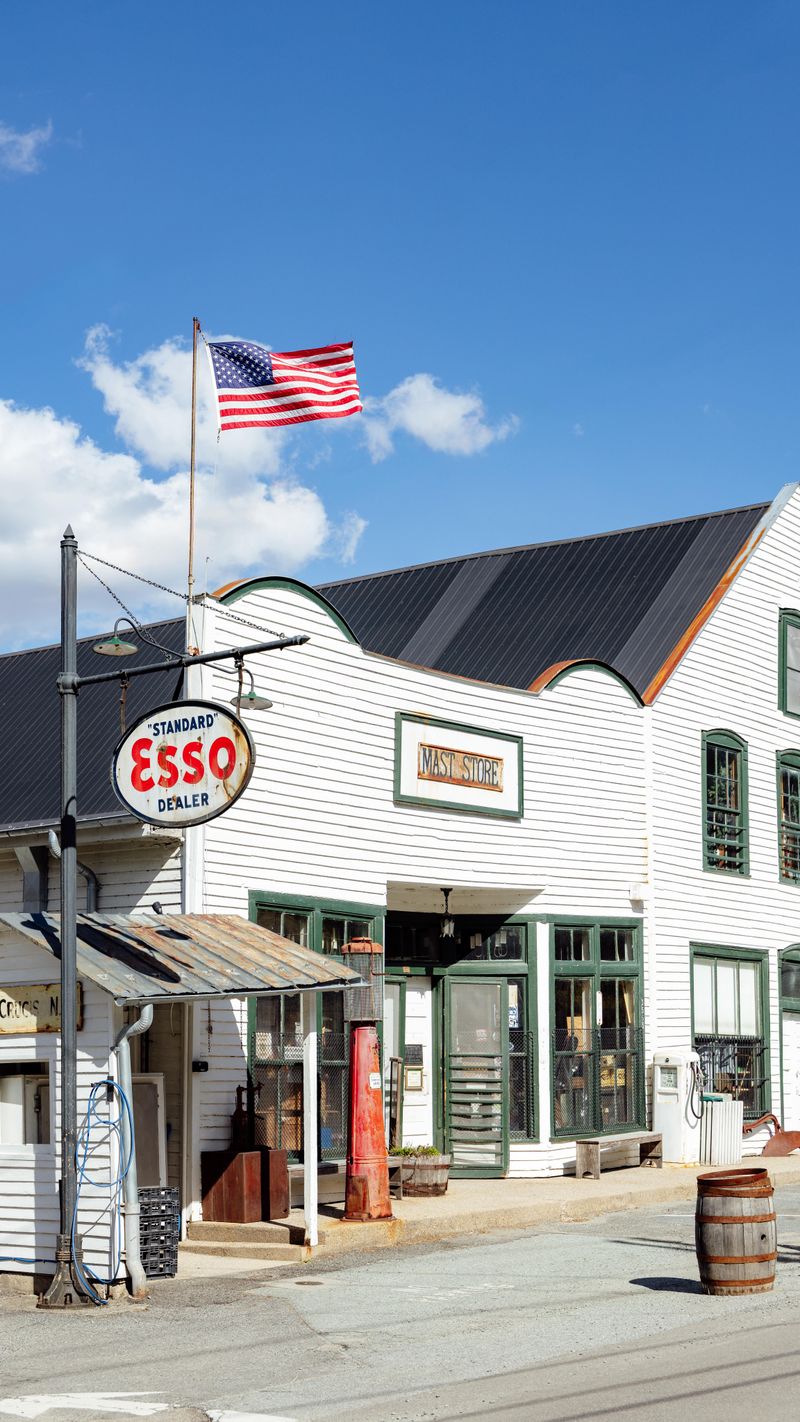
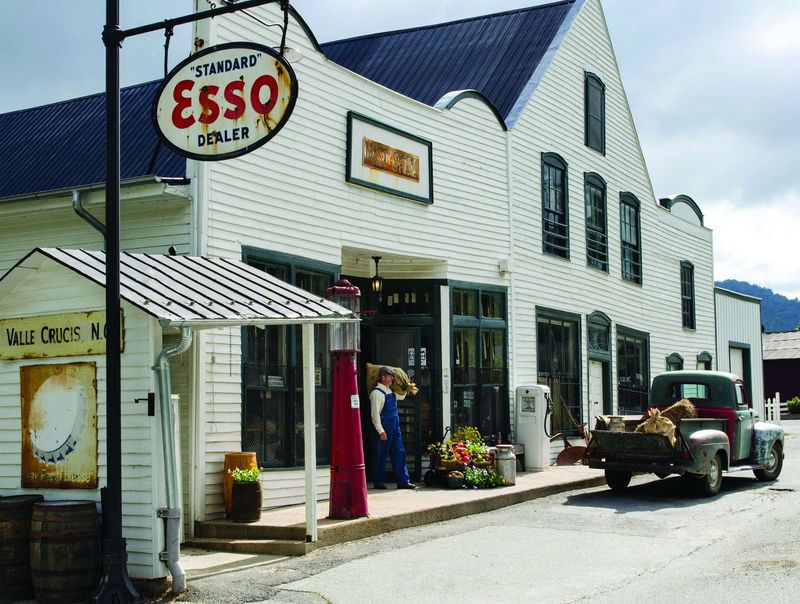
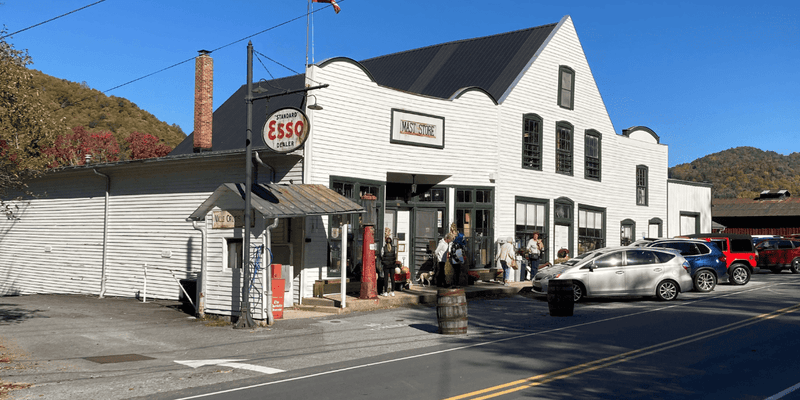
Walk into the Original Mast General Store on a weekday morning and you get a fast education in what makes Valle Crucis different from a standard mountain shopping district. The store opened in 1883, and North Carolina tourism materials identify it as a landmark in the state’s first rural historic district, a designation that gives the surrounding valley a layer of official heritage recognition that most mountain communities cannot claim.
The store still operates as a retail destination, carrying a mix of outdoor gear, old-fashioned candy, apparel, and general merchandise that leans deliberately into its historic identity. It also houses a contract post office station, which means it has served the local community in a genuinely functional way for well over a century, not just as a tourist attraction dressed up to look old.
The Original Store page at Mast General Store’s own site documents the building’s ongoing retail and postal role.
The Mast General Store brand has expanded significantly over the decades, with locations in several North Carolina and Tennessee cities. But the Valle Crucis original carries a weight the others do not, simply because of where it sits.
A historic store in an urban shopping district is a novelty. The same store anchoring a rural valley with a documented historic district around it becomes something closer to a cultural landmark.
None of this means Valle Crucis is undiscovered or untouched by tourism. The store draws visitors consistently, and the surrounding community is actively promoted by state and local tourism organizations.
The heritage angle is genuine, but it coexists with real visitor traffic. What the Mast Store does is give the valley a specific, well-documented identity that orients an entire weekend around a single compelling place rather than a general commercial strip.
The Community Park Makes an Easy Outdoor Base
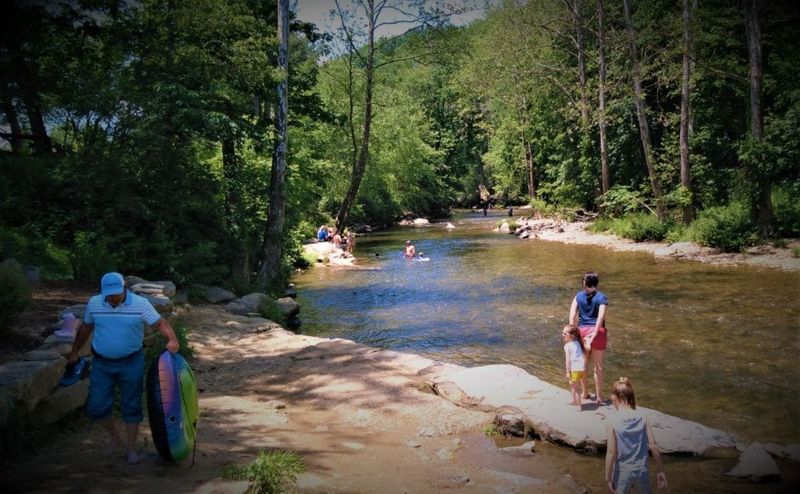
Valle Crucis Community Park functions as a practical outdoor anchor for visitors who want nature access without a major production. The park is open to the public year-round, and its documented amenities include a paved perimeter path of approximately 0.75 miles for the outer loop or 0.97 miles in the figure-eight configuration, restrooms, playgrounds, and direct access to the Watauga River.
That is a useful combination for families, casual walkers, and anyone who wants a low-effort morning outside before heading to the Mast Store.
The river access is probably the park’s strongest draw for visitors who are not just looking for a walking path. The Watauga moves through a scenic stretch of the valley here, and the setting feels genuinely pastoral rather than manicured.
That said, river conditions change with weather, and casual wading or fishing should always be preceded by a check of current water levels and forecasts. Rapidly changing mountain conditions, including flash flooding after heavy rain, are a real consideration in this region.
The park’s mission centers on peaceful recreation, open-space preservation, and protection of local natural resources, which aligns well with the low-key, nature-oriented framing that makes Valle Crucis appealing to a certain kind of traveler. The park is not a theme park or a programmed attraction.
It is an open green space with good bones and a river running through it.
One thing worth noting: the park’s public, year-round status is well-documented, but specific events, programs, or organized activities may involve fees or require registration. Do not assume every activity or event at the park is included in a general visit without checking current schedules and policies.
The amenities described here reflect documented infrastructure, not a blanket promise of free programming across all seasons.
Build a Slower Weekend Around a Compact Itinerary
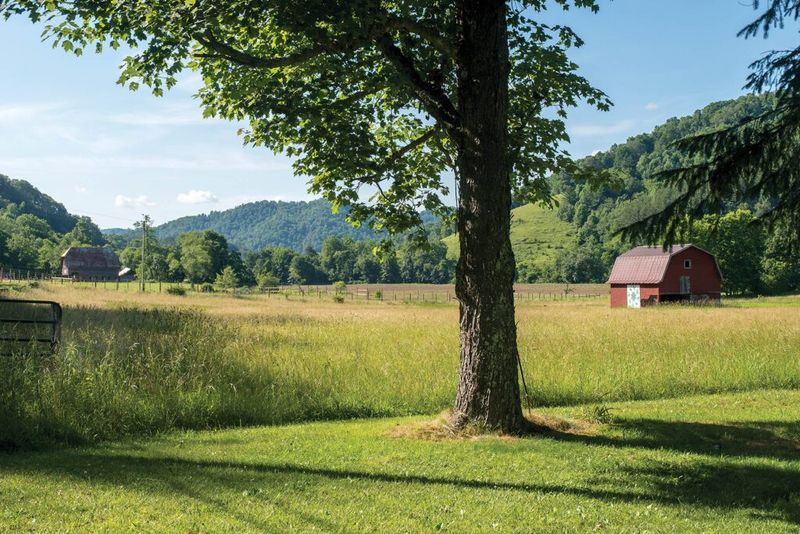
One practical advantage Valle Crucis has over a broader High Country itinerary is proximity. The Mast Store, the community park, the Watauga River, nearby lodging, and the surrounding historic district all sit within a compact rural area, which means less time driving between attractions and more time actually being somewhere.
The Valle Crucis things-to-do page lists the Mast Store, community park, outdoor recreation, historic destinations, food, lodging, and music events as the core experiences, a lineup that can realistically fill a weekend without requiring a car-heavy agenda.
A reasonable two-day framework might look like this: arrive Friday evening and settle into lodging in or near the valley; spend Saturday morning at the community park for a river walk and some time on the paved path; cross over to the Mast Store for a browse and lunch; spend the afternoon exploring the surrounding historic district or a nearby trail; and cap the evening with live music if an event is scheduled. Sunday can be slower, with a return visit to the store, a longer walk, or a drive through the surrounding farmland before heading home.
“Slower” here is a fit-based description, not a measured ranking. Valle Crucis works well for travelers who find a compact, heritage-anchored itinerary more satisfying than a full agenda of commercial stops.
The destination markets itself explicitly around rest and return visits, which tells you something about who it is designed for.
Before finalizing any plans, verify current hours, seasonal availability, lodging options, and event schedules directly with businesses and the park. The High Country is seasonal in ways that matter: a destination that hums in October foliage season or summer may operate on reduced hours in late winter, and a music event listed online may have changed dates or been postponed.
Checking ahead is not just good practice here, it is genuinely necessary.
Blowing Rock Is the Strongest Incorporated-Town Alternative
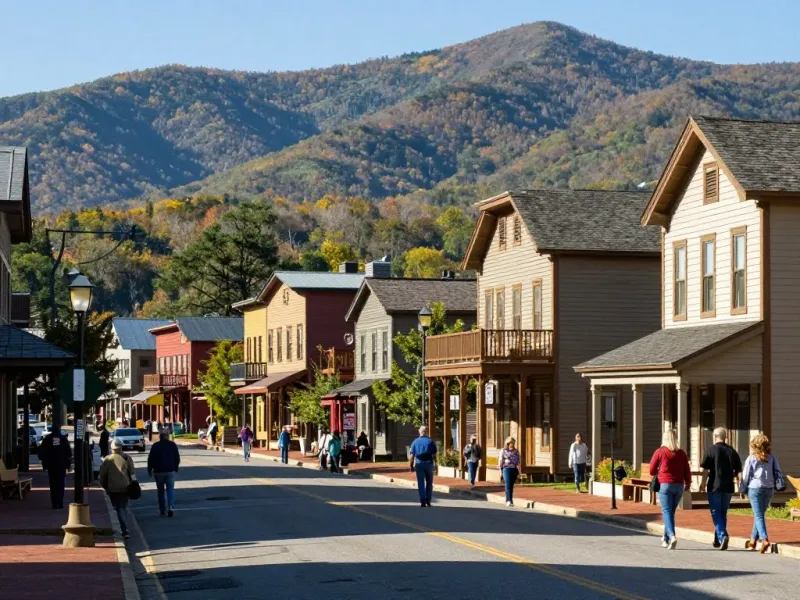
If the article’s premise requires an incorporated mountain town rather than a rural community, Blowing Rock is the more accurate answer. Blowing Rock’s official visitor FAQ directly characterizes Boone as the “busier college town” and Blowing Rock as offering “a little more quiet and relaxing” experience, which is about as close to an official endorsement of the quieter-alternative framing as you will find from a destination’s own marketing materials.
Blowing Rock offers a walkable downtown with established lodging, restaurants, boutique shopping, and proximity to the Blue Ridge Parkway and Grandfather Mountain. For travelers who want a conventional mountain-town weekend with sidewalks, restaurants within walking distance, and a recognizable small-town structure, Blowing Rock fits that profile more cleanly than Valle Crucis does.
The two places serve genuinely different travel modes.
Where the underdog narrative breaks down for Blowing Rock is visibility. A recent destination-awareness study describes Blowing Rock as both a stand-alone destination and a regional hub, with visitors commonly combining it with Boone, Banner Elk, Grandfather Mountain, or Asheville.
That is not the profile of a hidden gem. It is a well-established stop on a familiar High Country circuit.
Valle Crucis fits a rural-community framing more naturally than Blowing Rock does, not because it is universally superior, but because its character is genuinely more pastoral, less commercial, and more anchored to a single heritage site. Blowing Rock is the better choice for travelers who want a small-town framework with more services and walkability.
Valle Crucis is the better choice for travelers who want to feel like they left the tourist infrastructure behind, even knowing that is partly an illusion cultivated by smart destination marketing.
Check Roads, Weather, and Seasonal Conditions First
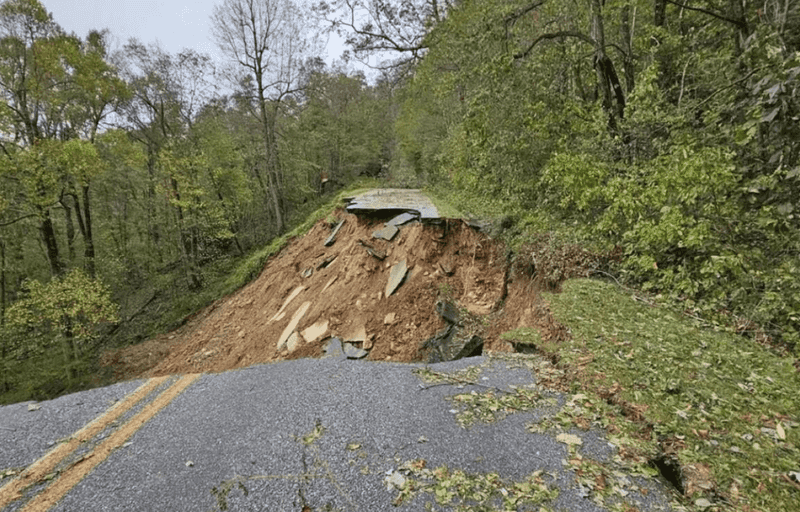
The High Country is not a year-round constant. Summer travel, fall foliage season, ski season, spring wildflower weekends, Appalachian State University home games, regional festivals, and post-storm recovery periods each create a different version of the same roads and destinations.
Planning a Valle Crucis or Boone trip without checking current conditions is a reasonable way to arrive at a closed overlook, a detoured highway, or a park with flooded trails.
The Blue Ridge Parkway deserves specific attention before any trip that routes through it. The National Park Service road-status and closures page and the road construction projects page both carry active 2026 updates reflecting construction and Helene-recovery restrictions in portions of the High Country region.
Do not assume the Parkway or any specific overlook, trail, or recreation facility is open without checking those pages directly before you leave home. The Parkway’s FAQ page also notes that while travel on the road itself is free, specific facilities and permits may involve fees.
Mountain weather adds another layer of planning. National Weather Service guidance advises moving off mountain ridges, peaks, and other elevated areas when thunderstorms threaten, and seeking substantial shelter as soon as thunder is heard.
That is not a theoretical caution in the High Country. Afternoon thunderstorms develop quickly in summer, and exposed ridgelines offer no protection.
Check the forecast before any ridgeline hike, river outing, or mountain-road drive.
River activities at Valle Crucis Community Park carry the same caution. Water levels on the Watauga River can rise quickly after upstream rain, and conditions that look calm at the trailhead may have changed by the time you reach the water.
North Carolina’s High Country travel page is a useful starting point for current seasonal information, but always cross-reference with local conditions and official closure updates before committing to any outdoor plan.
Choose the Destination That Matches Your Weekend
Three destinations, three different weekends. Valle Crucis suits travelers who want a heritage-anchored, pastoral, river-adjacent experience with a compact itinerary and fewer commercial distractions.
The Mast Store, the community park, the Watauga River setting, and the surrounding rural historic district form a coherent whole that does not require much driving to enjoy. The destination markets itself around rest and return, and that promise is credible for the right traveler.
Boone suits travelers who want the full range of mountain-town amenities: a wide selection of restaurants, retail, outfitters, university events, and a commercial energy that keeps things moving. Explore Boone’s official site reflects how much the town has built around visitor needs, and that infrastructure is genuinely useful if variety and convenience matter more to you than pastoral quiet.
Blowing Rock suits travelers who want a walkable, established mountain-town base with a slightly calmer feel than Boone and good access to the Blue Ridge Parkway and Grandfather Mountain. Its own visitor guidance positions it as the quieter, more relaxing counterpart to Boone, and that holds up as a qualitative description even if Blowing Rock is far from undiscovered.
None of these destinations wins on every count, and the article’s premise reflects a set of travel priorities rather than a documented local consensus or an objective ranking. If another quieter High Country community belongs on this list, make the case.
The mountains are full of valleys and crossroads communities that never make the travel roundups, and the best argument for any of them is the specific weekend you can describe rather than a general claim about crowds.
Share this story