Somewhere between the world’s highest peaks and the sky, there are valleys that time simply forgot to update. No skyscrapers, no traffic jams, no notifications.
Just ancient monasteries, terraced fields, and communities that have been quietly getting on with life for centuries. These 13 Himalayan valleys are not just beautiful backdrops.
They are living records of culture, geography, and human resilience. Some can only be reached on foot.
Others get cut off by snow for half the year. A few were closed to outsiders until surprisingly recently.
Each one offers something genuinely rare: a place where the pace of life is still set by the seasons rather than a schedule. Whether you are an adventurous trekker, a curious traveler, or simply someone who enjoys reading about places that feel like they belong to another century, this list has something worth your attention.
1. Zanskar Valley, Ladakh, India
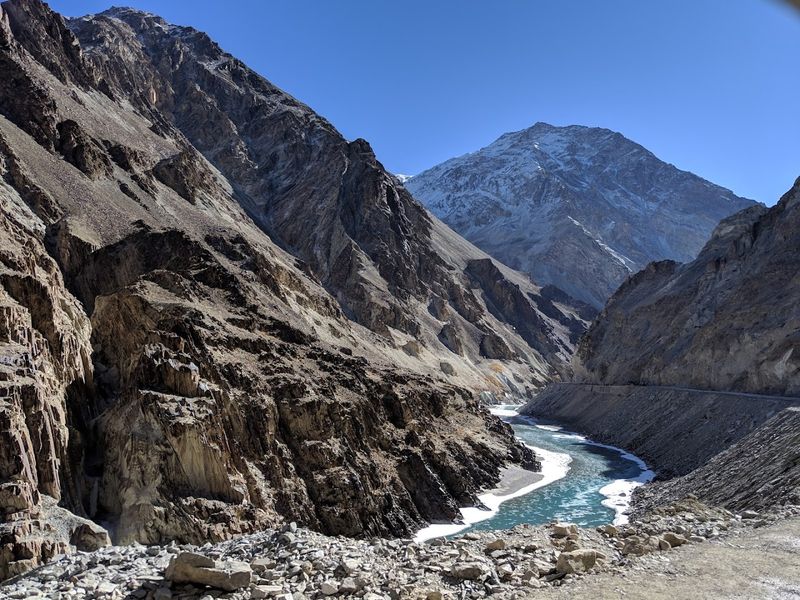
When winter arrives in Zanskar, the only way in or out is a frozen river. The legendary Chadar trek follows this ice path, where temperatures can plunge to -40 degrees Fahrenheit, and Buddhist nuns have navigated these conditions for generations.
Zanskar sits landlocked in northwestern Ladakh, surrounded by some of the highest mountain passes in the Himalayas. Ancient monasteries cling to sheer cliffs, and village life follows rhythms dictated entirely by snowfall and thaw rather than calendars or clocks.
The valley has no railway, and road access remains limited to a short summer window. Traditional farming, weaving, and religious festivals continue much as they have for centuries.
Visitors who make the effort to reach Zanskar consistently describe it as one of the most genuinely isolated places they have ever experienced, and the landscape absolutely backs that claim up.
2. Tsum Valley, Gandaki Province, Nepal
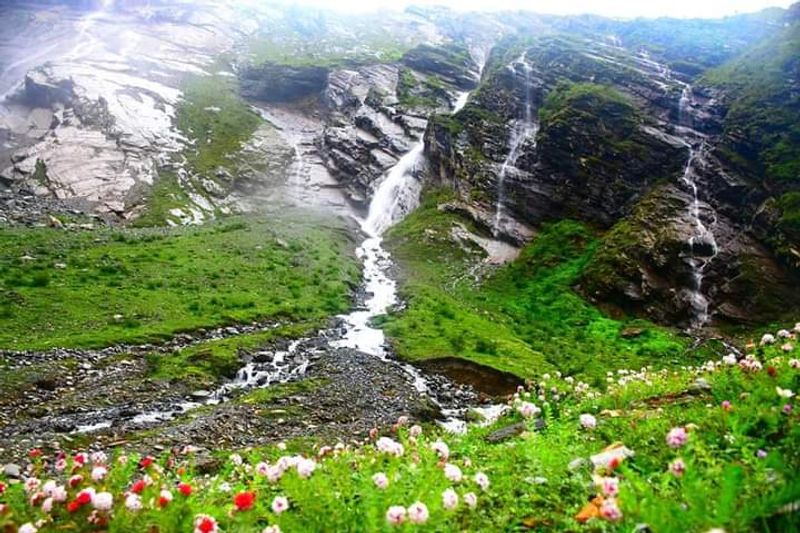
Tsum Valley was officially opened to trekkers only in 2008, which means it spent centuries as one of the Himalayas’ most successfully kept secrets. Locally called the “Hidden Valley,” it is a sacred pilgrimage corridor surrounded by the Ganesh Himal, Sringi Himal, and Boudha Himal ranges.
The valley is home to Mu Gompa, the largest monastery in the region, as well as Rachen Nunnery, both of which remain active centers of Tibetan Buddhist practice. Stone villages, prayer walls, and hand-carved mani stones line the trekking paths throughout.
Because access was restricted for so long, Tsum Valley preserved its cultural traditions in a way that more popular trekking routes simply could not. Visitors report a striking sense of authenticity here that is increasingly difficult to find elsewhere in Nepal.
The landscape rewards patience and effort in equal measure.
3. Nubra Valley, Ladakh, India
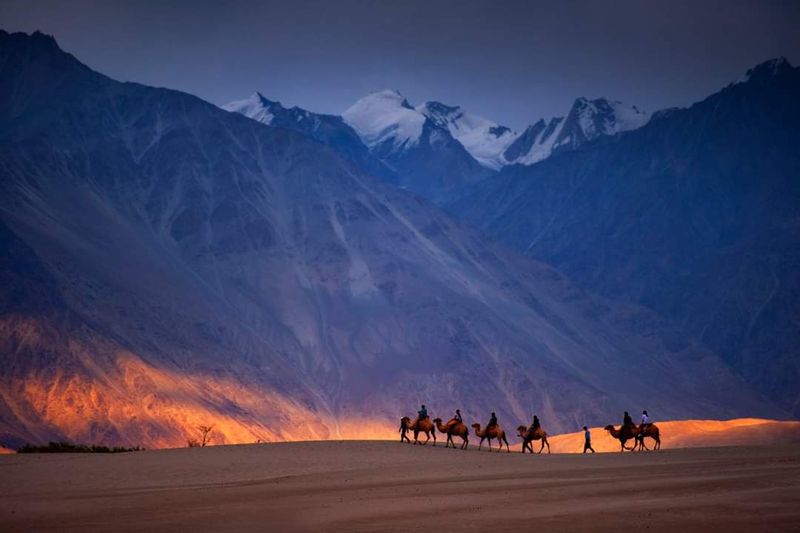
Bactrian camels wandering across sand dunes at 10,000 feet above sea level is not something most people expect to find in the Himalayas, but Nubra Valley delivers exactly that. Once known as Ldumra, meaning “valley of flowers,” the area is a high-altitude cold desert with a visual character unlike anywhere else in the region.
Reaching Nubra requires crossing the Khardung La pass, which sits at roughly 17,500 feet and is one of the highest motorable roads on the planet. The dramatic elevation change from the pass down into the valley creates a landscape shift that genuinely surprises first-time visitors.
The Siachen Glacier lies at the valley’s extreme northern end, and centuries-old monasteries dot the lower settlements. Small farming communities continue traditional practices, and the combination of desert terrain, mountain backdrop, and cultural heritage makes Nubra one of Ladakh’s most distinctive destinations.
4. Phobjikha Valley, Bhutan
Every autumn, endangered black-necked cranes fly hundreds of miles from the Tibetan Plateau to spend winter in Phobjikha Valley, and local communities celebrate their arrival with a dedicated festival. The cranes have been making this journey for centuries, and their continued presence says a lot about how well the valley has been preserved.
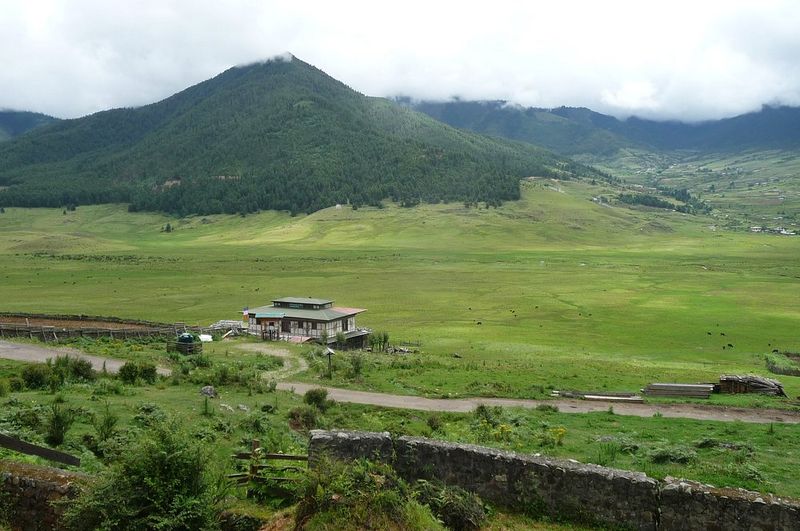
Phobjikha is a broad glacial valley in central Bhutan, characterized by open marshlands, traditional farmhouses, and forested ridges. Bhutan’s strict development policies have kept modern infrastructure minimal here, which means the landscape looks remarkably similar to historical descriptions and photographs.
The Gangtey Monastery overlooks the valley from a prominent ridge, and it has served as a spiritual anchor for the region for over four centuries. Visitors who time their trip with the crane festival get a rare combination of wildlife spectacle and cultural celebration in one genuinely unhurried setting.
5. Hunza Valley, Gilgit-Baltistan, Pakistan
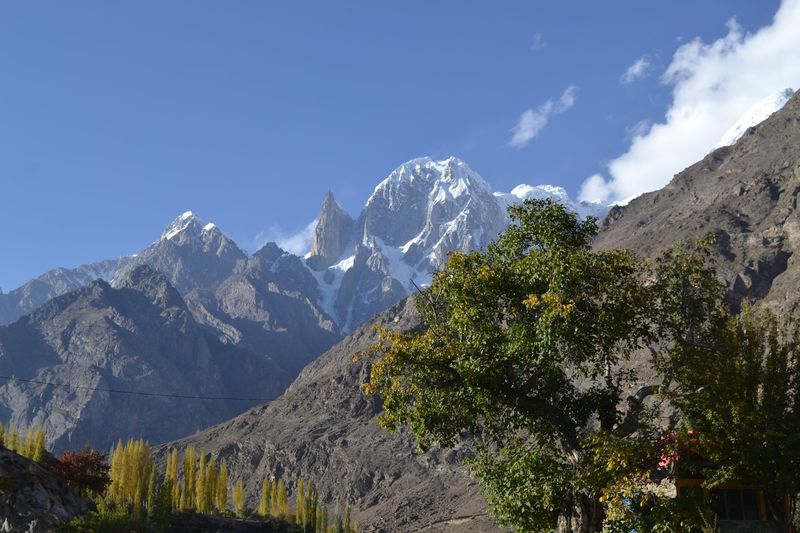
Baltit Fort has watched over Hunza Valley for roughly 700 years, and it still dominates the skyline above the village of Karimabad today. The fort served as the seat of the Mir of Hunza, the valley’s hereditary ruler, and its architecture reflects centuries of Central Asian and Tibetan influence layered together.
Surrounded by some of the most dramatic peaks in the Karakoram range, including Rakaposhi and Ultar Sar, Hunza combines natural spectacle with deep historical character. Terraced fields produce apricots, cherries, and walnuts, and the harvest seasons bring a particular kind of organized energy to the villages.
The valley opened to outside travelers relatively recently in historical terms, which helped preserve both its physical landscape and its cultural identity. Ancient watchtowers still stand at strategic points along the valley, serving as reminders that this route was once a critical section of the old Silk Road trade network.
6. Yumthang Valley, Sikkim, India
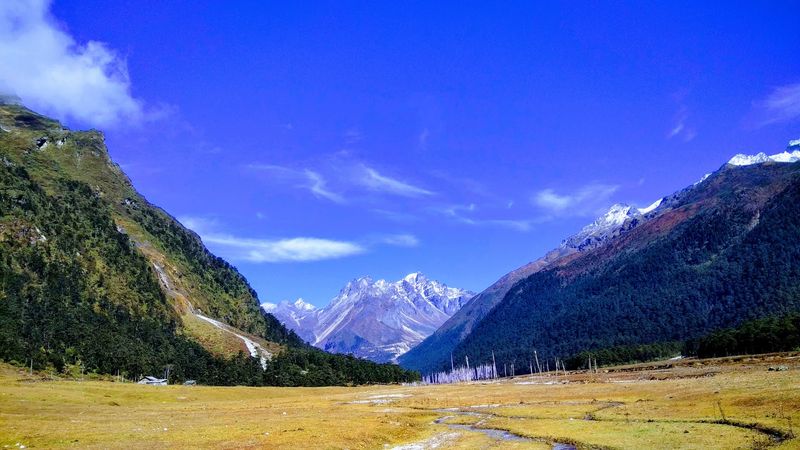
At an elevation of roughly 11,800 feet in North Sikkim, Yumthang Valley sits close enough to the Tibetan border that the cultural and geographical influences of both regions are clearly visible in the landscape. Yaks graze on open meadows, and traditional herding practices continue much as they have for generations.
The valley earned its popular nickname, the Valley of Flowers, from the seasonal wildflowers that cover its meadows, though its appeal extends well beyond any single season. A hot spring near the main settlement has been used by locals for centuries, long before tourism was a factor in the region.
Access requires a permit, which has helped limit visitor numbers and maintain the valley’s relatively undisturbed character. The road to Yumthang passes through dense rhododendron forests and follows a river upstream, providing a gradual introduction to the high-altitude terrain that awaits at the top.
7. Langtang Valley, Bagmati Province, Nepal
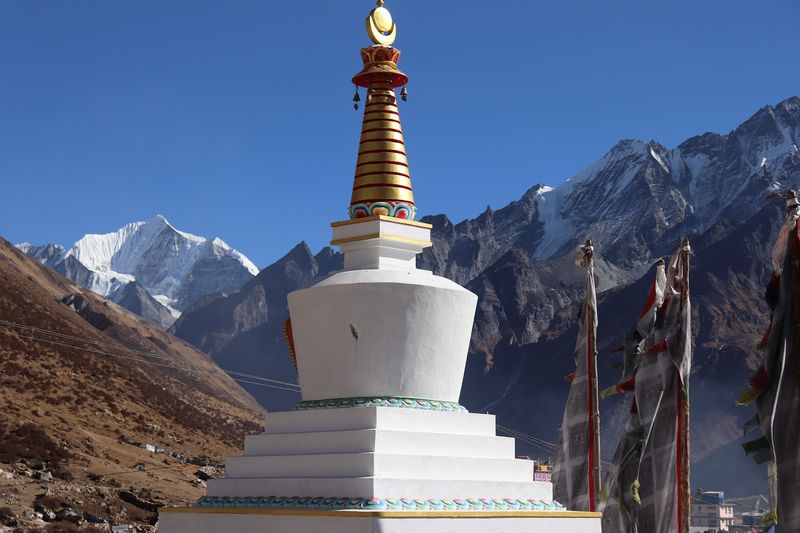
Just 51 miles north of Kathmandu, Langtang Valley feels worlds away from the capital’s density and noise. The proximity is deceptive.
Once you are inside the valley, the surrounding peaks create a natural enclosure that produces a genuine sense of geographic isolation.
The Tamang people have maintained their Buddhist traditions here for centuries, and their stone-built villages, chortens, and mani walls remain central features of the valley landscape. Langtang Lirung, the dominant peak at over 23,700 feet, creates a dramatic backdrop that never quite lets you forget where you are.
The valley was significantly affected by a 2015 earthquake and avalanche, but local communities rebuilt with remarkable determination, and the trekking route has since reopened. That rebuilding effort itself has become part of the valley’s story, adding another layer of human resilience to a place that already had plenty of historical depth to draw from.
8. Spiti Valley, Himachal Pradesh, India
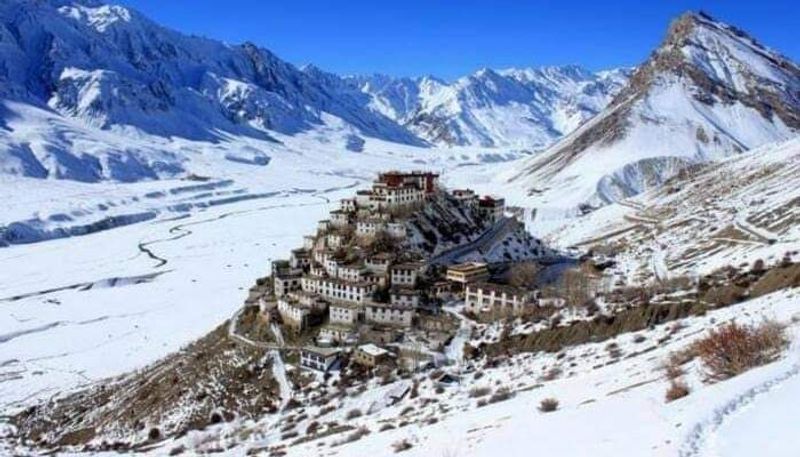
Key Monastery has been standing on its rocky hilltop above the Spiti River since the 11th century, and it remains one of the oldest functioning monasteries in the entire Himalayan region. That kind of historical staying power is actually pretty typical for Spiti, where ancient seems to be the default setting.
The valley sits at an average elevation of around 12,500 feet, making it one of the highest inhabited regions in India. Harsh winters isolate villages for months, and the cold, dry conditions have helped preserve both the physical structures and the cultural practices of communities here.
Kibber, one of the highest villages in the world connected by a road, sits within the valley and has maintained its traditional architecture and social structure despite increased visitor interest in recent years. Spiti draws serious trekkers, cultural travelers, and photographers who appreciate landscapes that look genuinely unlike anything else in South Asia.
9. Paro Valley, Bhutan
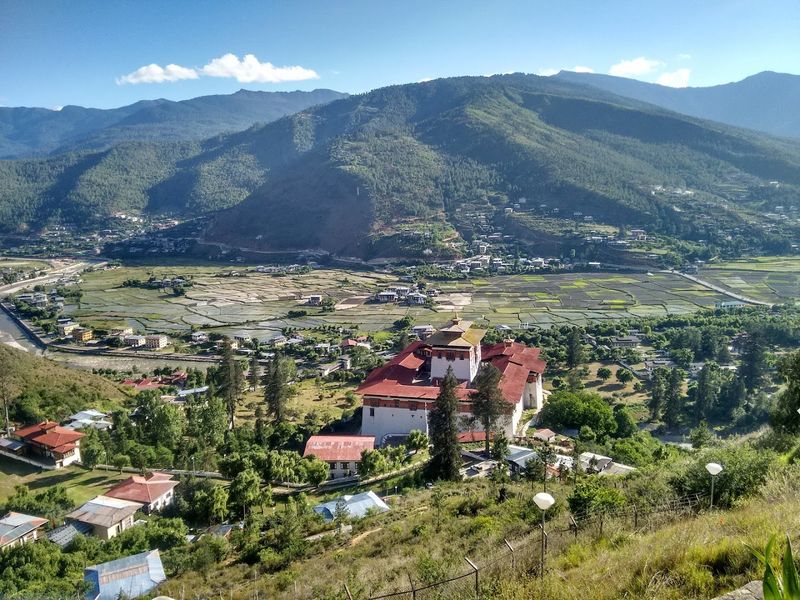
Taktsang Monastery, better known as Tiger’s Nest, is built into a cliff face roughly 3,000 feet above the Paro Valley floor, and it has been there since 1692. The original structure was built around a cave where Guru Rinpoche is said to have meditated in the 8th century, which gives the site a historical depth that the dramatic location only reinforces.
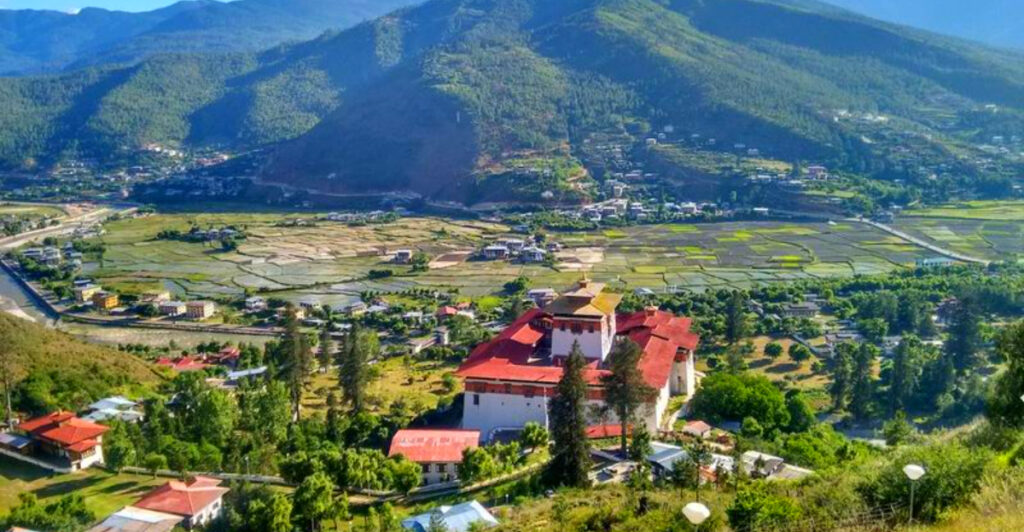
Despite hosting Bhutan’s only international airport, Paro Valley has retained a strong traditional character. Rinpung Dzong, a 15th-century fortress-monastery, dominates the valley center, and traditional Bhutanese architecture governs the visual character of most buildings throughout the area.
Bhutan’s strict visitor policy, which requires tourists to travel through licensed operators and pay a daily fee, has deliberately limited mass tourism. That policy has kept Paro from becoming overrun, and the valley continues to function as a living cultural landscape rather than simply a collection of heritage sites.
10. Gurez Valley, Jammu and Kashmir, India
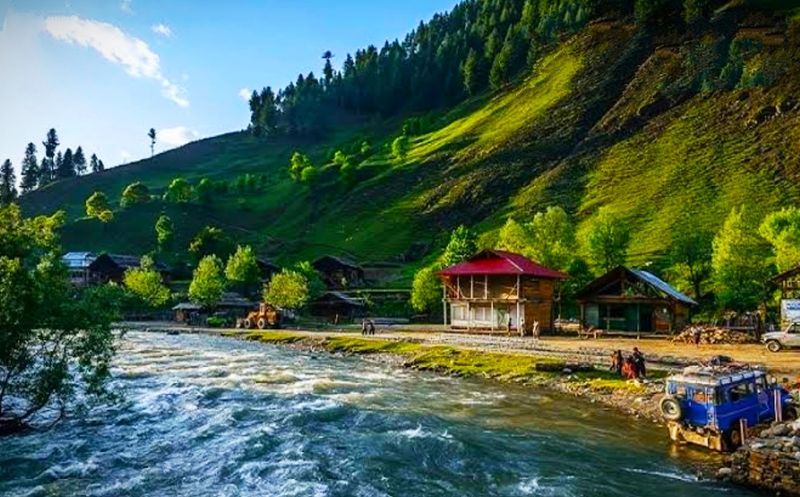
Gurez Valley sat off-limits to most visitors for decades due to its location near the Line of Control, and that extended period of restricted access turned out to be an unintentional preservation strategy. The valley’s wooden architecture, meadow landscapes, and cultural traditions emerged largely intact when access eventually opened up.
The Dard community has lived in Gurez for centuries, and their traditional wooden houses, distinct dialect, and local customs set the valley apart from surrounding regions. The Kishanganga River winds through the center of the valley, and its course has shaped both the settlement patterns and the agricultural practices of communities along its banks.
Habba Kadal, a legendary 16th-century Kashmiri poet, is said to have come from this valley, and local pride in that connection remains visible today. Gurez rewards travelers willing to make the winding mountain road journey with scenery and cultural character that few other places in Jammu and Kashmir can match.
11. Haa Valley, Bhutan
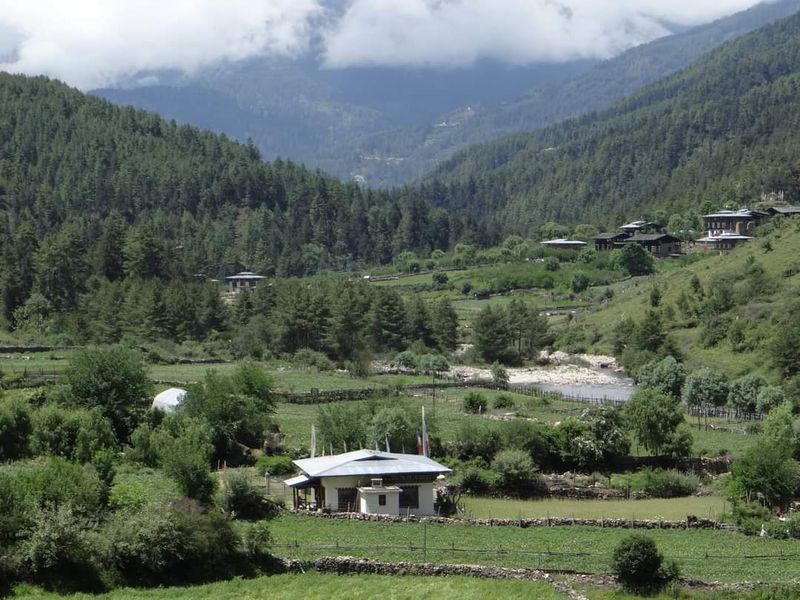
Haa Valley was closed to foreign visitors until 2002, which makes it one of the last parts of Bhutan to open its doors, and it has not exactly rushed to catch up with tourist infrastructure since then. That deliberate quietness is precisely what makes it interesting.
The valley is home to two ancient temples, Lhakhang Karpo (the White Temple) and Lhakhang Nagpo (the Black Temple), both believed to date back to the 7th century. These structures have been central to religious life in the valley for over 1,300 years and continue to function as active places of worship.
Small farming communities raise livestock and grow crops across a landscape of forested ridges and open pastures. The Haa Summer Festival, held annually, offers visitors a rare window into traditional Bhutanese rural culture, including archery, local food, and folk performances that have been passed down through generations without significant modification.
12. Rolwaling Valley, Bagmati Province, Nepal
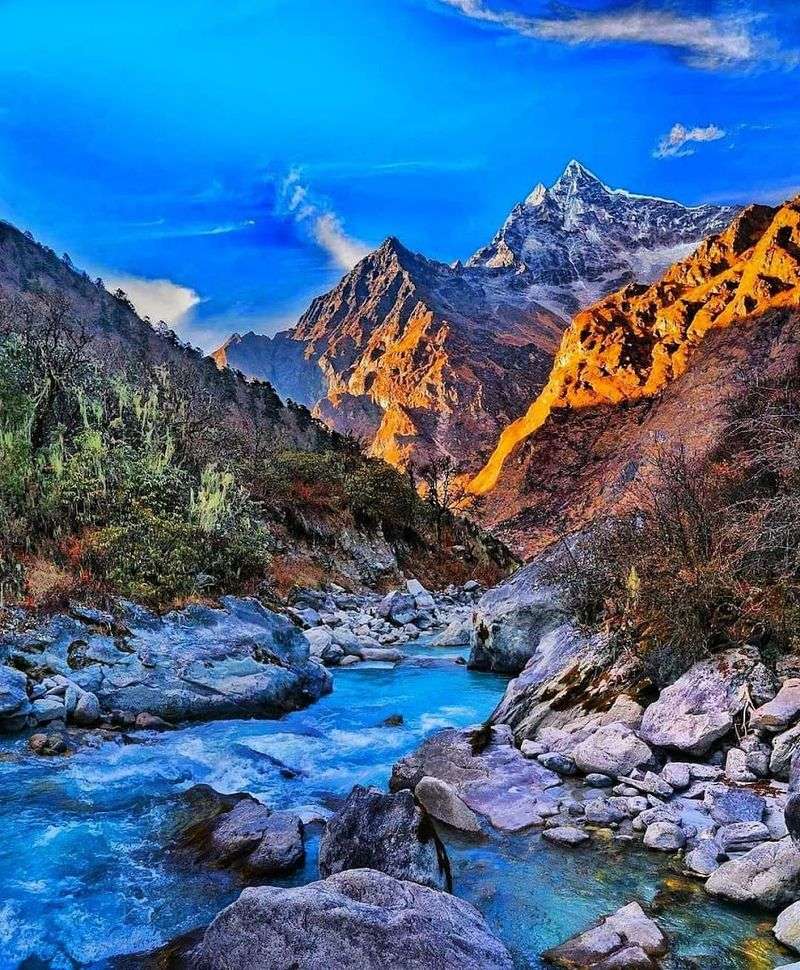
Rolwaling Valley sits in the gap between the Everest and Langtang trekking regions, and somehow that geography has kept it off most travelers’ radar for years. The trails here are genuinely demanding, the villages are small, and there are no luxury tea houses waiting at the end of a long day’s walk.
The valley is named after a Tibetan word meaning “the ditch carved by god,” which gives you a reasonable preview of the terrain. Glacial landscapes, high passes, and remote Sherpa communities define the route, and the Tsho Rolpa glacial lake near the upper valley is one of the largest glacier lakes in Nepal.
Because visitor numbers remain low, the villages of Beding and Na have retained a strong sense of community and traditional practice. Rolwaling offers a trekking experience that feels closer to what Himalayan exploration looked like before organized tourism arrived in the region.
13. Baspa Valley, Himachal Pradesh, India
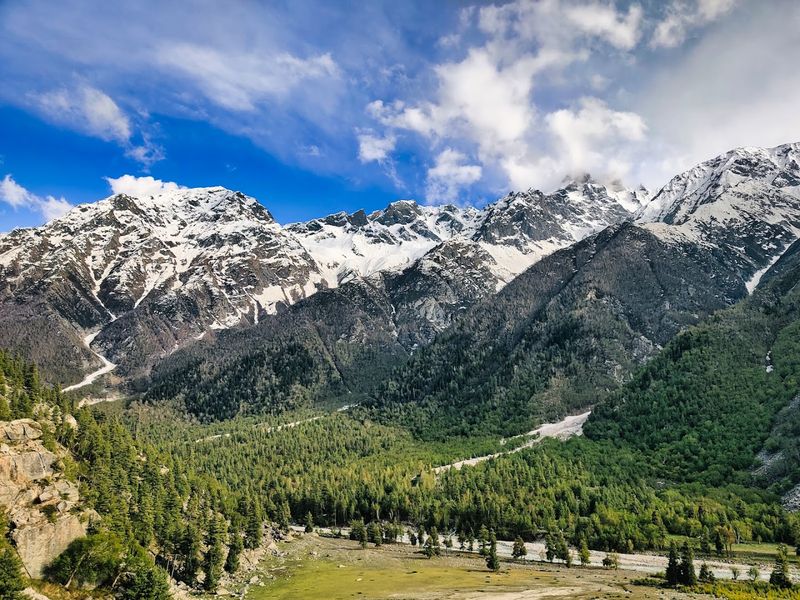
Chitkul, the last inhabited village before the Indo-Tibetan border in Himachal Pradesh, sits at the far end of Baspa Valley and earns the distinction of being the final point any civilian can reach in this direction without special permits. Heavy snowfall cuts off road access for roughly six months every year, and that seasonal isolation has kept traditional lifestyles functioning with minimal outside interference.
The valley follows the Baspa River through the Kinnaur district, passing through a sequence of wooden villages with distinctive Kinnauri architecture. Carved wooden balconies, slate roofs, and community temples appear in settlement after settlement along the route.
Apple orchards and terraced fields cover the lower slopes, and the local economy has relied on both agriculture and trade for centuries. The combination of border geography, traditional architecture, and seasonal isolation makes Baspa Valley one of the more compelling and underappreciated destinations in the entire western Himalayan region.
Share this story