Asia is home to some of the most breathtaking cities on earth, from ancient temples to bustling modern capitals. But not every destination on the map is safe to visit right now.
Some cities across the continent carry serious travel warnings from the U.S. State Department, with risks ranging from terrorism and kidnapping to wrongful detention and armed conflict.
Before you start planning your next adventure, it is worth knowing which cities officials are telling travelers to stay away from and exactly why the warnings are so serious.
Kabul, Afghanistan
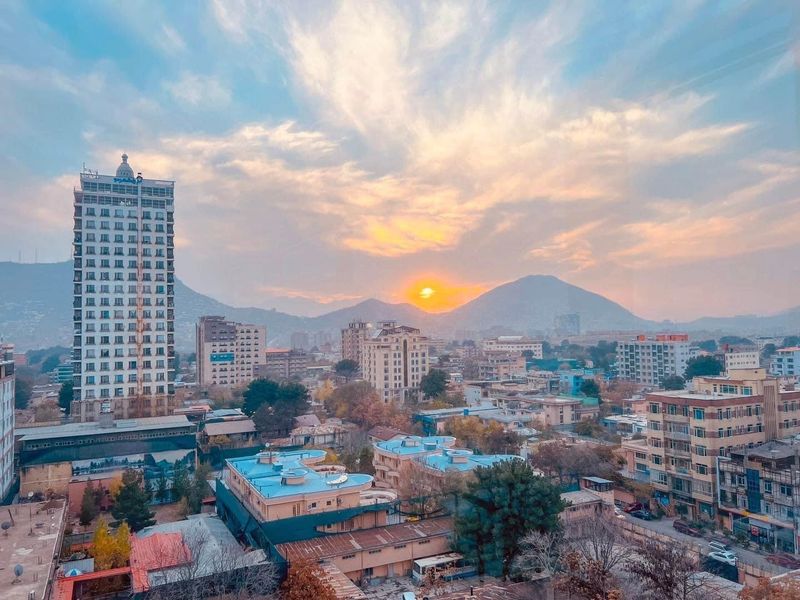
Afghanistan holds one of the strongest travel warnings the U.S. government issues, and Kabul sits at the center of that concern. The entire country is under a Level 4: Do Not Travel advisory, which is the highest warning level possible.
Risks include terrorism, civil unrest, kidnapping, wrongful detention, and extremely limited medical facilities.
The U.S. Embassy in Kabul suspended operations in 2021, meaning American travelers cannot rely on standard embassy assistance if something goes wrong.
Multiple terrorist groups remain active throughout the country, and foreigners may be viewed with suspicion simply for being there.
Even though Kabul still functions as Afghanistan’s capital with daily city life continuing, ordinary tourism is simply not feasible under current conditions. Official guidance is clear and direct: do not go.
For travelers curious about Central Asian history and culture, safer destinations can offer similar experiences without the extreme personal risk that Kabul currently presents.
Kandahar, Afghanistan
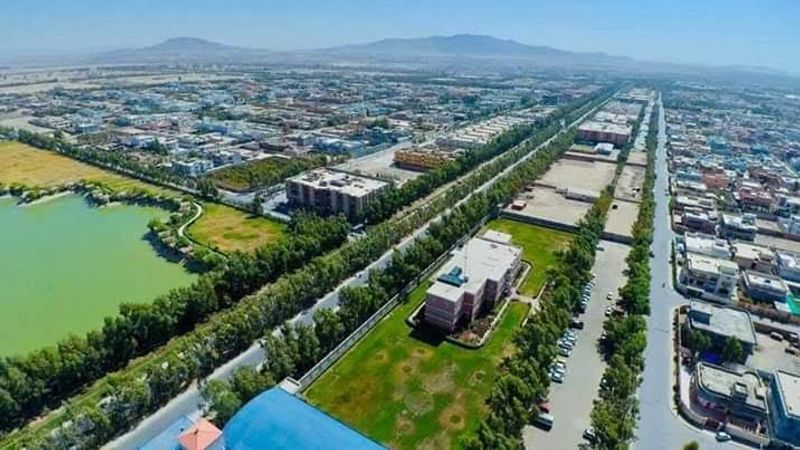
Kandahar carries deep historical significance as one of Afghanistan’s oldest and most culturally important cities. It has roots going back thousands of years and holds major importance in Afghan political and religious history.
But history alone cannot make a city safe for travelers.
Afghanistan’s Level 4: Do Not Travel advisory applies to every corner of the country, and Kandahar is no exception. The same risks that affect Kabul, including terrorism, kidnapping, wrongful detention, and limited emergency medical support, apply equally here.
The State Department urges any U.S. citizens already inside Afghanistan to leave immediately.
For visitors, the challenge is practical as well as dangerous. Reliable transportation, emergency services, and medical support are not guaranteed in a conflict-affected environment.
Even if some local life appears normal from a distance, travelers have no reliable safety net if a situation turns serious. Kandahar is not a viable tourism destination under current conditions.
Yangon, Myanmar

Yangon was once considered one of Southeast Asia’s most rewarding city breaks, offering colonial architecture, golden pagodas, and a distinct cultural energy that set it apart from other regional capitals. That reputation has taken a serious hit in recent years.
Myanmar is now under a Level 4: Do Not Travel advisory, with the State Department citing armed conflict, civil unrest, arbitrary enforcement of local laws, landmines, unexploded ordnance, and poor health infrastructure. Yangon is specifically mentioned in the advisory because opposition militias have carried out attacks on regime-linked facilities in the city.
U.S. Embassy data recorded an average of six explosions per month in Yangon from January through December 2025, targeting regime personnel and infrastructure.
For travelers, that is not a background detail. It is a direct safety concern that affects day-to-day movement in the city.
Yangon’s cultural appeal remains real, but the current security situation makes visiting extremely inadvisable.
Mandalay, Myanmar
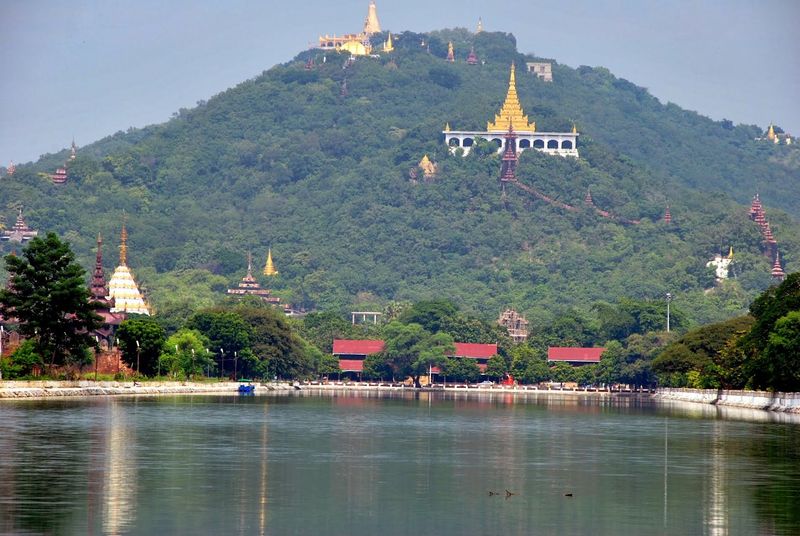
Mandalay is arguably Myanmar’s most culturally rich city, famous for its royal palace ruins, Buddhist monasteries, and centuries of artistic tradition. Travelers who visited before the political crisis often describe it as one of Southeast Asia’s most memorable stops.
Unfortunately, that picture has changed dramatically.
Myanmar’s Level 4: Do Not Travel advisory covers the entire country, including Mandalay. The advisory warns that armed conflicts occur throughout Myanmar and that the situation can shift without warning.
Local opposition militia groups operate across the country, and access to highways and airports may be restricted, which could leave travelers stranded with no clear way out.
Even a city with undeniable cultural value can become a dangerous place when conflict is unpredictable and emergency support is unreliable. Road closures, civil unrest, and inconsistent law enforcement all add layers of risk that tourists simply cannot plan around.
Mandalay deserves to be visited someday, but not under current conditions.
Damascus, Syria
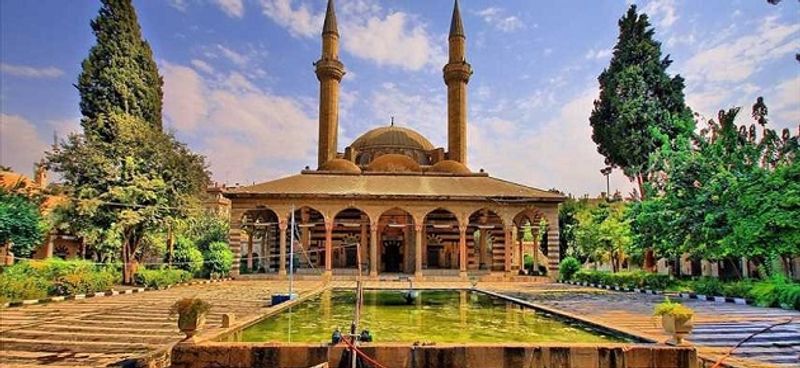
Damascus holds the remarkable distinction of being one of the oldest continuously inhabited cities in the world. Its ancient markets, mosques, and layered history make it the kind of place that travel writers have described in glowing terms for decades.
But Syria’s current reality is far removed from that image.
Syria is under a Level 4: Do Not Travel advisory, with risks including terrorism, kidnapping, hostage taking, armed conflict, and crime. The U.S. government suspended embassy operations in Syria back in 2012 and has stated clearly that it cannot provide routine or emergency consular services to Americans inside the country.
The advisory also notes that no part of Syria is considered safe from violence, and that unexploded ordnance and aerial bombardment create ongoing risks of serious injury. Damascus may have reopened some tourism channels in recent periods, but official guidance from the U.S. government has not changed.
The warning remains at the highest possible level.
Aleppo, Syria
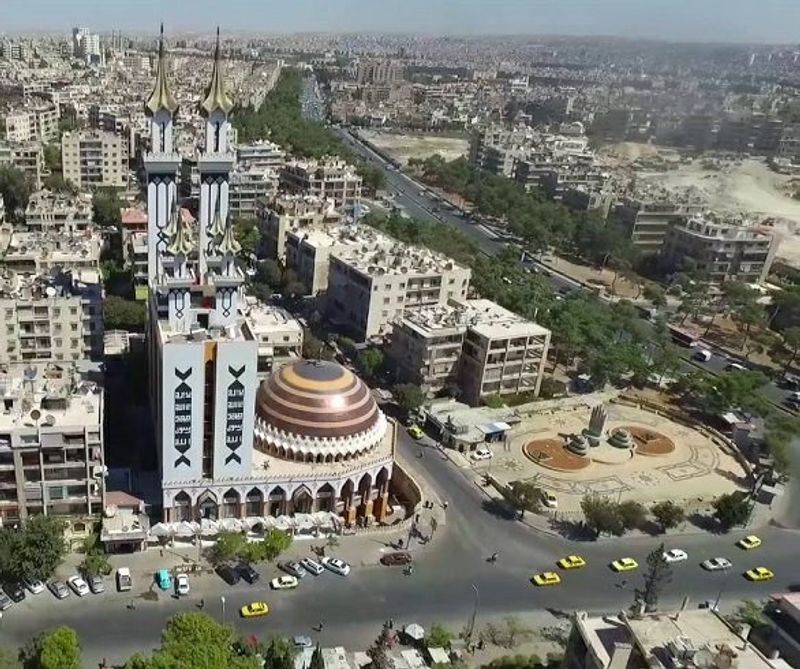
Aleppo’s history is extraordinary. Its ancient citadel, covered souks, and position along historic trade routes made it one of the most visited cities in the Middle East before the conflict that began in 2011.
The city suffered enormous physical damage during years of fighting, and recovery has been slow and uneven.
Syria’s Level 4: Do Not Travel advisory applies fully to Aleppo. The advisory points out that Syria has experienced active armed conflict for well over a decade and that infrastructure damage has affected housing, medical facilities, schools, power supply, and water utilities across the country.
That means the risks for travelers go well beyond street-level crime.
Unexploded ordnance, limited emergency medical care, kidnapping risk, and the absence of reliable U.S. consular support all combine to make Aleppo genuinely dangerous for any traveler. Some rebuilding is happening, but from a travel safety standpoint, the city remains off-limits under every current official guideline.
Aleppo’s past is remarkable, but visiting now is not a reasonable option.
Sana’a, Yemen
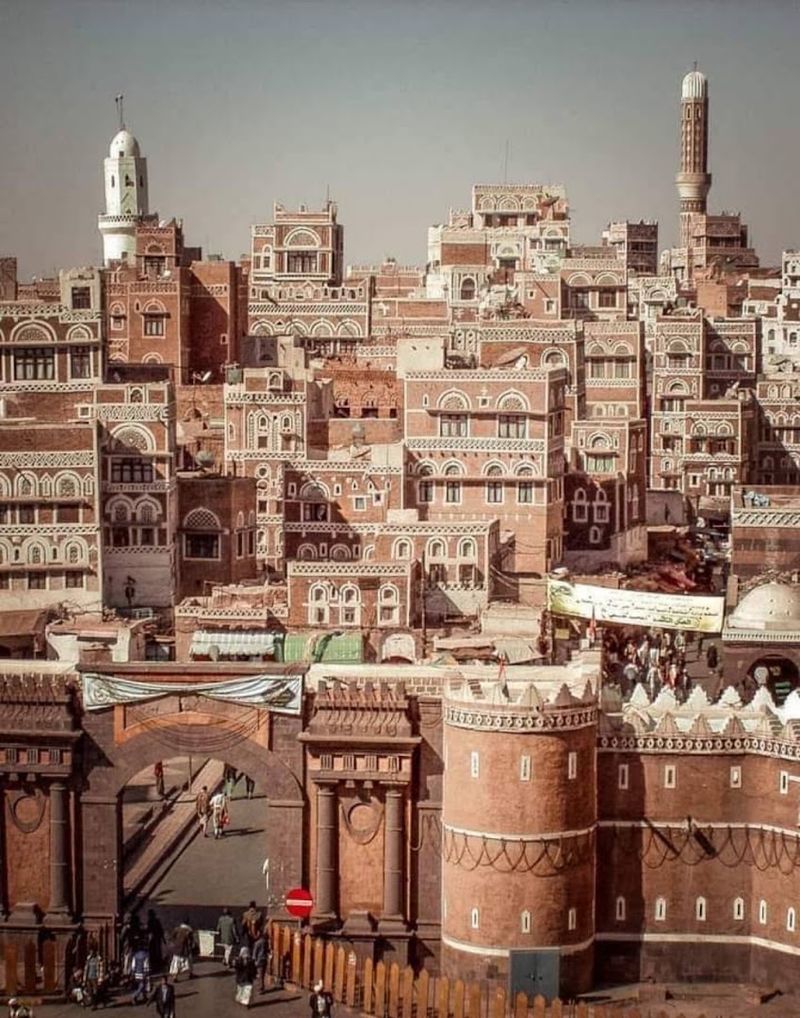
Few cities in the world have a skyline quite like Sana’a, where ancient multi-story tower houses decorated with intricate white plasterwork rise above a UNESCO-listed old city. It is visually stunning in photographs and has long attracted the attention of architecture and history enthusiasts worldwide.
Yemen is under a Level 4: Do Not Travel advisory, with risks that include terrorism, civil unrest, crime, kidnapping, landmines, and serious health-related dangers. The U.S.
Embassy in Sana’a suspended operations in February 2015, and the U.S. government states clearly that it cannot provide emergency or routine consular services to Americans inside Yemen.
Terrorist groups operating in Yemen, including AQAP affiliates, may target public places, transportation hubs, markets, and government facilities. For ordinary travelers, that risk profile makes Sana’a completely unrealistic as a tourism destination.
The city’s beauty is genuine, but no amount of architectural wonder changes the danger that currently surrounds it.
Aden, Yemen
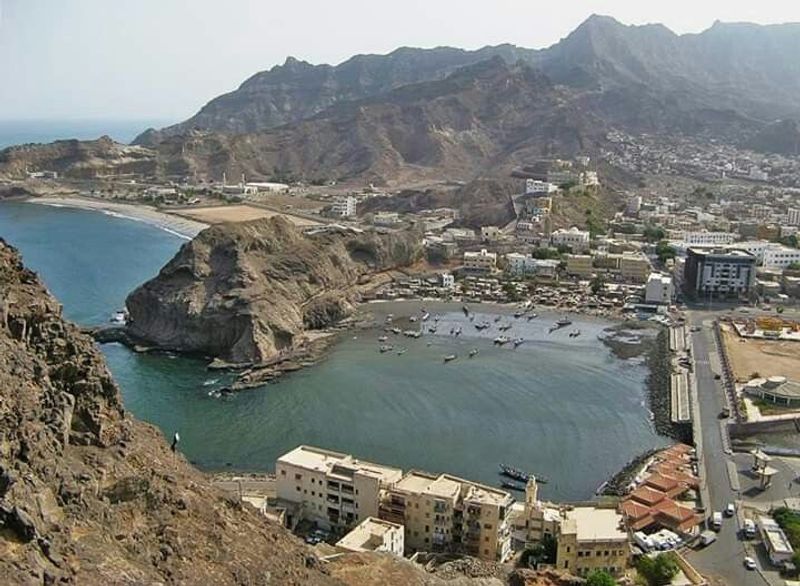
Aden has one of the most strategically significant natural harbors in the world, and its history as a major trading port stretches back centuries. The city sits at the entrance to the Red Sea and has long played a role in global shipping and regional politics.
That historical importance, however, does not translate into safety for travelers.
Yemen’s Level 4: Do Not Travel advisory applies to Aden just as it does to every other part of the country. The risks include terrorism, unrest, kidnapping, landmines, and serious health-related dangers.
The State Department advises against travel to Yemen for any reason, regardless of which city a traveler plans to visit.
Public places, markets, transportation hubs, and government buildings in Aden can all be potential targets for violence. Weak emergency response systems and unpredictable conflict make planning a safe visit nearly impossible.
Even if parts of the city continue to operate commercially, the security environment remains far too unstable for leisure or business travel.
Baghdad, Iraq
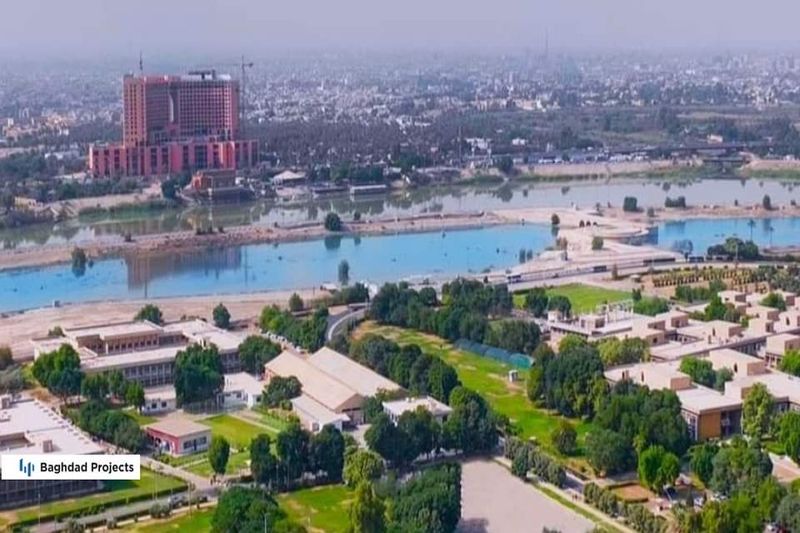
Baghdad is one of the most historically significant cities not just in Asia but in the entire world. It was the center of the Islamic Golden Age, a hub of science, philosophy, and culture for centuries.
That legacy is real, but it exists alongside a current security environment that remains deeply serious.
Iraq is under a Level 4: Do Not Travel advisory, with the State Department citing terrorism, kidnapping, armed conflict, civil unrest, and limited capacity for the U.S. government to provide emergency help. Terrorist and insurgent groups regularly carry out attacks targeting Iraqi security forces and civilians, while anti-U.S. militias have specifically threatened American citizens and international companies operating in the country.
Attacks using improvised explosive devices, indirect fire, and drones are documented across many areas, including major cities like Baghdad. The city remains active and populated, but it is not a realistic option for leisure travel.
Official guidance is unambiguous about the level of risk involved.
Basra, Iraq
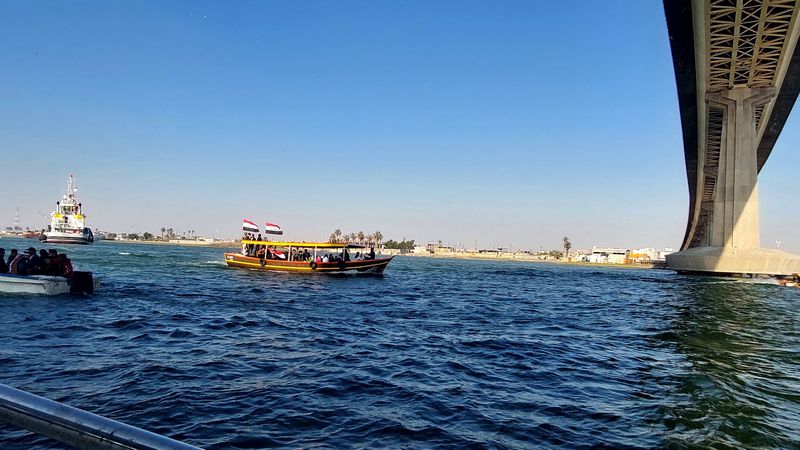
Basra does not always get the same international attention as Baghdad, but it is Iraq’s second-largest city and one of the most economically important places in the country. Its location near the Shatt al-Arab waterway and its role in the oil industry give it real strategic weight in the region.
Despite that, Iraq’s nationwide Level 4: Do Not Travel advisory covers Basra completely. The warning notes that U.S. citizens in Iraq face high risks including violence and kidnapping, and that protests and demonstrations can develop quickly and turn violent without warning.
Major cities are specifically included in the advisory’s discussion of attack risks.
Even in areas where daily business appears to continue normally, travelers face serious gaps in emergency support, limited reliable transportation options, and the real possibility of sudden unrest. Security planning for a private traveler in Basra is extremely difficult.
The countrywide warning makes no exceptions for cities that seem calmer on the surface.
Tehran, Iran
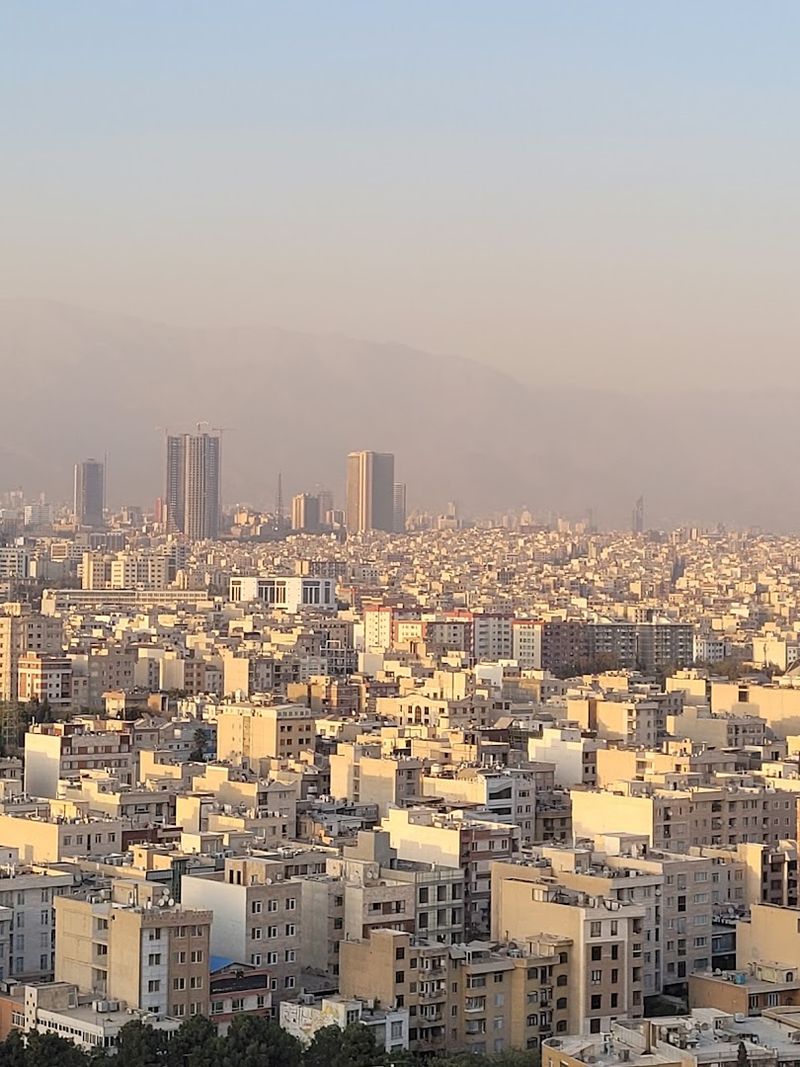
Tehran is a massive, energetic capital with museums, bazaars, mountain parks, and a cultural scene that surprises many visitors who know little about modern Iran. The city has genuine appeal, and many travelers who have visited describe it as far more complex and vibrant than its international reputation suggests.
Iran is under a Level 4: Do Not Travel advisory, with risks that include terrorism, civil unrest, kidnapping, arbitrary arrest, and wrongful detention. The U.S. has no embassy in Iran, which means American travelers have no direct government support available if something goes wrong.
The advisory urges U.S. citizens currently in Iran to leave immediately.
The detention risk is particularly serious. U.S. nationals can be questioned, arrested, or held for extended periods, and simply holding a U.S. passport or having connections to the United States can increase that risk.
Tehran may function as a modern metropolis, but for American and many Western travelers, the legal and personal safety risks are too significant to overlook.
Beirut, Lebanon
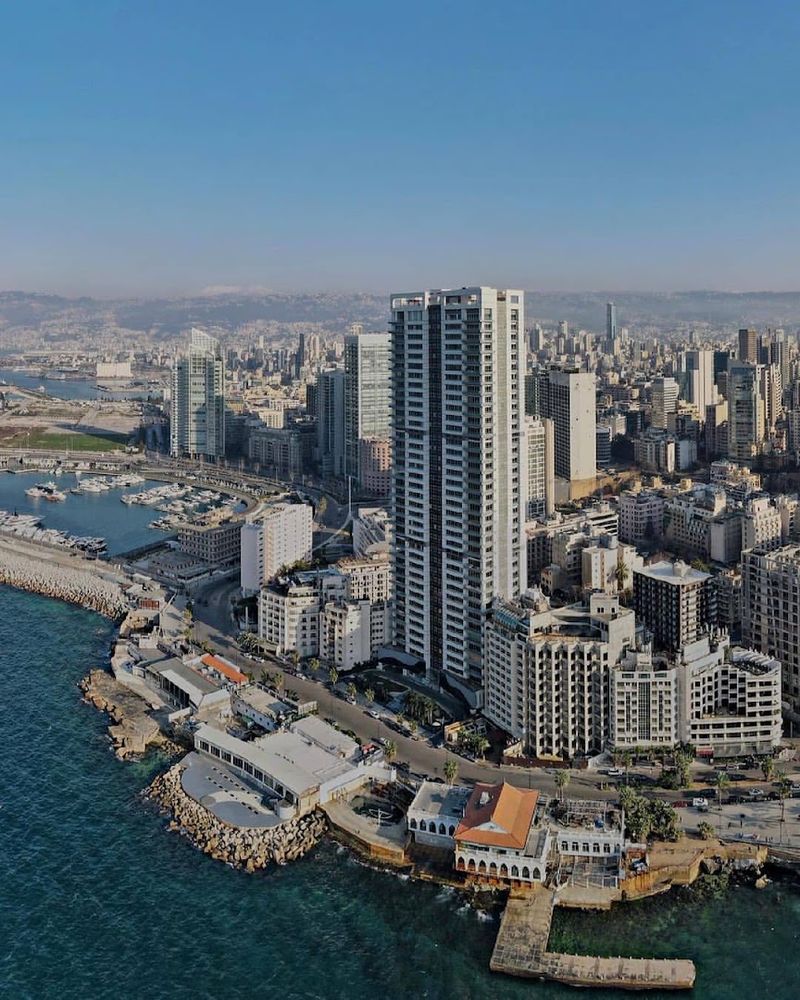
Beirut has a reputation that is genuinely hard to summarize in a few words. The city is known for its food culture, its layered history, its Mediterranean setting, and its ability to rebuild after devastating setbacks.
Travelers who visited during calmer periods often speak about it with real affection.
Lebanon is currently under a Level 4: Do Not Travel advisory. The warning lists crime, terrorism, unrest, kidnapping, landmines, and armed conflict as active risks.
The U.S. government has stated that it has limited ability to offer emergency services inside Lebanon, and Lebanese authorities cannot guarantee the safety of U.S. citizens against sudden violence or conflict.
Drone and missile strikes can occur throughout Lebanon, including directly in Beirut, and hostilities can disrupt commercial flights and access to the airport at short notice. Parts of the city remain open and functional, but that does not reduce the official risk level.
Travelers should take the current advisory seriously before making any plans to visit.
Pyongyang, North Korea
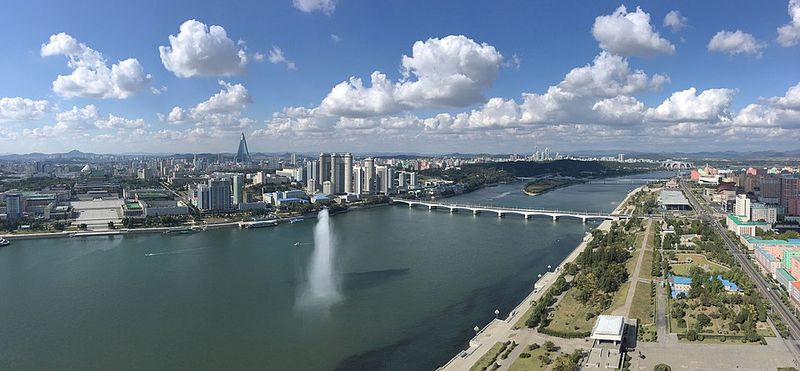
Pyongyang stands apart from most cities on this list because the danger is not primarily about street crime or random violence. The North Korean capital presents a very different kind of risk, one that is rooted in political control, legal vulnerability, and the near-total absence of outside help for foreign visitors.
North Korea is under a Level 4: Do Not Travel advisory. The primary concern is the serious risk of arrest, long-term detention, and wrongful imprisonment.
U.S. passports cannot be used to travel to, in, or through North Korea without special government validation, and those validations are issued only in extremely limited circumstances.
The United States has no diplomatic relations with North Korea and cannot provide direct assistance to citizens detained there. The highly controlled environment of Pyongyang might look orderly from the outside, but that same level of control is what makes a visit so legally and personally dangerous.
For American travelers especially, this is one of the most serious warnings on the entire list.
Marawi City, Philippines
The Philippines overall sits at a Level 2: Exercise Increased Caution advisory, which is far less severe than many countries on this list. But Marawi City is a different story entirely, and it is specifically called out under the Do Not Travel section of the Philippines advisory.
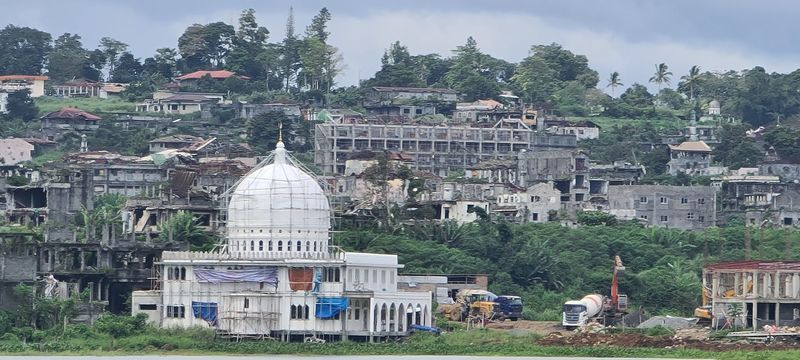
Marawi gained international attention in 2017 when a prolonged urban battle between government forces and militant groups left large sections of the city destroyed. Rebuilding has been ongoing since then, but the security situation has not returned to normal.
Terrorism and civil unrest remain the primary concerns flagged in the advisory.
Armed groups operating in the region have carried out kidnappings, bombings, and attacks on public areas including tourist sites, markets, and local government facilities. That city-specific warning makes Marawi one of the clearest examples in Asia of a place where the danger is localized and official.
Many other parts of the Philippines remain welcoming and popular with international visitors, but Marawi is not among them right now.
Share this story