Most people drive past Litchfield, Minnesota without realizing they are near the site of one of the most dramatic moments in Minnesota’s early history. In 1862, terrified settlers built a wooden stockade in a single day to protect themselves during the U.S.-Dakota War, a conflict that reshaped the entire region.
That stockade is gone, but a carefully built replica now stands close to where the original once protected hundreds of frightened families. What makes this place truly special is how it brings that chapter of history to life through real buildings, seasonal events, and stories that most textbooks barely mention.
The Real Story Behind Forest City Stockade
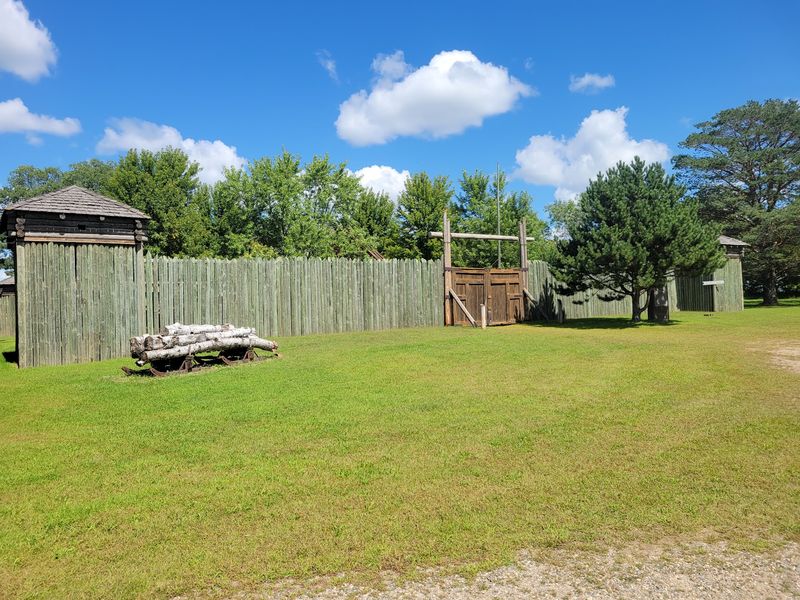
History has a way of feeling distant until you are standing right in the middle of it. Forest City Stockade, located at 309th St, Litchfield, MN 55355, is a replica of the original stockade built by settlers during the U.S.-Dakota War of 1862.
The original structure was constructed in a single day as families rushed to protect themselves from the violence spreading across southwestern Minnesota. The replica stands just a few hundred yards from where the original once rose out of the prairie ground.
This is not a glossy museum with polished exhibits behind glass. It is an open-air historical site where you can walk through log buildings, touch weathered wood, and genuinely feel the urgency that drove ordinary people to build something extraordinary in one frantic afternoon.
That raw, unfiltered quality is what sets this place apart from anything else in the region.
Why Settlers Built A Stockade In A Single Day
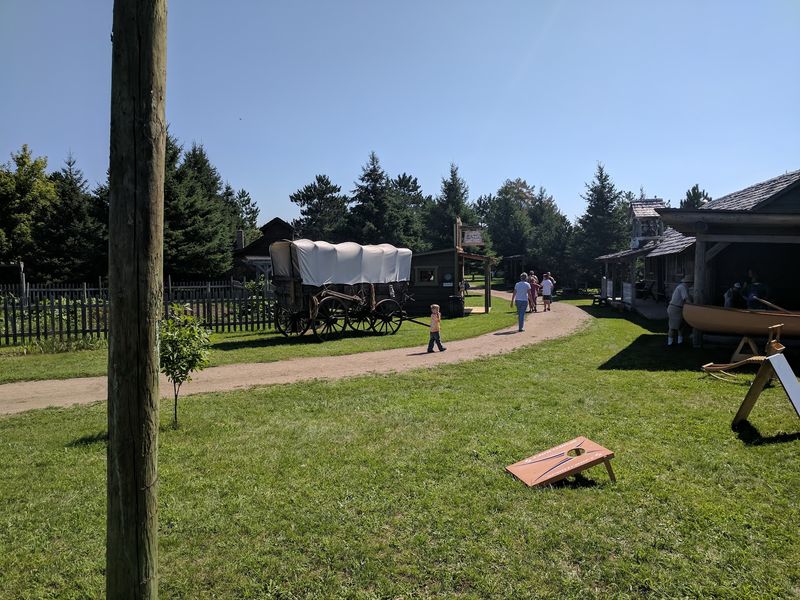
The speed of the construction is one of the most jaw-dropping details about this place. When word of the U.S.-Dakota War reached the Forest City settlement in August 1862, the community had almost no time to react.
Neighbors gathered together and raised the entire stockade structure in one day.
That kind of desperate teamwork is hard to wrap your head around today. The stockade reportedly sheltered around 200 settlers for about ten days before the immediate danger passed.
That short window is easy to overlook, but it represents one of the most intense periods in Minnesota’s frontier history.
Walking through the replica site, you start to understand why every log and every wall mattered so much. The structure was not built for comfort.
It was built for survival. Knowing that backstory before you arrive makes the whole experience land with a completely different weight.
What The Replica Site Actually Looks Like
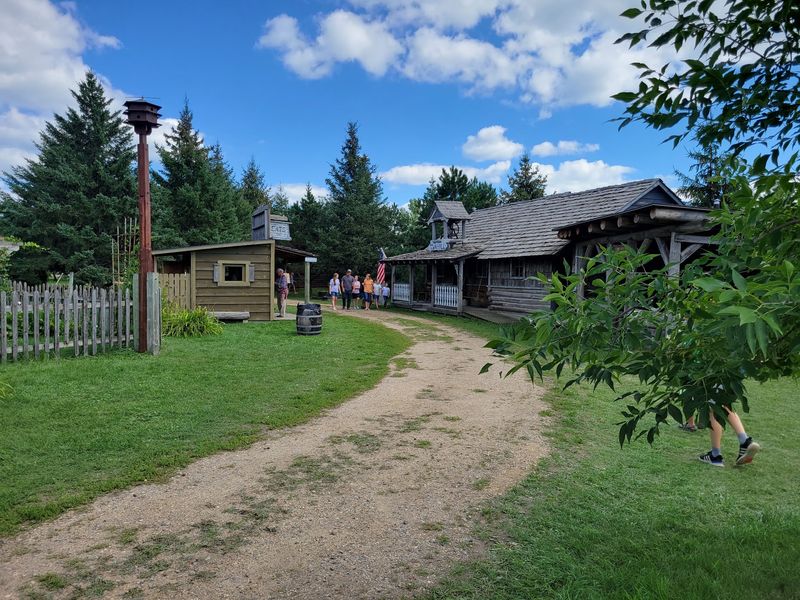
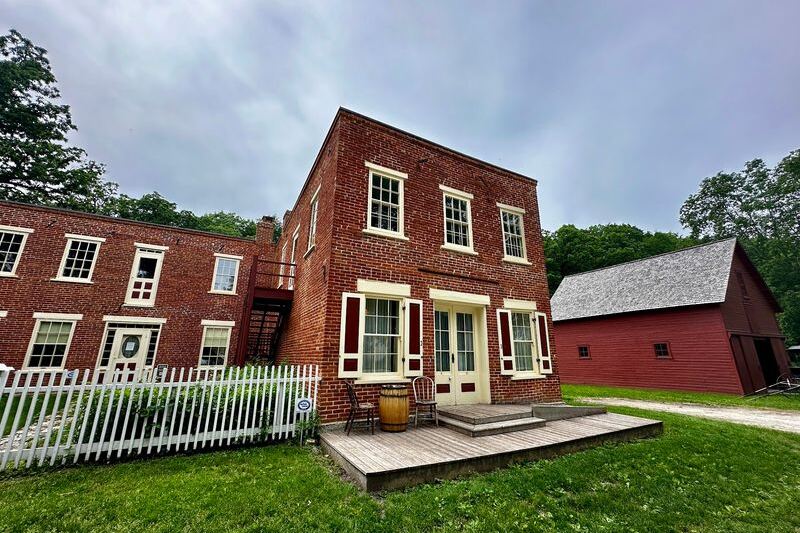
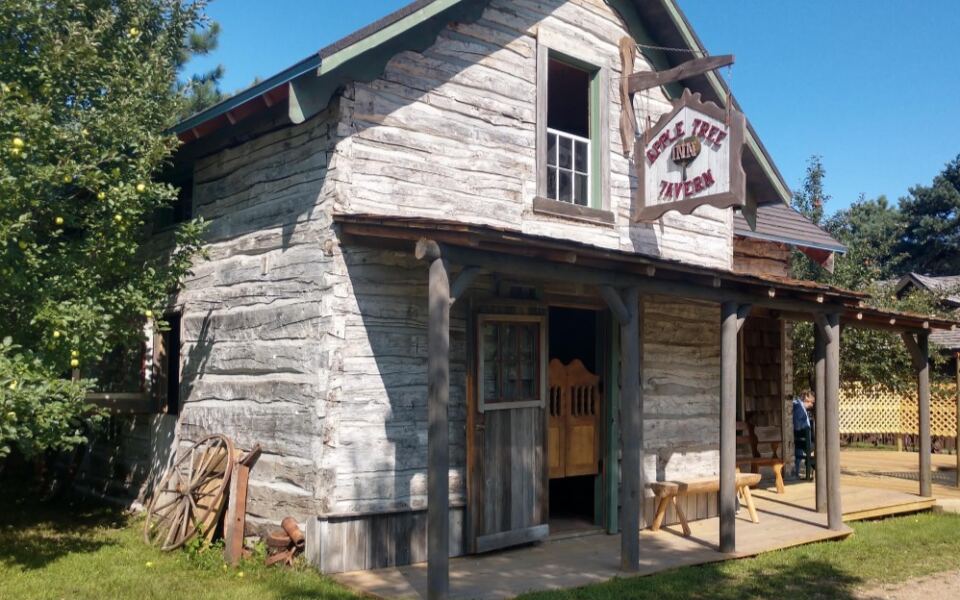
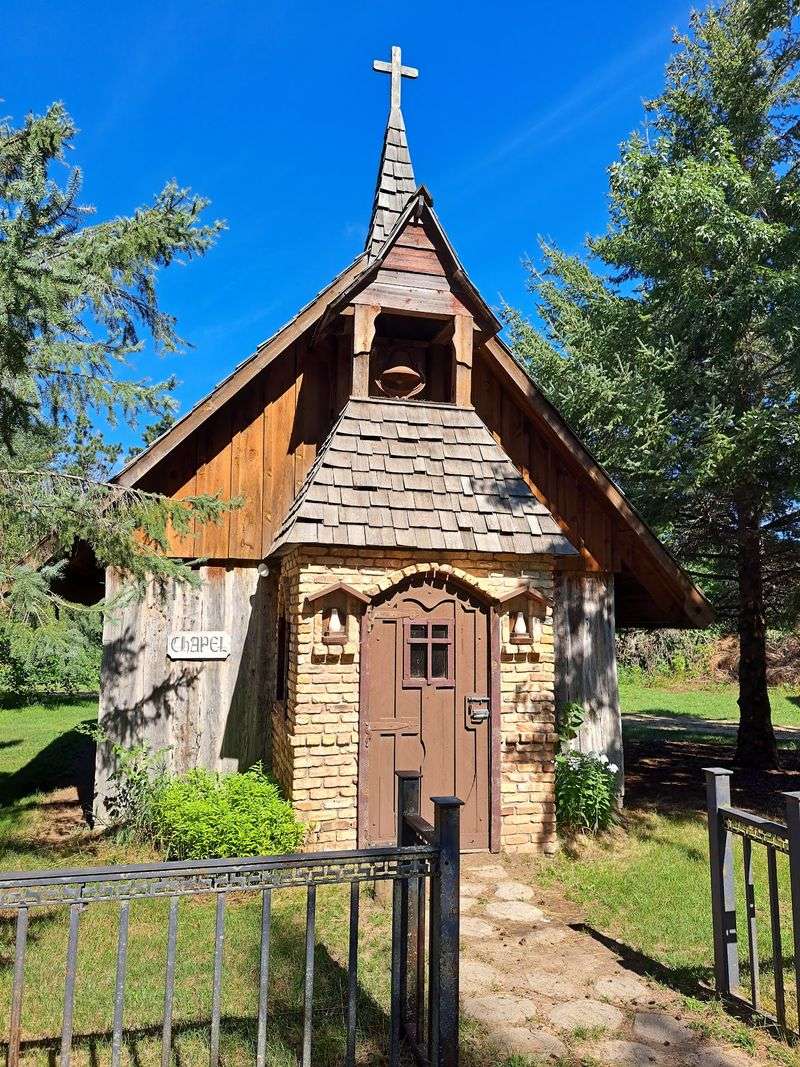
First-time visitors are often surprised by how substantial the site feels. The replica includes log structures that represent the kinds of buildings settlers would have used, including spaces that feel like a general store, a church, and living quarters from the 1860s and 1870s era.
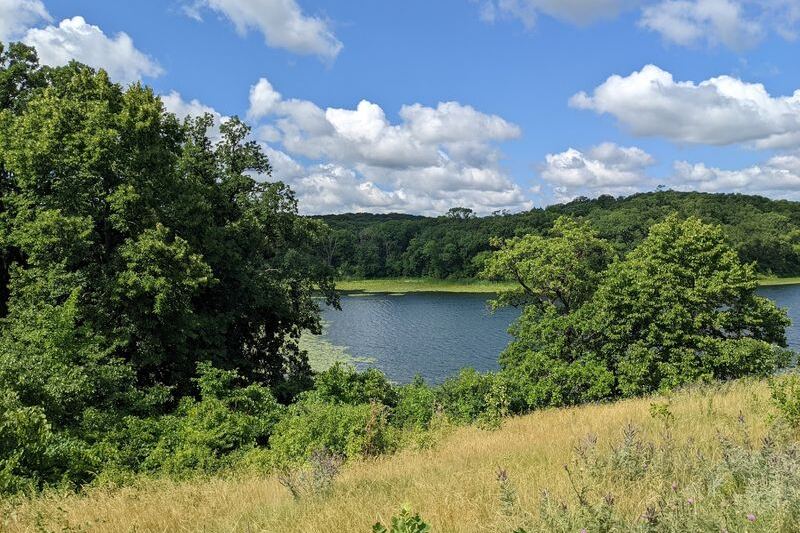
The grounds are set in open Minnesota countryside, which adds a sense of authenticity that an indoor exhibit simply cannot replicate. You can see the wide, flat landscape stretching out around you, the same kind of view settlers would have scanned anxiously for any sign of movement during those ten tense days.
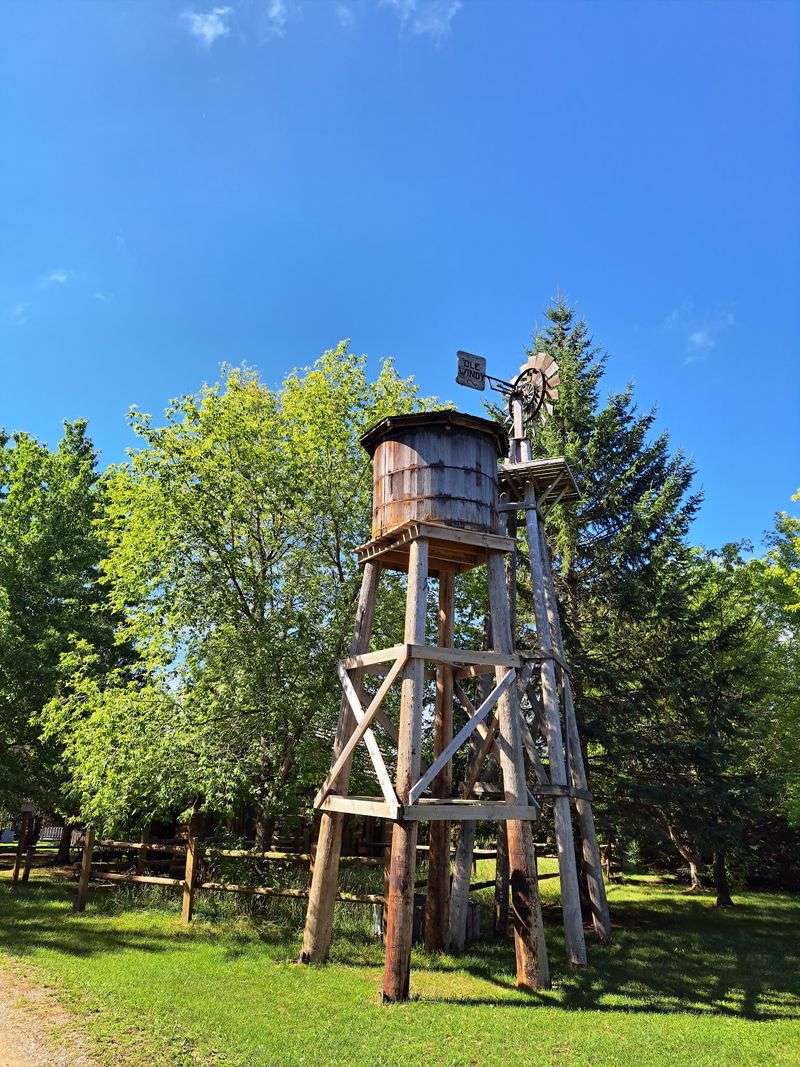
The buildings are well-maintained and feel genuinely historic rather than theme-park polished. There is a careful balance here between preservation and accessibility that makes the site comfortable to explore without losing its honest, unvarnished character.
The open layout encourages you to slow down and actually absorb what you are seeing.
The Annual Summer Weekend That Brings History Alive
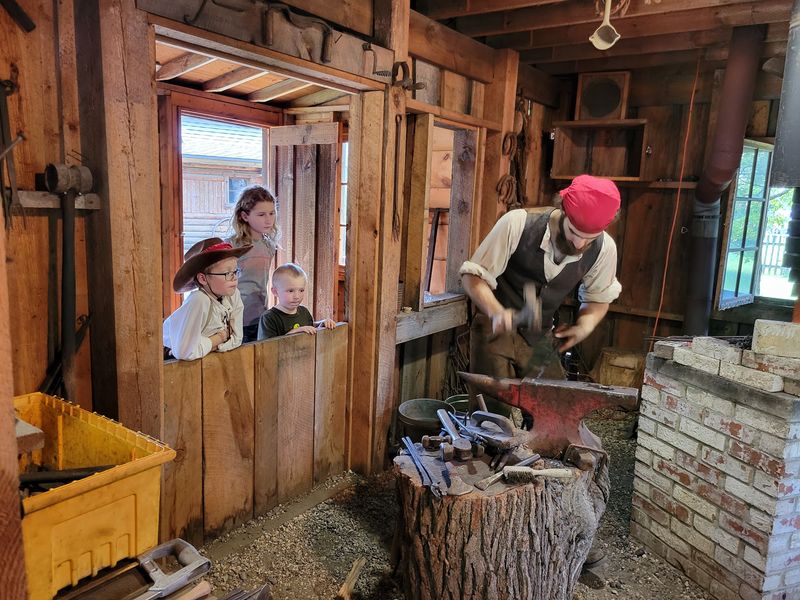
The third weekend in August is when Forest City Stockade fully comes to life. The annual summer event draws families, history enthusiasts, and curious visitors from across the region for a weekend of living history demonstrations, food, and activities rooted in 1860s frontier life.
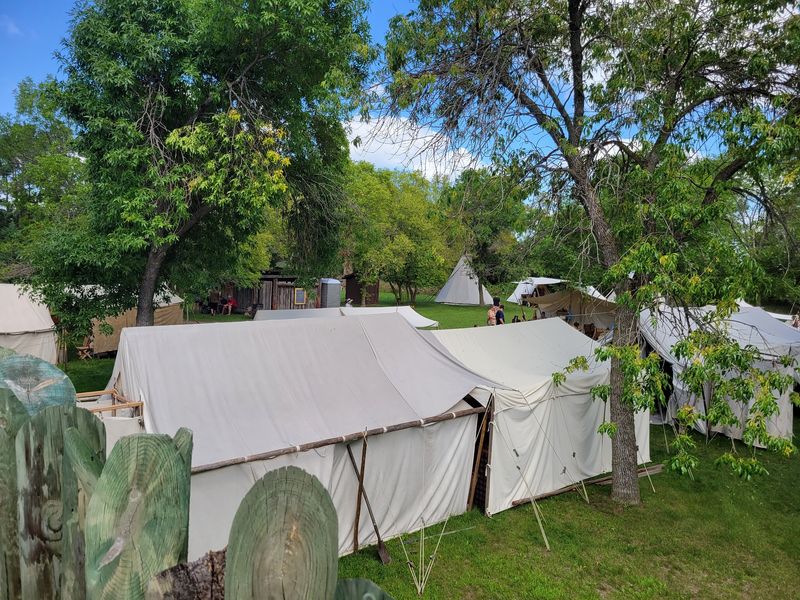
During this event, the site transforms into something closer to a working pioneer settlement. Volunteers in period clothing demonstrate crafts, cooking techniques, and daily routines from the era.
Live music adds another layer to the atmosphere, making the whole experience feel more like a celebration than a lecture.
Kids especially respond well to this format because they are not just reading about history. They are watching it, tasting it, and sometimes even participating in it.
The August weekend has become a reliable annual tradition for many Minnesota families who return year after year, which says a lot about how well the event is executed.
Pioneer Christmas At The Stockade Is Something Else Entirely
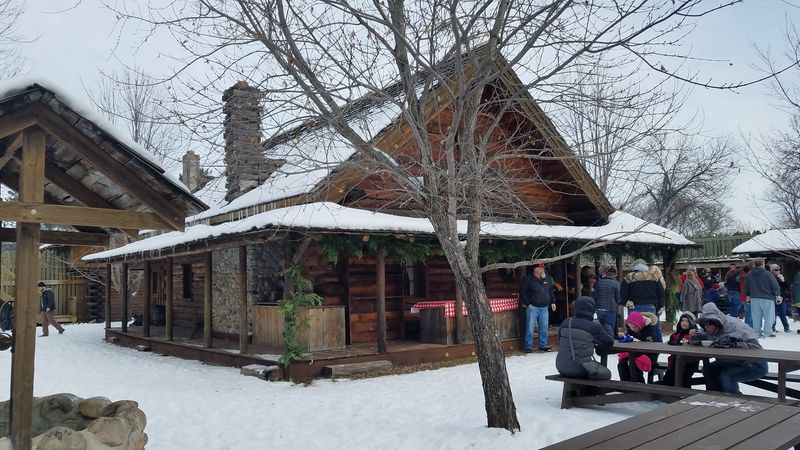
If you think a historical stockade sounds like a summer-only kind of place, the Pioneer Christmas event will completely change your mind. Held on the first Saturday in December, this winter gathering turns the site into a snow-dusted slice of 19th-century holiday tradition.
Santa and Mrs. Claus make an appearance, food vendors serve warm seasonal treats, and the entire stockade glows with a cozy, old-fashioned charm that feels genuinely different from any modern holiday event. Visitors consistently describe it as one of the most memorable December outings in the region.
The cold is part of the experience, so dressing warmly is not optional advice. It is essential preparation.
But that brisk Minnesota air actually adds something to the mood. Standing inside a log-walled stockade with snow on the ground and woodsmoke in the air connects you to a way of life that most people only read about in books.
The Food That Keeps Visitors Coming Back
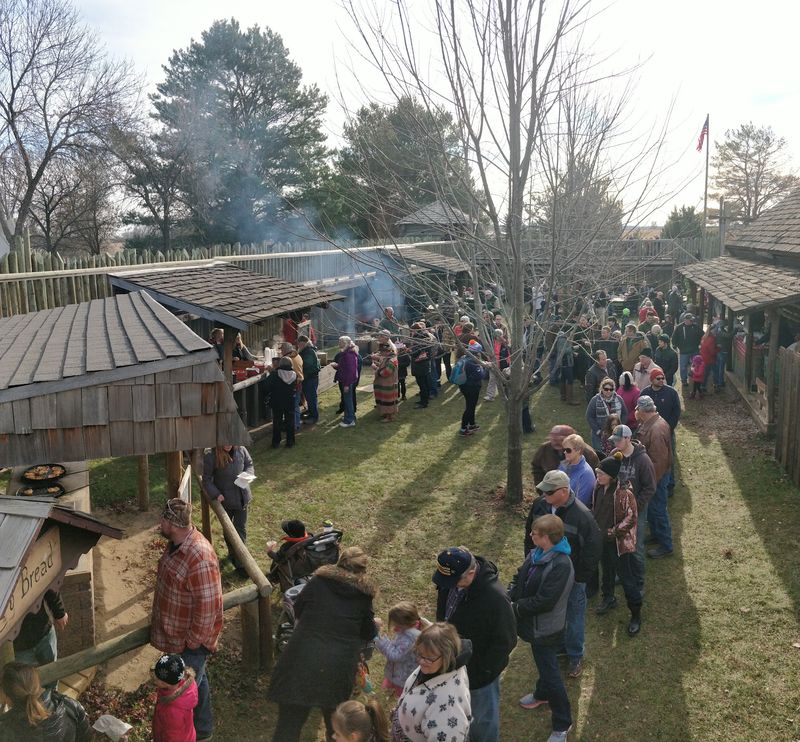
Good history is always better on a full stomach, and the food at Forest City Stockade events has become a genuine highlight for many visitors. Homemade ice cream and fresh lemonade are among the crowd favorites, and they are made with the kind of care that reminds you food once required real effort and real ingredients.
During both the summer and Christmas events, food vendors set up inside the stockade grounds and offer options that feel appropriate to the setting. Nothing here is fast food.
Everything has a handmade, purposeful quality that fits the overall character of the site.
Visitors regularly mention the food as one of the most enjoyable parts of the experience, which is a meaningful endorsement for a historical site. The pricing has consistently been described as reasonable, making it easy for families to enjoy a full day without worrying too much about the budget.
Volunteers Are The Heart Of This Operation
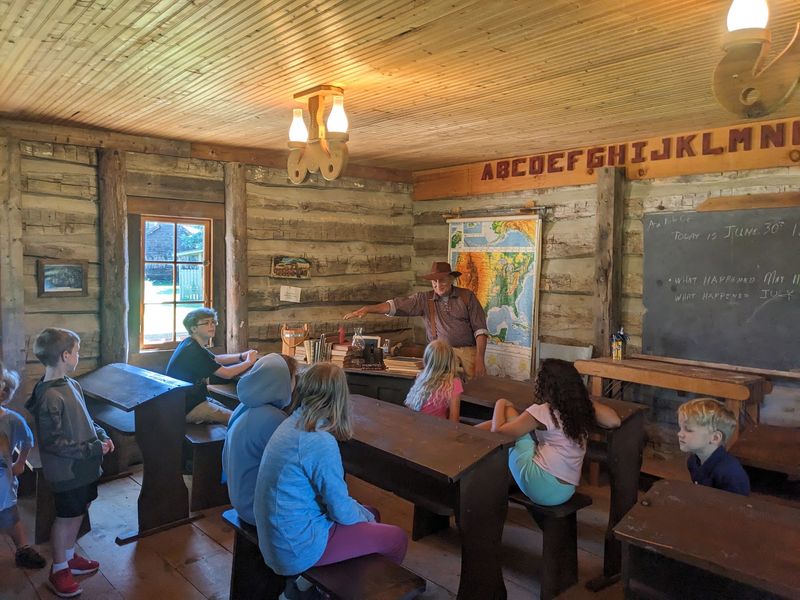
Forest City Stockade does not run itself. The entire operation is powered by a dedicated group of volunteers who pour enormous amounts of time and energy into organizing events, maintaining the grounds, and sharing the history with visitors of all ages.
That volunteer spirit gives the site a warmth that professionally staffed attractions sometimes lack. When someone is genuinely passionate about what they are explaining to you, it shows.
The guides here tend to be knowledgeable about both the history of the U.S.-Dakota War and the specific story of the Forest City settlement.
The community investment in this place is visible everywhere you look. From the condition of the buildings to the organization of events, it is clear that the people behind Forest City Stockade take their responsibility to this history seriously.
That level of care is something you can feel the moment you walk through the gate.
Walking Through An 1870s-Era Town Layout
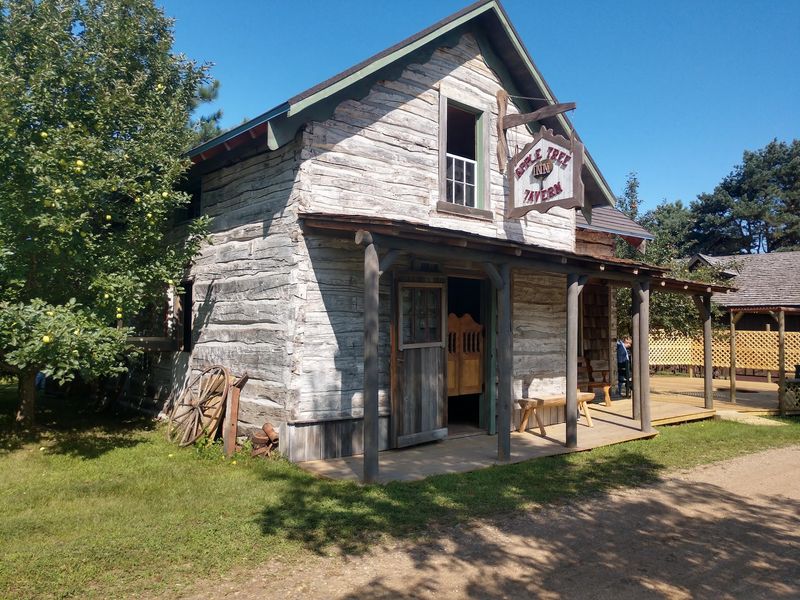
One of the more unexpected aspects of Forest City Stockade is how the site goes beyond just the stockade itself. The grounds include buildings that reflect what a small frontier settlement looked like in the years following the U.S.-Dakota War, giving visitors a broader sense of how people actually lived in rural Minnesota during that era.
There are structures representing a church, stables, and spaces that feel like authentic storefronts from the period. Walking through them is less like touring a museum and more like wandering through a town that simply paused at some point in the 1870s and never quite resumed.
Each building holds details worth examining closely. Visitors who rush through miss a lot.
The ones who slow down and look carefully at how things were built, arranged, and used tend to leave with a much richer understanding of what frontier life actually demanded from ordinary people every single day.
The U.S.-Dakota War Context You Need To Know
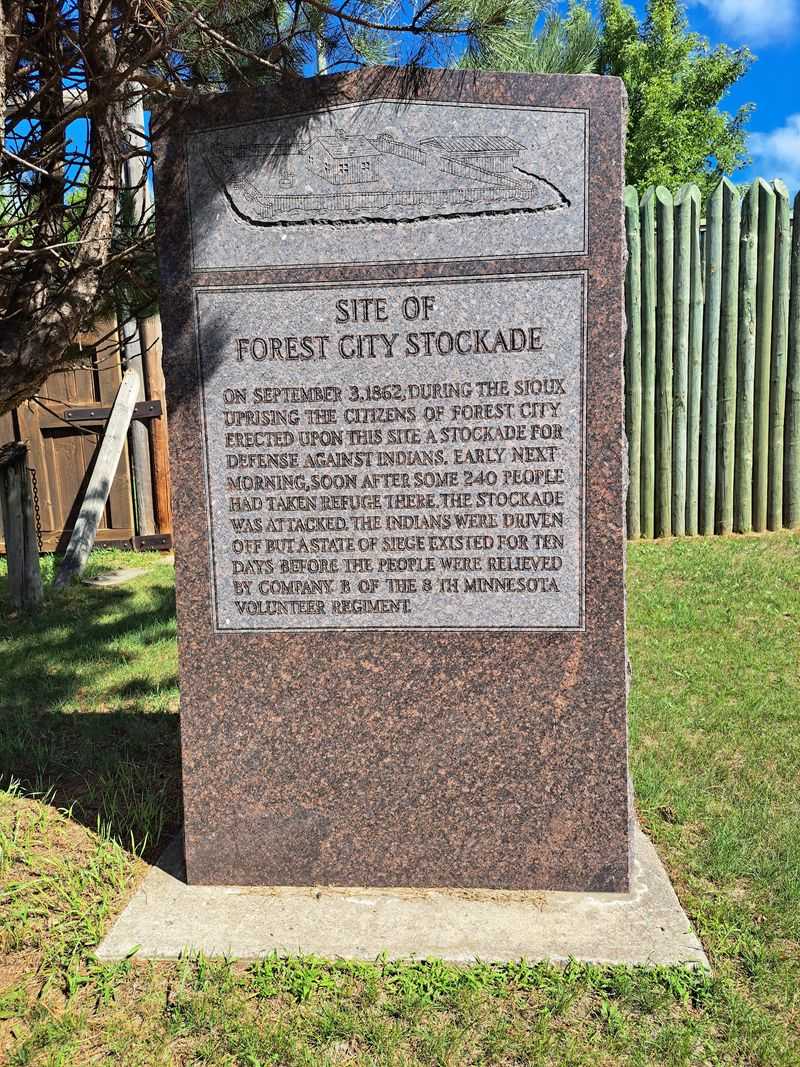
The U.S.-Dakota War of 1862 was one of the deadliest conflicts in Minnesota’s history, and understanding its context makes a visit to Forest City Stockade significantly more meaningful. The war grew out of years of broken treaties, failed government payments, and desperate conditions on the Dakota reservation in southwestern Minnesota.
When the conflict erupted in August 1862, settlements across a wide area were affected almost immediately. Forest City was one of many communities that scrambled to protect its residents.
The stockade built there was a direct response to the fear and uncertainty spreading through the region during those weeks.
Some visitors have noted that the historical interpretation at the site does not always capture the full complexity of the conflict from all perspectives. That is worth keeping in mind as you explore.
History at this scale is rarely simple, and the most engaged visitors are those who arrive curious and leave with more questions than they started with.
What Families With Kids Can Expect
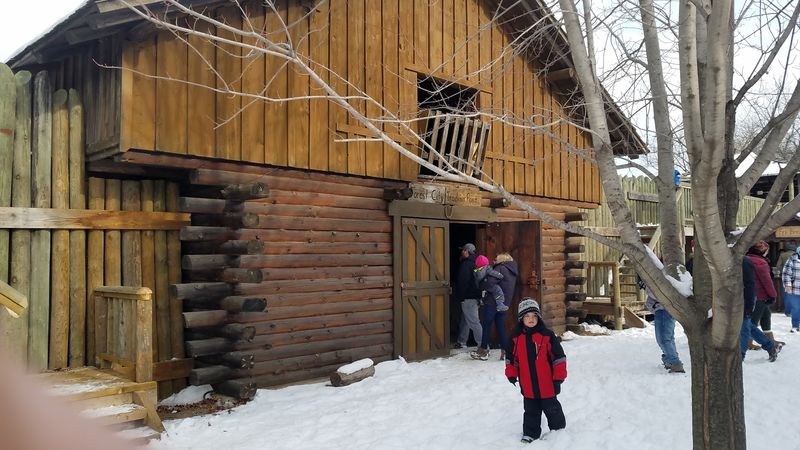
Forest City Stockade is genuinely well-suited for families with children, and not just because it has food and open space. The site offers the kind of hands-on, walk-around experience that keeps kids engaged in a way that sitting in a classroom or reading a textbook never quite manages.
During event weekends, there are enough activities happening simultaneously that children can move naturally from one thing to the next without losing interest. Live music, food sampling, craft demonstrations, and the simple novelty of exploring log buildings all hold attention in different ways.
Parents often find themselves just as absorbed as their kids, which is the real sign of a well-designed historical experience. The site is accessible and easy to navigate, so managing little ones while still taking in the history does not feel like an impossible juggling act.
It works well as a half-day or full-day outing depending on your group’s pace.
The Quiet Power Of The Site Between Events
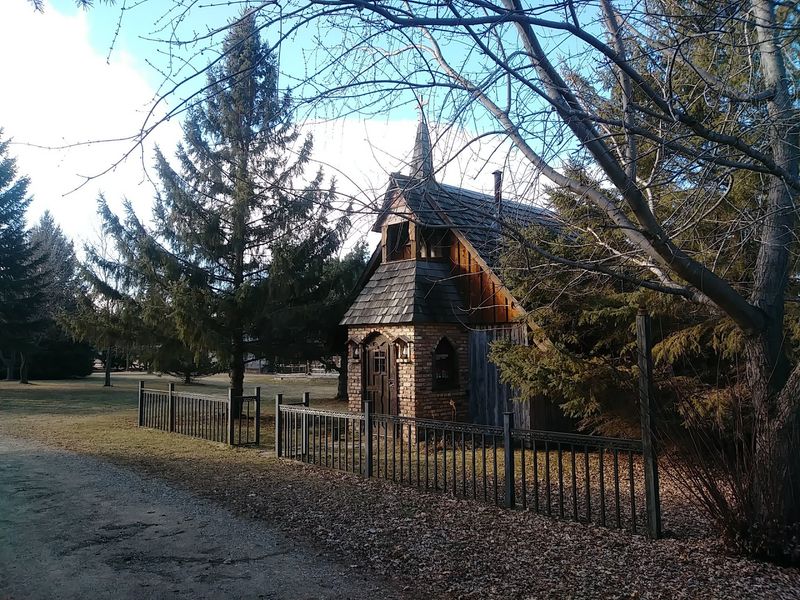
Forest City Stockade is primarily an event-based site, which means it is not open for casual drop-in visits throughout the year. Some visitors have arrived on non-event days to find the gates closed, so checking the schedule before making a trip is genuinely important advice.
That said, the grounds themselves carry a quiet power even from the outside. The log walls and the open countryside setting communicate something about the past without requiring a guide or a demonstration.
The location near where the original stockade stood adds a layer of significance that even a brief roadside stop can deliver.
Planning your visit around one of the organized events is strongly recommended if you want the full experience. The summer weekend and the December Christmas celebration are the two main opportunities each year, and both are worth building a day around rather than treating as a quick detour.
Live Music And The Atmosphere Of The Events
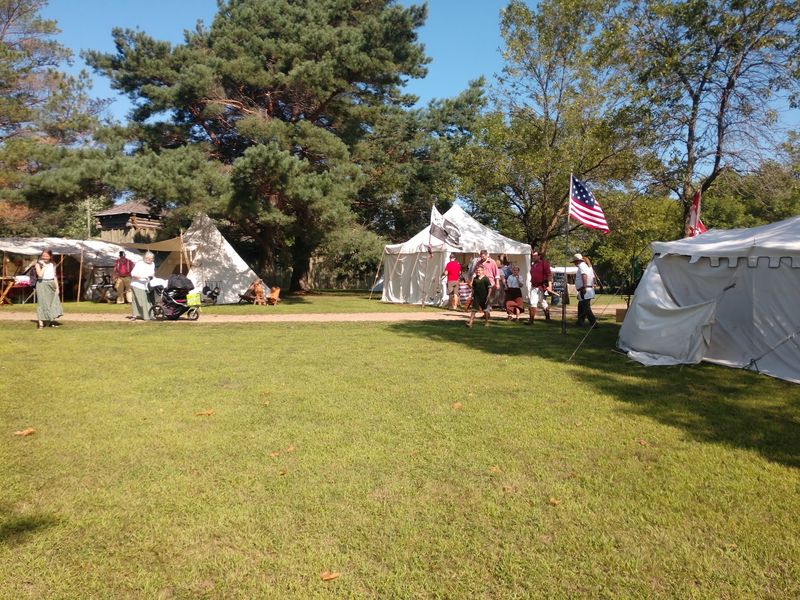
There is something about live music playing inside a log stockade that makes history feel less like a subject and more like an experience. During the summer event weekend, musical performances add a layer of energy to the site that transforms it from a quiet historical landmark into something genuinely festive.
The music tends to fit the setting, leaning toward styles that feel appropriate to the era being celebrated. It is not background noise.
It is part of the overall atmosphere that the organizers work hard to create each year.
Visitors who arrive expecting only a somber history lesson are usually pleasantly surprised by how celebratory the events feel. The balance between education and enjoyment is handled well here.
You learn something meaningful, but you also have a good time doing it, which is honestly the best possible outcome for any historical site trying to connect with a modern audience.
The Site As A Wedding And Private Event Venue
Beyond its role as a historical attraction, Forest City Stockade has served as a venue for weddings and private events. The setting offers something genuinely unusual for couples looking for a ceremony location with character and historical weight.
Log walls, open prairie views, and the unmistakable atmosphere of a place with a real story behind it create a backdrop that no modern banquet hall can replicate. Guests at events held here consistently describe the experience as unlike anything they have attended before.
The site’s flexibility as a venue speaks to how well-maintained and organized the grounds are. A location that can host both a historically focused family event and a private wedding is one that has been developed with care and purpose.
For anyone searching for a venue in the Litchfield area that goes beyond the ordinary, Forest City Stockade deserves serious consideration as an option worth exploring.
How This Site Compares To Other Minnesota Historical Landmarks
Minnesota has no shortage of historical sites, but Forest City Stockade occupies a specific and underappreciated place among them. Most state historical landmarks focus on the aftermath of the U.S.-Dakota War or on the Dakota perspective, which is valuable.
This site focuses on the settler experience during the conflict itself, which is a less commonly explored angle.
The combination of a replica structure, an authentic location close to the original site, and regular community-run events gives Forest City Stockade a texture that many larger, better-funded historical sites lack. It feels personal rather than institutional.
Visitors who have explored other Minnesota historical sites often describe this one as more immersive precisely because of its smaller scale. There is no crowd management system or timed entry.
You move at your own pace through spaces that feel real rather than curated, and that freedom to explore genuinely changes how the history registers.
Planning Your Visit To Forest City Stockade
A little preparation goes a long way when visiting Forest City Stockade. The site operates primarily during its annual events, so checking the official schedule at forestcitystockade.org before making plans is the smartest first step.
The summer event typically falls on the third weekend in August, and the Pioneer Christmas takes place on the first Saturday in December.
Entry fees have historically been very affordable, making this an accessible outing for families working with a modest budget. Bringing cash is a practical idea since food and gift vendors operate on-site during event weekends.
Wear comfortable walking shoes because the grounds are outdoors and the terrain is natural rather than paved. For the December event, layering up is not just a suggestion.
Minnesota December temperatures demand it. Arriving earlier in the day gives you the best chance of seeing everything without rushing, since the site offers more than most first-time visitors anticipate.
Share this story