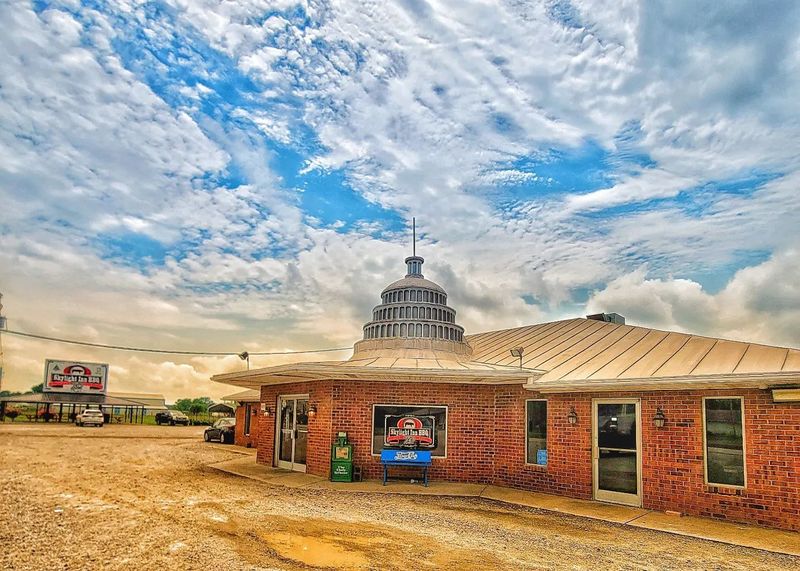
Tucked into the small town of Ayden in eastern North Carolina, Skylight Inn BBQ has been cooking whole hogs over wood since Pete Jones opened its doors in 1947. That kind of staying power is rare in any business, but it is especially meaningful in barbecue, where the old wood-fired methods have quietly faded from most kitchens across the state.
Skylight Inn keeps that tradition alive, and for locals and travelers who care about where their food comes from, that matters. Getting the full story means understanding what whole-hog barbecue actually is, why the Jones family’s approach stands out, and what you can expect when you make the drive to Pitt County.
Ayden identifies the restaurant behind the premise
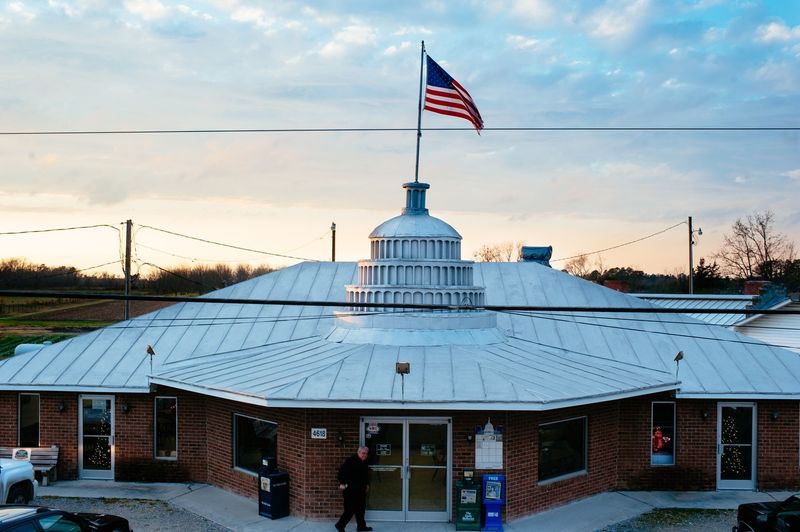
Skylight Inn BBQ sits on Lee Street in Ayden, a small Pitt County town that most out-of-state travelers pass right by on their way to the coast. Pete Jones opened the restaurant in the summer of 1947 when he was just 17 years old, and the restaurant’s official history credits him with building a business around the whole-hog, wood-cooked method that eastern North Carolina had long claimed as its own.
The Jones family has kept that central tradition going in the decades since Pete founded the place. What the record supports is continuity of the core cooking method: whole hogs prepared and cooked over wood.
What it does not support is a claim that every recipe detail, every piece of equipment, every supplier relationship, or every operating procedure has stayed frozen in time since 1947. Restaurants adapt, and Skylight Inn is no exception to the practical realities of running a food business across nearly eight decades.
Still, the who, where, and when here are clear. A teenage Pete Jones, a small eastern North Carolina town, and a summer in 1947 are the documented starting points.
The restaurant’s current pages describe the same commitment to old-fashioned whole-hog barbecue that Jones established at the beginning. That documented through-line, from a 17-year-old’s opening day to a nationally recognized institution, is the honest foundation of Skylight Inn’s reputation, and it is a strong one without any embellishment.
What whole-hog barbecue actually means
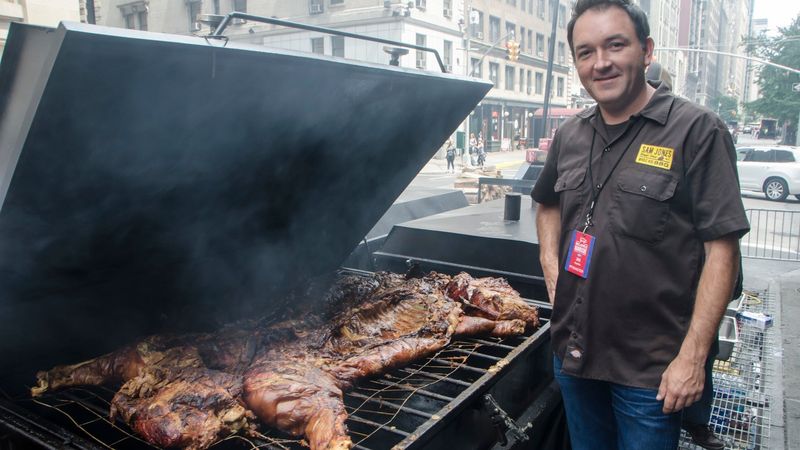
The phrase “whole hog” conjures a vivid picture, but the reality is more practical than the mental image might suggest. Traditional whole-hog barbecue does not involve placing an anatomically intact, unbutchered animal directly onto a grate.
North Carolina’s documented barbecue tradition describes a process in which the hog is dressed and split so that it can lie flat over the pit, skin side up, allowing the heat to work evenly across the meat. That distinction matters because it shapes what the cook is actually managing over the course of a long cook.
Skylight Inn’s own account confirms that it cooks whole hogs over wood. What “over wood” means in practical terms for eastern North Carolina barbecue is a pit-based method involving wood, coals, indirect heat, and smoke working together.
This is not the same as loading an enclosed modern smoker with continuously burning logs and sealing the chamber. The North Carolina Department of Natural and Cultural Resources describes the state’s traditional pit barbecue as a process built around coals and indirect heat rather than direct flame, with smoke contributing to the result throughout.
Where the restaurant’s official restaurant page does not spell out the exact fuel sequence, the precise timing, or the specific pit construction, it is worth being careful about filling in those blanks with assumptions. The verified claim is that Skylight Inn cooks whole hogs over wood, and that is a meaningful and well-supported distinction.
Describing the exact mechanics beyond what the restaurant confirms risks dressing the story up with details that belong to other pits, other traditions, or other writers’ imaginations rather than to Skylight Inn’s documented practice.
Eastern North Carolina supplies the regional context
Skylight Inn does not exist in isolation. It belongs to a specific regional cooking culture that stretches across the coastal plain of eastern North Carolina, where whole-hog barbecue and a sharp vinegar, red-pepper, and salt seasoning profile have defined the tradition for generations.
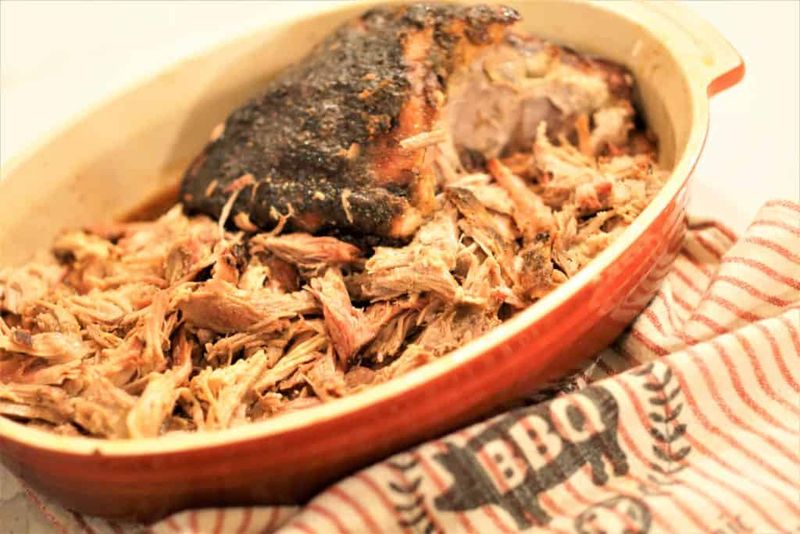
NCpedia’s barbecue entry traces this eastern style to community and church events where whole hogs were cooked over open pits, the meat chopped or pulled and seasoned with the thin, tangy sauce the region favors. Skylight Inn fits squarely within that documented tradition.
North Carolina barbecue is not one thing, though, and the article would mislead readers by suggesting otherwise. The western part of the state, centered around Lexington, has its own tradition built on pork shoulders and a slightly sweeter, tomato-touched sauce.
A separate NCpedia entry on barbecue acknowledges both traditions and notes that differences in cut, seasoning, and equipment exist across the state. Some traditional and heritage restaurants use gas or electric equipment while still serving recognizably North Carolina-style barbecue.
Visit North Carolina’s guide to the state’s barbecue styles captures both regional camps and points toward newer approaches that have grown alongside the older ones. Skylight Inn represents the eastern style at its most traditional, but calling it the only authentic expression of North Carolina barbecue would shortchange the Lexington tradition and the many other restaurants that have built their own honest identities within this broader culture.
The regional frame gives Skylight Inn its proper weight without asking it to carry more than it should.
A living method has become harder to find
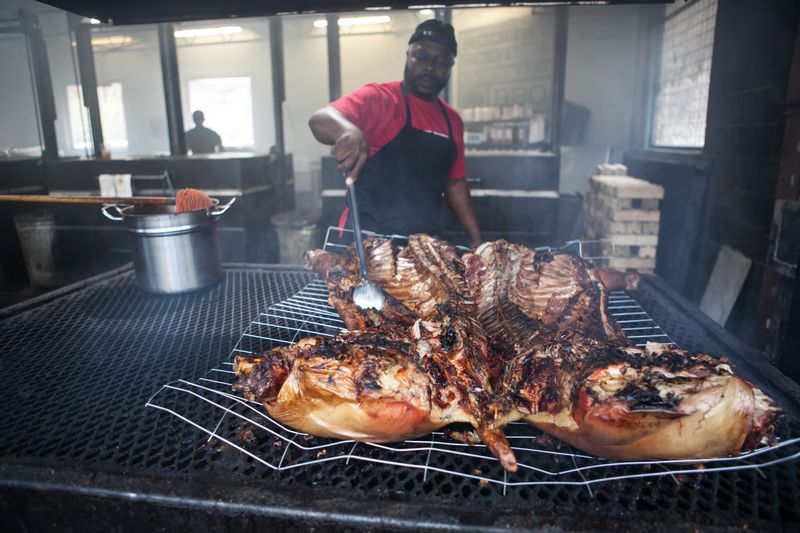
Wood-fired whole-hog barbecue has become increasingly uncommon across North Carolina, even as the state’s broader barbecue culture remains lively. National Geographic’s coverage of North Carolina barbecue reported an estimate of roughly 50 to 60 restaurants still cooking with wood or wood coals statewide.
That figure is an estimate from that reporting, not a comprehensive statewide census, and it should not be treated as a precise or necessarily current count. What it does signal is that the number of places committed to this method represents a small fraction of the state’s overall barbecue landscape.
Skylight Inn is a well-documented example of a restaurant holding to the wood-cooked, whole-hog approach, but it is not the only one. Wilber’s Barbecue in Goldsboro has its own documented heritage, and Grady’s BBQ in Dudley, associated with pitmaster Steve Grady, represents another recognized example.
Claiming that Skylight Inn is the last restaurant using the method would be factually wrong, and it would also be unfair to the other pitmasters who have kept their own wood fires burning.
As for why fewer restaurants use this method today, the honest answer is that the full picture is not simple. Operating a wood-fired pit requires significant labor, fuel sourcing, and physical infrastructure.
North Carolina’s food-establishment plan-review requirements address sanitation, equipment, and facility standards that all restaurants must meet. Heritage establishments can adapt their physical setup to comply while retaining their central cooking tradition, and many have done exactly that.
Attributing the method’s decline to regulations alone, without broader evidence, would oversimplify a shift that involves economics, labor, and generational change in equal measure. North Carolina’s own cultural resources acknowledge that the state’s barbecue scene includes both traditional and modernized methods side by side.
The Jones legacy preserves a core tradition
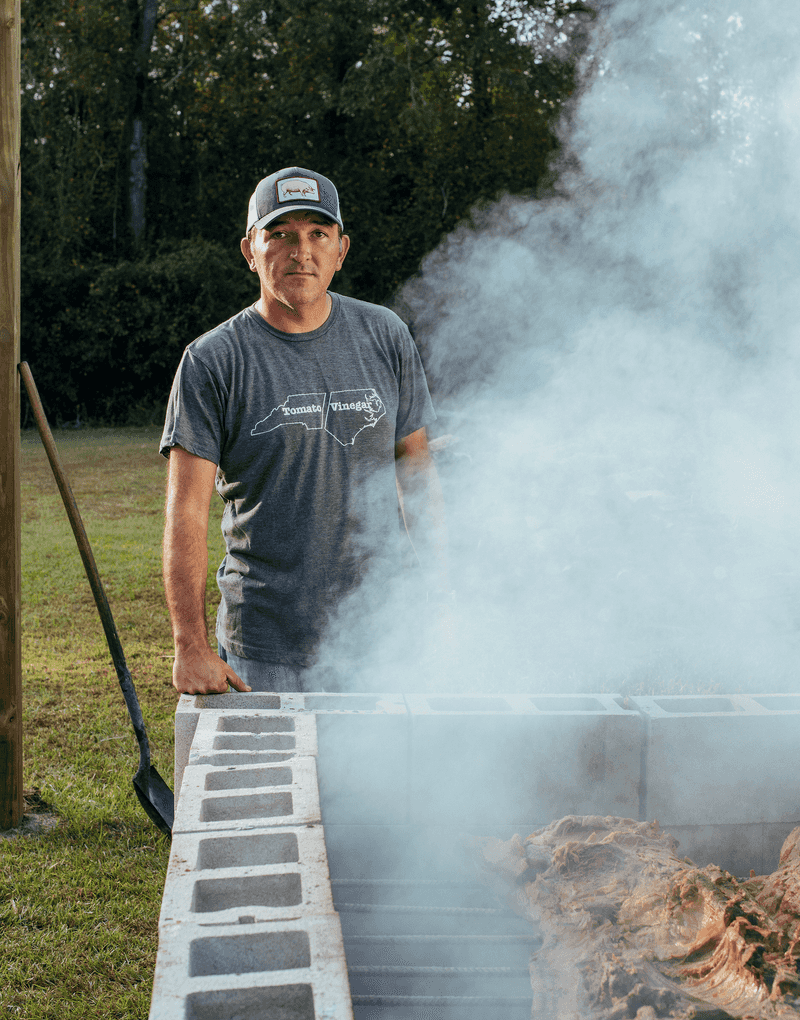
Pete Jones was a teenager when he started Skylight Inn, and the family he built around the restaurant has kept its defining tradition going across generations. The restaurant’s about page establishes the Jones family’s documented connection to the business and its commitment to whole-hog, wood-cooked barbecue.
The exact number of family members currently involved in daily operations is something the restaurant itself is best positioned to confirm, and the article does not specify that figure beyond what the official account provides.
Heritage restaurants carry a particular kind of weight. They are not museums, and they do not have to be.
North Carolina’s barbecue history shows that even the most traditional operations have navigated change over the decades, whether in staffing, sourcing, equipment, or physical facilities. What makes a heritage restaurant meaningful is not a perfect freeze of every detail from its founding year, but rather the sustained commitment to a central practice that gives the place its identity.
For Skylight Inn, that practice is cooking whole hogs over wood, and the Jones family’s sustained focus on that method across nearly eight decades is the documented fact that earns the restaurant its reputation.
Adapting to contemporary food-service requirements is part of operating any restaurant responsibly, and traditional establishments are no exception. North Carolina’s food-establishment plan-review standards cover sanitation, equipment, and facility conditions that apply across the industry.
A restaurant can meet those requirements and still maintain a cooking tradition rooted in an earlier era. The Jones family’s ability to do both is part of what makes Skylight Inn a genuine institution rather than a nostalgia act.
Plan a visit around the documented details
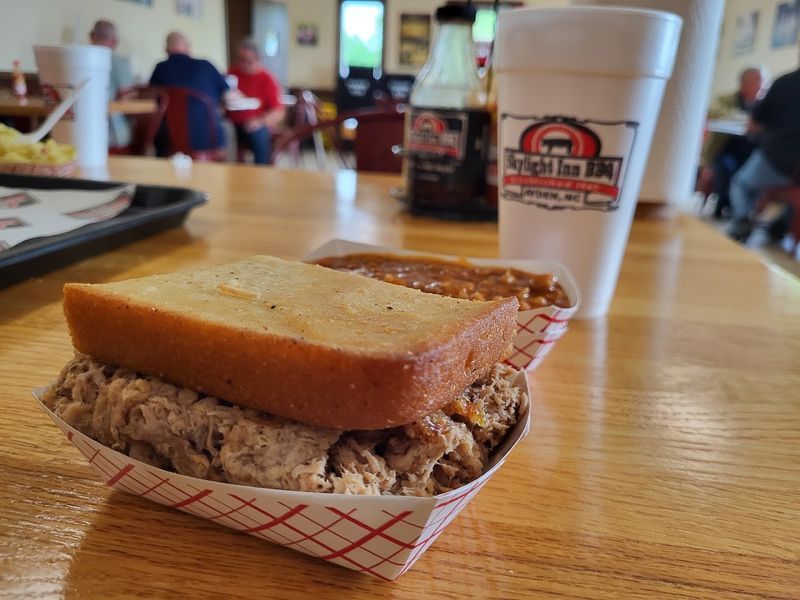
Skylight Inn describes its specialty as Eastern North Carolina whole-hog barbecue, and the restaurant’s welcome page makes clear that the menu centers on that tradition. Visitors can order sandwiches, plates, and barbecue by the pound, which makes it easy to bring some home or feed a group without needing a reservation or a complicated ordering process.
The posted hours, as listed on the restaurant’s site, are Monday through Saturday, 10 a.m. to 7 p.m. The restaurant is closed on Sundays.
Restaurant hours can change, so verifying the current schedule directly with Skylight Inn before making the drive is the practical move, especially if you are traveling from outside the Ayden area.
Ayden sits in Pitt County, roughly 80 miles east of Raleigh and about 20 miles south of Greenville. The drive puts you in the heart of eastern North Carolina’s agricultural flatlands, which is exactly the landscape that shaped the food culture Skylight Inn represents.
A visit here is not a secret discovery, since the restaurant has received significant national recognition including a James Beard America’s Classics award. What it is, instead, is an opportunity to sit down with a regional cooking practice that has become increasingly hard to find.
Whether the food matches your personal taste is something only your own plate can answer, but the cooking tradition behind it is well documented and worth experiencing on its own terms.
The precise takeaway from Skylight Inn
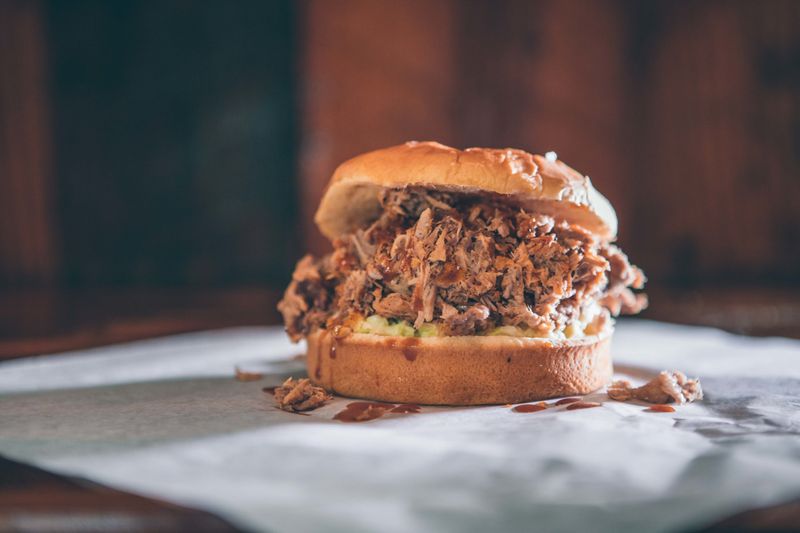
Skylight Inn in Ayden has maintained a documented whole-hog, wood-cooked tradition since Pete Jones opened the restaurant in 1947. The Jones family’s account supports that central claim clearly, and North Carolina’s cultural and historical sources place the restaurant within a regional cooking tradition that gives its method real meaning.
That is a strong, honest story, and it does not need inflation to hold up.
Preserving a core method across nearly eight decades does not mean that every operational detail stayed identical, that the restaurant sits outside modern food-service requirements, or that it holds a monopoly on authentic North Carolina barbecue. North Carolina’s barbecue culture is broader and more varied than any single restaurant can represent, and Skylight Inn’s own significance comes from being a well-documented, family-rooted example of a style that has become harder to find, not from being the last of anything.
National Geographic’s estimate of roughly 50 to 60 North Carolina restaurants still cooking with wood points toward real scarcity without overstating it. Skylight Inn earns its place in that smaller circle through documented practice, not through marketing claims.
For a traveler willing to take the back roads into Pitt County, that combination of regional rootedness and genuine rarity is reason enough to make the trip.
Share this story