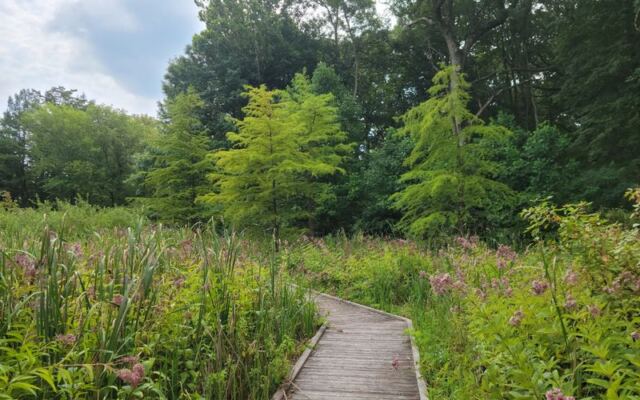
Somewhere in northern Illinois, tucked behind a quiet country road, sits a wetland so rare that most people drive past it without a second glance. Boger Bog Conservation Area in Bull Valley is one of the last fens of its kind remaining in the entire country, a living relic from the Ice Age that somehow survived into the modern world.
Walking through it feels less like a day trip and more like stepping into a nature documentary. Once you know it exists, the urge to visit becomes almost impossible to ignore.
Location and What Makes Boger Bog So Unusual
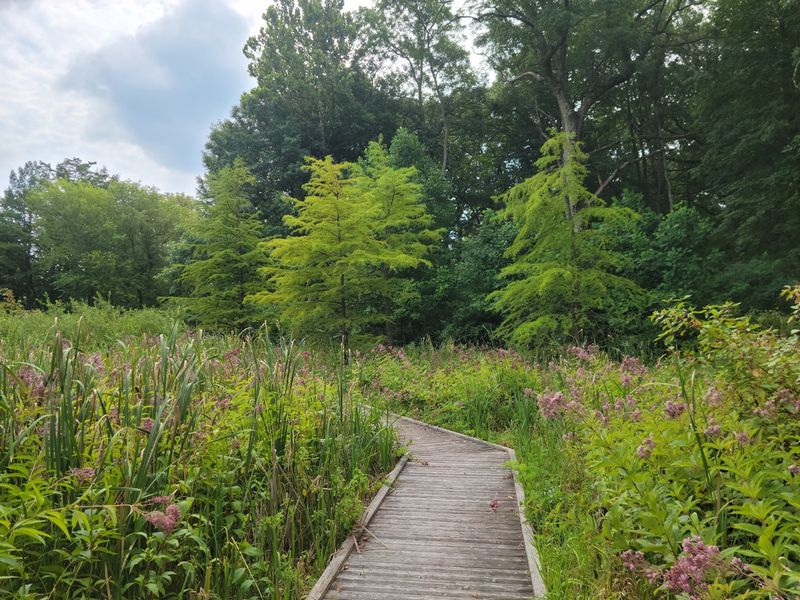
Nestled along Cherry Valley Road in Bull Valley, Illinois, Boger Bog Conservation Area sits quietly in McHenry County, managed by the McHenry County Conservation District. At first glance, it looks like any other patch of trees along a rural road.
Pull into the small parking lot, though, and the story changes completely.
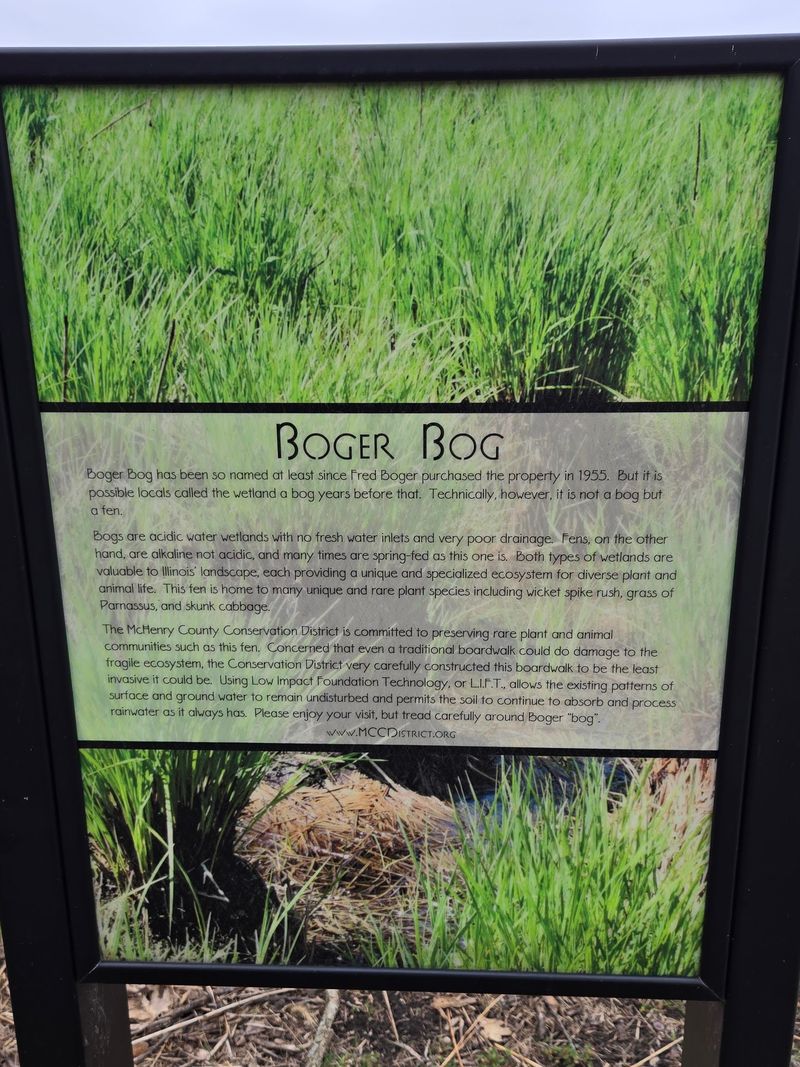
A fen is a specific type of wetland fed by mineral-rich groundwater rather than rainwater alone. That distinction makes all the difference in the world of ecology.
Fens support plant communities that simply cannot grow anywhere else, making each surviving example a kind of irreplaceable outdoor museum.
Boger Bog is considered one of the last remaining fens of its type in the United States, a fact that gives even a casual weekend walk a weight of genuine significance. Most visitors arrive expecting a pleasant stroll and leave feeling like they witnessed something truly extraordinary.
The Ice Age Legacy Behind This Landscape
Long before Illinois was farmland and suburbs, glaciers covered the region and carved the terrain into something wild and varied. When those massive ice sheets retreated thousands of years ago, they left behind depressions in the landscape that filled with mineral-rich groundwater.
Boger Bog is a direct result of that ancient process.
Unlike bogs, which are fed primarily by rainfall and tend to be acidic and nutrient-poor, fens receive a constant supply of calcium-rich groundwater. That steady mineral flow creates conditions where specialized plants can thrive, plants that have adapted over millennia to this very specific environment.
Visiting Boger Bog means walking across ground shaped by forces from thousands of years ago. The plants growing underfoot are not just pretty scenery.
They are living evidence of a continuous ecological chain stretching back to the end of the last Ice Age, still intact and still functioning today.
The Trail System That Takes You Right Into the Heart of It
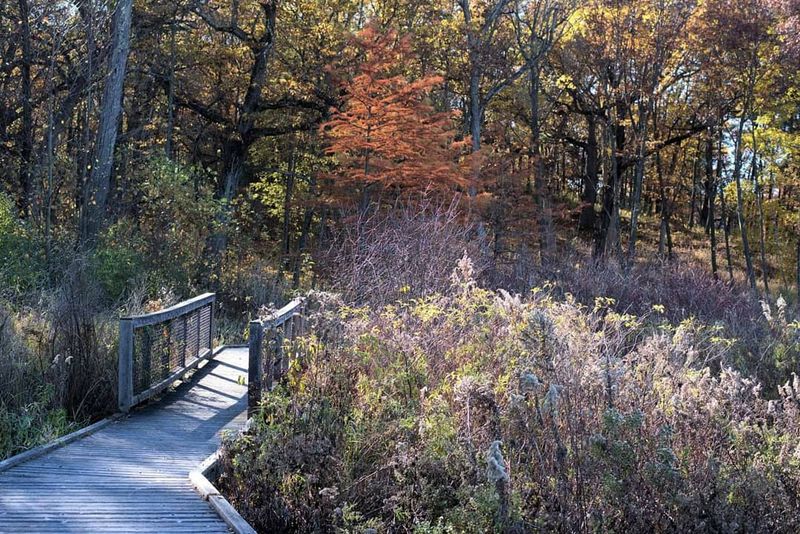
Getting close to a fragile wetland ecosystem without damaging it is a real challenge for land managers. At Boger Bog, the McHenry County Conservation District solved that problem with a well-designed trail combining boardwalk sections and packed dirt paths.
The result lets visitors walk directly through the fen without harming the sensitive ground beneath.
The trail runs just under a mile in total, making it accessible even for visitors who do not consider themselves serious hikers. Elevation changes are moderate, with rolling wooded hills giving way to flat wetland sections as you move through the property.
Boardwalk stretches keep your feet dry over the wettest areas.
Informative signs placed along the route by the conservation district help explain what you are seeing at each stage of the walk. Visitors consistently mention those signs as one of the highlights, turning what could be a simple stroll into a genuinely educational outdoor experience worth savoring slowly.
Skunk Cabbage, Trillium, and a Wildflower Show Unlike Any Other
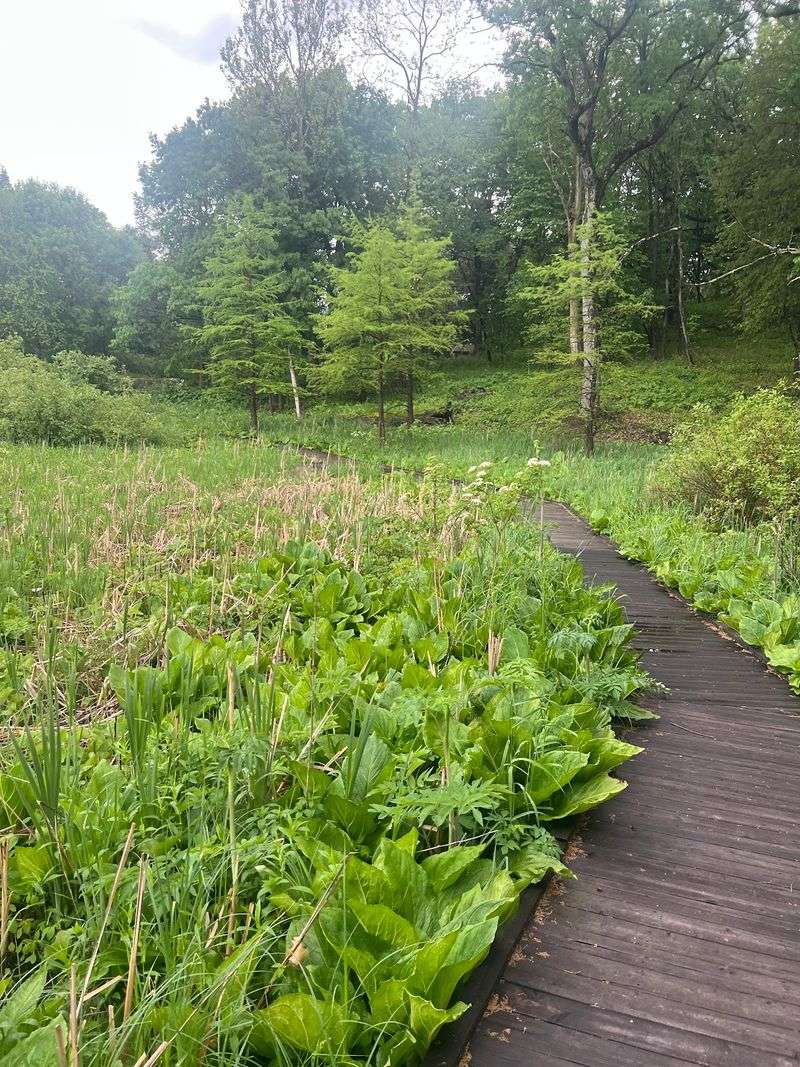
Spring at Boger Bog arrives with a botanical fanfare that regular forest preserves simply cannot match. Among the first plants to emerge each year is skunk cabbage, a bold and ancient-looking species that can generate its own heat to push through frozen ground.
Seeing it appear in late winter or early March is one of nature’s more surprising performances.
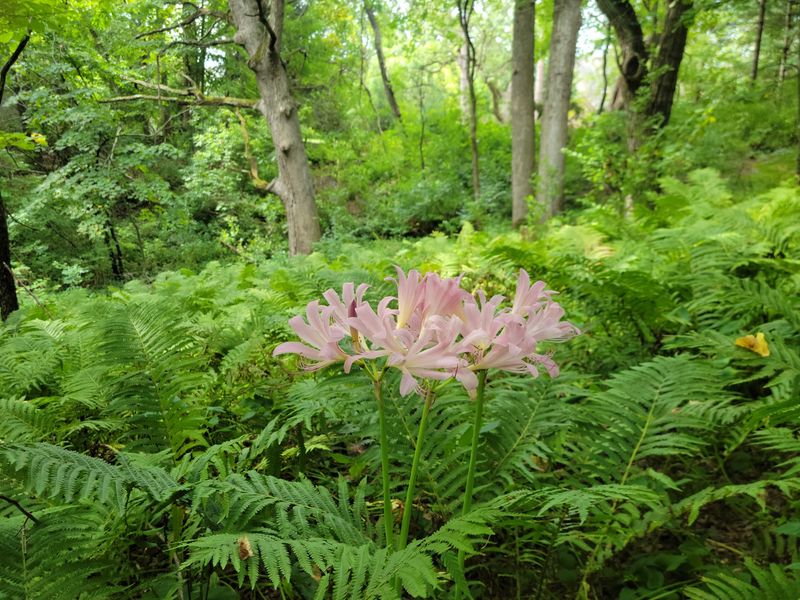
As the season progresses, white trillium blankets shaded areas of the trail, and ferns unfurl across the forest floor in sweeping green waves. By late July, the preserve hosts a rotating cast of blooming wildflowers that visitors say includes species rarely seen anywhere else in the region.
Yellow daffodils along the edges and a variety of native plants tucked into every corner of the trail make spring and early summer visits feel almost overwhelming in the best possible way. Each visit during the growing season reveals something new that was not there the week before.
Bald Cypress Trees Growing Far From Their Southern Home
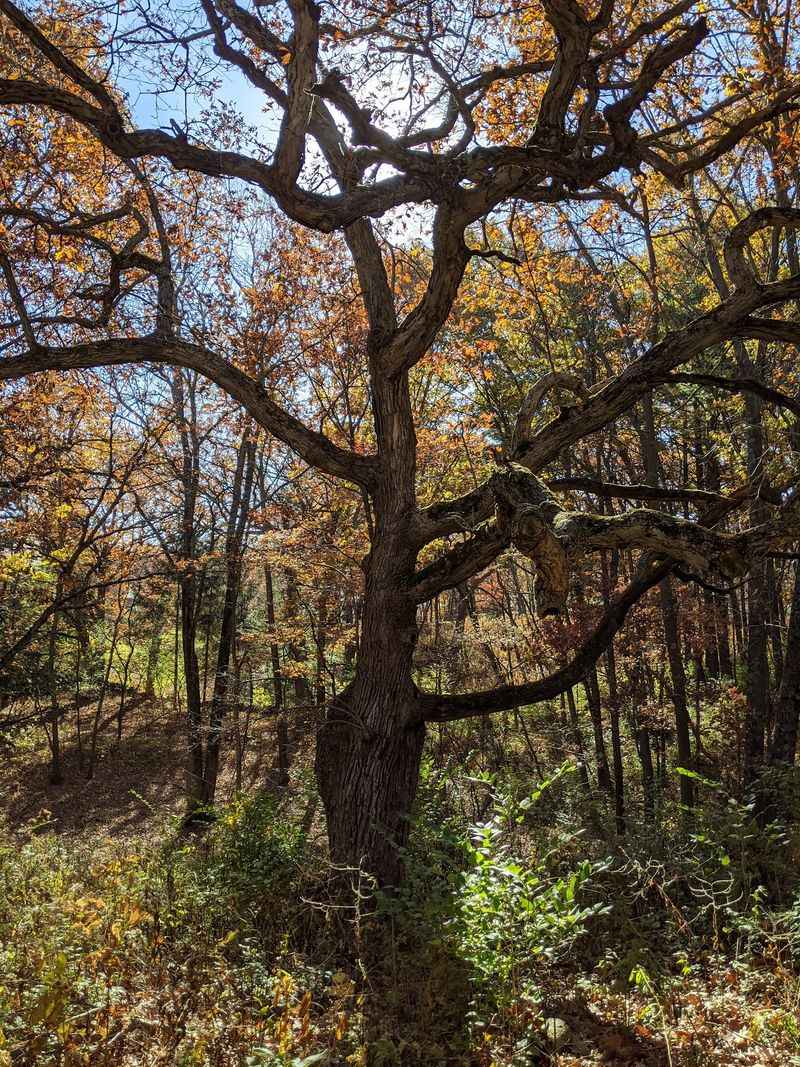
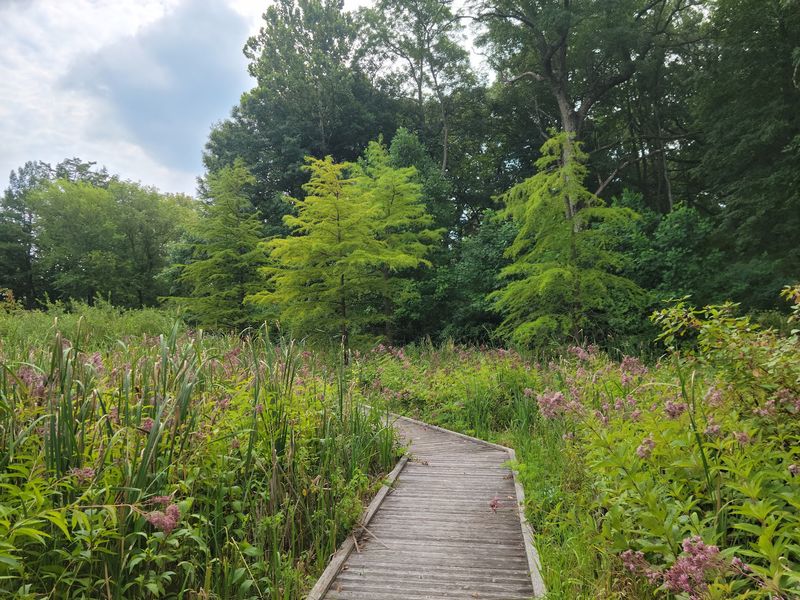
One of the most surprising discoveries waiting on the Boger Bog trail is a stand of bald cypress trees. Most people associate bald cypress with the swamps of Louisiana or the Florida Everglades, not with a small conservation area in McHenry County, Illinois.
Finding them here stops first-time visitors in their tracks.
Bald cypress trees are known for their distinctive knobby root structures called knees, which protrude upward from the waterlogged soil. At Boger Bog, those same features appear in a northern setting, creating a visual that feels genuinely out of place in the best possible way.
The diversity of tree species across the preserve is one of its most celebrated characteristics.
Alongside the cypress, visitors encounter rolling wooded hills filled with a variety of native hardwoods. The combination of southern wetland species and northern woodland trees packed into such a compact area makes the preserve feel far larger and more varied than its modest footprint suggests.
The Council Ring Built From Chicago’s Own Streets
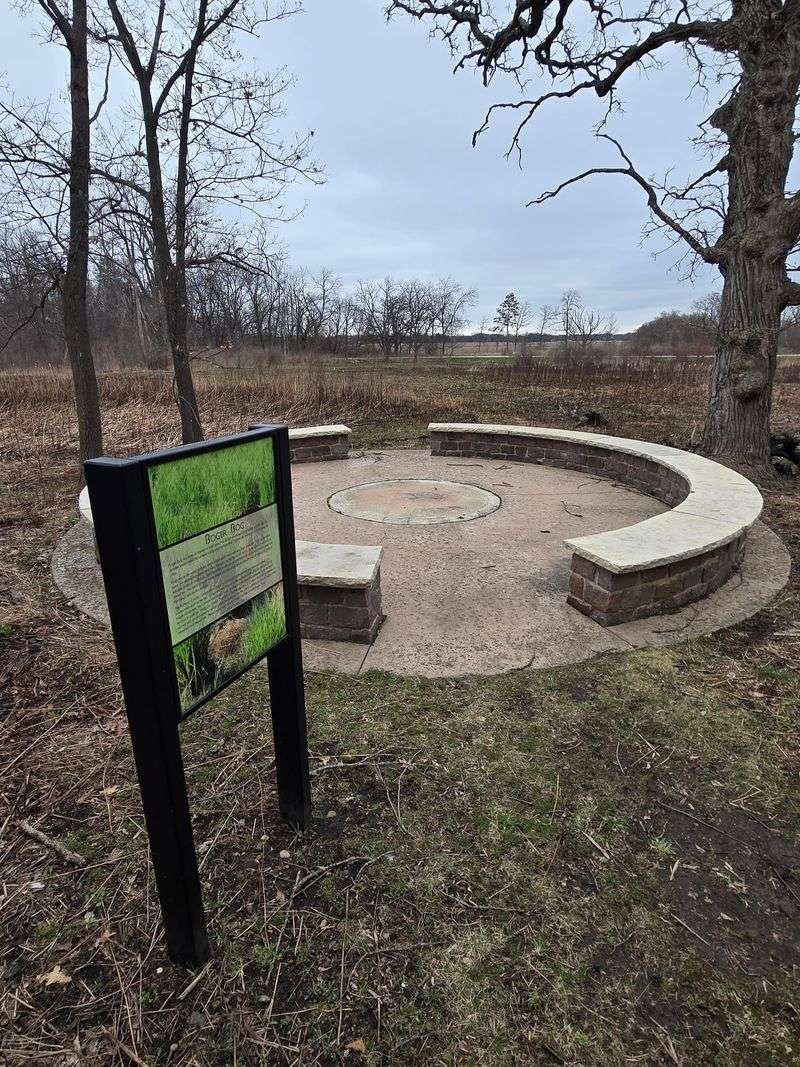
Hidden within the preserve, a council ring waits for visitors who wander just far enough along the trail. Built from antique granite pavers salvaged from a Chicago street, it creates a quiet gathering space in the middle of the woods that feels both historic and a little mysterious.
Sitting there, surrounded by trees, the city feels very far away.
Council rings were popularized by landscape architect Jens Jensen, who believed that gathering in a circle around a central fire connected people to nature and to each other in meaningful ways. The presence of one at Boger Bog ties the site to a broader tradition of thoughtful, human-centered landscape design in the Chicago region.
The granite pavers underfoot carry decades of Chicago history in their worn surfaces. Using reclaimed urban materials to build a nature retreat is a quietly poetic touch, one that rewards visitors who take a moment to think about where those stones have been before landing here.
Picnic Shelter With Tiles From the 1933 Chicago World’s Fair
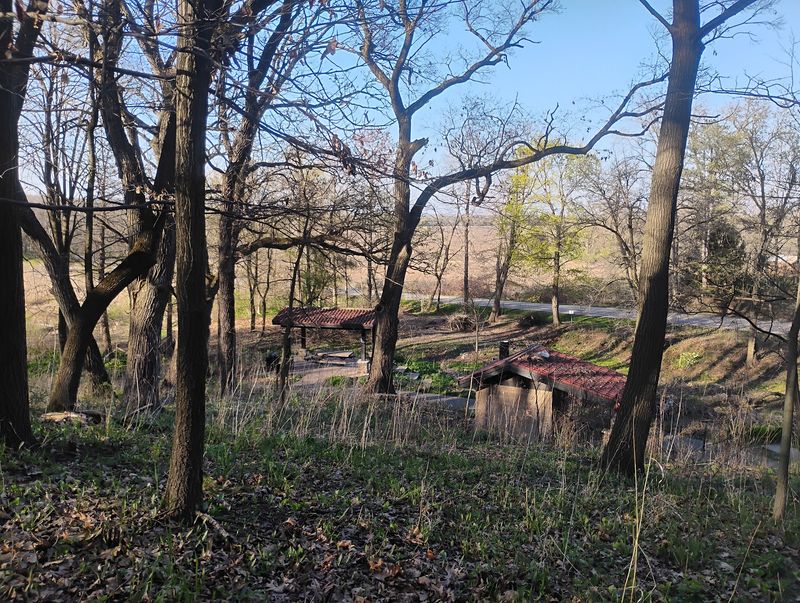
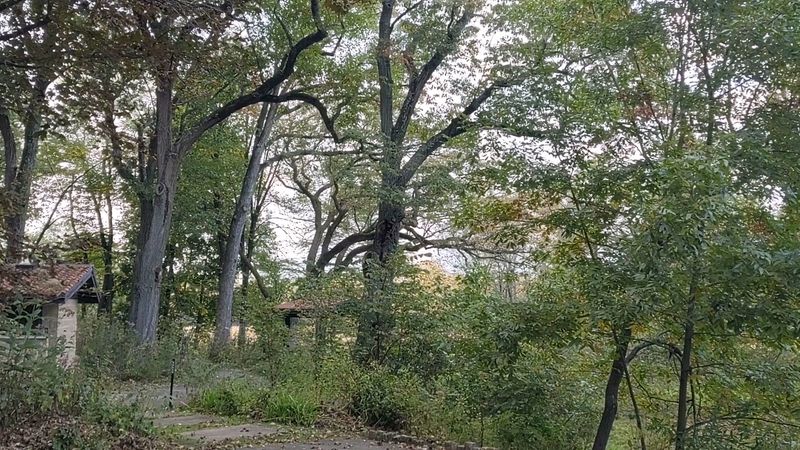
Among the quiet surprises at Boger Bog is a small covered picnic area whose roof is shingled with terracotta tiles salvaged from the 1933 Chicago World’s Fair. That detail, easy to overlook on a busy walk, connects this tucked-away nature preserve to one of the most celebrated events in American cultural history.
The 1933 World’s Fair, officially called A Century of Progress, drew millions of visitors to Chicago’s lakefront and left behind a legacy of modernist architecture and design. Most of that physical legacy has long since vanished.
Finding a piece of it sheltering picnic tables in a McHenry County fen is the kind of discovery that makes local history feel alive rather than abstract.
Visitors who read the interpretive signs along the trail learn about this connection, and many say it changes how they see the whole preserve. Boger Bog is not just a nature walk.
It carries layers of Chicago history on its rooftops and beneath its feet.
What Autumn Does to This Already Scenic Spot
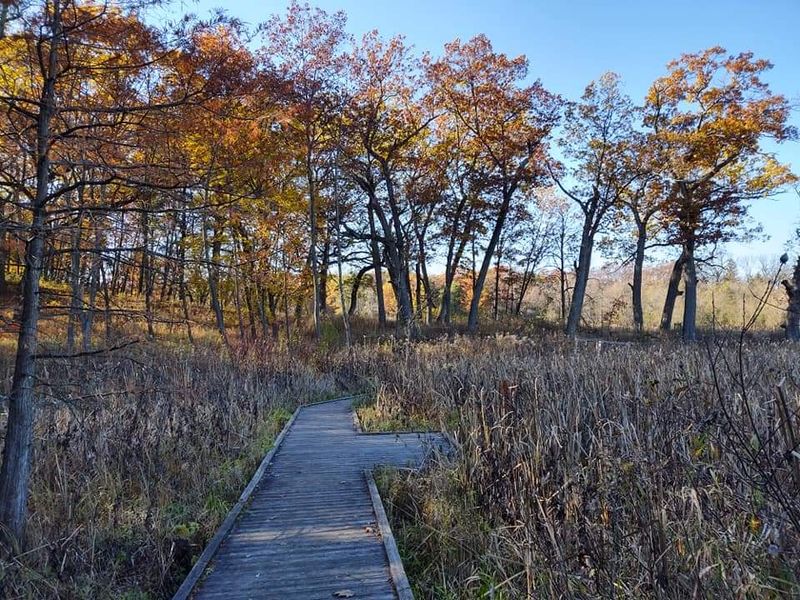
Autumn transforms Boger Bog in ways that photographs struggle to fully capture. The combination of rolling wooded hills, flat wetland reflections, and a dense canopy overhead creates a fall foliage display that visitors describe as especially picturesque, whether the sky is clear blue or wrapped in morning fog.
Foggy autumn mornings at the preserve carry a particular atmosphere. Mist hanging over the flat wetland sections while colorful leaves drift down from the surrounding hills creates a scene that feels almost cinematic.
The boardwalk trail becomes especially atmospheric in those conditions, with visibility fading into soft shapes and quiet sounds.
Even on chilly late-autumn days after peak color has passed, the trail retains its appeal. The bare branches open up views into the fen that summer foliage conceals, and the fallen leaves underfoot add a satisfying crunch to every step.
Regulars often say a muddy autumn walk here is worth every bit of the mess.
Wildlife, Bugs, and the Living Ecosystem Underfoot
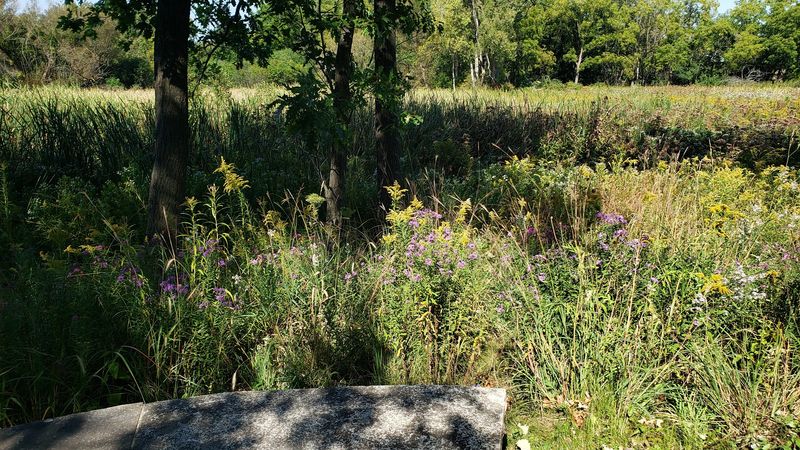
A living wetland ecosystem is not a manicured park, and Boger Bog does not pretend to be one. Bugs are part of the experience, particularly in warmer months when the preserve hums with insect activity.
That abundance of insects, while occasionally annoying, is actually a sign of a healthy and functioning ecosystem rather than a problem to be managed away.
Wildlife sightings along the trail are part of what makes each visit feel different from the last. The diversity of plant life supports an equally diverse community of birds, insects, and small animals.
Visitors who move quietly and keep their eyes open tend to see far more than those who rush through.
Tick awareness is worth keeping in mind, especially if you wander off the main trail into taller grasses. A quick check before getting back in the car is a sensible habit at any natural area in Illinois.
The reward for that small precaution is access to one of the most biodiverse little patches of land in the entire state.
The Atmosphere That Keeps People Coming Back
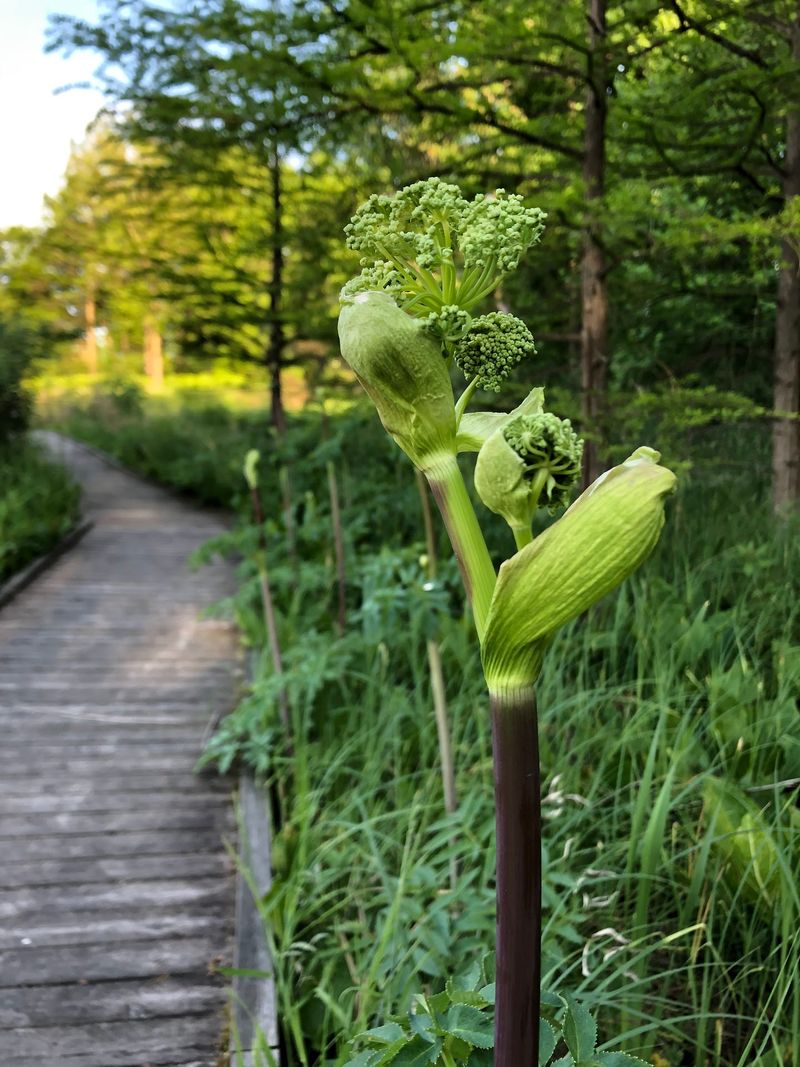
Quiet is genuinely hard to find in northeastern Illinois, where suburbs sprawl in every direction and traffic noise follows you almost everywhere. Boger Bog offers something increasingly rare: actual silence, broken only by birdsong, rustling leaves, and the creak of the boardwalk underfoot.
Visitors consistently use words like peaceful and relaxing to describe the experience.
The size of the preserve works in its favor for anyone seeking solitude. Because the parking lot holds only a handful of cars and the trail is under a mile, large crowds simply cannot form here the way they do at more popular forest preserves.
On a weekday morning, you may have the entire place to yourself.
That sense of personal discovery, of finding a corner of Illinois that most people have never heard of, is a big part of why repeat visitors return season after season. Every time the plants change, the light shifts, or the weather creates a new mood, Boger Bog becomes a slightly different place worth exploring again.
Who Will Love This Place Most
Boger Bog suits a particular kind of visitor: someone curious enough to appreciate what they are looking at, but not necessarily interested in a strenuous outdoor challenge. The trail’s compact length and modest elevation changes make it genuinely accessible for older adults, families with children old enough to walk a mile, and anyone returning to outdoor activity after a break.
Nature photographers find the preserve rewarding across all four seasons, with constantly changing plant life, atmospheric lighting conditions, and the kind of close-up botanical detail that is hard to find in more heavily trafficked parks. The boardwalk sections allow steady footing even when carrying camera equipment.
Plant enthusiasts, ecology students, and anyone with a casual interest in Illinois natural history will find the interpretive signage alone worth the trip. The preserve rewards curiosity above all else.
The more questions you arrive with, the more satisfying the walk tends to be when you leave.
Practical Details Before You Visit
Boger Bog Conservation Area sits at 2100 Cherry Valley Road in Bull Valley, Illinois. The McHenry County Conservation District manages the site and can be reached at 815-338-6223 for current conditions or questions.
More information is available through the district’s official website at mccdistrict.org.
Parking is genuinely limited, with only a small number of spaces available in the lot. Arriving early, especially on weekends and during peak spring wildflower season, is a practical strategy rather than optional advice.
Arriving at midweek or in the morning dramatically improves the chances of finding a spot without waiting.
The trail combines boardwalk and dirt surfaces, so footwear with some grip is a smart choice, particularly after rain when the dirt sections can turn muddy. A pit toilet with a distinctive terracotta tile roof is available on site.
No admission fee is required to visit, making Boger Bog one of the most accessible natural treasures in all of McHenry County.
Why a Place This Small Leaves Such a Lasting Impression
Size has almost nothing to do with impact at Boger Bog. Visitors regularly note that the preserve is smaller than expected, and then immediately add that it more than compensates with the density of interesting things packed into that compact space.
Indigenous plants, historic artifacts, rare ecosystems, and genuine quiet all coexist within a single short walk.
Places like this are worth paying attention to precisely because they are so easy to overlook. Boger Bog does not advertise itself loudly.
It sits along a country road in Bull Valley, waiting for the people curious enough to turn in and spend an hour exploring what most of Illinois has already forgotten exists.
For Illinois day-trippers looking for something genuinely different from a standard forest preserve loop, Boger Bog delivers something harder to quantify than distance or amenities. It delivers the feeling of having found something real, rare, and still intact.
That feeling tends to stick around long after the drive home.
Share this story