Throughout history, love has inspired great art, poetry, and devotion, but it has also led some people toward tragedy. These real stories remind us that love can be complicated, dangerous, and even deadly, especially when politics, power, and forbidden relationships get involved.
From ancient Rome to 19th-century Europe, these couples and individuals paid the ultimate price for their connections. Their stories have been remembered for centuries, and understanding the real facts behind them is just as powerful as any legend.
1. Mark Antony, 30 BC
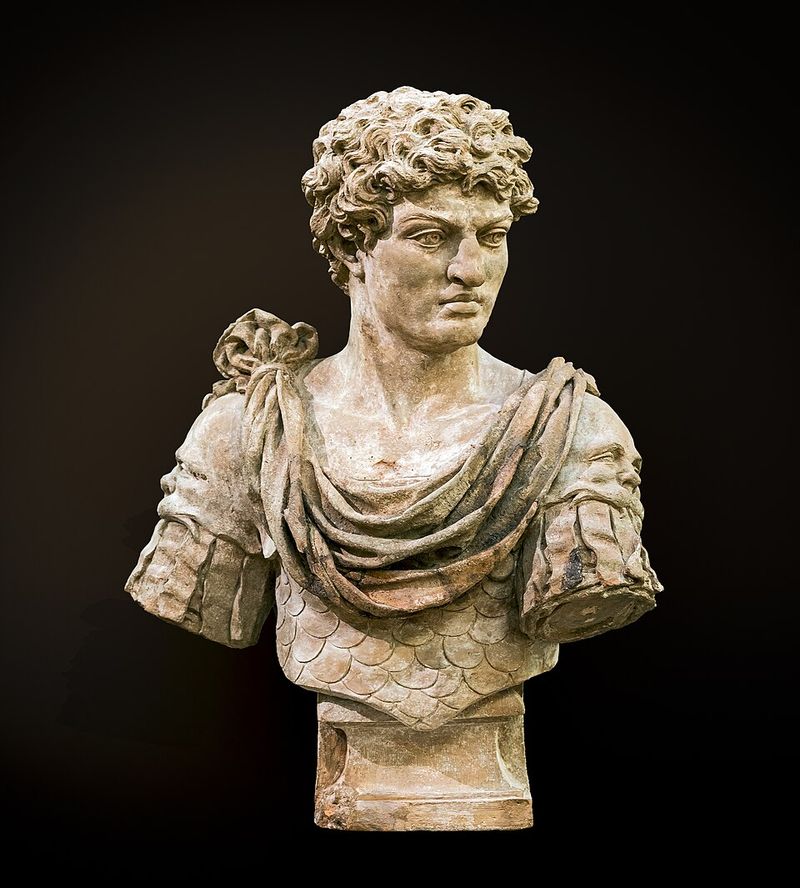
Few moments in ancient history carry as much weight as the final hours of Mark Antony. After his forces were crushed by Octavian in 30 BC, Antony received false news that Cleopatra had already taken her own life.
Believing the woman he loved was gone, he made a devastating choice.
According to the ancient historian Plutarch, Antony stabbed himself. He did not die right away.
Instead, he was carried to Cleopatra, who was still alive, and died in her presence shortly after being brought to her.
His death was not caused by love alone. A catastrophic military and political defeat had already closed in around him.
Still, the false report of Cleopatra’s death was the trigger that pushed him to act. His story remains one of the most dramatic final chapters in Roman history.
2. Cleopatra VII, 30 BC
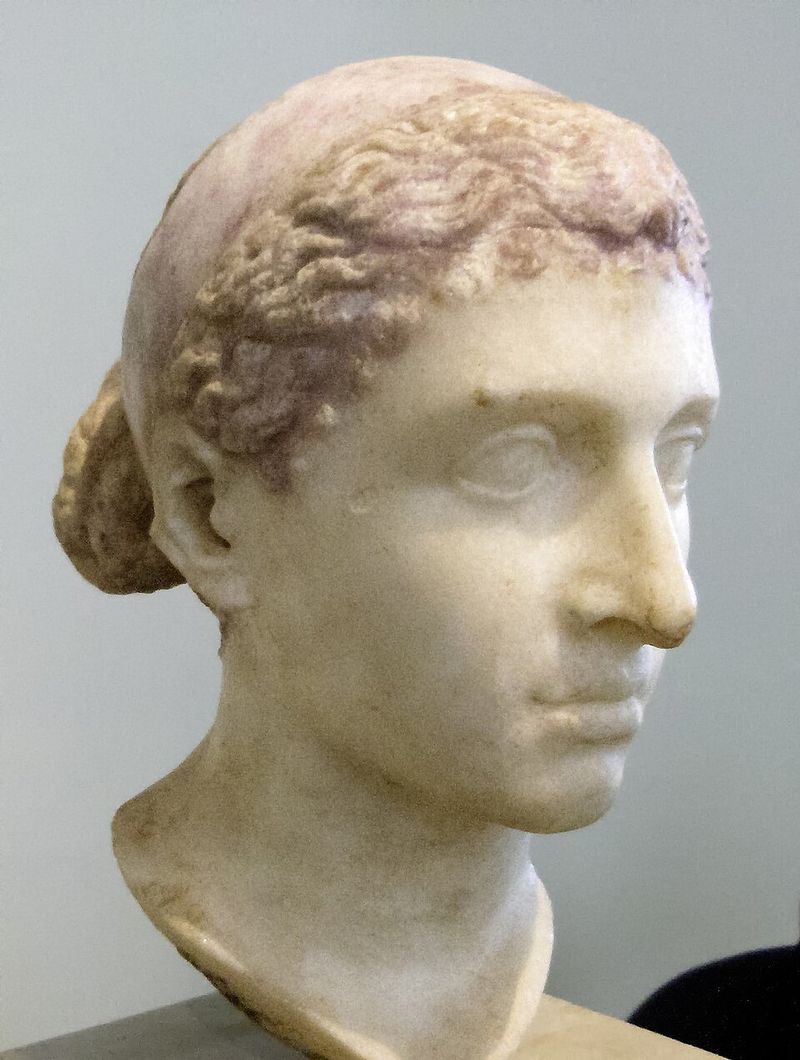
Cleopatra VII survived Mark Antony by only a matter of days. After his death and her defeat at the hands of Octavian, she chose to end her own life in Alexandria rather than face what came next.
Ancient sources consistently agree that she died by suicide, though the exact method is still debated.
The famous story involving an asp, or Egyptian cobra, is widely known but historically uncertain. No single ancient account confirms every detail of that version.
What historians do agree on is that she died in August of 30 BC.
Reducing her death to a simple act of heartbreak would miss the bigger picture. Cleopatra was a powerful ruler who understood exactly what awaited her in Rome.
Being paraded through the streets as Octavian’s captive was a humiliation she refused to accept. Her decision was as political as it was personal.
3. Ines de Castro, 1355
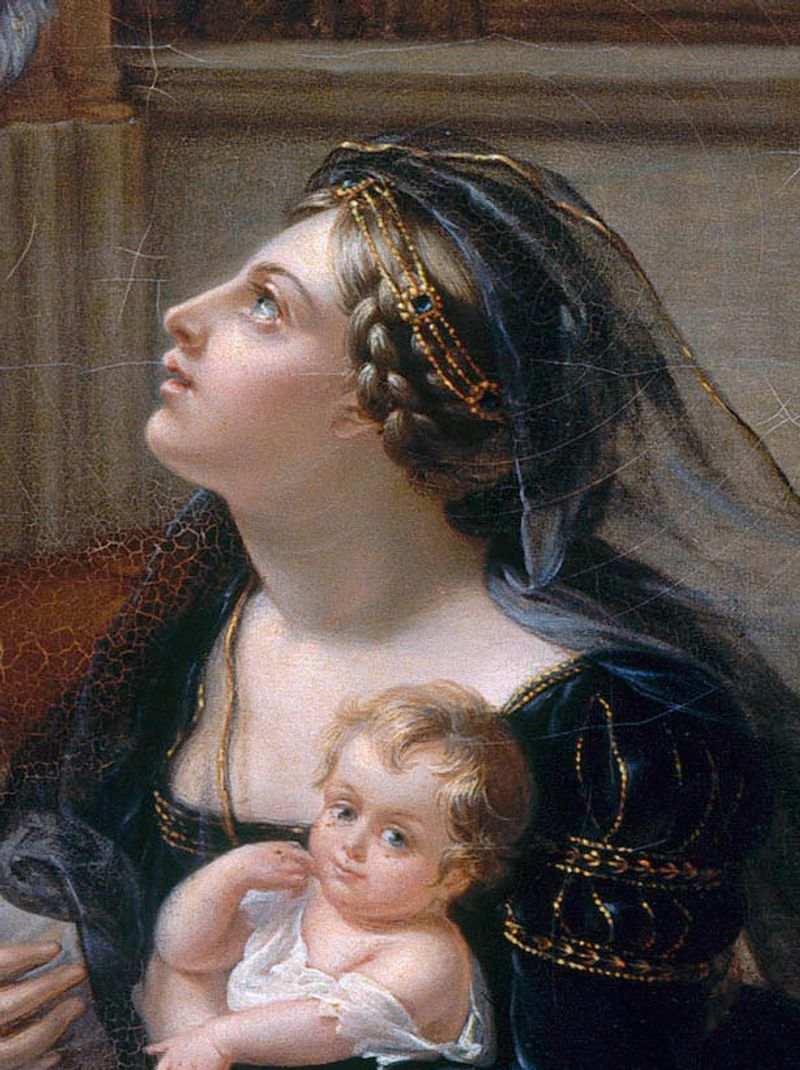
One of the most heartbreaking cases in medieval European history belongs to Ines de Castro. She was romantically involved with Pedro, the heir to the Portuguese throne, and their relationship caused serious concern at the royal court.
Her Castilian family connections made King Afonso IV uneasy about the political influence she carried.
In 1355, King Afonso IV authorized her killing. She was murdered, and Pedro, who later became king of Portugal, never forgot or forgave what happened.
He hunted down some of the men responsible and took brutal revenge after he took the throne.
Her story stands as one of the clearest historical examples of a relationship directly connected to a violent death. The political stakes surrounding her were real and documented.
Pedro’s grief turned into fury, and the consequences rippled through Portuguese history for years after her death.
4. Francesca da Rimini, c. 1285
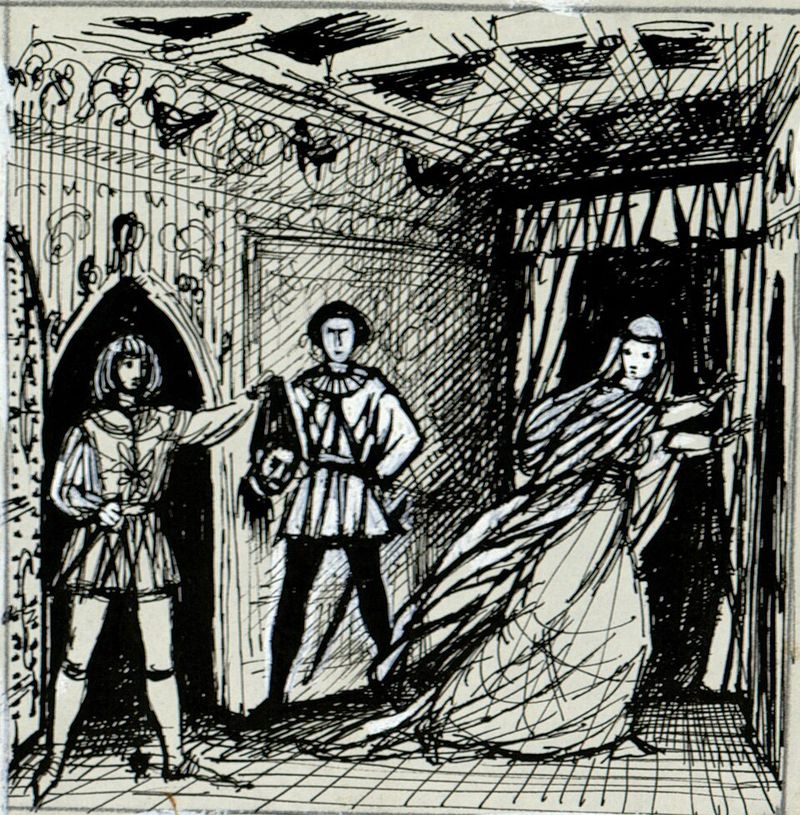
Francesca da Rimini was a real Italian noblewoman whose life ended violently in the 13th century. She had been married to Giovanni Malatesta but became involved with his brother, Paolo Malatesta.
When Giovanni discovered the affair, he killed them both. The exact year is estimated around 1285, though precise records are limited.
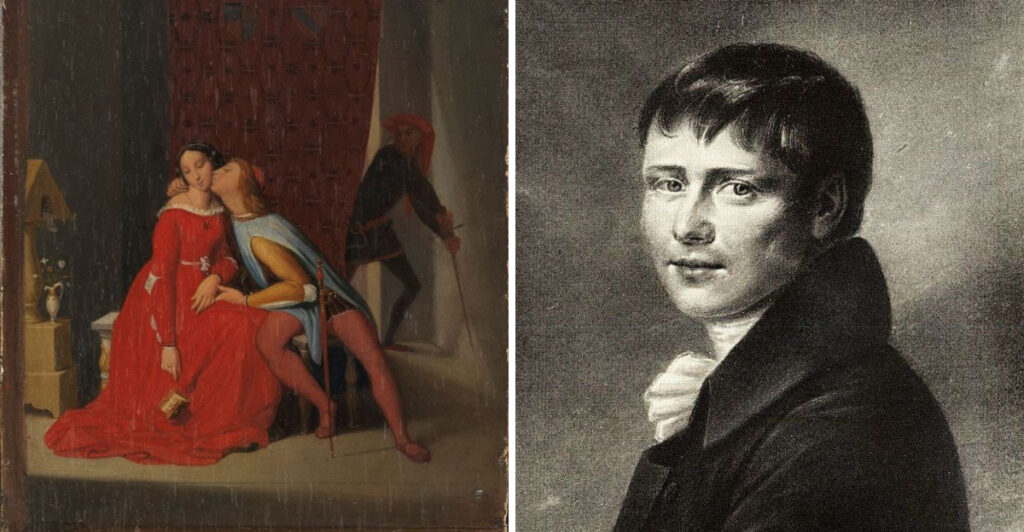
What made her story truly immortal was Dante Alighieri, who placed Francesca and Paolo together among the souls of the lustful in his Inferno. Their doomed connection became one of the most recognized tragic love stories in all of Western literature.
Artists across centuries have revisited their tale.
The romantic details most people know today were shaped heavily by later literary and artistic treatments rather than historical records. Still, the core facts remain: Francesca was a real person, her relationship with Paolo was real, and both died violently because of it.
5. Paolo Malatesta, c. 1285
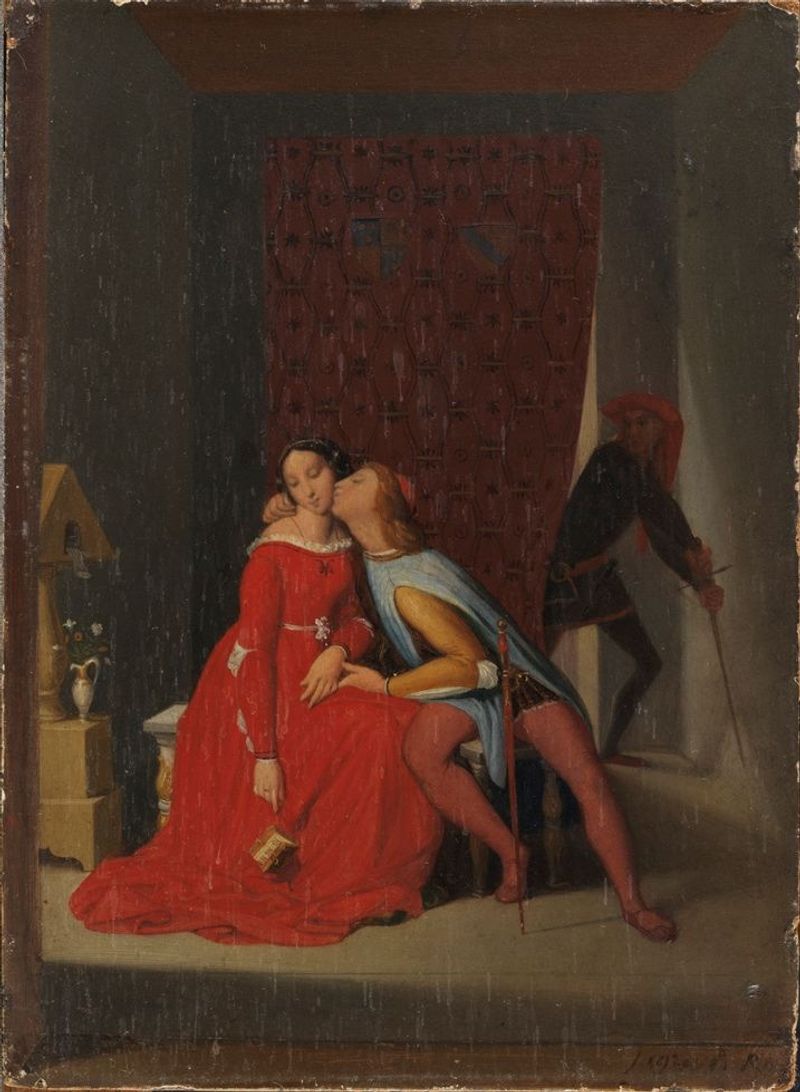
Paolo Malatesta deserves his own place in this story because he was killed separately from Francesca, not as a footnote to her tragedy. He was her brother-in-law, and when their affair was discovered by Giovanni Malatesta, both Paolo and Francesca were killed.
Their deaths became inseparable in historical memory.
The story caught the imagination of artists across the centuries. Painters like Jean-Auguste-Dominique Ingres, Dante Gabriel Rossetti, and sculptor Auguste Rodin all depicted the pair.
Rodin’s famous work “The Kiss” was originally inspired by their story, though it later took on a broader meaning.
Historically speaking, the exact circumstances surrounding their deaths are not as well documented as the literary versions suggest. What is known is that Paolo and Francesca were real people whose violent end was connected to their forbidden relationship.
History remembered them together, even if they died because of the same man’s fury.
6. Crown Prince Rudolf of Austria, 1889
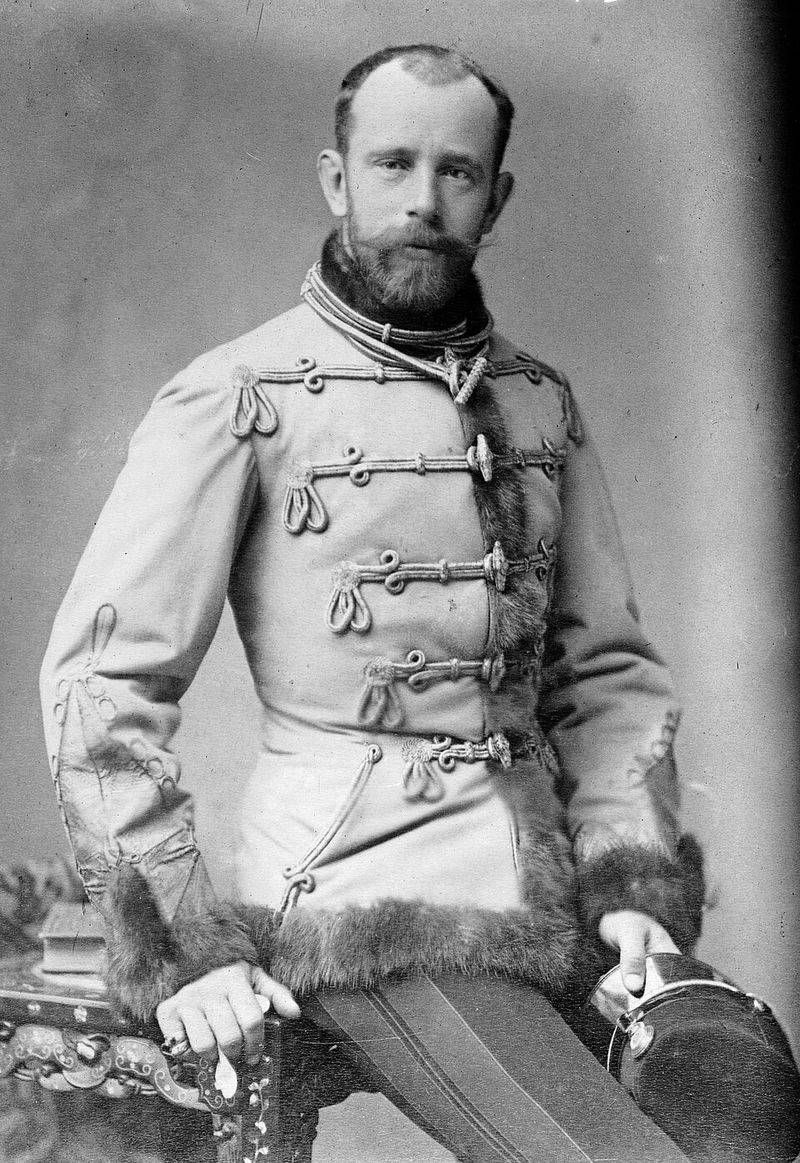
January 30, 1889 began like any other winter morning at the imperial hunting lodge in Mayerling, Austria, but it ended with two people dead. Crown Prince Rudolf, the heir to the Austro-Hungarian throne, was found shot to death alongside his 17-year-old mistress, Baroness Mary Vetsera.
The tragedy stunned Europe.
The generally accepted explanation is that Rudolf shot Mary and then turned the gun on himself. Farewell letters discovered in the 20th century, including one written by Mary herself, strengthened the case that she had gone to Mayerling knowing she would not leave alive.
Rudolf had also written letters before his death.
Calling this a straightforward love story would be too simple. Rudolf was deeply troubled, politically frustrated, and personally conflicted long before that night.
His mental state and broader circumstances were part of what drove him to that isolated lodge in the Austrian countryside.
7. Mary Vetsera, 1889
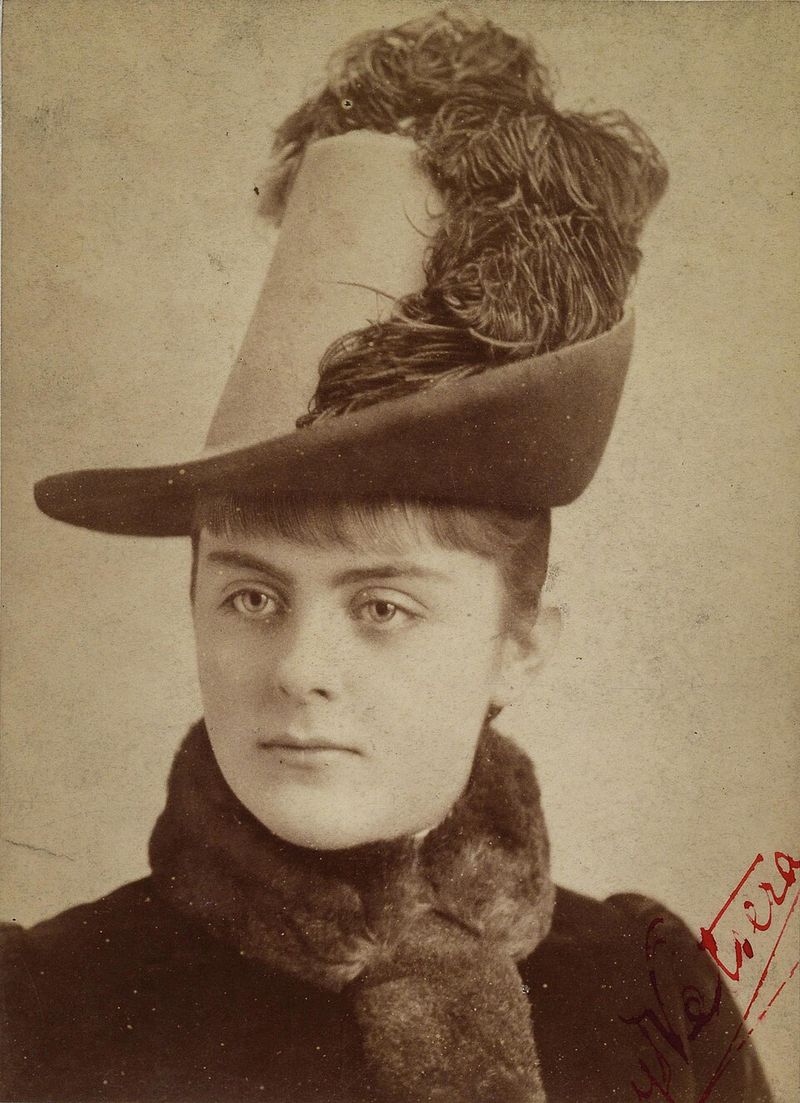
Mary Vetsera was just 17 years old when she died at the Mayerling hunting lodge alongside Crown Prince Rudolf. She was his teenage mistress, and the evidence strongly suggests that Rudolf shot her before taking his own life.
Her youth and the circumstances of her death make this one of the more troubling cases on this list.
What sets her story apart from others is the paper trail she left behind. Farewell letters written by Mary before her death have survived, and one addressed to her own mother clearly expresses her intention to die alongside Rudolf.
She went to Mayerling knowing what would happen.
Rudolf was 30 years old and a married crown prince. Mary was a teenager caught up in a relationship with one of the most powerful men in Europe.
Historians are careful not to romanticize what the evidence actually shows: a young woman who was shot by the man she trusted.
8. Heinrich von Kleist, 1811
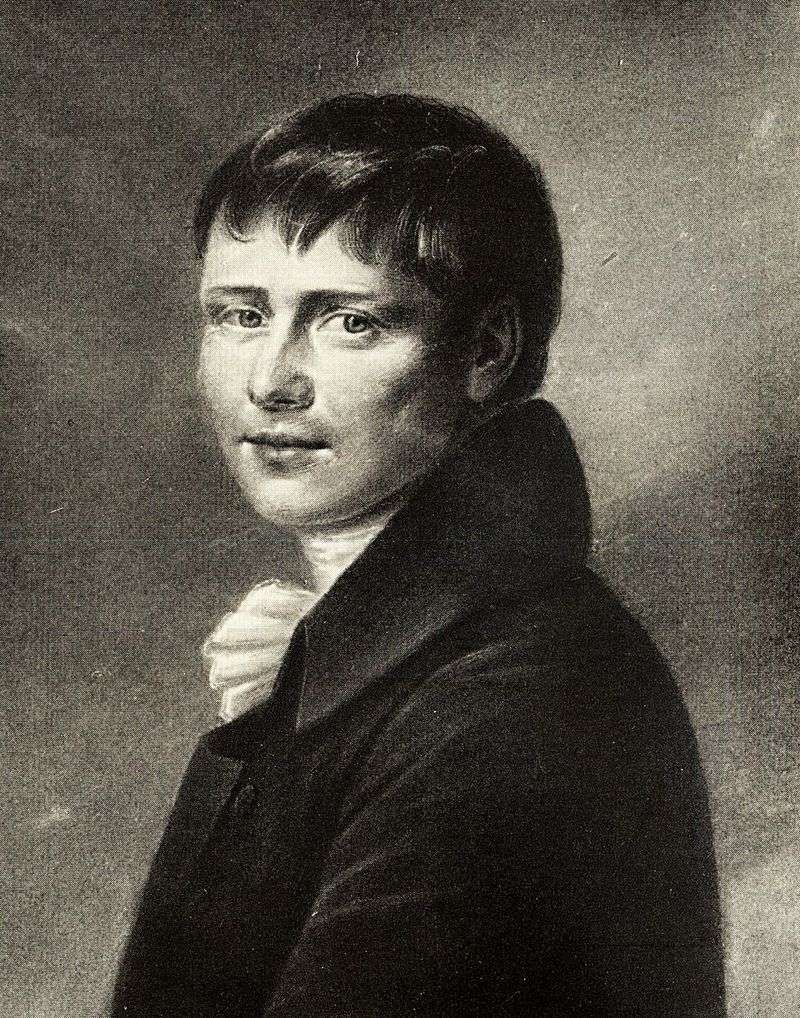
German playwright Heinrich von Kleist was already known for his intense, often dark literary work when he made a decision that shocked those who knew him. On November 21, 1811, beside the Kleiner Wannsee lake near Berlin, Kleist shot Henriette Vogel and then turned the gun on himself.
Both died that day.
The two had prepared carefully for what they called their shared death. They left letters behind explaining their intentions.
Kleist had struggled with depression and a sense of failure throughout his life, and Vogel was seriously ill. Their connection was deeply personal, though historians are careful about labeling it purely romantic.
Calling them straightforward lovers goes beyond what the historical record can confidently support. What is clear is that two people with an intense personal bond made a planned, deliberate choice to die together.
Their deaths beside that quiet lake near Berlin remain one of the most unusual endings in German literary history.
9. Henriette Vogel, 1811
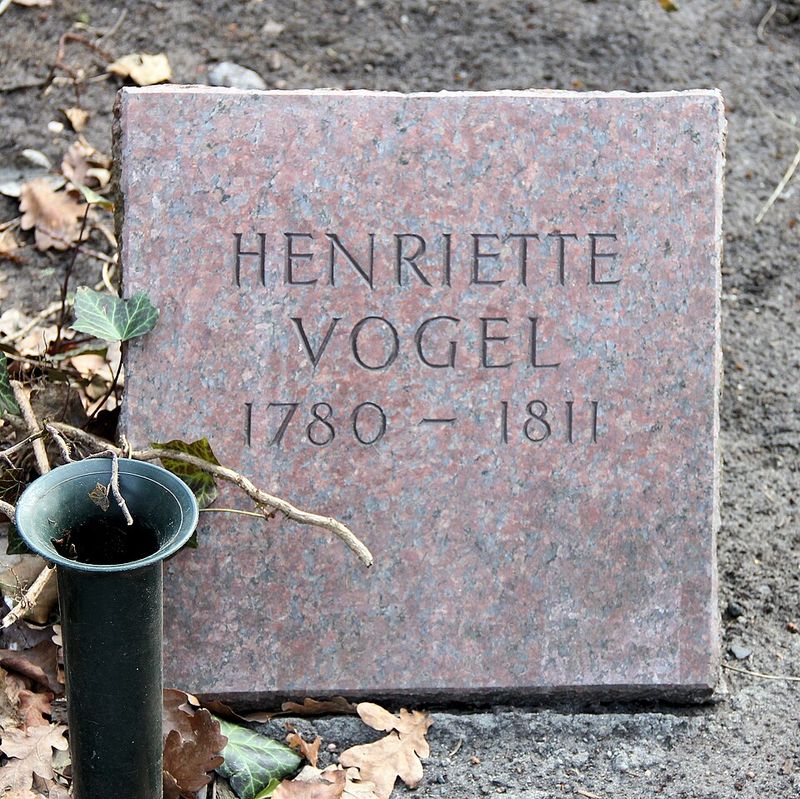
Henriette Vogel was married to another man when she formed her intense bond with the writer Heinrich von Kleist. She was also seriously ill at the time, suffering from a condition that left her in considerable pain and with little hope for recovery.
When Kleist proposed their shared death plan, she agreed.
Unlike many figures on this list who were caught off guard by tragedy, Vogel was a willing participant in what happened beside the Kleiner Wannsee lake. She left letters behind, as Kleist did, demonstrating that both understood exactly what they had arranged.
Kleist shot her first and then himself.
Framing her death as dying for love would be an overreach. Her illness, her state of mind, and her personal circumstances all shaped her choice.
Historians treat her story with care, acknowledging her agency in the decision while avoiding a version that makes it sound more romantic than the facts allow.
10. Johann Friedrich Struensee, 1772
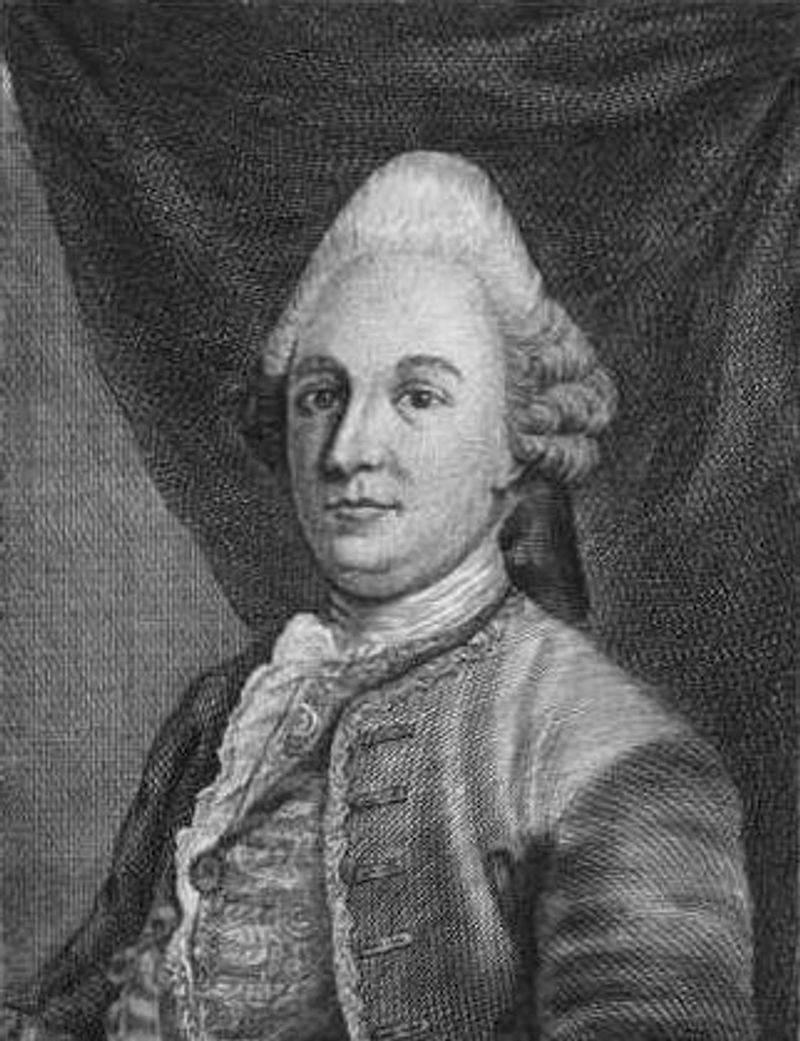
Johann Friedrich Struensee started out as the personal physician to Denmark’s mentally troubled King Christian VII. Over time, he accumulated extraordinary political power, effectively running the Danish government.
He also developed a relationship with the king’s wife, Queen Caroline Matilda of Great Britain, and that affair became a weapon used against him.
In 1772, Struensee was arrested, put on trial, and convicted. He was executed by beheading.
His relationship with the queen was part of the case built against him, but the charges also reflected the enormous political threat he represented to those who wanted him removed from power.
Caroline Matilda was not executed. She was divorced from the king and sent into exile, where she died just a few years later at the age of 23.
Struensee’s story is a reminder that love and politics rarely mix safely, especially when one person holds as much power as he did.
Share this story