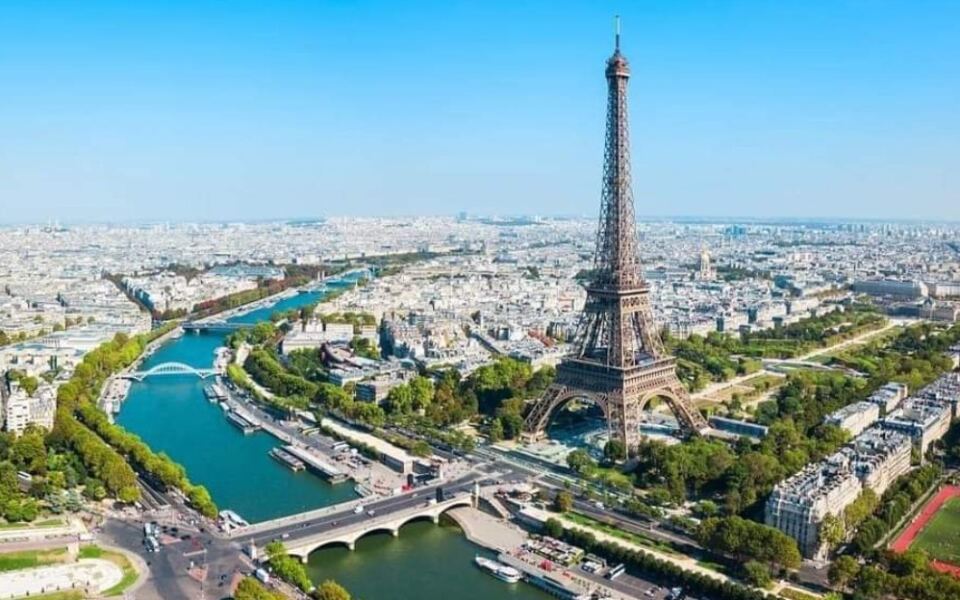
The Eiffel Tower is one of the most photographed landmarks on Earth, yet its story has twists that many visitors never hear. It was nearly taken down, it changes size with the weather, and its famous name was not even attached to the first sketch.
This list gathers twelve facts about its history, design, and daily life in Paris. Some are about big world events, and others are small details you can spot on your next visit.
Read on and you may look at that iron giant a little differently.
It Was Built to Mark the French Revolution’s 100th Anniversary
Picture Paris in 1889, a city buzzing over a huge World’s Fair. The Eiffel Tower was the star of that event, called the Exposition Universelle, which took place during the 100th anniversary year of the French Revolution.
Work on the tower began in January 1887. Builders finished it on March 31, 1889, and the public could go up starting May 15 during the fair.
That is a tight schedule for a structure of this size, and it shows how important the event was to the city.
The tower was meant as a bold welcome sign for visitors from around the world. It showed off French engineering skill at a time when iron construction was exciting and new.
So the next time you see the tower glittering above the Seine, remember that it began as a grand entrance for a birthday party. A party for a whole nation, in fact, and one that left behind a lasting souvenir for everyone.
Gustave Eiffel Wasn’t the First Person to Conceive Its Design
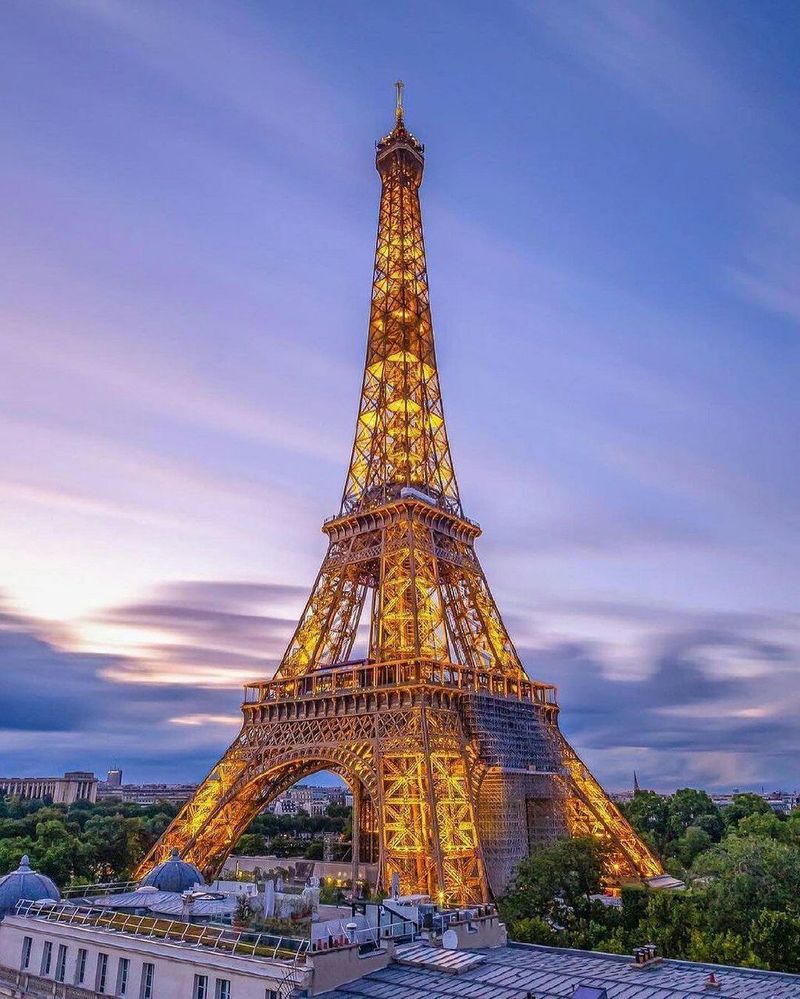
Here is a bit of trivia that might surprise a few people: the name on the tower did not come up with the first idea. Engineers Maurice Koechlin and Émile Nouguier, who worked for Eiffel’s company, created the original concept.
Architect Stephen Sauvestre came along later and helped refine the look of the structure. His changes made the design more attractive and more ready to win approval.
Gustave Eiffel saw the promise in the plan. He supported it, pushed for it, and became the face of the project that now carries his name.
That kind of teamwork was common in big engineering projects, and it reminds us that famous landmarks often have many creators. Each person added a piece, and together they shaped a tower that still stands as a symbol of France today, loved by millions of visitors every year.
It Took Just Over Two Years to Build
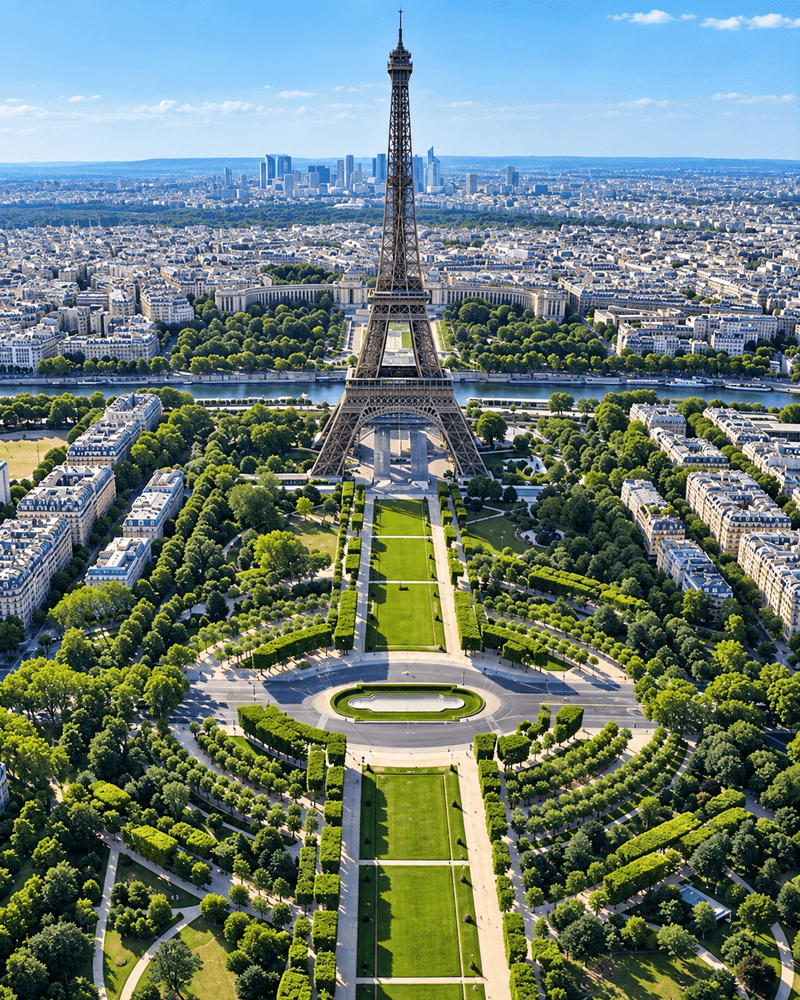
Two years, two months, and five days. That is all the time it took to raise the Eiffel Tower, which is hard to believe when you stand beneath its huge iron legs.
The finished structure used 18,038 metal parts held together by roughly 2.5 million rivets. Hundreds of workers took part, some at the factory preparing pieces and others on the construction site putting them in place.
Careful planning made the speed possible. Parts were made ahead of time so they fit together when they arrived at the site.
Compare that with many modern buildings that need far longer to finish. The tower’s quick build tells you a lot about the skill of the engineers and the crews behind it.
Each rivet was a small step toward a monument that would outlast every doubt people had about it.
It Was Supposed to Disappear After 20 Years
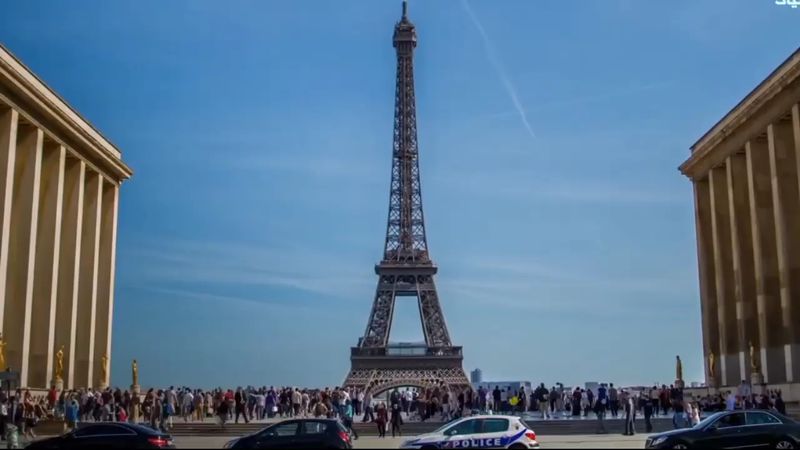
Paris almost lost its most famous landmark. Gustave Eiffel received a concession allowing the tower to stand for 20 years, so its future looked uncertain after 1909.
The tower was never meant to be a forever fixture on the skyline. Some people saw it as a temporary showpiece for the World’s Fair, nothing more.
What saved it was usefulness. Scientific experiments were carried out there, and it proved especially valuable as a radio antenna.
Authorities decided that a tower doing real work was worth keeping. Because of that decision, generations of travelers have been able to climb it, photograph it, and picnic on the grass nearby.
It is a nice lesson that practical value can turn a short-term project into a permanent treasure, and Paris is better for it.
It Became Strategically Important During World War I
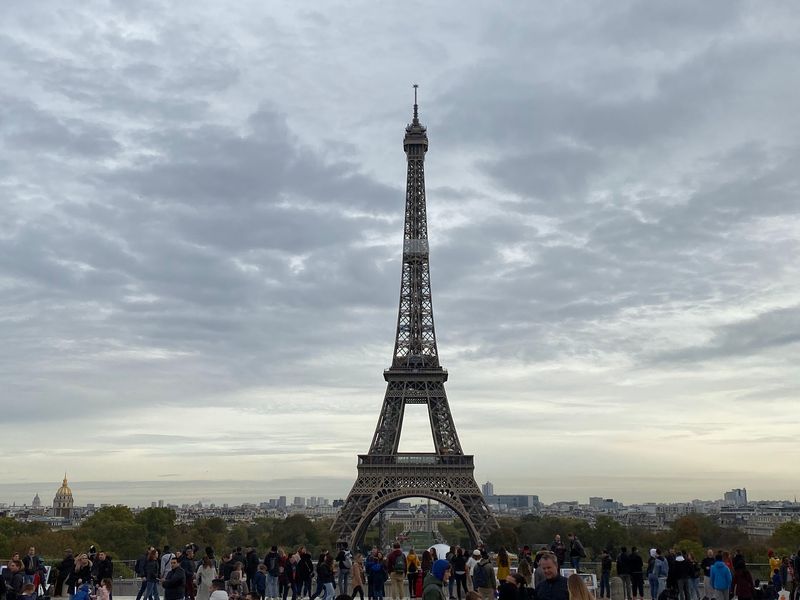
Tourists see views from the tower, but the military saw airwaves. During World War I, its radio equipment helped intercept German military messages.
One famous moment came in March 1918. A coded German radiogram picked up from the tower was deciphered by French cryptanalyst Georges Painvin.
That decoded message gave French leaders valuable intelligence at a key time. It showed that the tower had a real job beyond sightseeing.
The height that makes the tower so striking also made it a strong spot for radio gear. Signals could travel far from such a tall structure.
This chapter of history adds a new layer to the landmark. Behind the postcard image is a story of codes, listening posts, and clever thinkers who put the tall iron frame to work.
It Was the World’s Tallest Structure for Decades
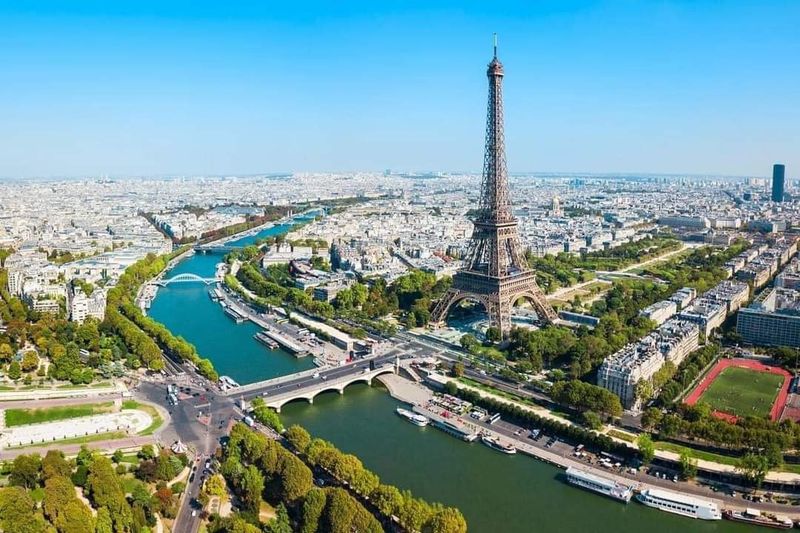
Height records do not last forever, but the Eiffel Tower held onto its crown for a long time. When finished in 1889, it was taller than any earlier man-made structure.
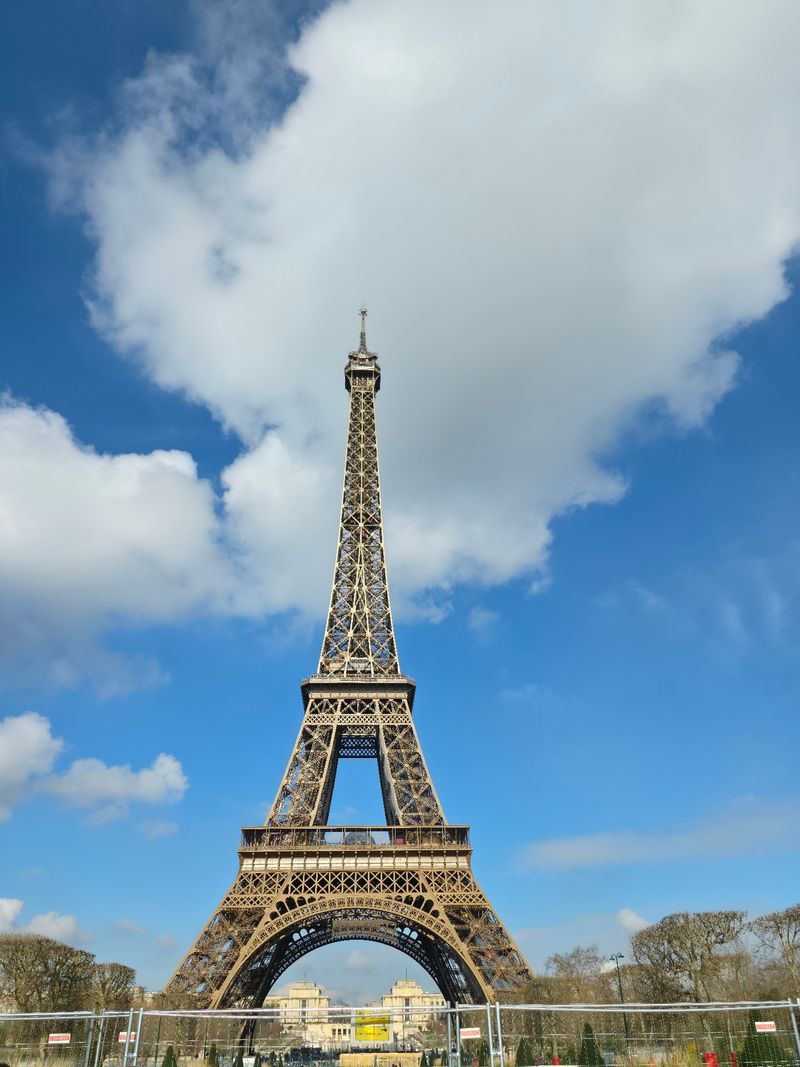
Its original height, including the flagpole, was about 312 meters, or 1,024 feet. That was a stunning figure for the late 1800s.
The record stood until 1930, when New York’s Chrysler Building rose higher. That means the tower led the world for more than four decades.
The tower has grown a bit since then. Antennas bring it to about 330 meters, or 1,083 feet today.
Even without the record, it still feels enormous when you look up from the ground. Few structures have stayed so recognized for so long after losing the title of tallest.
Eiffel Tower Lookalikes Can Be Found Around the World
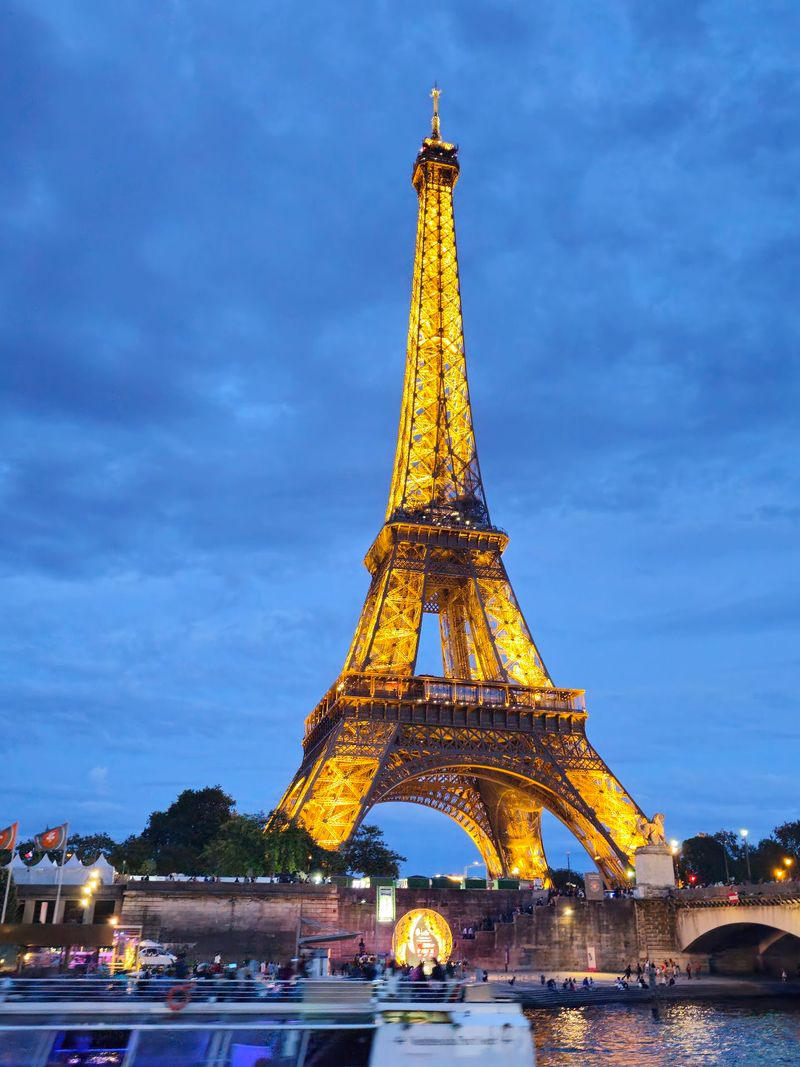
If you cannot make it to France, a copy might be closer than you think. The Paris landmark has inspired replicas and Eiffel-style towers in many countries.
One of the best known stands at Paris Las Vegas and is roughly half the size of the original. Paris, Texas, has its own much smaller version topped with a giant red cowboy hat, which adds a playful local twist.
A quick correction to a popular claim is useful here. Tokyo Tower is influenced by the lattice design of the Eiffel Tower, but it is not a full-scale replica of the Paris monument.
These lookalikes show how far the tower’s fame has traveled. Cities everywhere borrow its shape to say something about style, romance, or friendly tribute, each in their own way.
The Tower Actually Changes Size With the Weather
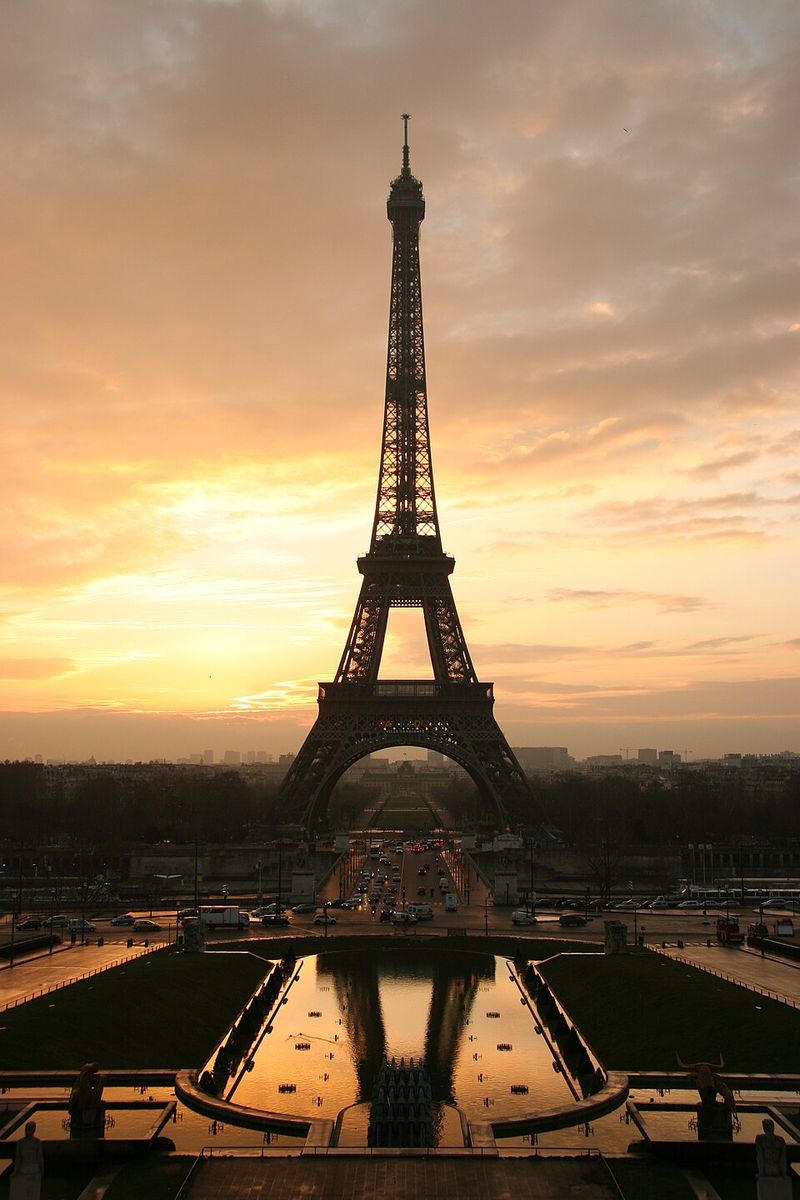
Iron reacts to temperature, so the Eiffel Tower is never exactly the same size twice. In cold weather the metal contracts and the tower becomes slightly shorter.
When it warms up, thermal expansion makes it grow a little taller. The change is real, but small.
The official Eiffel Tower website says the difference amounts to only a few millimeters. That is far less than the dramatic six-inch shrink often reported online.
Sunlight adds another twist. It can make the top of the tower move in a curve measuring around 15 centimeters across.
Nobody would notice these shifts while snapping photos, but engineers know them well. They are a reminder that even a giant monument responds to the sun and the seasons just like everything else.
Hundreds of Millions of People Have Visited
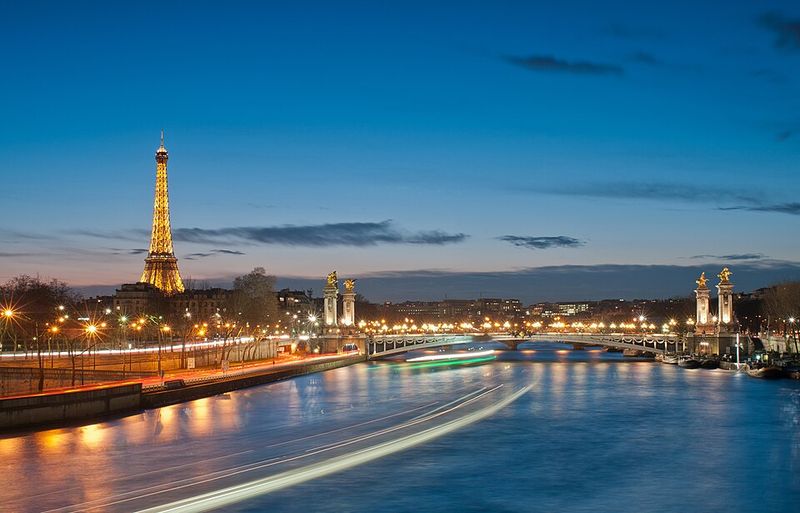
Almost 300 million. That is the number of visitors the Eiffel Tower has welcomed since 1889, according to official figures.
In a typical year, several million people make the ascent. It remains one of the most famous paid monuments in the world, which says a lot about how strongly people want to see it up close.
Getting up there depends on how much energy you have. Visitors can reach the first and second floors by stairs or elevator.
Anyone heading from the second floor to the summit must use an elevator, so plan for that if you want the top view. Booking ahead is a smart idea in busy seasons.
With a crowd like that behind it, the tower has become more than a landmark. It is a shared memory for people from nearly everywhere.
Its Protective Paint Is Traditionally Renewed About Every Seven Years
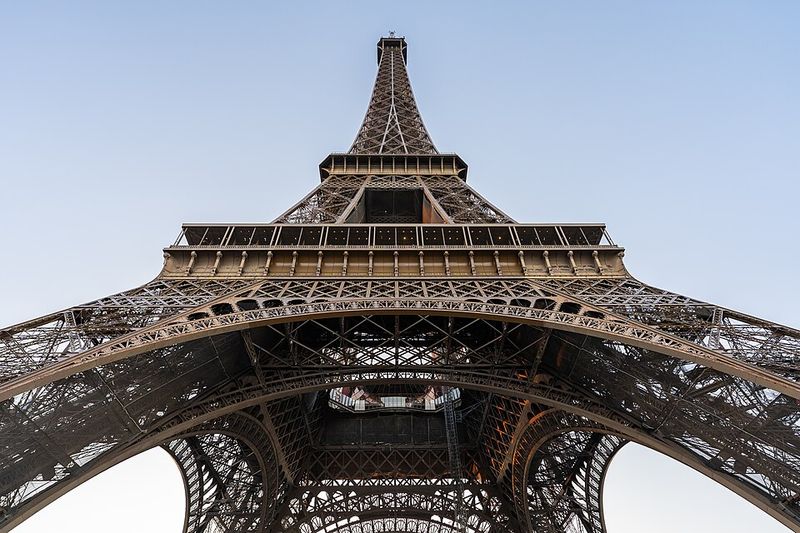
A fresh coat of paint is about survival, not just looks. The tower’s iron framework needs protection from corrosion, so Gustave Eiffel recommended renewing its coating on a regular schedule.
The monument has traditionally been repainted about every seven years. Crews work at great heights to keep the metal safe from the weather.
The color has changed over time too. In its early years the tower wore reddish shades, and today it is known for a three-tone brown.
The darker tones at the base gradually become lighter higher up, which helps the structure look balanced against the sky.
Next time you admire the tower, think of the painters who keep it ready for the next century. Their steady work is a big reason the iron has lasted so long.
Gustave Eiffel Had a Private Space Near the Summit
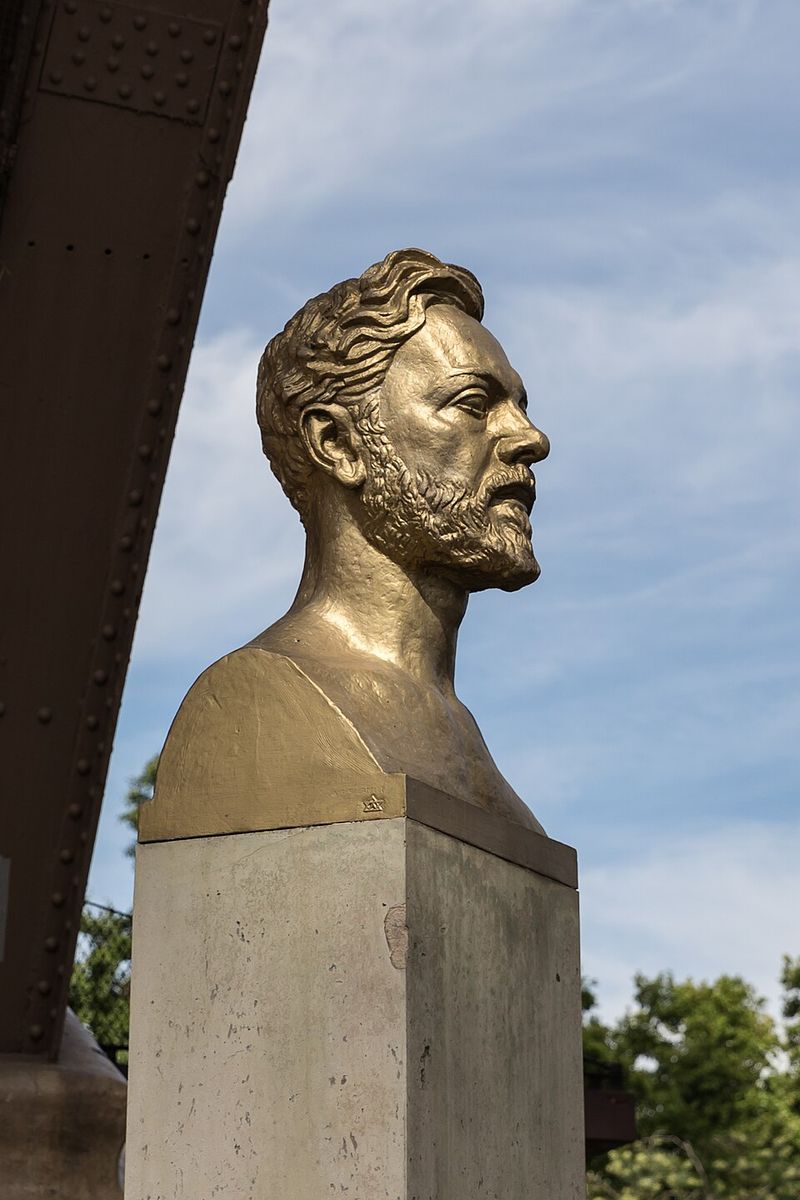
High above Paris sat a private retreat. Gustave Eiffel reserved a space of roughly 100 square meters near the summit for working, scientific experiments, and receiving distinguished guests.
It included a sitting area, piano, kitchen, washroom, and workspaces. It apparently was not designed as a normal apartment for sleeping, but more as a hideaway for ideas and visitors.
Today you can peek into a recreated version of the office. Wax figures show Eiffel, his daughter Claire, and the inventor Thomas Edison.
The scene gives a friendly human touch to a monument that can feel like pure metal and numbers. Imagine hosting guests with a view that no other home in the city could match.
It is a fun stop for anyone who enjoys history up close.
It Takes 20,000 Lights to Create the Famous Sparkling Effect
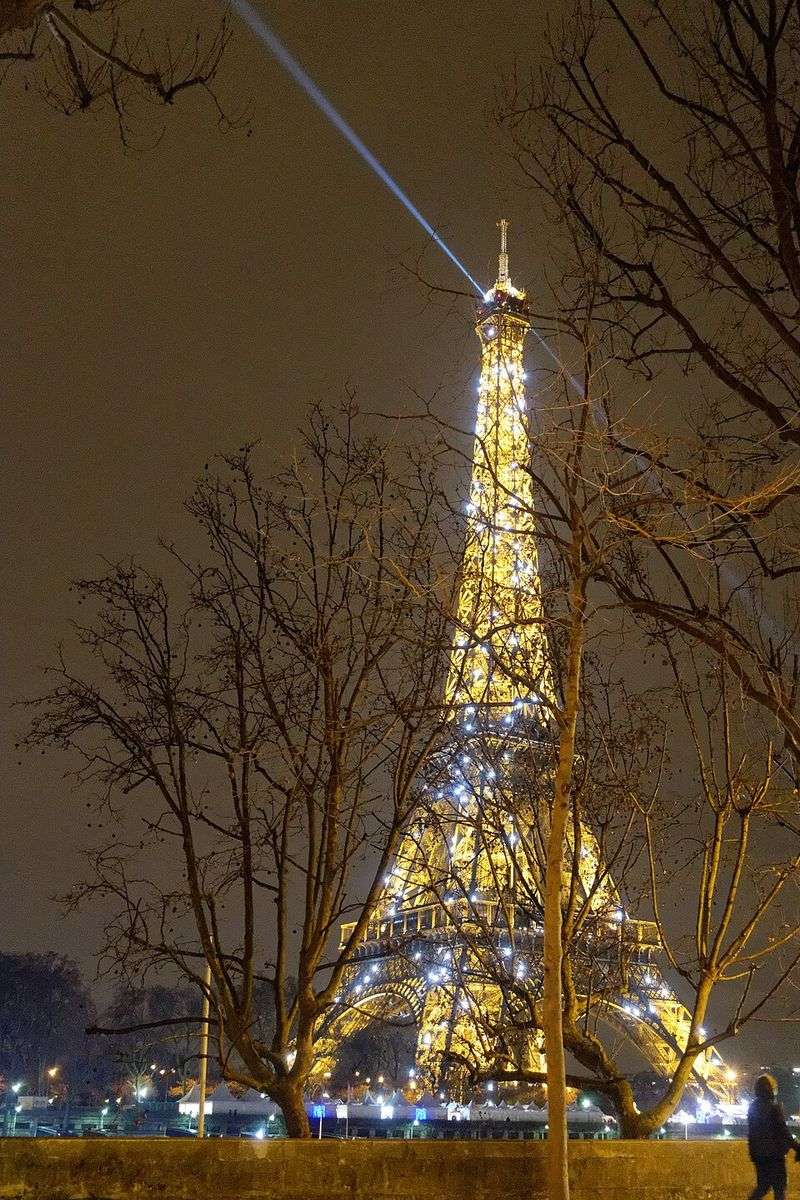
After dark, the tower puts on a short show. About 20,000 small lights spread across its structure create the famous sparkle.
Once night falls, they flash for five minutes at the beginning of each hour until the lighting shuts down for the night. If you want to see it, timing your visit to the top of the hour helps.
The current system debuted for the millennium celebrations. It proved so popular that it became a permanent feature.
Keeping it going takes real effort. Technicians and specialized climbers maintain the lighting and replace hundreds of bulbs each year.
Those crews are the quiet heroes of many Paris evenings, helping visitors and locals share a simple moment of delight. Find a spot along the river or in the nearby gardens and watch the hour change.
Share this story