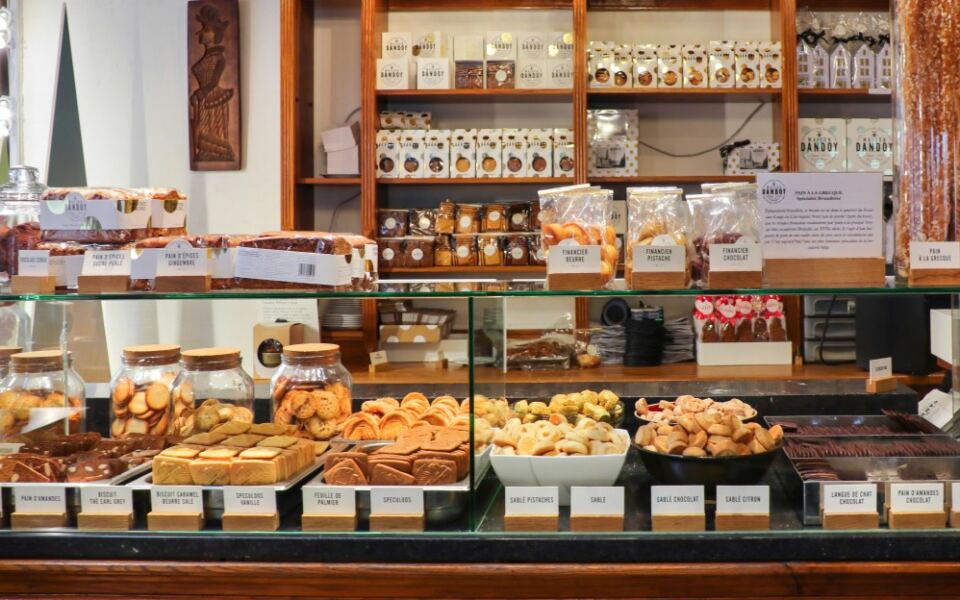
Belgium sells millions of waffles every year, and honestly, they deserve the fame. But a country that gave the world fancy chocolate did not stop baking there.
Some Belgian towns guard their dessert recipes so closely that one tart even has legal protection from the European Union. Another town makes honey biscuits so hard that locals break them into pieces before eating them.
There is also a purple candy shaped like a tiny nose, and a sugar-topped pastry with a name that has nothing to do with Greece. Many of these sweets belong to one city or one village, and some show up only at fairs or saint day festivals.
Bakers have kept these recipes going for generations, often with the same wooden molds and family methods. This list takes you on a sweet tour across the country, stopping in small towns and big cities along the way.
You will learn what each treat is made of, where it comes from, and the odd stories behind a few of them. Keep reading, because your next trip to a bakery may never look the same again.
1. Tarte au Riz, Verviers, Belgium
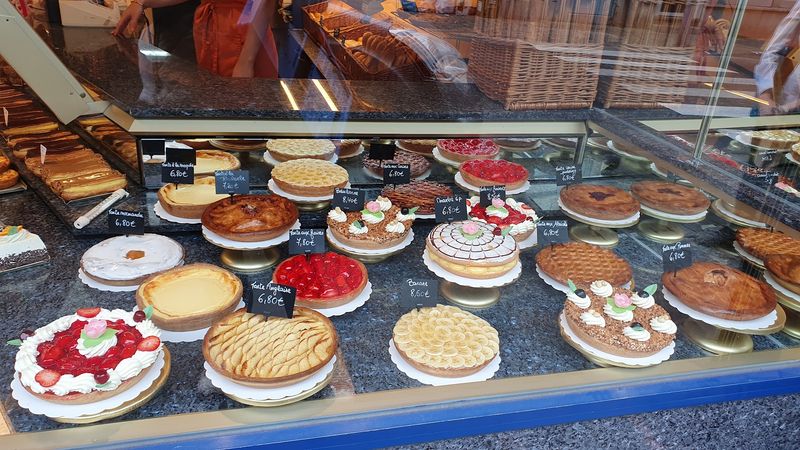
Rice pudding in a pie crust sounds like a kitchen experiment gone sideways. In Verviers, though, it is a proud local classic with a nickname of its own.
People in this eastern Belgian city call the tart riste. Bakers fill a pastry shell with sweet rice cooked in milk, then bake it until the top turns a deep brown.
The dessert belongs to the wider province of Liège, where almost every bakery has its own version. Some add a hint of vanilla, while others lean on extra eggs for a richer filling.
Locals usually buy it by the slice, but whole tarts are common for birthdays and Sunday family visits. Many shops sell small personal tarts too, which make a handy snack for travelers.
Here is a useful tip. Ask the baker if the tart was made that morning, since fresh ones are the local favorite.
Pair a slice with coffee, and you will understand why this rice dish never needed a dinner plate to become famous.
2. Mattentaart, Geraardsbergen, Belgium
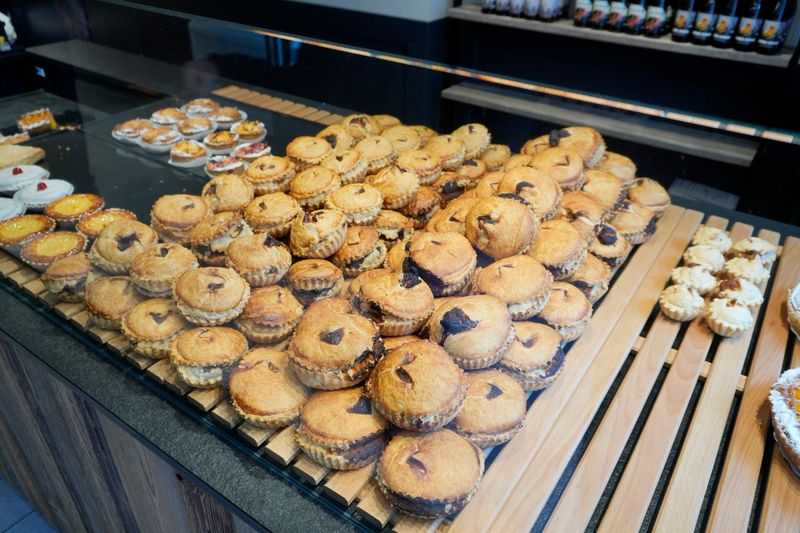
Very few desserts have lawyers on their side, but this one does. Geraardsbergse mattentaart holds protected geographical indication status in the European Union.
That label means only bakers in and around Geraardsbergen can sell tarts under this official name. The town sits in East Flanders and is also known for a steep cobbled hill loved by cyclists.
The secret ingredient is matten, a fresh curd made by mixing milk with buttermilk. Bakers combine the curd with eggs and sugar, then spoon it into small puff pastry cases.
Each tart is about the size of a palm. The pastry bakes up golden, and the filling stays firm enough to hold its shape.
Making matten takes time, so good bakeries prepare the curd themselves instead of buying it ready-made. Locals can usually tell the difference right away.
Visitors often grab a box of four or six to share. Riders who just climbed the famous hill tend to feel they earned at least two.
3. Cuberdons, Ghent, Belgium
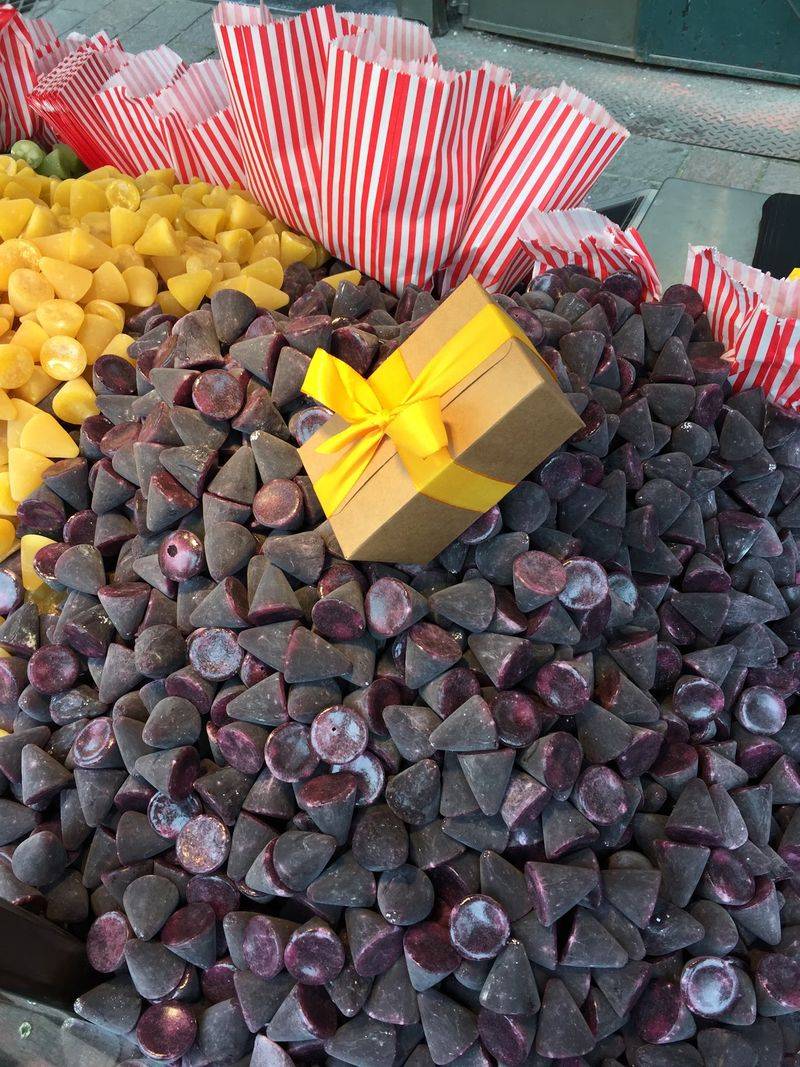
Purple, pointy, and shaped like a little nose, cuberdons are hard to miss in Ghent. Locals even call them neuzekes, which means little noses.
The candy has a firm outer shell and a syrupy center. The classic flavor is raspberry, and the classic color is that bold purple.
Ghent sellers take these candies very seriously. Years ago, two rival cart vendors near the Groentenmarkt became famous for a long and very public argument over who sold the better cuberdons.
The candies have a short shelf life because the syrupy inside slowly hardens. After a few weeks, the center turns sugary and firm, so they are best eaten fresh.
That short life also explains why cuberdons rarely travel far from Belgium. Buy them in Ghent and enjoy them during your trip.
Today you can find flavors like lemon, mango, and even cola. Still, most locals will point you toward the purple original first.
4. Liers Vlaaike, Lier, Belgium
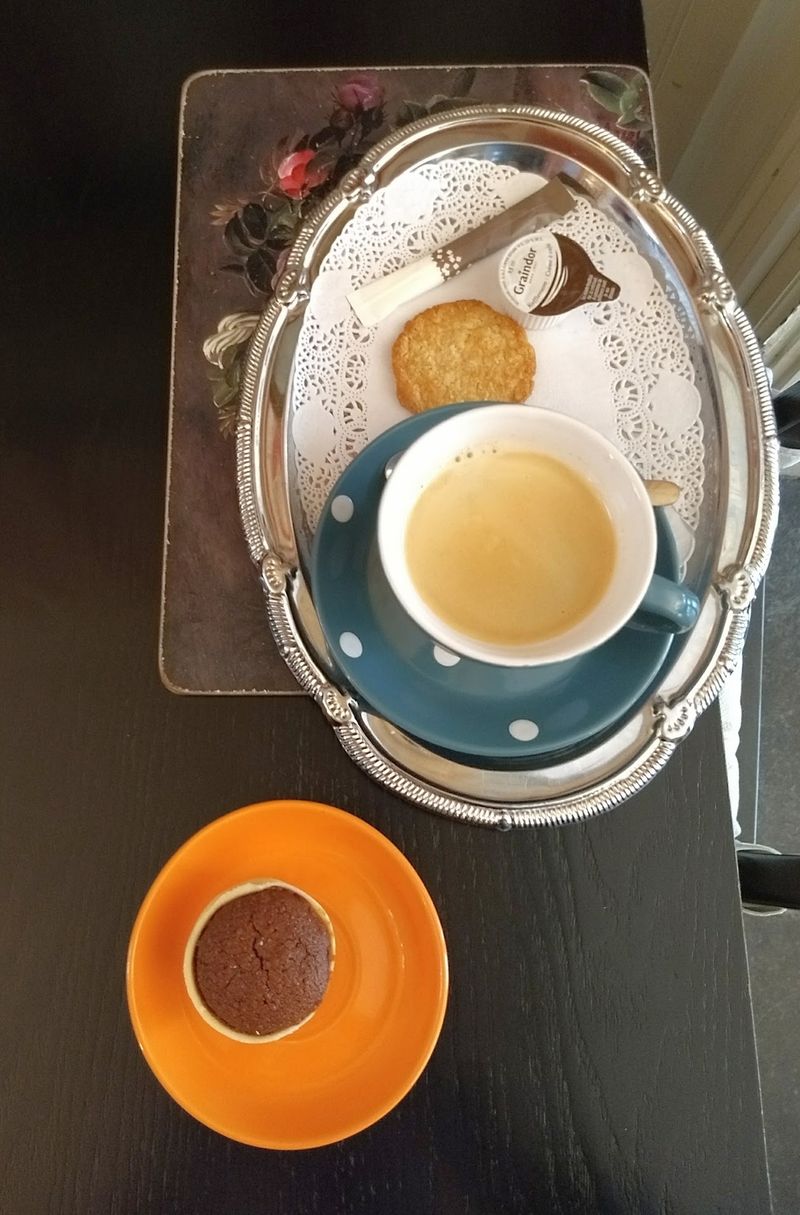
Old recipes rarely look as modest as the Liers vlaaike. This little tart from the Flemish city of Lier has roots stretching back centuries.
Its filling is dark and spiced. Bakers traditionally use breadcrumbs, syrup, and a blend of warm spices instead of fruit or cream.
That ingredient list tells a story. Older European bakers often used bread and syrup because they were affordable and kept well.
Each vlaaike is compact, so one fits easily in your hand. Bakeries in Lier usually sell them in small paper bags or boxes.
The tart is closely tied to the identity of the town. Lier residents even carry a playful nickname connected to their love of local food traditions.
A visit to Lier pairs nicely with this snack. Walk past the Zimmer Tower with its huge astronomical clock, then stop at a bakery for a vlaaike.
Spice fans will enjoy it most. Anyone expecting a fruity tart should adjust their plans and give it a fair chance.
5. Merveilleux, Brussels, Belgium
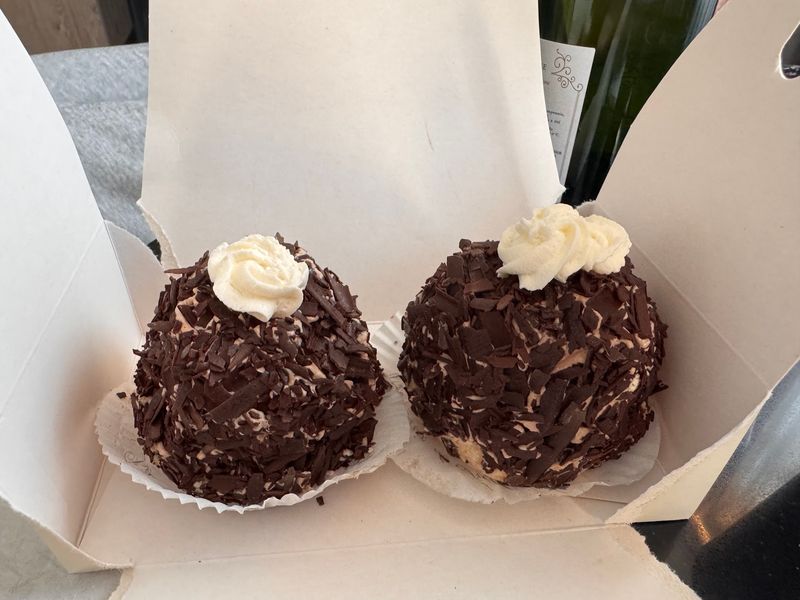
The name means marvelous in French, and that is a bold promise for a pastry. Belgian bakers clearly decided they could live up to it.
A merveilleux starts with two discs of crisp meringue. Bakers stack them with whipped cream, coat the outside in more cream, and roll it in chocolate shavings.
Brussels patisseries sell them in many sizes. Some are tiny enough for one bite, while larger versions can feed a whole table.
Flavors vary too. Dark chocolate is the classic, but you may also see coffee, caramel, or white chocolate options.
The dessert is also popular in northern France, and both sides like to claim it. In Belgium, it has been a bakery favorite for many decades.
Here is a practical point. Merveilleux do not travel well in a warm bag, so eat them soon after buying.
Order a mini version first if you are unsure. You can always go back for a bigger one.
6. Couque de Dinant, Dinant, Belgium
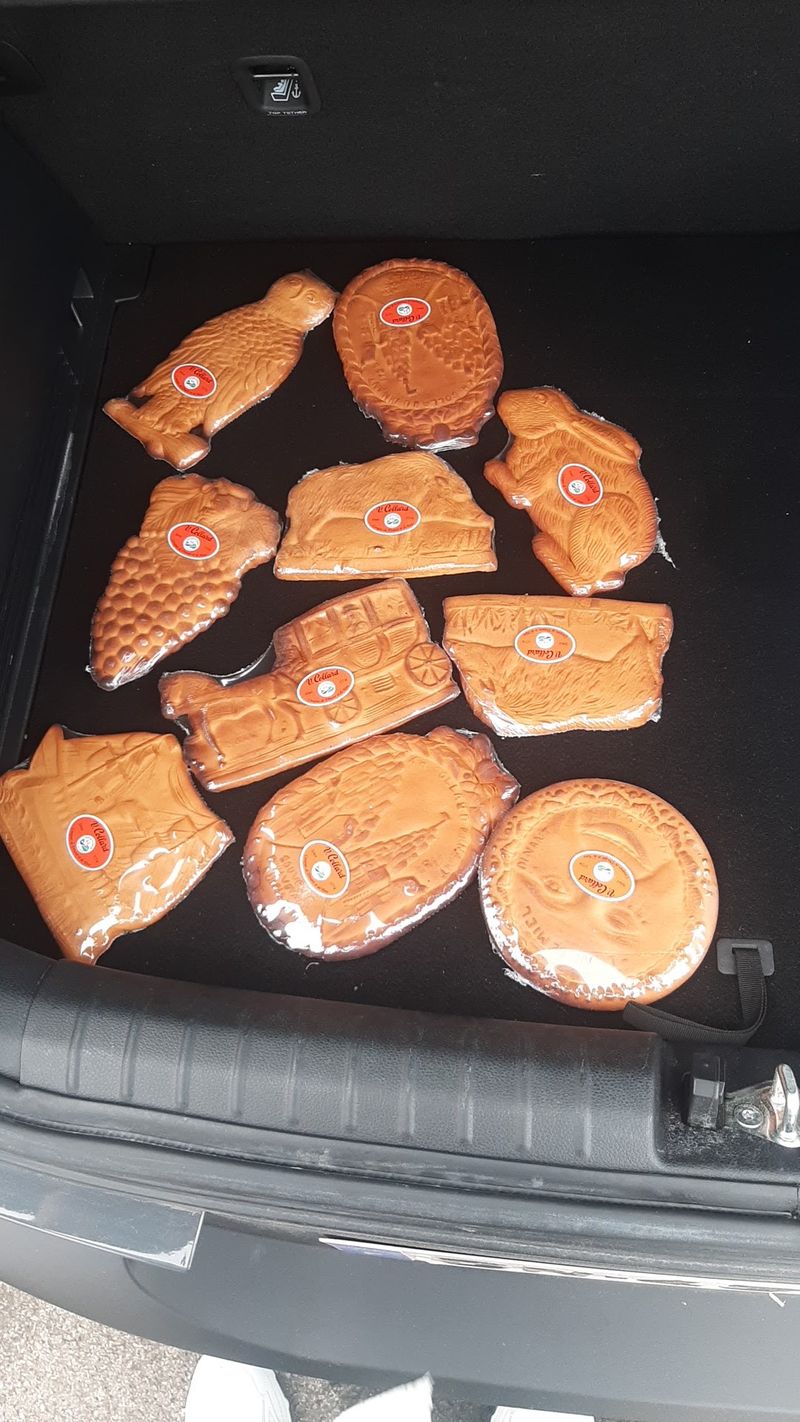
Dentists in Dinant probably have opinions about this biscuit. The couque de Dinant is famous for being one of the hardest treats in Europe.
Only two ingredients go into the dough, flour and honey. Bakers press it into carved wooden molds that leave detailed pictures on the surface.
Designs often show animals, flowers, people, or local landmarks. Some molds are very old and have been passed down through bakery families.
The biscuits bake at a very high heat, which caramelizes the honey and locks in the shape. That process creates their famous toughness.
Locals know the right method. Break off a small piece and let it soften in your mouth before chewing.
Many visitors buy a couque as a decoration instead of a snack. Big ones look impressive hanging in a kitchen.
Dinant sits along the Meuse River, and bakeries near the main square sell plenty of them. Bring a sturdy bag, because these biscuits are built to last.
7. Speculoos, Brussels, Belgium
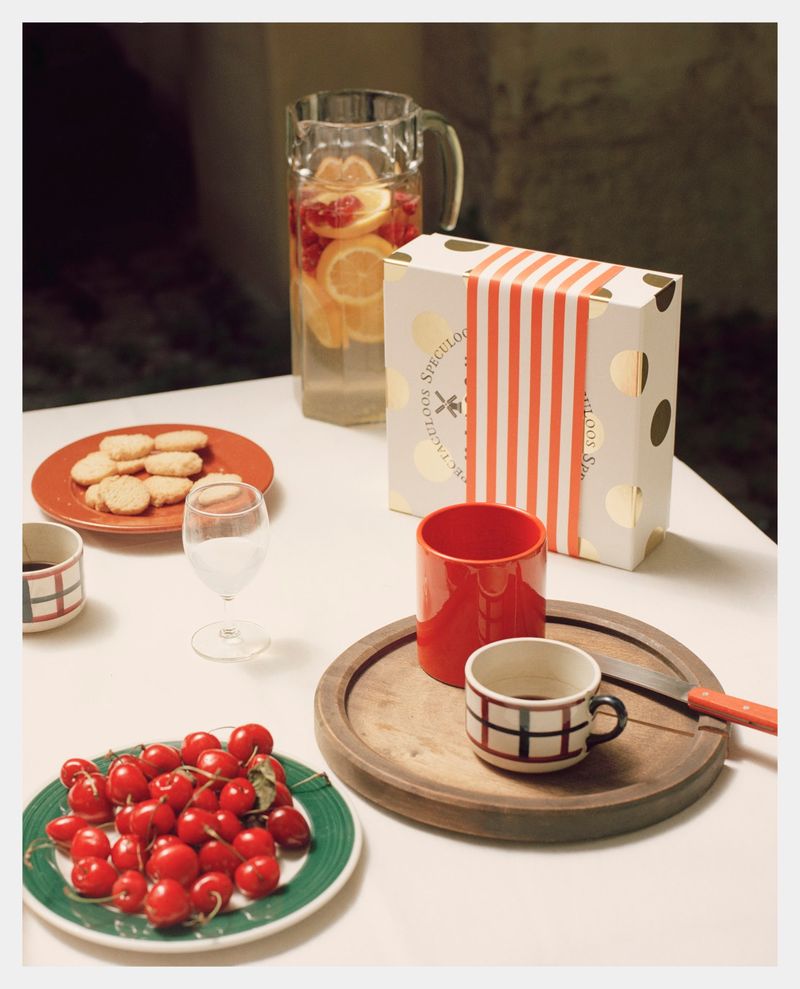
Cookie butter fans owe a big thank you to Belgian grandmothers. Long before the spread became a global hit, speculoos was a simple spiced biscuit.
The dough uses brown sugar, butter, flour, and spices like cinnamon, nutmeg, and cloves. Bakers press it into wooden molds to create detailed shapes.
December is peak season. Belgian children celebrate Saint Nicholas on December 6, and large speculoos figures of the saint are a classic gift.
Some bakeries in Brussels still make giant versions that are taller than a ruler. Those are more for showing off than for snacking.
The rest of the year, speculoos stays busy. Cafes often serve one small biscuit beside every coffee.
Home bakers also crush them into cheesecake crusts, ice cream, and tiramisu-style desserts. The spread version even shows up on toast at breakfast.
Look for a bakery that makes them in house. Fresh speculoos tastes noticeably richer than the packaged kind from the supermarket.
8. Geutelingen, Elst, Belgium
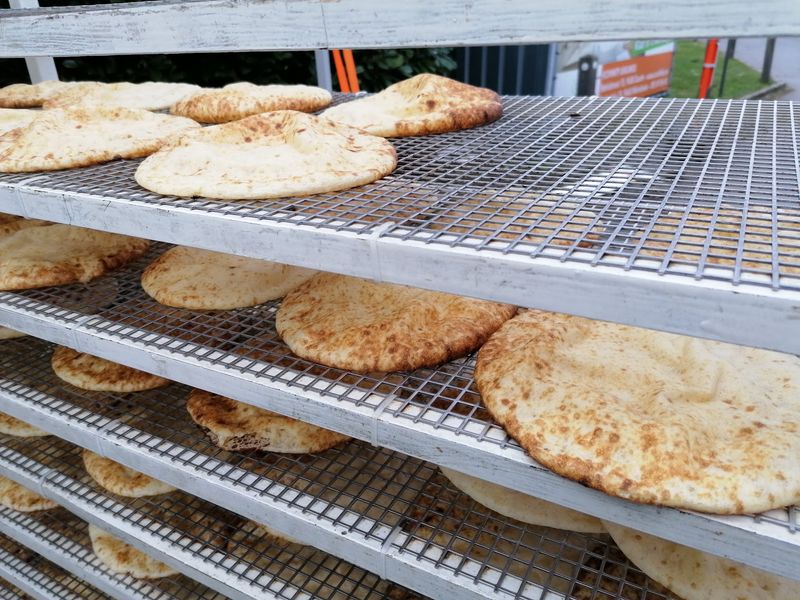
February in the village of Elst comes with a very specific menu. Residents bake geutelingen, thick pancake-like treats with a long local history.
Elst sits in the Flemish Ardennes, a hilly region in East Flanders. The tradition is so local that many Belgians from other provinces have never tried one.
The batter mixes flour, milk, eggs, yeast, and a little cinnamon. Bakers pour it onto clay tiles placed inside a hot oven.
Geutelingen were once linked to the feast of Saint Apollonia. She is known as the patron saint of teeth, which makes eating sweets on her day quite funny.
The custom faded for a while. Villagers brought it back in 1972, and it has stayed strong ever since.
Today the village celebrates with seasonal baking and local events. Volunteers often handle the clay tiles and serve the treats to visitors.
Plan ahead if you want to try one. Check the village festival dates before making the trip.
9. Croustillons, Liège, Belgium
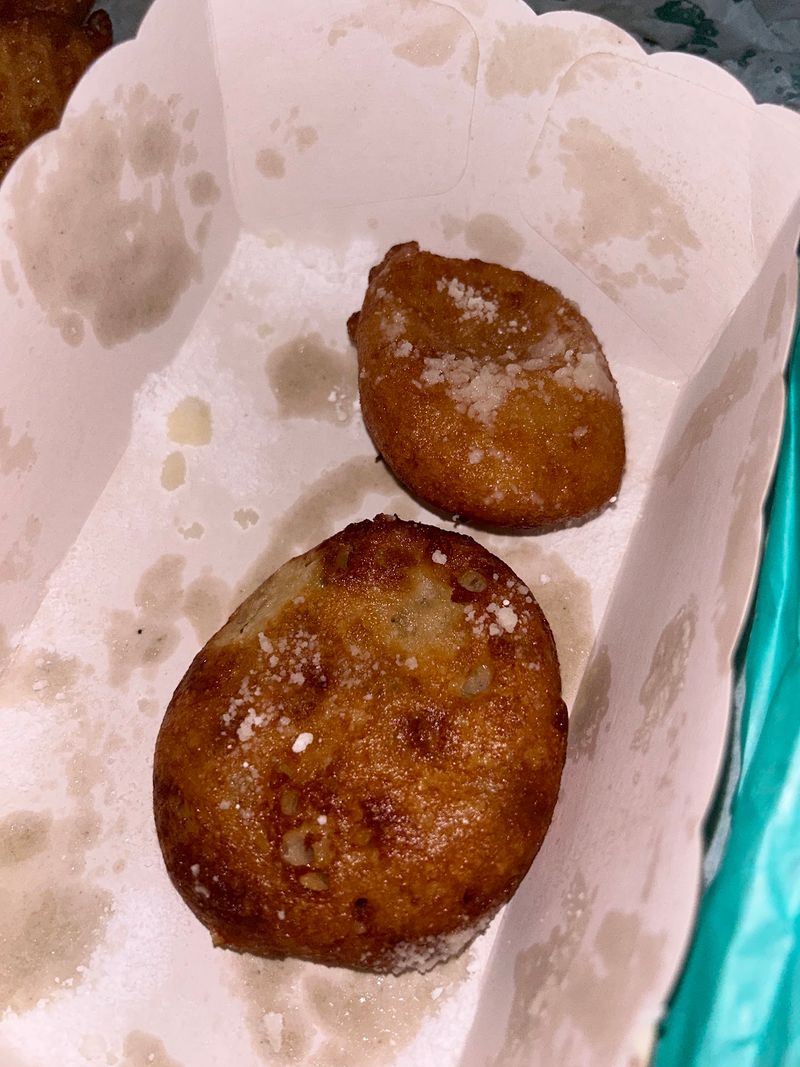
Fair season in Liège has one unofficial rule. You cannot leave without a paper cone of croustillons.
These small balls of sweet dough are fried until golden. Vendors then shake them with a heavy coat of powdered sugar.
Liège hosts one of the biggest fairs in Belgium, the Foire de Liège, every autumn. It stretches for kilometers, and croustillon stands appear all along the route.
Portions are usually sold by size, from small cones to big family bags. Most stands let you watch the dough being dropped into the fryer.
Here is some advice from regulars. Do not wear dark clothes, because the powdered sugar travels everywhere.
Croustillons are casual food. Nobody expects fancy plates, and you eat them with a small wooden fork while walking around.
Many Belgians connect them with childhood trips to the fair. Ask a local adult about croustillons, and you may hear a story about their first ride on a carousel.
10. Pain à la Grecque, Brussels, Belgium
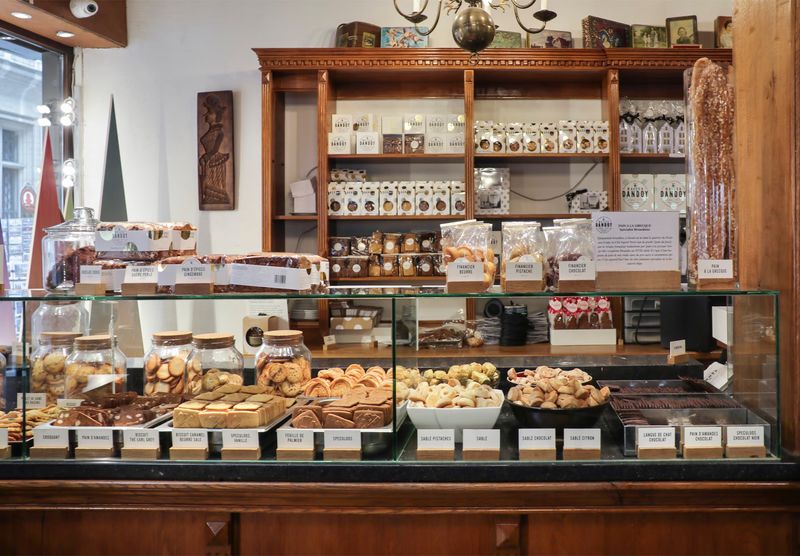
Greece had nothing to do with this pastry. Pain à la grecque is pure Brussels, and its name is a centuries-old mix-up.
The pastry is long, flat, and topped with coarse sugar crystals. It has a firm, biscuit-like bite and keeps well for several days.
The name likely traces back to a Brussels street called Rue du Fossé-aux-Loups. A ditch once ran nearby, and the Dutch phrase brood van de gracht meant bread of the ditch.
Over time, French speakers heard gracht and turned it into grecque, meaning Greek. The new name stuck for good.
That small language slip is now part of the city history. Brussels has both French and Dutch speakers, so stories like this are common there.
Many old bakeries still sell it near the city center. It makes a handy snack for walking tours, since it does not crumble easily.
Buy one and impress your friends with the ditch story later.
11. Babeluttes, Belgian Coast, Belgium
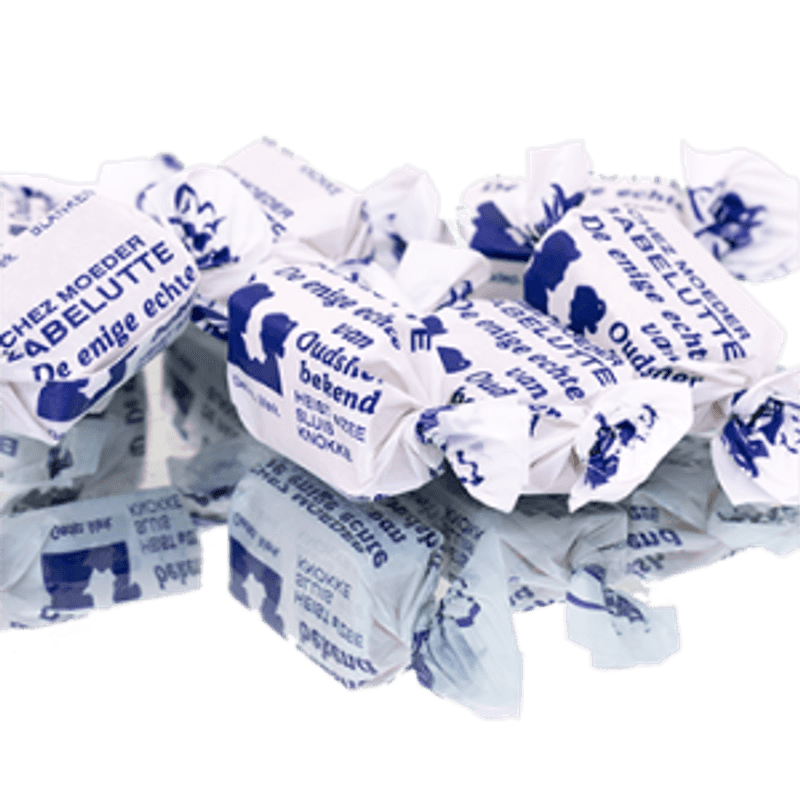
Seaside holidays in Belgium often end with a bag of babeluttes. These butter caramels are a long-time favorite along the coast.
The recipe is short and simple. Butter and sugar do most of the work, sometimes with a touch of extra flavor.
The town of Veurne, near the coast, is often linked to their origin. Old candy shops in seaside towns like De Panne and Ostend still sell them by weight.
The name has a playful history too. In local dialect, babbelen means to chatter, and some say the candy kept chatty people busy chewing.
Babeluttes usually come individually wrapped. That makes them easy to carry home in a suitcase.
Look for tins or decorated boxes if you want a gift. They are a nice change from the usual box of chocolates.
One tip for chewing fans. These caramels are firm, so let one rest on your tongue for a moment first.
12. Gosettes aux Pommes, Namur, Belgium
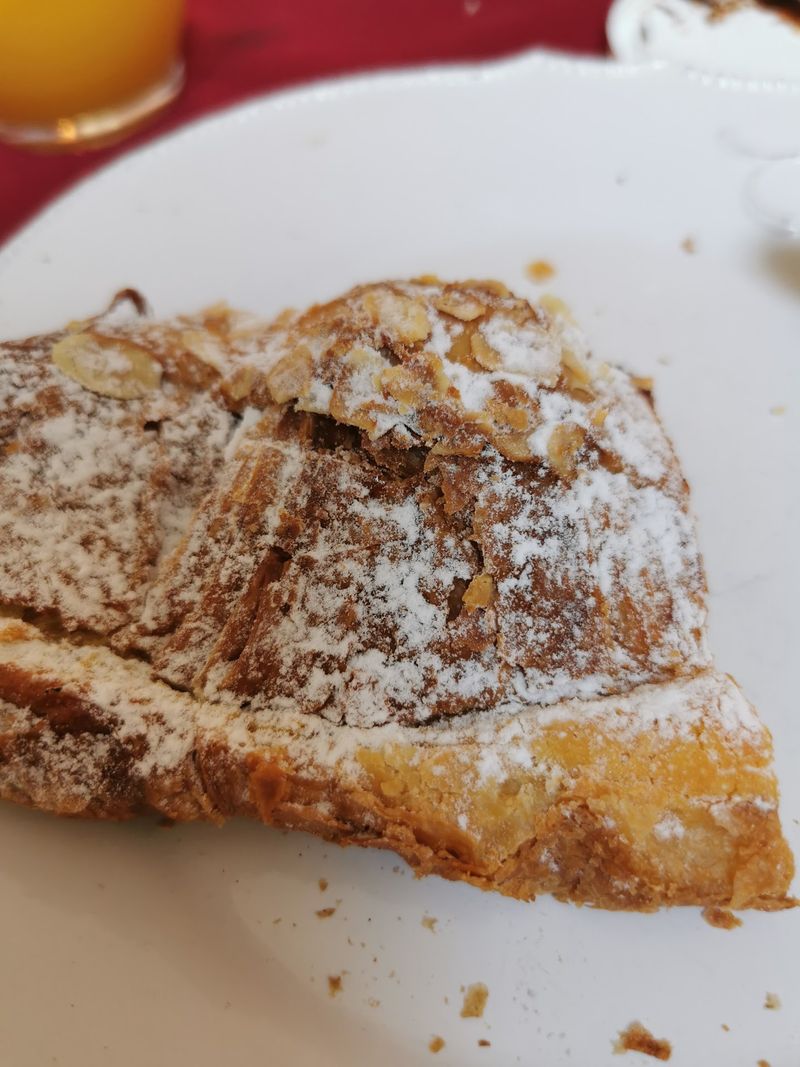
Forks are optional with a gosette, and that is part of the charm. This folded pastry is built for eating on the go.
Bakers place sweet apple filling on a square of pastry. They fold it into a triangle or half-moon shape and bake it until golden.
Gosettes are a staple in French-speaking Wallonia. Almost every village bakery keeps a tray of them near the register.
Apple is the classic filling. Many shops also sell versions with apricot, cherry, or rhubarb when those fruits are in season.
Locals often grab one for breakfast or an afternoon snack. Schoolkids pick them up on the walk home too.
Prices are usually friendly, which makes them a good choice for budget travelers. Two gosettes and a coffee can make a quick, cheap break.
Fancy cakes have their place, but this pastry proves simple can win. Wrap up your Belgian dessert tour with one in hand.
Share this story