The Wild West was not just a Hollywood invention. Real men and women rode hard across open plains, drove cattle for hundreds of miles, and built lives from the ground up in one of America’s most rugged eras.
Many of these riders came from all walks of life, including formerly enslaved people, Indigenous communities, and pioneering women who refused to be left out of the story. Their lives were tough, adventurous, and worth knowing about.
1. Nat Love
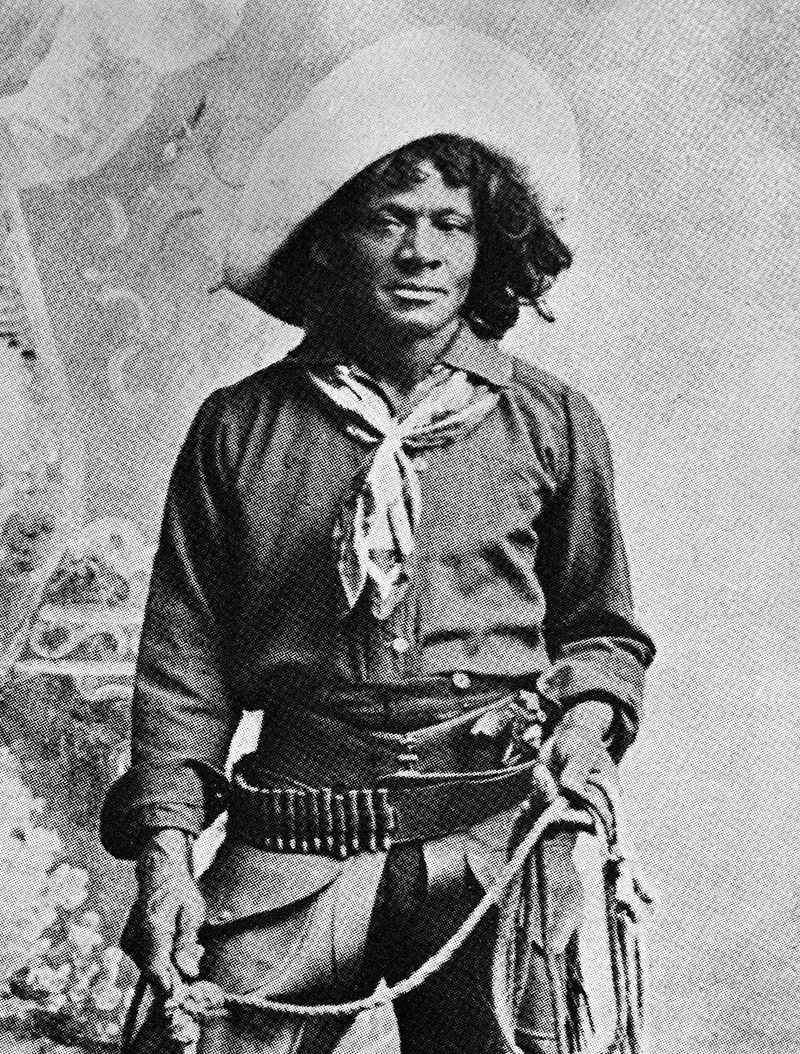
Born into slavery in Tennessee in 1854, Nat Love walked into freedom after the Civil War and never looked back. He headed west, hired on with cattle outfits, and spent years driving herds across the Great Plains and the Southwest.
He became one of the most skilled cowboys on the trail, known for his roping and shooting abilities.
Love later wrote a memoir in 1907 describing his adventures, making him one of the few Black cowboys to leave a written record of that life. His story is a reminder that Black men made up a significant portion of the cowboy workforce, estimated at around 25 percent.
Yet their contributions were largely erased from popular history for decades.
Reading about Nat Love today feels like recovering a missing chapter of American history, one that is colorful, honest, and long overdue.
2. Bose Ikard
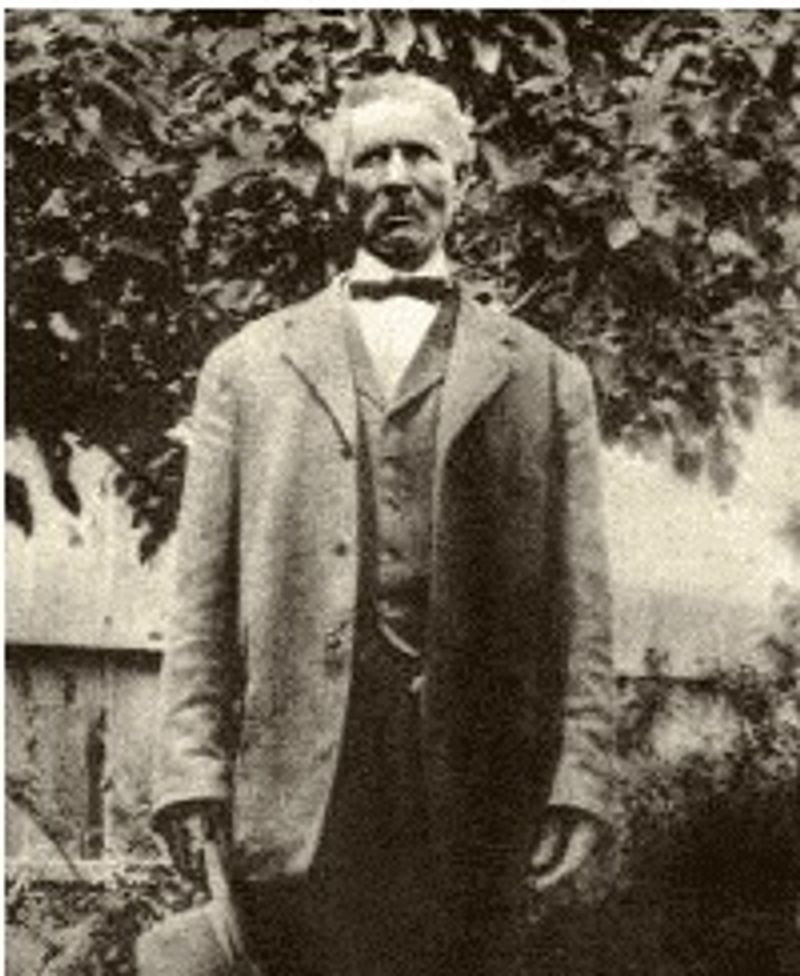
Charles Goodnight, one of the most respected cattlemen in Texas history, once said that Bose Ikard surpassed any man he had ever known. That kind of praise from a tough trail boss says everything you need to know about Ikard’s character and skill.
Born enslaved in Mississippi, Ikard came to Texas as a child and eventually became a free man after the Civil War.
He joined Goodnight and Oliver Loving on some of the most demanding cattle drives of the era, proving himself as a reliable hand in every situation. Goodnight trusted Ikard with money, decisions, and his life on the trail.
That level of trust was rare in any era, let alone the post-Civil War West.
When Ikard died in 1929, Goodnight paid for his headstone, a quiet but powerful tribute to a friendship built in the dust of the open range.
3. Bill Pickett
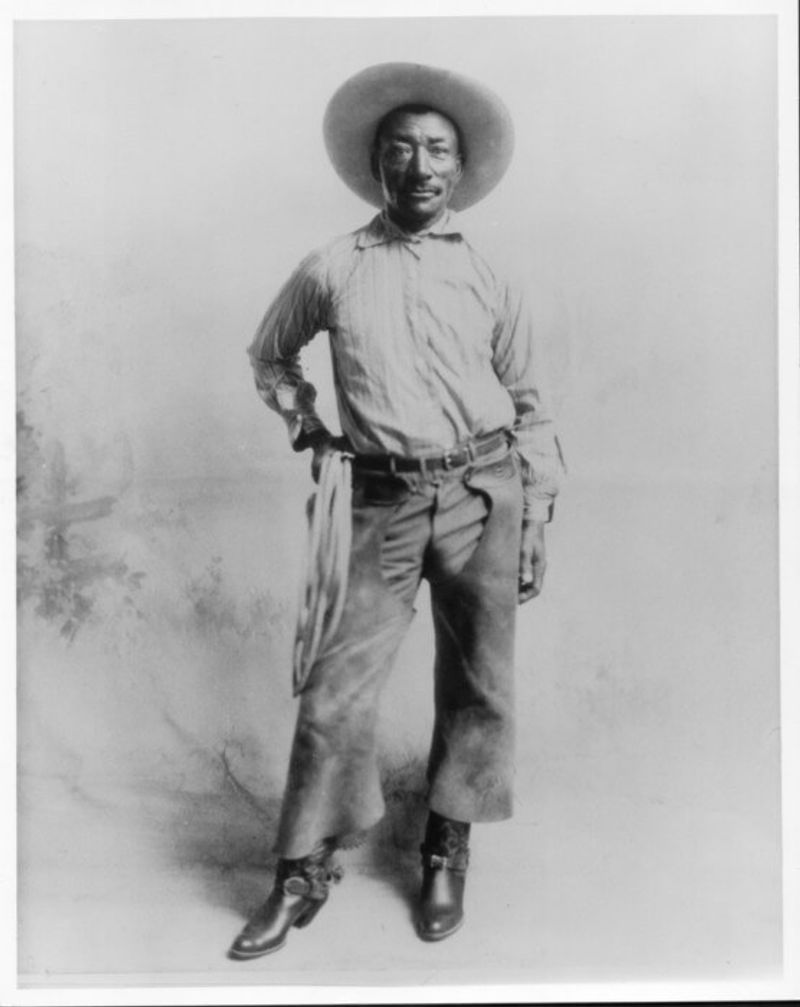
Bill Pickett did not just perform rodeo tricks. He invented one.
The bulldogging technique, where a cowboy leaps from a horse, grabs a steer by the horns, and wrestles it to the ground, was popularized by Pickett in the late 1800s. His original method even involved biting the steer’s lip to hold it, which shocked and amazed audiences in equal measure.
Born in Texas around 1875, Pickett worked as a ranch hand before joining the 101 Ranch Wild West Show, where he became a headline act. He performed across the United States, Canada, South America, and even England.
Crowds of all backgrounds came to watch him work.
Pickett was inducted into the ProRodeo Hall of Fame in 1989, making him the first Black inductee. His legacy helped shape the sport of rodeo into what fans know and enjoy today.
4. John Ware
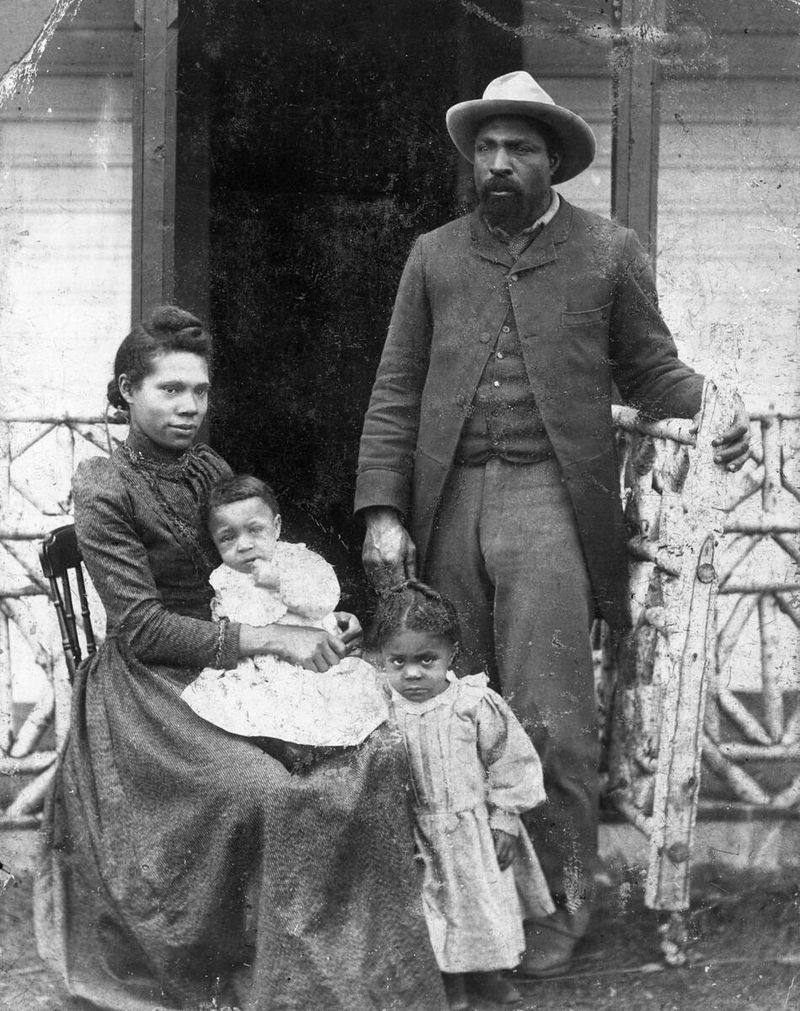
John Ware arrived in Canada in 1882 as part of a cattle drive from Montana, and the ranching community there quickly took notice. Standing over six feet tall with extraordinary strength and horsemanship skills, he earned a reputation as one of the finest cowboys in the Northwest Territories.
Local ranchers respected him deeply, which was remarkable given how rare that kind of acceptance was for Black men at the time.
After working for several outfits, Ware established his own ranch near Millarville, Alberta, and later near Brooks. He raised cattle, built a family, and became a well-known figure across the region.
Neighbors described him as good-natured, hardworking, and genuinely skilled with horses and cattle.
Today, John Ware is recognized as a pioneer of Alberta’s ranching heritage. A creek, a ridge, and a campsite in the province all carry his name as lasting honors.
5. Charles Goodnight
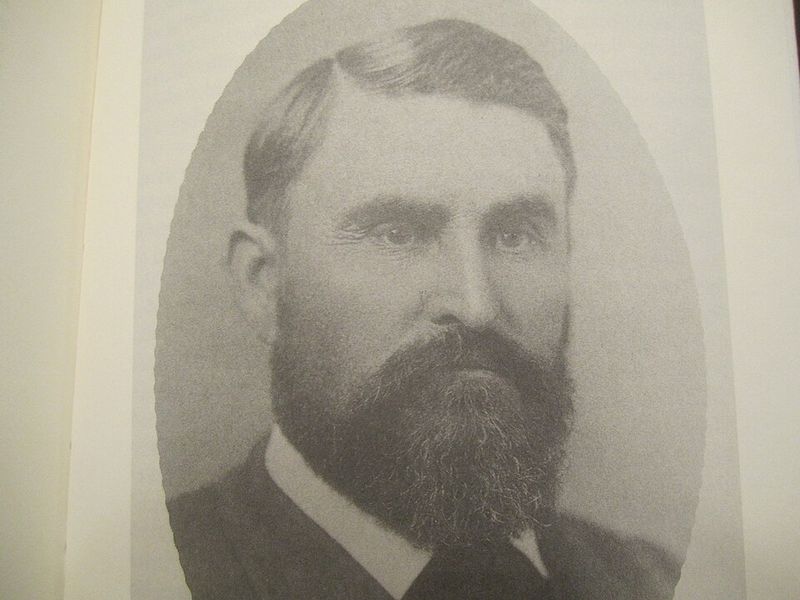
Charles Goodnight was the kind of man who did not wait for roads to be built. He made his own.
In 1866, he partnered with Oliver Loving to blaze the Goodnight-Loving Trail, a cattle route stretching from Texas through New Mexico and into Colorado. That trail moved hundreds of thousands of longhorns north and helped feed a hungry nation after the Civil War.
Goodnight also invented the chuckwagon, a rolling kitchen that became one of the most iconic symbols of the cattle drive era. He understood that well-fed cowboys worked better, and the chuckwagon kept crews going through long, exhausting weeks on the trail.
Later in life, Goodnight helped preserve the southern bison herd from extinction by protecting a small group on his ranch in the Texas Panhandle. He was a rancher, innovator, and conservationist all rolled into one remarkable life.
6. Oliver Loving
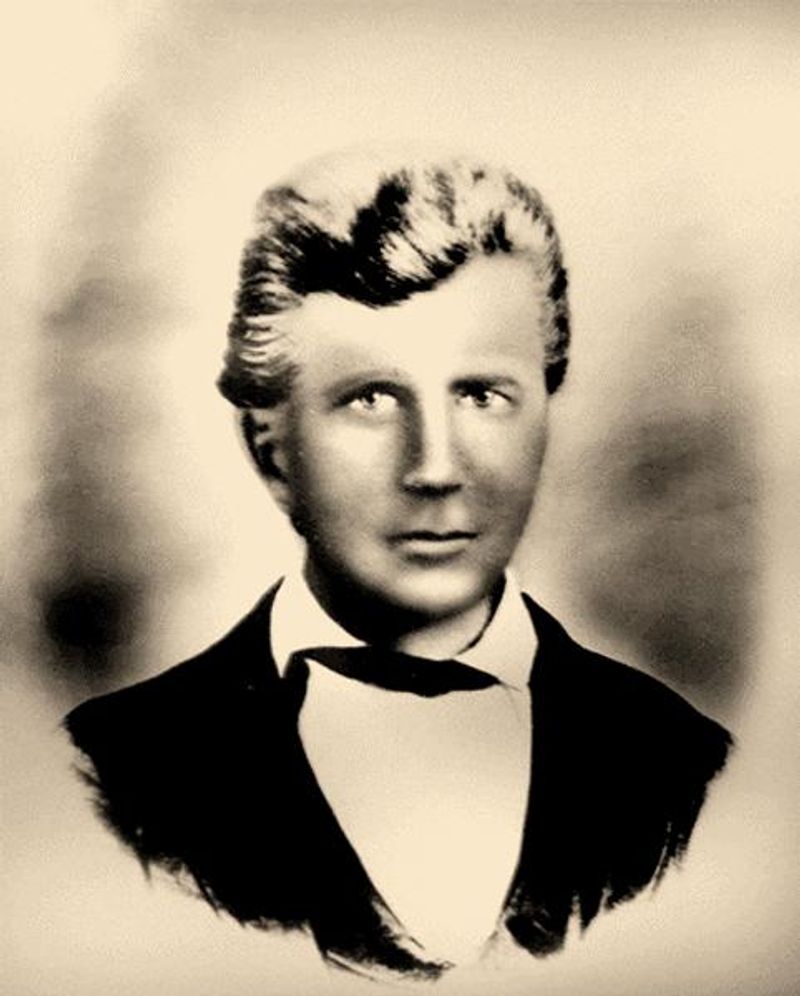
Oliver Loving was already an experienced cattle driver before he ever teamed up with Charles Goodnight. He had been pushing herds north and east since the 1850s, making him one of the earliest trail bosses in Texas history.
By the time the two men joined forces in 1866, Loving brought years of hard-won knowledge to the partnership.
The Goodnight-Loving Trail became one of the most traveled routes of the cattle drive era, and Loving’s experience helped shape its path. Sadly, the trail also claimed his life.
In 1867, he was attacked by Comanche warriors while scouting ahead of the herd and died from his wounds weeks later in Fort Sumner, New Mexico.
True to his word, Goodnight honored Loving’s dying wish and transported his body back to Texas for burial. Larry McMurtry’s novel Lonesome Dove drew inspiration from both men’s story.
7. Isom Dart
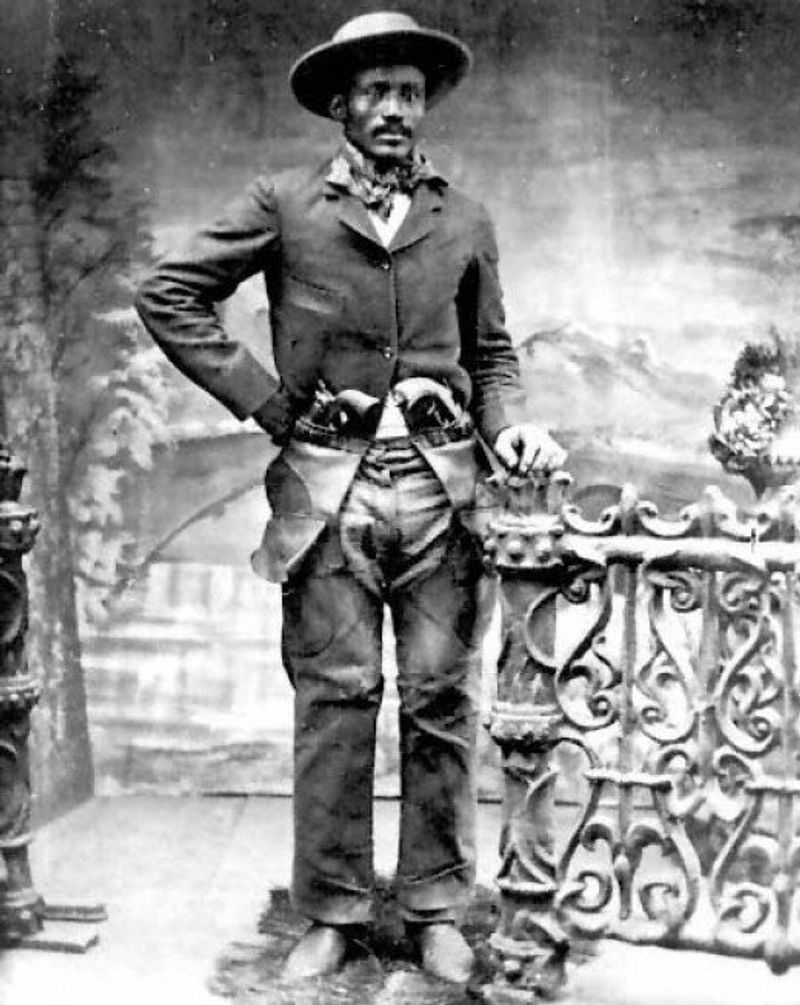
Isom Dart led a life full of reinvention. Born enslaved in Arkansas around 1849, he worked after emancipation as a cook, a rodeo clown, and eventually a cowboy and horse breeder in the Brown’s Park region of Colorado and Utah.
He was known as a gifted horseman who could break horses with patience and skill.
Dart’s later years were shadowed by accusations of cattle rustling, charges that were common against Black and Indigenous ranchers in the West, sometimes fairly and sometimes not. He maintained that he was trying to build an honest life on land he had worked hard to claim.
In 1900, Tom Horn, a hired range detective working for large cattle interests, shot and killed Dart. He was around 51 years old.
His story reflects the difficult and often dangerous position that Black cowboys occupied in the post-frontier West.
8. Lucille Mulhall
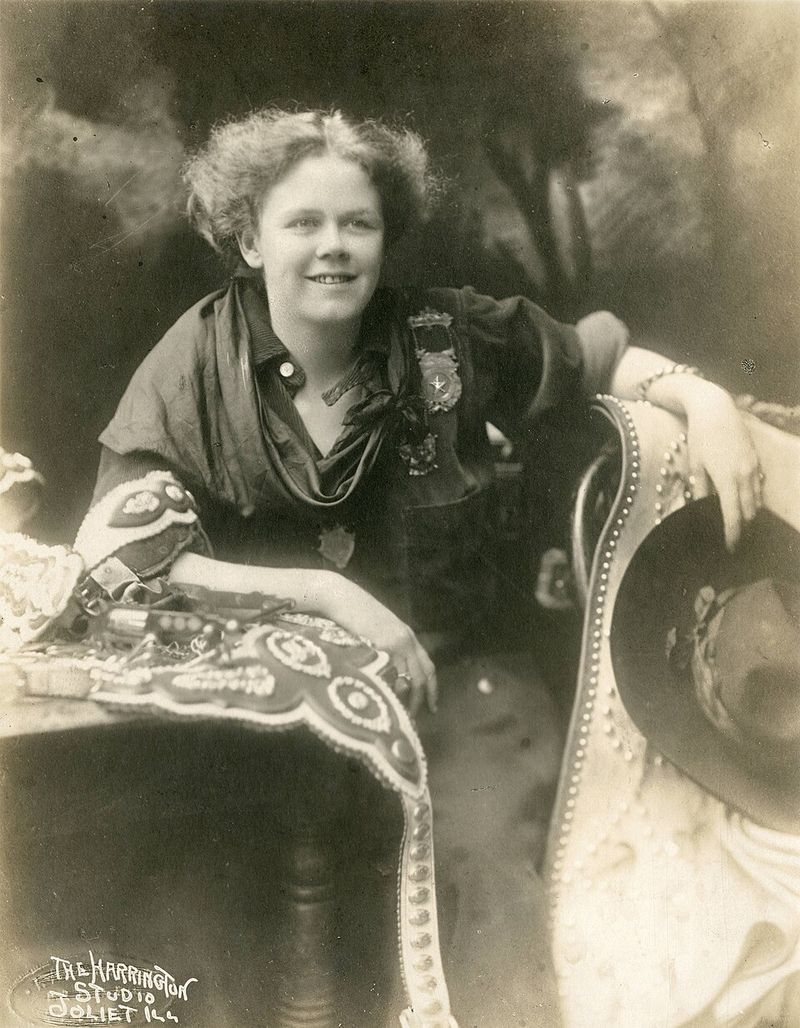
Lucille Mulhall could rope a running horse at full speed by the time most kids her age were still learning to ride. Raised on her family’s ranch in Oklahoma Territory, she grew up competing alongside cowboys and holding her own in every event.
Her father, Zack Mulhall, ran a Wild West show and recognized early that his daughter was something special.
Will Rogers, who knew talent when he saw it, reportedly credited Mulhall with inspiring him to take his own roping act more seriously. President Theodore Roosevelt allegedly coined the term “cowgirl” to describe her after watching her perform.
Whether or not that story is perfectly accurate, her impact on the image of women in Western performance was undeniable.
Mulhall competed in roping events against men and often won. She helped prove that the Wild West was not an all-male story, and audiences across the country loved her for it.
9. Margaret Borland
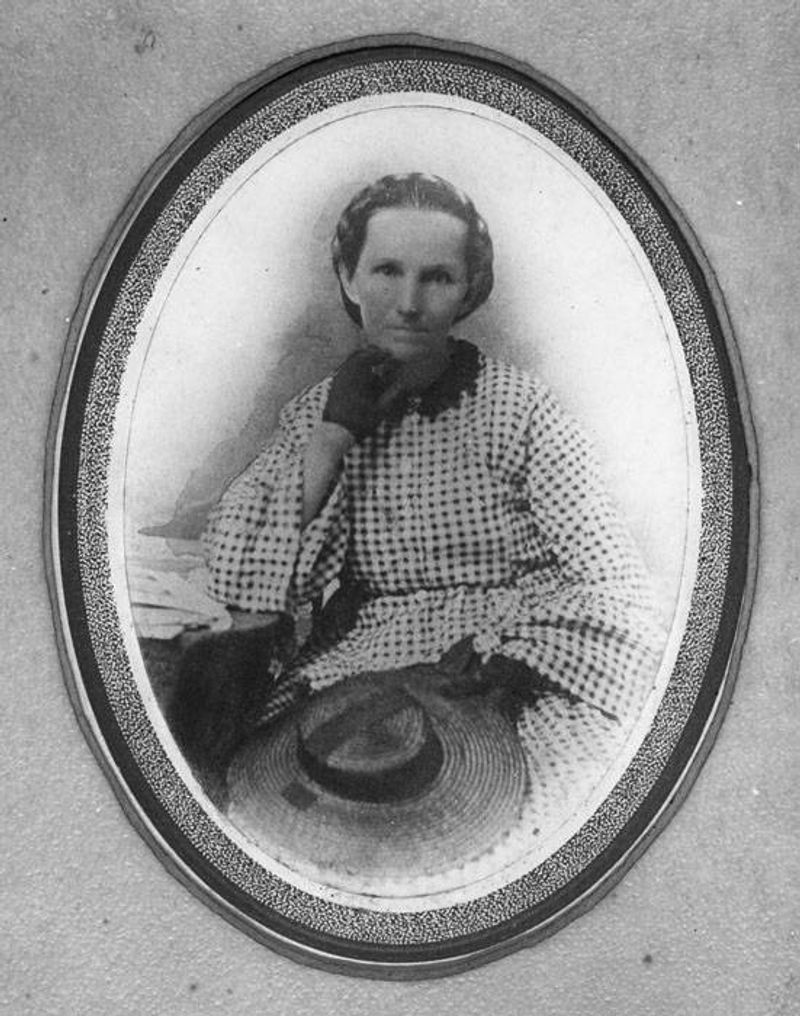
Margaret Borland did something in 1873 that very few women attempted and almost none pulled off alone. After the death of her third husband, she organized and led a cattle drive from Victoria, Texas, toward the Kansas markets, bringing along her children and grandchildren on the journey.
She was around 48 years old at the time.
Borland was not new to ranching. She had worked alongside her husbands for years and understood the business from the inside out.
When she finally took the reins herself, she did it with the confidence of someone who had been preparing for years without quite knowing it.
Tragically, she fell ill during the drive and died in Wichita, Kansas, before completing the journey. Her story is brief but striking.
Margaret Borland stands as one of the earliest documented examples of a woman leading a major cattle drive in American history.
10. Will Rogers
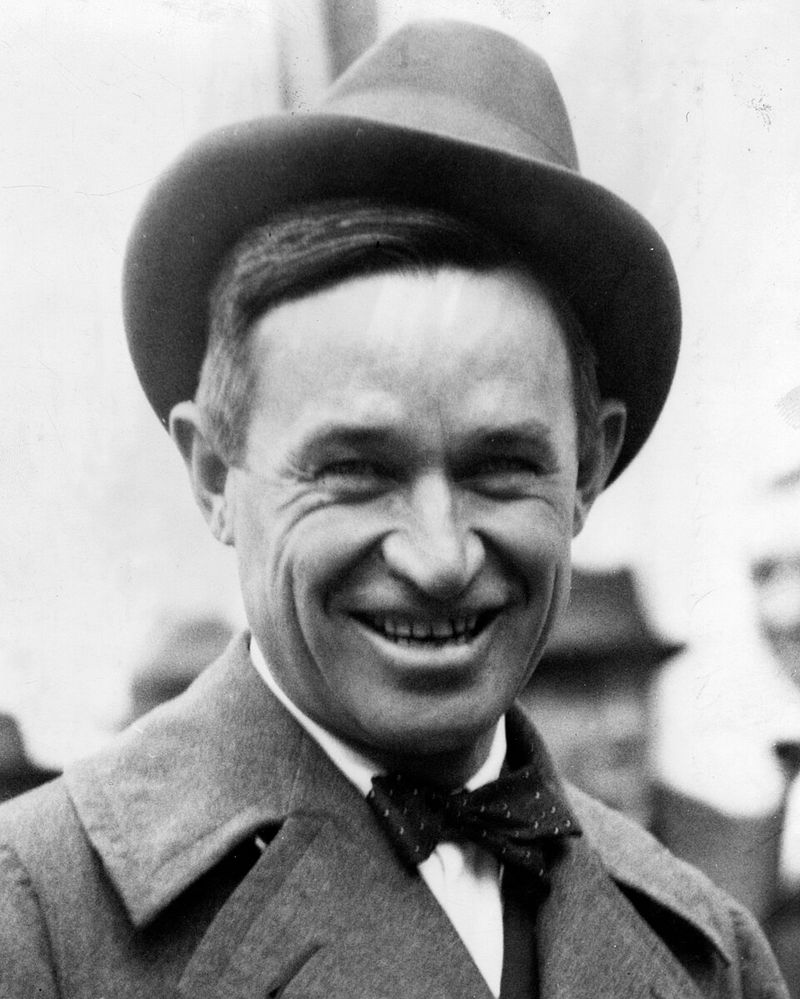
Before Will Rogers became America’s favorite humorist and radio personality, he was a working cowboy with a lasso in his hand and dust on his boots. Raised on a ranch in Indian Territory, which later became Oklahoma, Rogers spent his early years learning to rope cattle with genuine skill.
He could throw multiple loops at once and made it look effortless.
Rogers traveled to Argentina, South Africa, and Australia before landing in Wild West shows back in the United States. His roping act caught the attention of Vaudeville promoters, and from there his career took off in directions he probably never imagined as a ranch kid.
He went on to become one of the most beloved public figures in American history, known for his wit and warmth. But Rogers always said his cowboy roots were the truest thing about him, and audiences believed every word of it.
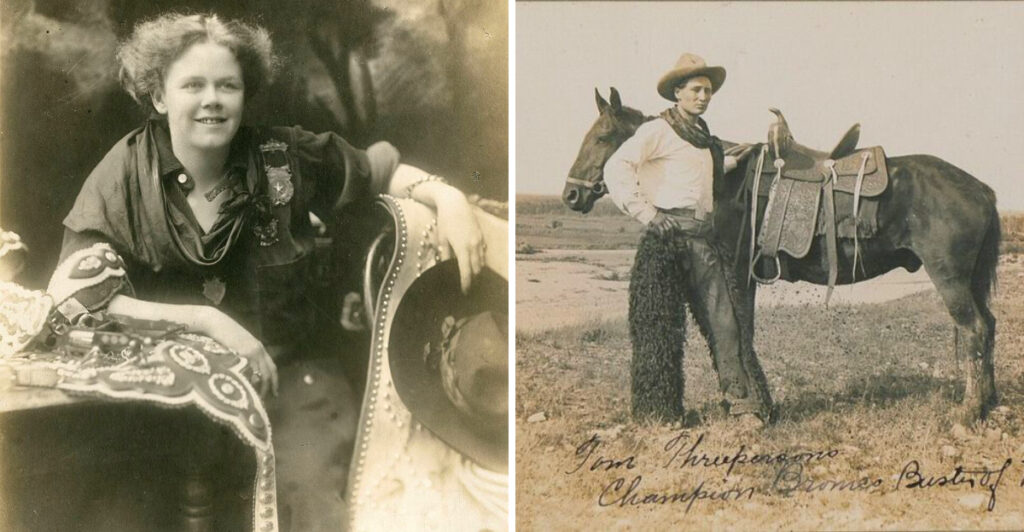
11. Tom Three Persons
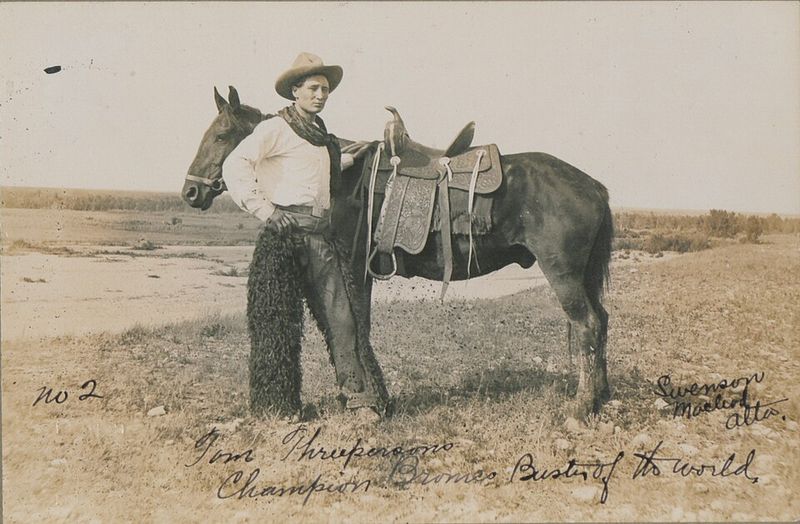
At the very first Calgary Stampede in 1912, a young Kainai cowboy named Tom Three Persons climbed onto a horse called Cyclone, a bronc that had thrown every rider who had ever tried to stay on it. The crowd expected another quick toss.
Instead, Three Persons rode Cyclone to a standstill and won the world bronc riding championship that day.
Three Persons grew up on the Blood Reserve in Alberta, where he learned to ride as a natural part of life. He was already known locally as a gifted horseman before that famous Stampede ride made him a legend across Canada.
His victory was more than a rodeo win. It was a powerful moment for Indigenous cowboys who had always been part of the Western ranching world but rarely received the recognition they deserved.
Tom Three Persons showed everyone exactly what they had been overlooking for years.
12. Mary Fields – Stagecoach Mary
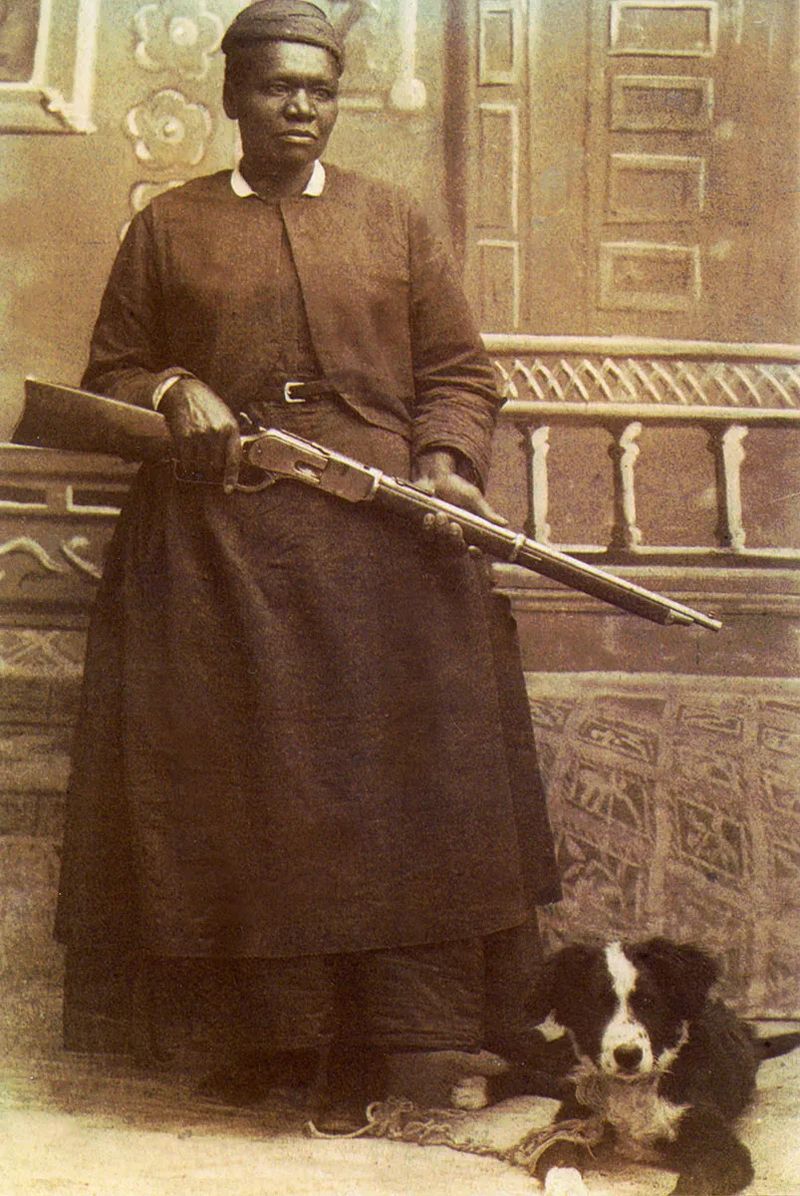
Standing around six feet tall and known for smoking cigars and carrying a pistol, Mary Fields was not someone who blended into the background. Born enslaved around 1832, she eventually settled in Cascade, Montana, where she ran a restaurant and later became a mail carrier for the U.S.
Postal Service. At around 60 years old, she was the first Black woman to hold that job in the country.
Fields drove her mail route through Montana winters that would stop most people cold, literally. She was famous for never missing a delivery, even when snow forced her to strap on snowshoes and finish the route on foot.
Locals called her Stagecoach Mary, and the nickname stuck for good reason.
She lived until around 1914 and was celebrated in her community during her lifetime. Gary Cooper, who grew up in Montana, later wrote a tribute to her that called her one of the freest souls ever to draw a breath.
Share this story