Europe is full of towns where one particular food has become so famous that the place and the dish are practically inseparable. From a small Derbyshire market town in England to a hilltop village in Sicily, these destinations have built their reputations around something genuinely delicious and deeply local.
The specialties on this list are not just tourist gimmicks. Many of them carry protected status, centuries of tradition, and production methods that have barely changed over generations.
Whether you are planning a food-focused trip or simply curious about what makes European towns so distinct, this list gives you 12 very good reasons to start daydreaming about your next journey.
Bakewell Pudding – Bakewell, England
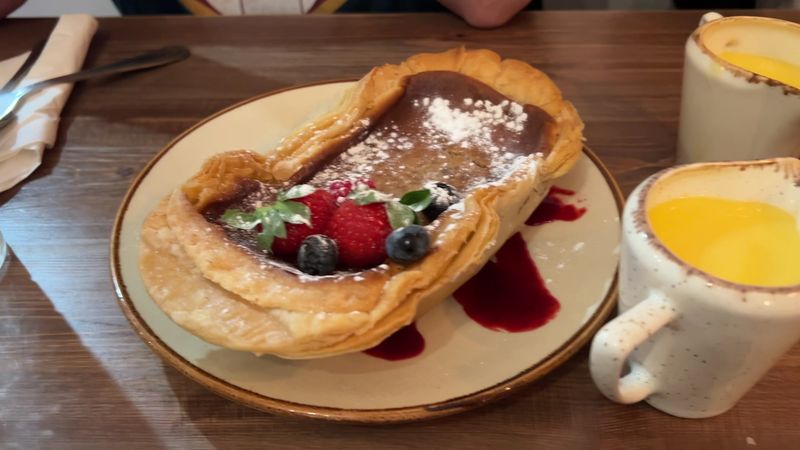
Long before the more familiar Bakewell tart became a supermarket staple, the original Bakewell pudding was quietly holding its own in this small Derbyshire market town. The two are not the same thing, and locals are quick to point that out.
The traditional pudding uses flaky pastry as its base, topped with a layer of jam and a rich filling made from eggs and ground almonds.
Several bakeries in the town still make it by hand, and the Old Original Bakewell Pudding Shop remains one of the most visited spots for trying the real version. The shop also schedules pudding-making experiences for 2026, giving visitors a hands-on look at the process.
Bakewell itself is a pleasant town to walk around, with the River Wye running through it and the Peak District just beyond. The pudding is the draw, but the setting gives it a genuinely satisfying context.
Melton Mowbray Pork Pie – Melton Mowbray, England
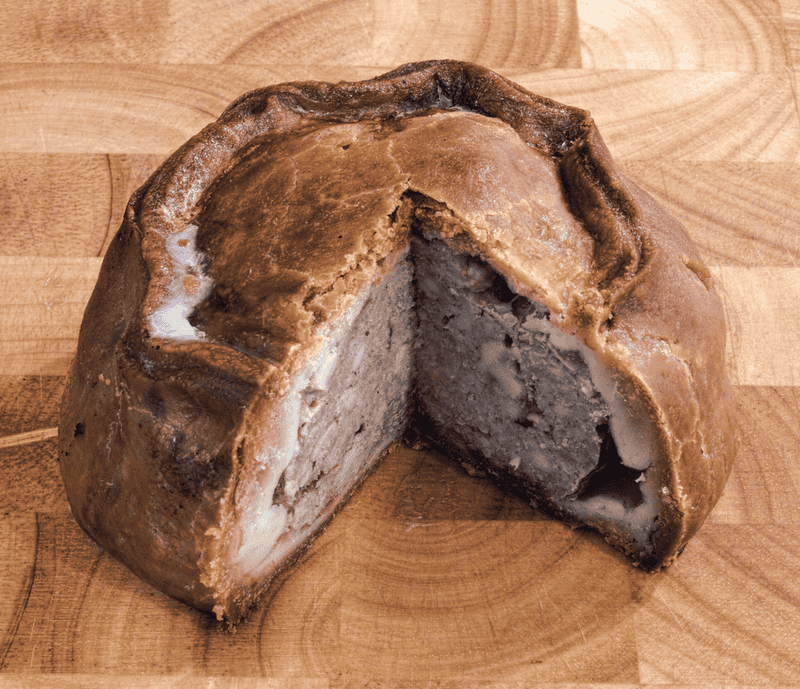
Melton Mowbray is the kind of English market town where food history feels genuinely lived-in rather than performed. The pork pie here developed alongside the area’s long-standing pork and dairy farming traditions, and the connection between the town and its signature product runs deep.
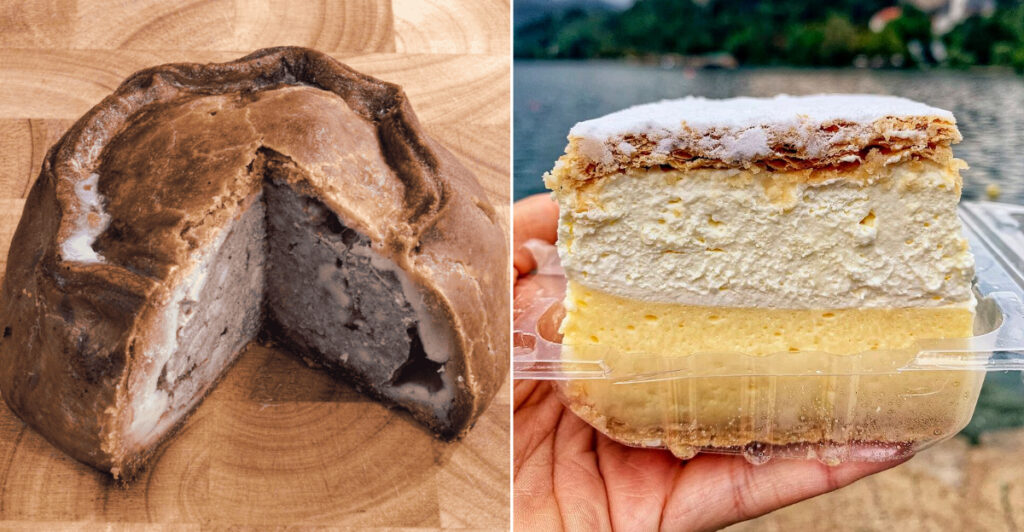
What sets the Melton Mowbray pork pie apart from other versions is the uncured, gray-pink pork filling and the distinctive hand-raised pastry crust that bows outward at the sides. The name itself carries Protected Geographical Indication status, meaning only pies made in the designated area can legally carry the full name.
Visitors can find locally made pies at butchers and food shops throughout the town, and pork pie-making classes are available in the area for those who want to go further than just tasting. The town also hosts a food festival that celebrates its culinary traditions.
This is a straightforward, satisfying food destination.
Gouda Cheese – Gouda, Netherlands
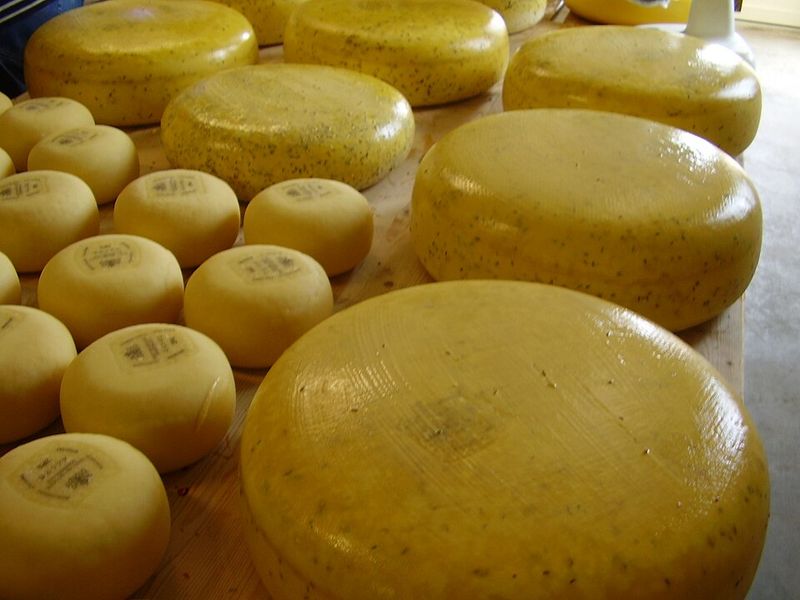
Few foods are as universally recognized as Gouda cheese, and the Dutch town that gave it its name has leaned fully into that identity. The historic cheese market in Gouda still operates during summer months, drawing visitors who want to see the traditional weighing and trading ceremonies that date back centuries.
Beyond the market, the town offers cheese shops where you can sample and buy wheels ranging from young and mild to aged and intensely sharp. Nearby farms also welcome visitors who want to see cheese production up close.
The Gouda Cheese Museum, located in the old weighing house on the market square, covers the history of the trade in detail.
The town itself is worth the visit on its own terms. Gouda has a well-preserved historic center, canals, and a famous Gothic church.
The cheese is the headline, but the town gives you plenty of reasons to stay longer than a single afternoon.
Bled Cream Cake – Bled, Slovenia
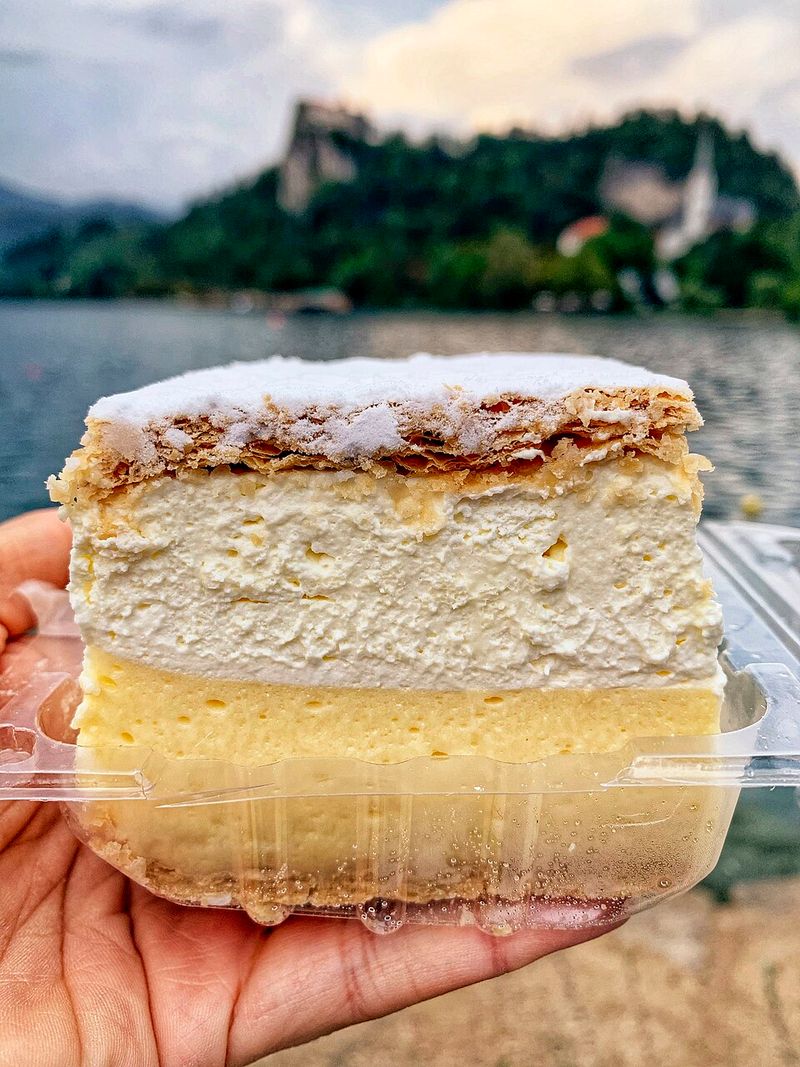
There is a particular kind of cake that becomes so tied to a place that ordering it anywhere else feels slightly wrong. Bled’s kremna rezina is exactly that kind of dessert.
The combination of crisp puff pastry, smooth vanilla custard, and a thick layer of whipped cream finished with powdered sugar has been served in this Slovenian lakeside town since 1953.
The recipe was developed at Hotel Park, and Kavarna Park still makes the original version fresh each day. Sitting beside Lake Bled with a slice on the table in front of you is genuinely one of those travel moments that lives up to its reputation.
Bled draws visitors for its island church, medieval hilltop castle, and alpine scenery. The cream cake fits naturally into a day of exploring.
It is not a heavy dessert, which makes it an easy choice at any point during your visit, morning or afternoon.
Turron de Jijona – Jijona, Spain
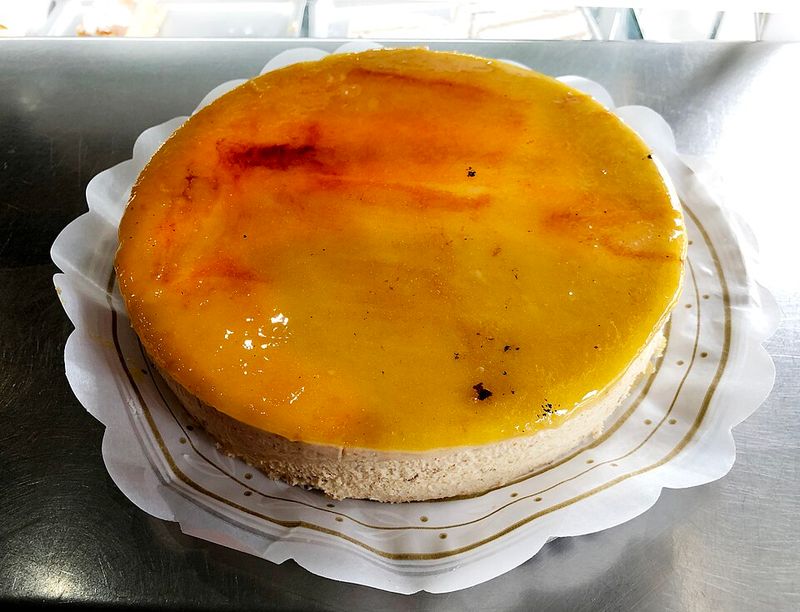
Jijona is a small town in the Alicante province of Spain, and for most of the year it operates at a quiet pace. But around Christmas, the whole country reaches for the product that Jijona has been making for centuries.
Turrón de Jijona is a soft, smooth nougat made primarily from toasted almonds and honey, with a texture that sets it apart from the harder turron varieties made elsewhere in Spain.
The town has a museum dedicated entirely to the history and production of turrón, where visitors can follow the process from raw ingredients to finished product. Several local factories have been operating for generations, and some offer tours during certain times of year.
Jijona also holds a protected geographical designation for its version of the product, which means the name carries real legal weight. If you are visiting the Valencia region outside of peak tourist season, this is a stop that offers something genuinely specific and worth your time.
Chocolate of Modica – Modica, Italy
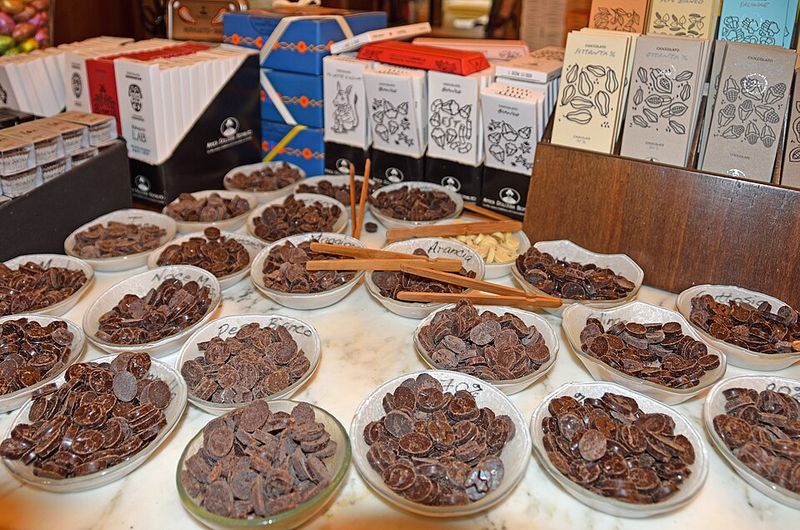
Modica chocolate does not look or taste like most other chocolate you have encountered. The production method is based on a cold-processing technique that avoids adding cocoa butter or fats, which leaves the finished bar with a noticeably grainy, crumbly texture.
Sugar crystals remain intact throughout the chocolate rather than melting in, creating a distinctive bite.
This approach has roots that predate modern chocolate-making, and Italy’s national tourism platform recognizes Modica chocolate as one of the signature foods visitors should seek out in Sicily. The baroque hilltop town of Modica is visually striking on its own, with layered architecture climbing steeply from the valley floor.
Chocolate shops line the main street, many of them producing their bars in small batches with flavors that range from plain dark to cinnamon, vanilla, and chili. Buying a few bars to bring home is one of the easiest ways to share the experience with someone who could not make the trip.
Roquefort Cheese – Roquefort-sur-Soulzon, France
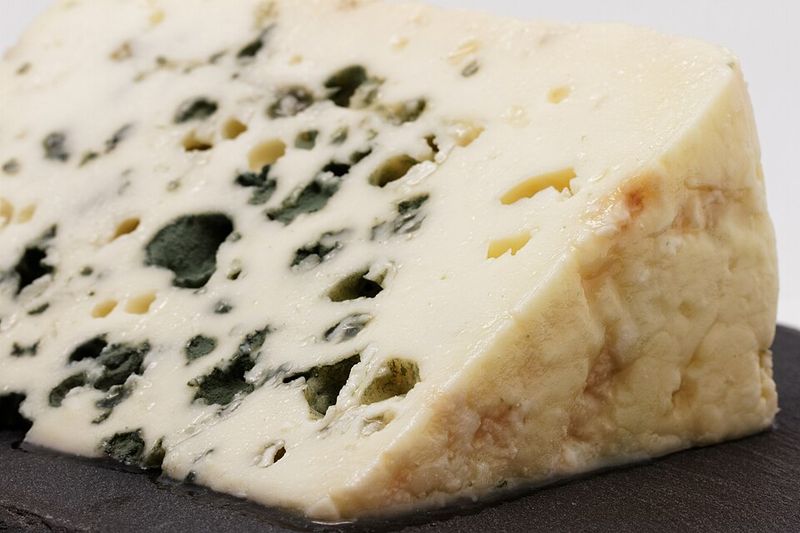
Roquefort-sur-Soulzon is a village so small that you might pass through it quickly without realizing what is happening beneath your feet. The natural limestone caves running under the village are where authentic Roquefort cheese must be matured, and that requirement is not flexible.
French law and European protected designation rules both specify that only cheese aged in these caves can carry the Roquefort name.
The caves maintain a consistent temperature and humidity year-round, conditions that support the development of the blue-green penicillium roqueforti mold responsible for the cheese’s intense, complex flavor. Several producers continue using these caves today, and some offer tours that take visitors underground to see the aging process firsthand.
The surrounding Aveyron region is scenic and relatively off the main tourist trail, which gives a visit here a quieter, more authentic feel than many French food destinations. The cheese alone is reason enough to make the detour into this corner of southern France.
Lubeck Marzipan – Lubeck, Germany
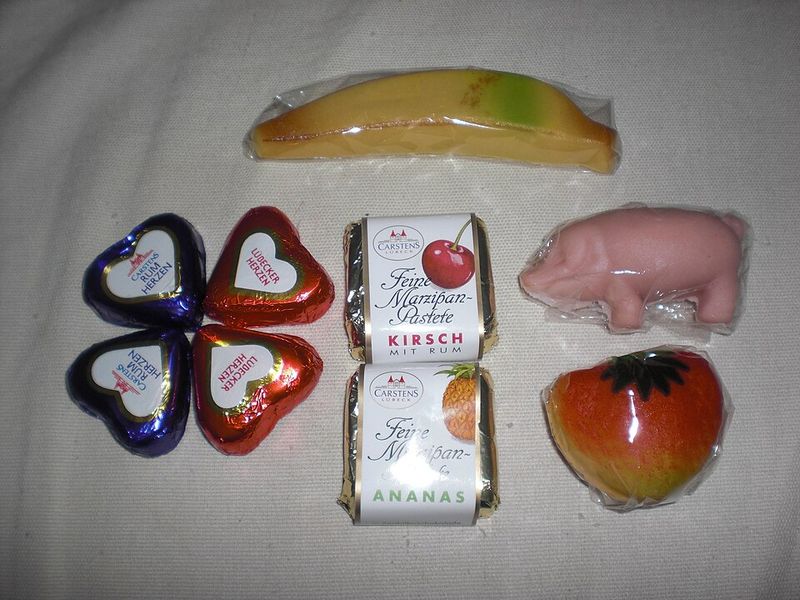
Lübeck is probably best known for its dramatic Brick Gothic architecture and its status as a UNESCO World Heritage city. But among food lovers, the city’s reputation rests equally on its marzipan.
Lübeck marzipan is a geographically recognized regional product, made from almonds and sugar using traditional methods that local confectioners have refined over generations.
Official tourism authorities describe Lübeck marzipan as one of the city’s most celebrated exports, and the product shows up in bakeries, confectionery shops, and gift stores throughout the historic center. Traditional marzipan makers shape the paste into elaborate forms, from fruits and animals to miniature replicas of the city’s famous Holstentor gate.
Visiting the old town gives you a natural reason to stop into multiple shops and compare versions. Some producers have been operating for well over a century.
The marzipan here is richer and less sweet than many mass-produced versions, and tasting the difference is straightforward once you try a fresh piece.
Torun Gingerbread – Torun, Poland
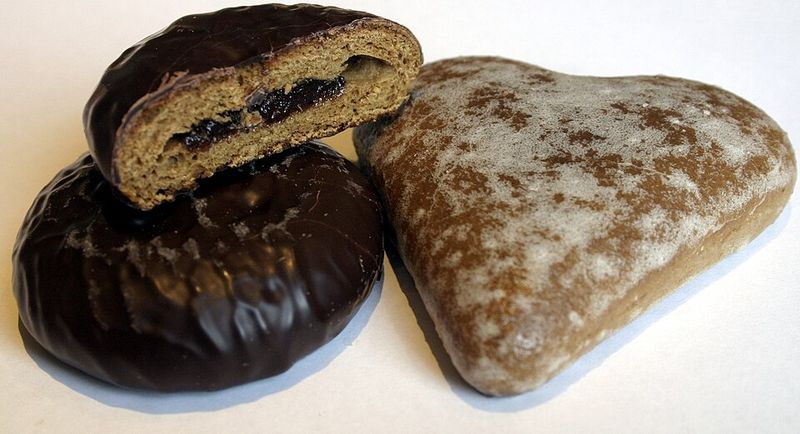
Torun’s gingerbread tradition goes back a long way. Official tourism materials place the city’s pierniki baking history as far back as the 14th century, making it one of the oldest continuous food traditions associated with any European town on this list.
The spiced, molded cookies are sold throughout the Old Town in dozens of shapes and sizes.
What makes Torun’s gingerbread distinct is the combination of spices and the firm, dense texture that sets it apart from softer holiday varieties. The city’s gingerbread museums let visitors try their hand at making and decorating their own, which has become one of the most popular visitor activities in the area.
Torun itself is a genuinely impressive medieval city with a well-preserved historic center that has UNESCO World Heritage status. It is also the birthplace of Nicolaus Copernicus, so there is plenty of context beyond the gingerbread.
The food and the history together make this one of Poland’s most rewarding city stops.
Dijon Mustard – Dijon, France
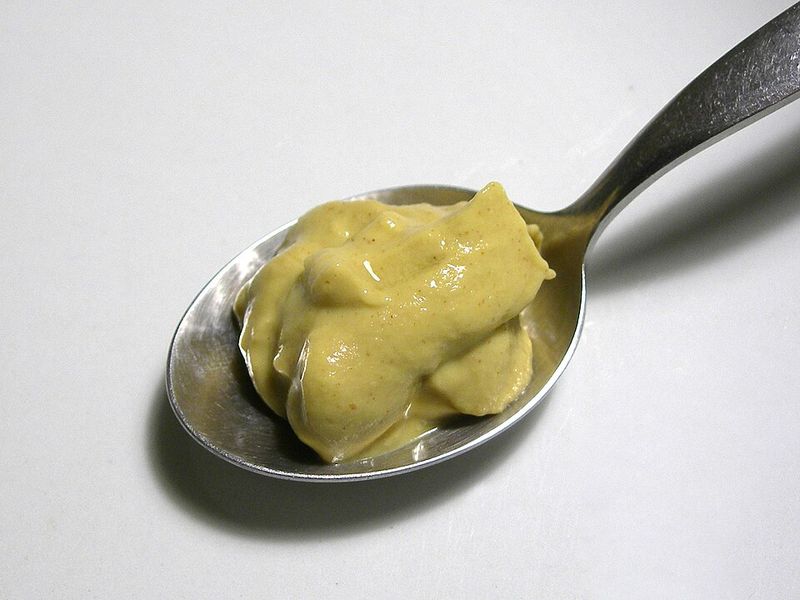
Mustard production in Dijon was being formally regulated as early as 1390, which puts the city’s culinary tradition in some very distinguished historical company. Dijon mustard has since become one of the most recognized condiment names in the world, but the city itself remains the most direct place to understand what the name actually means.
The sharp, smooth character of Dijon mustard comes from brown or black mustard seeds and the use of verjuice or white wine rather than vinegar, which gives it a more complex flavor than many similar products. Visitors can attend mustard-making workshops organized through the Dijon tourist office and local producers, where the process is explained and demonstrated in person.
Dijon is also the capital of Burgundy and offers one of France’s most concentrated food and market cultures. The mustard fits naturally into a broader culinary visit that might include the covered market, local cheese, and the region’s renowned wine country just outside the city.
Mozartkugel – Salzburg, Austria
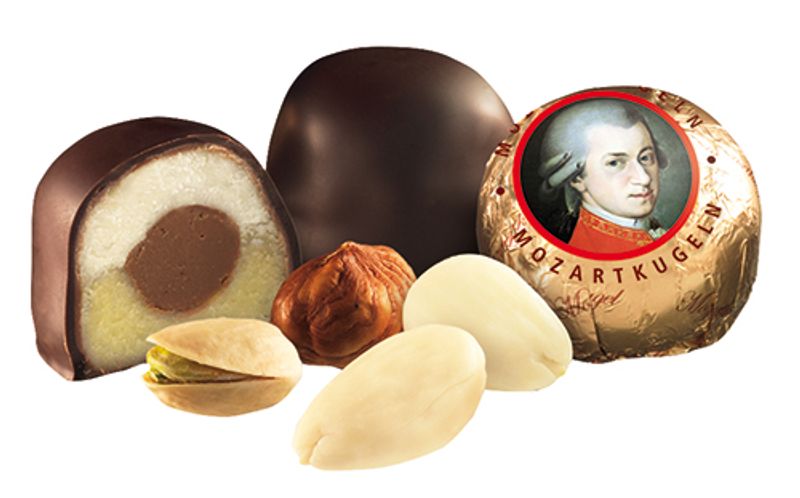
The Mozartkugel has a specific origin story with a specific date attached to it. Confectioner Paul Furst created the chocolate in Salzburg in 1890, combining marzipan, pistachio nougat, and dark chocolate into a single round confection.
Cafe Konditorei Furst continues producing the original version by hand today, and the shop remains one of Salzburg’s most visited addresses.
The handmade Original Salzburg Mozartkugel is distinct from the mass-produced versions sold in souvenir shops across Austria and Germany. The Furst version is not wrapped in the familiar red and silver foil you see elsewhere, and the difference in quality is immediately noticeable to anyone who tries both.
Salzburg is a city that rewards slow exploration, with its baroque architecture, fortress, and musical heritage all worth your time. Stopping at Furst for a Mozartkugel feels less like a tourist obligation and more like a genuinely satisfying detail in a day well spent.
The shop has multiple locations within the city center.
Belgian Chocolate – Bruges, Belgium
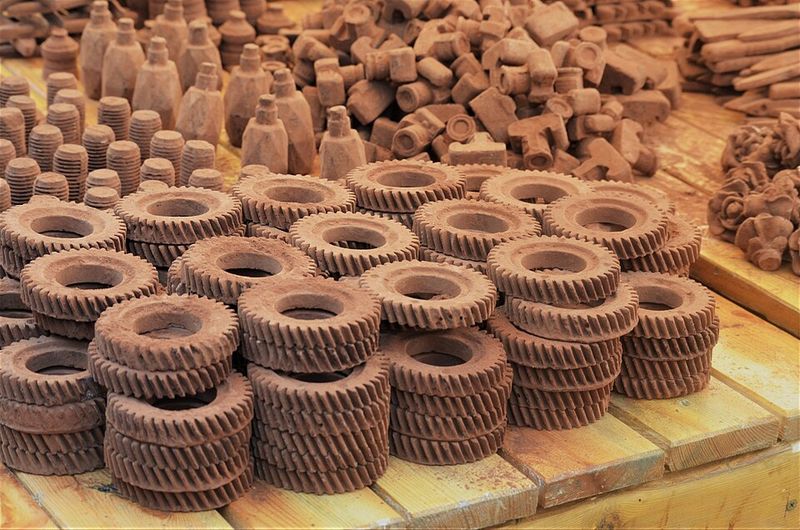
Bruges has developed one of the strongest reputations for chocolate of any city in Europe, and the concentration of independent chocolatiers throughout its historic center makes the claim easy to verify in person. The city’s official tourism service has described Bruges as a chocolate paradise, and that is not an overstatement when you start counting the number of small, serious chocolate shops within a few blocks of the main square.
What sets Bruges apart from other chocolate cities is the emphasis on handmade production. Many of the chocolatiers here still craft their pralines, truffles, and bars in small batches using traditional Belgian methods.
The variety of fillings, coatings, and flavor combinations across different shops gives visitors a reason to compare rather than settle for the first box they see.
Bruges is also one of the most visually striking medieval cities in Northern Europe, with canals, Gothic buildings, and cobbled streets that make the chocolate shopping feel like part of something larger. Plan at least a full day here.
Share this story