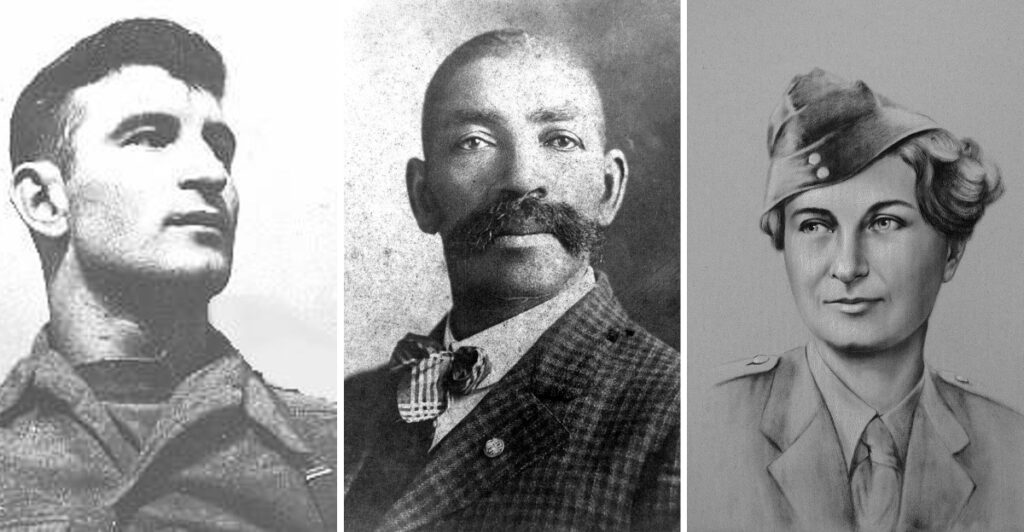
History is full of people who were judged by their appearance, only to prove everyone completely wrong. Some of the most effective soldiers, spies, and fighters in history looked nothing like what most people imagined a warrior to be.
They were farmers, socialites, historians, and quiet country folk who carried extraordinary courage beneath ordinary exteriors. Their stories remind us that danger has no single face, and underestimating someone can be a very costly mistake.
1. Simo Häyhä: The Quiet Farmer Who Became a Deadly Sniper
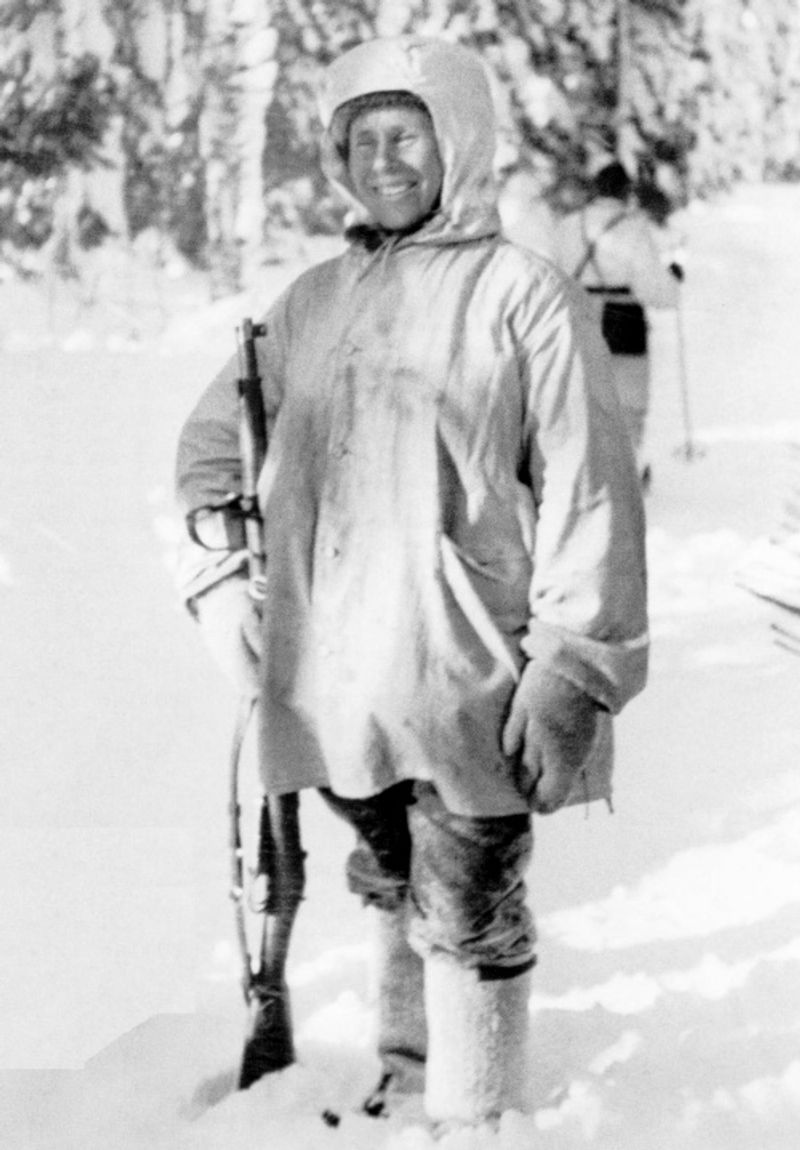
Before the Winter War, Simo Häyhä was simply a Finnish farmer who enjoyed hunting in the forests near his home. He was short, soft-spoken, and looked more like a schoolteacher than a soldier.
Nobody could have predicted what he would become once the Soviet Union invaded Finland in 1939.
Operating in brutal sub-zero temperatures, Häyhä used a standard iron-sighted rifle and white camouflage to blend into the snow. He reportedly accumulated over 500 confirmed sniper kills in fewer than 100 days of combat.
Soviet forces called him “White Death” and sent teams specifically to eliminate him.
He was eventually struck by an explosive bullet that severely damaged his jaw, yet he survived and lived to be 96 years old. Häyhä never boasted about his record.
He simply said he did what he was told to do. Few warriors in history have been so quietly effective.
2. Audie Murphy: The Baby-Faced Soldier Who Earned Every Medal
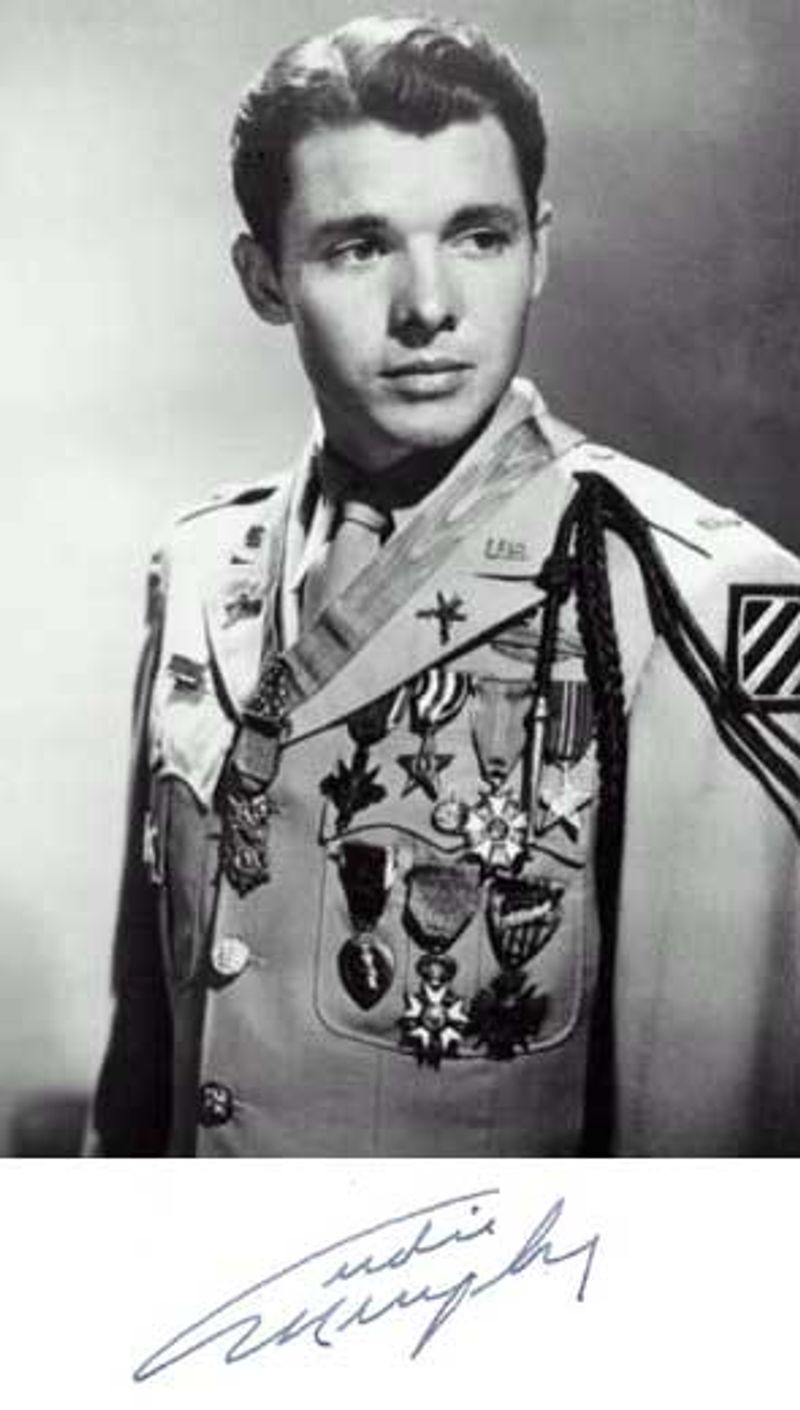
When Audie Murphy first tried to enlist in the military, several branches turned him away because he looked too young and small. Born into a poor Texas sharecropping family, he barely weighed 110 pounds when he finally joined the U.S.
Army. Recruiters who saw him probably figured he would struggle to survive basic training.
Murphy proved every one of them wrong. By the end of World War II, he had become the most decorated American combat soldier of the entire war, earning 33 awards including the Medal of Honor.
His most famous act came in January 1945, when he single-handedly held off an entire German infantry company while wounded and standing on a burning tank destroyer.
After the war, Murphy became a Hollywood actor, but nothing he filmed compared to what he actually lived through. His youthful face hid a warrior of remarkable endurance and courage.
3. Ching Shih: The Woman Who Commanded an Empire at Sea
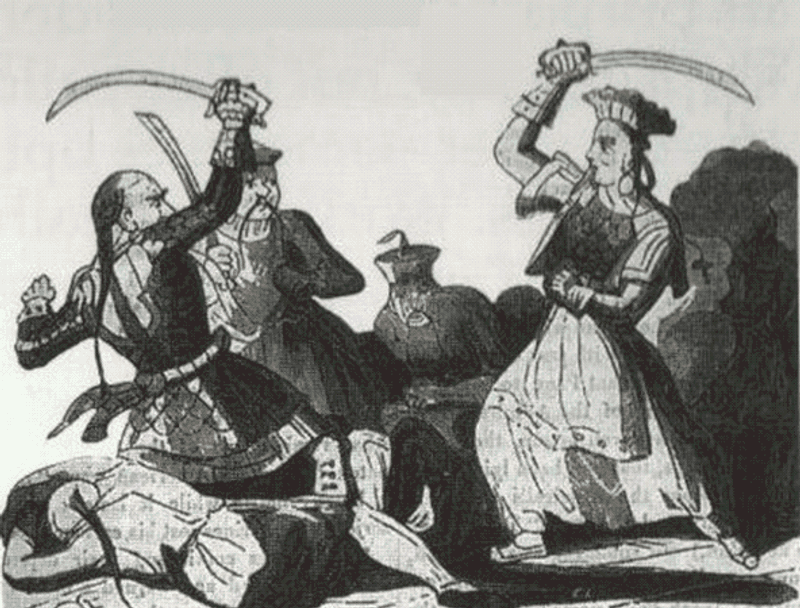
Ching Shih began her life in poverty and worked on a floating brothel in Canton before marrying a powerful pirate commander named Zheng Yi. When he died in 1807, most people assumed his criminal empire would fall apart.
Instead, she took command of it herself and built something far more powerful.
At her peak, Ching Shih controlled the Red Flag Fleet, a force of roughly 1,800 vessels and up to 80,000 sailors. She enforced a strict code of conduct among her crews and successfully resisted the combined naval forces of China, Portugal, and Britain.
No one could defeat her on the water.
She eventually negotiated a peace deal entirely on her own terms, keeping her wealth and retiring comfortably. Ching Shih is widely considered one of the most successful pirates in recorded history.
Her gentle appearance concealed a strategic mind that outsmarted entire governments.
4. Bass Reeves: The Lawman Everyone Underestimated
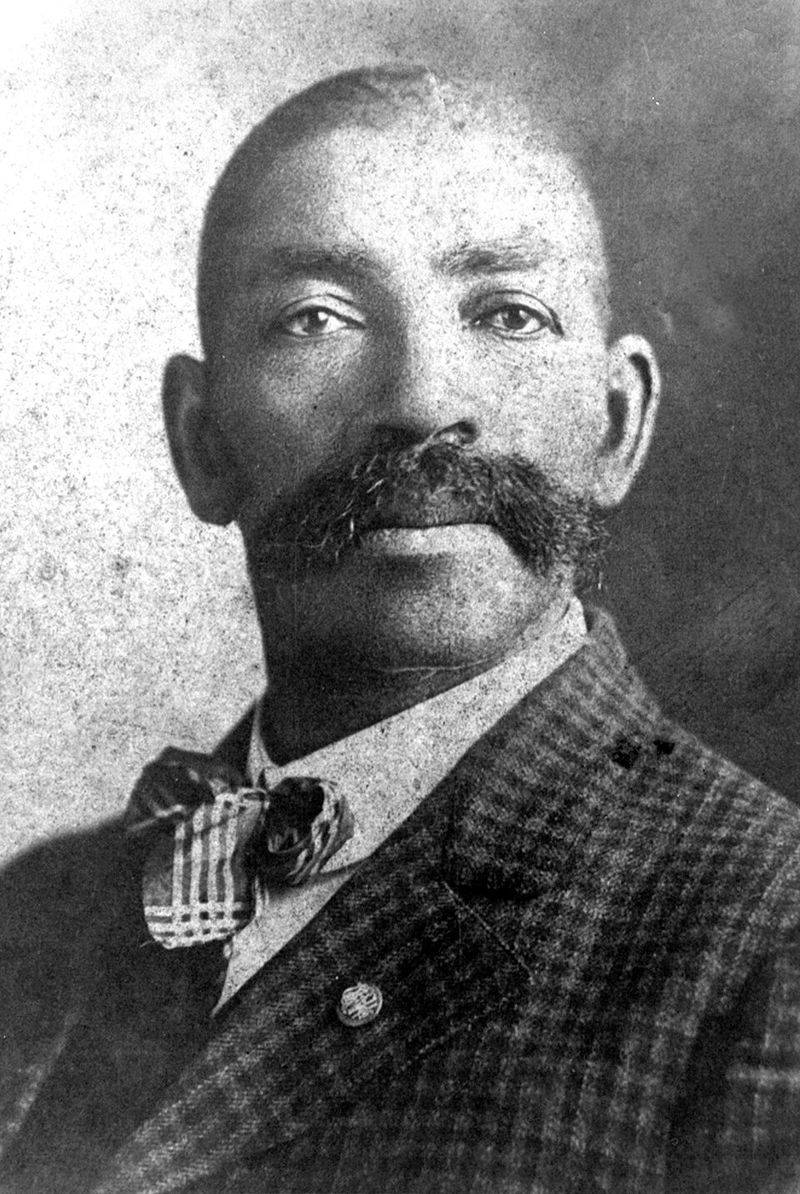
Bass Reeves spent the early part of his life enslaved, escaping during the Civil War and living among Native American tribes in Indian Territory. He learned multiple languages, became a skilled horseman, and developed a reputation for calm thinking under pressure.
When he was appointed as a deputy U.S. marshal in 1875, he became the first Black deputy marshal west of the Mississippi River.
Over a career spanning more than 30 years, Reeves arrested over 3,000 suspects and reportedly killed 14 outlaws in self-defense, all without ever being shot himself. He used disguises, patience, and sharp instincts rather than brute force.
Some historians believe he inspired the legend of the Lone Ranger.
Reeves was unassuming in appearance and quiet in manner, which made criminals underestimate him repeatedly. That mistake usually ended with them in handcuffs.
He was one of the most effective lawmen the American West ever produced.
5. John Wesley Hardin: The Polished Gunfighter With a Deadly Record
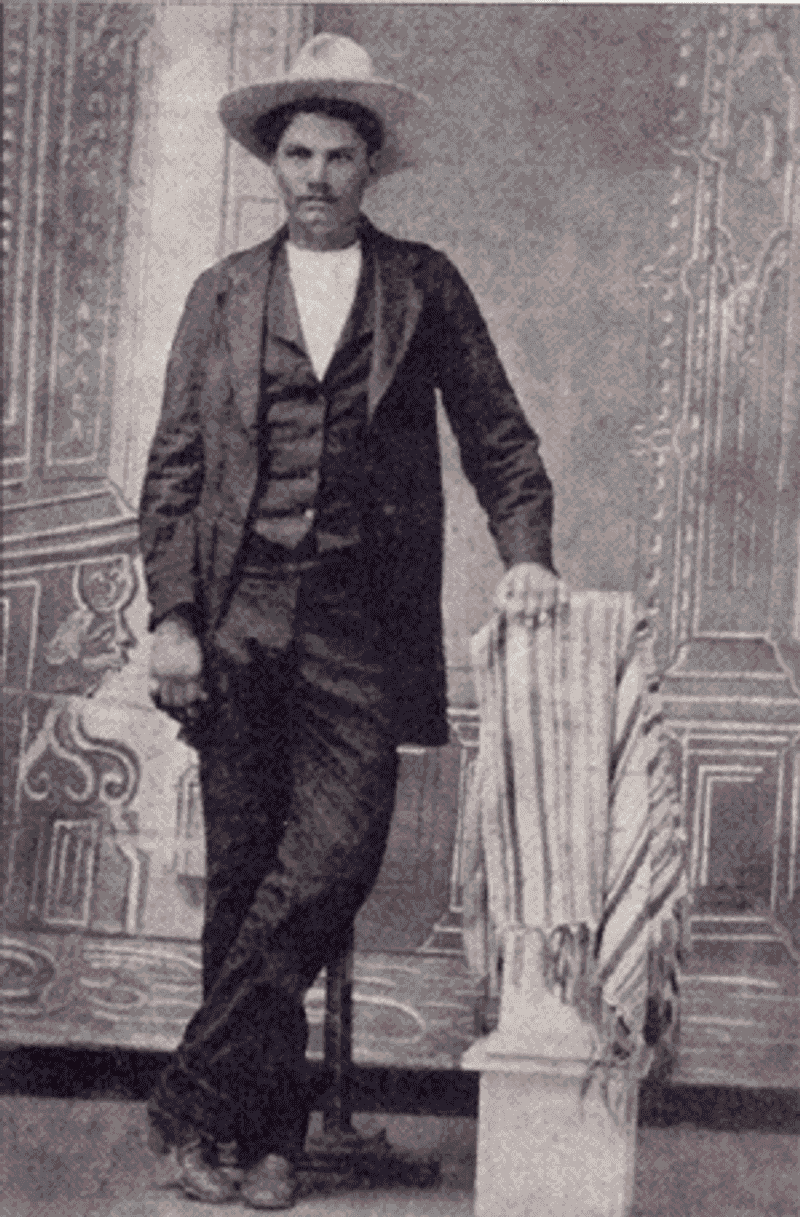
Looking at photographs of John Wesley Hardin, most people would assume he was a banker or a lawyer. He was well-dressed, educated, and carried himself with a kind of composed self-assurance that seemed completely out of place for a gunfighter.
But beneath that polished exterior was one of the most violent men in Texas history.
Hardin claimed to have killed over 40 men, though historians have documented roughly 27 confirmed killings. He studied law in prison and actually passed the Texas bar exam after his release.
He had a quick temper and an even quicker draw, making him genuinely feared across the frontier.
He was eventually shot and killed in an El Paso saloon in 1895. His education and refined appearance made people forget what he was capable of, and that moment of forgetting was often the last mistake they made.
Few outlaws were as contradictory or as dangerous.
6. Lyudmila Pavlichenko: The Historian Who Became Lady Death
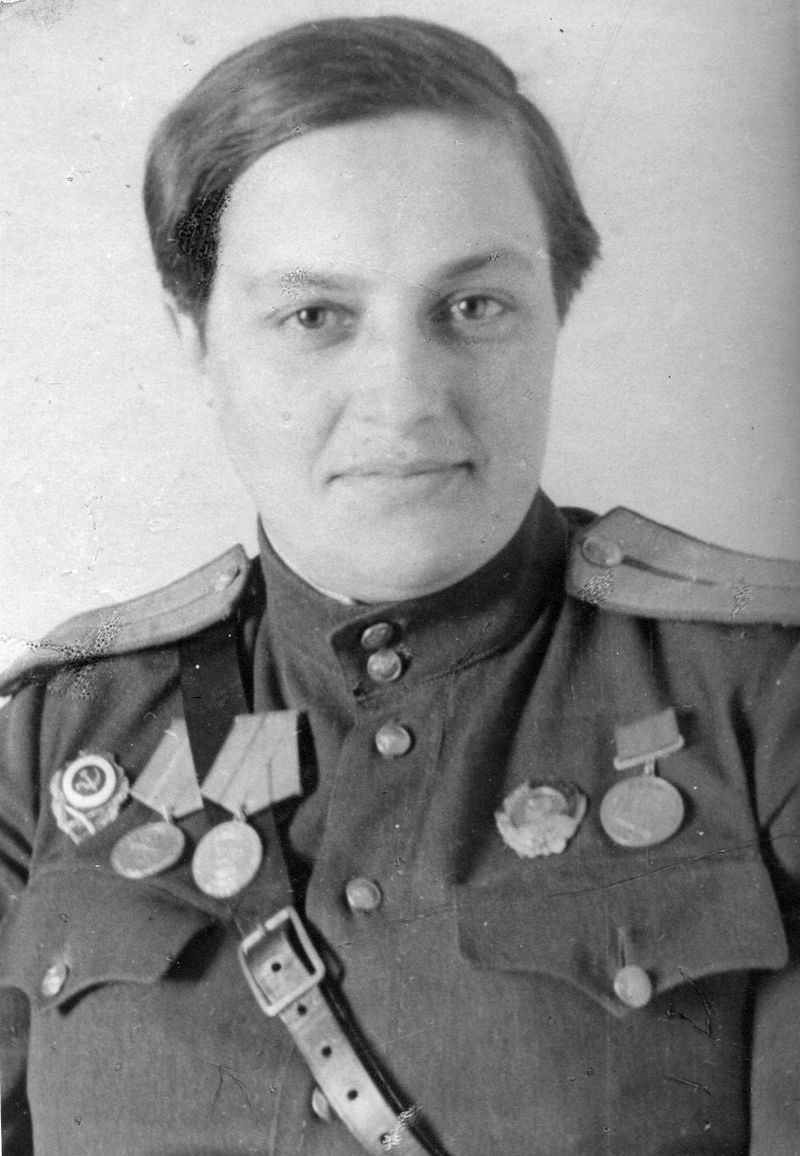
Lyudmila Pavlichenko was studying history at Kyiv University when Germany invaded the Soviet Union in 1941. She was 24 years old, bookish by nature, and had already developed serious skill as a competitive shooter.
When she volunteered for the Red Army, male officers initially tried to assign her to nursing duties instead.
She insisted on combat, and her results were extraordinary. By the time she was pulled from the front lines due to injury, she had been officially credited with 309 enemy kills, including 36 enemy snipers.
That total made her the most successful female sniper in recorded history. The Germans targeted her so aggressively that they broadcast personal threats over loudspeakers.
She later toured the United States to build support for opening a second front in Europe, where she famously challenged American reporters who focused on her appearance. Pavlichenko was sharp, determined, and absolutely lethal.
History had never seen anything quite like her.
7. Nancy Wake: The Socialite Who Outsmarted the Gestapo
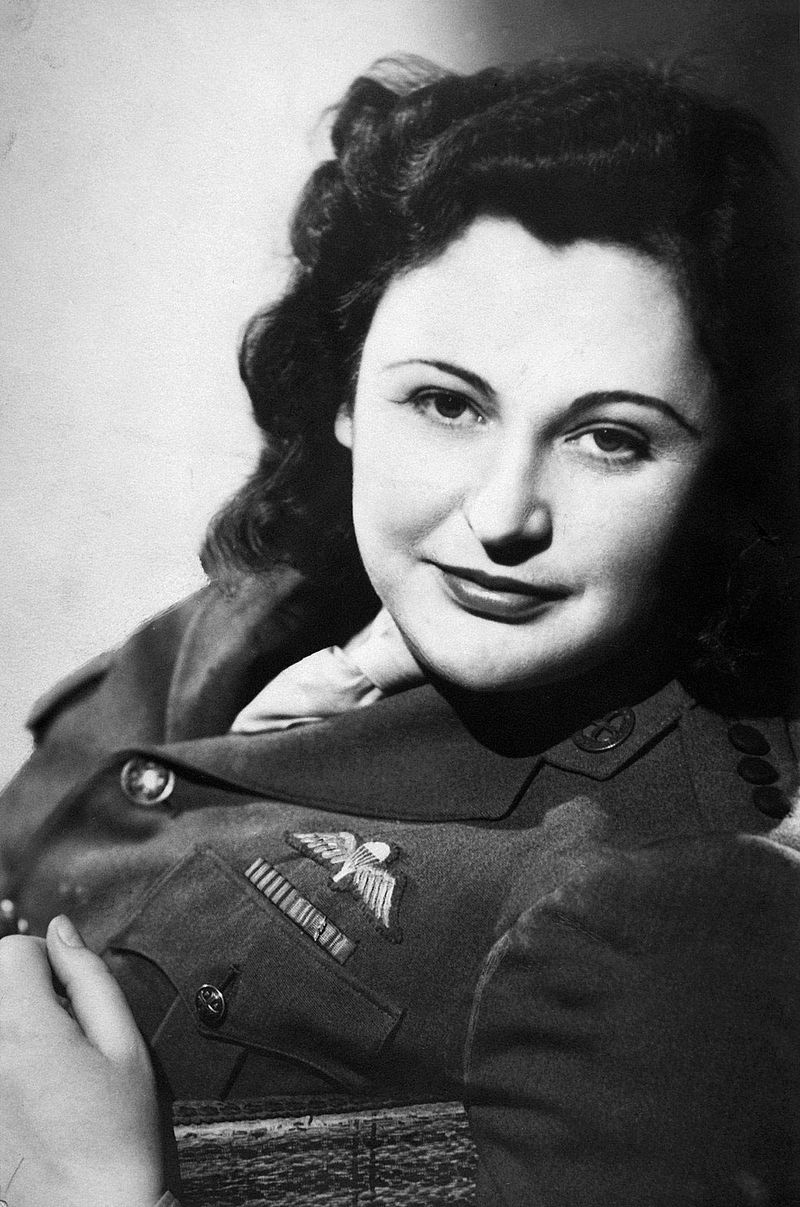
Nancy Wake moved through the social circles of pre-war Europe with an easy charm that made people adore her. She was witty, fashionable, and known for throwing wonderful parties.
The Gestapo, who called her the White Mouse, spent years trying to catch her and never could while she was active in the field.
Working as a courier and later as a resistance leader in occupied France, Wake organized weapons drops, coordinated guerrilla raids, and led thousands of French Maquis fighters. She once cycled over 300 miles through German checkpoints to deliver messages after her radio was destroyed.
She reportedly killed an SS guard with her bare hands to prevent him from raising an alarm.
After the war, she received decorations from Britain, France, the United States, and Australia. Wake was one of the most decorated Allied servicewomen of World War II.
Her charm was real, but it was always a tool, never the whole story.
8. Virginia Hall: The Limping Lady Who Ran Rings Around the Nazis
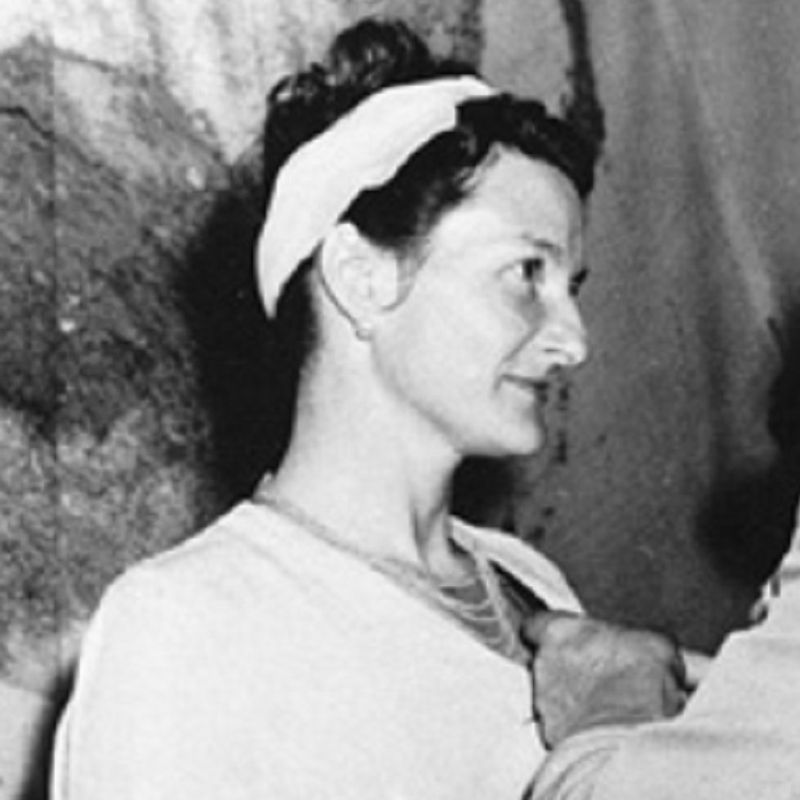
Virginia Hall had lost her lower left leg in a hunting accident years before the war, and she walked with the help of a wooden prosthetic she nicknamed Cuthbert. The State Department had rejected her application to become a diplomat, partly because of her disability.
The Nazis, who were hunting her across occupied Europe, described her as the most dangerous Allied spy in France.
Working for both the British Special Operations Executive and later the American OSS, Hall organized resistance networks, arranged supply drops, and helped downed Allied pilots escape to safety. She disguised herself as an elderly French peasant woman to avoid detection, dyeing her hair and practicing a convincing limp.
Even her German pursuers could not identify her in person.
After the war, she became one of the first female officers in the CIA. Hall’s story is a powerful reminder that determination and intelligence are far more powerful than any physical limitation.
9. Lachhiman Gurung: One Man Against Two Hundred
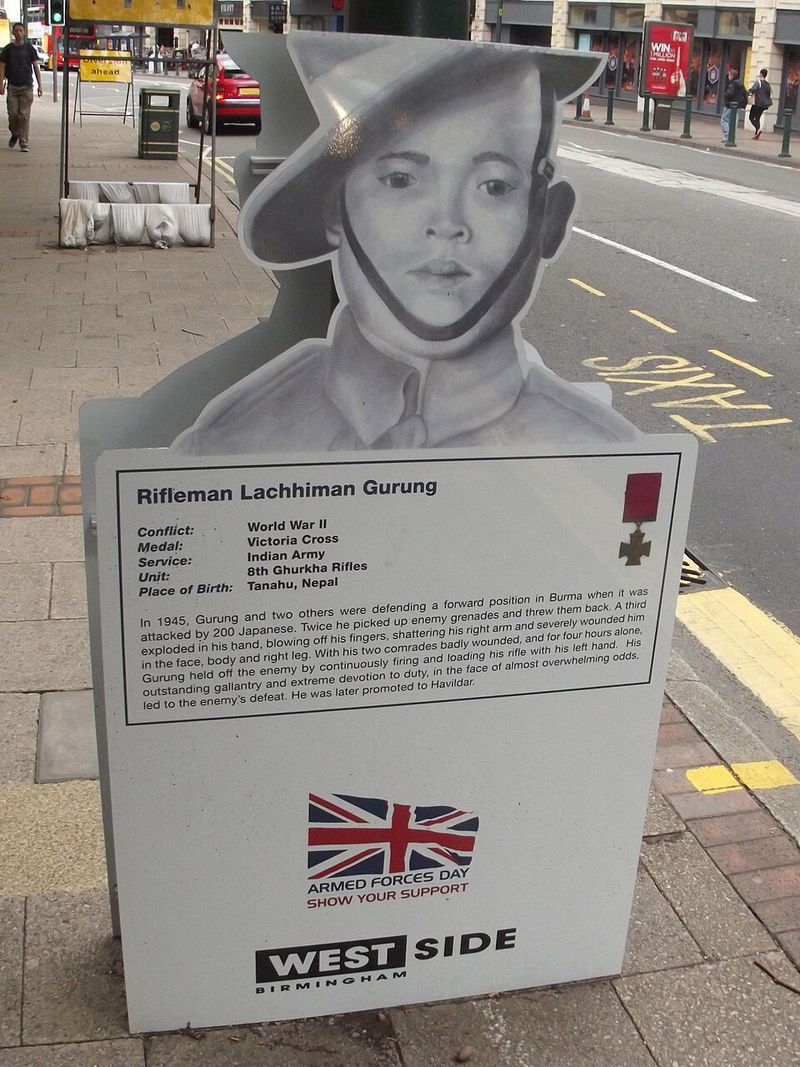
On the night of May 12, 1945, a Japanese force of roughly 200 soldiers attacked the small trench position held by Lachhiman Gurung and two comrades in Burma. When grenades began landing in the trench, Gurung threw back the first two.
The third exploded in his hand before he could release it, blowing off his fingers and severely wounding his right arm and face.
Rather than retreat or surrender, Gurung loaded and fired his rifle one-handed for over four hours, shouting “Come and fight a Gurkha!” as he held the position alone. By morning, 31 Japanese soldiers lay dead in front of his trench.
His two comrades had been killed or severely wounded early in the battle.
Gurung was awarded the Victoria Cross for his actions that night. He stood just over five feet tall and weighed very little, but he fought with a ferocity that left seasoned military officers stunned.
His bravery that night defied every expectation.
10. Alvin York: The Reluctant Tennessee Farmer Who Changed a Battle
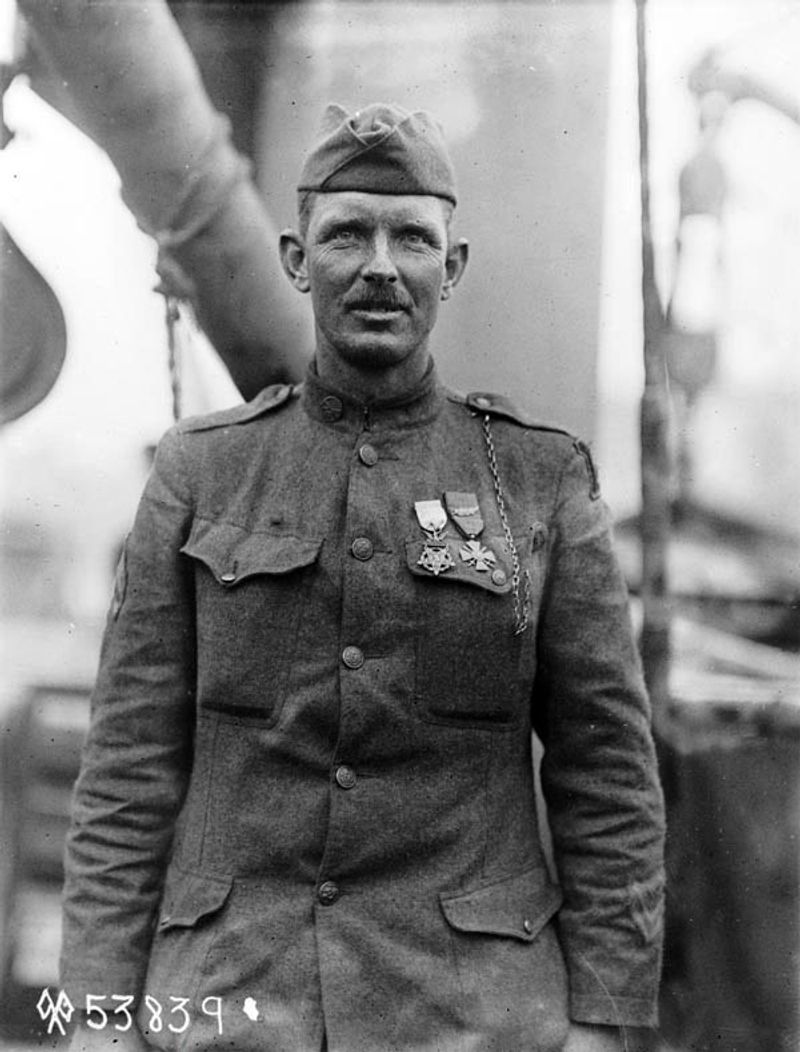
Alvin York grew up in the mountains of Tennessee, where he learned to shoot as a way to put food on the table for his family. When he was drafted into the U.S.
Army in 1917, he initially applied for conscientious objector status because of his religious beliefs. His commanding officer eventually persuaded him that fighting could be a moral act, and York reluctantly went to war.
On October 8, 1918, during the Meuse-Argonne Offensive, York led a small patrol that came under devastating machine gun fire. He used his marksmanship to silence gun after gun, killing 28 German soldiers and capturing 132 more, largely by himself.
His accuracy under fire was almost impossible to believe.
York returned home a national hero, though he remained humble about what he had done. He said he just did his duty.
That quiet mountain farmer had accomplished something that entire platoons could not.
11. Leo Major: The One-Eyed Soldier Who Liberated a City Alone
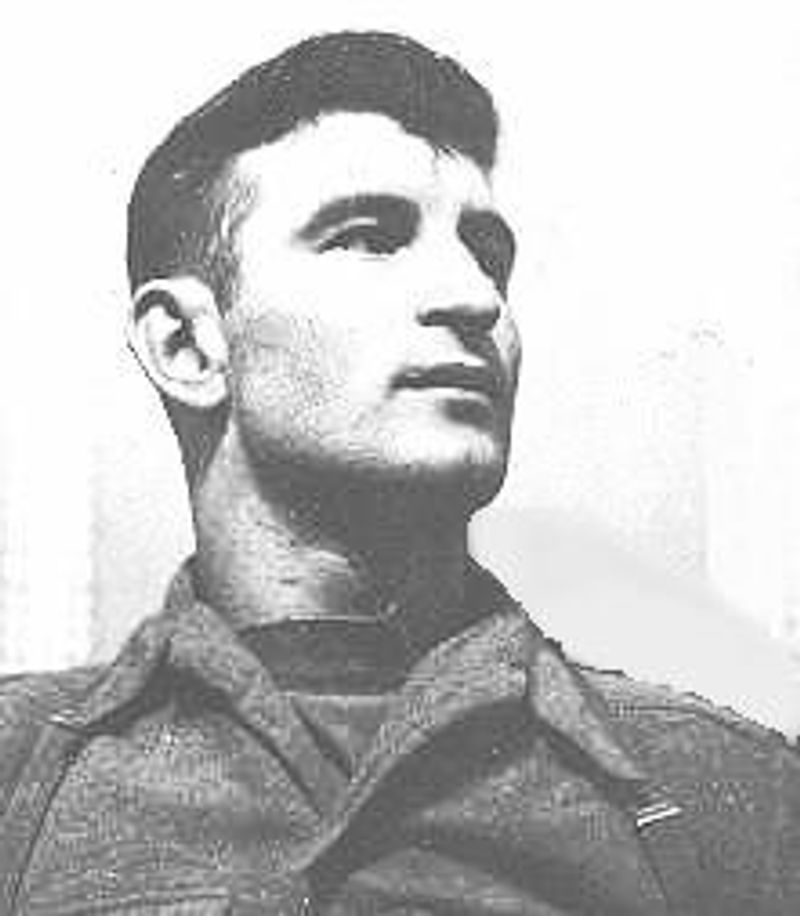
Leo Major lost the use of his left eye during a grenade attack in Normandy. When doctors suggested he be sent home, he refused, saying he only needed one eye to sight a rifle.
That stubborn determination became a recurring theme throughout his military career, and it had very real consequences for the enemy.
On the night of April 13 to 14, 1945, Major and a single partner entered the Dutch city of Zwolle, which was occupied by German forces. His partner was killed early in the mission, but Major continued alone through the night, ambushing soldiers, capturing officers, and creating enough chaos to convince the German garrison that a large Allied force had arrived.
The Germans withdrew, and Zwolle was liberated without a major Allied assault.
Major later fought in the Korean War and again distinguished himself in combat. He was awarded the Distinguished Conduct Medal twice, a rare achievement.
Major was small, quiet, and missing an eye, yet he changed the course of entire battles.
12. Susan Travers: The Only Woman in the French Foreign Legion
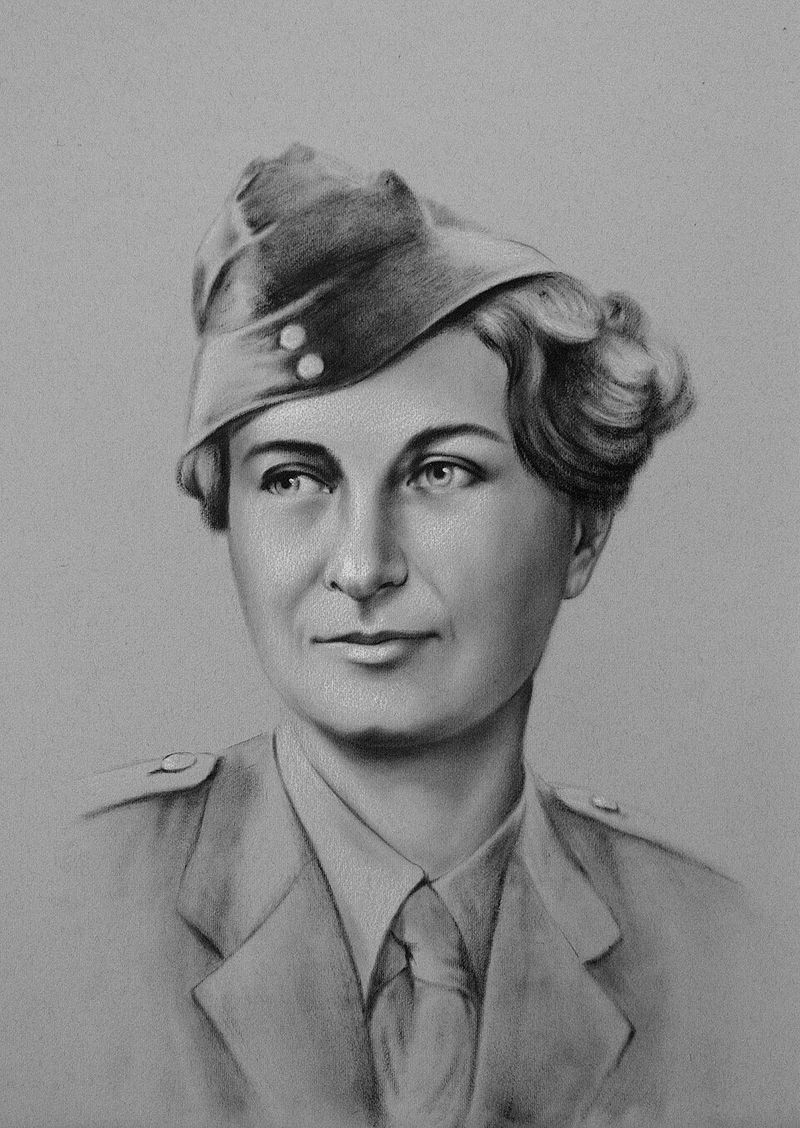
Susan Travers grew up as the daughter of a British naval officer and spent much of her early life enjoying tennis and the social scene of pre-war Europe. She seemed destined for a comfortable, uneventful life.
Instead, she volunteered with the French Red Cross after the fall of France and eventually joined the Free French Forces as a driver.
At the Battle of Bir Hakeim in 1942, she drove the lead vehicle in a desperate nighttime breakout through German and Italian minefields and gunfire. With bullets hitting her car and soldiers dying around her, Travers kept driving and got the column through.
She was later found to have bullet holes in her clothing but was uninjured.
After the war, she became the only woman ever formally admitted as a member of the French Foreign Legion. Travers received the Medaille Militaire and the Croix de Guerre.
Her story is proof that courage has nothing to do with how ordinary someone appears.
Share this story