Thanksgiving dinners looked very different from the 1940s through the 1970s, when canned ingredients, boxed gelatin, and convenience foods inspired a wave of creative holiday dishes. From colorful gelatin salads to casseroles made with condensed soup, these once-popular recipes became staples on American Thanksgiving tables.
Many of these vintage Thanksgiving foods have since disappeared as tastes, cooking habits, and family traditions changed. Some date back centuries, while others were born from clever food advertising, offering a nostalgic look at the holiday dishes Boomers remember and younger generations may have never tried.
1. Ambrosia Salad
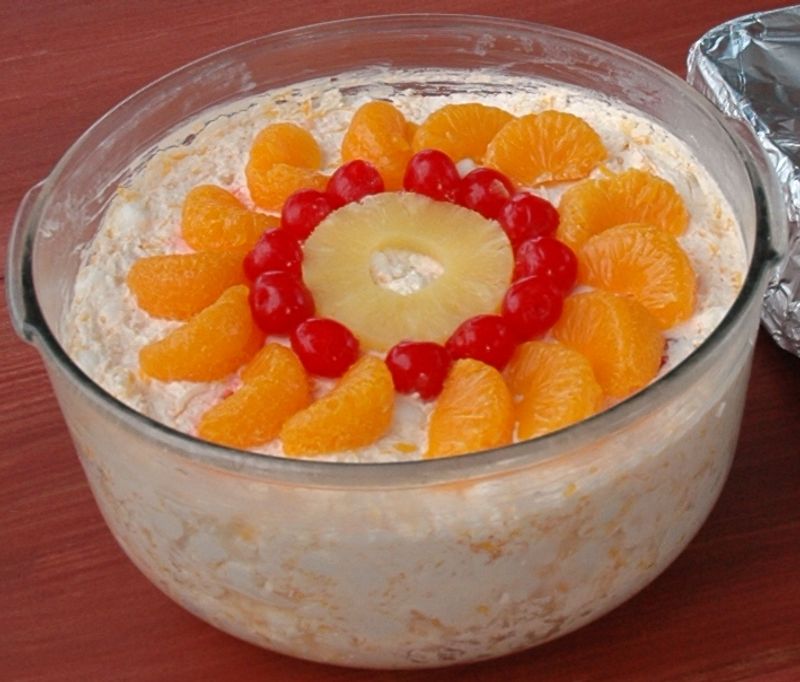
Calling a bowl of marshmallows and coconut a salad took real confidence. Southern cooks in the late 1800s started it all by mixing fresh oranges with grated coconut and sugar.
Oranges were pricey back then, so the dish counted as a treat. The name came from Greek myths, where ambrosia was the food of the gods.
Things changed once canned fruit got cheap in the early 1900s. Pineapple tidbits and mandarin oranges joined the bowl, and the recipe spread far beyond the South.
By the 1950s and 1960s, most versions also had maraschino cherries and miniature marshmallows. Sour cream or whipped cream held everything together.
Hosts liked it because it took about ten minutes. You opened a few cans, drained them, stirred, and chilled the bowl.
It showed up at church potlucks, Christmas dinners, and plenty of Thanksgiving tables. Kids often went for it before touching the turkey.
Today the dish mostly appears in retro cookbooks. Younger eaters tend to avoid heavy sugar and canned syrups, so ambrosia lost its spot.
Want to try it the old way? Use real oranges, fresh coconut, and a spoonful of plain yogurt to keep things lighter.
2. Oyster Stuffing/Dressing
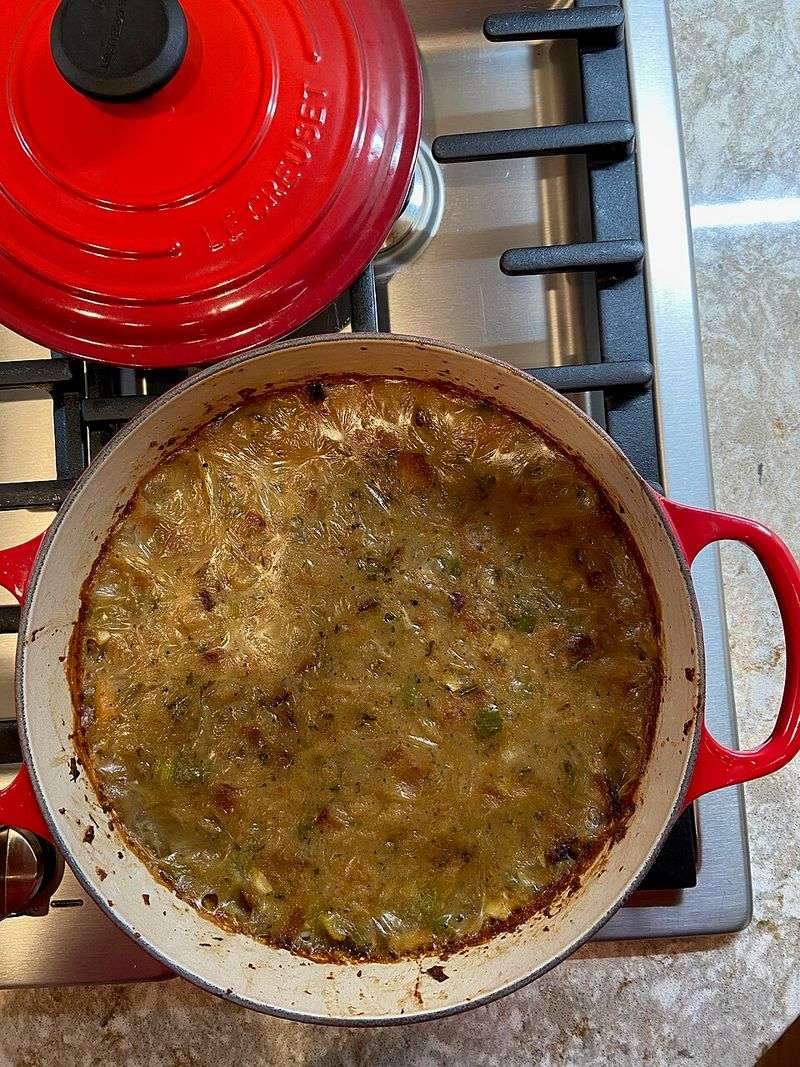
Seafood at Thanksgiving is not a new trend. It may actually be one of the oldest ones.
An English cookbook from 1685, The Accomplisht Cook, already paired oysters with herbs to stuff poultry. Colonists brought the idea across the Atlantic.
Oysters were cheap and plentiful along the East Coast. In 1796, Amelia Simmons printed an oyster stuffing in American Cookery, the first American cookbook.
The dish even reached the White House. First Lady Ida McKinley served oyster stuffing at Thanksgiving in 1897.
For many Boomers near the coast, it was simply the normal stuffing. Cooks softened celery and onion, mixed in bread or cornbread, added stock, then folded in chopped oysters.
Some baked it inside the turkey. Others used a separate pan and called it dressing.
So why did it fade? Oyster harvests dropped in many areas during the 20th century, and prices climbed.
Inland families also had less reason to keep the habit. Plain sage stuffing became the easy national default.
The recipe survives in places like Maryland, Virginia, and New Orleans. If you try it, canned smoked oysters make a budget-friendly starting point.
3. Pickled Peaches
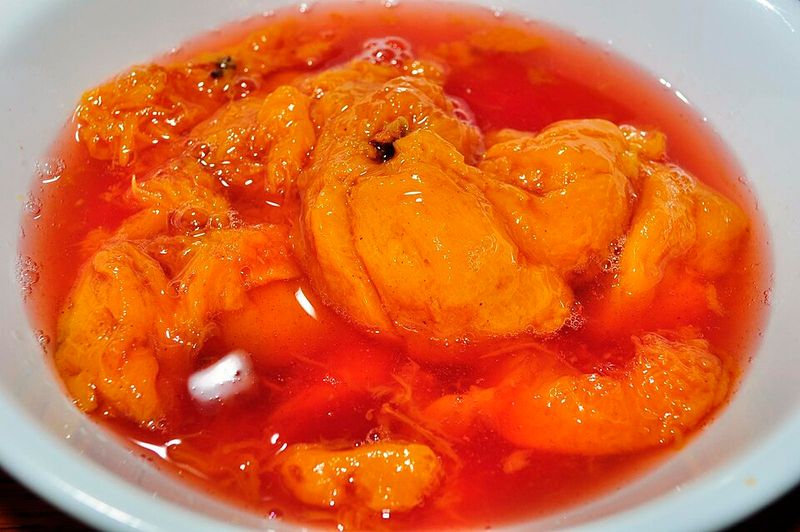
Summer could be saved in a jar, and pickled peaches proved it. Southern pantries often held rows of them by November.
Before most homes had a good refrigerator, canning was how families kept fruit for winter. Spiced fruit recipes filled American cookbooks in the 1800s and early 1900s.
Peaches were a favorite choice. Cooks peeled firm fruit and simmered it in vinegar, sugar, cinnamon sticks, and whole cloves.
Each peach often got a clove or two pushed right into it. Then the fruit went into sterilized jars to rest for weeks.
At the holiday table, they worked like a relish. A sweet and sour bite cut through turkey, ham, and heavy gravy.
Home canning also carried pride. During World War II and the years after, a full pantry showed a well-run household.
That changed as supermarkets stocked fresh fruit all year. Fewer people learned to can, and jars of homemade pickled fruit slowly disappeared.
You can still find pickled peaches in some Southern stores and farm stands. For a quick version, simmer canned peach halves with vinegar and spices, then chill them overnight.
4. Savory Jell-O Molds (Aspic)
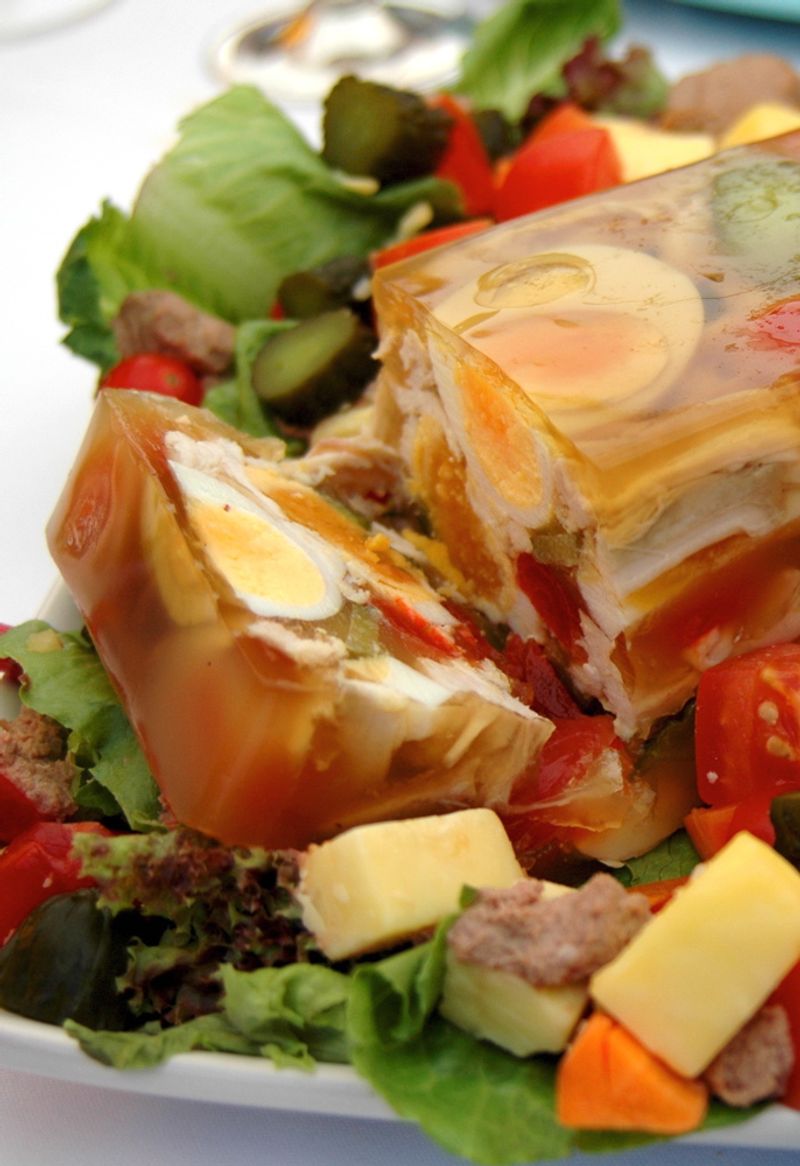
Tuna suspended in lime gelatin sounds like a dare. In 1955, plenty of hosts called it elegant.
Aspic is much older than boxed gelatin. Cooks in the 1300s used jelly from boiled bones to coat meat and keep air out.
Making that jelly took hours, so aspic stayed a fancy dish for centuries. Packaged gelatin arrived in the 1890s and changed everything for home cooks.
By the 1920s, a large share of cookbook salad recipes used gelatin. Tomato aspic was one of the most popular.
The craze peaked after World War II. Home refrigerators made chilling easy, and food companies pushed creative mold recipes in magazines.
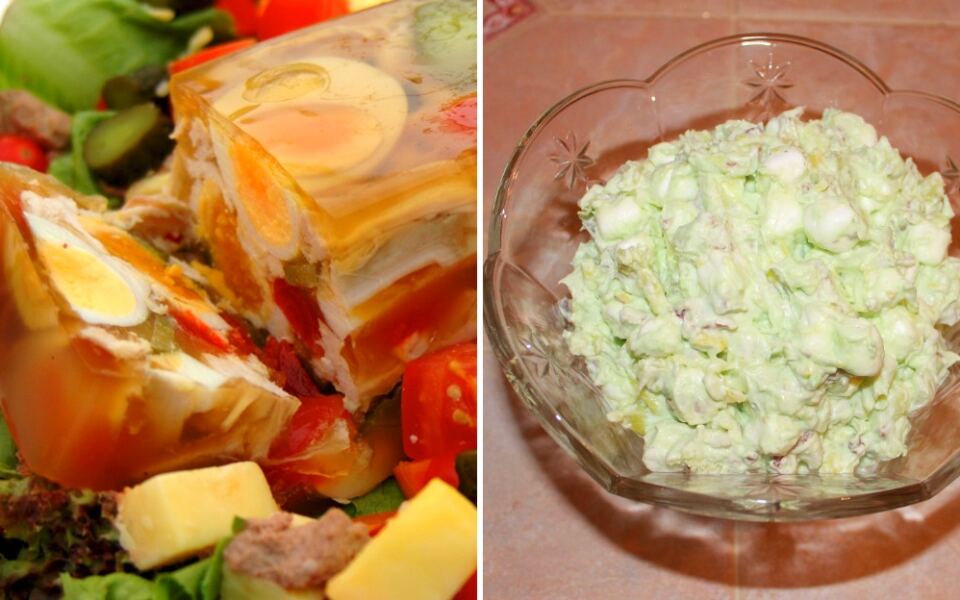
Hosts layered tuna salad, olives, hard-boiled eggs, cucumber, and even leftover turkey inside decorative molds. Some recipes mixed lime gelatin with mayonnaise.
A tall, layered ring on the buffet showed real skill. Unmolding it in one piece was a test that many cooks remember clearly.
By the 1970s, interest fell fast. People wanted fresher food, and boxed gelatin tasted plain compared to old homemade stocks.
Now savory molds mostly appear as party jokes. Still, a good tomato aspic made with real juice and herbs can surprise a skeptic.
5. Watergate Salad (Pistachio Fluff)
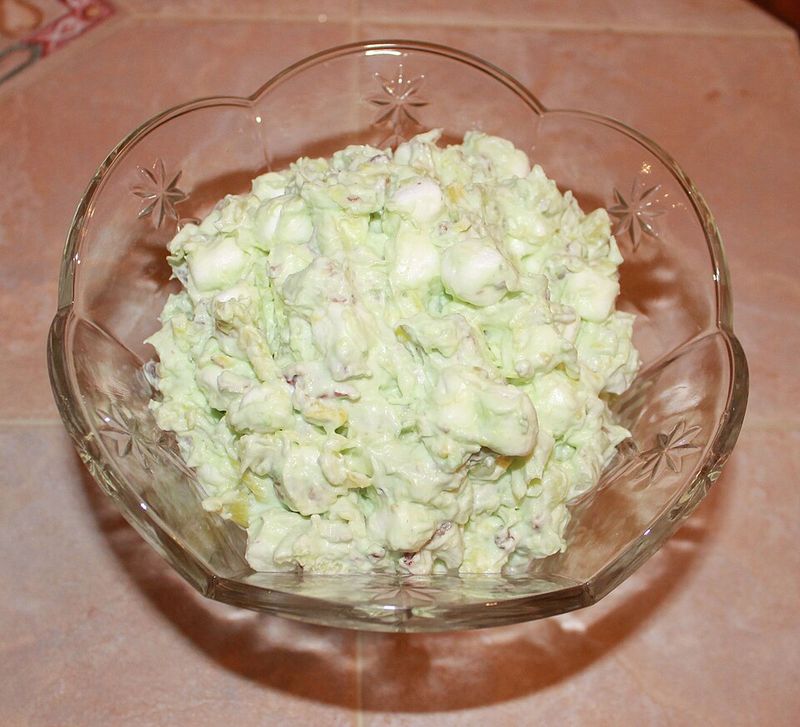
Few side dishes share a nickname with a political scandal. Pistachio fluff pulled it off in the 1970s.
The recipe is short. Mix pistachio instant pudding, crushed pineapple with its juice, whipped topping, mini marshmallows, and chopped pecans.
Kraft launched pistachio pudding mix in 1976. Its boxes first printed a version called Pistachio Pineapple Delight.
So where did the Watergate name come from? Nobody knows for sure.
One story credits a Chicago food editor. Another says people simply joked about it at parties.
Kraft did not use the Watergate name officially until 1993.
Whatever its label, the salad spread quickly. It needed no cooking, cost little, and turned a bright minty green that stood out on any buffet.
Children loved it, which made it a smart choice for big family dinners. Community cookbooks from the late 1970s and 1980s are full of versions.
Tastes moved toward whole foods later on. Instant mixes and tubs of topping lost their modern appeal, and the fluff slipped into the retro category.
Here is a tip if you make it today: fold in real whipped cream. The color stays, and the flavor improves.
6. Cranberry Jelly (from a can, ridged)
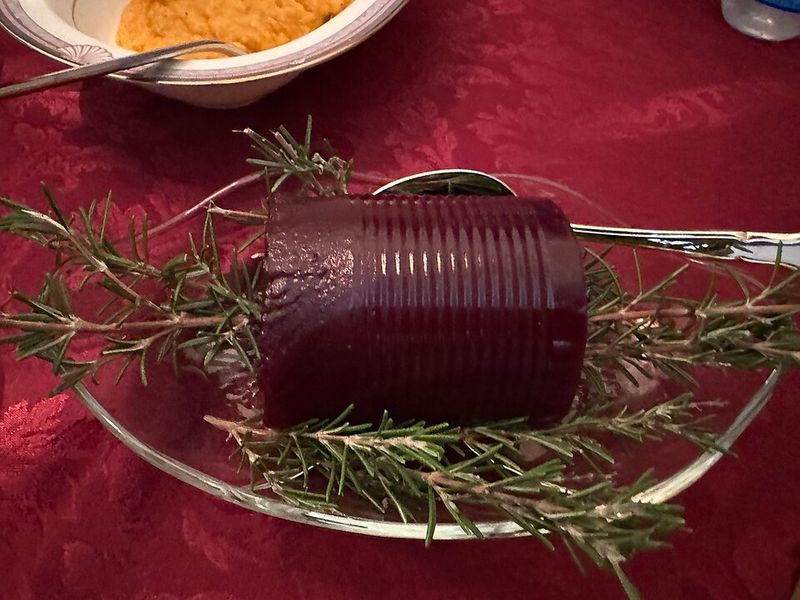
Some families judged a good Thanksgiving by one detail: did the cranberry jelly slide out with every ridge intact?
Cranberries are native to North America, and colonists served them with meat by the 1700s. Canning came much later.
Marcus Urann, a Massachusetts lawyer turned grower, began canning cranberry sauce in 1912. His work led to the cooperative that became Ocean Spray.
The jellied version took off fast. Opening one can saved busy cooks an hour of stirring on a crowded stovetop.
For Boomers, that shape was the sauce. Hosts sliced it into neat rounds using the can lines as a guide.
It also kept well in the pantry. Families could buy it weeks ahead, a real help for a huge meal.
Younger cooks now often make whole berry sauce from fresh fruit. Orange zest, ginger, or cinnamon are common add-ins.
Even so, the canned log has not vanished. Ocean Spray still sells tens of millions of cans each holiday season.
Here is a fun trick: open both ends of the can. Push gently, and the jelly slides out without a struggle.
7. Green Bean Casserole (Original Recipe)
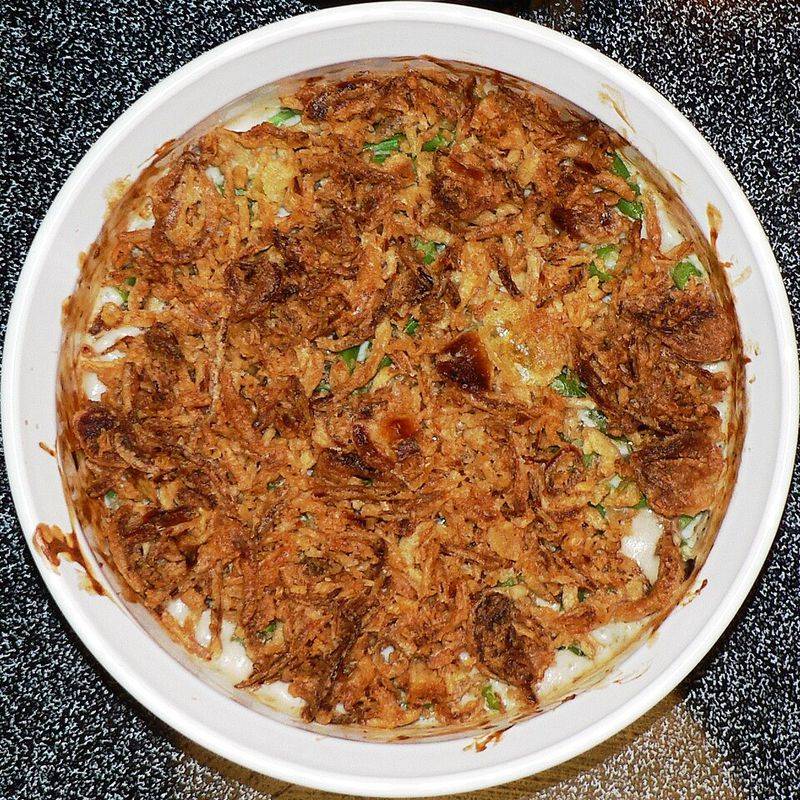
One test kitchen worker in New Jersey changed millions of holiday dinners. Her name was Dorcas Reilly.
In 1955, Reilly worked as a home economist at Campbell’s. She built a quick side using green beans, cream of mushroom soup, milk, soy sauce, and French fried onions.
It was first called Green Bean Bake. The goal was an easy weeknight dish using things most people already owned.
Campbell’s had sold cream of mushroom soup since 1934. Printing the casserole recipe on the can sent it into kitchens everywhere.
The dish needed about ten minutes of prep. Cooks could also make it a day early, which helped on a crowded holiday.
Campbell’s later estimated it appears at around 20 million Thanksgiving dinners each year. In 2002, Reilly’s original recipe card went to the National Inventors Hall of Fame.
So why is it on this list? The casserole survives, but the original version is getting rare.
Many younger cooks swap in fresh beans, homemade mushroom sauce, and shallots they fry themselves. The canned classic now competes with fancier takes.
For true Boomer flavor, follow the label recipe exactly. Soy sauce is the step people forget.
8. Chiffon Pie (e.g., Pumpkin Chiffon Pie)
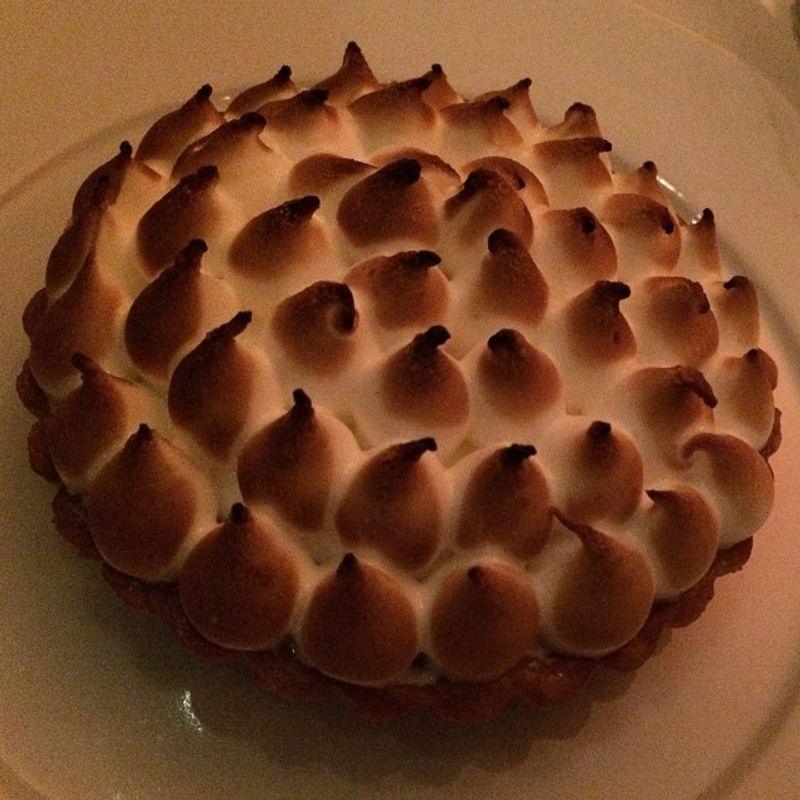
Picture a pumpkin pie that someone filled with air. Pumpkin chiffon pie was that light, tall, mousse-like dessert.
Chiffon pies became popular in the 1930s. Packaged gelatin made it possible for home bakers to set a fluffy filling without fuss.
The name fits. Chiffon is a thin, light fabric, and the pies matched that idea.
Lemon and chocolate versions were common. Around the holidays, pumpkin chiffon became the star.
Making one took several steps. Bakers cooked a spiced pumpkin custard with gelatin, cooled it, then folded in beaten egg whites or whipped cream.
The filling went into a pre-baked crust and chilled for hours. The result stood taller than a regular pumpkin pie.
Many families liked it after a heavy meal. It felt less filling, so people had room for a second slice.
Cooks from the 1930s through the 1960s often served it beside the classic custard pie. Some picked it instead.
Over time, the steps seemed like too much work. Separating eggs and timing the gelatin turned off busy cooks.
If you bake one now, use pasteurized egg whites. They whip well and are safer to serve.
9. Celery Victor
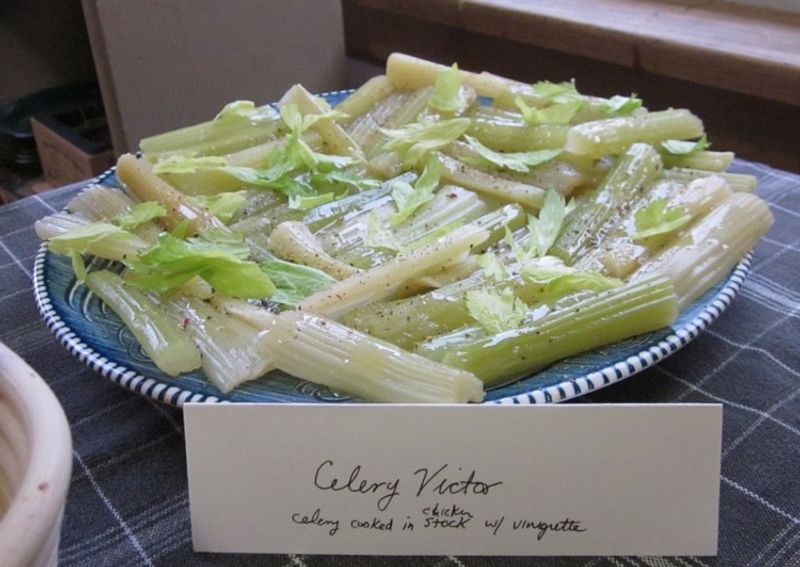
San Francisco gave Thanksgiving a celery dish with a chef’s first name attached. Celery Victor debuted in 1910.
Victor Hirtzler was head chef at the St. Francis Hotel. He is also linked to Crab Louis, another West Coast classic.
His celery idea was simple but careful. Celery hearts simmered in rich stock until tender, then cooled completely.
Next came a vinaigrette with olive oil, tarragon vinegar, and chopped herbs. The celery soaked in it for hours.
Plates were finished with lettuce, pimento strips, sliced egg, and sometimes anchovies. It looked neat and refined.
Cookbooks and magazines spread the recipe in the 1920s and 1930s. Dinner party hosts still served it into the 1960s.
On holiday menus, it worked as a cold first course. That fit an era when meals often came in several formal stages.
Later, salads moved toward mixed greens and bold dressings. Braising celery for a cold starter took time few cooks wanted to spend.
Anchovies also lost fans with younger diners. The dish slowly vanished outside of old hotel menus.
Still, it makes a smart make-ahead side. Prep it the day before and free up the oven.
10. Spiced Crab Apples
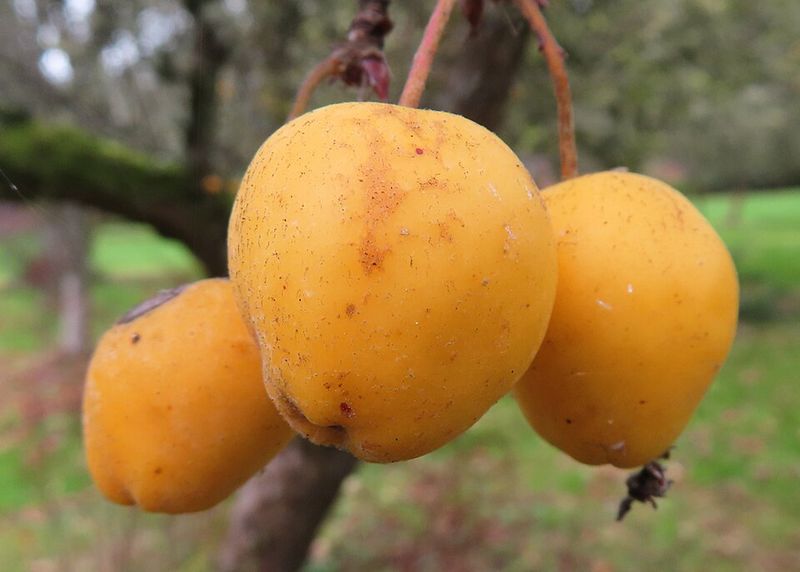
Tiny, red, and still wearing their stems, spiced crab apples looked like table decorations. Many guests did not realize they were meant to be eaten.
Crab apples grow wild across North America. They are too sour to enjoy raw, so cooks turned them into jelly and preserves.
Spicing them whole became a fall tradition. Cooks pricked each apple with a fork so the skin would not split.
The fruit then simmered in vinegar, sugar, cinnamon, and cloves. After that, it was packed into jars with the syrup.
In the mid-1900s, many yards had a crab apple tree. Families used the free fruit instead of letting it fall.
At Thanksgiving, the apples sat on relish trays or right beside the turkey. Their sharp taste played the same role as cranberry sauce.
Commercial jars were also common in grocery stores. Brands sold them as a holiday item for decades.
Fewer people pick crab apples now. Many newer trees are planted for flowers, not fruit.
Home canning also shrank. So most younger people have never seen one on a plate.
Got a tree nearby? One batch is easier to make than you think.
11. Candied Sweet Potatoes with Pineapple
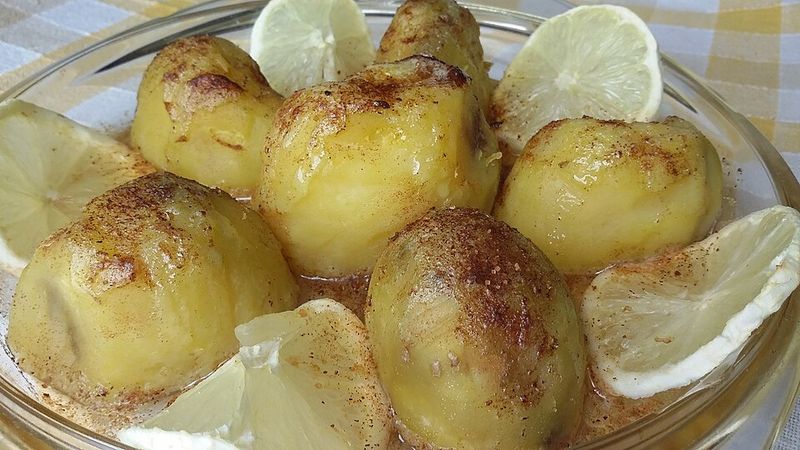
Marshmallows get most of the sweet potato attention. Pineapple once had a strong claim on that dish too.
Sweet potatoes were a staple in the South for generations. Cooks often baked them with butter, sugar, and spice.
Canned pineapple changed things. James Dole’s company in Hawaii made it cheap and common across the mainland by the 1920s.
Food companies pushed pineapple into all kinds of recipes. Sweet potatoes were an easy match.
The Boomer version usually went like this. Boiled sweet potato slices were layered with pineapple rings or crushed pineapple.
Brown sugar, butter, and a little pineapple juice went on top. The pan baked until the syrup turned thick and sticky.
The fruit added tang that cut the sweetness a bit. It felt less like dessert than the marshmallow kind, though not by much.
Over time, marshmallow toppings won in most homes. Many younger cooks also choose savory versions with herbs or a little chili.
The pineapple recipe now lives mainly in old church cookbooks. Some families still make it as their main sweet potato side.
To modernize it, use fresh pineapple and cut the sugar by half.
12. Homemade Mincemeat Pie
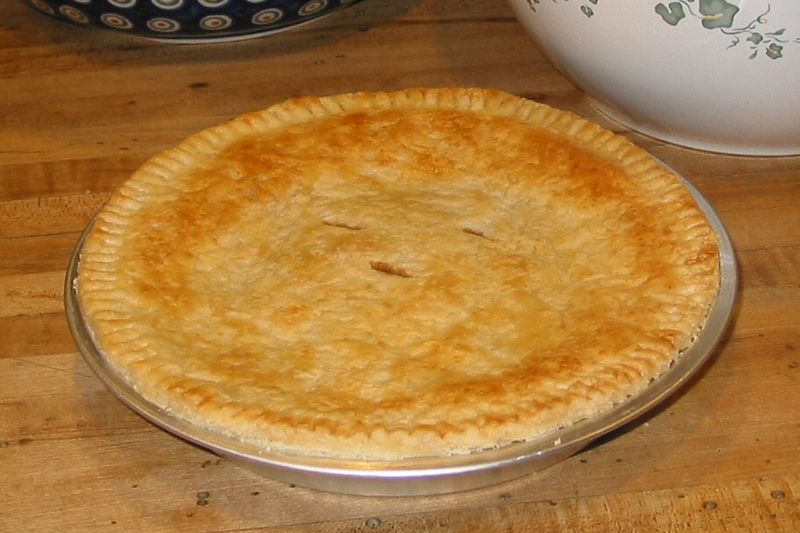
Mincemeat pie confuses younger eaters right away. Is there meat in it or not?
The honest answer is: it depends on the year. Medieval English recipes used chopped beef or mutton mixed with fruit and spice.
Spices and sugar helped keep meat longer. Over centuries, the meat shrank, and fruit took over.
Beef suet often stayed in the recipe. Apples, raisins, currants, and candied citrus peel filled the rest.
English settlers brought the pie to America. By the 1800s, it was a common Thanksgiving and Christmas dessert.
For many Boomers, it came from parents or grandparents who made the filling weeks early. The mixture sat in crocks to let flavors blend.
Brands like None Such sold jarred mincemeat too. That made the pie easier for busy cooks in the mid-1900s.
Younger diners often skip it. The name scares people off, and the strong spice is not for everyone.
Pumpkin and pecan pies also took over the dessert table. Mincemeat slowly moved to the back.
Curious? Try a small tart first.
A scoop of vanilla ice cream helps first-timers warm up to it.
Share this story