
Even the smartest people in the room can get the future completely wrong. History is packed with brilliant scientists, inventors, executives, and thinkers who looked at a new technology and said, “That will never work.” Some of these predictions came from genuine experts with solid reasoning behind them.
Others were just plain overconfident. What makes these moments so fascinating is that the people who got it wrong were not uninformed or careless.
They were often at the top of their fields. Reading their predictions today can feel almost comical, but it also serves as a real reminder that predicting where technology is headed is genuinely hard.
The world has a way of surprising even the sharpest minds. So grab a seat and get ready to cringe, laugh, and maybe feel a little better about your own wrong predictions.
Clifford Stoll Thought the Internet Was Overhyped
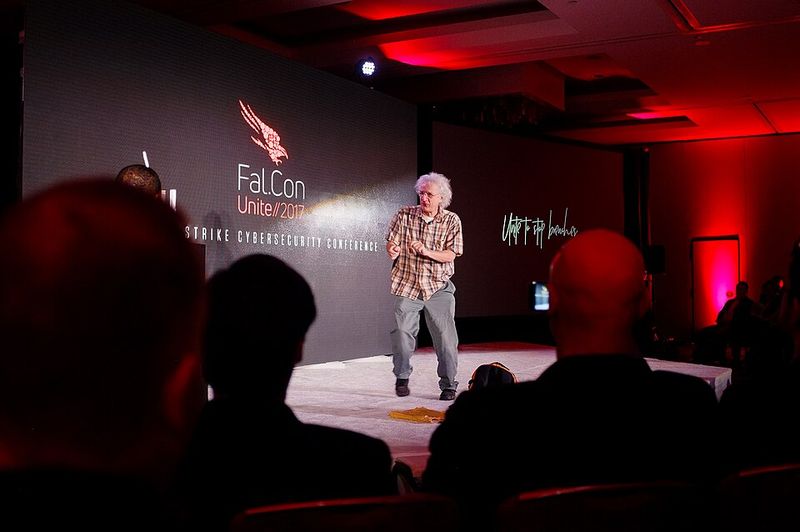
Back in 1995, astronomer and author Clifford Stoll published a now-famous Newsweek essay that confidently declared the internet would not become the world-changing force that tech enthusiasts were predicting. He argued that online databases would not replace newspapers, that virtual classrooms would fail to transform education, and that digital networks would not reshape everyday life in any meaningful way.
Reading that essay today is a strange experience. The internet did not just survive the skeptics.
It became the foundation of modern civilization. News, banking, education, entertainment, shopping, government services, and social connection all moved online at a scale that would have sounded like science fiction in 1995.
To Stoll’s credit, some of his concerns about online misinformation and shallow communication now sound surprisingly relevant. But as a forecast about whether the internet would matter at all, the essay missed the mark in a way that few predictions have matched since.
Bill Gates and the Famous 640K Memory Quote

Few bad tech predictions get repeated as often as this one. The quote usually goes something like: “640 kilobytes of memory should be enough for anyone.” It has been attributed to Bill Gates since at least the early days of personal computing, and it shows up constantly in lists like this one.
Here is the problem: the quote is almost certainly not real. Gates has denied saying it repeatedly, and researchers at Quote Investigator have noted that no solid original source exists to back up the attribution.
Computerworld has also pointed out the lack of reliable evidence connecting the statement to Gates directly.
The prediction itself aged terribly, of course. Modern smartphones, laptops, and gaming systems use memory measured in gigabytes, not kilobytes.
But accuracy matters, and this item belongs on the list with a clear warning: it is more famous tech myth than confirmed statement. Still, someone out there believed it, and that alone tells a story.
Steve Ballmer Doubted the iPhone

When Apple unveiled the iPhone in January 2007, Microsoft CEO Steve Ballmer did not hold back his skepticism. He mocked the device’s high price point, questioned its chances of winning real market share, and pointed out that it had no physical keyboard, which was considered a serious drawback for business users at the time.
Ars Technica covered his remarks, including the now-infamous “no chance” comment, and the quote has been replayed ever since as one of the most confident wrong calls in tech history. Ballmer was not entirely unreasonable.
Business phones with physical keyboards were popular, and Apple was entering a market where companies like Nokia and BlackBerry had years of experience.
But the iPhone rewrote what people expected from a phone entirely. It became the camera, the map, the music player, the browser, and the payment tool all in one device.
Few products have reshaped daily life as completely, which makes Ballmer’s early dismissal all the more striking to look back on.
Mary Somerville Reportedly Thought Television Would Not Last

In 1948, BBC radio figure Mary Somerville reportedly dismissed television as a flash in the pan, suggesting it would not survive as a lasting medium. The quote shows up in Wired roundups of famous failed predictions, though the primary sourcing is not as airtight as some other examples on this list.
The prediction is still worth examining because it reflects how easy it was to underestimate television before it became culturally dominant. Radio had already proven itself as a powerful mass medium.
Television required expensive equipment, new production methods, broadcast infrastructure, and a complete shift in audience habits. Calling it a gimmick was not an unreasonable reaction in 1948.
But television did last, and then some. It transformed politics, advertising, sports coverage, news delivery, and family routines throughout the 20th century.
Even today, its core appeal lives on through streaming services, smart TVs, and online video platforms that reach billions of people every single day.
Alex Lewyt Predicted Nuclear-Powered Vacuum Cleaners

In 1955, Alex Lewyt, president of the Lewyt vacuum cleaner company, reportedly predicted that nuclear-powered vacuum cleaners would be a reality within ten years. The quote is commonly tied to a 1955 New York Times mention and has been repeated by sources including the University of Surrey physics blog.
It sounds ridiculous now, but the 1950s were a strange and genuinely optimistic time for atomic energy. Nuclear power was being promoted as the clean, limitless energy source of the future.
People imagined nuclear ships, nuclear aircraft, and nuclear-powered homes as reasonable next steps in technological progress.
Vacuum cleaners did improve dramatically over the following decades, just not through tiny household reactors. Better motors, lighter materials, cordless batteries, improved filtration systems, and eventually robotic designs all moved the category forward.
This prediction was not just wrong. It was a perfect time capsule of an era when nuclear power seemed ready to enter every corner of ordinary domestic life.
Western Union Reportedly Dismissed the Telephone

The story goes that Western Union passed on buying Alexander Graham Bell’s telephone patent in 1876, allegedly because an internal memo described the device as having too many shortcomings to be seriously considered as a communication tool. The quote is widely circulated, though the sourcing depends more on repeated attribution than on a clearly displayed original document.
Even with that caution, the broader story holds up in spirit. The telephone was a genuinely disruptive invention that challenged everything Western Union had built around the telegraph business.
Early telephones were imperfect, limited in range, and probably easy to dismiss if your entire operation ran on telegrams.
History moved fast after that. The telephone became one of the most important communication tools ever developed, eventually leading to landlines, mobile phones, smartphones, and internet-based voice calls.
The lesson here is timeless: established industries often struggle to recognize technologies that threaten the very business model they depend on.
Richard Woolley Called Space Travel Utter Bilge

In January 1956, British Astronomer Royal Richard van der Riet Woolley made dismissive comments about space travel that included the memorable phrase “utter bilge.” Time magazine reported his skeptical remarks, in which he questioned whether governments would spend the enormous sums required to make interplanetary travel a reality.
The timing could not have been worse for his prediction. The Soviet Union launched Sputnik just one year later in 1957, kicking off a space race that moved faster than almost anyone had anticipated.
NASA’s Apollo 11 mission landed humans on the Moon in July 1969, just thirteen years after Woolley’s dismissal.
To be fair, his concerns were not entirely without logic. Space travel did require staggering national investment, exactly as he worried.
But what he underestimated was how much political will, national pride, and scientific ambition could override those cost concerns in a matter of years. Sometimes the “impractical” becomes inevitable when the right motivations align.
Dionysius Lardner and the Train Asphyxiation Myth
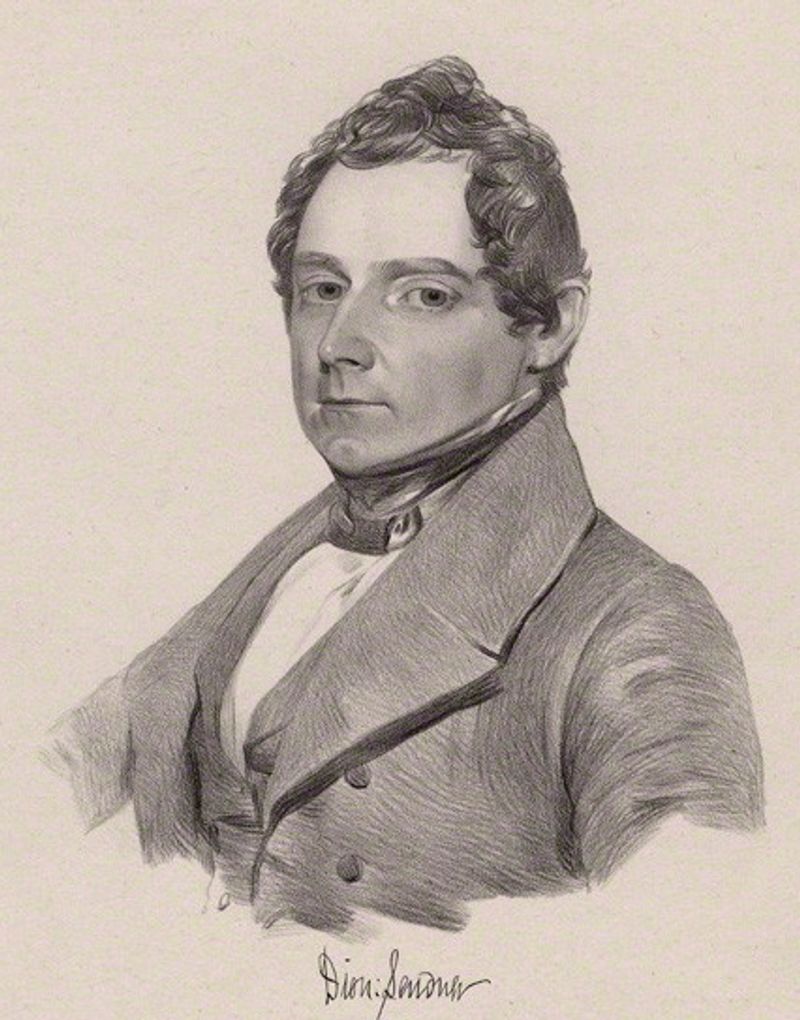
The prediction credited to scientist Dionysius Lardner claims he warned that high-speed rail travel would be impossible because passengers would suffocate at such velocities. It is one of the more dramatic entries in any collection of bad technology forecasts, and it has been repeated widely for generations.
There is a significant catch. Wikiquote notes that the quote lacks known citations before 1980 and does not appear in Lardner’s published works.
So this one sits firmly in the category of famous misattributed or at least poorly sourced predictions, rather than a confirmed statement from the man himself.
Even so, the idea reflects something real about the early railway age. Trains were loud, mechanical, and genuinely unsettling to people who had never experienced speed beyond a galloping horse.
Fear of physical harm from fast travel was not entirely irrational at the time. Today, high-speed rail operates safely across dozens of countries, making the asphyxiation concern feel almost charming in hindsight.
Early Critics Thought the iPod Would Not Take Off
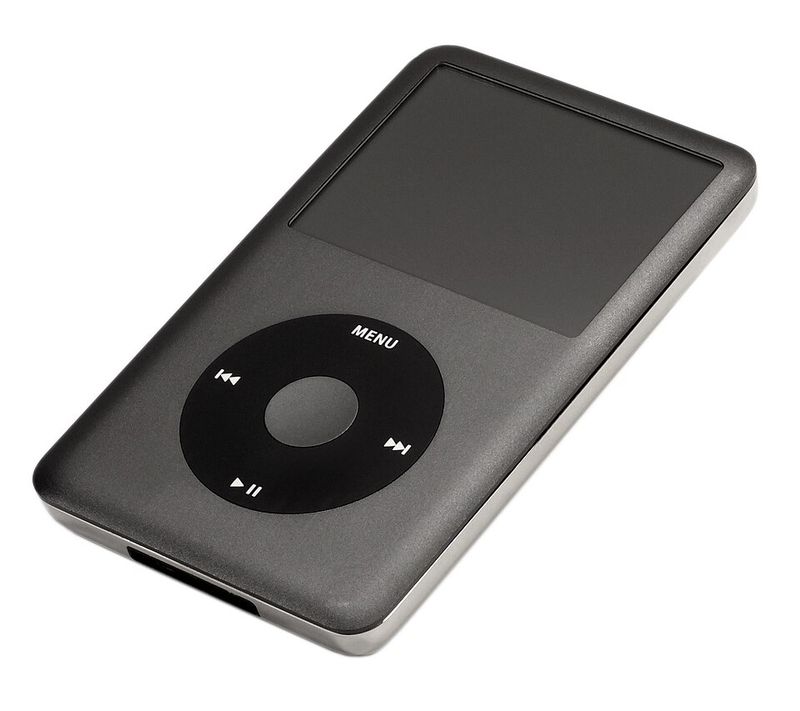
When Apple launched the iPod in October 2001, the reaction from tech observers was far from enthusiastic. The device was expensive, initially limited to Mac users, and did not look obviously revolutionary to people who were already used to portable music players with more storage options at lower prices.
Slashdot founder Rob Malda posted what became the most famous early criticism: “No wireless. Less space than a Nomad.
Lame.” From a raw specifications standpoint, the comment was not completely wrong. But it missed what Apple was actually selling, which was not a spec sheet but a smoother, simpler experience for managing and carrying music.
The iPod became a cultural landmark. It helped redefine Apple’s identity as a consumer electronics company and laid important groundwork for the iPhone that followed six years later.
The real lesson from the iPod’s critics is that the best product is not always the one with the most impressive numbers on paper.
Ferdinand Foch Reportedly Saw Airplanes as Militarily Useless

French military leader Ferdinand Foch is widely quoted as having called airplanes interesting toys with no military value, a statement often dated to around 1911. LibQuotes cites the quote as appearing in Coronet in August 1914, while Wikiquote lists it as a sourced but later-reported remark, meaning the exact wording may have shifted over time.
Whether or not the phrasing is perfectly preserved, the prediction aged badly in a very public way. Aircraft went from novelty to necessity within years of Foch’s reported skepticism.
World War I saw planes used for reconnaissance, then bombing runs, then air-to-air combat. By the mid-20th century, air power had become one of the defining forces in military strategy worldwide.
The broader point the prediction illustrates is genuinely useful. New technologies often look like toys before they become tools.
Early airplanes were fragile, unreliable, and dangerous. Military value rarely arrives fully formed.
It develops as engineers improve the technology and commanders discover new ways to deploy it.
Charlie Chaplin Reportedly Called Cinema a Fad

A 1916 quote attributed to Charlie Chaplin claims he believed cinema was little more than a passing fad and that audiences truly wanted live theater over motion pictures. The line shows up across quote collections including AZQuotes, though the primary sourcing is not as solid as historians might prefer.
If Chaplin did say it, the irony is almost too perfect to believe. He became one of cinema’s most defining figures.
His character The Tramp remains one of the most recognizable images in film history, and his work helped demonstrate that movies could carry genuine emotion, humor, political commentary, and lasting artistic value.
The quote also makes contextual sense. In the early 20th century, live theater carried real cultural prestige.
Film was younger, technically limited, and sometimes dismissed as cheap entertainment for mass audiences. Cinema grew into one of the most powerful storytelling forms ever developed, and if Chaplin doubted it early, he spent his career proving that doubt completely wrong.
Ken Olsen Saw No Reason for a Computer in the Home
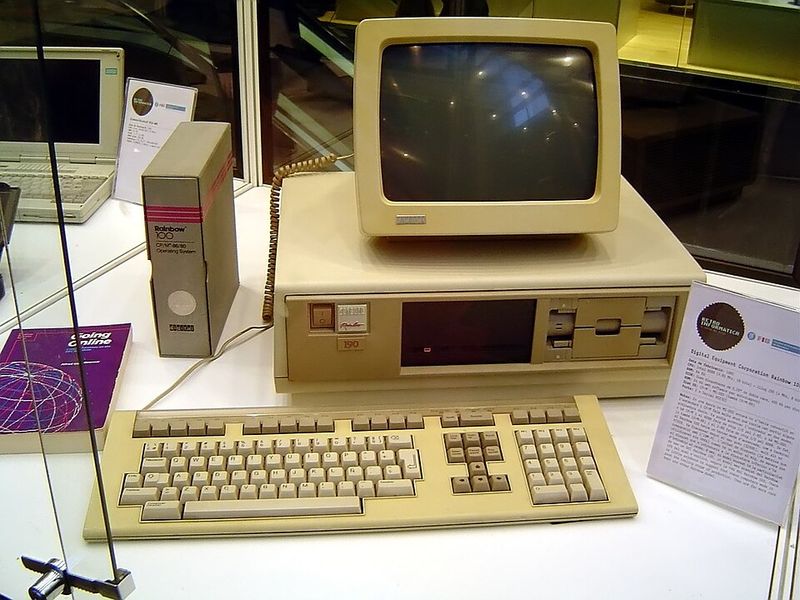
In 1977, Ken Olsen, founder of Digital Equipment Corporation, reportedly said there was no reason for any individual to have a computer in their home. The quote has become one of the most cited examples of a tech insider failing to see where personal computing was heading.
Quote Investigator adds important context here. Olsen’s remark was connected specifically to the idea of a home computer controlling household functions automatically, not necessarily a blanket rejection of personal computers in general.
That nuance matters, but it does not fully rescue the prediction from the historical record.
Home computers became central to work, school, communication, creativity, and entertainment. Then laptops, tablets, smartphones, smart speakers, and connected devices pushed computing even deeper into everyday life.
Olsen was not unintelligent. He was one of computing’s major figures.
His mistake was imagining the computer mainly through the institutional world he already knew, and missing how powerfully the technology would land once it reached ordinary people at home.
Share this story