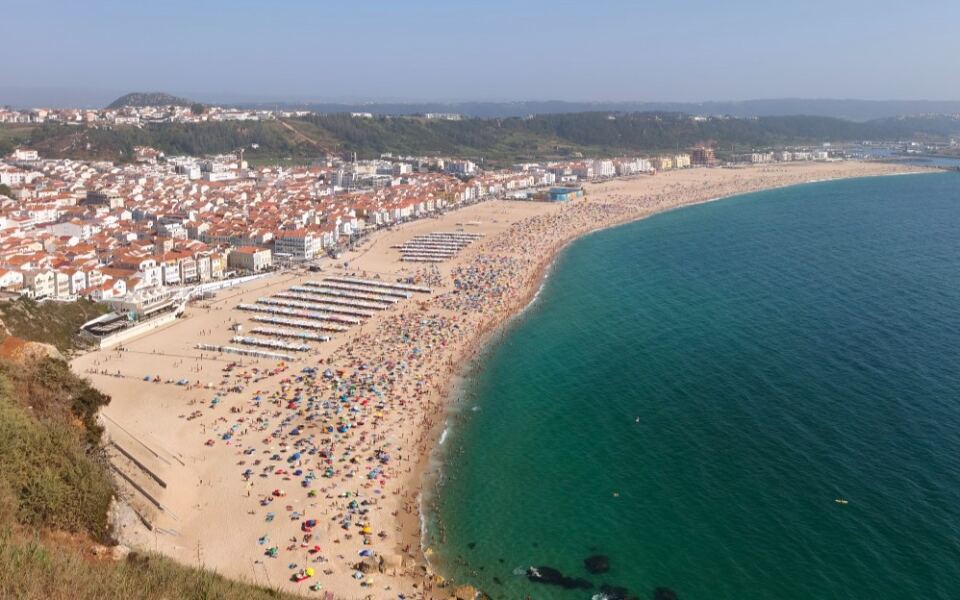
A beach photo can make any shoreline look like the perfect place to relax. Golden sand, blue water, and soft light hide the fact that some coasts come with rules that matter.
Official park, tourism, and safety agencies have posted clear guidance for the beaches on this list. Some have strong rip currents, some have heavy shorebreak, and some share the coast with sharks, crocodiles, or jellyfish.
None of them are off limits for visitors. They just work best when you know what you are looking at before your toes hit the sand.
Here are fifteen famous shorelines and the smart ways to enjoy each one.
Ocean Beach, San Francisco, California
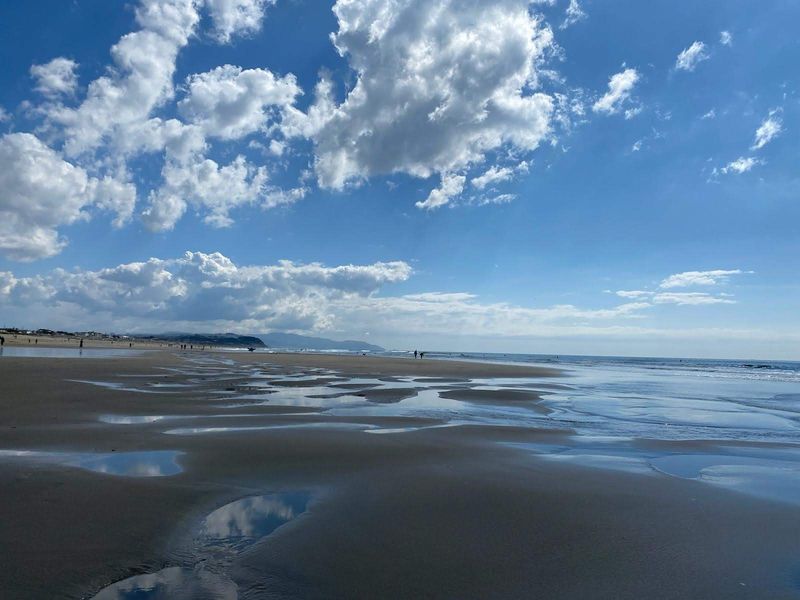
Miles of open sand and big Pacific views make this a favorite for sunset walks. The National Park Service is unusually blunt about the water, though.
It says swimming is never considered safe here.
Even wading can be risky. Tides are hard to predict, and strong rip currents can pull people away from shore.
The water is also cold, which makes trouble worse for anyone swept into deeper areas.
None of that means you should skip the place. Ocean Beach is a well-used recreation area, and it is great for walking, watching the surf, and catching the sky change colors in the evening.
The trick is to treat it as a dry-sand destination. Keep your feet out of the waves, bring a jacket, and let the ocean put on its show from a safe distance.
That approach gives you the best of the beach without the danger.
Monastery Beach, Carmel, California
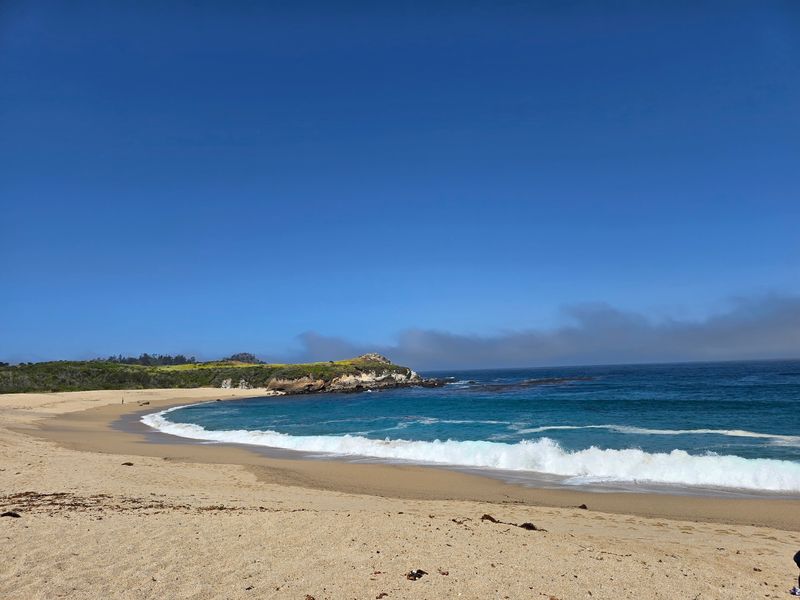
Few beaches are as beautiful and as blunt about safety as this one. California State Parks warns that swimming, wading, and even walking close to the water can be extremely dangerous.
The beach is steep, so waves can surge suddenly up the sand.
Strong currents and cold water add to the risk for anyone who gets knocked down. The site has a sad history of serious incidents over the years.
Patrols and lifeguard infrastructure have improved safety, yet they do not make the water harmless.
Monastery Beach is part of Carmel River State Beach and remains open. It is also popular with experienced scuba divers who know the conditions well.
For most visitors, the best plan is simple. Stay well back from the waterline, enjoy the scenery from higher sand, and leave the water to the trained divers.
Black’s Beach, San Diego, California
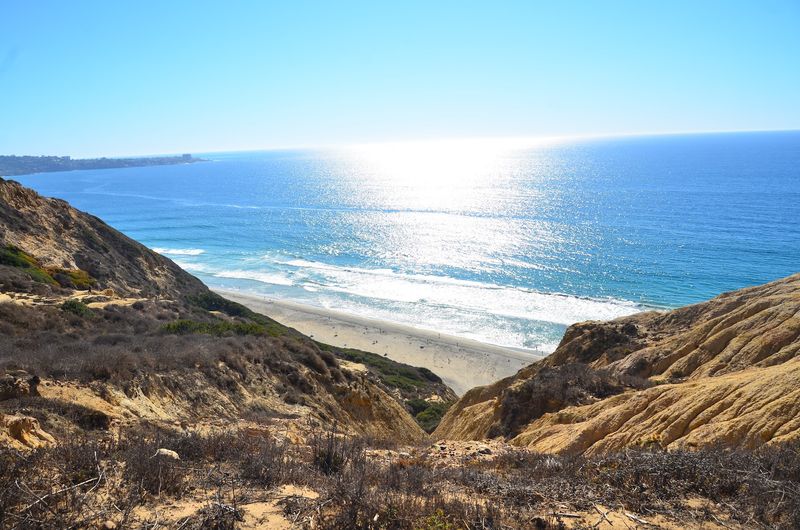
Here the risk hangs over your head. Black’s Beach is a two-mile stretch of sand below cliffs that reach roughly 300 feet.
San Diego officials warn that those cliffs are unstable and can slide without warning.
Getting down can be a challenge too. Some access routes use steep, unimproved trails.
High tides and surf can also make it tricky to walk in from neighboring beaches.
On the bright side, Black’s has permanent lifeguard coverage. It remains a popular spot for surfers and beachgoers who like a wide, roomy shoreline.
The main rule is easy to remember. Stay well away from the base of the cliffs.
That shady wall of rock may look like a handy place for a towel, but it is not the place to settle in.
South Beach, Point Reyes, California
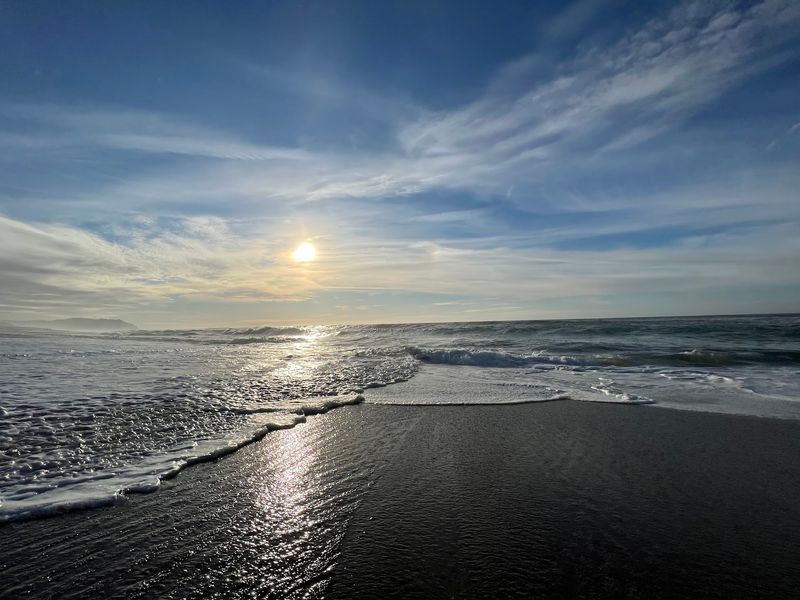
Wild coastline is the whole appeal at Point Reyes National Seashore, and South Beach shows it off well. The National Park Service says the large surf makes it unsafe to play near the waterline, never mind swim.
Sneaker waves are a real concern here. They can run unexpectedly far up the sand and have pulled visitors into the ocean.
Rip currents and water temperatures that can drop to around 50°F, or 10°C, add to the danger.
The beach is still open for people who want to watch the powerful Pacific at work. It is a fine spot for a long look at the waves.
Officials strongly recommend keeping a considerable distance from the breaking surf. Pack a windbreaker, keep your eyes on the water, and let the ocean stay at arm’s length.
New Smyrna Beach, Florida
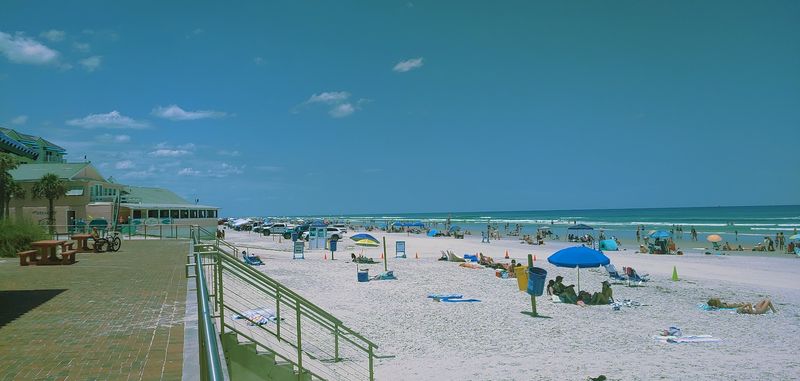
Surfers flock to this stretch of Florida coast, yet it holds a record of another kind. The Florida Museum of Natural History’s International Shark Attack File points to Volusia County, and New Smyrna Beach in particular, for the highest consistent yearly number of shark-human interactions in the world.
Before that sounds scary, consider the details. Most recorded bites are minor and involve smaller coastal sharks such as blacktips.
They look nothing like the movie versions.
Researchers link the numbers to murky water, large crowds of surfers and swimmers, and plenty of marine life close to shore.
The beach stays busy, so the statistics work best as a reason to be aware rather than a reason to panic. Swim with care, stay alert, and keep in mind that you share the water with wildlife.
Sandy Beach, Oahu, Hawaii
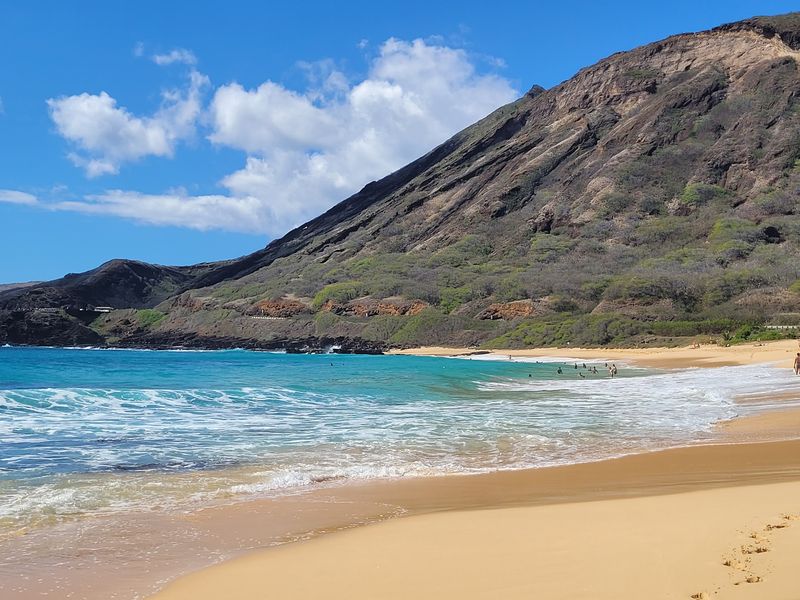
Watch the waves here and you will see why experts show up. Sandy Beach attracts experienced bodyboarders and bodysurfers, but Hawaii tourism officials warn visitors about its powerful shorebreak.
Waves can break directly onto shallow sand with enough force to cause serious neck, back, and spinal injuries. Hawaii Ocean Safety explains that strong shorebreak can be dangerous even when the waves do not look especially large.
The beach currently has lifeguard coverage seven days a week. That is an important safety layer, but it does not remove the hazard.
If you are new to local conditions, avoid copying the locals just because others are in the surf. Those people have years of practice.
A visit from the sand can be just as fun, and the show is free.
Waimea Bay, Oahu, Hawaii
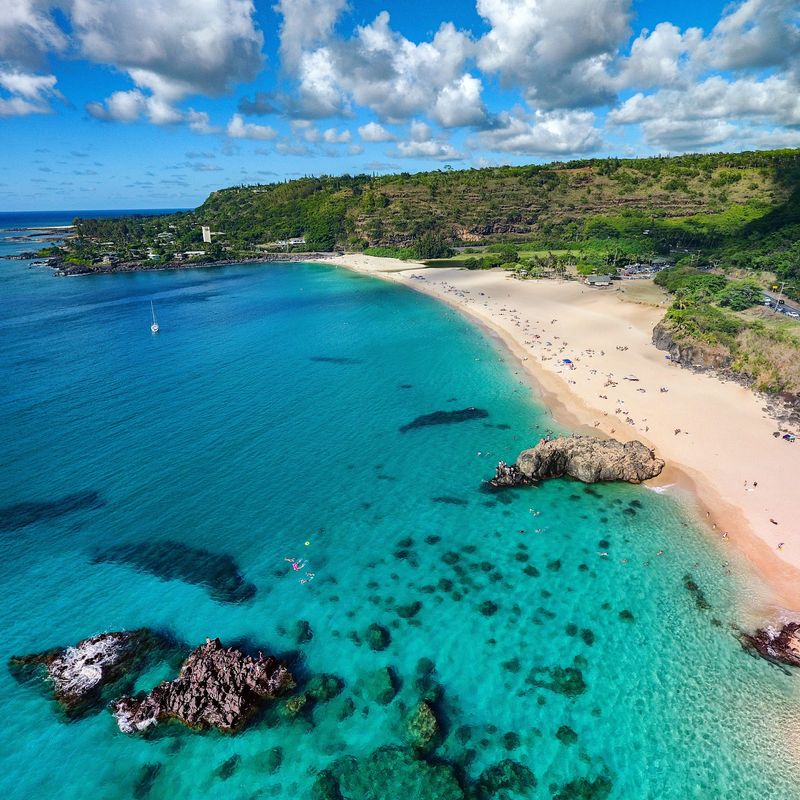
Two different beaches share this one bay. In calm summer conditions the water can look inviting.
Winter is another story, when North Pacific storms send huge swells to Oahu’s North Shore.
Hawaii Ocean Safety says Waimea Bay is regularly hit by high surf and powerful shorebreak in winter. Those conditions can be unsuitable even for strong swimmers.
The bay is actively managed and has daily lifeguard coverage. Watching the giant surf from a safe distance is an attraction all on its own.
Check conditions each day before you go. A photo taken in July tells you very little about a January morning.
When the waves are big, plan to enjoy the view from the sand and keep your swim for a calmer day.
Makena Beach, Maui, Hawaii
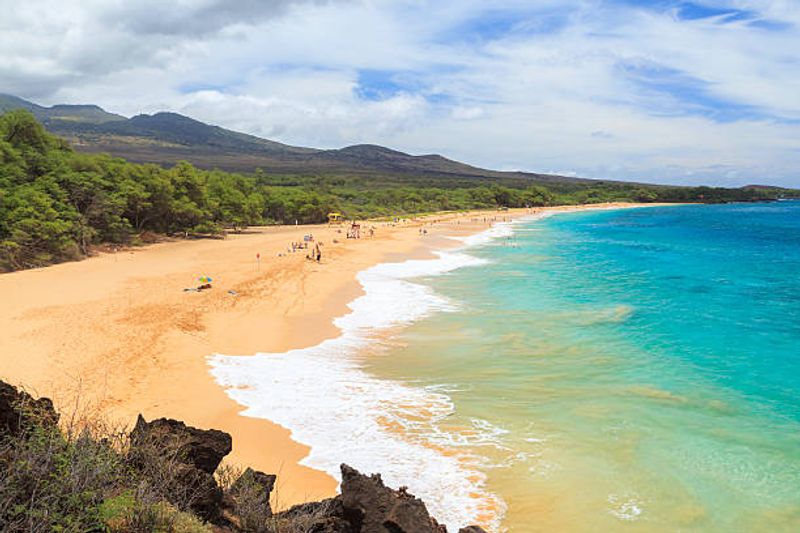
Broad and golden, Big Beach makes its risk easy to miss. Hawaii Ocean Safety notes that from 2009 through 2017, Makena recorded more spinal cord injuries than any other beach in the state.
The cause is its powerful shorebreak. Waves can slam swimmers or bodysurfers into the sand.
Hawaii safety officials stress that these injuries can happen even in fairly modest waves. The reason is the sudden change from deep water to a shallow shoreline.
Makena is still a celebrated Maui beach, and the space and scenery are easy to appreciate. Just give the water more caution than the tropical view suggests.
Walk the sand, read the lifeguard signs, and decide from there whether the surf is friendly enough for you.
Hanakapiai Beach, Kauai, Hawaii
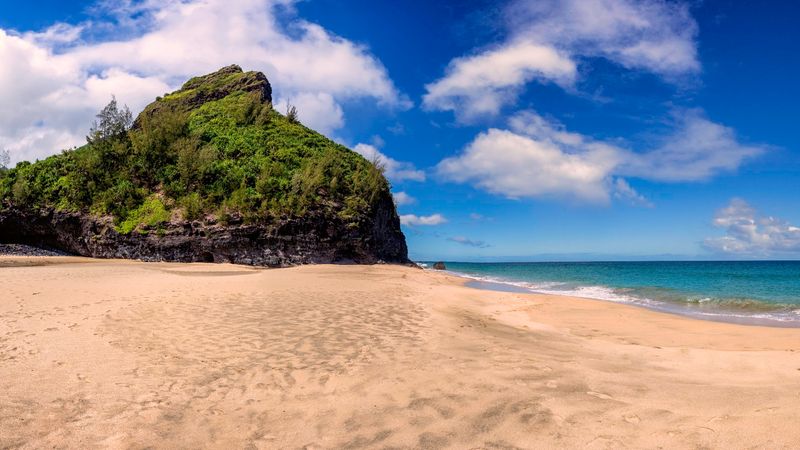
Getting to this beach takes effort, which makes arriving feel like a prize. Hikers reach it by walking the first section of Kauai’s Kalalau Trail along the coast.
The swim is a different matter. Hawaii’s Division of State Parks says swimming at Hanakapiai is not recommended because of dangerous rip currents and wave patterns.
It notes that drownings occur there regularly.
Winter high surf can make conditions especially treacherous.
After recent storm-related park changes, the Hanakapiai section remains open for day use. Even so, check current notices and reservation requirements before you set out.
Plan on hiking, snapping photos, and resting on the sand. Keep your feet out of the surf, and the trip stays a highlight.
Praia do Norte, Nazaré, Portugal
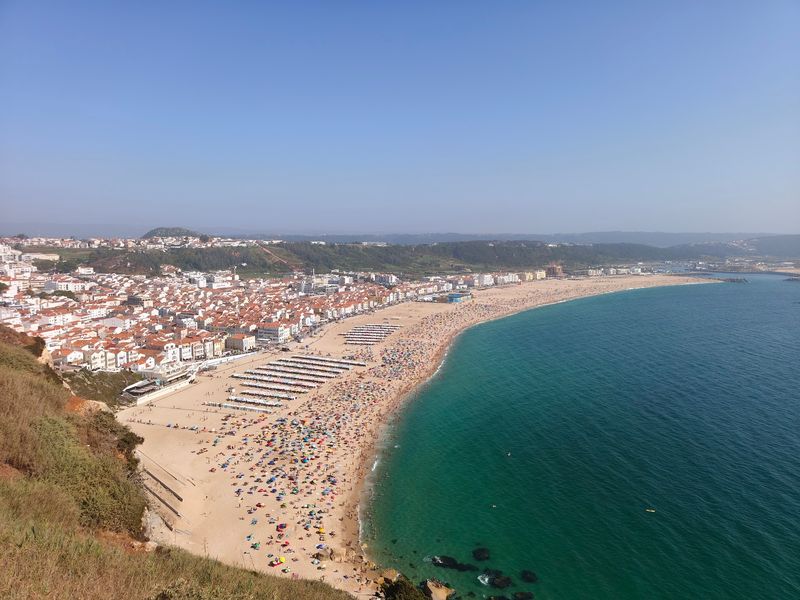
Some of the biggest waves on Earth roll in here, which tells you plenty about the swimming. Portugal’s official tourism website describes the sea at Praia do Norte as rough and dangerous for bathing.
The secret is the underwater Nazaré Canyon. It helps amplify Atlantic swells, and the result is the giant surf that draws elite big-wave surfers from around the world.
The beach remains accessible and is a major attraction, especially when large swells arrive.
Watching from the shore or nearby viewpoints can be spectacular. Just remember that the surfing fame is not a sign that the water suits casual swimmers.
Bring a camera, not a swimsuit, and let the professionals handle the waves.
Playa Zipolite, Oaxaca, Mexico
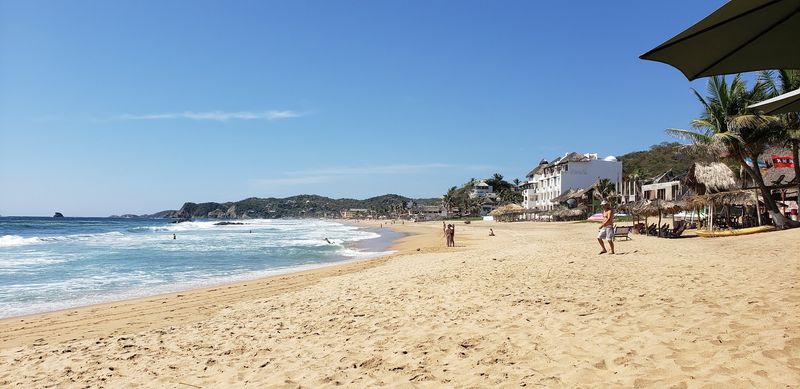
The relaxed mood on the sand can hide what the water is doing. Oaxaca’s civil protection authorities specifically identify dangerous rip currents at Zipolite.
They warn that the currents can move extremely fast and drag swimmers away from shore.
Lifeguards and warning flags matter a lot here. Officials repeatedly urge visitors to follow their instructions.
A search operation in 2025 again led authorities to warn about strong-current zones.
Zipolite is still one of Oaxaca’s best-known beach destinations, and plenty of people come for the easygoing vibe. Check the flag before you step in.
Do not assume the water is safe just because other beachgoers nearby look experienced. Conditions can change quickly, and the flags tell the story.
Boa Viagem Beach, Recife, Brazil
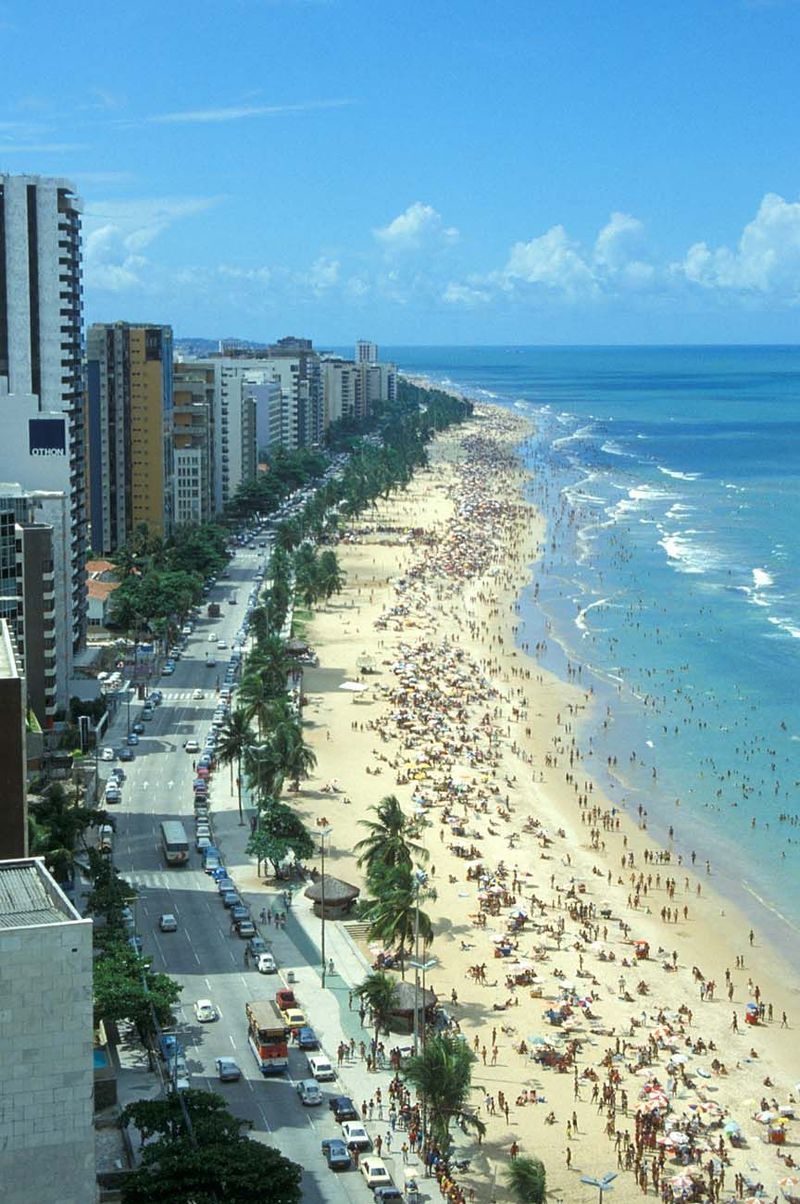
Stretching about eight kilometers beside the city, Boa Viagem is Recife’s signature urban beach. At low tide, natural reef pools can form relatively calm sections.
The wider coastline has a documented history of shark incidents, though. Recife authorities continue public education campaigns to lower the risk of encounters.
They also reinforce restrictions on certain water activities in affected stretches.
Safe areas can still be used for bathing, and the beach stays very active for walking, sports, and relaxing.
Follow the posted shark warnings and keep an eye on the tide. Stay in the areas considered appropriate for swimming instead of heading farther offshore.
Following those simple steps lets you enjoy a busy city beach with a lot more peace of mind.
75 Mile Beach, K’gari, Queensland, Australia
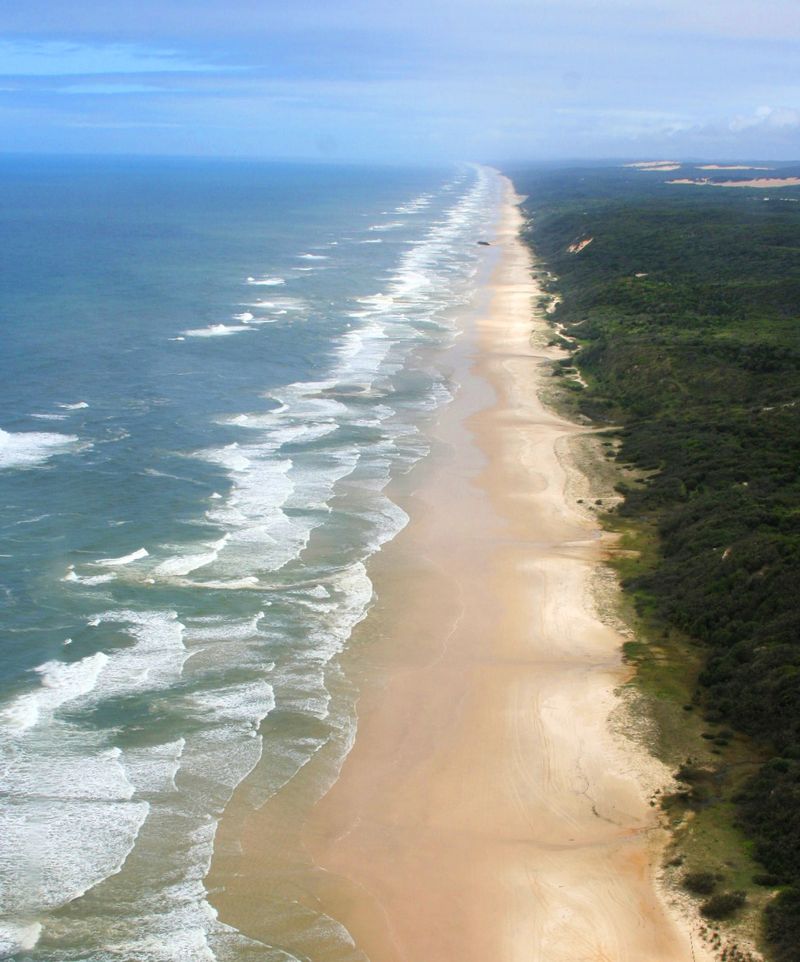
Traffic is not something most people expect on a beach. On K’gari’s spectacular eastern shore, the sand doubles as a road, so you may share it with four-wheel-drive vehicles.
Queensland authorities state that normal road rules apply on the island’s beaches. They also say high-clearance 4WD vehicles are needed for beach travel.
Official warnings cover dingoes, marine stingers, sharks, and occasional crocodile risk as well.
Government information continues to offer vehicle permits, camping bookings, and regularly updated condition reports, so the island remains an active destination.
Here, you keep an eye on vehicles, wildlife, tides, and the ocean all at once. Check the reports, book your permits, and drive with care.
Cape Tribulation Beaches, Queensland, Australia
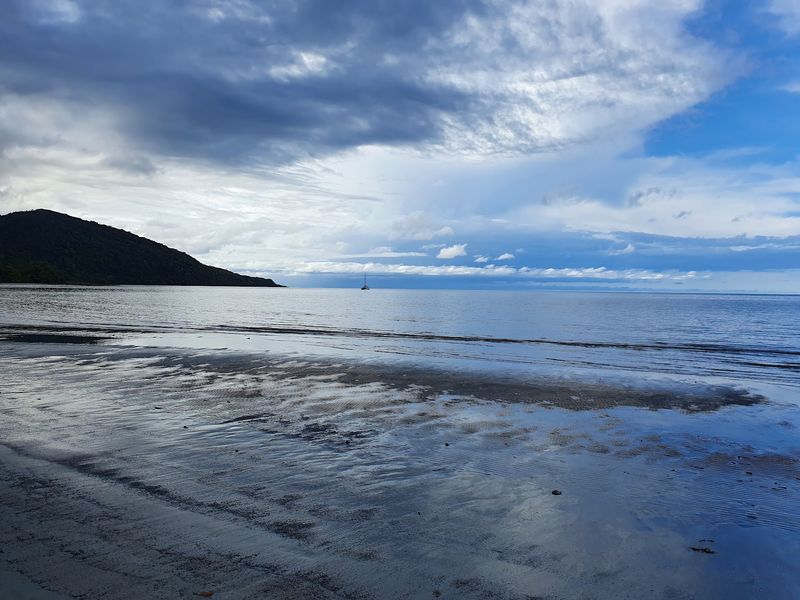
Rainforest meets reef coast here, and the scenery is a big reason people come. It also sits firmly in crocodile and marine-stinger country.
Queensland Parks warns that dangerous jellyfish can occur in coastal waters at any time. They show up more often in warmer months.
Crocodiles are another recognized hazard.
The Cape Tribulation section of Daintree National Park remains an active destination. Visitors can enjoy walking, camping, viewpoints, and beaches.
The view can make a spontaneous swim tempting, but the official warnings are there for a reason.
Check local conditions and obey the crocodile signs. Never assume a seemingly empty stretch of tropical water is safe.
A stroll along the sand is plenty rewarding.
Casuarina Beach, Darwin, Australia
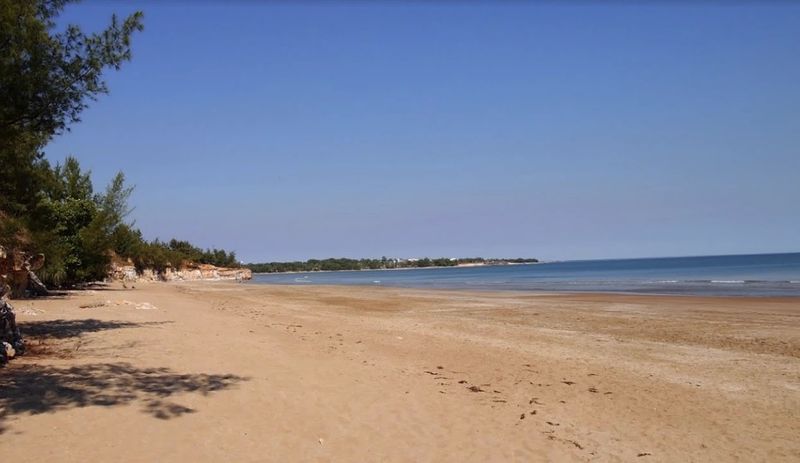
Calm water can be misleading, and this beach proves it. Northern Territory authorities advise against swimming at Top End beaches and estuaries because saltwater crocodiles can inhabit coastal waters.
Box jellyfish are another concern, especially in the warmer part of the year. Darwin’s own council has noted box jellyfish at Casuarina.
It also says occasional crocodiles are sighted there.
None of this stops the beach from being popular. People come for sunsets, walking, wildlife watching, and relaxing on shore.
The safest visit focuses on the sand rather than the sea. Bring a hat, take a slow walk near the water’s edge without going in, and read the posted signs.
Share this story