Europe is packed with famous beaches that show up on every travel poster, but some of the most stunning shorelines on the continent are still flying under the radar. From a landlocked cove in northern Spain that fills with seawater through underground tunnels to an Arctic beach in Norway with sand as white as the Caribbean, these places are genuinely surprising.
Most of them require a little extra effort to reach, and that is exactly what keeps them special. This list covers 17 real, remarkable beaches across Europe that reward curious travelers willing to go slightly off the beaten path.
Cala Goloritzé, Sardinia, Italy
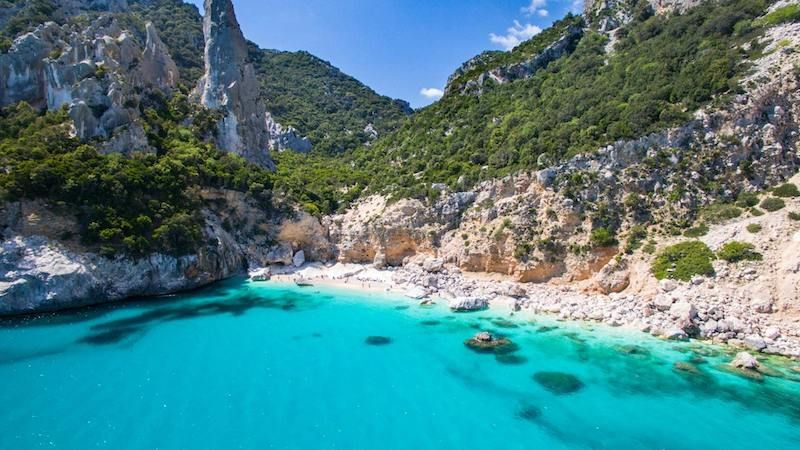
Few beaches on the Italian coastline demand as much from visitors as Cala Goloritzé, and that difficulty is precisely the point. Tucked beneath towering limestone cliffs along Sardinia’s Gulf of Orosei, this cove looks almost unreal when you finally arrive.
The water is an extraordinary shade of turquoise, and the pebble shoreline stays remarkably clean because access is tightly controlled.
Getting here by land means hiking down from the Golgo Plateau, a route that takes real effort and planning. During peak season, a reservation system limits how many people can enter, which keeps the cove from being overrun.
Boats can approach from the sea, but landing directly on the beach is restricted.
That combination of limited access and natural drama sets Goloritzé apart from Sardinia’s busier resort areas. If you want a Sardinian beach experience that feels genuinely wild, this is the one to put at the top of your planning list.
Nugal Beach, Makarska, Croatia
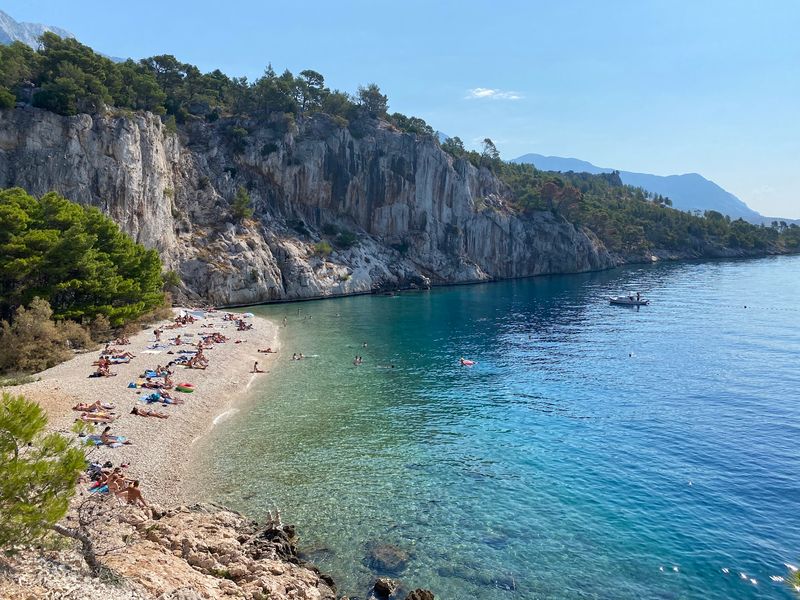
Just a short distance from the busy promenade of Makarska, Nugal feels like a completely different world. High limestone cliffs wrap around the beach on both sides, and dense pine forest fills the gaps above, creating a natural enclosure that blocks out most of the noise from the town nearby.
The Adriatic here runs clear and blue in the way you usually only see on Croatia’s most photographed islands.
Reaching Nugal takes either a walk along a coastal path or arrival by small boat. There is no road access, which is exactly why the beach stays noticeably quieter than the developed city beaches farther along the coast.
Makarska’s official tourism organization lists it among the area’s calmer coves for good reason.
Bring everything you need before you head down, because there are no services on the beach itself. The payoff is a pebble shoreline that genuinely feels like it belongs to whoever made the effort to find it.
Gjipe Beach, Albania
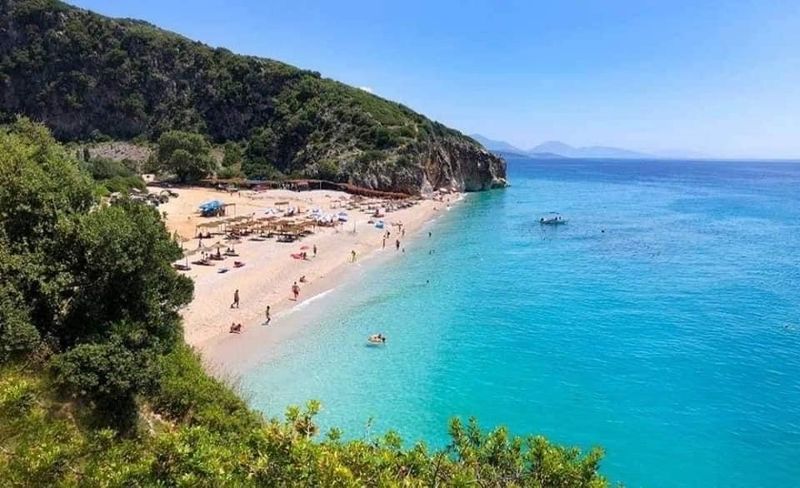
Albania’s coastline is still one of Europe’s best-kept travel secrets, and Gjipe sits at the dramatic end of that story. The beach forms where a narrow canyon meets the Ionian Sea between Dhërmi and Himarë, creating a setting that looks more like a film location than a real place you can actually visit.
There is no paved road leading directly to the shore, so you either hike through the canyon or arrive by small boat from nearby waters.
Albania’s National Tourism Agency highlights Gjipe specifically for its clear water and the peaceful atmosphere that comes from being genuinely hard to reach. The canyon behind the beach adds real character, with rocky walls rising on both sides and making the whole experience feel more like an adventure than a typical beach day.
The water is calm enough for swimming in good conditions, and the scenery is striking from every angle. Gjipe rewards the effort with something most European beaches simply cannot offer anymore.
Saleccia Beach, Corsica, France
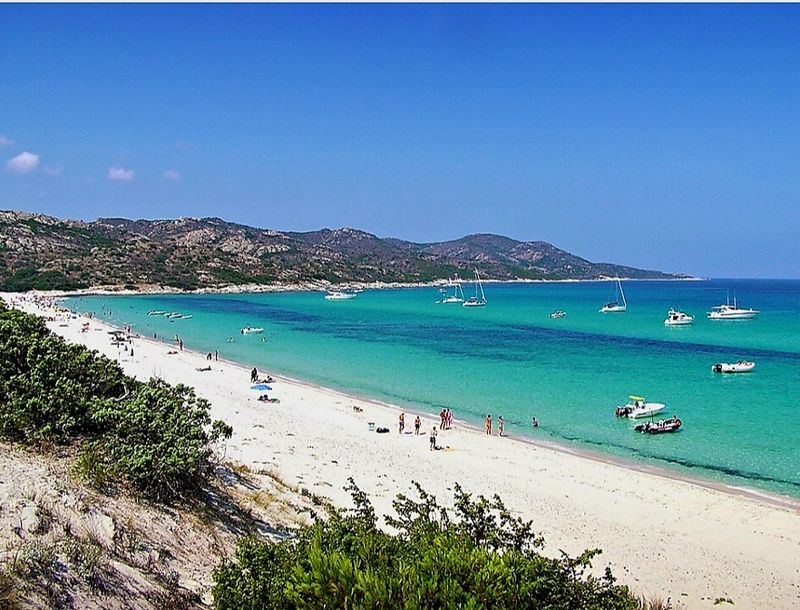
Corsica is full of beautiful coastline, but Saleccia stands apart because reaching it is a genuine commitment. The beach sits deep inside the Agriates desert region, a wild and largely uninhabited stretch of northern Corsica that sees far fewer tourists than the island’s more accessible areas.
Getting there overland requires a rough track that Corsica’s official tourism site says calls for a proper 4×4 vehicle, while arriving by sea is the more popular alternative.
What waits at the end of that journey is a long strip of pale sand backed by pine trees that provide natural shade during hot afternoons. The water runs turquoise and clear, with the kind of color usually associated with tropical destinations rather than France.
The surrounding landscape stays undeveloped precisely because access is so inconvenient.
If you are already planning a sailing trip along the northern Corsican coast, Saleccia makes an obvious and worthwhile stop. For land-based travelers, the rough track is manageable with the right vehicle and the right attitude.
Gulpiyuri Beach, Asturias, Spain
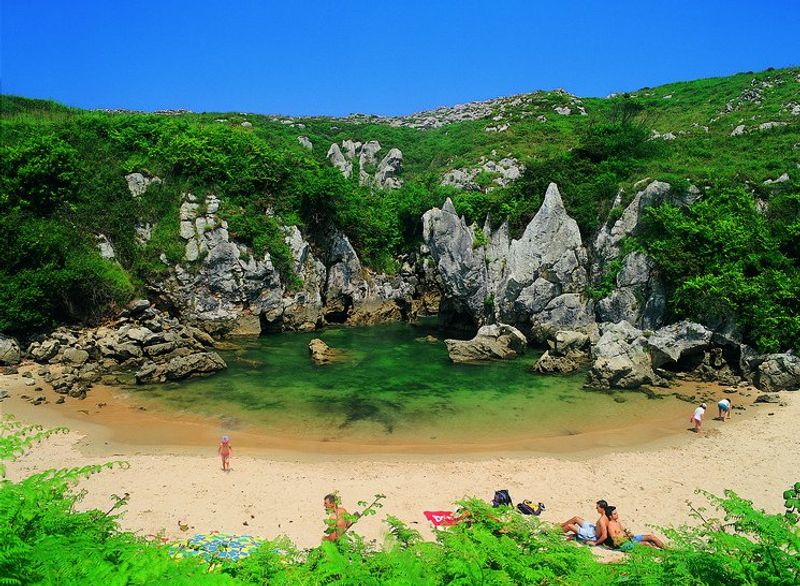
Gulpiyuri might be the strangest beach in Europe, and that is not an exaggeration. From the sand, you cannot see the ocean anywhere.
The beach sits inland, tucked behind coastal cliffs, and receives its seawater from the Bay of Biscay through underground openings in the rock. At high tide, water pushes into the roughly 40-meter cove and then retreats again, creating a miniature beach experience unlike anything else on the continent.
Asturias tourism confirms that vehicles cannot reach the site directly and that access is pedestrian only, which adds a short walk to the visit but also keeps the numbers manageable. The surrounding landscape is lush green farmland, which makes the appearance of a sandy beach feel even more unexpected when it comes into view.
Gulpiyuri holds official status as a Natural Monument in Spain, protecting its unusual geology. Visiting during high tide gives the best impression of how the place actually works, so checking tide times before you go is a genuinely useful step.
Praia da Adraga, Sintra, Portugal
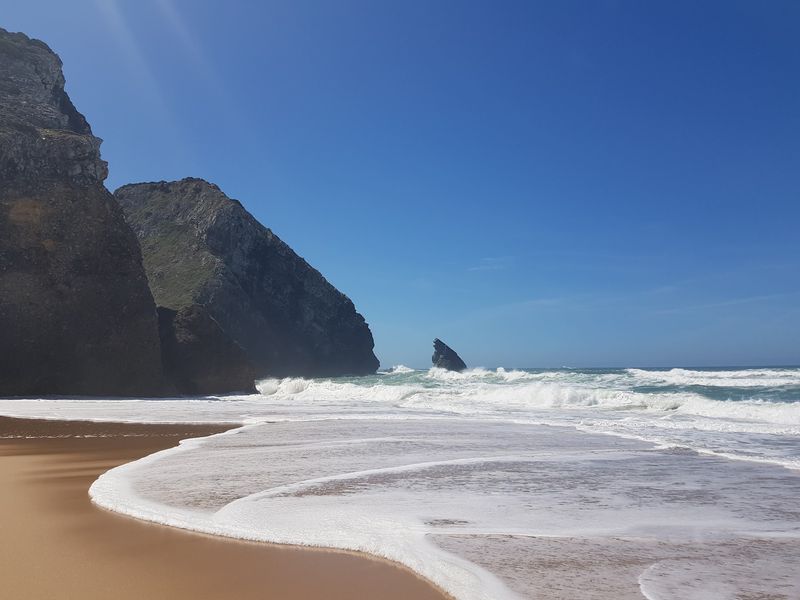
Most travelers passing through the Sintra area keep their attention on the palaces and the town itself, which means Praia da Adraga stays quieter than its surroundings probably deserve. The beach sits between sculpted sandstone cliffs and unusual rock formations, with caves and sea passages adding genuine visual interest at low tide.
The setting is dramatic in a way that differs from Portugal’s more famous southern beaches.
Unlike many entries on this list, Adraga is actually straightforward to visit. A road from Almoçageme leads directly to parking beside the beach, and Portugal’s official tourism site confirms that lifeguards, restaurants, showers and activities including surfing and bodyboarding are available.
That combination of easy access and striking scenery makes it a practical choice for a day trip from Lisbon or Cascais.
The cliffs here take on warm golden tones in afternoon light, and the rock formations are interesting enough to explore on foot when the tide allows. Surfers use the break regularly, giving the beach an active, lived-in energy that feels nothing like a tourist trap.
Fokos Beach, Mykonos, Greece
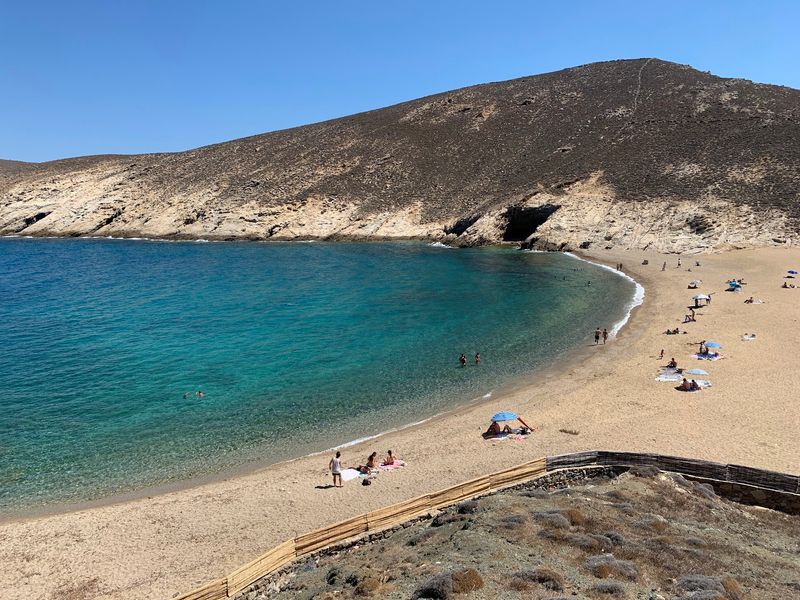
Mykonos has a reputation for parties and packed beach clubs, so it might seem like the last island to search for a genuinely quiet shore. Fokos sits on the northern side of the island, far from the famous southern beaches like Paradise and Psarou that attract most of the crowds.
Greece’s official tourism site specifically highlights Fokos as a beach suited to visitors who want silence rather than a soundtrack.
Getting to the northern beaches of Mykonos generally requires your own vehicle or a rented motorcycle, since public transport does not run conveniently to that side of the island. That barrier alone keeps Fokos separated from the busiest parts of the resort circuit.
The landscape here is more rugged and natural, with none of the beach infrastructure that defines the island’s commercial south.
The water is still the clear Aegean blue that makes the Greek islands famous, but the atmosphere is completely different. For anyone who has written off Mykonos as too crowded, the northern coast offers a genuinely different version of the island.
Crystal Beach, Montenegro
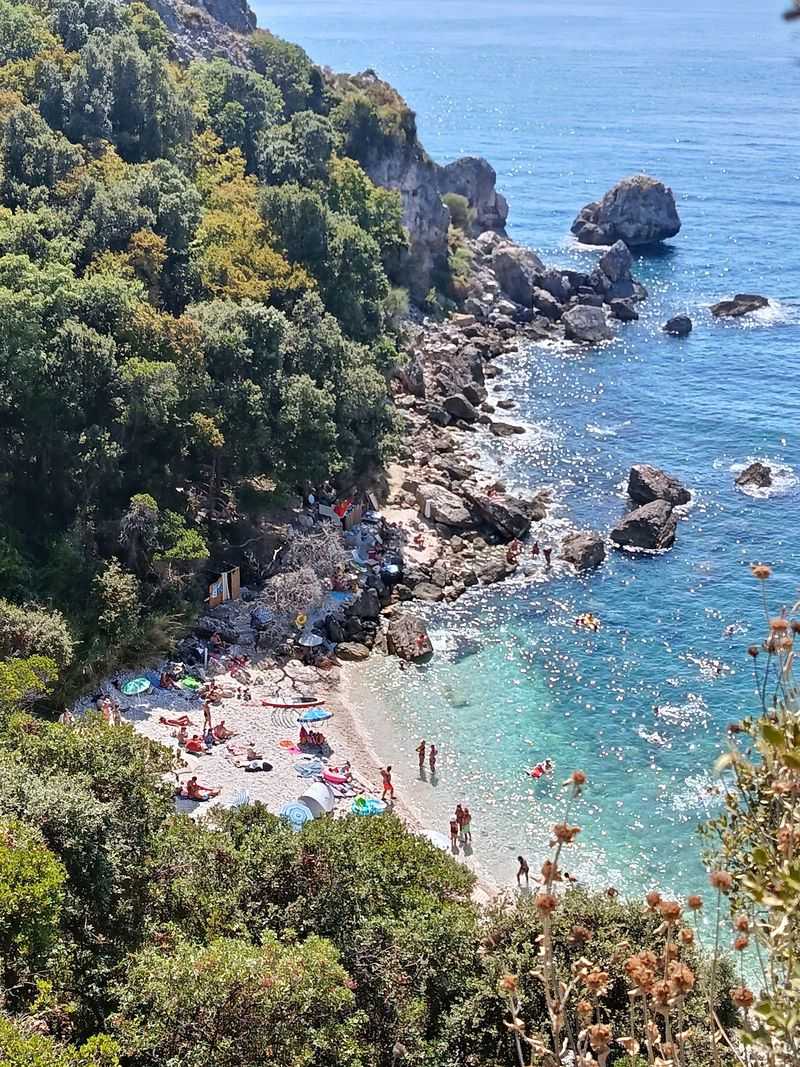
Montenegro’s tourism authority describes Crystal Beach, located near Kruč between Bar and Ulcinj, as a place that some locals have never even heard of. That level of obscurity is rare for a European coastal country, and it tells you something important about how isolated this small cove actually is.
The surrounding terrain is rocky and steep, with green hillside rather than hotels forming the backdrop.
Getting there involves a steep forest path on foot, or arriving by kayak from the nearby coast, which many visitors find to be the more straightforward option. Either way, the beach is not the kind of place you stumble upon by accident.
That isolation provides a sharp contrast with Montenegro’s heavily visited Budva Riviera, where development is dense and crowds are expected during summer.
The water lives up to the name, running clear over rocky and sandy patches. If you are already exploring the southern Montenegrin coast, Crystal Beach is the kind of detour that turns a good trip into a memorable one.
Peraküla Beach, Estonia
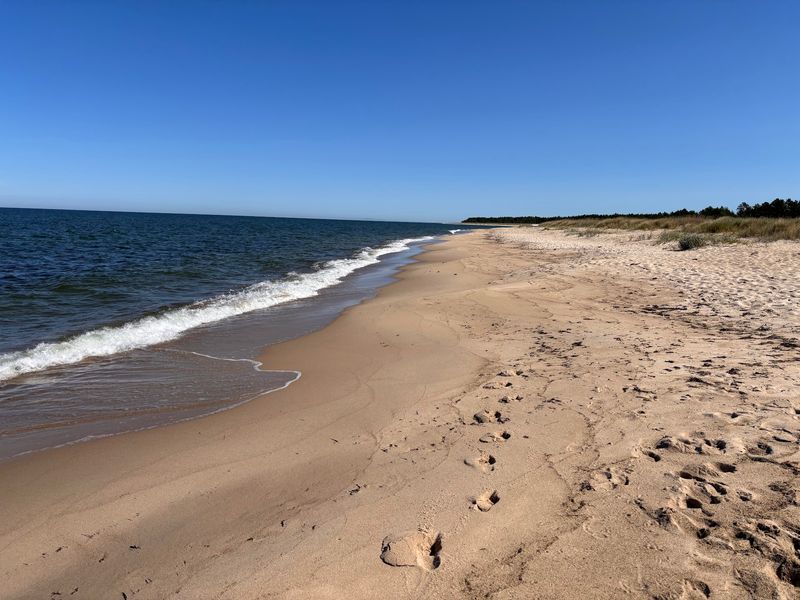
Sandy beaches and the Baltic Sea are not a combination most travelers picture when Estonia comes to mind, which is what makes Peraküla such a genuine discovery. The beach borders pine forest and stretches along a sparsely settled section of the Estonian coast that sees very little commercial development.
Estonia’s tourism authority describes the area as unusual and notes the sand here produces an audible sound when walked on, a phenomenon sometimes called singing sand.
The beach is open around the clock throughout the year, with nearby camping, parking and basic facilities available for visitors. There are no lifeguards, so swimming requires personal judgment about conditions.
The surrounding forest and quiet coastline give Peraküla a calm, almost meditative character that feels very different from the busy beach resorts further south in Europe.
For travelers already exploring Tallinn or the Estonian islands, Peraküla is a practical and rewarding side trip. The combination of forest, sand and Baltic air creates an atmosphere that is distinctly northern and genuinely refreshing.
Haukland Beach, Lofoten, Norway
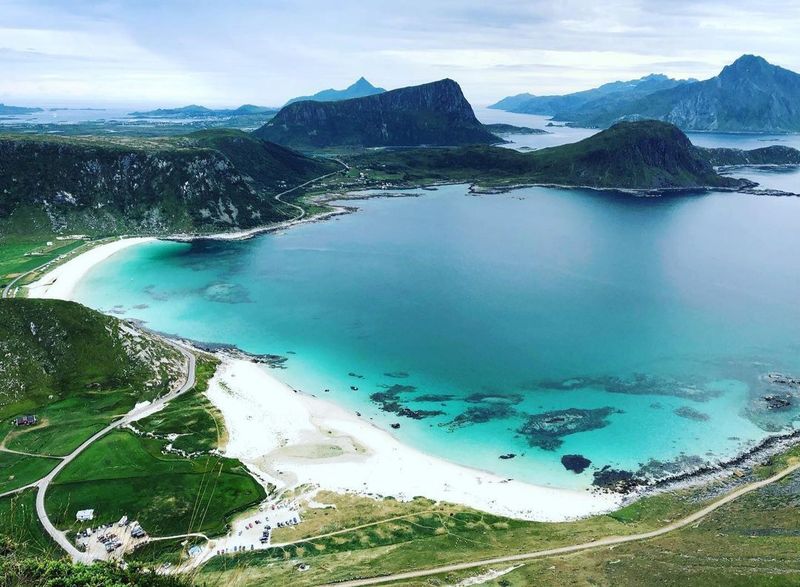
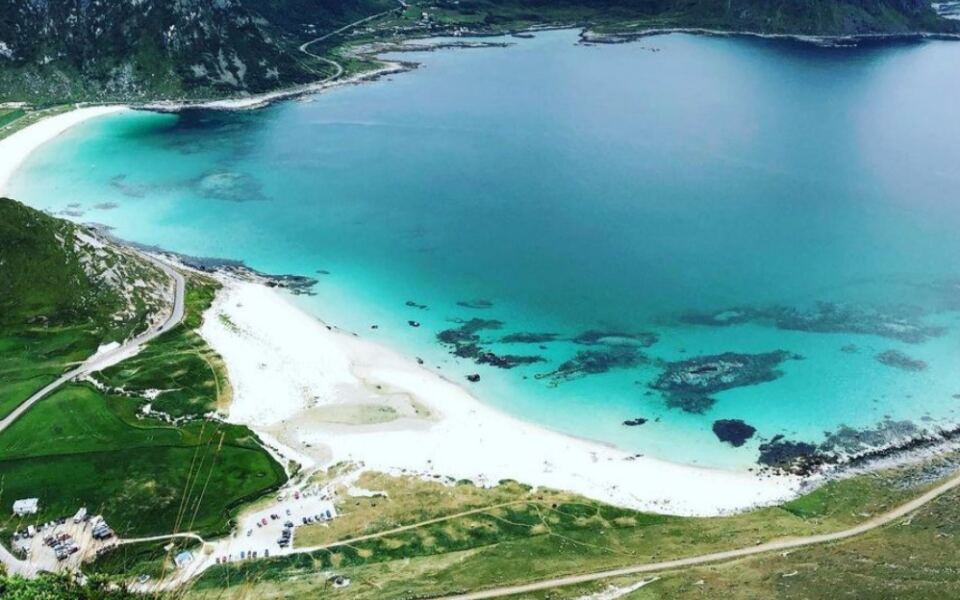
White sand, blue water and dramatic mountains rising straight from the shoreline behind you. Haukland Beach on Vestvågøy island delivers a combination that most people associate with tropical destinations, not the Arctic.
The contrast between the pale sand and the steep Norwegian peaks is striking in a way that photographs rarely fully capture.
The beach is about a ten-minute drive from Leknes but sits entirely outside the usual European beach holiday circuit. Recent improvements include upgraded parking, sanitary facilities, walking paths and a visitor center, making it more accessible than it once was without losing its remote character.
The coastal route toward the nearby Uttakleiv beach provides additional scenery that makes the drive itself worthwhile.
Haukland is swimmable during summer, though the water temperature stays cold by Mediterranean standards. The real draw here is the landscape rather than warm-water sunbathing.
Few places in Europe offer this particular combination of beach and mountain at the same time, and Lofoten manages it better than almost anywhere else.
Sose Beach, Bornholm, Denmark
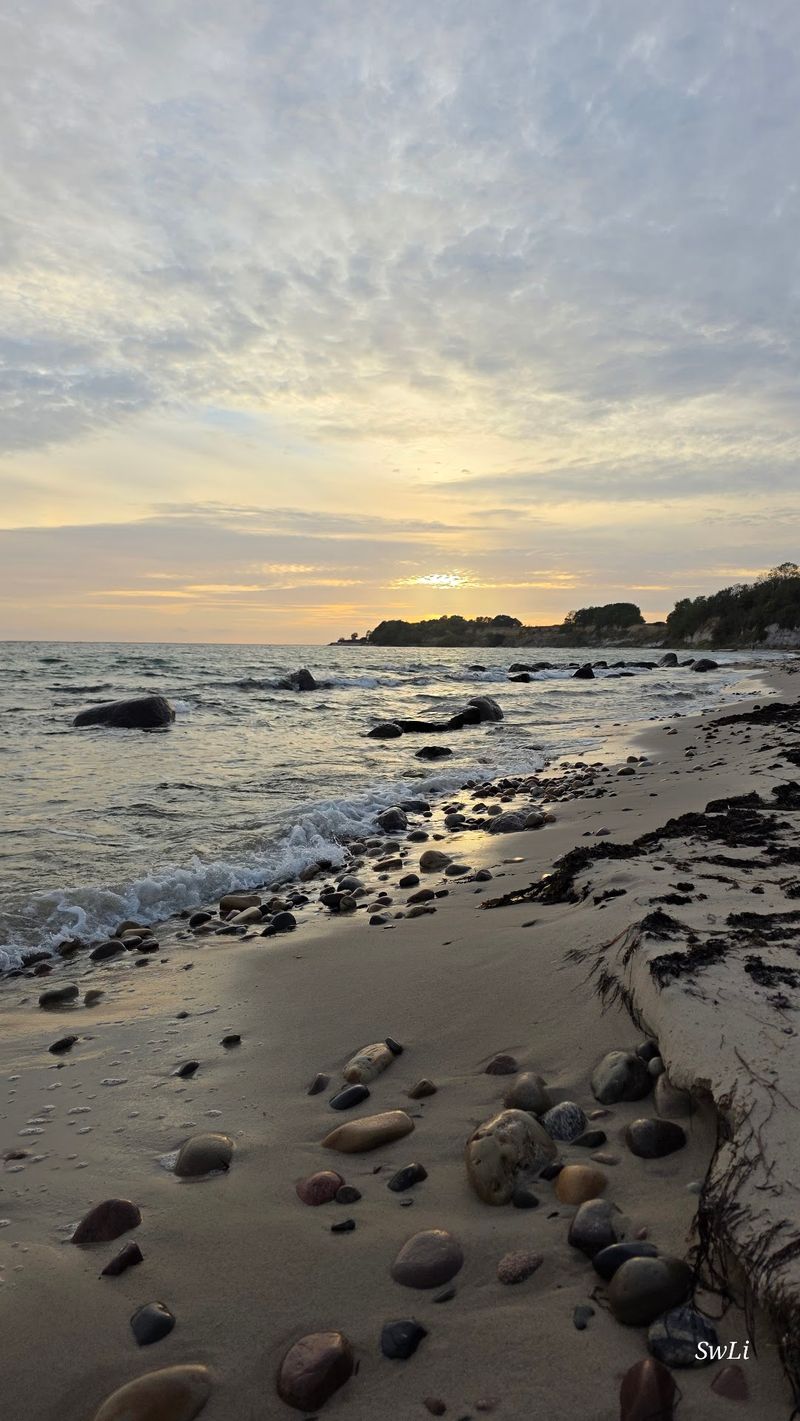
Bornholm is already off the main tourist route for most international travelers, and Sose sits further outside the island’s own internal spotlight. Denmark’s official tourism site describes it as one of Bornholm’s lesser-known bathing places, which says something given that the island as a whole receives only a fraction of the attention given to Copenhagen.
Most visitors who make it to Bornholm head straight for the famous white sand at Dueodde, leaving Sose considerably quieter.
The shoreline at Sose combines fine sand with pebbles, and a small stream runs inland toward Risebæk waterfall, adding a reason to explore beyond the waterline. Parking and restrooms are available nearby, keeping the visit practical without the beach feeling developed or crowded.
There is also an unexpected historical note: several Swedish warships were lost near this stretch of coast during the Scanian War in 1678. The beach itself gives no obvious sign of that history, but it adds an interesting layer to a stop that already rewards curiosity over convenience.
Yyteri Beach, Pori, Finland
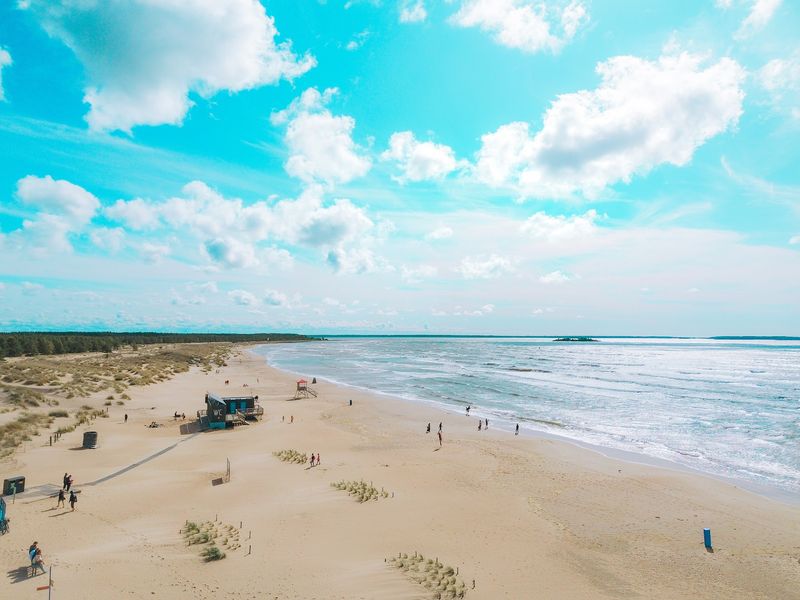
Finland almost never comes up in conversations about European beach destinations, and that oversight is exactly why Yyteri is worth knowing about. The sandy shoreline extends for roughly three kilometers near Pori, backed by extensive dunes and surrounded by protected coastal nature that makes the whole area feel unusually open and wild.
Shallow Baltic water and the surrounding landscape combine to create something genuinely different from the crowded Mediterranean beach experience.
Yyteri holds the distinction of being Finland’s first beach to receive Blue Flag certification, a recognition tied to water quality, environmental management and visitor facilities. The recreation area operates year-round and can be reached by car, bicycle or bus, making it one of the more accessible entries on this list.
Facilities on site support both summer and winter visits.
The dunes are particularly striking and worth exploring on foot even if swimming is not the main goal. For anyone already traveling in western Finland, Yyteri offers a beach experience that is hard to replicate anywhere else in northern Europe.
Playa del Silencio, Asturias, Spain
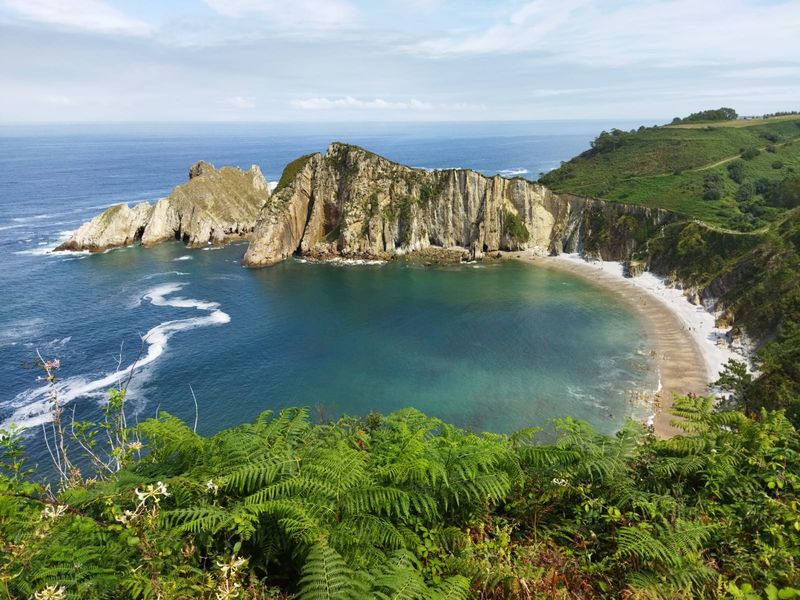
The name translates to Beach of Silence, and the setting takes that seriously. A curved wall of cliffs wraps around this roughly 500-meter cove near Cudillero, with offshore rocks adding to the enclosed, protected feeling.
The shoreline is pale pebbles rather than sand, which gives it a different texture and look from the beaches that dominate most European travel imagery.
Getting down to the beach means descending a route that includes a significant number of stairs, and there are no services waiting at the bottom. No kiosks, no rentals, no lifeguards.
Asturias tourism describes the cove as almost virgin despite its growing reputation, which makes visiting outside of peak summer particularly rewarding. Early morning or shoulder-season visits tend to preserve the quieter atmosphere the name promises.
The cliff scenery here is genuinely dramatic, with layers of rock and the Atlantic horizon creating a backdrop that feels more like a natural amphitheater than a conventional beach. Arriving prepared with food, water and footwear suitable for the descent makes the whole experience much smoother.
Ostriconi Beach, Corsica, France
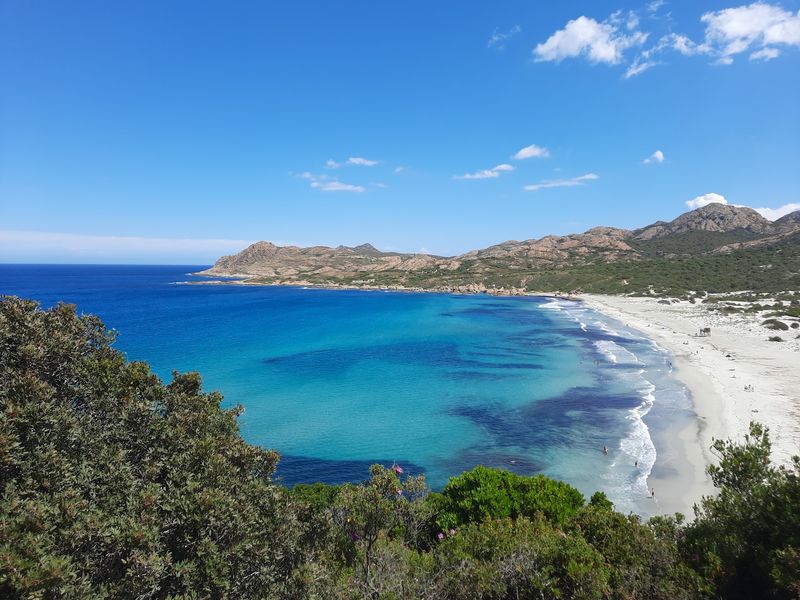
Corsica’s Agriates region is one of the least developed stretches of Mediterranean coastline in France, and Ostriconi sits near its edge in a way that captures everything that makes the area special. The beach combines white sand, dunes, river scenery and open Mediterranean water in a setting that feels genuinely remote even though Corsica is a relatively accessible island.
Reaching it requires a walk from the old road, which filters out visitors who are not willing to put in the small amount of effort required.
The official Corsican tourism authority notes that the beach has lifeguards during summer but also warns that strong winds can create dangerous wave conditions. Checking weather and sea conditions before heading out is a practical step worth taking seriously here.
A coastal walking trail also begins near the beach, offering additional exploration for anyone who wants to see more of the Agriates landscape.
Ostriconi works well as part of a broader exploration of northern Corsica. Pairing it with Saleccia, the other Agriates beach on this list, makes for a full day of genuinely wild Corsican coastline.
Stiniva Beach, Vis, Croatia
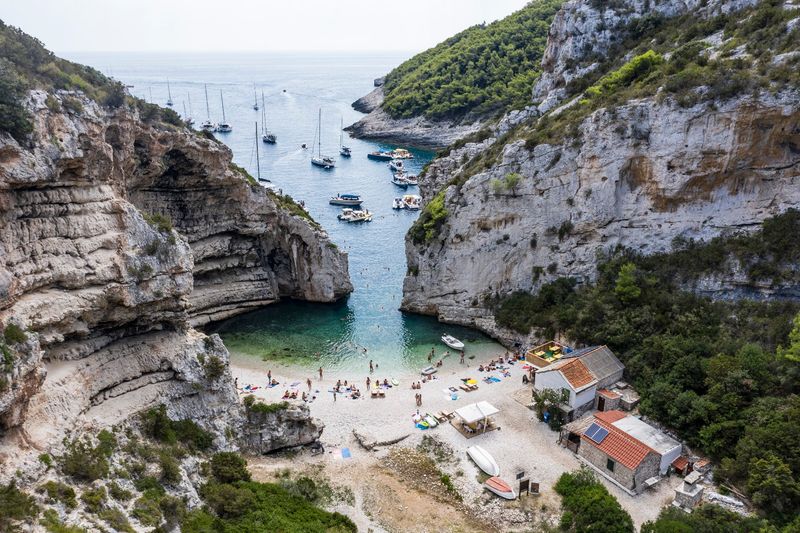
From the sea, Stiniva barely looks like it exists. Two high limestone walls narrow to within about four meters of each other before opening into a sheltered cove that feels completely hidden from the outside world.
That narrow entrance is one of the most striking natural features on any beach in the Adriatic, and arriving by boat through that gap is an experience that stays with you.
Reaching Stiniva by land involves a steep and demanding footpath that takes more than 20 minutes to descend. Boat access from the water is considerably easier and is the preferred approach for many visitors.
The Vis Tourist Board continues to list Stiniva among the island’s most distinctive beaches, and the cove’s sheltered, amphitheater-like shape gives it an atmosphere unlike anything else in Croatia.
Vis itself is one of the more remote inhabited Croatian islands, which adds to the sense of genuine discovery. The combination of the narrow entrance, the enclosed cove and the clear Adriatic water makes Stiniva one of the most visually memorable beaches on this entire list.
Ramla Bay, Gozo, Malta
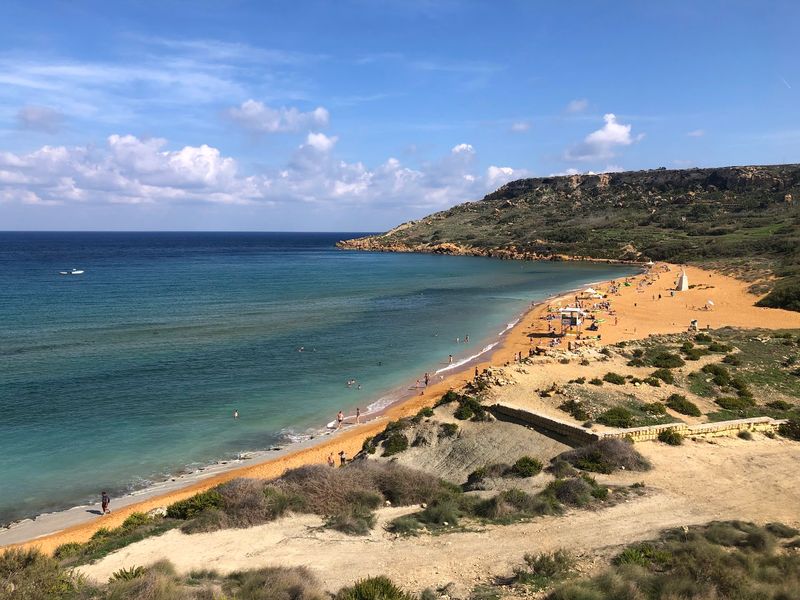
Malta’s coastline is mostly rocky, which is what makes Ramla Bay on the sister island of Gozo genuinely stand out. The sand here is a warm reddish-golden color, earning it the Maltese name Ramla il-Hamra, which translates roughly to red sand.
That color comes from the iron-rich rock of the surrounding landscape, and it gives the beach a visual warmth that feels unlike any other beach in the Maltese archipelago.
The bay sits within a protected Natura 2000 landscape that includes important dune habitat, and archaeological remains beneath the sand have been documented in the area, adding historical depth to what is already a striking natural setting. Gozo’s tourism authority notes that the beach can be visited throughout the year, though summer is the main swimming season.
Getting to Gozo requires a ferry crossing from Malta, which keeps visitor numbers lower than they might otherwise be. Snorkeling conditions in the bay are generally good, and the surrounding green hills provide a pleasant backdrop for a relaxed afternoon on one of the Mediterranean’s more distinctive stretches of sand.
Saulkrasti Beach, Latvia
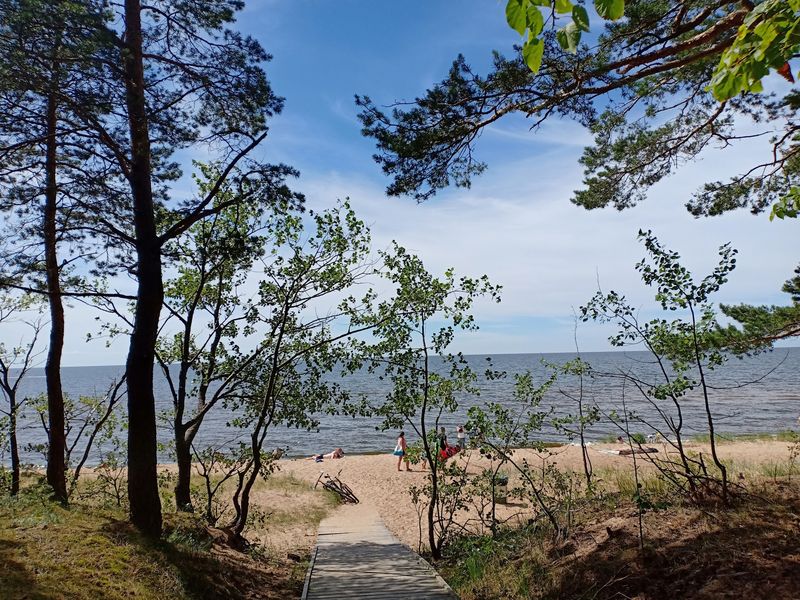
Latvia’s Baltic coast gets a fraction of the international attention directed at Mediterranean beaches, and Saulkrasti is a good example of what gets overlooked as a result. The shoreline here stretches for around 17 kilometers, ranging from sandy sections to rockier coastal stretches that shift character as you move along the coast.
That variety makes it more interesting to explore than a single uniform beach would be.
One of the standout features is the White Dune, an 18-meter sand formation that looks out over the sea and the mouth of the Inčupe River. A roughly four-kilometer coastal trail connects the dune with central Saulkrasti, passing through pine forest and along the beach in a route that combines scenery with a manageable amount of walking.
The trail is accessible and well worth doing even if a full beach day is not the plan.
Saulkrasti sits close enough to Riga for a comfortable day trip, which makes it a practical addition to any itinerary covering the Latvian capital. The Baltic light on a clear summer day over this coastline is something most travelers simply never think to look for.
Share this story