History books are full of battles won by superior numbers or better weapons, but some of the most decisive turning points came down to a single person switching sides at exactly the wrong moment. A trusted general, a loyal guard, or a powerful noble could undo years of careful strategy in one afternoon. The betrayals collected here span more than two thousand years and cross dozens of borders, yet each one shares the same basic truth: the most dangerous threat to a kingdom rarely wore an enemy uniform. Whether you are a history enthusiast or simply curious about how power actually changes hands, these thirteen stories offer a sharper and more honest look at how kingdoms rise, fall, and transform than any straightforward battle narrative can provide.
1. Ephialtes Reveals the Secret Path at Thermopylae (480 BC)
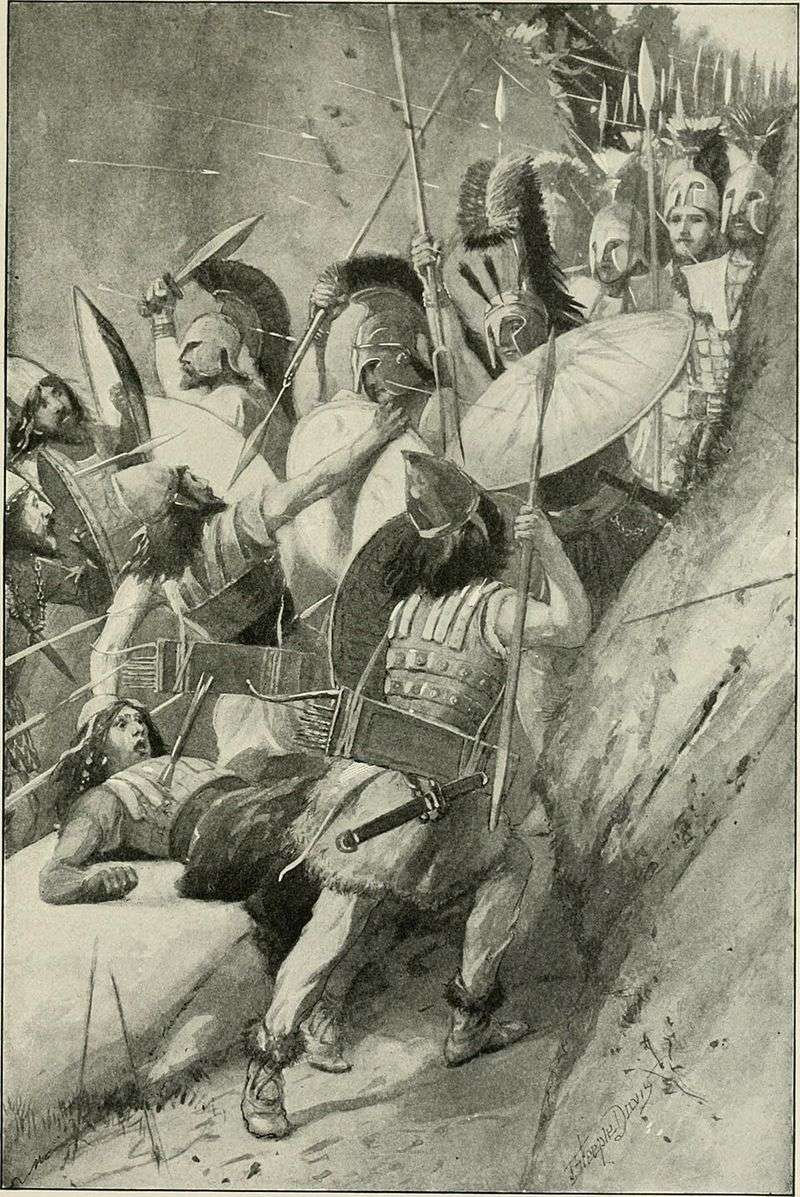
A local Greek man handed one of history’s most celebrated defensive stands its fatal weakness in a single conversation. Ephialtes of Malis approached the Persian king Xerxes I and disclosed the existence of the Anopaea mountain path, a route that bypassed the narrow coastal pass where King Leonidas and his Spartan-led force had successfully blocked the Persian advance for two days.
Xerxes dispatched a column of elite soldiers through the path overnight. When Leonidas received word that Persians were emerging behind his position, he ordered most of the allied Greek contingents to withdraw, keeping only his 300 Spartans and a few hundred others to hold the pass.
The Greek defenders were surrounded and defeated. Ephialtes reportedly expected a reward from Xerxes but never received one, and the allied Greeks later placed a bounty on his head. His name became the Greek word for nightmare, a label history has never removed.
2. Firouz Opens the Gates of Antioch (1098)
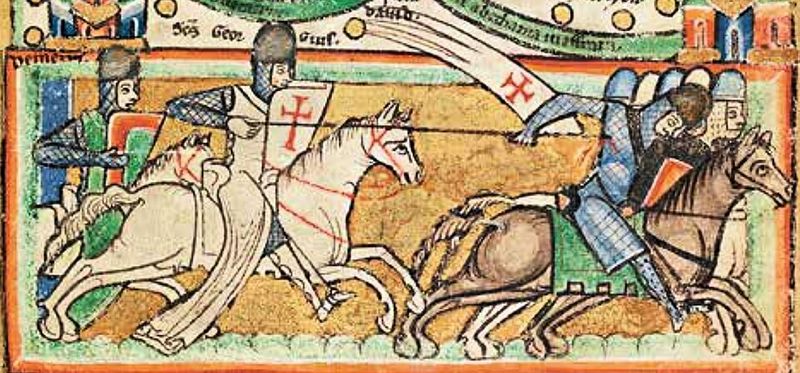
After months of a grinding siege that pushed the Crusader army to the edge of starvation, the heavily fortified city of Antioch finally fell not to a battering ram but to a disgruntled guard. Firouz, an Armenian soldier responsible for defending a section of Antioch’s walls, had grown resentful toward the city’s governor and quietly opened negotiations with the Crusader leadership outside.
On the night of June 2, 1098, Firouz lowered a rope ladder near what chronicles describe as the Tower of the Two Sisters, allowing a small party of Crusader knights to scale the walls undetected. Once inside, they opened a gate and the city fell within hours.
The capture of Antioch gave the Crusaders a critical supply base and removed a major obstacle on the road to Jerusalem. Without this inside assistance, the entire expedition might have collapsed before reaching its destination. Firouz’s name rarely appears in popular accounts, yet his role was decisive.
3. Harold Godwinson’s Alleged Broken Oath to William of Normandy (1066)
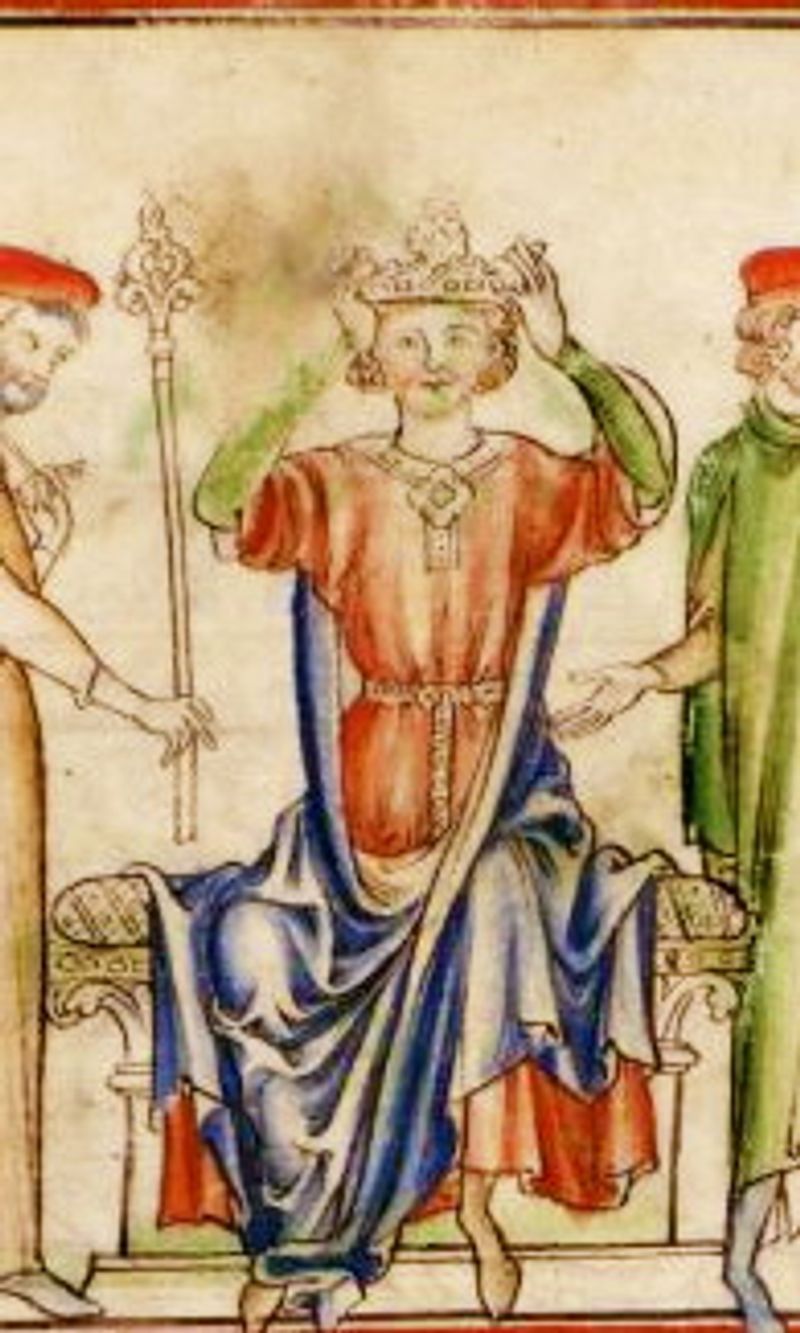
Norman chroniclers built an entire legal and moral case for invasion around a single disputed promise. According to their accounts, Harold Godwinson swore on holy relics to support William of Normandy’s claim to the English throne, then accepted the crown himself when King Edward the Confessor died in January 1066.
Anglo-Saxon sources say little or nothing about such an oath, and modern historians continue to debate whether Harold made it voluntarily, under duress, or at all. What is certain is that William used the alleged broken promise as his public justification for launching a cross-Channel invasion that autumn.
The resulting Battle of Hastings on October 14, 1066, ended Harold’s life and Plantagenet England’s Anglo-Saxon ruling structure. Norman French became the language of government and the upper class, reshaping English vocabulary, law, and architecture for centuries. Whether the oath was real or invented, its political consequences were thoroughly real.
4. Andronikos Doukas Abandons Emperor Romanos IV at Manzikert (1071)
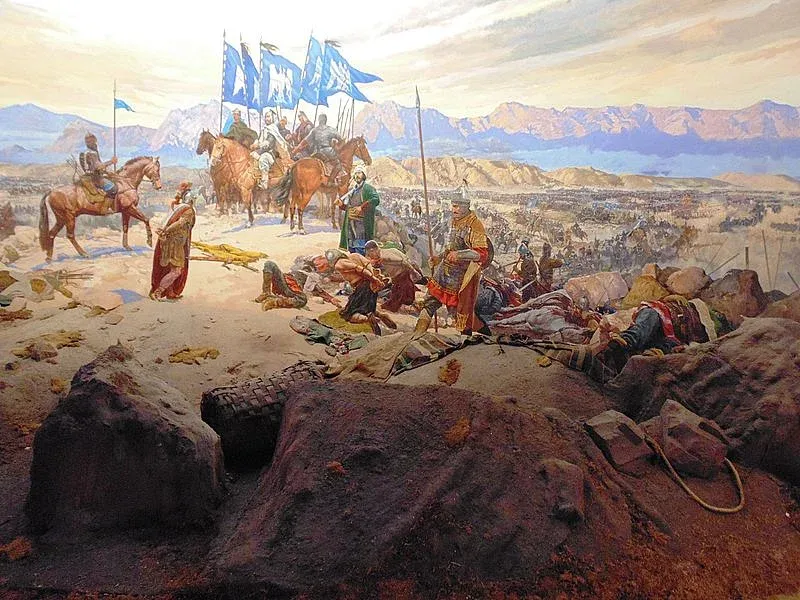
Political rivalry within the Byzantine imperial court turned a difficult military campaign into a catastrophic defeat at the Battle of Manzikert in 1071. Emperor Romanos IV Diogenes led his army into eastern Anatolia against the Seljuk Turks, but internal opposition from the powerful Doukas family had shadowed the campaign from the start.
At a critical point in the fighting, Andronikos Doukas reportedly ordered the Byzantine reserve to withdraw while spreading the false report that the emperor had already been defeated. The rumor caused immediate panic across the Byzantine lines, shattering unit cohesion precisely when it was most needed.
Romanos IV was captured, a humiliation without precedent in recent Byzantine history. Though he was eventually released, the political damage at home was irreversible, and he was deposed within months. The Seljuks then settled across Anatolia, permanently reducing the empire’s most productive recruiting and farming territory. The defeat at Manzikert effectively shortened Byzantine history by centuries.
5. Michael VIII Palaiologos Removes John IV Laskaris (1261)
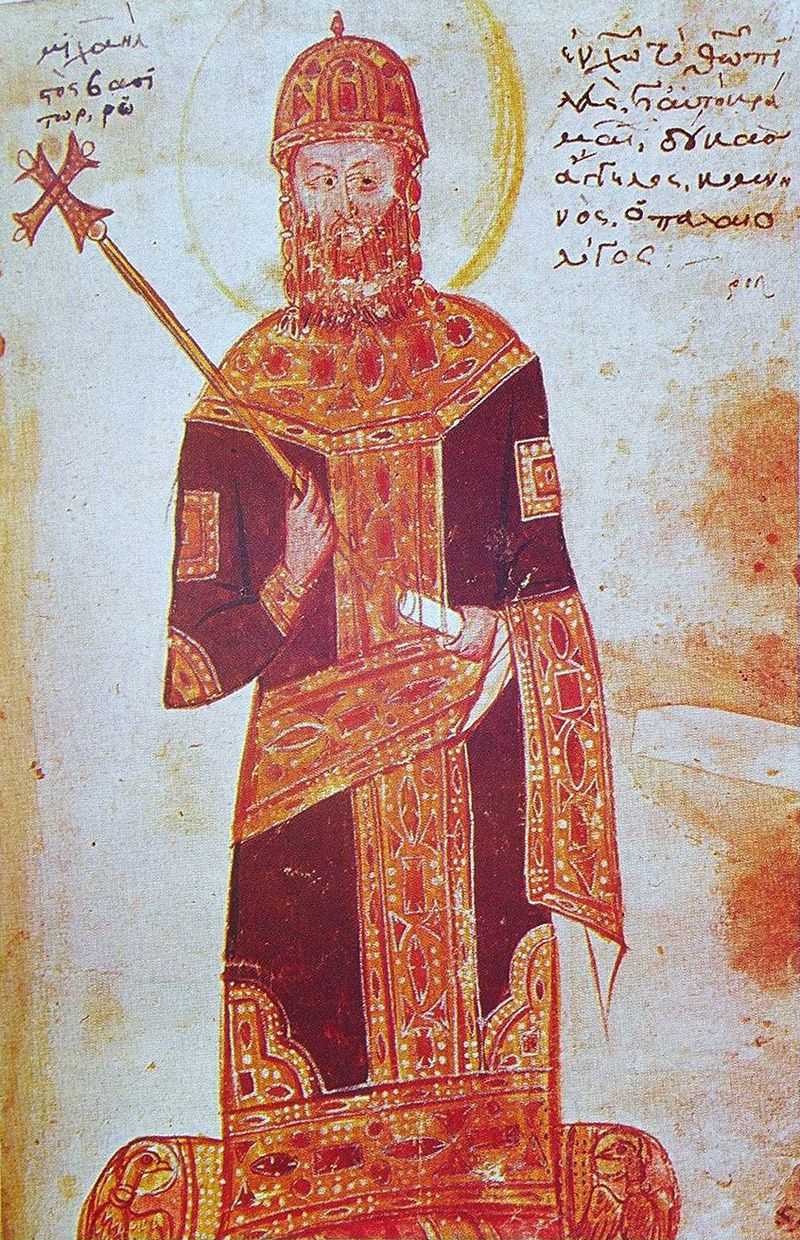
Reclaiming Constantinople from the Latin Empire in 1261 should have been a moment of pure triumph for the Byzantine world, but the man who achieved it marked the victory with an act that scandalized even his own supporters. Michael VIII Palaiologos had ruled as co-emperor alongside the child John IV Laskaris, the legitimate Laskarid heir, making explicit promises to protect the boy’s future.
On December 25, 1261, John IV’s eleventh birthday, Michael ordered him blinded and imprisoned. Byzantine tradition barred anyone with a physical impairment from holding the throne, making the act a permanent political removal disguised as legal procedure.
Patriarch Arsenius Autoreianus responded by excommunicating Michael VIII, a dramatic censure that divided the church and the population for years. John IV lived out his life in captivity. Michael’s Palaiologos dynasty went on to rule the empire until its final fall in 1453, but the shadow of this calculated cruelty never fully lifted from its founding moment.
6. Roger Mortimer Helps Depose Edward II (1326)
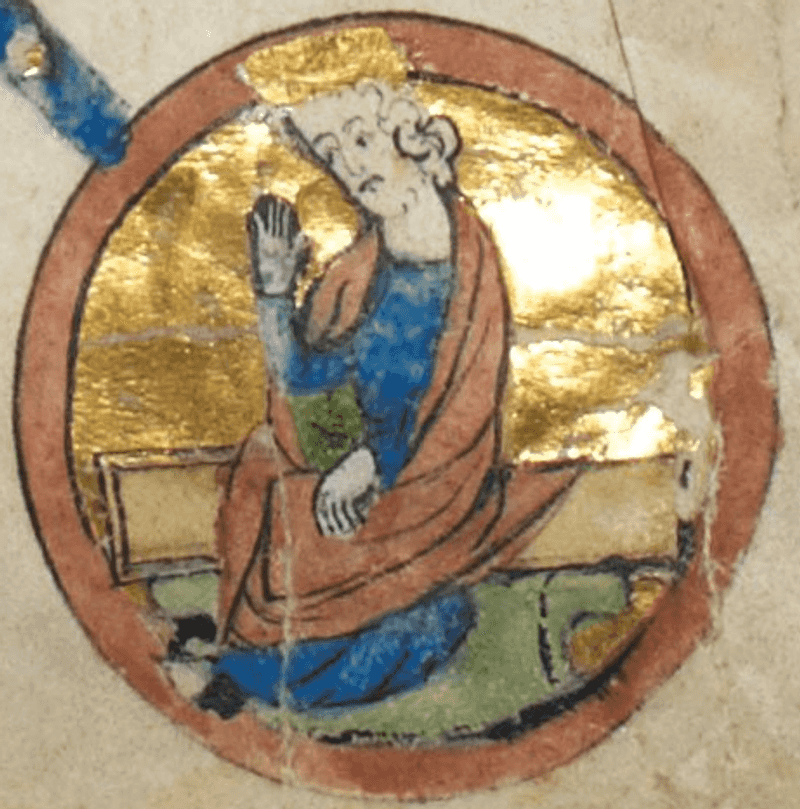
Few political alliances in medieval English history were as bold or as consequential as the one formed between Roger Mortimer and Queen Isabella of France. Mortimer, a Marcher Lord who had escaped from the Tower of London after rebelling against Edward II, rebuilt his influence from exile in France while cultivating a close political partnership with the king’s estranged wife.
Their combined invasion in September 1326 encountered almost no serious resistance. Edward II’s support collapsed rapidly, and he was captured, forced to abdicate in January 1327 in favor of his fourteen-year-old son Edward III. Edward II later died in captivity at Berkeley Castle under circumstances that have never been fully resolved.
Mortimer and Isabella then governed England as regents, wielding royal authority without holding the crown. Their control lasted until 1330, when the young Edward III staged a palace coup and had Mortimer arrested and executed. The episode established that even a reigning English monarch could be removed through coordinated internal opposition.
7. Richard Neville, the Kingmaker, Turns Against Edward IV (1469-1470)
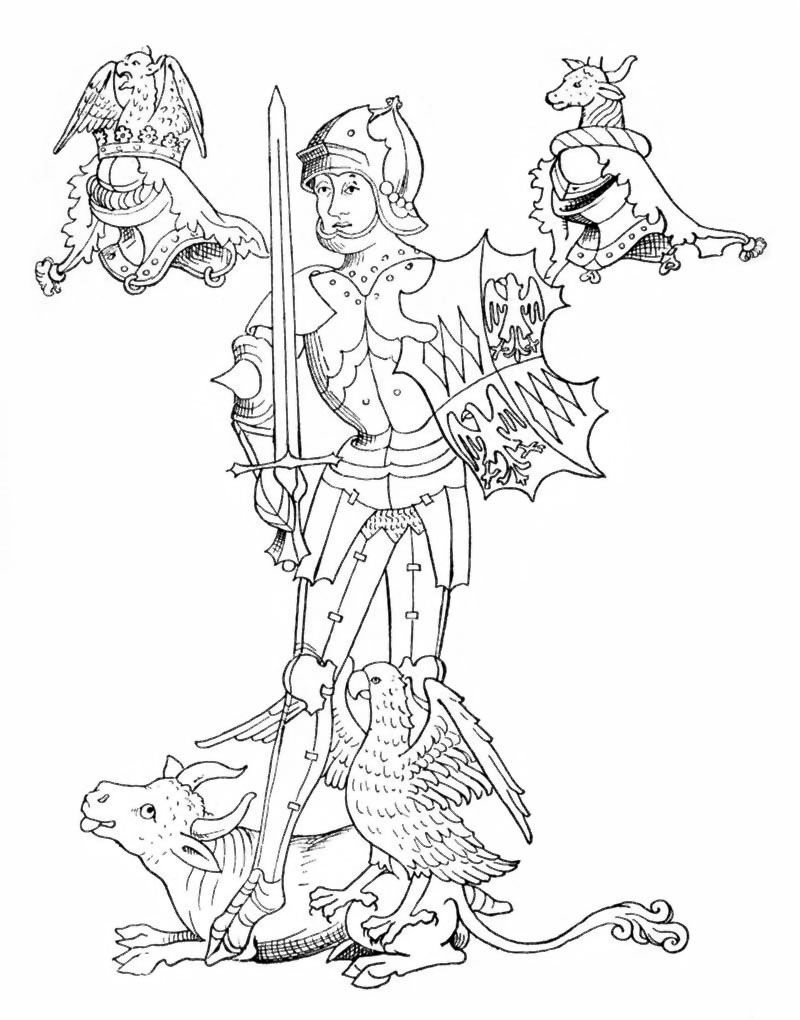
Richard Neville earned the title Kingmaker by helping place Edward IV on the English throne in 1461, but the same political instincts that made him so effective eventually turned him into Edward’s most dangerous opponent. Disagreements over foreign policy and Edward’s marriage to Elizabeth Woodville left Warwick feeling bypassed and disrespected by the king he had helped create.
By 1469, Warwick had allied with George, Duke of Clarence, Edward’s own brother, and launched open rebellion. He briefly captured Edward IV and attempted to govern in his name before the king reasserted control. Warwick then took the extraordinary step of reconciling with his former enemy, the Lancastrian Margaret of Anjou, and in 1470 managed to force Edward into exile and restore Henry VI to the throne.
Edward IV returned from Burgundy the following year, defeating and killing Warwick at the Battle of Barnet in April 1471. The Kingmaker’s reversal prolonged the Wars of the Roses by years and demonstrated just how dependent the early Yorkist monarchy was on the loyalty of its most powerful nobles.
8. Lord Stanley Backs Henry Tudor at Bosworth (1485)
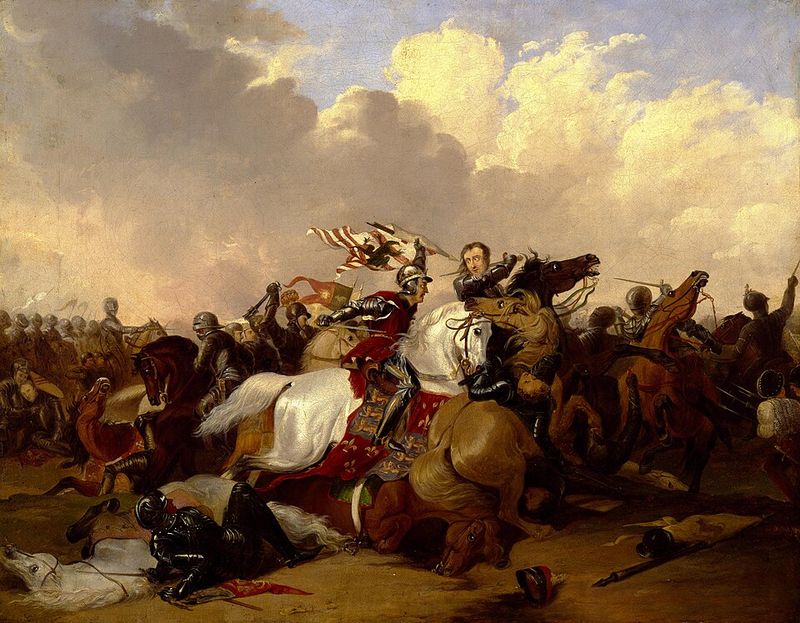
Thomas Stanley arrived at Bosworth Field commanding several thousand soldiers and spent most of the battle doing absolutely nothing with them. His deliberate neutrality while Richard III and Henry Tudor fought for the English crown was not indecision but a carefully calculated gamble on which side would prove victorious.
Richard III, aware of Stanley’s divided loyalties, had taken Stanley’s son as a hostage before the battle. When Richard launched his famous cavalry charge directly toward Henry Tudor, hoping to end the battle in a single decisive moment, Stanley finally moved his forces, and he moved them against the king.
Richard III was killed shortly afterward, becoming the last English monarch to die in battle. Henry Tudor was crowned on the field using a circlet reportedly found near Richard’s body. Stanley’s timed defection ended the Plantagenet dynasty and installed the Tudors, who would rule England for the next 118 years and reshape its religion, government, and global ambitions in ways that still register today.
9. Charles III, Duke of Bourbon, Defects to Emperor Charles V (1523)
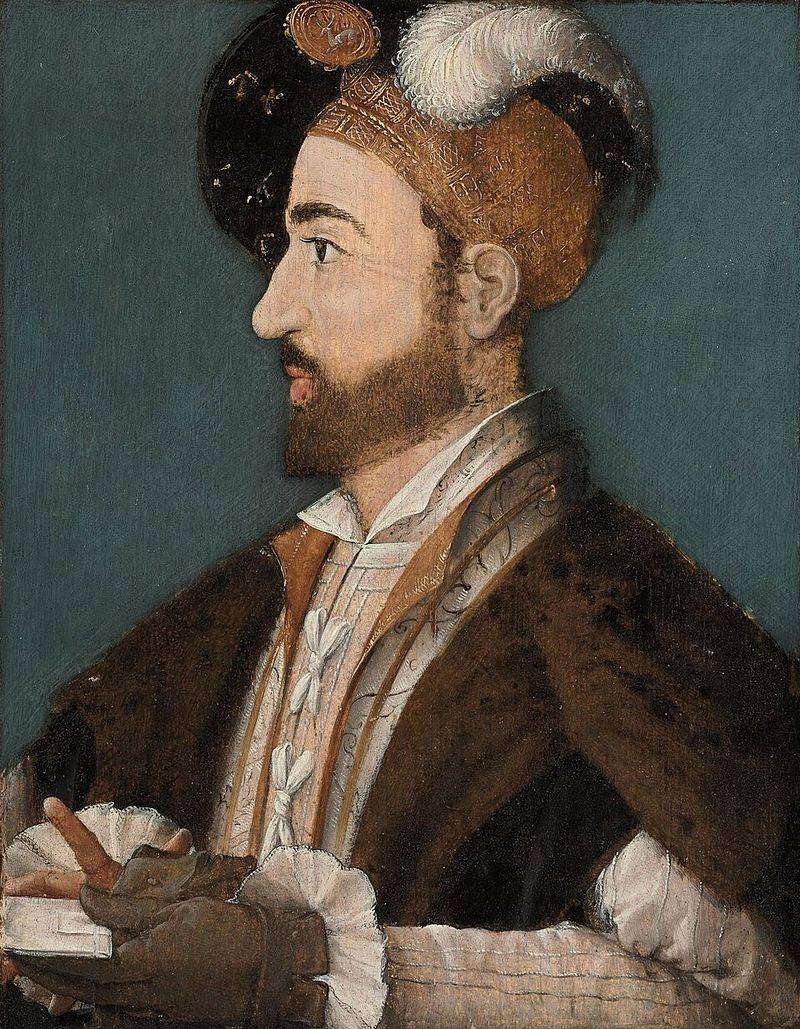
Charles III, Duke of Bourbon, was arguably the most capable military commander France possessed in the early 16th century, which made his defection to the Habsburg cause in 1523 all the more damaging. His falling-out with King Francis I centered on an inheritance dispute following the death of his wife Suzanne, after which Francis I moved to seize the Bourbon estates using Salic law.
Feeling financially ruined and politically humiliated, Charles entered secret negotiations with Holy Roman Emperor Charles V and with Henry VIII of England, forming an alliance aimed at dividing France between them. When the conspiracy was discovered, he fled France entirely and took command of imperial forces in Italy.
His defection stripped France of experienced military leadership at a critical phase of the Italian Wars and handed the imperial cause detailed knowledge of French military capabilities. Francis I responded by confiscating the entire Bourbon duchy, absorbing it into the royal domain. Charles III died during the Sack of Rome in 1527, but his betrayal had already significantly altered the balance of power across western Europe.
10. Mir Jafar Betrays the Nawab of Bengal (1757)
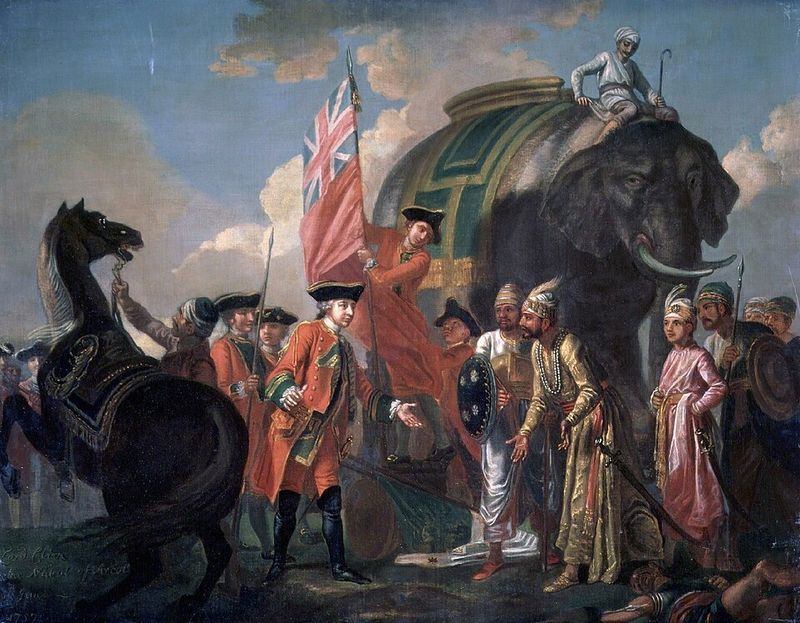
Bengal in 1757 was one of the wealthiest trading regions in the world, and control over it would prove to be the foundation of British colonial power across the entire Indian subcontinent. Nawab Siraj ud-Daulah commanded a numerically superior army at Plassey on June 23, 1757, yet the battle lasted only a few hours before his forces collapsed.
The reason was Mir Jafar, the Nawab’s own commander-in-chief, who had secretly agreed with Robert Clive of the British East India Company to withhold his substantial forces during the engagement in exchange for being installed as the new Nawab of Bengal.
Mir Jafar’s troops stood at the edge of the battlefield and watched without engaging while the British pressed their attack. Siraj ud-Daulah fled and was later captured and executed. The Company then installed Mir Jafar as a compliant ruler and extracted enormous financial compensation. His name has remained a byword for treachery in South Asian cultural memory ever since, appearing in literature, film, and political discourse to describe those who betray their people for personal advantage.
11. Benedict Arnold Defects to the British (1780)
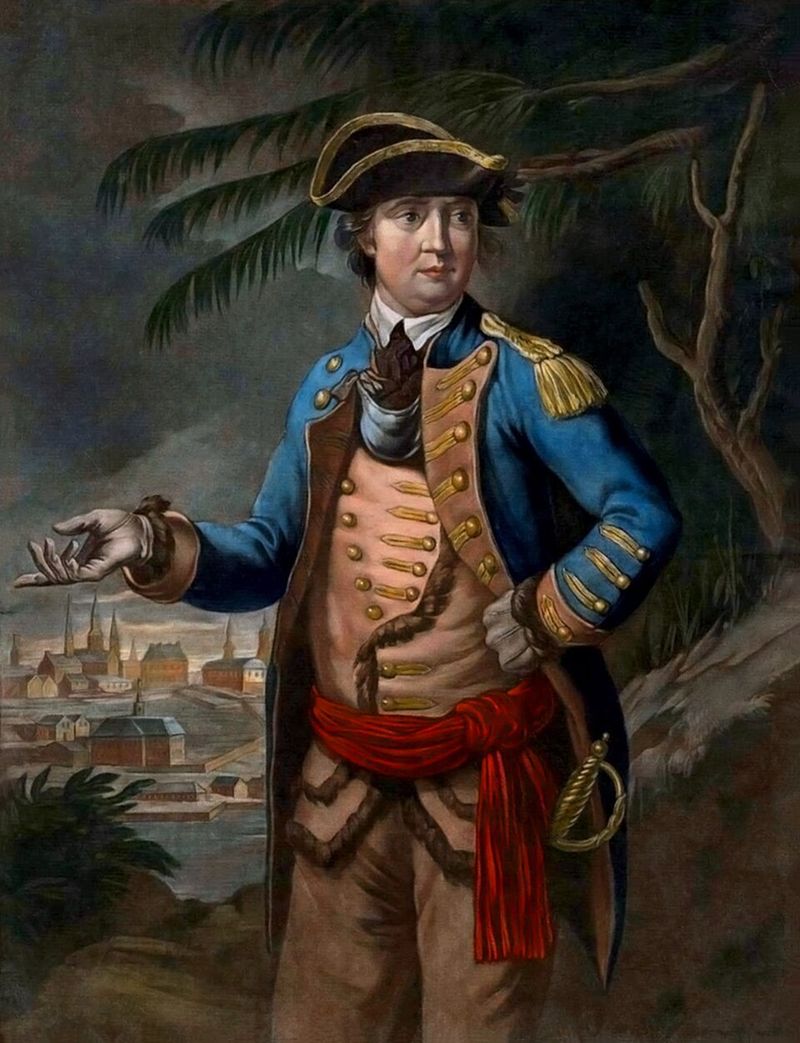
Before his name became synonymous with betrayal in American culture, Benedict Arnold was celebrated as one of the Continental Army’s most aggressive and effective battlefield commanders. His performances at Fort Ticonderoga in 1775 and Saratoga in 1777 were credited with keeping the American Revolution alive at two of its most vulnerable moments.
By 1780, however, Arnold had accumulated a long list of grievances: repeated promotion delays, a military tribunal over conduct charges, mounting personal debt, and what he saw as insufficient recognition from Congress. He accepted command of West Point on the Hudson River and began secretly negotiating to surrender the fortress to the British.
The plan unraveled when British Major John Andre was captured carrying the incriminating documents hidden in his boot. Arnold escaped to British lines hours before he could be arrested. Andre was executed as a spy. Arnold received a British commission and led raids against American communities in Virginia and Connecticut.
His transformation from celebrated general to national symbol of disloyalty happened so completely that his name still functions as a common American English phrase for traitor.
12. Charles Maurice de Talleyrand Turns Against Napoleon (1814)
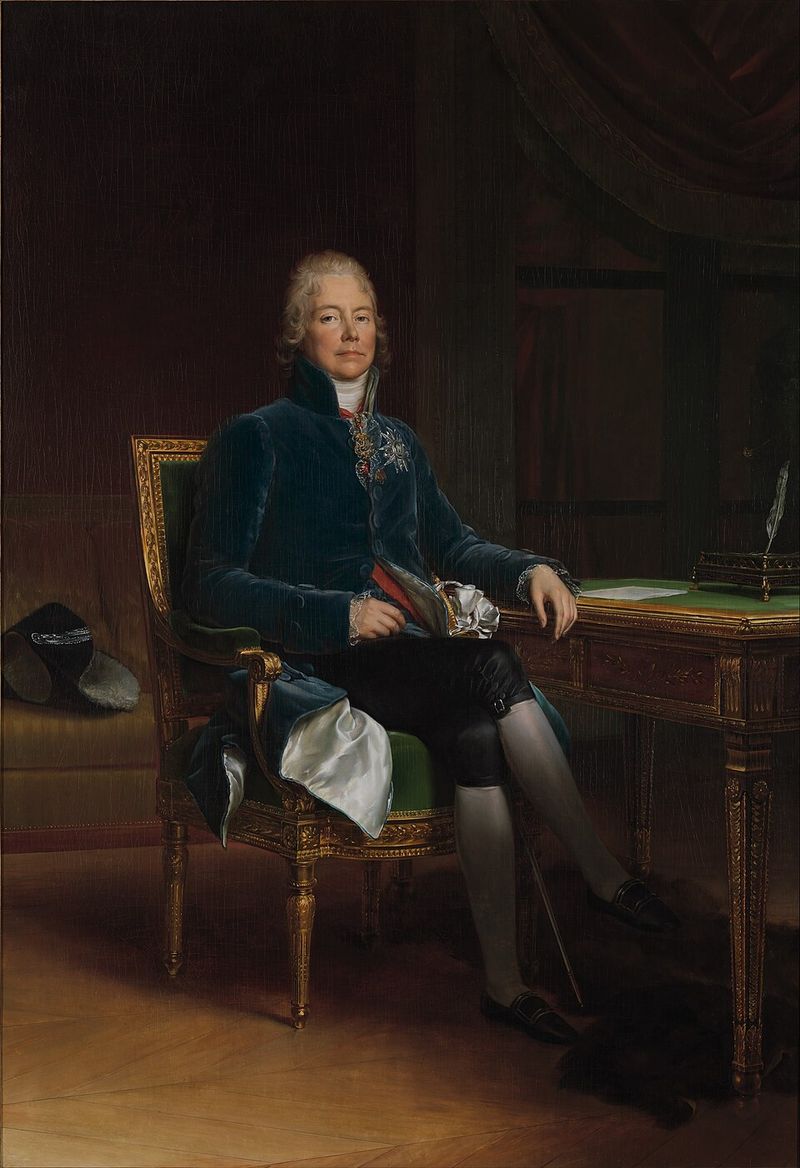
Talleyrand had served Napoleon for years as Foreign Minister, but by 1814 he had concluded that the Emperor’s ambitions were leading France toward permanent ruin and that a different arrangement would better serve both the country and his own considerable interests. As Allied armies closed in on Paris, Talleyrand positioned himself as the indispensable intermediary between the conquering powers and a France that needed a credible political future.
He advised Tsar Alexander I that restoring the Bourbon monarchy offered the most stable outcome for Europe, a recommendation that carried significant weight given his insider knowledge of French politics. His coordination with Allied leaders helped produce Napoleon’s abdication on April 6, 1814, and the Treaty of Fontainebleau.
Talleyrand then led France’s delegation at the Congress of Vienna, where his diplomatic skill secured terms far more favorable than a defeated nation might have expected. He kept France’s 1792 borders largely intact and avoided punishing reparations. His pivot against Napoleon was less a sudden act of disloyalty than the logical conclusion of years of private doubt, executed at the moment when it would have maximum effect.
13. Marshal Michel Ney Rejoins Napoleon During the Hundred Days (1815)
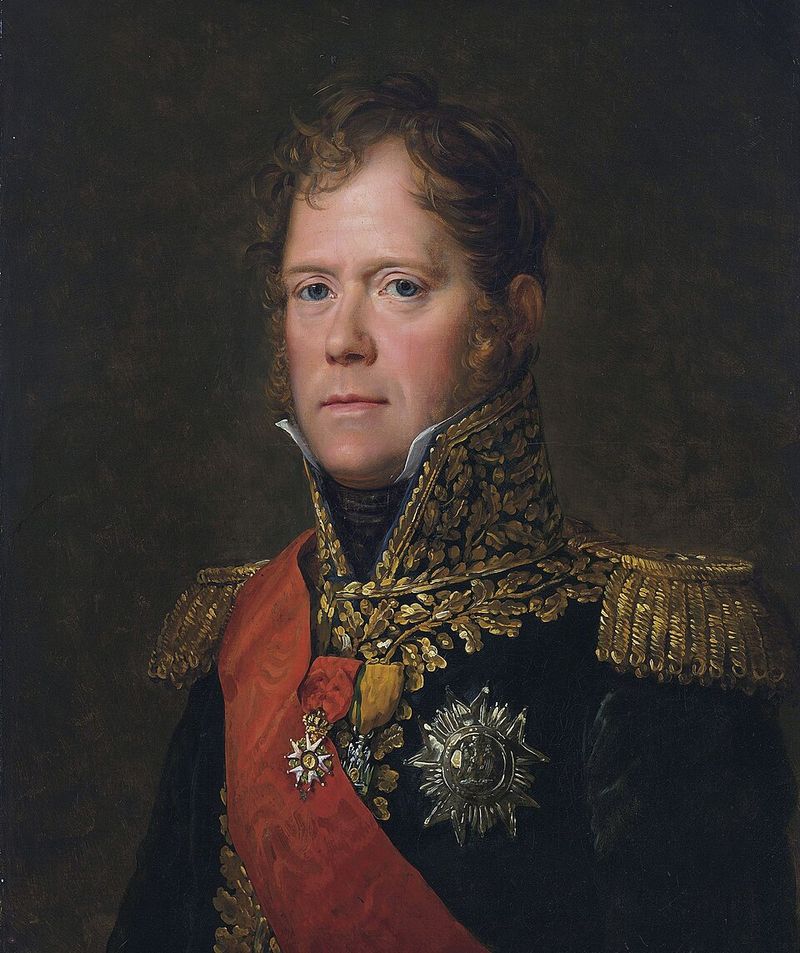
Marshal Michel Ney had promised King Louis XVIII that he would stop Napoleon’s advance after the Emperor escaped from Elba in March 1815, famously declaring he would bring him back in an iron cage. What actually happened when Ney’s forces met Napoleon’s column near Auxerre was the opposite of everything he had pledged.
Napoleon personally approached the troops and invited them to join him. Ney’s soldiers began defecting immediately, and Ney himself, facing an impossible choice between his oath to the Bourbons and the pull of his military identity, crossed over and joined Napoleon’s march to Paris. The city fell without resistance, and Louis XVIII fled.
Napoleon’s reclaimed empire lasted roughly one hundred days before defeat at Waterloo ended it permanently. Ney fought with his customary recklessness at Waterloo, leading multiple charges against British lines. After the final defeat, the restored Bourbon government put him on trial for treason. He was found guilty and executed by firing squad in December 1815, becoming one of history’s most complex examples of a soldier destroyed by competing loyalties rather than by any enemy on the battlefield.
Share this story