History textbooks have a habit of telling the same stories over and over, leaving out some of the most remarkable people who ever lived. Black scientists have made discoveries, built technologies, and saved lives in ways that changed the world, yet their names rarely make it into classroom conversations.
From space exploration to cancer research, their contributions deserve far more attention than they typically receive. This list highlights 13 brilliant Black scientists whose work shaped modern medicine, engineering, physics, and beyond, and whose stories are long overdue for a spot in the spotlight.
Dr. Charles Drew, Pioneer of Modern Blood Banking
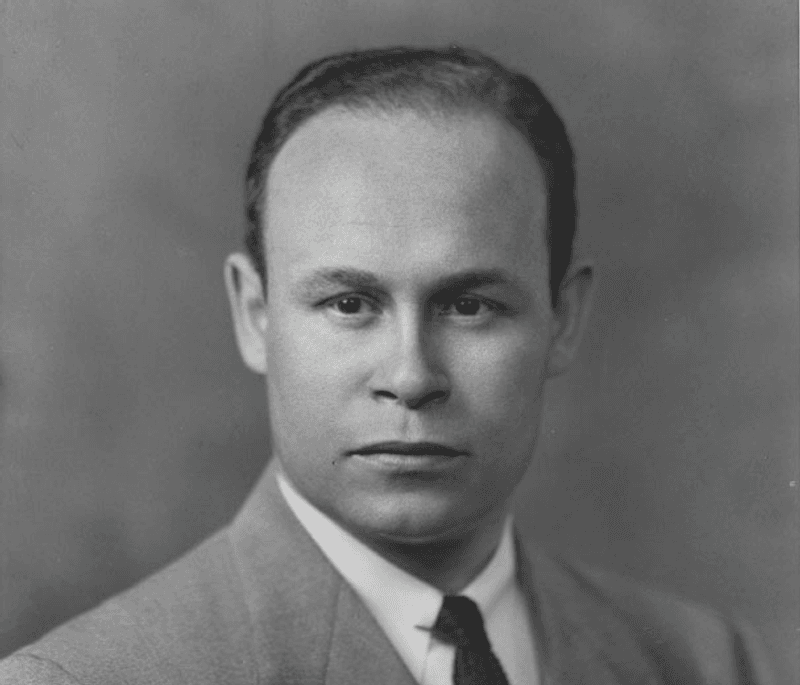
Before Charles Richard Drew came along, storing and transporting blood for medical emergencies was an inconsistent, unreliable process. Drew changed that by developing research-backed methods for preserving and processing blood plasma on a large scale, making it possible to collect and ship blood where it was needed most.
During World War II, his leadership helped power the Blood for Britain program, which delivered lifesaving plasma to Britain when supplies were desperately low. He later helped organize an early American Red Cross blood bank program, putting his research directly into life-or-death practice.
Drew was also a vocal critic of policies that separated donated blood by race, pointing out clearly that those policies had no scientific foundation. He passed away in 1950 from injuries sustained in a car accident.
A persistent myth claimed a segregated hospital refused him care, but historians have found no evidence to support that story.
Dr. Mae Jemison, The First Black Woman in Space
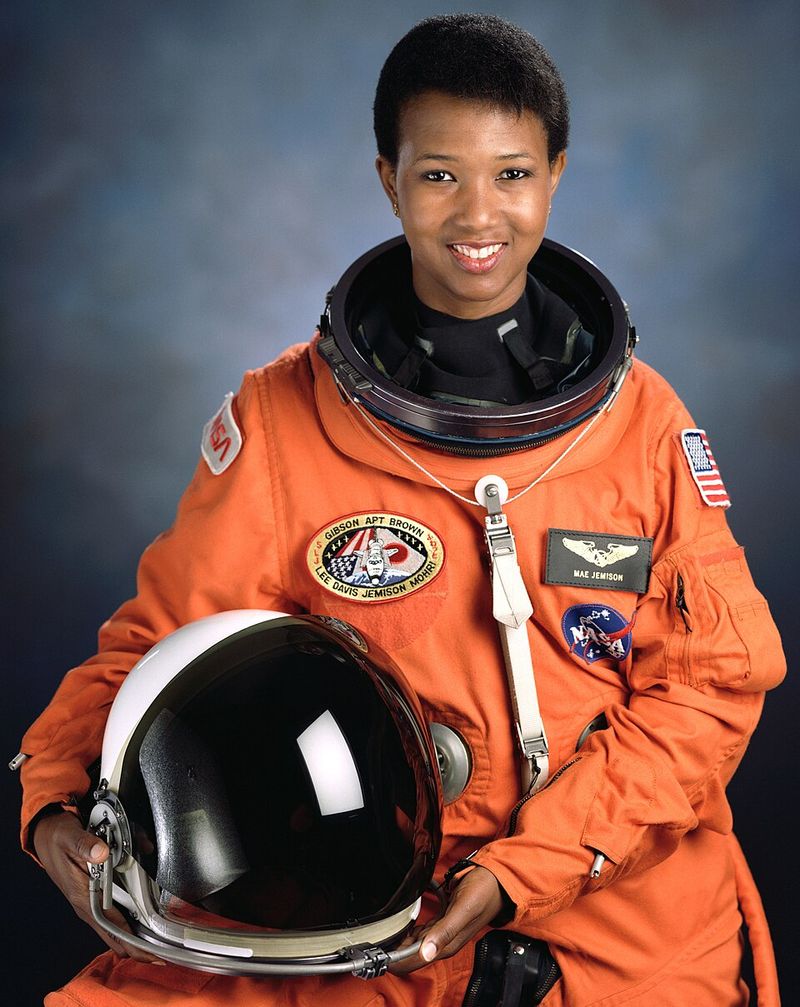
On September 12, 1992, Space Shuttle Endeavour lifted off carrying Mae Jemison into the history books as the first Black woman to travel into space. That single fact is remarkable on its own, but it only scratches the surface of what she accomplished.
Jemison earned a degree in chemical engineering from Stanford University and a medical degree from Cornell University. Before NASA ever called her name, she had already worked as a physician and served as a Peace Corps medical officer in Sierra Leone and Liberia, bringing healthcare to communities with limited access.
NASA selected her as an astronaut candidate in 1987. During the STS-47 mission, she worked as a science mission specialist, running experiments related to bone-cell research and the physiological effects of spaceflight.
Her career sits at a rare crossroads of medicine, engineering, and space science, making her one of the most accomplished scientists of her generation.
Percy Julian, A Master of Synthetic Chemistry
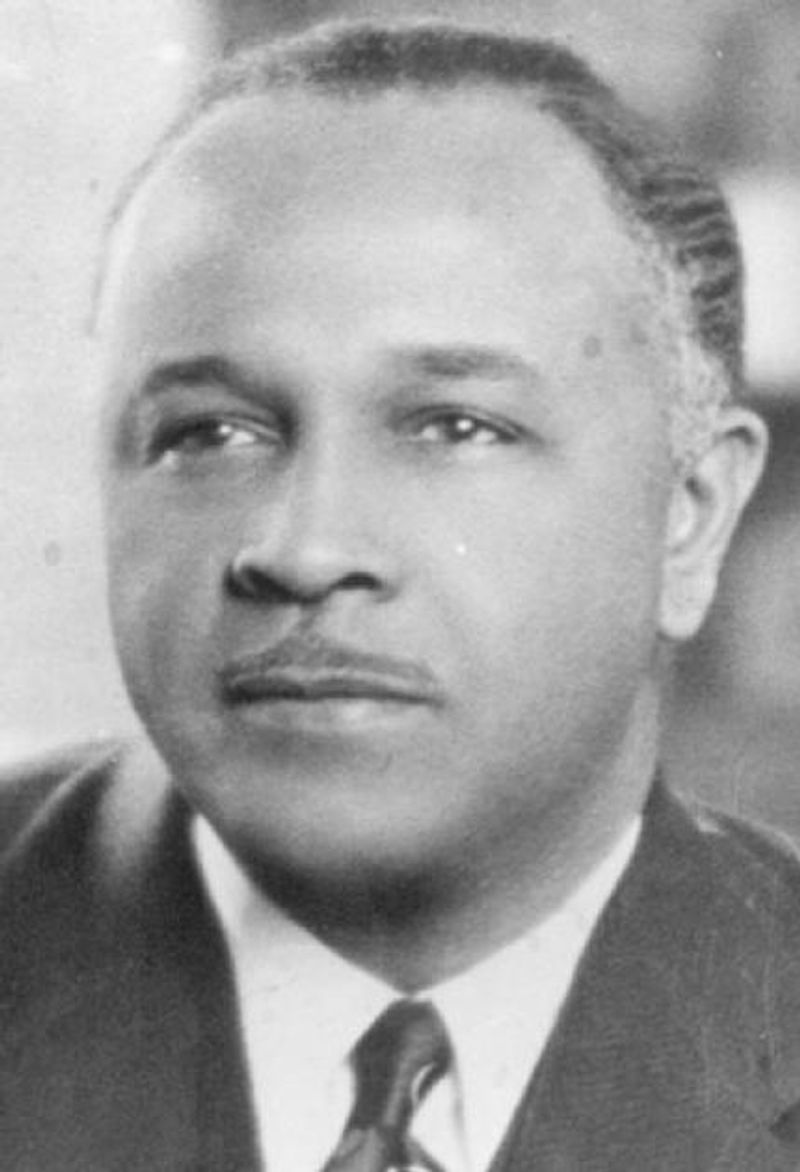
Percy Lavon Julian built one of the most impressive careers in 20th-century chemistry while facing racial discrimination that would have stopped most people cold. He was denied academic positions, had his home targeted by arsonists, and still managed to produce research that changed pharmaceutical manufacturing forever.
His landmark 1935 synthesis of physostigmine, a compound used to treat glaucoma, put him on the scientific map. From there, his research expanded into soybean-based chemistry, where he developed affordable methods for producing important steroid hormones including progesterone and hydrocortisone.
Those advances made medicines that were once expensive and scarce far more accessible to patients.
Julian eventually founded Julian Laboratories and accumulated a substantial collection of patents throughout his career. In 1973, he was elected to the National Academy of Sciences, one of the highest honors in American science.
His story shows how determination and brilliance can produce extraordinary results even under deeply unfair conditions.
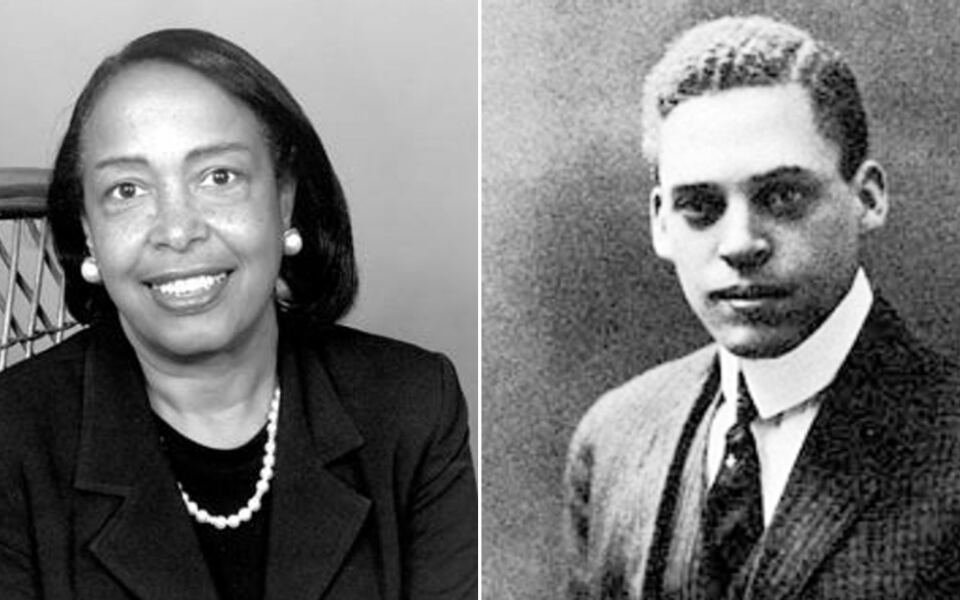
Dr. Patricia Bath, The Innovator Who Transformed Cataract Surgery
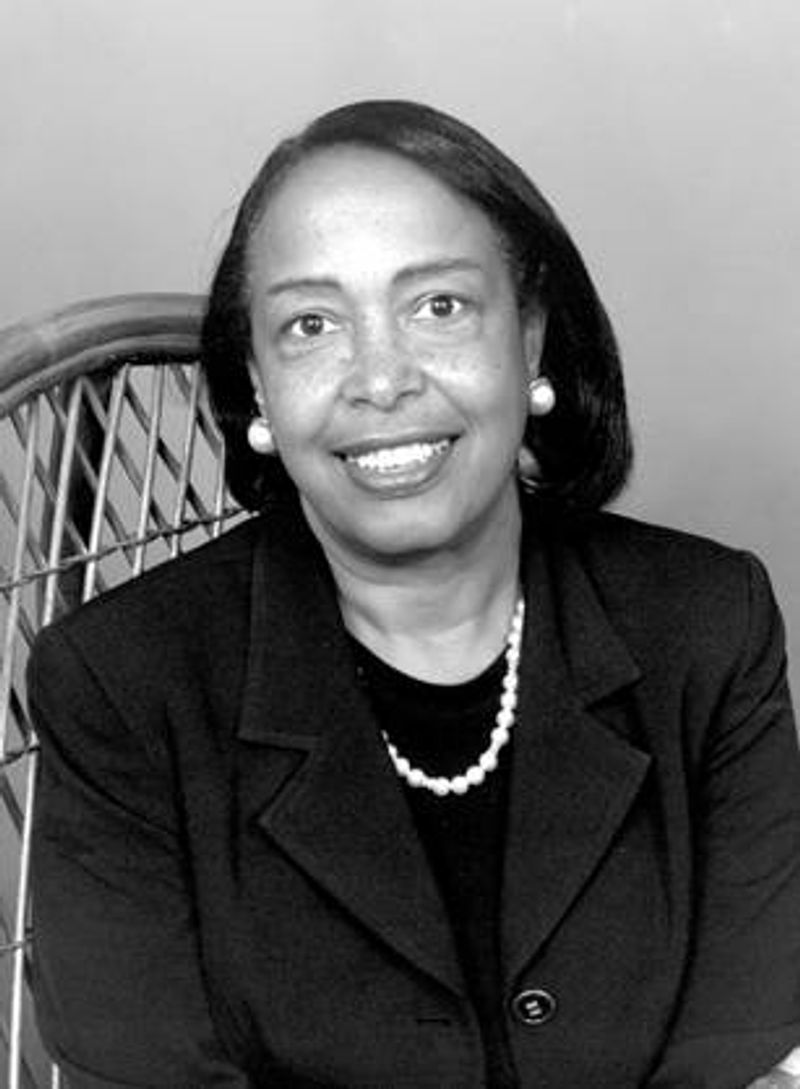
Patricia Bath approached her career in ophthalmology with one guiding purpose: find better ways to prevent blindness and restore people’s sight. That focus led her to one of the most significant surgical innovations in modern eye care.
In 1986, Bath developed the Laserphaco Probe, a device that used laser technology as part of cataract treatment. The technique offered a more precise approach than methods that were standard at the time, and it stands as one of the achievements she is most widely remembered for today.
Her influence reached beyond the operating room. Bath was a strong advocate for community ophthalmology, a public health approach that combined eye care with outreach to underserved populations where preventable blindness was most common.
In 1983, she became the first woman to chair an ophthalmology residency program in the United States. That combination of surgical innovation, advocacy, and leadership made her a genuinely transformative figure in modern medicine.
George Washington Carver, The Agricultural Scientist Who Looked Beyond Cotton
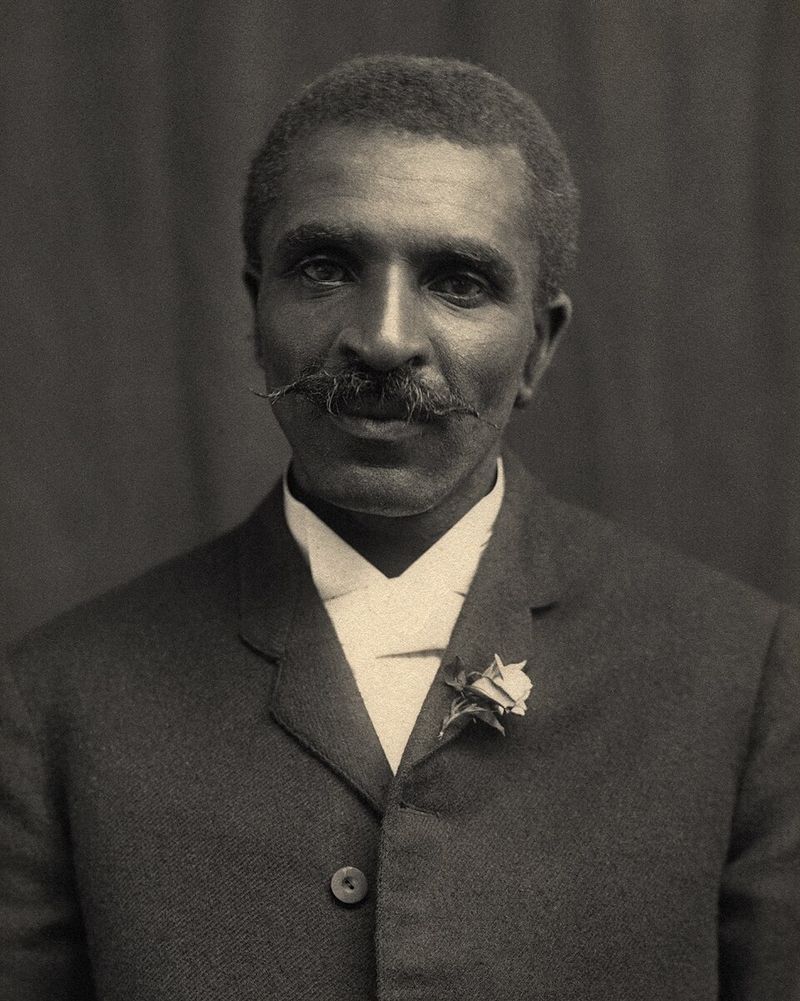
George Washington Carver is one of the most famous scientists in American history, but the popular version of his story often misses the point. The peanut experiments get most of the attention, while his deeper contribution, helping Southern farmers rethink their entire approach to land use, gets far less credit than it deserves.
Working at Tuskegee Institute, Carver promoted crop rotation as a practical solution to soil exhaustion. Years of growing cotton had depleted farmland across the South, and Carver encouraged farmers to alternate cotton with legumes like peanuts and cowpeas, which could help restore nutrients to worn-out soil.
He also explored alternative uses for agricultural crops, hoping to give farmers additional income streams beyond a single commodity. Popular accounts often inflate the number and significance of his peanut-based inventions.
His real legacy rests on agricultural education, soil science, crop diversification, and a commitment to making scientific knowledge genuinely useful to the farmers who needed it most.
Dr. Shirley Ann Jackson, A Barrier-Breaking Physicist
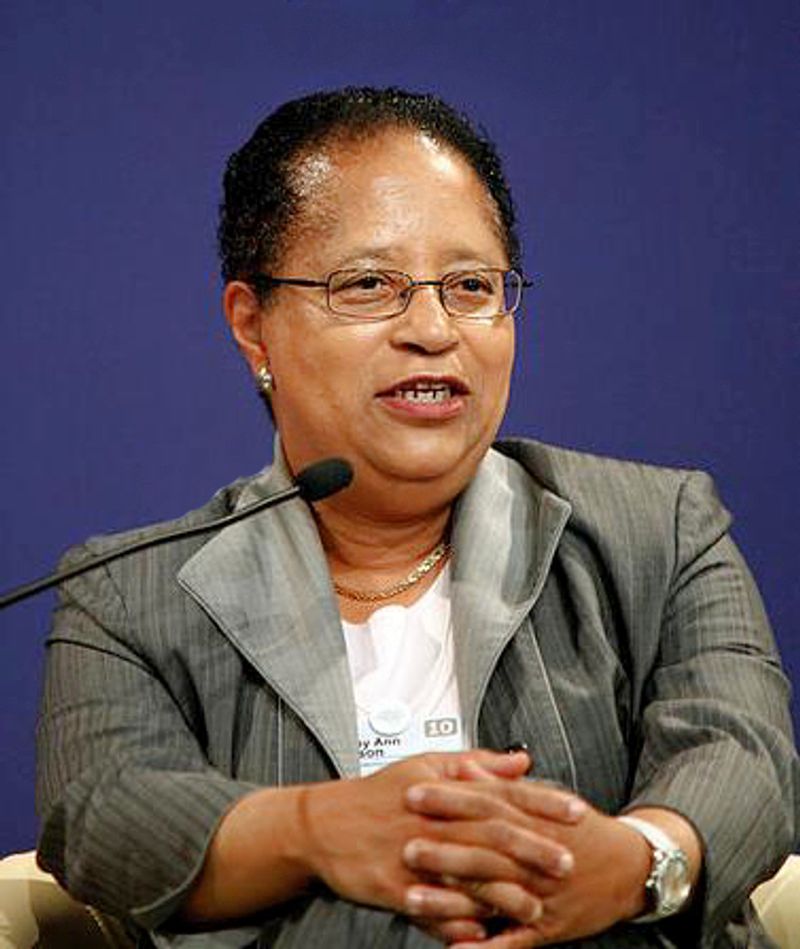
Shirley Ann Jackson walked into MIT and did something no Black woman had done before: she earned a doctorate in physics from that institution in 1973. She was also only the second Black woman in the entire country to earn a physics Ph.D., a fact that puts her achievement in sharp historical perspective.
After MIT, Jackson conducted theoretical physics research and went on to work at Bell Laboratories, one of the most respected research environments in the world. Her career eventually expanded into scientific leadership at the highest levels, including chairing the U.S.
Nuclear Regulatory Commission.
In 1999, she became president of Rensselaer Polytechnic Institute and later received the National Medal of Science. Some online sources credit her personally with inventing caller ID, touch-tone phones, and fiber-optic technology, but those claims are not well-supported by documented evidence.
Her actual career, which is thoroughly verified, is impressive enough to stand completely on its own without embellishment.
Ernest Everett Just, A Pioneer in Cell and Developmental Biology
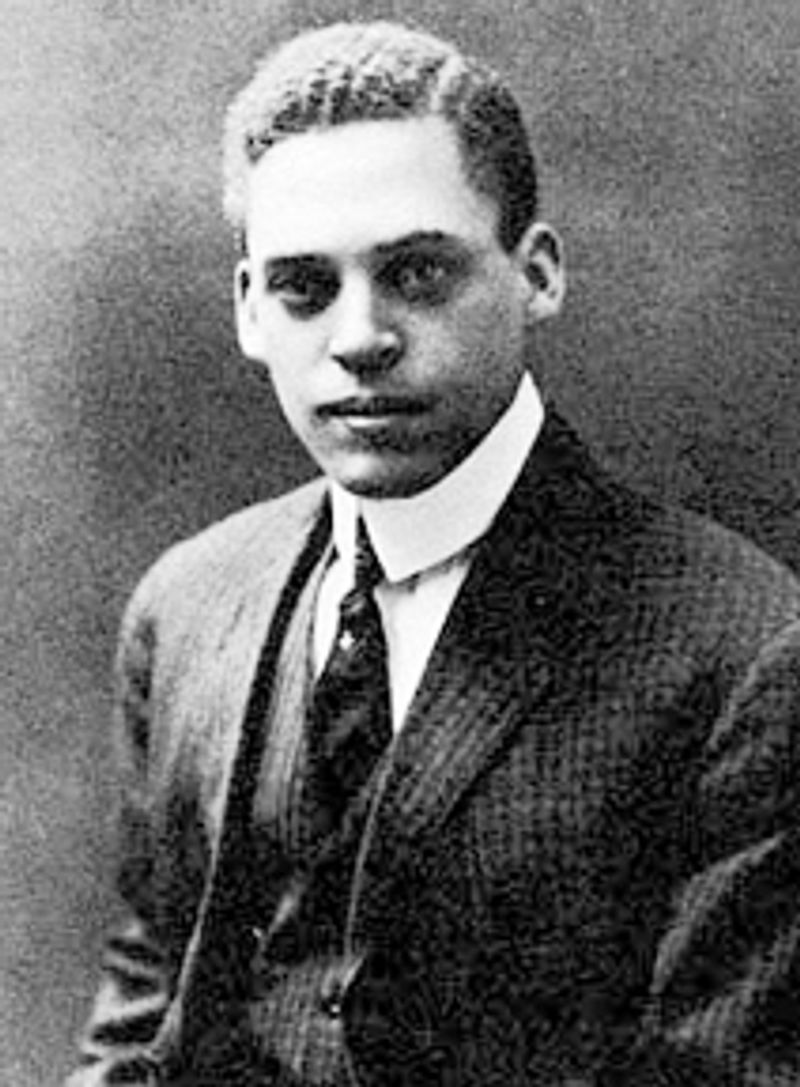
Ernest Everett Just spent decades asking one of the most fundamental questions in all of biology: what exactly happens at the cellular level when life begins? His pursuit of that question produced research that still holds value in modern developmental biology.
Starting in the early 1900s, Just conducted extensive work at the Marine Biological Laboratory in Woods Hole, Massachusetts. He studied fertilization, egg cell behavior, early cell division, and embryonic development using marine organisms including sea urchins and various worms.
One of his key findings showed a relationship between where sperm enters an egg and the direction of the first cell division, a detail with real implications for understanding how development unfolds.
Just became the first African American to study and work at the Marine Biological Laboratory, earning scientific recognition despite the serious racial barriers that limited opportunities for Black researchers during his lifetime. His perseverance and intellectual rigor left a lasting mark on cell biology.
Dr. Marie Maynard Daly, A Biochemistry Trailblazer
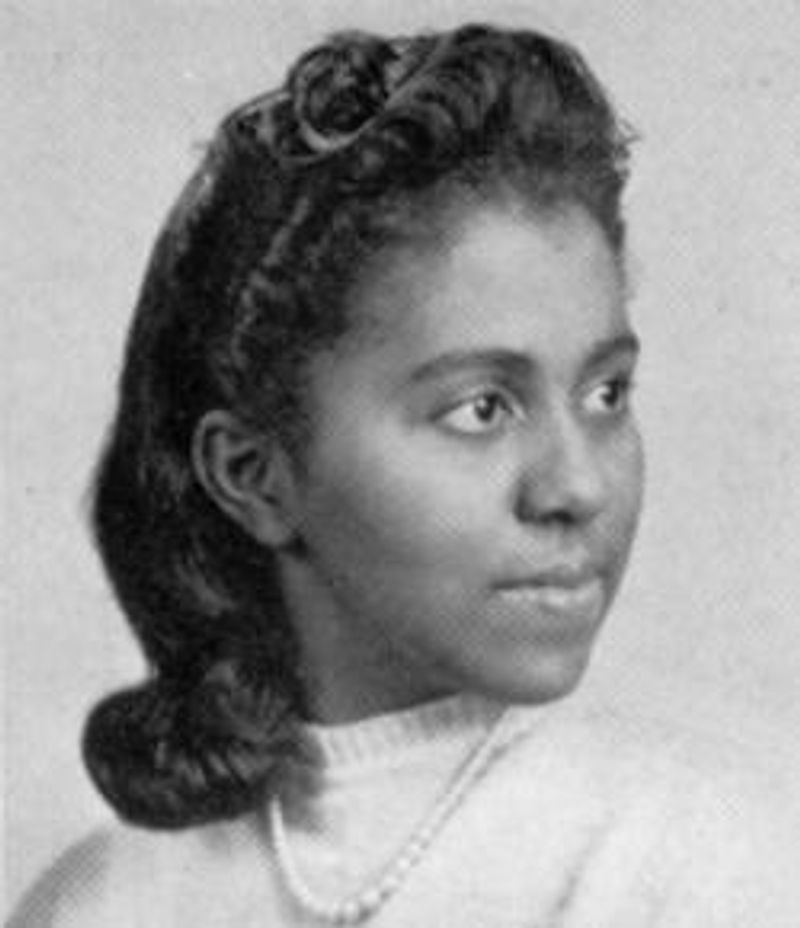
Marie Maynard Daly made history in 1947 when she became the first Black woman in the United States to earn a Ph.D. in chemistry. Columbia University awarded her that degree, and what she did with it matters just as much as the milestone itself.
Her scientific research moved into areas with direct connections to human health. Daly investigated proteins, cholesterol, hypertension, and how diet influences cardiovascular health.
Her work contributed to a clearer understanding of how cholesterol and related factors affect the arteries and the overall circulatory system, research that has genuine relevance to public health today.
Beyond her laboratory work, Daly cared deeply about expanding access to science education for students who had historically been excluded from those opportunities. In 1988, she established a scholarship at Queens College in memory of her father, who had dreamed of attending college himself.
The American Chemical Society later recognized her contributions with a National Historic Chemical Landmark designation.
Lonnie G. Johnson, The NASA Engineer Behind the Super Soaker
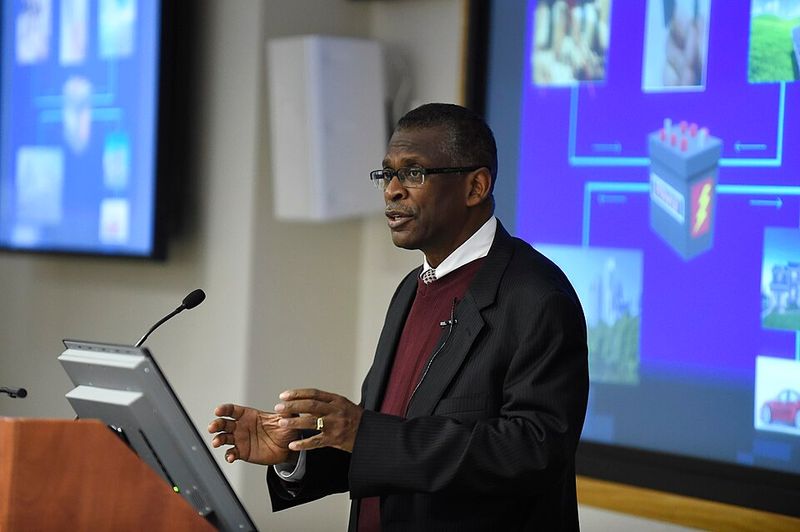
Most people know Lonnie Johnson as the inventor of the Super Soaker, which is fair, because it became one of the best-selling toys in American history. What often gets left out is that Johnson was already a serious aerospace engineer long before the water gun made him famous.
Johnson studied mechanical and nuclear engineering before working for the U.S. Air Force and then NASA’s Jet Propulsion Laboratory, where he served as a senior systems engineer on the Galileo mission to Jupiter.
That is a serious resume by any measure.
The pressurized water-gun concept he developed was almost accidental, emerging from separate engineering experiments he was conducting at home. After licensing the technology, the Super Soaker generated more than $200 million in retail sales in 1991 alone.
Johnson kept inventing after that commercial breakthrough, accumulating more than 100 patents and pursuing research in energy technology. His career proves that engineering creativity rarely stays confined to a single category.
Dr. Gladys West, The Mathematician Whose Work Helped Make GPS Possible
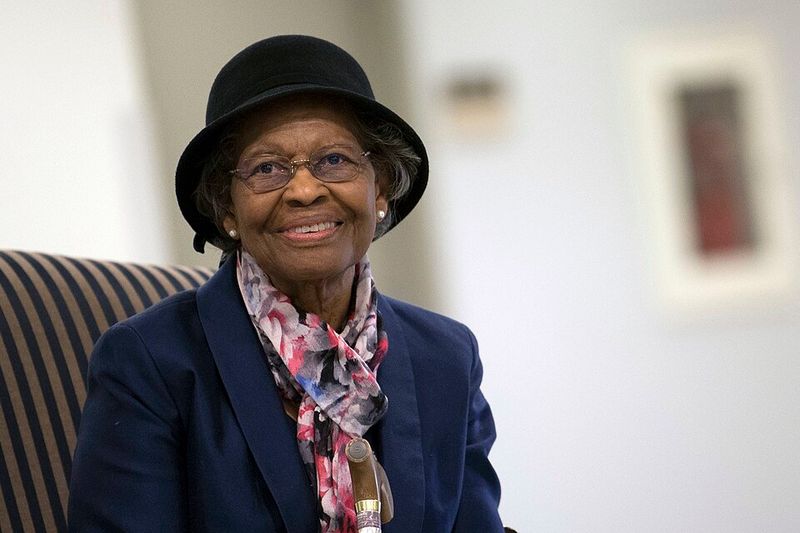
Every time a GPS app recalculates a route in seconds, it is drawing on decades of mathematical work by people whose names most users will never know. Gladys Mae West is one of those people, and her contribution to that technology deserves far more recognition than it has received.
West joined the U.S. Naval Proving Ground at Dahlgren, Virginia, in 1956.
Over the following decades, she performed complex calculations and programmed computers to build increasingly accurate mathematical models of the Earth’s shape. That kind of precise geodetic modeling became a critical foundation for the satellite positioning systems that eventually developed into GPS.
The U.S. Navy and Air Force formally recognized the importance of her contributions in later years.
Gladys West passed away on January 17, 2026, at the age of 95. Her work is a reminder that major technological breakthroughs rarely come from a single inventor but from sustained, careful effort by researchers who often go uncelebrated for far too long.
Dr. Alexa Canady, The First Black Woman Neurosurgeon in America
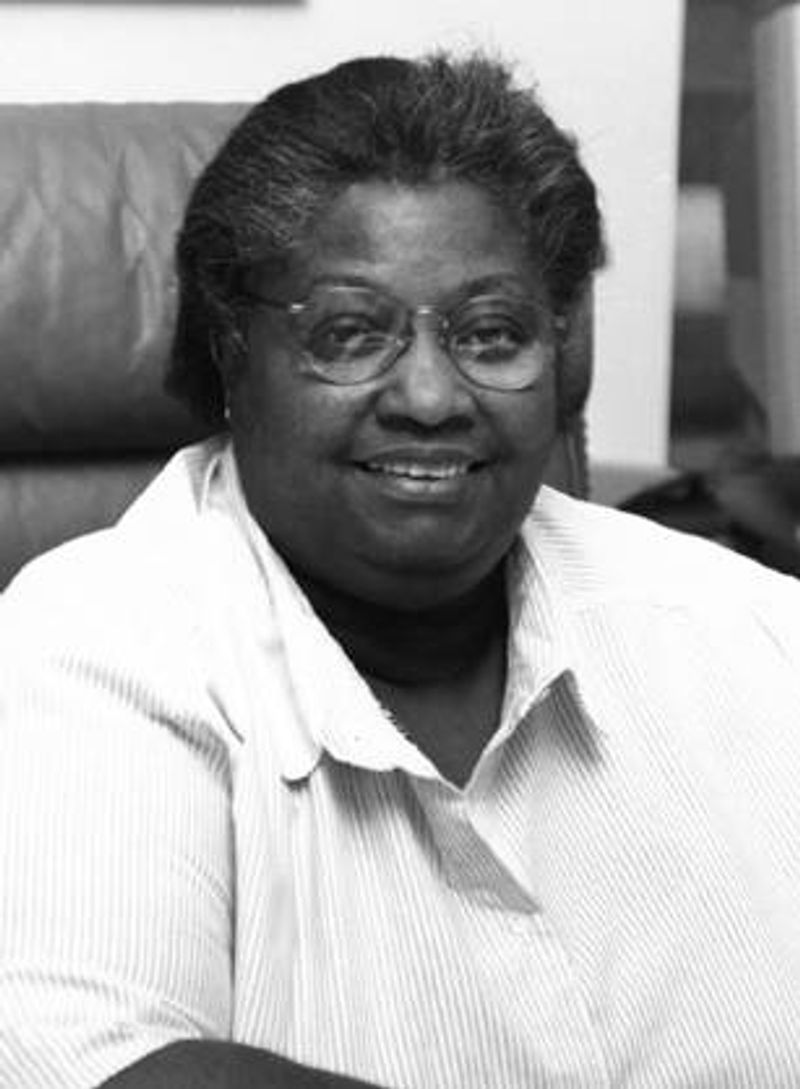
Neurosurgery is one of the most demanding specialties in all of medicine, requiring years of intensive training, precise skill, and the ability to perform under extraordinary pressure. In 1981, Alexa Irene Canady became the first Black woman in the United States to complete that training and practice as a neurosurgeon.
Canady earned her medical degree from the University of Michigan before completing neurosurgical training at the University of Minnesota. She then pursued additional specialized training in pediatric neurosurgery, choosing to focus her career on treating children with serious neurological conditions.
She served as chief of neurosurgery at Children’s Hospital of Michigan and became board-certified by the American Board of Neurological Surgery in 1984. Her story carries weight not just because she was first, but because she built a genuinely distinguished career in a field that had never seen someone like her before.
She helped make it easier for the physicians who followed in her path.
Otis Boykin, The Inventor Who Improved Electronic Resistors
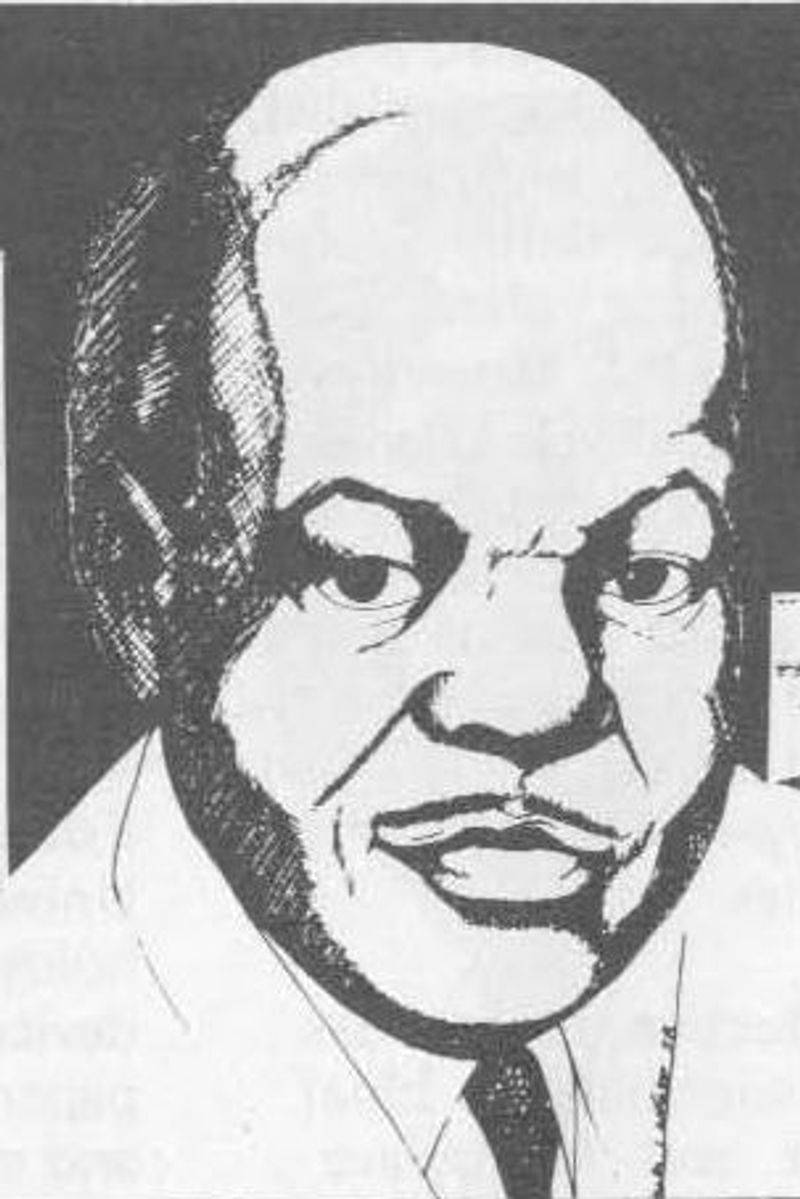
Otis Boykin is not a household name, but the technology he refined quietly shows up in an impressive range of everyday electronics. His specialty was electrical resistors, the components that help control how electrical current flows through circuits, and his improvements made those components more reliable and precise.
Boykin studied physics and chemistry at Fisk University before building a career as an engineer and inventor. His resistor designs were eventually incorporated into televisions, radios, and early computers.
One of his most significant contributions involved technology that supported the development of the first successful implantable cardiac pacemaker, a device that has extended the lives of millions of people around the world.
He accumulated a solid portfolio of patents over his career and established an important legacy in electronic component design by the time of his death in 1982. Boykin is a good example of an inventor whose impact was enormous but whose name never quite caught up with his contributions.
Garrett Morgan, The Inventor Behind a Safety Hood and Three-Way Traffic Signal
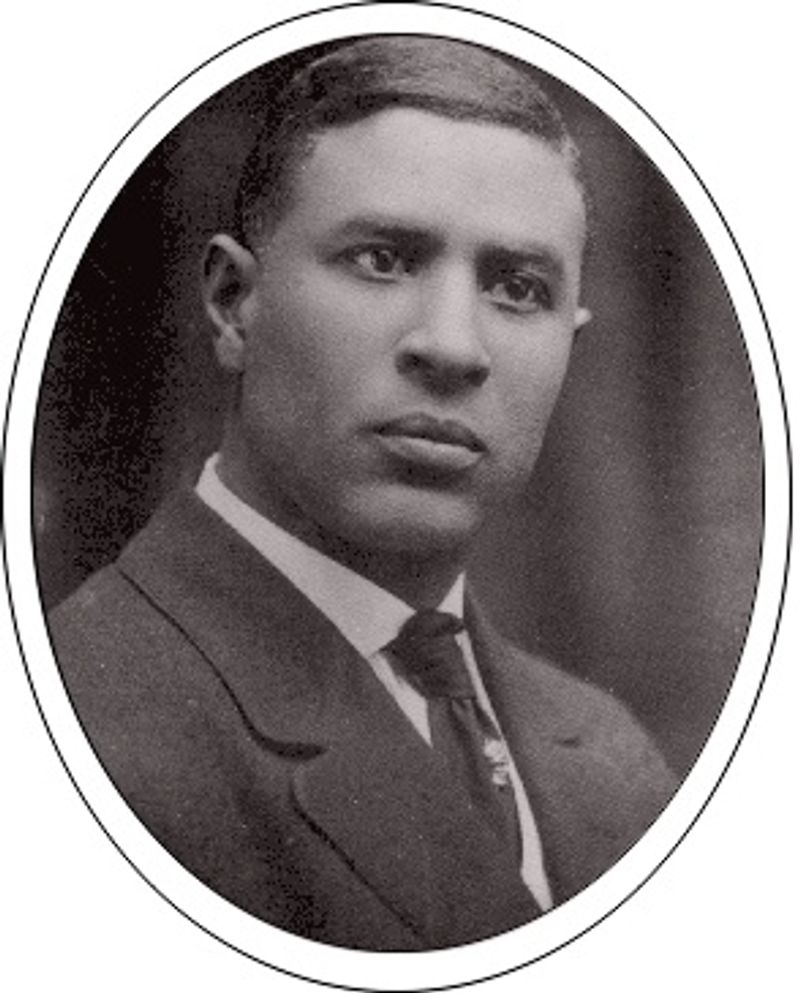
Garrett Morgan was the kind of inventor who looked at real-world problems and built practical solutions. His two most famous inventions addressed very different challenges, but both were driven by the same instinct to protect people from preventable harm.
Morgan patented a safety hood designed to protect wearers from smoke and hazardous fumes in dangerous environments. The device gained public attention after Morgan and others used breathing equipment during rescue efforts following a deadly tunnel collapse beneath Lake Erie, an event that demonstrated the hood’s real-world value under extreme conditions.
He later patented a mechanical three-way traffic signal that introduced an intermediate position between stop and go, creating a safer transition between traffic movements on increasingly busy streets. Some popular accounts describe Morgan as the inventor of the traffic light or modern gas mask in broad terms, which oversimplifies a more complex history.
What is well-documented is that his inventions made workplaces and roads measurably safer for the people who used them.
Share this story