Europe is enormous, and yet most travel itineraries keep circling the same handful of cities. Paris, Rome, and London are genuinely wonderful, but they are also crowded, expensive, and increasingly familiar.
The continent holds dozens of cities that offer medieval architecture, remarkable food, rich history, and strong local character without the overwhelming crowds. This list covers 13 cities across Europe that deserve a real place on your travel radar, not as backup options, but as destinations worth planning a trip around.
Whether you are drawn to Ottoman history, modernist architecture, Baltic coastlines, or legendary food regions, there is something on this list that will make you rethink your next booking.
Ljubljana, Slovenia
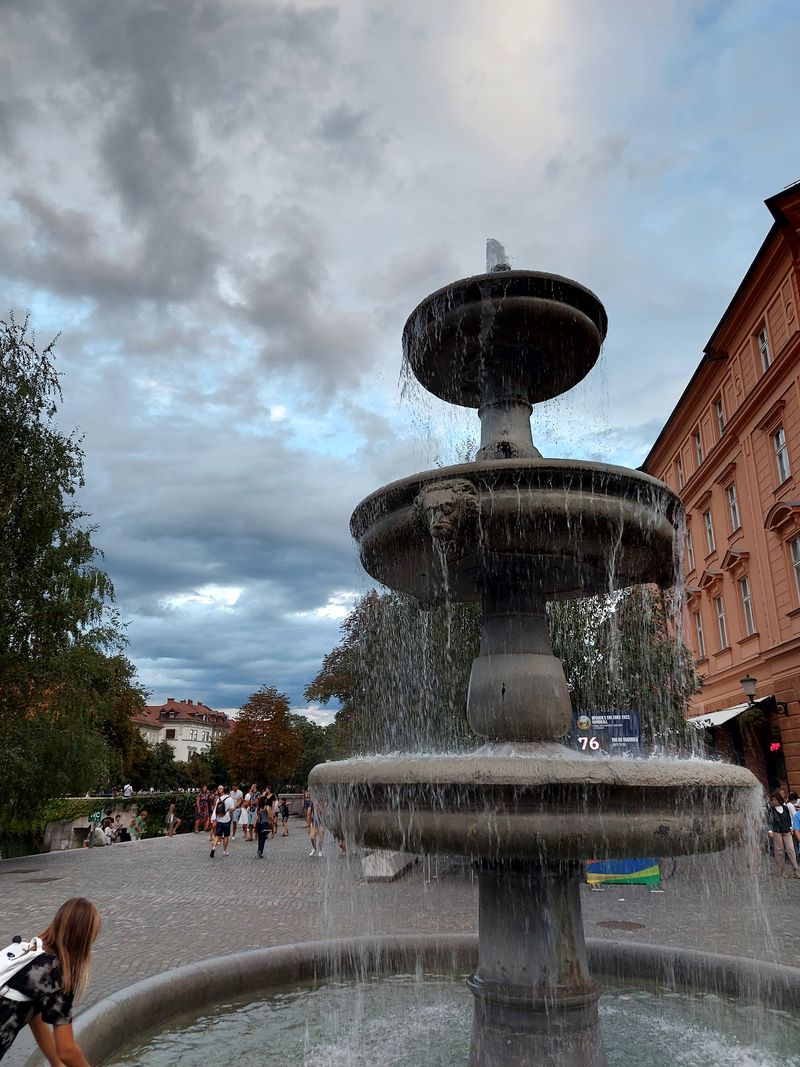
Slovenia’s capital earns its reputation as one of Europe’s most relaxed cities, and the Ljubljanica River running straight through the historic center is a big reason why. Cafes and restaurants line the banks, and the pedestrianized streets mean you can move through the city without constantly watching for traffic.
Ljubljana Castle overlooks the old town from its hilltop position, while Triple Bridge, Dragon Bridge, and Prešeren Square give the compact center a surprising amount of visual variety. St. Nicholas’s Cathedral and the Central Market round out the core sights without ever feeling exhausting.
On Fridays during warmer months, the Open Kitchen food market at Pogačarjev trg brings together local restaurants and food producers in one lively outdoor setting. Tivoli Park offers a quieter escape nearby.
For travelers used to enormous European capitals, Ljubljana’s scale is genuinely refreshing. You don’t have to race through it to feel like you’ve seen it properly.
Ghent, Belgium
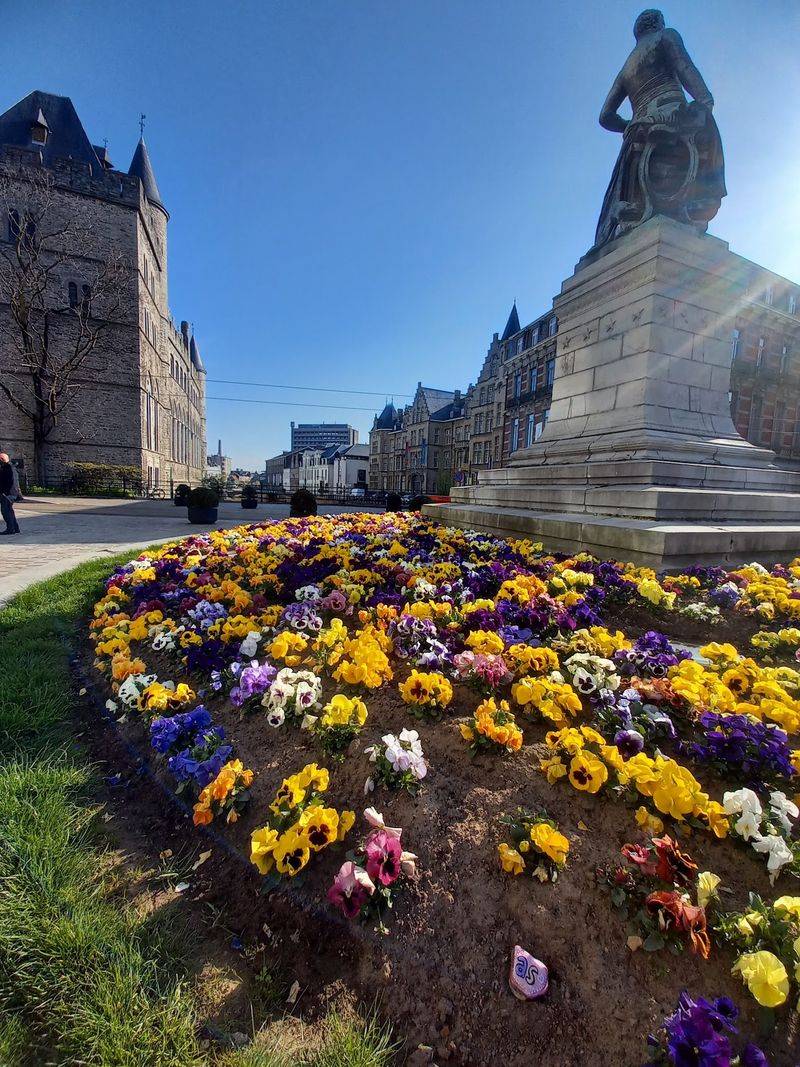
Bruges usually collects all the fairy-tale comparisons, and Brussels absorbs most of Belgium’s international attention. Ghent sits between the two and quietly delivers something neither of them quite manages: a medieval city that still feels genuinely alive and lived-in.
Gravensteen, the Castle of the Counts, rises unexpectedly from the middle of town with its stone towers intact. Nearby, the Belfry forms part of a UNESCO World Heritage grouping of Belgian and French belfries, while St. Bavo’s Cathedral houses the Ghent Altarpiece, associated with brothers Hubert and Jan van Eyck.
Graslei and Korenlei beside the water are worth an extended wander at any hour. After sunset, Ghent’s carefully planned illumination system transforms the historic center into something almost as rewarding as daytime sightseeing.
Major attractions including the Castle of the Counts, St. Peter’s Abbey, and multiple museums remain active in 2026. For anyone who loved Bruges but wanted more city around the scenery, Ghent is the answer.
Brno, Czechia
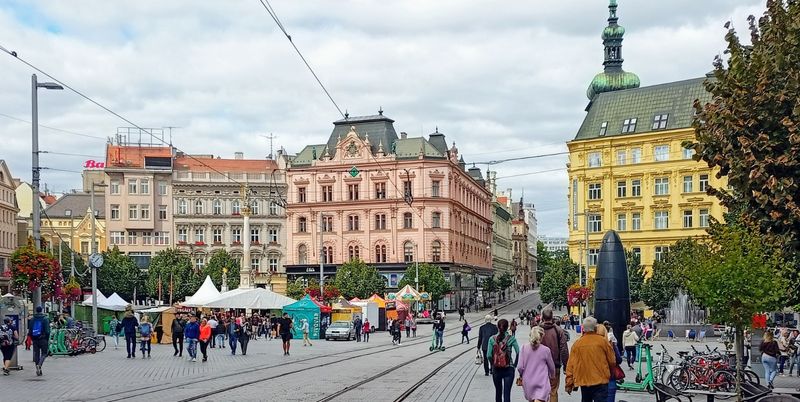
Prague is spectacular, and its prominence on European itineraries is completely understandable. But that same prominence means Czechia’s second-largest city rarely gets the serious consideration it deserves.
Brno has its own compelling combination of medieval architecture, modernist design, underground attractions, and a genuinely active local culture.
Špilberk Castle dominates part of the skyline, having evolved from a medieval royal residence into a fortress and notorious prison before eventually becoming a museum open to visitors. The Cathedral of St. Peter and Paul on Petrov Hill provides another defining landmark.
Architecture enthusiasts have a particularly strong reason to visit. Villa Tugendhat, designed by Ludwig Mies van der Rohe, is a UNESCO World Heritage site and one of Europe’s finest examples of modernist residential architecture.
Beneath the streets, historic passages, cellars, and crypts add an underground dimension that surprises many first-time visitors. Brno works especially well for travelers who enjoy Central Europe but prefer somewhere less dominated by international tour groups.
Bologna, Italy
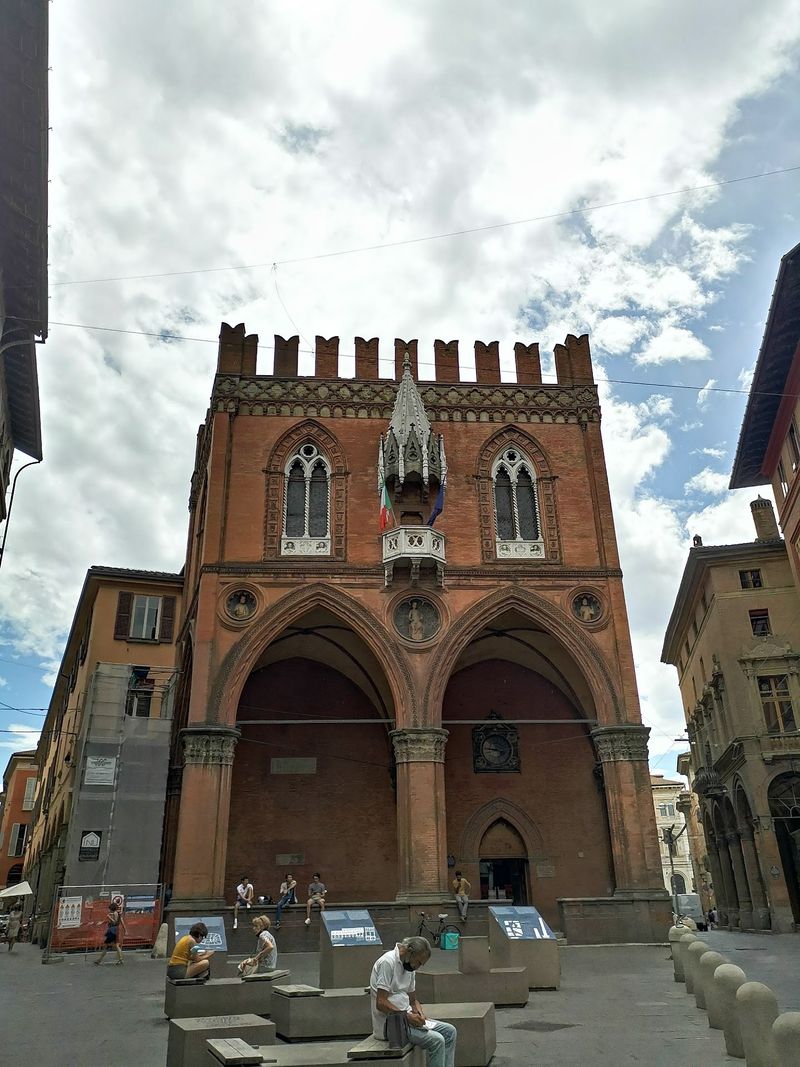
Rome, Florence, and Venice make an obvious Italian circuit, but stopping there means missing one of the country’s most rewarding food and architecture cities. Bologna sits in Emilia-Romagna, a region associated with some of Italy’s most celebrated culinary traditions, and that reputation shows up on every block of the historic center.
Fresh pasta shops, delis, covered markets, bakeries, and traditional restaurants fill the streets around the medieval core. Piazza Maggiore anchors the historic heart, with the Basilica of San Petronio commanding one entire side of the square.
Then there are the porticoes. Kilometers of covered walkways run throughout the city, and selected porticoes carry UNESCO recognition.
They give Bologna a visual identity unlike anything else in Italy. The Archiginnasio, once the main building of the University of Bologna, contains a beautifully preserved historic Anatomical Theatre that catches nearly every visitor off guard.
Bologna’s tourism organization is actively promoting tickets, tours, and museum visits throughout 2026. Come with a serious appetite.
Tallinn, Estonia
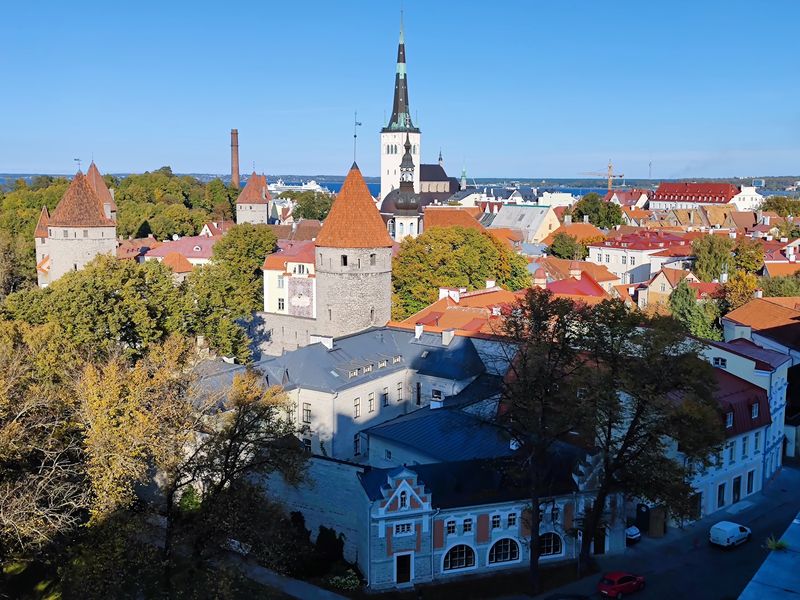
Medieval Europe and the 21st century coexist in Tallinn without much tension, which makes the Estonian capital easier to enjoy than many historic destinations. The UNESCO-listed Old Town contains fortified walls, towers, cobbled lanes, merchant houses, church spires, and scenic viewpoints that reward slow exploration.
Move outside the old walls and the city changes personality quickly. Kalamaja is known for wooden architecture and a creative, neighborhood-focused atmosphere.
Telliskivi Creative City transformed former industrial buildings into a district filled with restaurants, shops, galleries, and cultural venues. Kadriorg offers leafy parkland, historic architecture, and museums in a quieter setting.
Because Tallinn sits beside the Baltic Sea, the city carries a maritime quality that sets it apart from inland medieval destinations of similar size. Visit Tallinn’s current guide lists more than 50 Tallinn Card attractions alongside an active 2026 festival and events calendar covering the Old Town, Kadriorg, Kalamaja, and Pirita neighborhoods.
Tallinn is genuinely hard to categorize, which is part of what makes it memorable.
Wroclaw, Poland
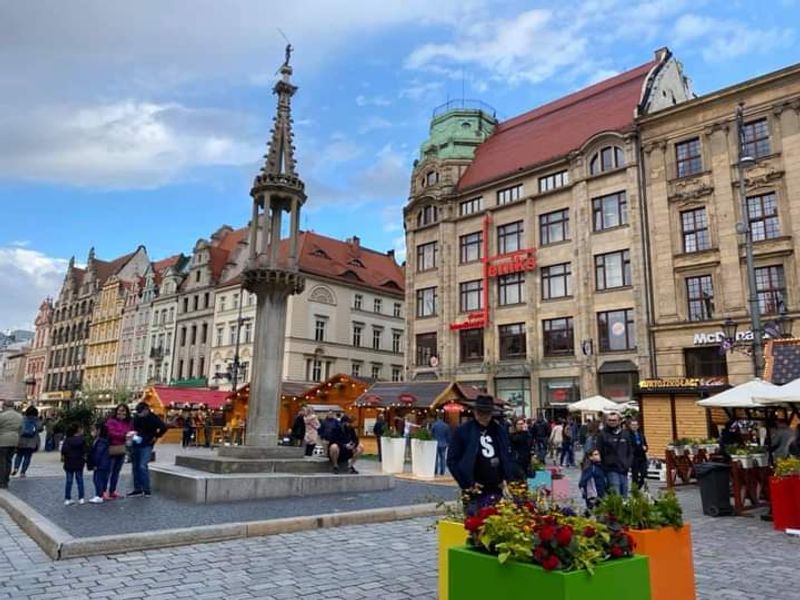
The colorful Market Square will probably impress you first. Then you’ll notice the dwarfs.
Hundreds of small bronze dwarf statues are scattered throughout Wroclaw, and searching for them has become one of the city’s most distinctive visitor experiences, appealing to travelers of every age.
Beyond the scavenger hunt, Wroclaw developed across islands and branches of the Oder River, giving bridges and waterfront areas an unusually important role in the city’s layout. Ostrów Tumski offers a completely different atmosphere from the main square, with churches, old streets, and ecclesiastical architecture that feels centuries removed from the lively Rynek.
Centennial Hall, designed by architect Max Berg and recognized by UNESCO for its significance in reinforced-concrete architecture, adds an unexpected layer of architectural history. Wroclaw Zoo and its Africarium, along with Hydropolis, an interactive water-focused exhibition space, give families additional reasons to spend extra time here.
The city’s official tourism portal is actively promoting 2026 walking tours, river experiences, and festivals. Wandering here genuinely pays off.
Graz, Austria
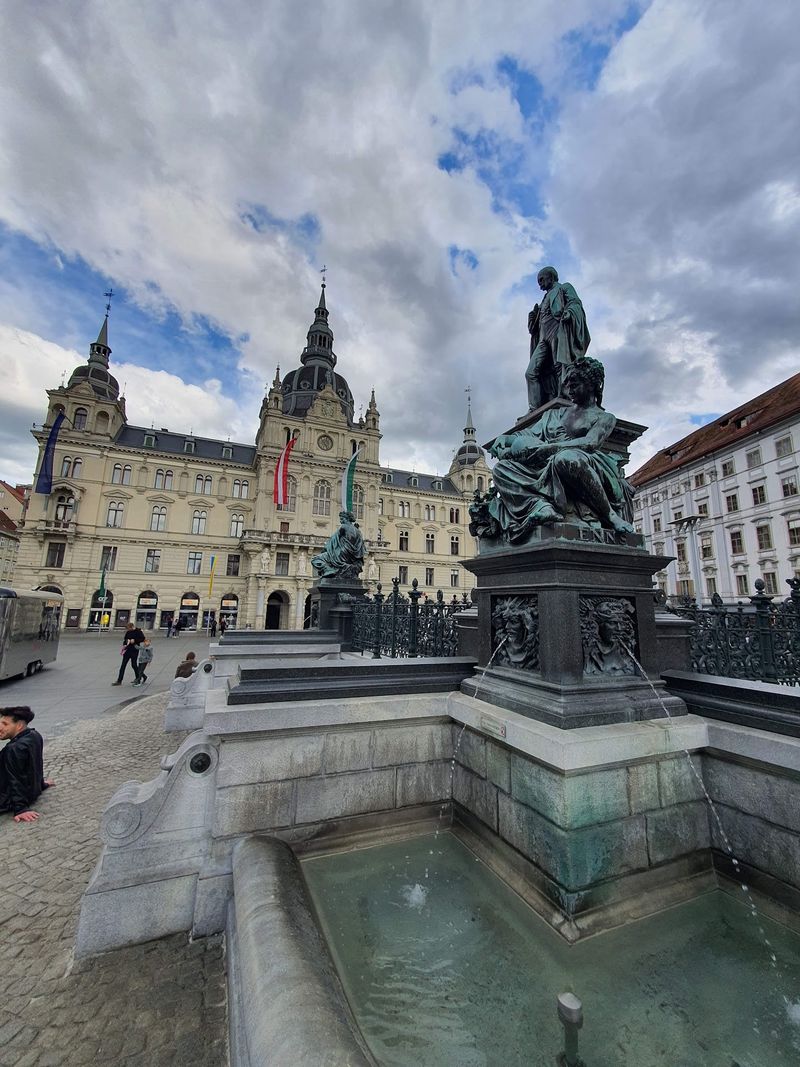
Vienna’s scale and imperial grandeur attract millions of visitors every year. Graz offers a different relationship with Austria altogether.
The historic center is filled with courtyards, narrow streets, Renaissance architecture, and red-roofed buildings that reflect centuries of Central European history without requiring days to absorb.
Above the city, the Schlossberg hill once held a fortress and now provides some of Graz’s best views. Its Uhrturm, or Clock Tower, has become the city’s most recognized symbol.
The Schlossberg cable railway, the Schlossbergbahn, makes the climb accessible to most visitors.
Graz doesn’t stay anchored to its historic identity. The futuristic Kunsthaus Graz looks genuinely out of place beside the traditional rooftops, while the Murinsel is a contemporary floating structure in the Mur River that has no equivalent in most European cities.
Graz holds both a UNESCO World Heritage designation and a UNESCO City of Design status. Schloss Eggenberg and the Styrian Armoury add further depth.
Sightseeing tours and events are scheduled throughout 2026.
Turin, Italy
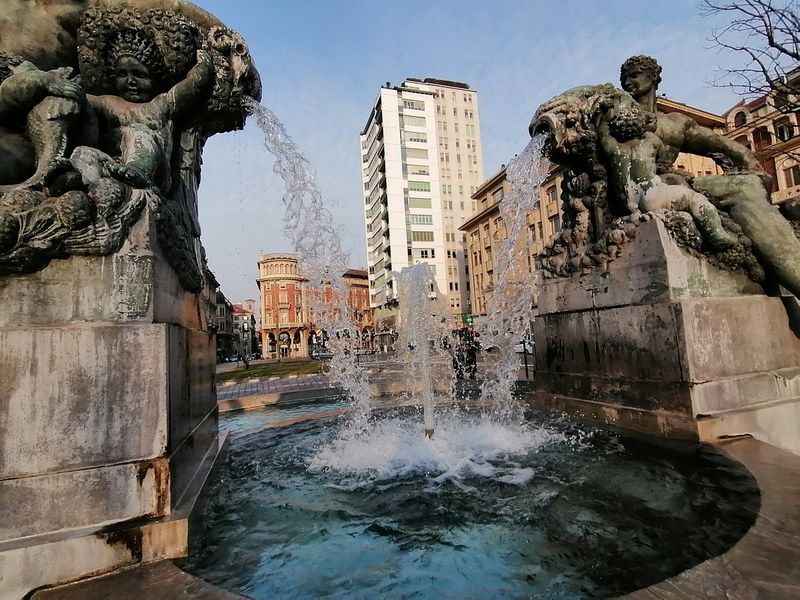
Turin doesn’t match the Italy most first-time visitors picture. Broad avenues, elegant arcades, formal squares, and Baroque architecture replace the tangled medieval lanes that define so many popular Italian destinations.
The distant Alps visible from parts of the city add a backdrop that feels almost unexpected.
As the first capital of unified Italy, Turin’s royal history remains highly visible. The former residences of the House of Savoy form part of a UNESCO World Heritage property.
The Mole Antonelliana is the city’s instantly recognizable landmark and houses the National Museum of Cinema, one of the most visited cultural institutions in northern Italy.
The Egyptian Museum adds another heavyweight draw, with a collection considered among the most significant outside Egypt. Piedmont’s food culture gives Turin its own culinary identity, built around chocolate, hazelnuts, truffles, and distinctive regional cooking.
The city’s famous café culture has roots going back centuries. Turismo Torino is actively promoting museums, UNESCO heritage sites, food experiences, and a full calendar of summer 2026 events.
Bratislava, Slovakia
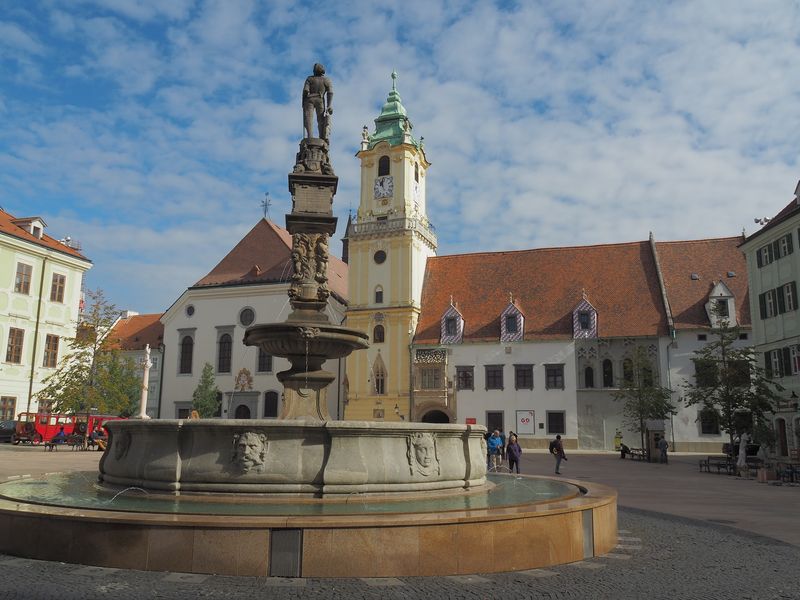
Bratislava often gets treated as a quick side trip from Vienna, squeezed into a few hours before the train back. That approach misses the point entirely.
Slovakia’s capital is worth enough time to see it after the day-trippers have gone home, when the Old Town feels like it belongs to the people who actually live there.
The compact historic center is walkable and filled with pastel facades, courtyards, church towers, cafes, and a collection of quirky public sculptures that appear around unexpected corners. Bratislava Castle above the city provides views across the Danube and surrounding landscape.
St. Martin’s Cathedral recalls the city’s historic role in the coronation of Hungarian monarchs.
The bright blue Church of St. Elizabeth, commonly called the Blue Church, is one of Central Europe’s most distinctive pieces of Art Nouveau architecture. Outside the center, Devin Castle stands above the confluence of the Danube and Morava rivers.
Visit Bratislava’s 2026 tourism materials feature an active calendar of events alongside museums, the Old Town, and Danube waterfront sites.
Riga, Latvia
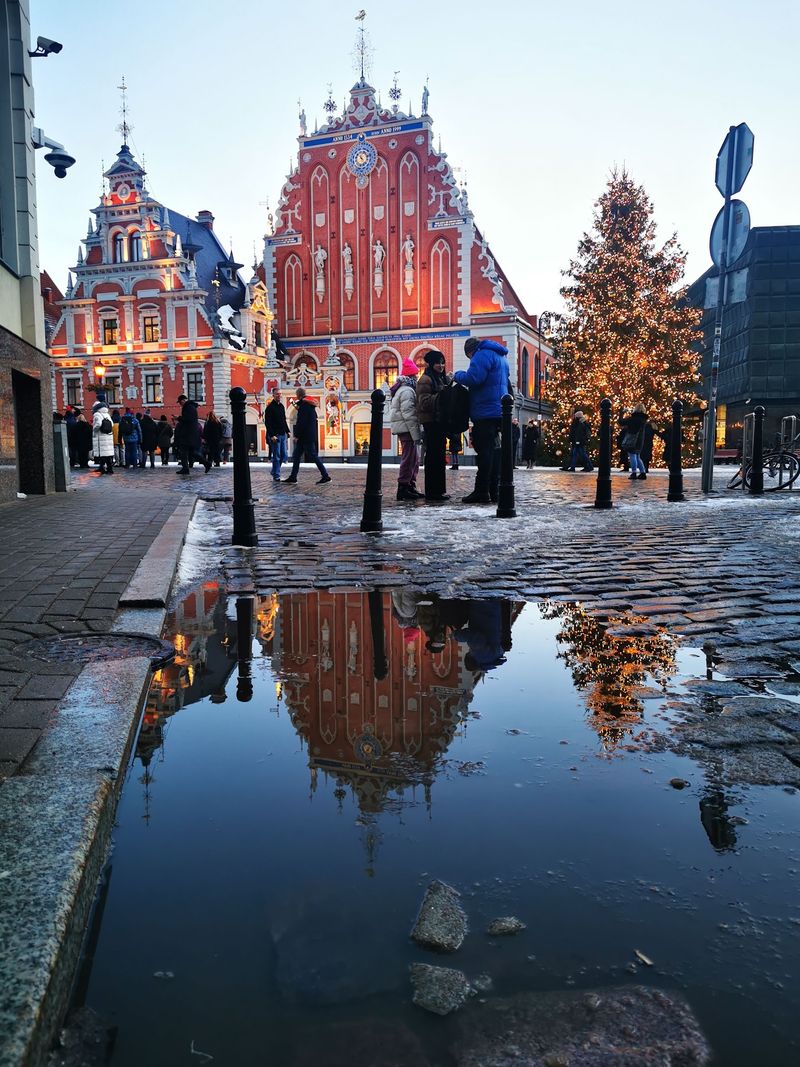
Architecture alone gives Riga a strong argument for inclusion on any serious European travel list. Latvia’s capital holds a remarkable concentration of Art Nouveau buildings, particularly along Alberta iela, where the ornate facades are detailed enough to stop you mid-stride.
But reducing Riga to Art Nouveau misses half the city.
The historic center combines medieval churches, merchant houses, narrow streets, and traces of the city’s long role in Baltic trade. Riga Central Market, established in structures incorporating former Zeppelin hangars, remains one of the most memorable places in the city to experience everyday food culture on a real scale.
Across the Daugava, the National Library of Latvia creates a dramatic contemporary contrast with the Old Town skyline. The Kalnciema Quarter introduces restored wooden buildings, markets, exhibitions, and workshops that reflect a different side of Riga’s character.
The city’s 2026 sights guide lists the Central Market, National Library, Kalnciema Quarter, historic center attractions, and Riga Zoo, which operates year-round. The visual story changes considerably from neighborhood to neighborhood.
Trieste, Italy
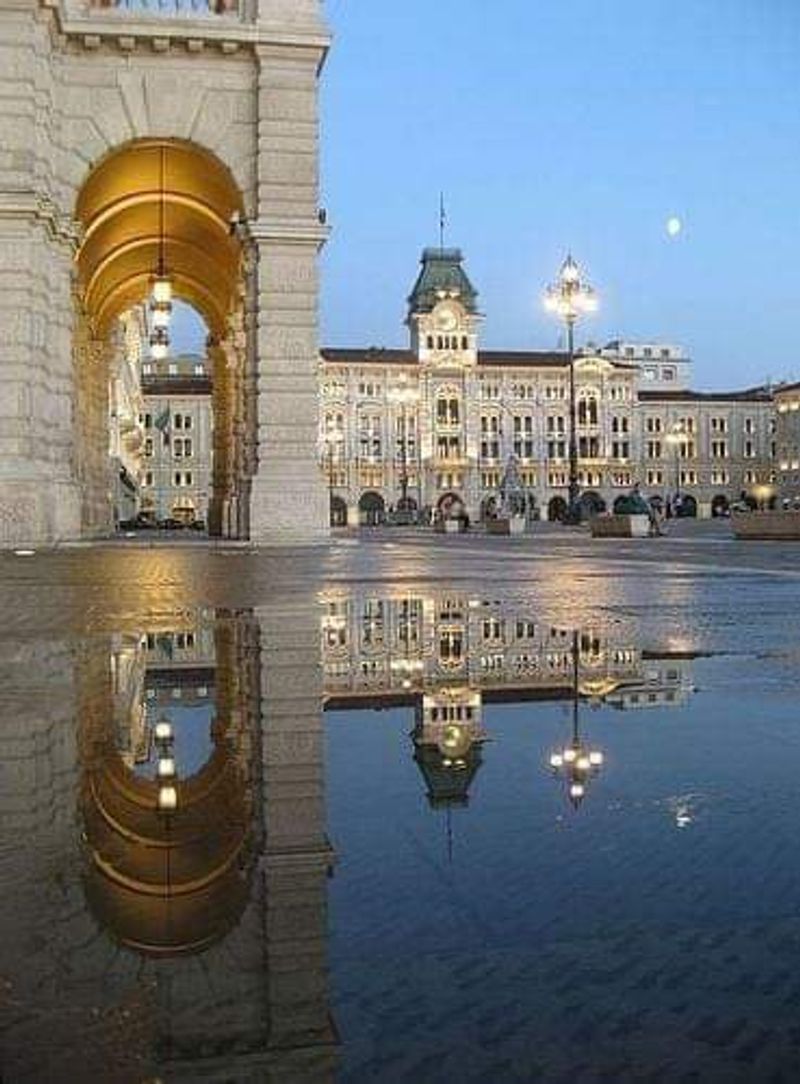
Standing in Piazza Unità d’Italia with the Adriatic directly in front of you, Trieste feels genuinely unlike any other Italian city. Centuries under Habsburg influence shaped the architecture, the café culture, the food traditions, and the multicultural character of a city that sits at the intersection of Italian, Slovenian, Austrian, and Central European worlds.
Historic cafes are a serious part of Trieste’s identity, not a tourist addition. Writers including James Joyce, Italo Svevo, and Umberto Saba all became associated with the city, giving Trieste a literary reputation that still draws visitors interested in that history.
Molo Audace, the long pier projecting into the Adriatic from the center, is one of the city’s most characteristic spots.
Miramare Castle sits farther along the coastline in a striking waterfront setting. The surrounding region also makes Trieste a practical base for exploring karst landscapes, coastal villages, and caves.
Friuli Venezia Giulia’s tourism site promotes Piazza Unità d’Italia, Molo Audace, historic cafes, and Miramare, with regional boat connections operating during the 2026 season.
Sarajevo, Bosnia And Herzegovina
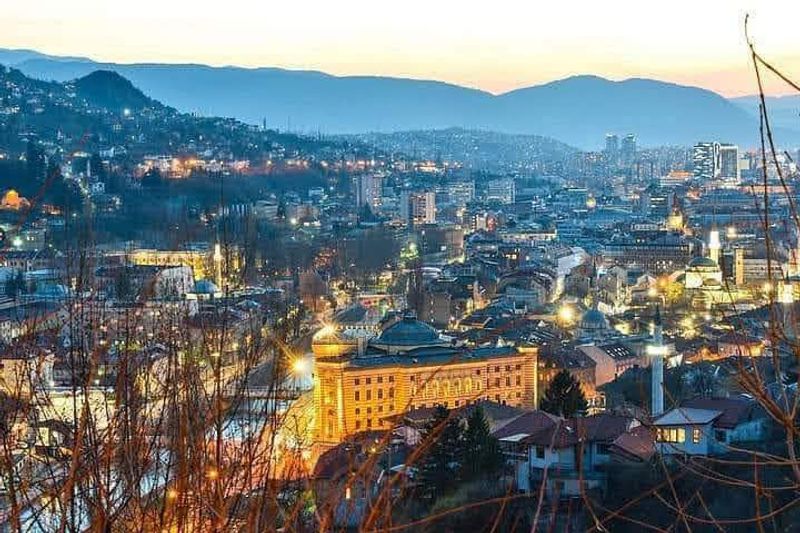
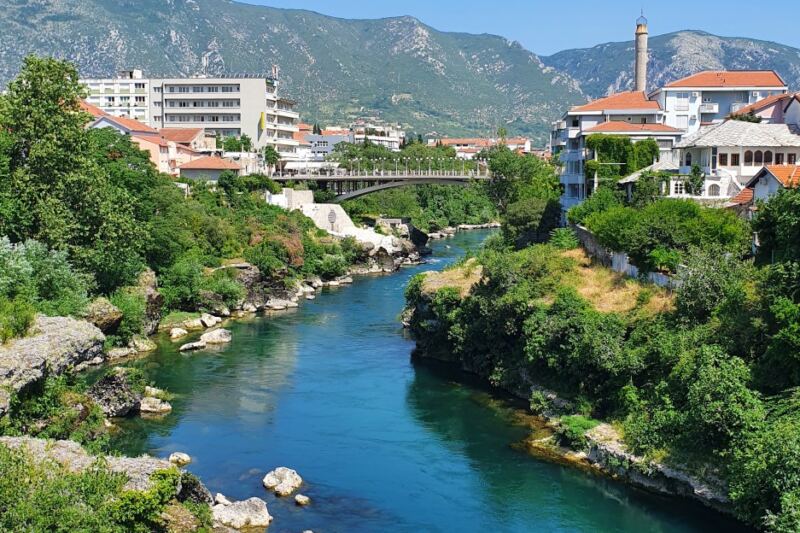
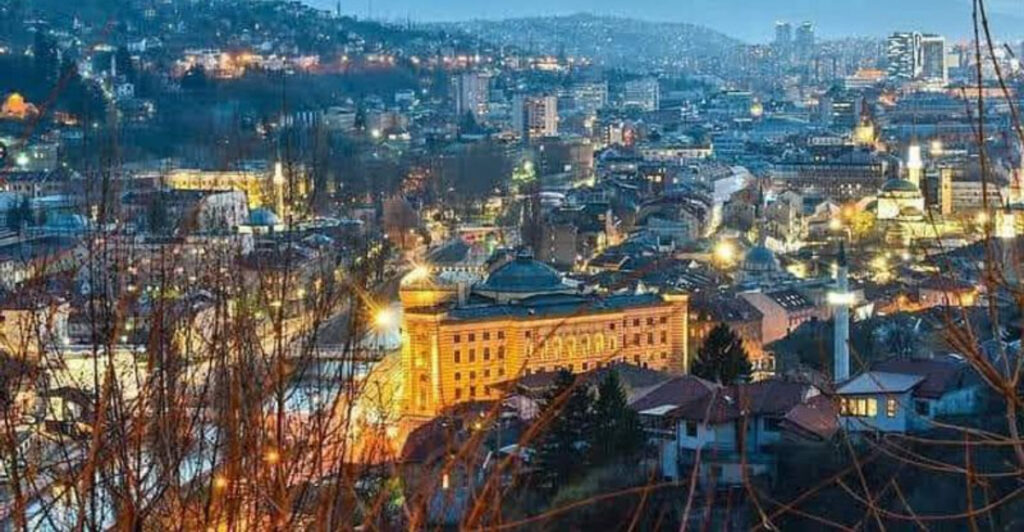
Walking through Sarajevo’s center means watching the architecture shift across centuries within the span of a few streets. Baščaršija, the city’s Ottoman-era heart, pulls you through narrow lanes past mosques, courtyards, fountains, cafes, and traditional craft workshops that have operated in various forms for hundreds of years.
Continue west and Austro-Hungarian architecture gradually takes over, creating a city center where multiple empires left permanent marks. That layering is not a design choice or a tourism strategy.
It is simply what Sarajevo’s history produced. The city also carries significant 20th-century history, from the 1914 assassination of Archduke Franz Ferdinand to the 1984 Winter Olympics and the 1990s siege, all of which are addressed through museums and memorials throughout the center.
Above town, Trebević mountain offers outdoor access and preserves physical reminders of the 1984 Games. Destination Sarajevo’s current tourism listings feature Baščaršija, Gazi Husrev Bey’s Mosque, Sarajevo City Hall, the National Museum, Trebević, and religious and historical sites, with visitor information running through the 2026 season.
Sarajevo rewards curiosity more than most European capitals.
Valencia, Spain
Barcelona and Madrid dominate most first trips to Spain, and for understandable reasons. Valencia makes the strongest possible case for being included on the second trip, or honestly, the first.
The city stacks multiple travel experiences into one destination without any of them feeling like an afterthought.
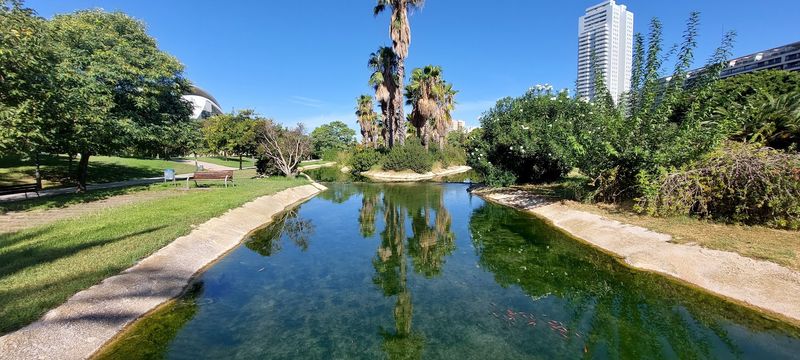
The historic center holds plazas, churches, medieval structures, and Valencia Cathedral. The Turia Garden, a long urban park built in a former riverbed, connects the historic core to the City of Arts and Sciences, the futuristic architectural complex designed principally by Santiago Calatrava and Felix Candela that has become one of Spain’s most photographed modern landmarks.
Valencia also comes with Mediterranean beaches, which is not something most historic European city-break destinations can offer. Food matters here in a specific way: Valencia is closely associated with paella, and the city allows visitors to explore the dish beyond the tourist-facing versions served elsewhere in Spain.
The official tourism organization is selling attraction tickets and Valencia Tourist Cards while promoting Bioparc, beaches, museums, and exhibitions running throughout 2026.
Share this story