Some places on a travel itinerary are just stopovers. You pass through, take a photo, and move on without a second thought.
But every once in a while, a town grabs your attention so completely that you start rearranging the rest of your trip around it. Europe is full of those kinds of places, and most of them are not the major cities everyone already knows.
This list covers 13 towns across the continent that have a genuine way of slowing travelers down, whether through history, architecture, scenery, or a combination of all three. Some are well-known but still underestimated.
Others are genuinely surprising. All of them deserve more than a rushed afternoon stop.
Hallstatt, Austria
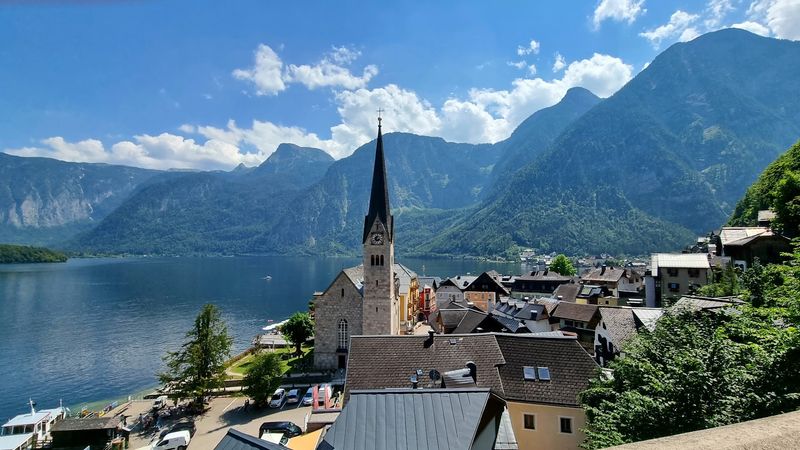
Few villages anywhere in Europe have a setting quite like Hallstatt. Wedged between the steep walls of the Salzkammergut mountains and the calm surface of Lake Hallstatt, this small Austrian village has been shaped by salt mining for thousands of years, and that history runs through everything from its architecture to its UNESCO World Heritage status.
The waterfront promenade, historic market square, and hilltop cemetery are all worth time on their own. The Salzwelten Hallstatt salt mine and its Skywalk viewpoint platform reopened on August 29, 2026, following major renovation work, with the updated funicular now carrying visitors into the high valley above town.
Travelers should note that the hiking Serpentine Path into the high valley remains closed, so the funicular is the correct access route. Even without that trail, a full day here moves quickly, and an overnight stay gives the village a noticeably quieter atmosphere after the afternoon crowds thin out.
Colmar, France
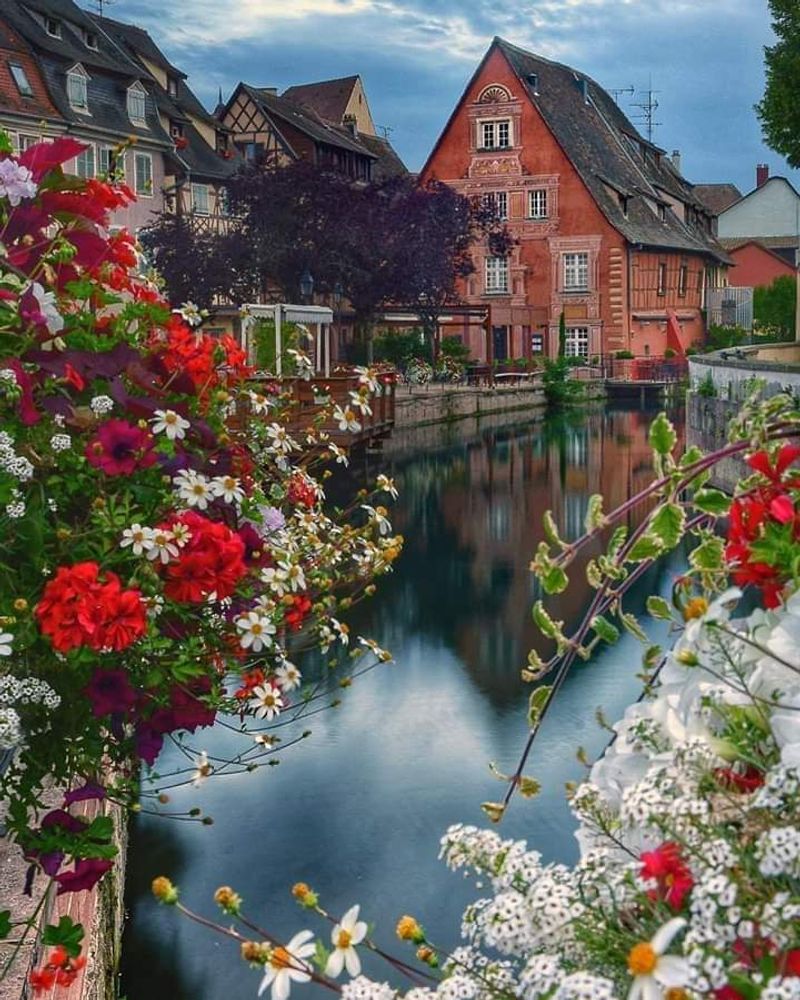
Colmar is the kind of town that travelers budget two hours for and then find themselves still wandering through three hours later. Its historic center is a dense collection of half-timbered buildings, cobbled streets, canals, and medieval architecture that has survived remarkably well across centuries of Alsatian history.
Little Venice is the most photographed section, where buildings line the canals near the old tanners’ district. Beyond that, the Quai de la Poissonnerie, Pfister House, covered market, and St. Martin’s Church each add their own character to a very walkable town center.
The Unterlinden Museum is a serious reason to extend a visit. It holds nearly 7,000 years of art history and houses the Isenheim Altarpiece, one of the most significant works of Northern Renaissance art in existence.
Colmar also connects naturally into a broader Alsace road trip linking Strasbourg, wine villages, vineyards, and castle ruins across the region.
Sintra, Portugal
What starts as a day trip from Lisbon has a way of turning into one of the strongest memories from an entire Portugal visit. Sintra rises into forested hills about 30 kilometers from the capital, and the change in atmosphere is immediate.
The air is cooler, the landscape is lush, and the hilltops are dotted with palaces that look genuinely theatrical against the trees.
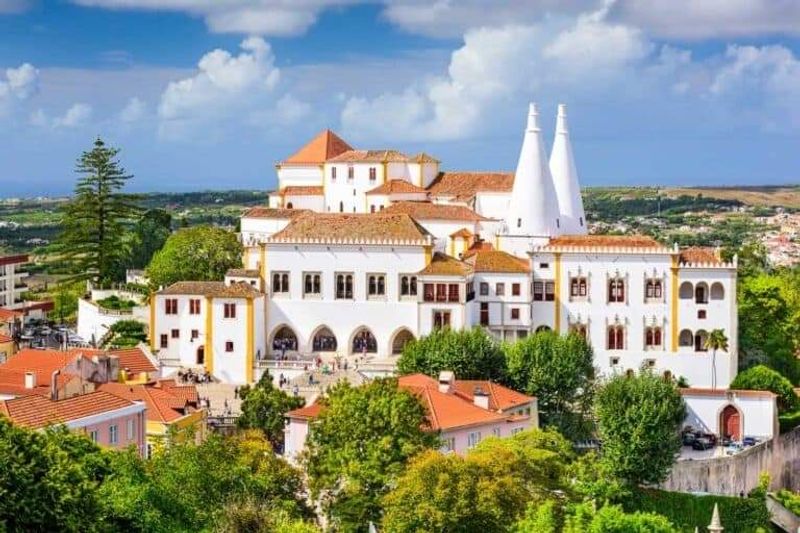
The Park and National Palace of Pena is the most recognizable landmark, with its bold colors and layered Romantic architecture. The National Palace of Sintra in the town center and the Moorish Castle higher up the hill offer very different historical perspectives on the same landscape.
Major monuments maintain regular operating hours, though forest sites can close temporarily during severe weather conditions. Because the main attractions are spread across steep terrain, the town strongly rewards travelers who plan a full day rather than rushing between palaces with limited time and tired legs.
Rothenburg ob der Tauber, Germany
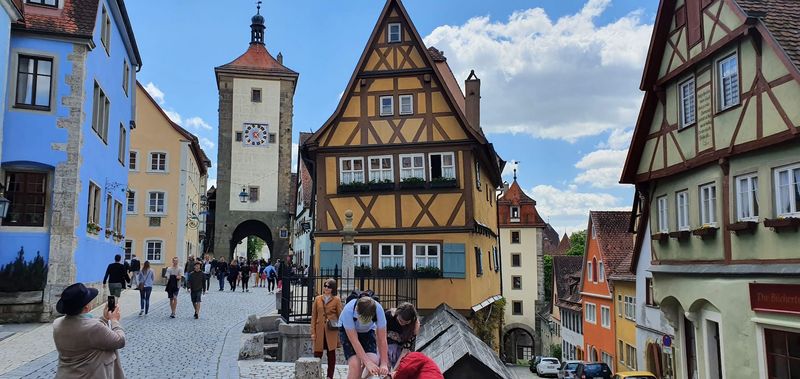
Walking through Rothenburg ob der Tauber is the main activity, and that is not a criticism. The medieval old town is encircled by largely intact fortifications, and the Tower Trail allows visitors to follow sections of the historic city wall above the rooftops and narrow lanes below.
It is a genuinely unusual way to experience a town’s layout.
The central Marktplatz gives travelers a natural starting point, with churches, museums, historic buildings, and viewpoints branching off in multiple directions. Rothenburg Tourism continues to support guided experiences, museum access, accommodation, and seasonal programming through 2026, so there is always a structured option for those who prefer one.
Staying overnight here has a specific advantage worth mentioning. Once the larger groups of day visitors clear out in the late afternoon, the old town streets feel considerably calmer and more atmospheric.
That contrast between the busy daytime version and the quieter evening version is one of the better arguments for booking a room inside the walls.
Cesky Krumlov, Czechia
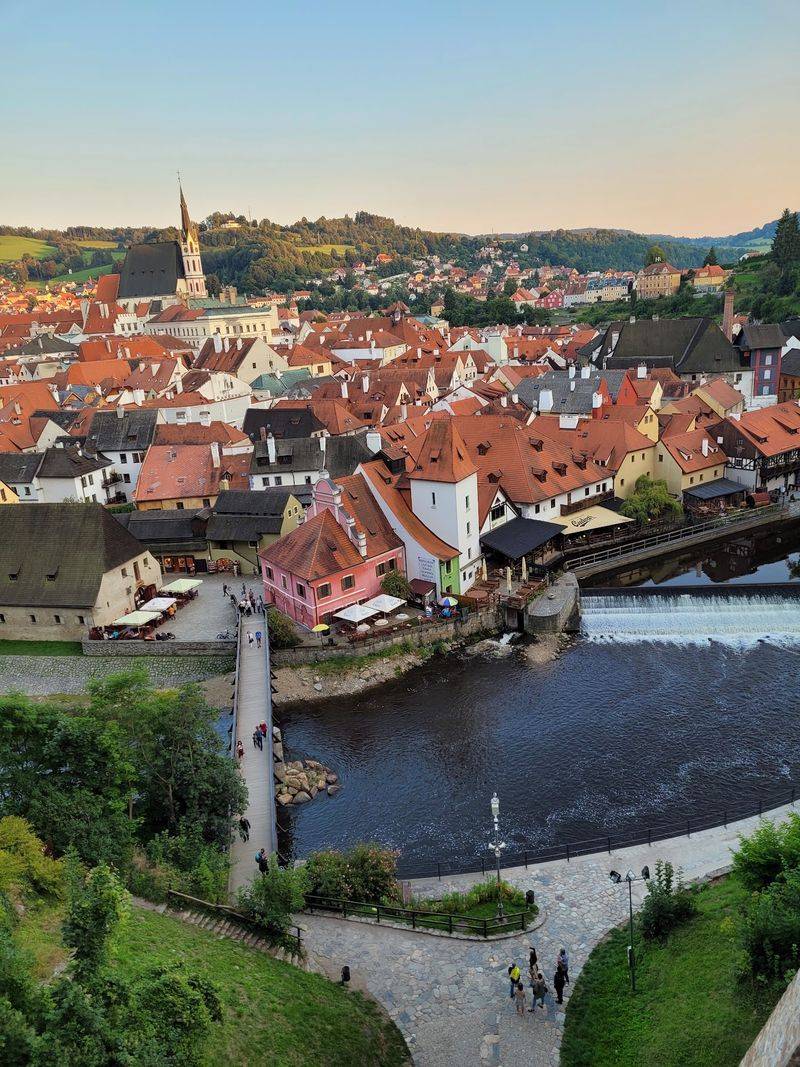
The geography of Cesky Krumlov does a lot of the work before travelers even start walking. The historic center sits inside a natural loop formed by the Vltava River, and the enormous castle complex rises above the rooftops on the opposite bank, creating a panorama that appears almost too tidy to be real.
Most of the center is best explored on foot, and the city has restricted vehicle access to protect the pedestrian core. Travelers arriving by car should plan to use designated parking areas outside the historic zone, which are generally within a short walk of Svornosti Square at the town’s center.
That car-free layout is genuinely one of Cesky Krumlov’s strengths. Without traffic moving through the lanes, the pace naturally slows, and the town becomes easy to explore in a relaxed way rather than treating it as another item to check off between Prague and the Austrian border.
The castle grounds alone take a couple of hours to cover properly.
Giethoorn, Netherlands
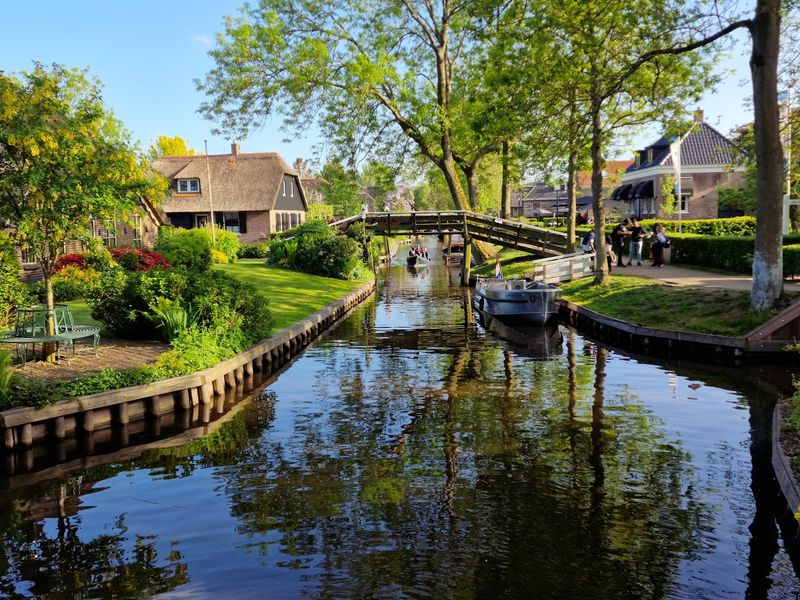
Giethoorn operates at a completely different pace from the rest of the Netherlands. There are no major squares or busy pedestrian shopping streets here.
Instead, the village is built around waterways, with traditional houses sitting beside canals, small bridges connecting the paths, and boats moving quietly between the reed beds.
Cycling routes and walking paths run alongside the water, giving visitors who prefer dry land a practical way to cover the village. Canal cruises and boat hire remain available through the 2026 season, and exploring from the water is still the most direct way to understand why Giethoorn became well-known internationally.
The surrounding Weerribben-Wieden National Park is a strong reason to extend a visit beyond the village itself. The park covers a broad landscape of peatlands, lakes, reed wetlands, and smaller waterways that can be explored by canoe, bicycle, or organized boat tour.
That combination of village and national park gives Giethoorn a range that a quick afternoon stop cannot fully cover.
Mostar, Bosnia and Herzegovina
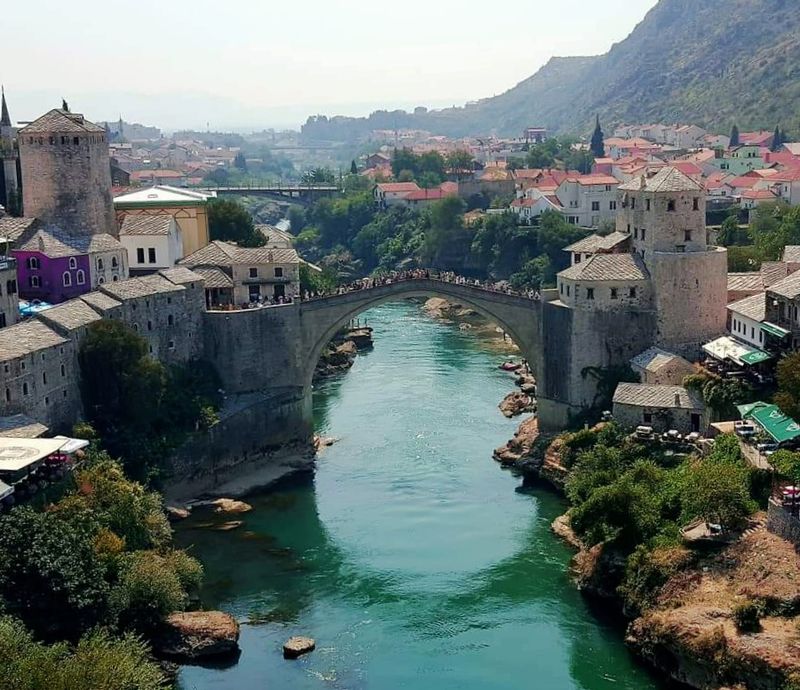
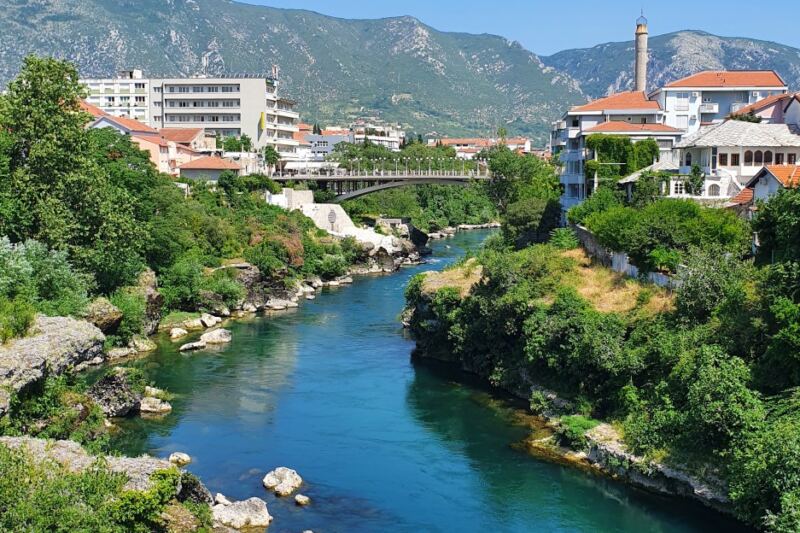
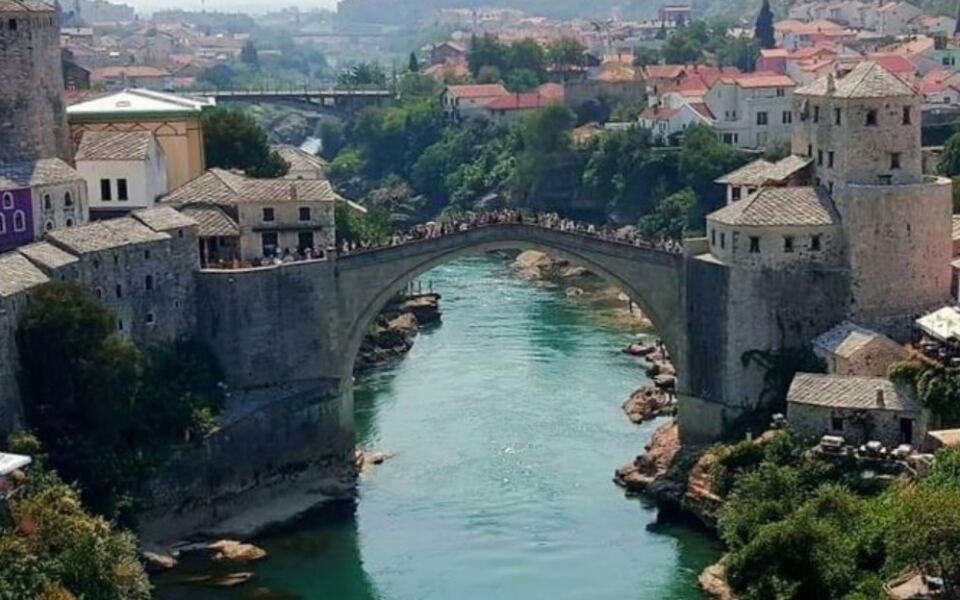
Mostar is regularly treated as a transit point between Sarajevo and the Adriatic coast, but the city has enough depth to justify a full stop on its own terms. The Neretva River cuts through the city with real force, and Stari Most, the famous old bridge, connects two sides of a historic center shaped by Ottoman, Mediterranean, and Austro-Hungarian influences layered across centuries.
The bridge visible today is a reconstruction of the 16th-century original, which was destroyed during the 1990s conflict. It was rebuilt using traditional stone-cutting techniques and reopened in 2004.
The Old Bridge Area received UNESCO World Heritage status the following year.
Beyond the bridge itself, the surrounding old town holds cobbled streets, bazaars, historic religious buildings, stone bridges, and elevated viewpoints above the river. Travelers who move past the most photographed stretch of riverfront will find quieter lanes and buildings that carry the full weight of Mostar’s layered, complicated, and genuinely interesting history.
Bled, Slovenia
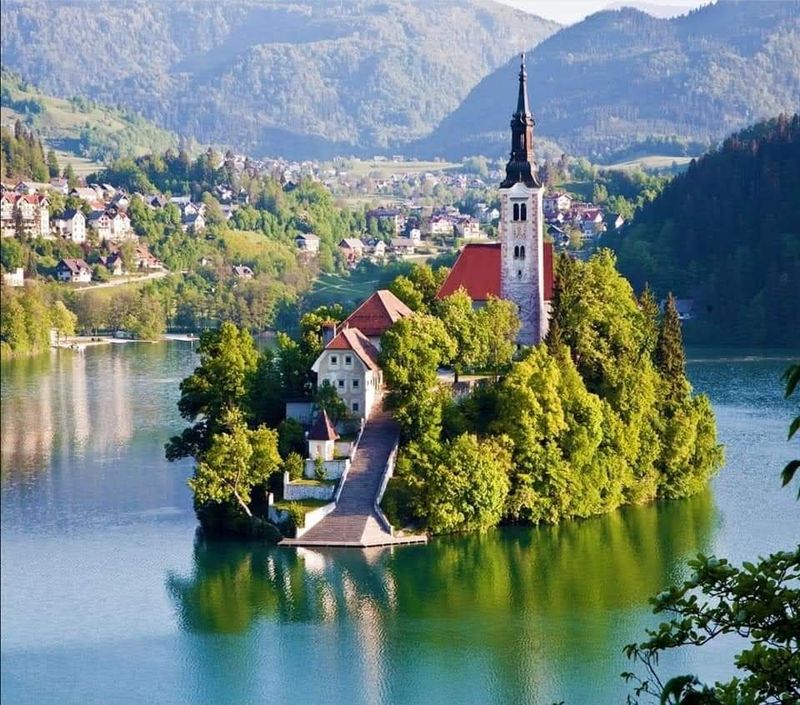
Bled is famous for a single image: the lake, the island church, the castle on the cliff, and the Julian Alps stacked behind it all. That view is real and worth seeing.
But the town becomes significantly more interesting once travelers stop treating the lake purely as a photo location and start actually using it.
Walking the full perimeter of the lake takes roughly an hour and a half at a relaxed pace. Bled Island is reachable by traditional wooden rowboat, and the climb up to Bled Castle offers a different perspective over the water and surrounding mountains.
The castle operates year-round, with extended opening hours running from April through October.
Bled also functions well as a base for the wider Julian Alps region. Day trips into Triglav National Park, hikes to nearby viewpoints, and excursions to the Vintgar Gorge are all accessible from town.
A planned one-night stop has a habit of quietly turning into two or three nights once travelers see what is accessible from here.
Alberobello, Italy
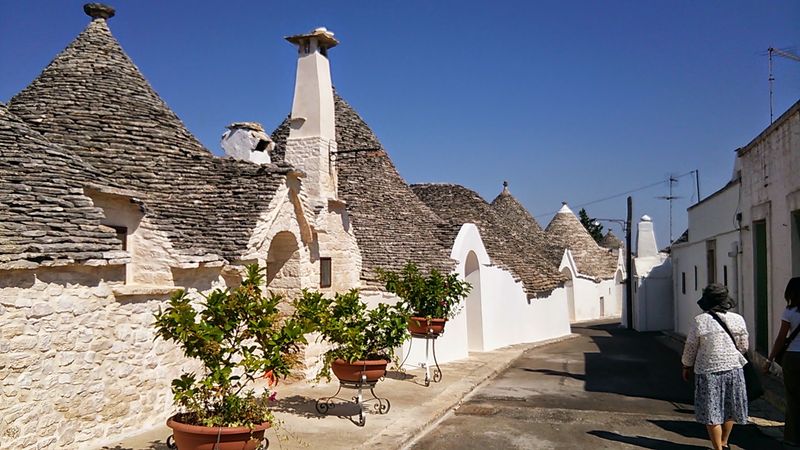
Puglia has a lot going for it, but Alberobello is the stop that tends to genuinely surprise travelers who were not sure what to expect. The town’s two main historic districts, Rione Monti and Aia Piccola, are filled with trulli, the whitewashed limestone buildings topped by distinctive conical stone roofs that appear almost nowhere else in the world at this scale.
UNESCO lists more than 1,500 trulli within these districts, along with individually protected structures including Trullo Sovrano and Casa d’Amore. Some trulli continue to function as private residences.
Others have been adapted into shops, small restaurants, or visitor accommodations, giving the town an active, lived-in character rather than a purely museum-like atmosphere.
Alberobello is compact enough to cover on foot in a few hours, but it fits naturally into a broader Itria Valley itinerary. Nearby towns like Locorotondo, Cisternino, and Martina Franca add variety to the surrounding landscape and make the area worth exploring across more than a single afternoon.
Bibury, England
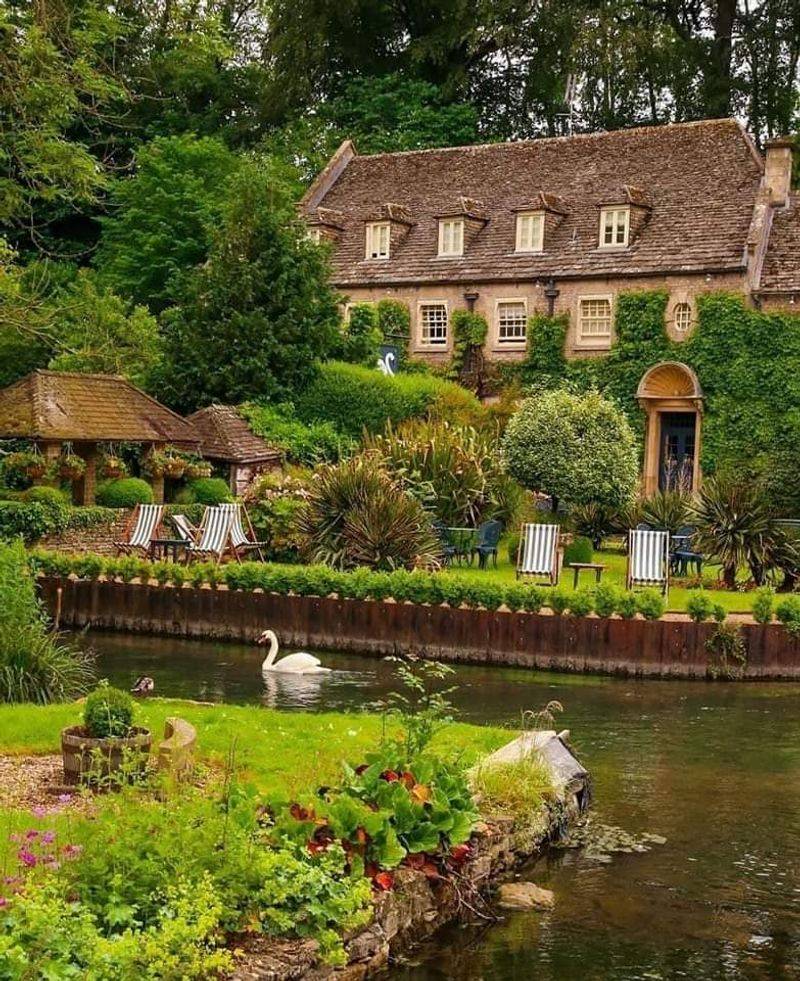
Bibury is one of those Cotswolds villages that photographers have been returning to for generations, and the River Coln setting explains why. Stone cottages line the water’s edge, green meadows spread across the valley floor, and the whole scene has a quiet, unhurried quality that feels distinct from the busier market towns nearby.
Arlington Row is the village’s defining feature. The row of stone cottages was originally built as a monastic wool store in the 14th century before being converted into weavers’ cottages in later centuries.
They remain residential properties today, so visitors can admire the exterior from public paths but cannot access the cottages or their gardens directly.
Rack Isle, the protected water meadow directly across from Arlington Row, provides a calm space for walking and wildlife watching beside the river. Bibury works well as part of a longer Cotswolds loop, but the riverside setting has a way of slowing the pace considerably once travelers arrive and realize there is no particular rush to leave.
Sighisoara, Romania
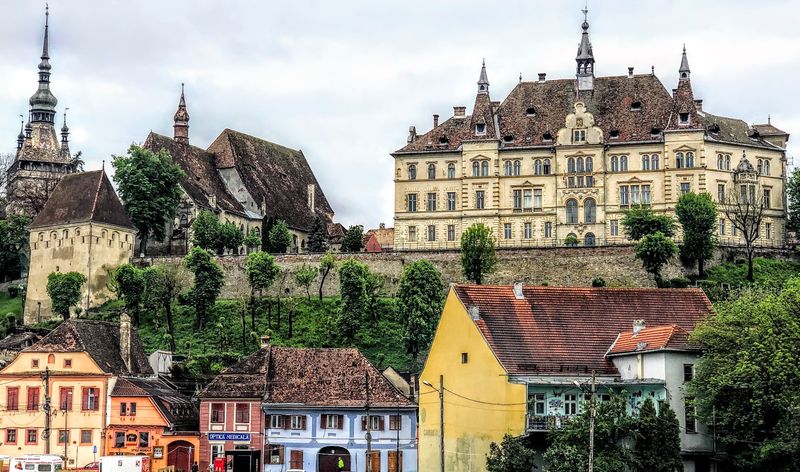
Sighisoara is not a reconstructed historical park or an archaeological site. It is a functioning medieval town that people actually live in, which is a large part of what makes it feel different from similar destinations across Europe.
The historic citadel was established by Transylvanian Saxons and preserves its towers, defensive walls, colorful buildings, and steep cobbled lanes in a remarkably intact condition.
UNESCO recognizes the Historic Centre of Sighisoara as an outstanding surviving example of a small fortified medieval settlement. The Clock Tower, the Church on the Hill, and the covered wooden staircase connecting the lower town to the citadel are all worth time.
The colored facades and irregular rooflines give the streets a personality that photographs well but feels even better in person.
Sighisoara also sits conveniently on a longer Transylvania route. Brasov, Sibiu, rural Saxon villages, fortified churches, and several notable castles are all reachable within reasonable driving distances, making this an easy town to combine with a broader regional itinerary rather than visiting in isolation.
Obidos, Portugal
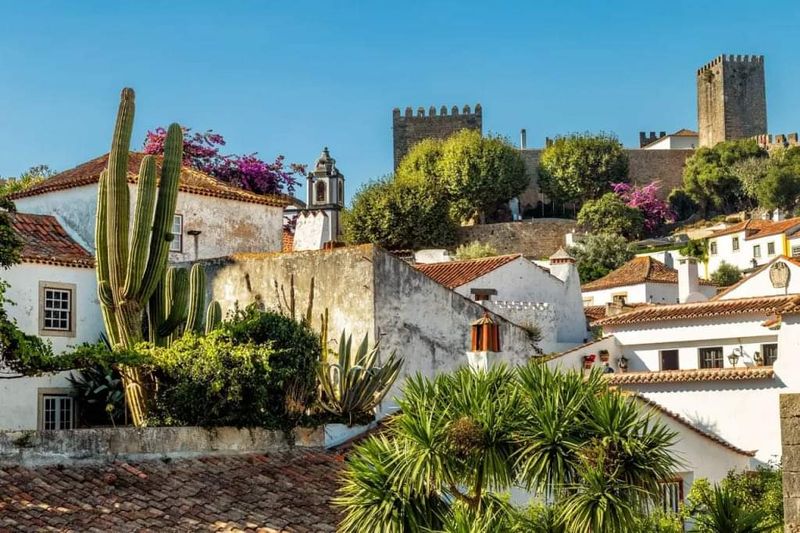
Obidos sits close enough to Lisbon for a comfortable day trip, but spending more than a few hours inside its medieval walls reveals why Portugal’s tourism organization consistently describes it as one of the country’s most picturesque and well-preserved historic towns. The entire center is enclosed within fortifications, and the interior is a compact arrangement of whitewashed houses decorated with painted borders, flowering plants, churches, and cobbled lanes.
Visitors can walk sections of the town walls for elevated views over the rooftops and surrounding countryside. The streets around Santa Maria Church, the main gate, and the quieter lanes beyond the busiest central stretch all reward unhurried exploration.
The castle at the far end of town has been converted into a pousada, which means travelers can book a room inside one of the town’s defining medieval structures.
That accommodation option is genuinely unusual and gives Obidos a strong case for an overnight stay. Waking up inside the walls before the day-trip crowds arrive from Lisbon is a noticeably different experience from visiting during peak afternoon hours.
Kotor, Montenegro
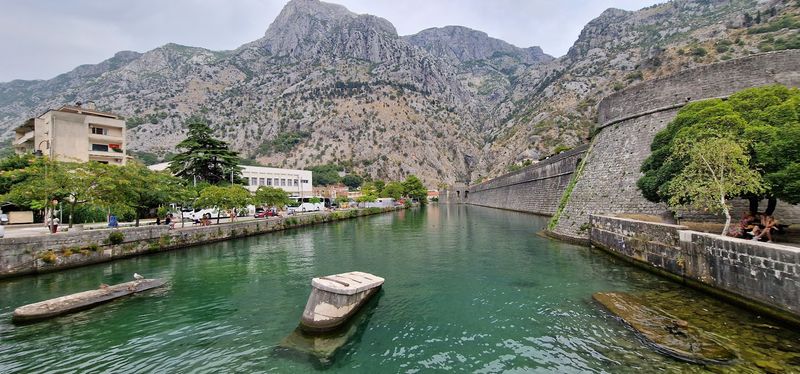
Kotor appears on many itineraries as a cruise stop or a quick coastal break, but the combination of mountain scenery, medieval fortifications, layered history, and bay views makes a strong case for staying longer. The Bay of Kotor is itself a dramatic setting, and the town sits at its innermost point, surrounded by limestone peaks that rise almost directly from the waterfront.
Inside the Old Town, stone lanes connect squares, churches, and centuries-old buildings enclosed within a well-preserved defensive wall. Beyond the town walls, the fortifications climb steeply up the hillside toward the fortress of San Giovanni above.
Montenegro’s official tourism information describes the full defense system as roughly 4.5 kilometers of walls, with approximately 1,400 steps involved in the complete ascent to the fortress.
The climb is demanding but the views from the top over the old town and the bay are genuinely expansive. Early morning is the most practical time to make the ascent, before the full heat of the day and the peak visitor hours make the narrow sections of the path considerably more crowded.
Share this story