Some of the most useful things in your home might be older than your grandparents. In the 1880s and 1890s, inventors in Tennessee, Switzerland, and the French Alps built tools meant to last, and many of them are still sold today.
Later decades added their own winners, from a 1930s Italian coffee pot to a 1950s spray first made for the aerospace industry. Not everything from the past was better, of course.
Materials change, factories move, and some modern versions differ from the originals. Still, a handful of designs have survived world wars, the plastic boom of the 1960s, and the arrival of smartphones without needing much of a makeover.
A product that has not changed in a century is either forgotten or doing something very right. The ones in this list are doing something right.
You will learn who invented them, why they caught on, and what surprising stories sit behind their familiar labels, including one cleaner discovered thanks to a pot of rhubarb. You will also pick up practical tips on caring for these classics so they keep working for years.
Some of these items might already be in your kitchen drawer or garage. By the end, you may look at them with a new kind of respect.
1. Victorinox Swiss Army Knives
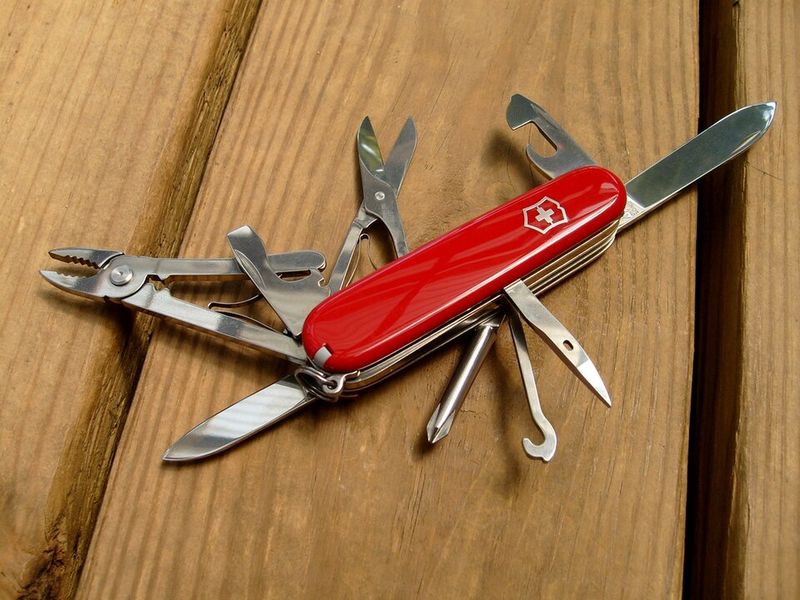
NASA once ordered 50 pocketknives for its astronauts. The year was 1978, and the model was the Victorinox Master Craftsman.
The story started much earlier, in 1884, when Karl Elsener opened a cutler’s workshop in Ibach-Schwyz, Switzerland. He wanted the Swiss Army to carry knives made at home instead of imported ones.
By 1891, his first Soldier’s Knives were being delivered.
In 1897, Elsener patented the Original Swiss Officer’s and Sports Knife. People around the world would later call it simply the Swiss Army knife.
The brand name has a personal side. Elsener named the company after his mother, Victoria, and in 1921 added “Inox,” the French word for stainless steel.
Depending on the model, one knife may hold scissors, screwdrivers, a can opener, and several blades. It will not replace a full toolbox, and knife laws vary by location.
For camping trips and quick fixes at home, though, few gadgets pack more help into a pocket.
2. Pyrex Glass Measuring Cups
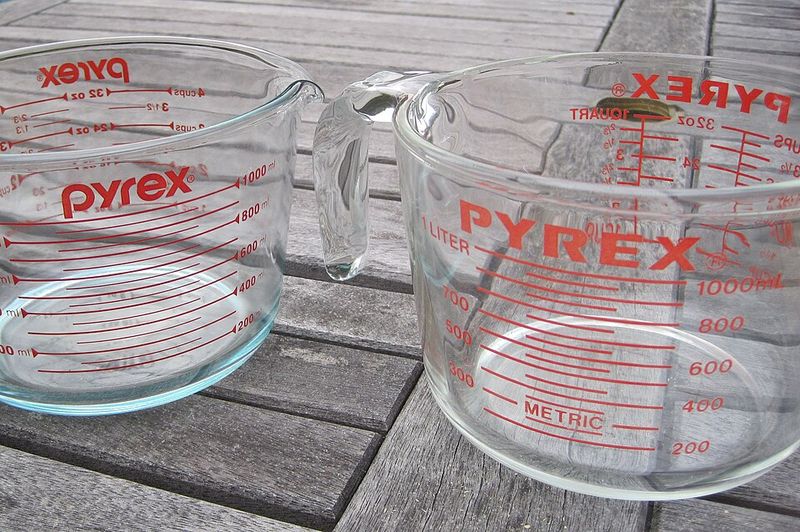
Some kitchen tools began in a laboratory. Corning Glass Works introduced Pyrex in 1915, using borosilicate glass that could handle heat changes better than ordinary glass.
That toughness made it useful for both scientists and bakers. The measuring cup soon became a familiar sight in American kitchens, with its red markings, sturdy handle, and pouring spout.
Clear glass is the real genius here. You can check a liquid at eye level and know exactly how much you have, with no guessing.
Many cooks also use the cup to whisk eggs, melt butter, or mix small batches of sauce. It moves easily from counter to microwave.
One detail matters. Many modern consumer Pyrex products sold in the United States are made from soda-lime glass, not the original borosilicate formula.
That means vintage and new cups should not be treated as identical. Avoid sudden temperature swings, such as pouring cold water into a hot cup.
Follow the care label, and this simple design will keep measuring accurately for a long time.
3. Fiskars Orange-Handled Scissors
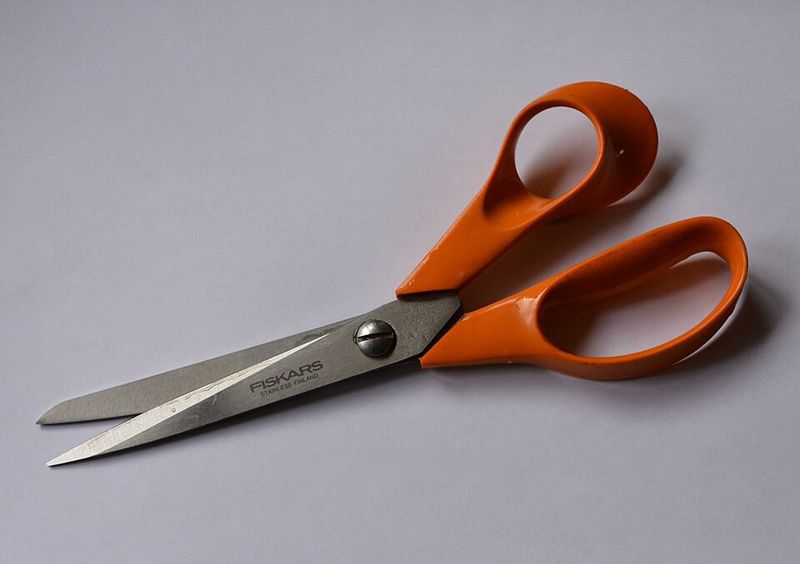
Leftover plastic changed the look of scissors forever. When Fiskars made prototypes in 1967, they came in black, red, green, and orange, partly because a machinist had orange plastic on hand.
Company employees voted on the final color. Orange won, and it turned into one of the smartest branding accidents in design history.
Fiskars later trademarked the shade, registering “Fiskars Orange” in Finland in 2003 and in the United States in 2007. Few companies own a color, so that tells you how famous it became.
The scissors also arrived during the 1960s plastic boom. Lightweight handles replaced heavy metal grips, making cutting easier on the hand.
Over a billion pairs have been sold worldwide. The design even earned a spot in the permanent collection of the Museum of Modern Art in New York.
Today you can find versions for sewing, crafts, office work, and kitchen jobs. Pick the right model for the task, and keep fabric scissors away from paper to keep the blades sharp.
4. Tupperware Food Storage Containers
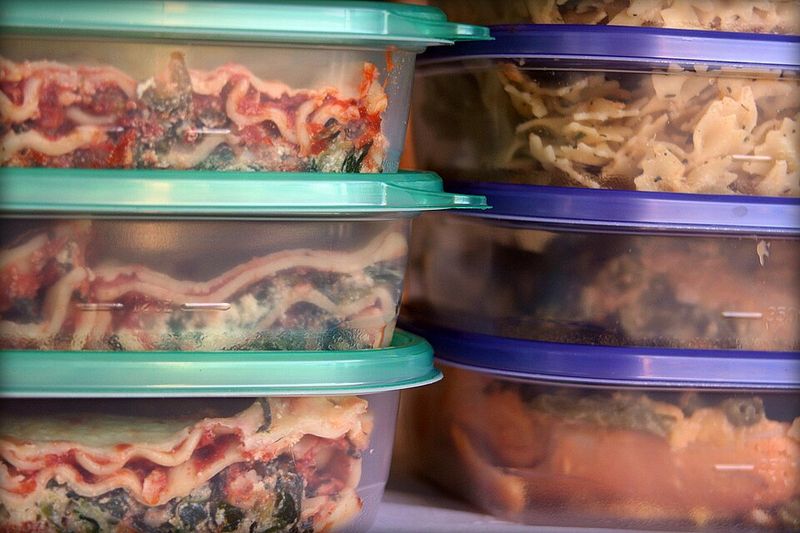
Selling plastic boxes in a living room sounds like an odd business plan. It worked brilliantly.
Earl Tupper founded his plastics company in 1938 and introduced storage containers in 1946. At first, store shoppers did not understand them.
The famous seal needed a little “burp” to push out air, and that was hard to explain on a shelf.
Enter Brownie Wise, a marketing executive who helped build the Tupperware Party in the early 1950s. Hosts invited friends over and showed how the lids worked in person.
The parties became part of American social life in the postwar years. They also gave many women a way to earn their own income.
The containers made it easy to save leftovers without using wrap after wrap. That cut down on waste in busy homes.
The company has faced major money and ownership changes over the decades. Still, the idea of sturdy, reusable food storage lives on.
Check older pieces for cracks or wear before using them for food.
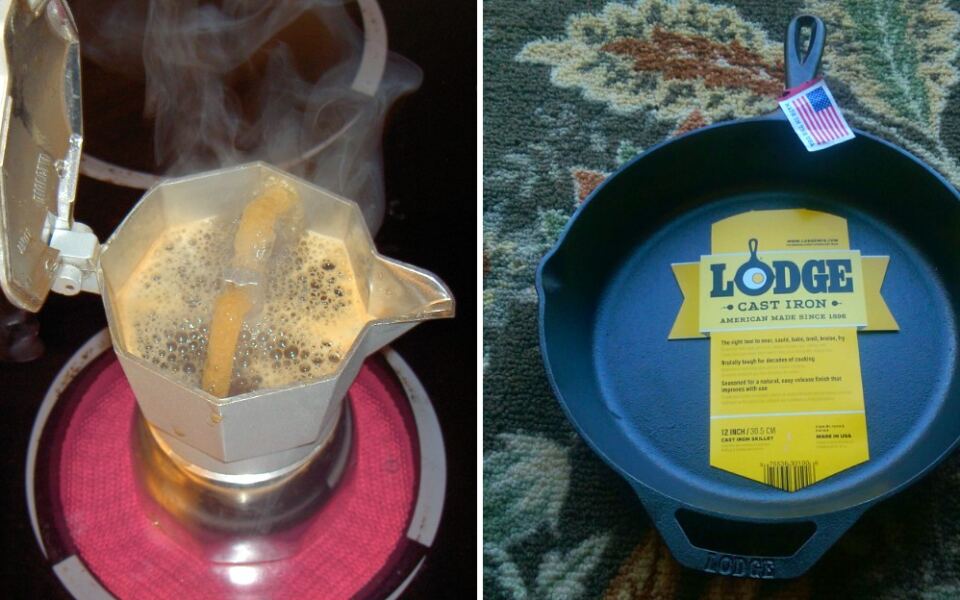
5. Bialetti Moka Express Coffee Makers
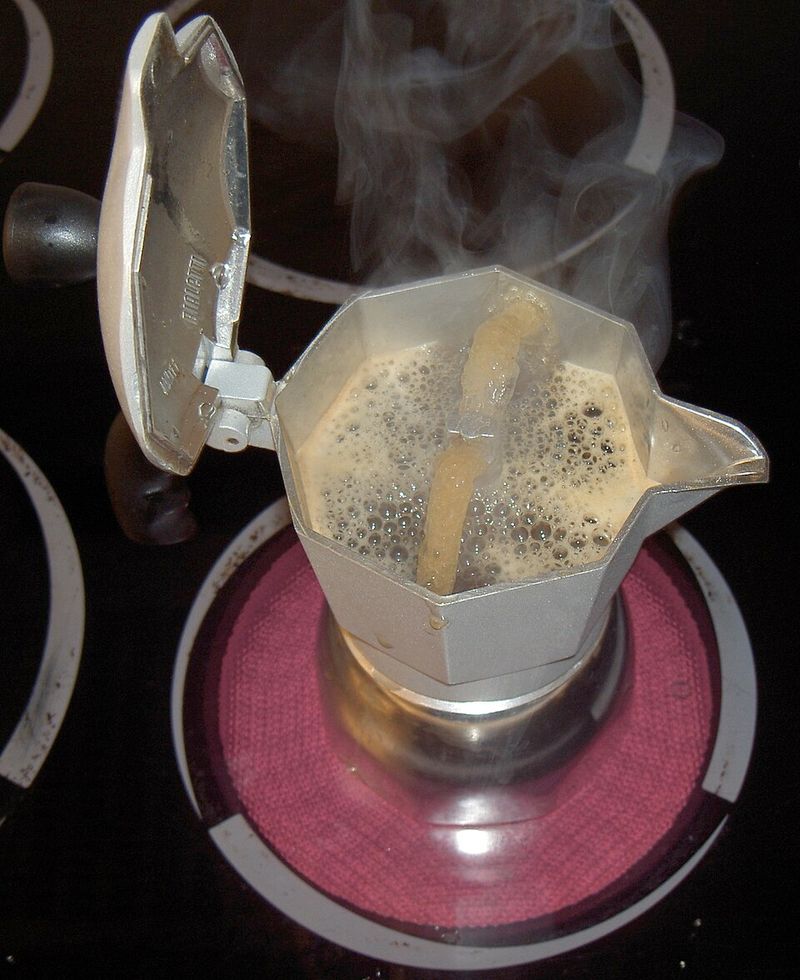
Watching laundry day led to one of the most famous coffee pots ever made. Alfonso Bialetti noticed his wife using an early washing machine with a sealed boiler and a central tube that pushed hot soapy water upward.
He borrowed the idea, and in 1933 the Moka Express was born. Water in the bottom chamber heats up, builds pressure, and rises through ground coffee into the top chamber.
The eight-sided shape matched the Art Deco silver coffee sets of the time. It also helped spread heat evenly.
Bialetti chose aluminum, a material easy to find in Italy then.
After World War II, his son Renato pushed the pot worldwide with clever ads featuring a cartoon mascot, the little man with a mustache. Suddenly, strong coffee no longer required a trip to a cafe.
The result is bold, though not quite true espresso. Rinse it with plain water, and swap the rubber gasket when it wears out.
It can serve you for years.
6. Le Creuset Enameled Cast-Iron Dutch Ovens
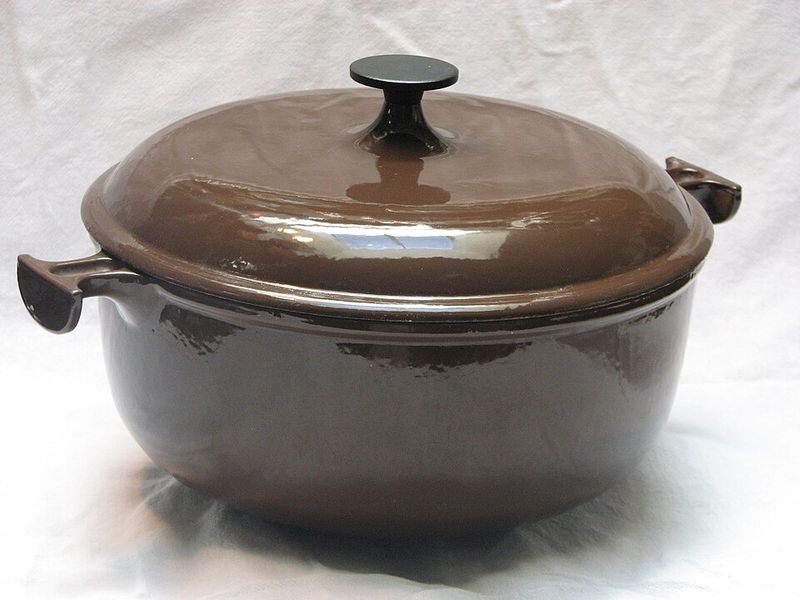
Orange came first. In 1925, two Belgian businessmen opened a foundry in Fresnoy-le-Grand, France, and their very first enameled pot wore a bright shade called Flame, inspired by the color of molten cast iron.
Armand Desaegher knew casting. Octave Aubecq knew enameling.
Together, they decided cookware did not have to look plain and gray.
The enamel did more than add color. It protected the iron, so cooks no longer needed to season their pots.
It also handled acidic foods like tomato sauce without trouble and cleaned up more easily. That made these heavy pots ideal for soups, stews, and slow braises.
Yes, they are heavy. They also cost more than most cookware.
Many owners see that price as an investment, since one pot can last for decades. Over time, Le Creuset Dutch ovens have become collector’s items, wedding gifts, and even trendsetters for kitchen colors.
Nearly a century later, a lidded iron pot remains one of the hardest-working tools on any stove.
7. Opinel Folding Knives
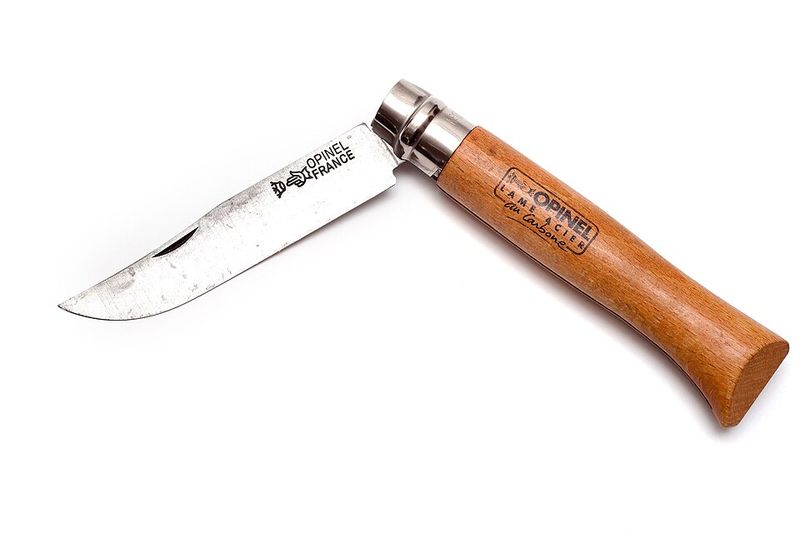
Joseph Opinel was just 18 years old when he designed his famous pocketknife in 1890. Working in his family’s shop in the Savoie region of the French Alps, he wanted something simple, strong, and cheap enough for working people.
Local farmers and herdsmen loved his first model, the No. 08. By 1897, he offered twelve sizes, numbered 1 through 12.
In 1909, Opinel registered the Crowned Hand logo. The hand comes from the coat of arms of Saint-Jean-de-Maurienne, and the crown stands for the old Duchy of Savoie.
Safety got an upgrade in 1955. His son Marcel invented the Virobloc ring, a twisting collar that locks the blade open.
Later updates let it lock the blade closed, too.
Fame followed. In 1985, the Victoria and Albert Museum named it one of the 100 most beautiful products in the world, alongside the Porsche 911.
Keep the wooden handle dry, and always check local knife rules before carrying one.
8. Lodge Cast-Iron Skillets
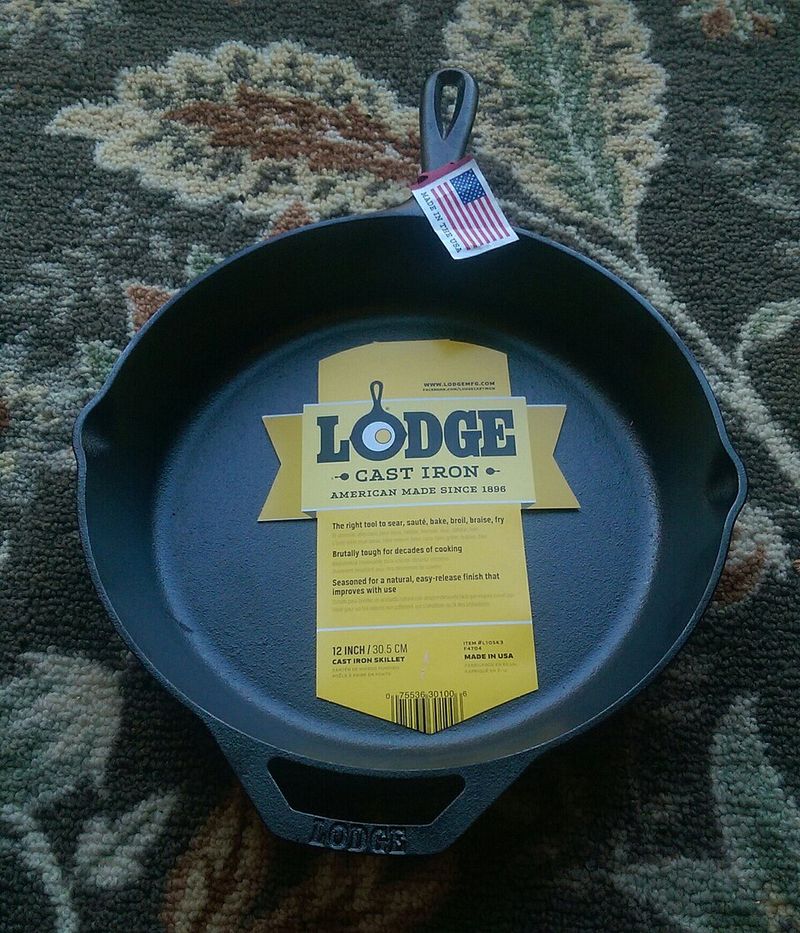
A fire in May 1910 burned Joseph Lodge’s first foundry to the ground. Three months later, he reopened a few blocks away in South Pittsburg, Tennessee, under a new name: Lodge Manufacturing Company.
Lodge had started the business in 1896. The company kept making cookware through World War I, the Great Depression, and World War II, when it also shifted to military production.
Descendants of the Lodge family still own and run it today.
In 2002, Lodge became the first American cast-iron maker to pre-season pans at the factory. That saved home cooks a step, and the rest of the industry soon followed.
Seasoning is a layer of baked-on oil that protects the metal and helps food release. To keep it strong, dry the pan right after washing and rub in a thin coat of oil.
Treat it well, and a single skillet can handle cornbread, eggs, and steak for decades. Many families pass them down like heirlooms.
9. Ball Mason Jars
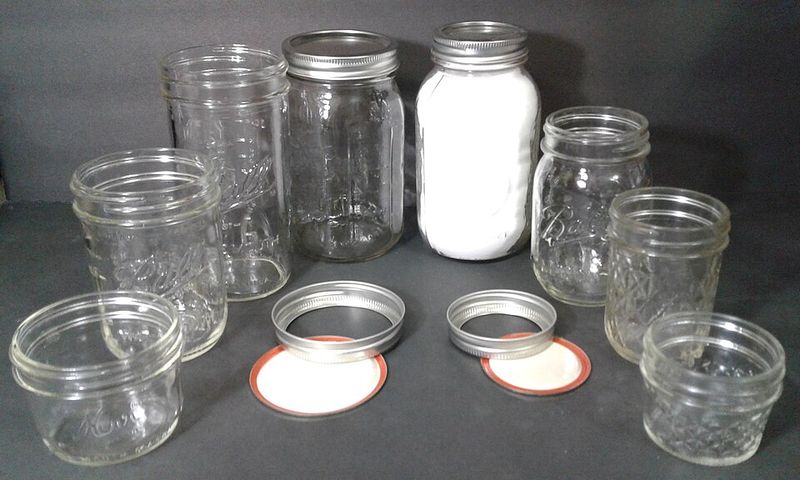
Five brothers, a small loan, and a company that made tin cans for kerosene. That was the start of the Ball story in Buffalo, New York, in 1880.
The kerosene business did not last long. Cans corroded, and new electric light bulbs were cutting demand for oil lamps.
Around 1884, the brothers spotted an opening. John Mason’s patent on screw-top canning jars was expiring, so they started making their own.
In 1887, they moved to Muncie, Indiana, drawn by cheap natural gas to power their glass furnaces. By 1900, their factory was the largest fruit jar plant in the world, turning out 240,000 machine-made jars a day.
Ball Corporation left the glass jar business in 1996 to focus on other products, including aerospace work. The Ball name, though, is still licensed for home canning gear.
The jars work for jams, pickles, and dry goods like rice. For canning, always use fresh lids and tested recipes, especially with low-acid foods.
10. WD-40 Multi-Use Product
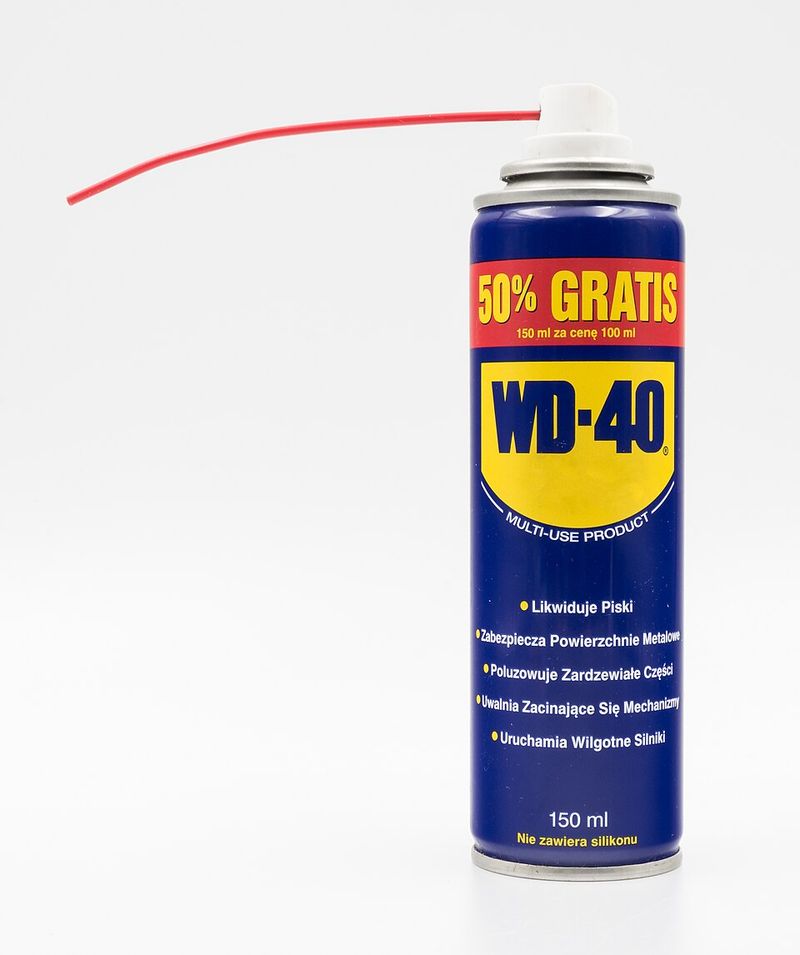
Thirty-nine tries came up short. On the fortieth, chemist Norm Larsen of the Rocket Chemical Company finally got the formula right in 1953.
That is where the name comes from: Water Displacement, 40th Formula. It was originally created to protect the outer skin of the Atlas missile from rust and corrosion.
Then something funny happened. Workers at the aerospace company started sneaking cans home to use on squeaky doors and stuck parts.
The company took the hint. In 1958, WD-40 hit store shelves in aerosol cans in San Diego, and garages across the country soon had one.
Historians still debate exactly who deserves the credit, but the company and many accounts name Larsen. The formula itself has barely changed in more than 70 years.
It works well for pushing out moisture and loosening some stuck parts. It is not the best long-term lubricant for every machine, so check what your equipment needs.
Use it in an airy space and follow the label.
11. Vaseline Original Petroleum Jelly
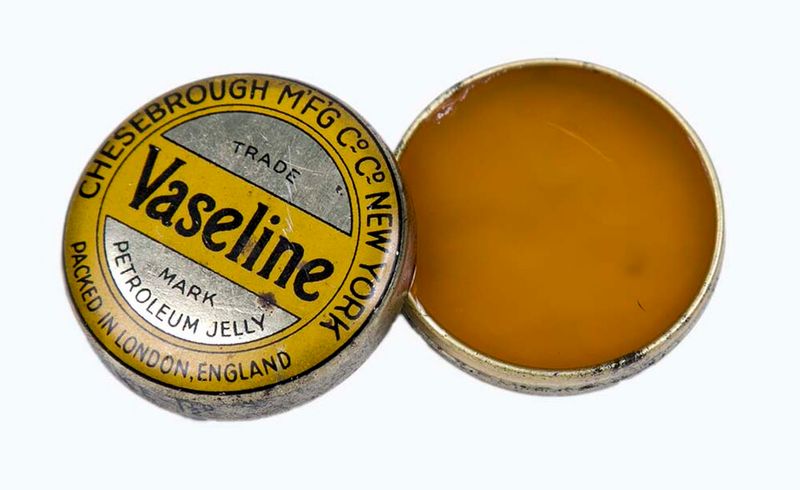
Oil workers in Titusville, Pennsylvania, had a sticky problem on their drilling rods in 1859. They called it rod wax, and they rubbed it on small cuts and burns.
A young New York chemist named Robert Chesebrough took notice. He spent years cleaning and purifying the goo, then patented his process in 1865.
The Vaseline brand launched in 1870. Chesebrough traveled by horse-drawn carriage to show off his product, reportedly burning his own skin to demonstrate how it protected the area.
The name likely blends the German word for water, wasser, with the Greek word for oil. By 1875, Americans were buying a jar every minute.
Here is how it helps. The jelly forms a seal on the skin that keeps moisture from escaping.
That makes it handy for chapped lips, dry elbows, and rough heels in winter. It does not suit every skin condition, so follow the directions.
For basic dryness, though, few products are as cheap or as dependable.
12. Bar Keepers Friend Cleanser
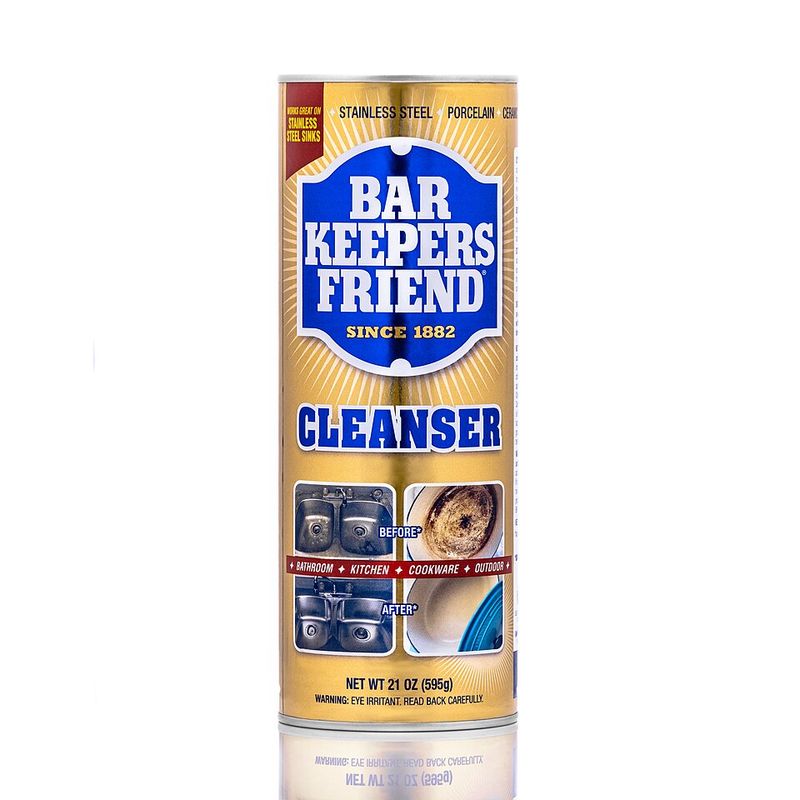
Rhubarb cleaned a dirty pot, and a chemist paid attention. In 1882, George William Hoffman of Indianapolis cooked rhubarb in a tarnished pan and found it sparkling afterward.
His research pointed to oxalic acid, which occurs naturally in rhubarb. The acid breaks down rust, tarnish, and lime stains.
Hoffman turned that discovery into a cleaning powder. His first customers were tavern owners who used it to polish brass rails along their counters.
Those grateful owners inspired the name. The label stuck, even after the powder moved into ordinary kitchens and bathrooms.
SerVaas Laboratories bought the product in 1956 and still makes it in Indianapolis. The formula has seen only small changes since the 1880s.
Today, people use it on stainless steel pans, sinks, and some tile. It handles mineral spots and rust that dish soap simply ignores.
Be careful with marble, stone, and delicate finishes, since acid can damage them. Test a small hidden spot first, and wear gloves for big jobs.
13. Dr. Bronner’s Pure-Castile Liquid Soap
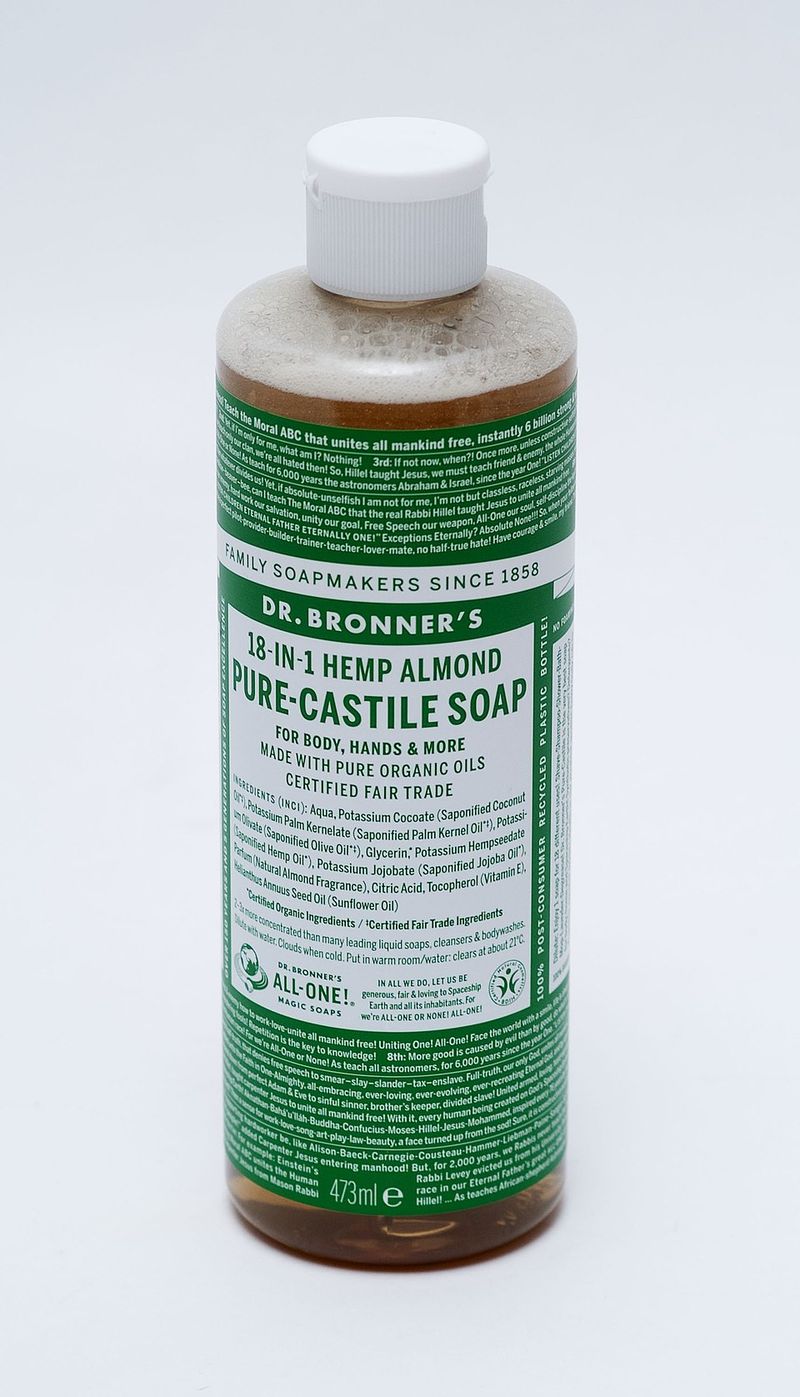
Few soap bottles come with an essay attached. Dr. Bronner’s labels are packed with so much tiny text that reading one can take longer than washing your hands.
Emanuel Bronner came from a German family of soap makers that stretched back generations. After moving to the United States, he founded his company in 1948.
He bottled concentrated liquid Castile soap made from plant oils. Then he covered the labels with his “Moral ABC” and “All-One” message, a call for people around the world to live in peace.
Bronner also shared those ideas at public talks. Over time, the crowded labels became the brand’s most memorable feature.
The soap caught on with shoppers who wanted one product for many jobs. The peppermint version became the best-known scent.
Since it is concentrated, a little goes a long way. Dilute it according to the label for dishes, floors, or hand washing.
The company remains family-owned and still runs on its founder’s principles.
Share this story