The Cold War lasted roughly from the late 1940s to the early 1990s, and during that time, the United States built an extraordinary network of military sites, intelligence operations, and nuclear weapons systems that shaped everyday life for millions of Americans. Much of that history is still standing, and you can actually visit it.
From underground missile silos in the Great Plains to a secret government bunker hidden beneath a luxury resort, these destinations bring one of history’s most tense chapters to life in a way that textbooks simply cannot match. Whether you are a history enthusiast, a curious traveler, or someone looking for a road trip with real substance, this list covers some of the most fascinating Cold War sites you can explore across the country right now.
Titan Missile Museum, Green Valley, Arizona
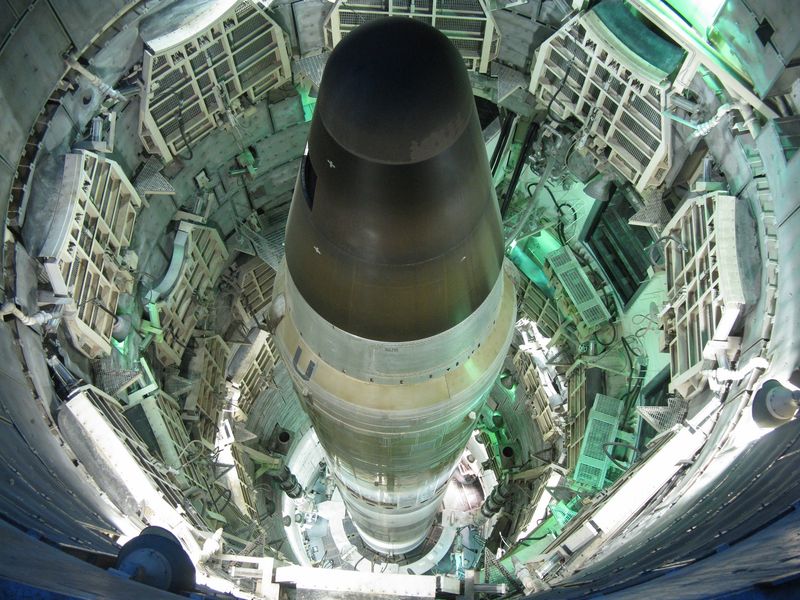
Standing just south of Tucson, the Titan Missile Museum is the only surviving Titan II missile complex open to the public in the entire country. Of the 54 Titan II complexes that once stood on alert across the United States between 1963 and 1987, this is the last one you can actually walk through.
The complex, designated 571-7, lets visitors descend underground and see the control room, blast doors, and communication equipment that crews relied on during decades of nuclear standby. The Titan II missile itself still sits inside its silo, giving the experience a scale that photographs simply do not prepare you for.
Advance reservations are required for underground tours, and booking early is strongly recommended since spots fill quickly. The museum is located at 1580 W.
Duval Mine Road in Green Valley. If you want to understand just how close the world lived to the edge during the Cold War, this is one of the most direct ways to feel it.
Minuteman Missile National Historic Site, South Dakota
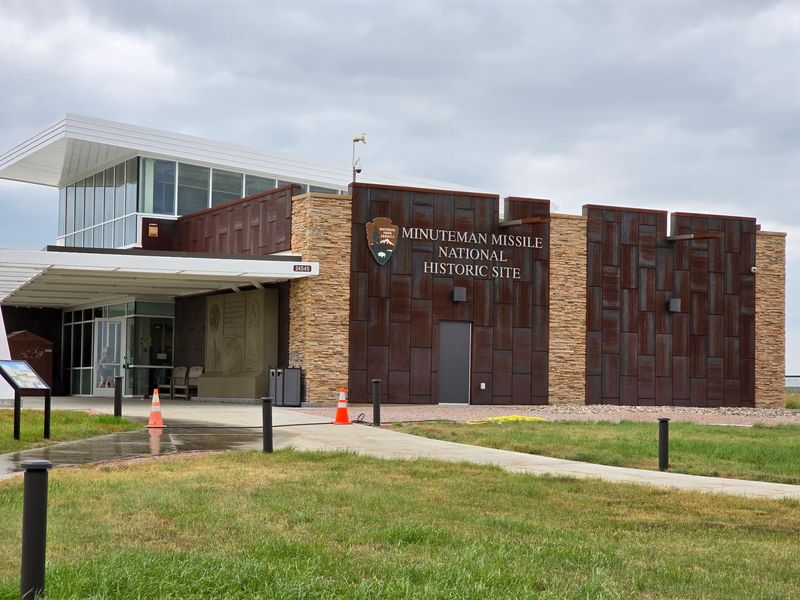
Spread across the wide open grasslands of western South Dakota, Minuteman Missile National Historic Site preserves two facilities that represent exactly how nuclear deterrence worked on the Great Plains for decades. The National Park Service manages the site and offers programs that connect visitors to a world most people only read about.
Delta-09 gives you a ground-level view directly into a preserved Minuteman missile silo through a glass observation panel, which is a genuinely striking moment. Delta-01, the launch control facility, represents the underground command center where two-person crews maintained constant alert over a flight of ten missiles.
The visitor center near Wall, South Dakota provides historical context before you head out to the sites themselves. Because the facilities are spread across a stretch of highway, a car is essential.
Admission is free with a National Park pass, and the site connects naturally with a broader Badlands road trip if you are already planning to visit the region.
Ronald Reagan Minuteman Missile State Historic Site, Cooperstown, North Dakota
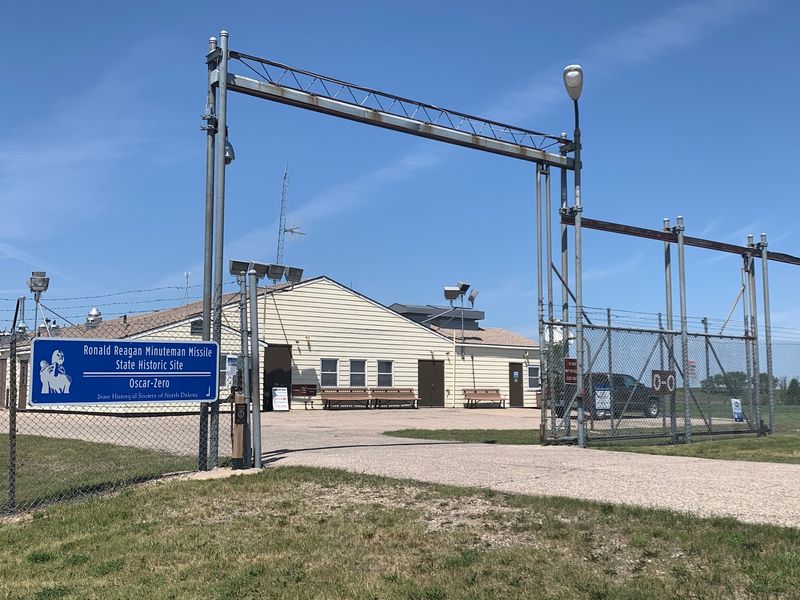
North Dakota is not always the first state that comes to mind for Cold War history, but the Ronald Reagan Minuteman Missile State Historic Site outside Cooperstown is a genuinely compelling stop. The site consists of two preserved facilities: Oscar-Zero, the missile alert facility, and November-33, the launch facility.
Oscar-Zero preserves an underground launch control center buried about 50 feet below the surface, where missile crews once maintained around-the-clock readiness. The launch capsule, equipment, and support spaces give a clear picture of what daily life looked like for the men and women on alert duty during some of the tensest years of the Cold War.
November-33 preserves the topside portion of a former Minuteman missile silo, offering a different perspective on the same system. Guided tours are available, though operating schedules vary by season, so checking ahead before making the drive is a smart move.
The surrounding North Dakota landscape adds a quiet, almost surreal backdrop to the whole experience.
Atomic Museum, Las Vegas, Nevada
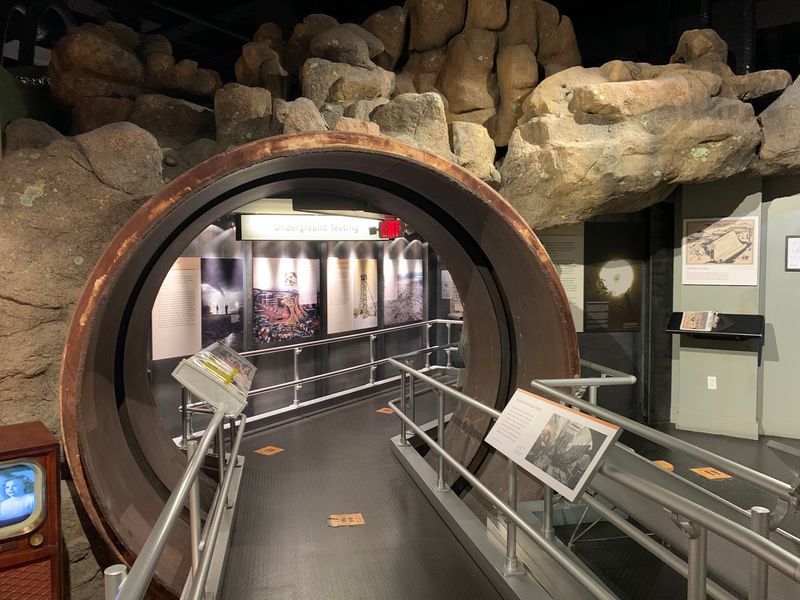
Las Vegas and nuclear testing have a stranger connection than most people realize. During the 1950s, above-ground nuclear tests at the Nevada Test Site were visible from the Las Vegas Strip, and the city leaned into the spectacle with mushroom cloud viewing parties and atomic-themed marketing.
The Atomic Museum explores exactly that cultural moment alongside the broader science and policy of America’s nuclear program.
Exhibits cover nuclear-testing equipment, Cold War-era weapons development, atmospheric testing photography, and scientific artifacts from the Nevada Test Site. A reconstructed test-site control point gives visitors a tangible sense of the operations that shaped American nuclear strategy for decades.
The museum is open seven days a week, making it an accessible stop for anyone passing through Las Vegas with an interest in history that goes beyond the casino floor. It is located at 226 S.
Las Vegas Blvd. and offers a focused, informative experience that covers both the technical and cultural dimensions of America’s atomic age.
The Greenbrier Bunker, White Sulphur Springs, West Virginia
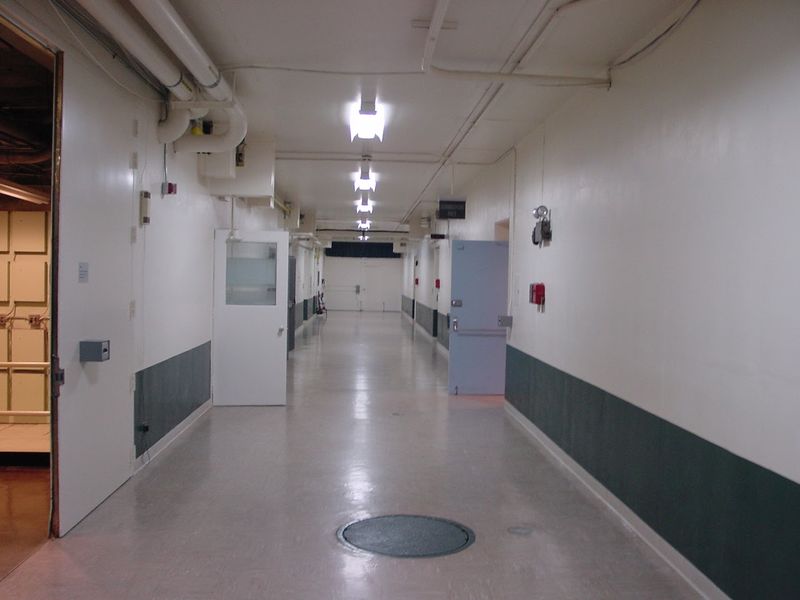
Beneath one of America’s most storied luxury resorts lies a secret that stayed hidden for over 30 years. Beginning in the late 1950s, the U.S. government quietly constructed a massive underground fallout shelter beneath The Greenbrier in White Sulphur Springs, West Virginia.
Its purpose was straightforward and sobering: to house all members of Congress in the event of a nuclear attack.
The shelter included dormitories, a communications center, a power plant, a medical clinic, and enough supplies to sustain hundreds of people for weeks. It remained classified until a journalist revealed its existence in 1992, after which the government decommissioned it as an active facility.
Today, the declassified bunker is open for approximately 90-minute guided tours, though reservations are required and photography and electronic devices are not permitted during the tour. The combination of luxury resort history and Cold War secrecy makes this one of the more unusual destinations on any American history itinerary.
Nike Missile Site SF-88, Marin Headlands, California
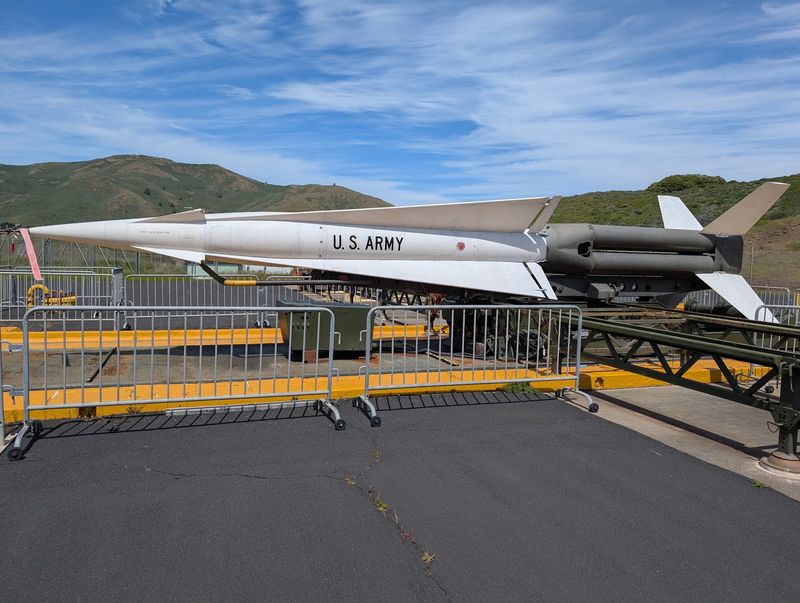
Right across the bay from San Francisco, tucked into the Marin Headlands, Nike Missile Site SF-88 represents a type of Cold War installation that once ringed nearly every major American city. Nike missiles were designed to intercept Soviet bombers before they could reach their targets, and dozens of these sites protected urban areas across the country from the 1950s through the 1970s.
SF-88 is described by the National Park Service as the most fully restored Nike missile site in the United States. The site includes restored missile assembly areas, an underground magazine, and launcher equipment that gives a realistic picture of how these installations actually functioned.
Public open houses and tours run on selected days, managed by volunteers in cooperation with the Golden Gate National Recreation Area, so checking the current schedule before making the trip is important. The setting alone, with views across the headlands and the bay, makes the visit memorable even before you start learning about the missiles.
National Museum of the United States Air Force, Dayton, Ohio
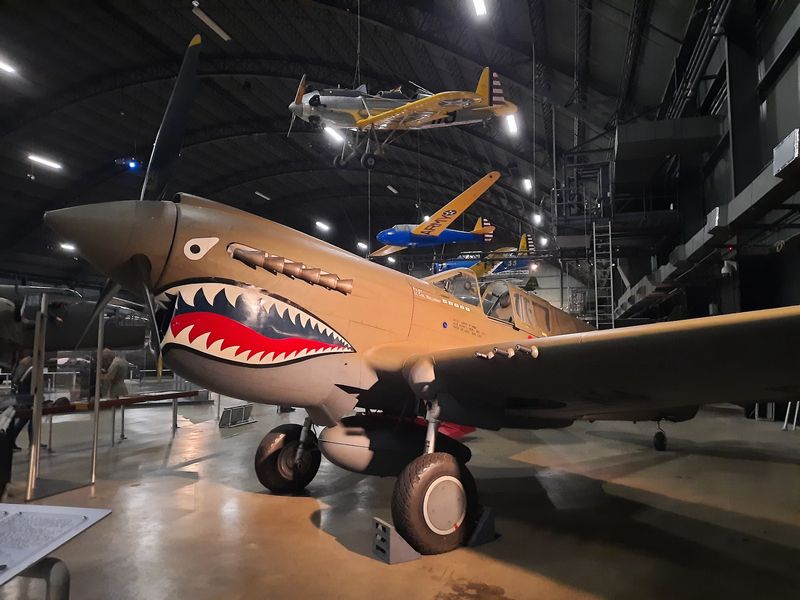
Free admission and more than 350 aerospace vehicles on display make the National Museum of the United States Air Force in Dayton, Ohio, one of the most substantial aviation and military history destinations in the country. For Cold War history specifically, the museum’s dedicated Cold War Gallery and Missile Gallery are the main draws.
Aircraft and missiles connected to nuclear deterrence, strategic reconnaissance, and the arms race fill the galleries, covering everything from early jet-age bombers to intercontinental ballistic missiles. The museum also addresses conflicts that defined the Cold War era, including Korea and Vietnam, through aircraft, weapons, and supporting exhibits.
Because the museum is so large, planning for at least half a day is realistic if you want to cover the Cold War material thoroughly. It is located at 1100 Spaatz St. at Wright-Patterson Air Force Base near Dayton.
For anyone interested in how air power shaped American Cold War strategy, this museum provides more depth and physical scale than almost any comparable institution.
Steven F. Udvar-Hazy Center, Chantilly, Virginia
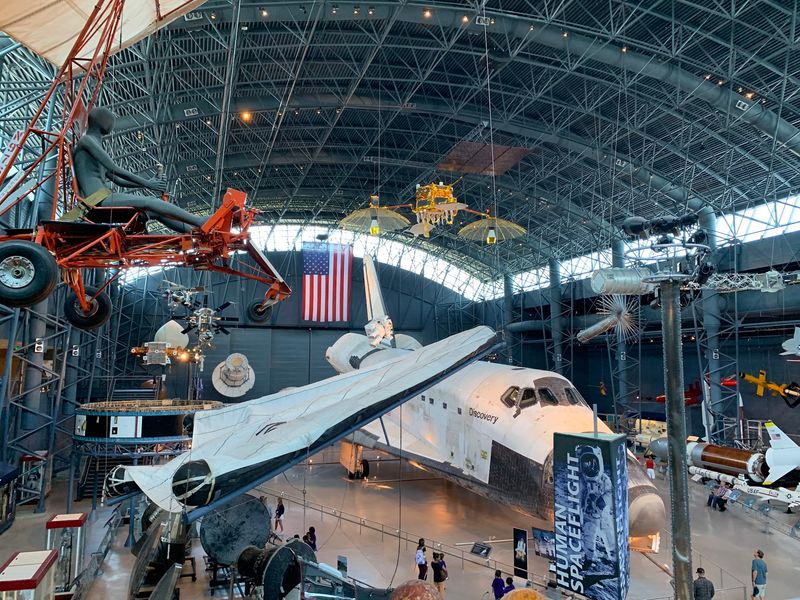
Few aircraft from the Cold War carry as much mystique as the Lockheed SR-71 Blackbird, and the Steven F. Udvar-Hazy Center near Washington Dulles International Airport is where you can stand directly beneath one.
Developed for high-speed, high-altitude reconnaissance, the Blackbird flew faster and higher than any aircraft the Soviet Union could intercept.
The Smithsonian’s companion facility to the National Air and Space Museum on the Mall, Udvar-Hazy houses an enormous collection of aviation and space artifacts. Cold War material extends beyond the SR-71 to include context around reconnaissance programs, the U-2 incident, the Cuban Missile Crisis, and the intelligence-gathering operations that defined American strategy for decades.
Admission to the museum is free, though parking carries a fee. The center is open daily except Christmas Day.
Its sheer size and the density of significant aircraft make it easy to spend several hours here without covering everything. The SR-71 alone draws visitors from across the country, and seeing it in person makes the engineering achievement feel entirely real.
Submarine Force Library and Museum and USS Nautilus, Groton, Connecticut
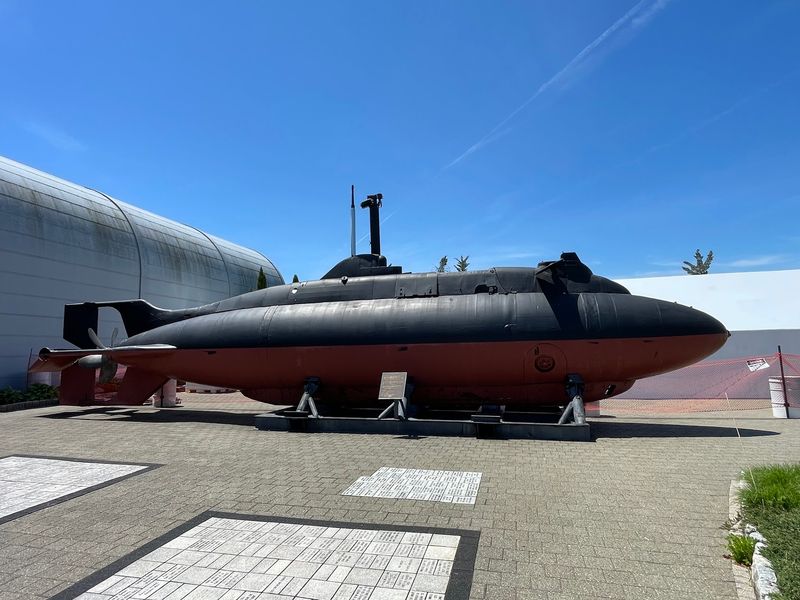
The USS Nautilus changed submarine warfare permanently when it became the world’s first operational nuclear-powered submarine in 1954. Nuclear propulsion allowed submarines to remain submerged far longer than diesel-powered boats, which fundamentally altered how the Navy approached undersea operations during the Cold War.
You can board the Nautilus today at the Submarine Force Library and Museum in Groton, Connecticut.
Walking through the submarine gives a clear sense of how crew members lived and worked in an extraordinarily confined environment. The museum surrounding it covers the development of America’s ballistic-missile submarine force and the role that undersea nuclear deterrence played in Cold War strategy.
The museum currently operates Wednesday through Monday, with seasonal hours, so confirming the schedule before visiting is worth a quick check. Groton sits along the Thames River in southeastern Connecticut, making it a reasonable stop on a broader New England trip.
Admission to the museum and Nautilus tour is free, which makes the visit accessible for families and solo travelers alike.
National Cryptologic Museum, Annapolis Junction, Maryland
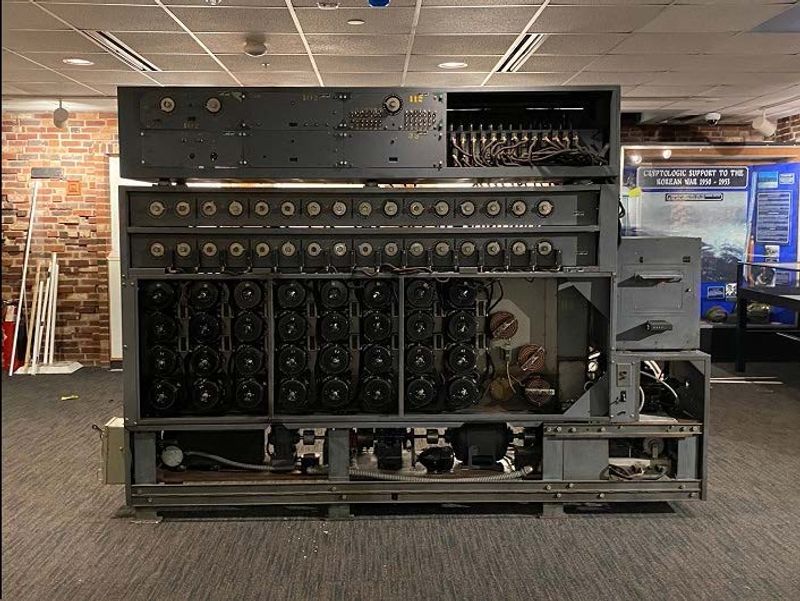
Located just outside the gates of the National Security Agency in Annapolis Junction, Maryland, the National Cryptologic Museum focuses on a side of Cold War history that rarely gets the attention it deserves: the secret world of codebreaking and signals intelligence. The collection spans thousands of artifacts related to cryptography, secure communications, and surveillance technology.
Cold War exhibits cover American efforts to monitor and decipher Soviet communications, the development of increasingly sophisticated intelligence tools, and the ongoing technological competition between U.S. and Soviet intelligence agencies. The museum traces this history from World War II roots through the height of the Cold War and into the digital era.
Admission is free, and the museum is currently open Tuesday through Friday and on the first Saturday of each month. Because it sits adjacent to the NSA campus, the location itself adds a layer of context that reinforces just how central intelligence work was to Cold War competition.
For anyone curious about espionage history beyond the spy thriller version, this museum delivers genuine depth.
International Spy Museum, Washington, D.C.
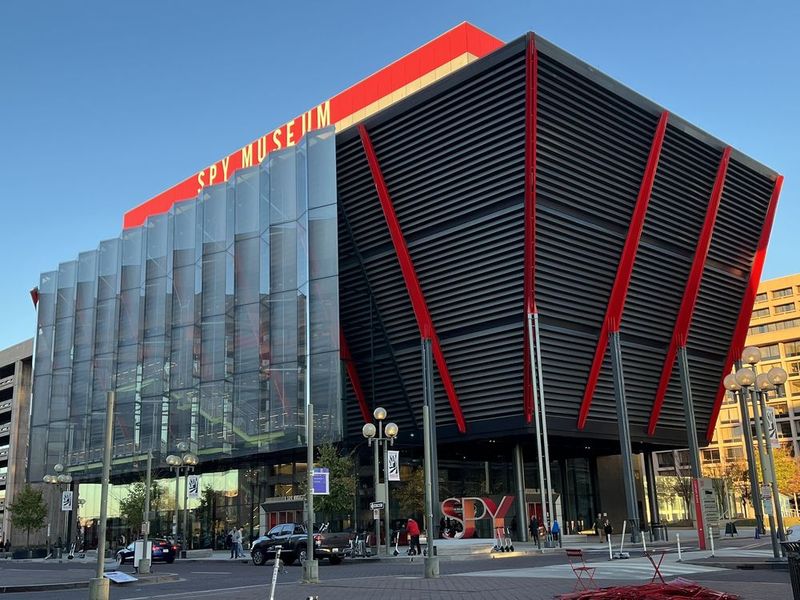
Washington, D.C. has no shortage of history museums, but the International Spy Museum occupies a category of its own. Its approach to Cold War history centers on espionage, tradecraft, and the human stories behind intelligence operations, making it one of the more immersive experiences available in the capital.
The Berlin-focused exhibits are a particular highlight, recreating elements of divided East and West Berlin and exploring the operations of the Stasi, East Germany’s feared security service. Exhibits cover surveillance methods, disguise techniques, escape attempts across the Berlin Wall, and the intelligence operations that both sides ran throughout the city.
One of the more unexpected artifacts on display is a Trabant, the small East German automobile that became a symbol of life behind the Iron Curtain. The museum is open daily with seasonal hours, and timed entry tickets are recommended to avoid long waits, especially on weekends.
It is located at 700 L’Enfant Plaza SW in Washington, D.C.
Ronald Reagan Presidential Library and Museum, Simi Valley, California
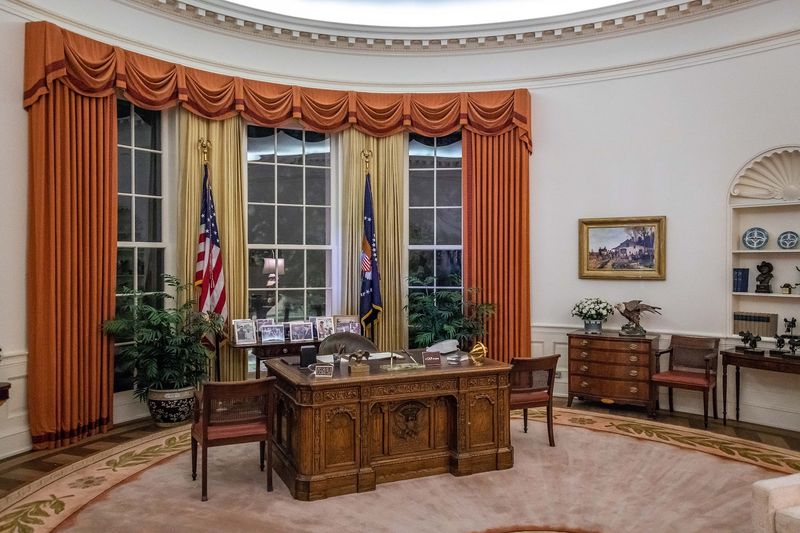
Cold War diplomacy runs through a significant portion of the Ronald Reagan Presidential Library and Museum in Simi Valley, California. Reagan’s presidency coincided with some of the most consequential final years of the Soviet-American confrontation, and the museum addresses that history with a strong collection of artifacts and exhibit material.
An authentic section of the Berlin Wall stands among the most memorable artifacts in the building, offering a physical connection to one of the Cold War’s most defining symbols. Exhibits examine Reagan’s relationship with Soviet leader Mikhail Gorbachev, the arms reduction negotiations that the two leaders pursued, and the broader political shifts that marked the end of the Cold War era.
Cold War-era military hardware also features in the collection, including an F-117 Nighthawk stealth aircraft. The museum is open daily and is located at 40 Presidential Drive in Simi Valley.
For visitors interested in how American foreign policy shaped the final chapter of the Cold War, the Reagan Library provides a focused and well-documented account.
Harry S. Truman Presidential Library and Museum, Independence, Missouri
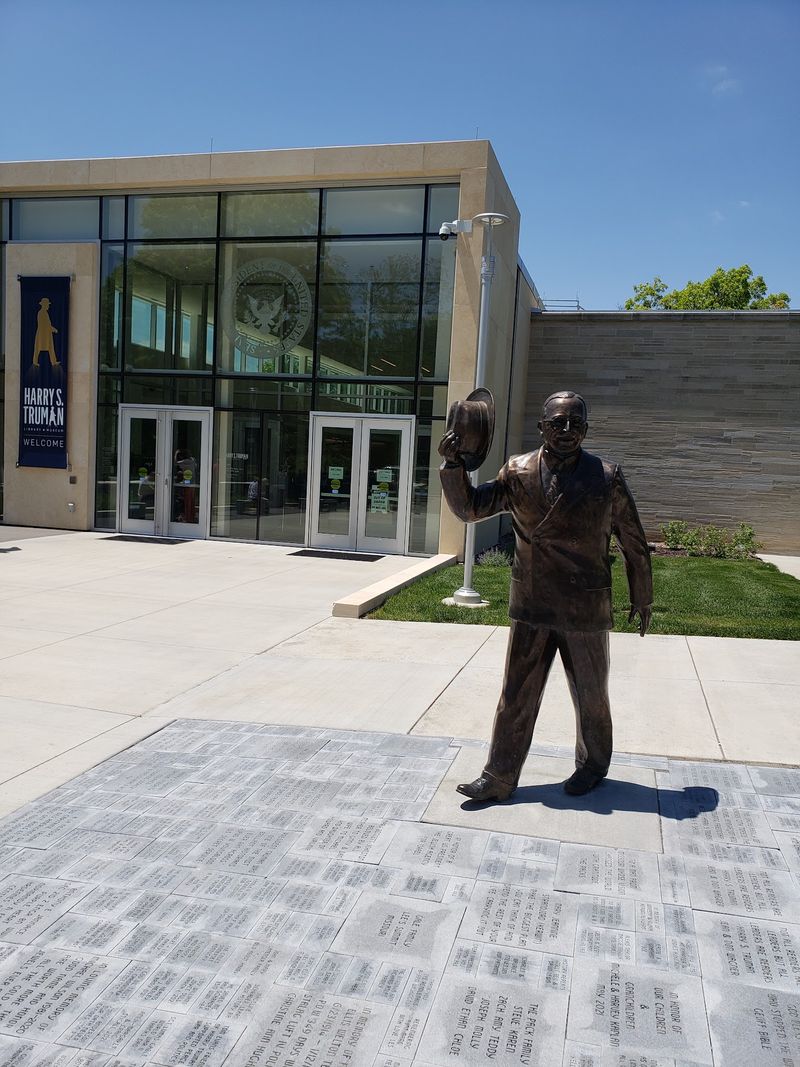
Understanding how the Cold War actually started requires going back to the presidency of Harry S. Truman, and the library and museum dedicated to him in Independence, Missouri, is the right place to do that.
Truman’s years in office set the framework that American foreign policy followed for the next four decades.
The Berlin Airlift, the creation of NATO, the Truman Doctrine, the Marshall Plan, and the decision to develop America’s nuclear arsenal all fall within the scope of his presidency. The museum presents these decisions with clear historical context, focusing on the political reasoning behind each major choice rather than simply displaying weapons and hardware.
That policy-focused approach makes the Truman Library particularly useful for visitors who want to understand the Cold War as a political and diplomatic story, not just a military one. The museum is currently open to visitors and is located at 500 W.
U.S. Highway 24 in Independence.
It connects naturally with a broader Kansas City-area road trip.
Dwight D. Eisenhower Presidential Library, Museum and Boyhood Home, Abilene, Kansas
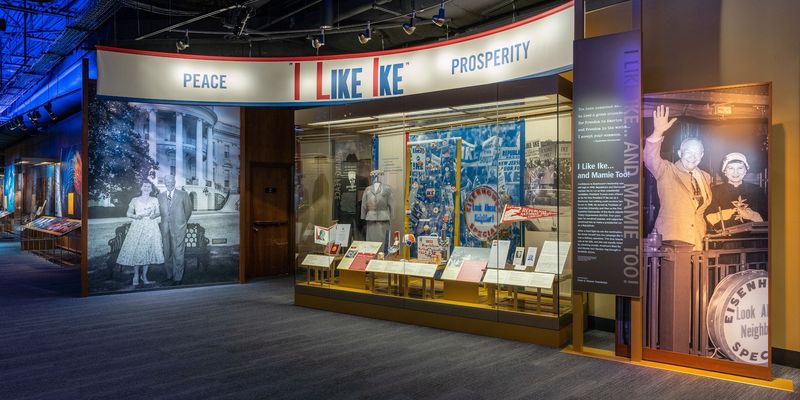
Abilene, Kansas, is a small town with a big Cold War story to tell. The Dwight D.
Eisenhower Presidential Library, Museum and Boyhood Home sits at the center of it, covering a presidency that shaped American nuclear strategy, intelligence operations, and foreign policy during one of the most consequential periods of the Cold War.
Eisenhower’s two terms in office saw the nuclear arms race accelerate, the launch of the U-2 reconnaissance program, and a series of international crises that tested American resolve. Modern museum exhibits address the Cold War impact of his administration directly, making the historical connections clear for visitors without extensive background knowledge.
The boyhood home on the same grounds adds a personal dimension to the visit that most presidential libraries cannot offer. The museum is currently open Tuesday through Sunday and is located at 200 SE 4th Street in Abilene.
For a town this size, the depth of history concentrated in one location is genuinely striking.
John F. Kennedy Presidential Library and Museum, Boston, Massachusetts
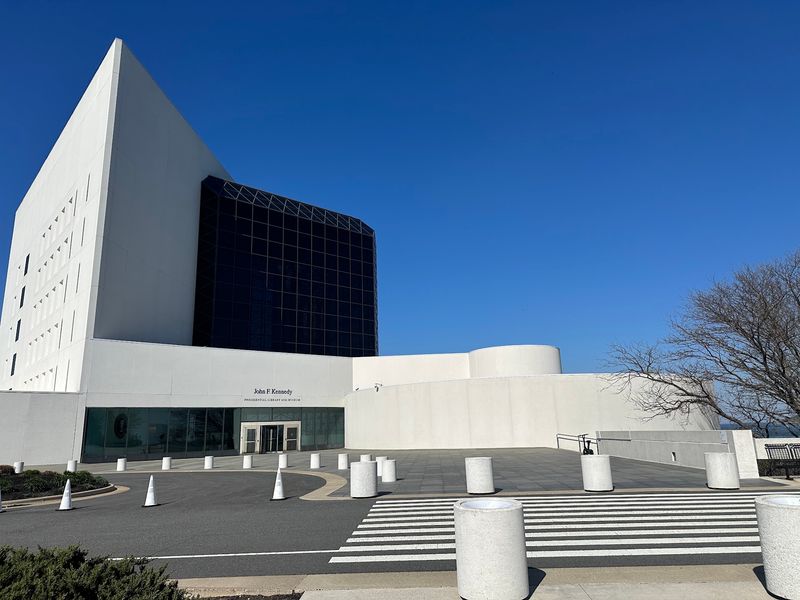
No single event during the Cold War brought the world closer to nuclear confrontation than the Cuban Missile Crisis of October 1962, and the John F. Kennedy Presidential Library and Museum in Boston addresses that moment with the seriousness it deserves.
Kennedy’s presidency packed an extraordinary amount of Cold War history into fewer than three years.
The Bay of Pigs invasion, the construction of the Berlin Wall, escalating American involvement in Vietnam, and the 13 days of the Cuban Missile Crisis all fall within the scope of the museum’s exhibits. The library’s collection of documents, recordings, and photographs gives visitors a detailed look at how decisions were made under extreme pressure.
The museum is open seven days a week from 10 a.m. to 5 p.m., aside from listed holiday closures, and is located at Columbia Point in Boston with views of the harbor. The building itself, designed by architect I.M.
Pei, is worth noting before you even step inside. Plan for at least two to three hours to cover the Cold War material thoroughly.
Share this story