History is full of movements that operated quietly, away from public view, yet managed to shift the course of entire nations. From hidden printing presses in occupied Europe to secret radio stations in colonial India, these groups found ways to resist, organize, and push back against powers that seemed unbeatable.
Their methods ranged from nonviolent protest and underground publishing to intelligence work and sabotage. What they shared was a refusal to give up when official channels were closed off.
Some of these movements succeeded in dramatic fashion, while others planted seeds that took decades to grow. A few triggered consequences far beyond what their members ever intended.
Each one operated in the shadows because the alternative, open defiance, came with enormous risks. Understanding how they worked, what they achieved, and where they fell short tells us something important about how political change actually happens, not just in textbooks, but in basements, forests, and secret meeting rooms.
1. Solidarity’s Underground Network, Poland
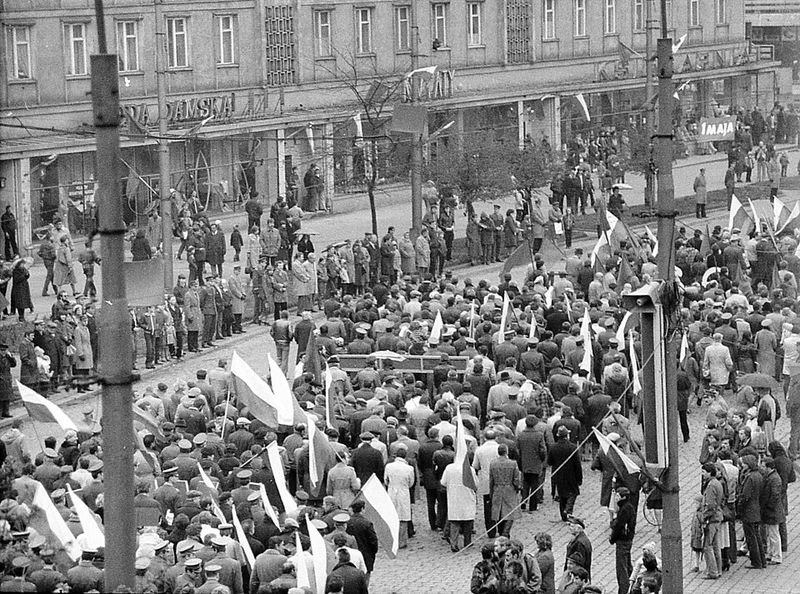
When ten million workers join a single trade union, governments tend to get nervous, and Poland’s communist leadership was no exception. Solidarity emerged from the Gdansk Shipyard strikes of August 1980, led by electrician Lech Walesa, and rapidly became the first independent labor union recognized by a Soviet bloc state.
Its demands were broad: economic reform, free elections, and genuine freedom of expression.
General Wojciech Jaruzelski imposed martial law on December 13, 1981, detaining leaders and formally outlawing the organization in October 1982. Solidarity did not collapse.
Underground publications circulated beyond state censorship, secret structures survived, and international financial support from the Vatican and the AFL-CIO helped sustain the network through years of repression.
By 1989, Poland’s economic crisis forced the government into Round Table negotiations. Solidarity-backed candidates won an overwhelming electoral victory in June 1989, accelerating a transformation that installed a noncommunist prime minister by August of that year.
2. The Underground Railroad, United States
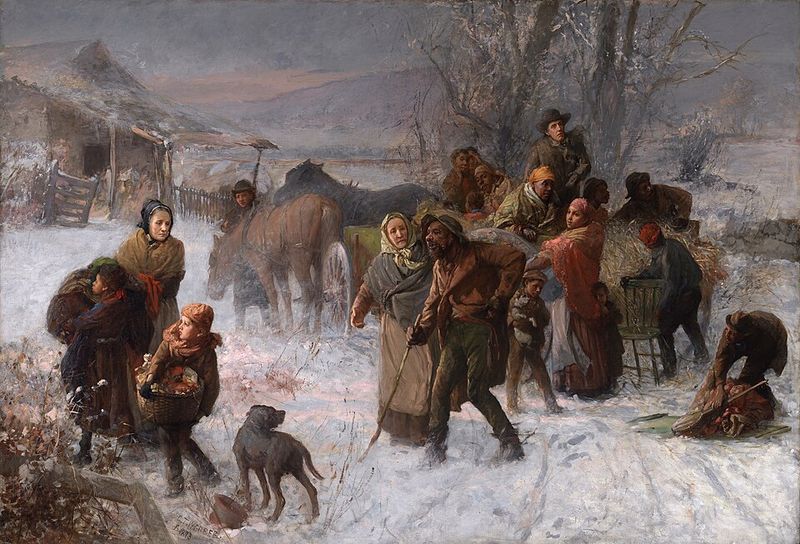
No trains ran on the Underground Railroad, and no tracks were ever laid. The name described something far more remarkable: a decentralized web of people, routes, and hiding places that helped enslaved African Americans reach freedom, particularly between the 1830s and the Civil War.
Free Black communities were central to the effort, alongside Quakers, Baptists, and abolitionists of many backgrounds.
Harriet Tubman escaped slavery in 1849 and then returned roughly thirteen times, personally guiding approximately seventy people to freedom. William Still, a free Black man in Philadelphia, documented hundreds of escapes, creating records that remain historically invaluable.
The Fugitive Slave Act of 1850 dramatically raised the stakes, compelling even Northern citizens to assist in capturing fugitives.
Estimates suggest between 50,000 and 100,000 people used the network. That number represented a fraction of those enslaved, but the political impact was enormous.
Each escape intensified the national conflict over slavery and exposed the moral contradictions at the heart of American democracy.
3. The White Rose, Germany
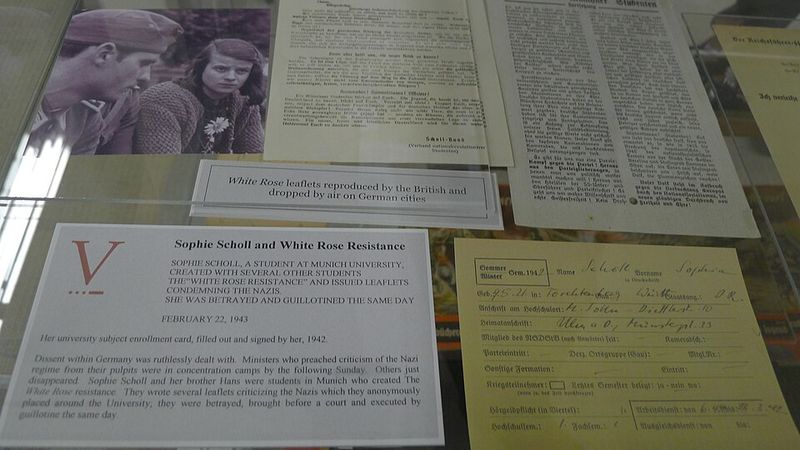
Six leaflets. That was the primary output of a resistance group that has since become one of the most studied examples of moral courage under dictatorship.
Beginning in June 1942, a small circle at the University of Munich produced and distributed written challenges to Adolf Hitler’s regime, mailing copies to addresses and leaving stacks in public spaces.
Hans and Sophie Scholl, Alexander Schmorell, Christoph Probst, Willi Graf, and professor Kurt Huber formed the core of the group. Their leaflets explicitly condemned the mass murder of Jews, denounced National Socialism, and called on ordinary Germans to resist.
The sixth leaflet was their last. A custodian caught Hans and Sophie distributing copies at the university on February 18, 1943.
Four days later, Hans, Sophie, and Christoph Probst were executed by guillotine. Schmorell and Huber followed on July 13, 1943.
The White Rose did not topple Nazi Germany, but its members became enduring symbols of conscience in a nation reckoning with its past.
4. The Indian Independence Underground During Quit India, India
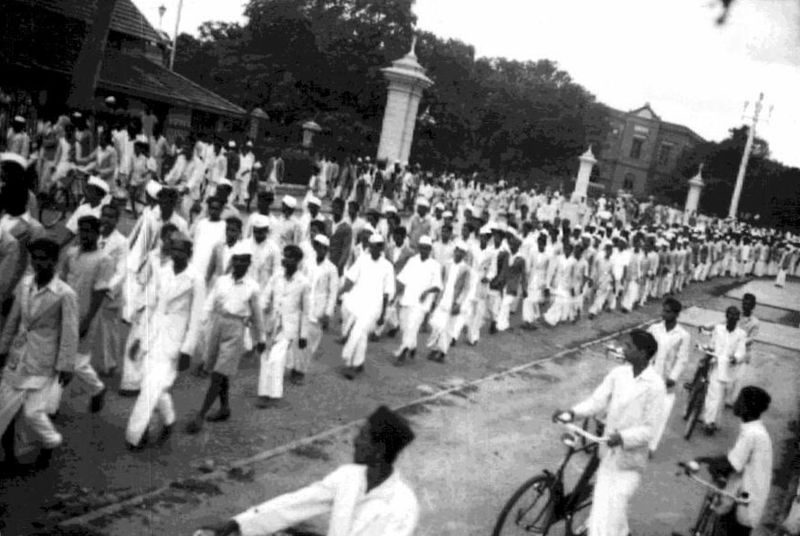
On August 8, 1942, the Indian National Congress formally launched the Quit India movement with Gandhi’s famous “Do or Die” speech. By the following morning, British authorities had arrested Gandhi, Nehru, and nearly the entire Congress leadership in a coordinated operation called “Operation Zero Hour,” imprisoning them without trial.
Removing the leadership did not extinguish the movement. Activists, many of them women and students, took the campaign underground, distributing pamphlets, organizing resistance, and maintaining communication networks.
Usha Mehta, a 22-year-old law student in Bombay, organized the clandestine Congress Radio, broadcasting from rotating secret locations starting August 14, 1942. The station circulated suppressed news until police shut it down on November 12, 1942, leading to Mehta’s four-year imprisonment.
British repression resulted in over 100,000 arrests. The movement did not immediately end colonial rule, but it demonstrated that simply imprisoning famous leaders could not silence a population determined to resist.
Independence arrived in 1947 through a broader combination of pressures.
5. The Home Army, Poland
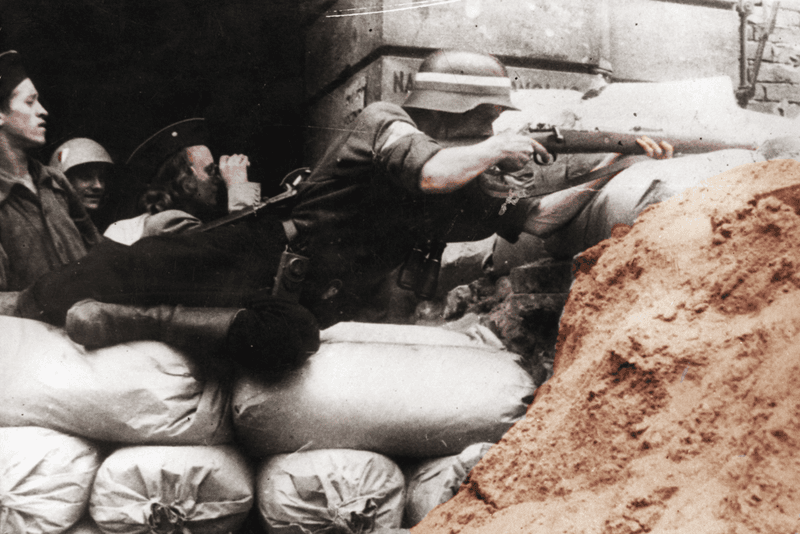
Poland under German occupation developed one of the most sophisticated underground military structures in all of wartime Europe. The Home Army, or Armia Krajowa, formed on February 14, 1942, as the armed wing of the Polish Underground State, operating under the Polish government-in-exile in London.
At its peak in 1944, membership ranged between 200,000 and 600,000 people.
Its intelligence operations were extraordinary. Polish sources provided an estimated 48% of all reports received by British secret services from continental Europe, including crucial early intelligence about German concentration camps and the V-1 and V-2 rocket programs.
Sabotage operations disrupted German supply lines heading to the Eastern Front.
The Warsaw Uprising of August 1944 was the movement’s most ambitious and costly operation. Insurgents fought for 63 days before German forces crushed the revolt, razing 80 to 90 percent of the city.
After the war, communist authorities persecuted many survivors. The Home Army endured as a symbol of national sovereignty contested by two totalitarian powers simultaneously.
6. The French Resistance, France
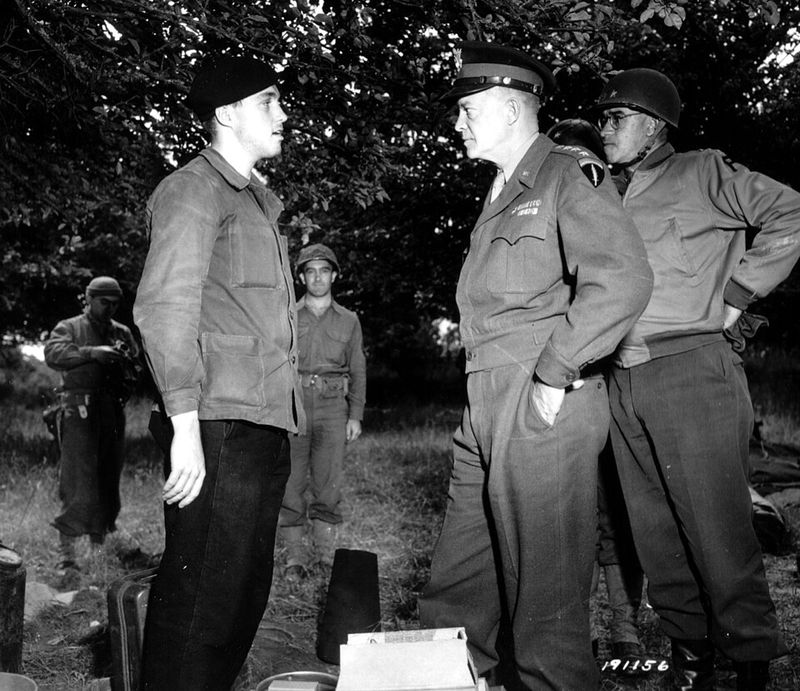
Few political networks have been mythologized as heavily as the French Resistance, yet the reality was far more complicated and far more impressive than the legend. After Germany defeated France in 1940, resistance did not spring up overnight as one organized force.
It grew in fragments, through scattered cells operating from private homes, rural hideouts, and urban apartments.
Some cells produced underground newspapers. Others gathered military intelligence, sabotaged railways, helped Allied airmen escape, or sheltered people targeted by Nazi persecution.
Jean Moulin became pivotal in 1943, bringing major organizations together under the Conseil National de la Resistance on May 27, uniting eight internal movements, six political parties, and two major trade unions.
The Allied armies were decisive in defeating Germany militarily, but the Resistance gave Charles de Gaulle a powerful political claim that legitimate French authority had never surrendered. Its program also shaped postwar reforms, including women gaining the right to vote in 1945.
7. The Carbonari, Italy
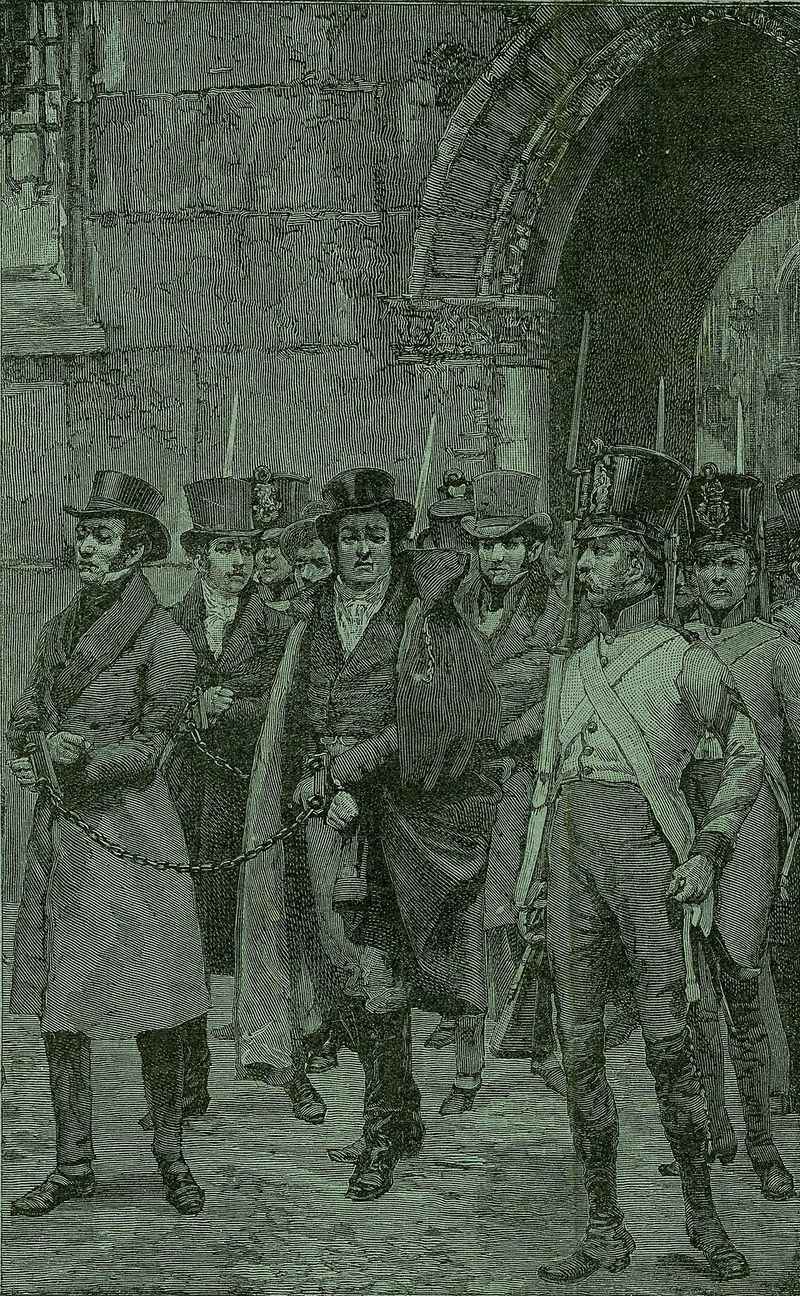
Secret handshakes, coded language, and forest meetings might sound theatrical, but for the Carbonari in early 19th century Italy, they were practical tools for political survival. Active from roughly 1800 to 1831, this network of secret revolutionary societies spread across the Italian peninsula at a time when advocating constitutional government could bring swift repression from Austrian or Bourbon authorities.
Their lodges were called baracche, their meetings were vendite, and members addressed each other as buoni cugini, or good cousins. The Carbonari led the successful Neapolitan revolution of 1820, forcing King Ferdinand I to accept a liberal constitution, though Austrian military intervention reversed the gains within months.
Similar revolts in Piedmont in 1821 and central Italy in 1831 also collapsed under outside pressure.
Giuseppe Mazzini joined the Carbonari in 1829 before founding Young Italy in 1831, a movement with a clearer republican program. The Carbonari did not unify Italy, but they established the underground tradition of nationalist organization that the Risorgimento later built upon.
8. Young Bosnia, Bosnia and Herzegovina
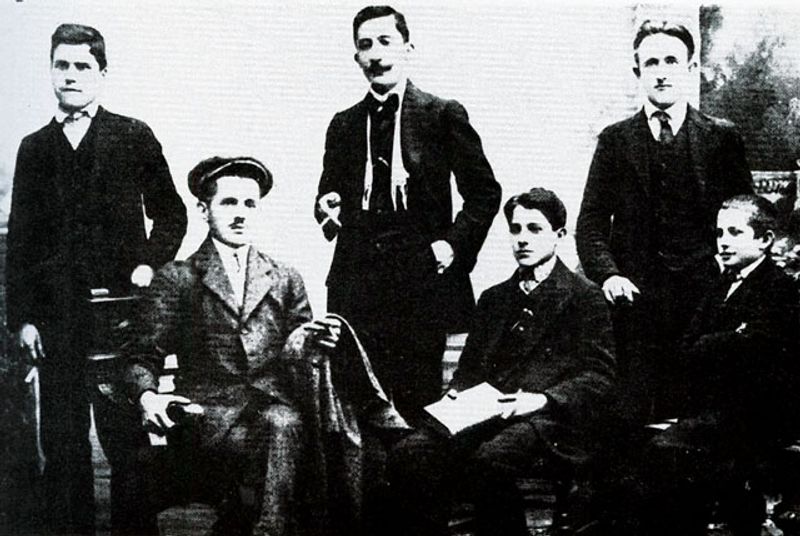
A loose collection of students and young activists, Young Bosnia, or Mlada Bosna, was never a formal party with membership cards and headquarters. It was more of a revolutionary atmosphere, a shared set of grievances against Austro-Hungarian rule held together by South Slav nationalism, Russian revolutionary ideas, and a conviction that political change required dramatic action.
On June 28, 1914, nineteen-year-old Gavrilo Princip shot Archduke Franz Ferdinand and his wife Sophie in Sarajevo. The group had received weapons assistance from the Black Hand, a secret Serbian military organization.
Princip was convicted and sentenced to twenty years in prison, where he died in 1918.
The assassination did not cause World War I by itself. Europe’s alliance systems, imperial rivalries, and military planning were already dangerously strained.
But the killing triggered the July Crisis, which escalated into a continental war. Austria-Hungary collapsed, and a South Slav kingdom emerged from the wreckage.
Young Bosnia illustrates how a tiny underground circle can detonate consequences no one could have predicted or controlled.
9. The Danish Resistance, Denmark
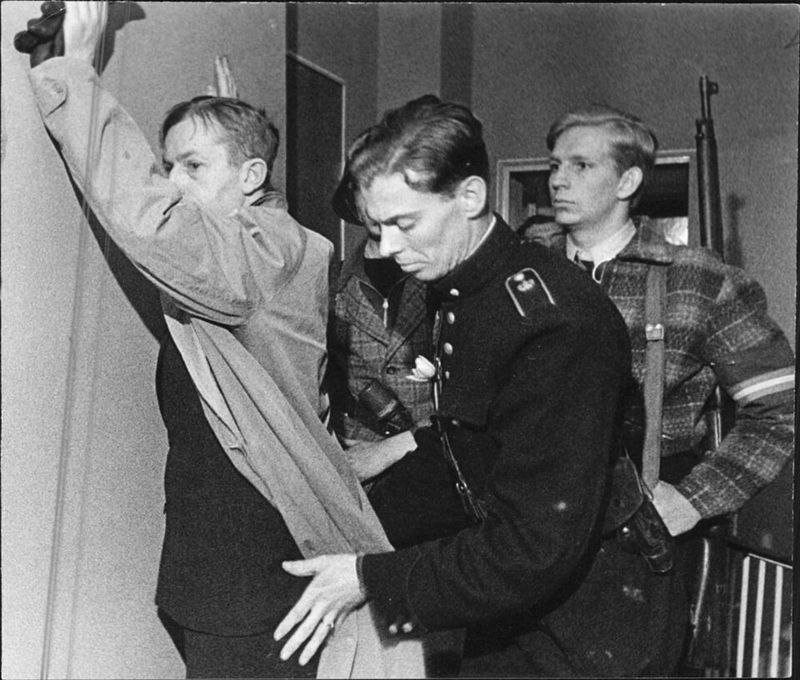
Denmark’s story under German occupation is more layered than a simple tale of universal resistance from day one. After the April 1940 occupation, Danish authorities pursued a policy of cooperation, attempting to preserve domestic autonomy.
Resistance developed gradually, growing more organized and more active as the occupation progressed and the political situation deteriorated.
The turning point came in August 1943, when the Danish government refused German demands to impose death penalties for sabotage and resigned. This removed legal protection from Denmark’s Jewish population.
When a German diplomat leaked deportation plans in late September 1943, Danish citizens rapidly organized a rescue. In just over three weeks, approximately 7,200 Danish Jews and 680 non-Jewish family members crossed the Oresund Strait to neutral Sweden by fishing boat.
Around 500 Jews were captured and deported to Theresienstadt, though sustained Danish diplomatic pressure helped most of them survive. Illegal newspapers, sabotage operations, and Allied intelligence work rounded out the resistance record.
The occupation’s complexity, including early cooperation, makes the eventual resistance all the more significant.
10. The African National Congress Underground, South Africa
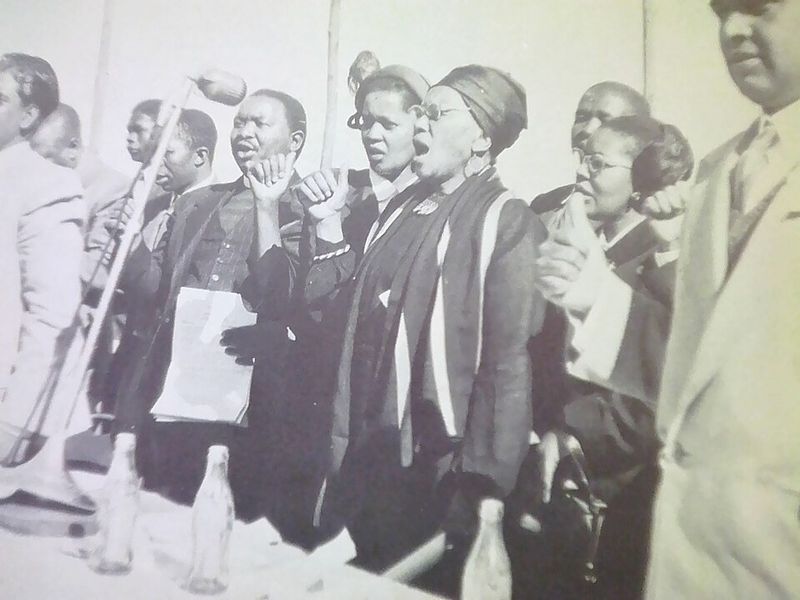
Founded in 1912, the African National Congress spent nearly five decades pursuing political change through legal channels, protests, and organized mass action. Apartheid, instituted in 1948, systematically closed those avenues.
The Sharpeville massacre of March 1960, in which police killed 69 unarmed Black protesters, prompted the government to ban the ANC entirely in April of that year.
The organization moved underground and into exile. Nelson Mandela co-founded Umkhonto we Sizwe in December 1961, launching a sabotage campaign against government and infrastructure targets.
Mandela was arrested in 1962, and the Rivonia Trial of 1963 to 1964 sentenced him and other ANC leaders to life imprisonment. He served 27 years across multiple prisons.
Internal mass mobilization, powerful Black trade unions, international sanctions, changing global politics, and sustained underground work all combined to bring the apartheid system to crisis by the late 1980s. The ANC was unbanned on February 2, 1990.
Four years later, South Africa held its first non-racial elections, and Mandela became president on May 10, 1994.
11. The Dutch Resistance, Netherlands
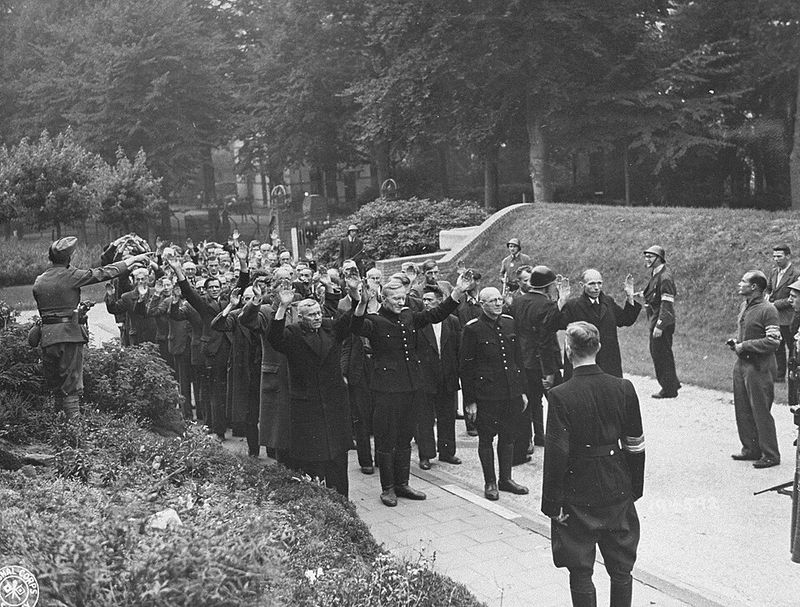
The German occupation of the Netherlands in May 1940 did not produce one centralized resistance organization. It produced dozens of separate networks, each with different methods, different political backgrounds, and different levels of risk tolerance.
That decentralized character was both a strength and a reflection of the complexity of life under occupation.
Underground newspapers became one of the most significant contributions. Publications like Het Parool, Trouw, and Vrij Nederland provided uncensored information and maintained public morale throughout the war years.
By 1943, these papers reached an estimated 2.6 million readers. The Landelijke Organisatie voor Hulp aan Onderduikers, formed in late 1942, coordinated hiding and supporting over 300,000 people evading German authorities by autumn 1944, including Jews, students avoiding forced labor, and former soldiers.
The history also contains uncomfortable realities. Approximately 75% of Dutch Jews were murdered in the Holocaust, reflecting the scale of collaboration and administrative participation alongside resistance.
Het Parool and Trouw survived the occupation and became major postwar Dutch publications, a rare example of underground institutions outlasting the systems they opposed.
12. The Czech Underground and Charter 77, Czechoslovakia
Charter 77 arrived on New Year’s Day 1977 as a document, not a dramatic public demonstration. Published on January 1, 1977, it was a human rights manifesto criticizing the Czechoslovak communist government for violating commitments made under the Helsinki Accords of 1975 and UN human rights covenants it had formally ratified in 1976.
The tone was measured and legalistic, which made it harder for authorities to dismiss.
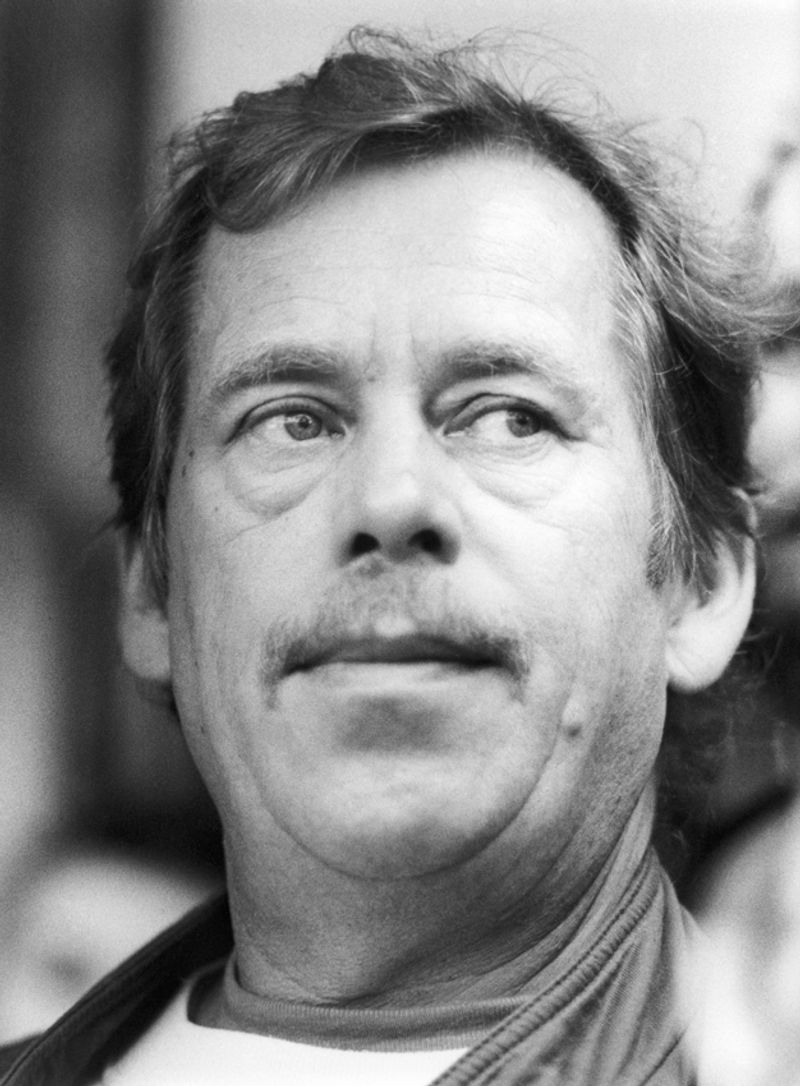
Playwright Vaclav Havel was among the three initial spokespersons, a role that earned him multiple imprisonments for subversion of the republic. Signatories faced job losses, police harassment, and forced exile.
The government launched an Anti-Charter campaign, pressuring artists and public figures to condemn the declaration. Samizdat texts, hand-typed on carbon paper and passed person to person, kept dissident writing alive outside state publishing.
Charter 77 never exceeded roughly 2,000 signatories. When the Velvet Revolution began in November 1989, Charter 77 activists formed Civic Forum, the coalition that negotiated the transition.
Havel became president on December 29, 1989. The underground had preserved the vocabulary democracy needed when the moment arrived.
13. The Norwegian Resistance, Norway
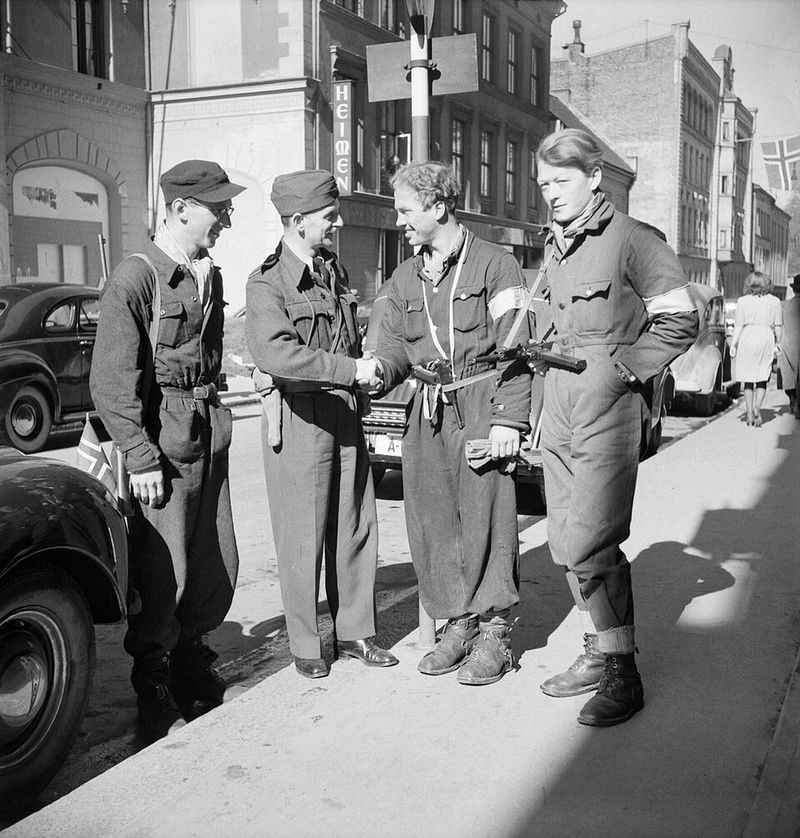
King Haakon VII’s refusal to legitimize a collaborationist government after Germany’s April 1940 invasion set the tone for Norwegian resistance from the very start. The King and government escaped to London on June 7, 1940, and the exile government remained a recognized political authority throughout the occupation, giving underground activity a clear institutional connection.
Inside Norway, resistance took multiple forms. Underground newspapers challenged Nazi propaganda.
Teachers and clergy refused to implement Nazification of their institutions. Milorg, the main clandestine military organization formed in May 1941, eventually trained 40,000 soldiers and coordinated with British Special Operations Executive from late 1942 onward.
Citizens wore paperclips as a public symbol of solidarity.
Operation Gunnerside in February 1943 became the most celebrated single action. Nine Norwegian commandos trained in Britain infiltrated the Vemork heavy water plant, destroyed critical production equipment, and escaped without a major firefight.
Subsequent Allied bombing and a 1944 ferry sinking prevented remaining stocks from reaching Germany. Norway emerged from occupation with resistance woven into its national identity at every level.
Share this story