Few wildlife encounters compare with seeing a polar bear roaming freely across Arctic tundra or walking along the edge of a frozen bay. Canada offers some of the best opportunities on Earth, with polar bears ranging across Manitoba, Ontario, Quebec, Newfoundland and Labrador, the Northwest Territories, and Nunavut.
Churchill may be the country’s undisputed polar bear celebrity, but it is far from the only place where these animals live. Some destinations offer established wildlife tours, while others are remote Arctic communities where sightings require specialized guides, expedition cruises, or considerable planning. Wherever you go, polar bears should always be viewed with experienced guides and at a safe distance.
Here are 14 Canadian destinations where travelers have opportunities to encounter polar bears in their natural habitat.
1. Churchill, Manitoba
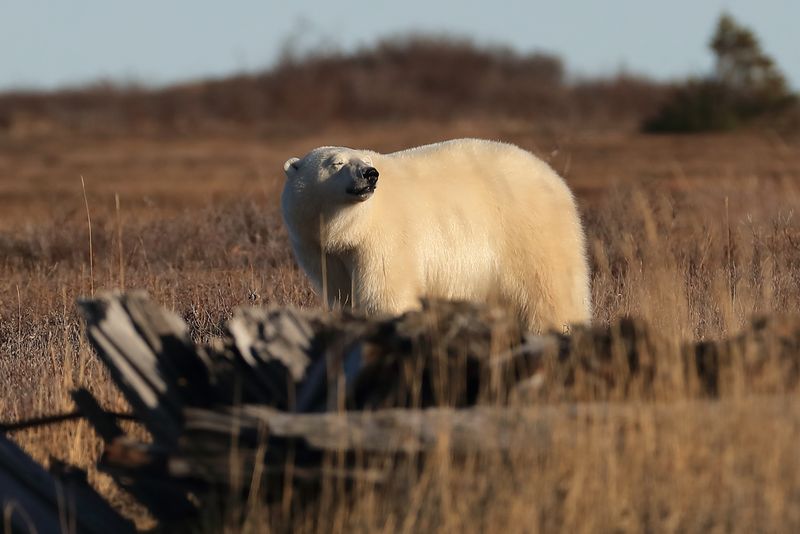
Churchill has earned its nickname as the “Polar Bear Capital of the World.” Located on the western shore of Hudson Bay, the remote community sits directly along a route used by bears waiting for sea ice to return. Each fall, polar bears gather along the coast before heading onto the frozen bay to hunt seals.
Mid-October through mid-November is generally the prime viewing period, and Churchill has developed an extensive tourism industry around the migration. Visitors can join guided excursions aboard specially designed tundra vehicles that provide elevated viewing platforms while maintaining separation from the bears. Summer brings another experience, when smaller numbers of polar bears may be seen along the coastline while thousands of belugas gather nearby.
For first-time visitors hoping to see a wild polar bear in Canada, Churchill remains the most accessible and reliable place to start.
2. Cape Churchill, Manitoba
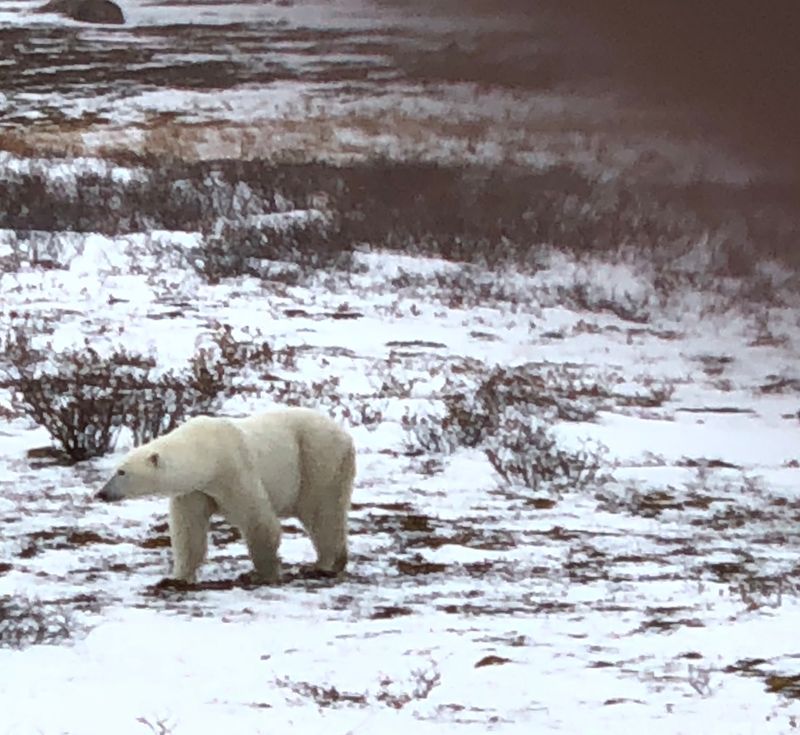
Travel east from Churchill into the wilderness and the landscape becomes even more remote. Cape Churchill lies along a section of Hudson Bay coastline where large numbers of polar bears can gather while waiting for the bay to freeze.
Parks Canada says bear numbers peak along the Cape Churchill peninsula from late September to mid-November as animals migrate north toward the coast and wait for the first pack ice. The area has become particularly renowned among serious wildlife photographers because bears can appear against vast expanses of tundra, snow, and ice.
Getting there isn’t as simple as driving out of Churchill. Access is tightly controlled and generally involves specialized guided expeditions. That remoteness is part of what makes Cape Churchill one of Canada’s most extraordinary polar bear destinations.
3. Wapusk National Park, Manitoba
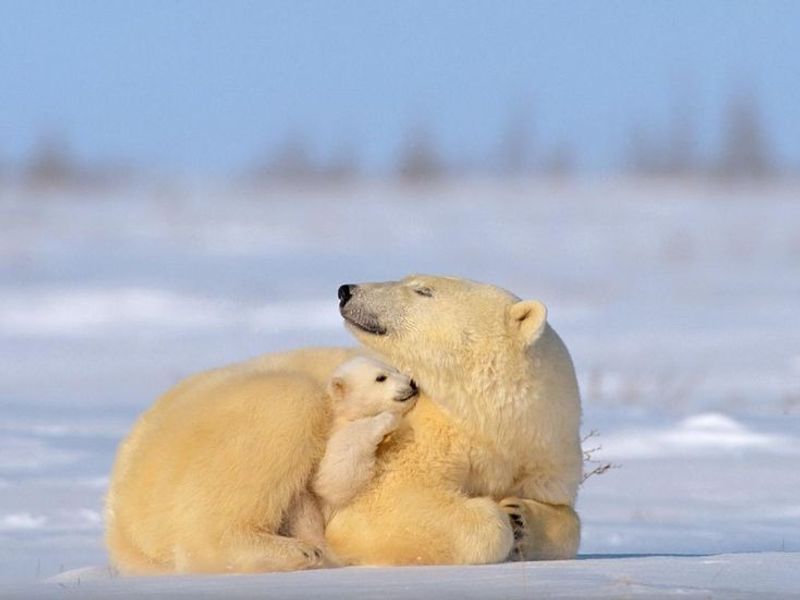
Covering more than 11,000 square kilometers south and east of Churchill, Wapusk National Park protects one of the world’s largest known polar bear maternity denning areas. Pregnant females spend the winter in dens before eventually emerging with their cubs.
Unlike Churchill, Wapusk isn’t a park where travelers simply arrive and explore independently. Parks Canada requires visitors undertaking activities in the park to use licensed tour operators, helping protect both wildlife and an exceptionally sensitive Arctic environment.
Specialized viewing opportunities are available in February and March, and aerial excursions can reveal the immense scale of the landscape. For travelers fascinated by the full life cycle of polar bears rather than simply seeing adults gathering along Hudson Bay, Wapusk holds special significance.
4. Arviat, Nunavut
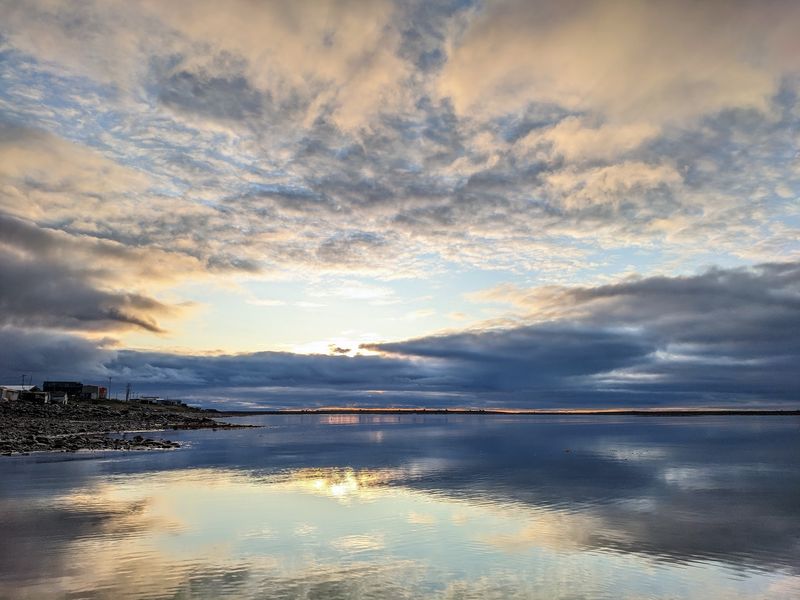
On the western shore of Hudson Bay, Arviat offers a very different polar bear experience from Churchill. This predominantly Inuit community sits within polar bear country, and bears can appear along the coastline during their seasonal movements.
Destination Nunavut specifically identifies Arviat as one of the communities where polar bears gather along shorelines in fall while waiting for sea ice to form. The region’s wildlife experiences are closely tied to Inuit knowledge of the land and animals, making local guides essential.
Arviat doesn’t have Churchill’s large wildlife-tourism infrastructure, which makes planning more involved. For travelers able to arrange an appropriate guided experience, however, it offers a chance to encounter Canada’s Arctic on a much smaller and more remote scale.
5. Naujaat, Nunavut
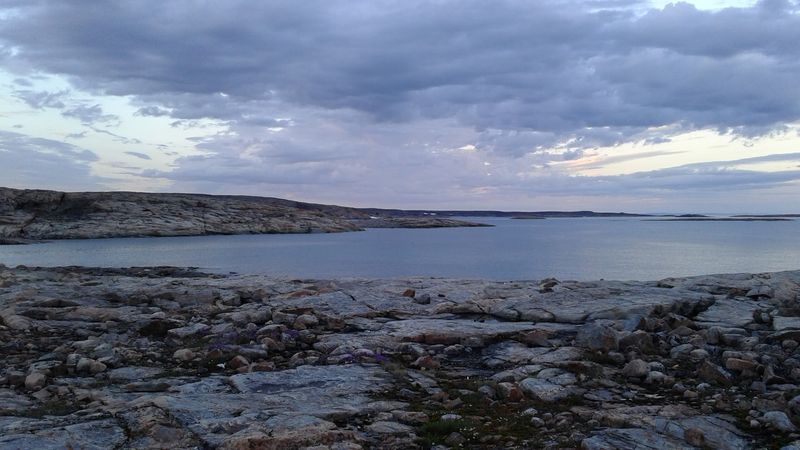
Naujaat sits almost directly on the Arctic Circle at the northwestern corner of Hudson Bay. Surrounded by tundra, rocky coastline, and an enormous expanse of Arctic water, it lies squarely within polar bear habitat.
Destination Nunavut lists Naujaat among the communities where polar bears can gather near shore during fall as they wait for the return of sea ice. Unlike heavily promoted wildlife destinations, however, Naujaat is first and foremost a small Arctic community rather than a polar bear resort.
Visitors need to approach wildlife viewing accordingly. Local expertise is essential, both for safety and for understanding how polar bears fit into the surrounding ecosystem and Inuit life. For adventurous travelers, the isolation is precisely what makes Naujaat memorable.
6. Coral Harbour, Nunavut
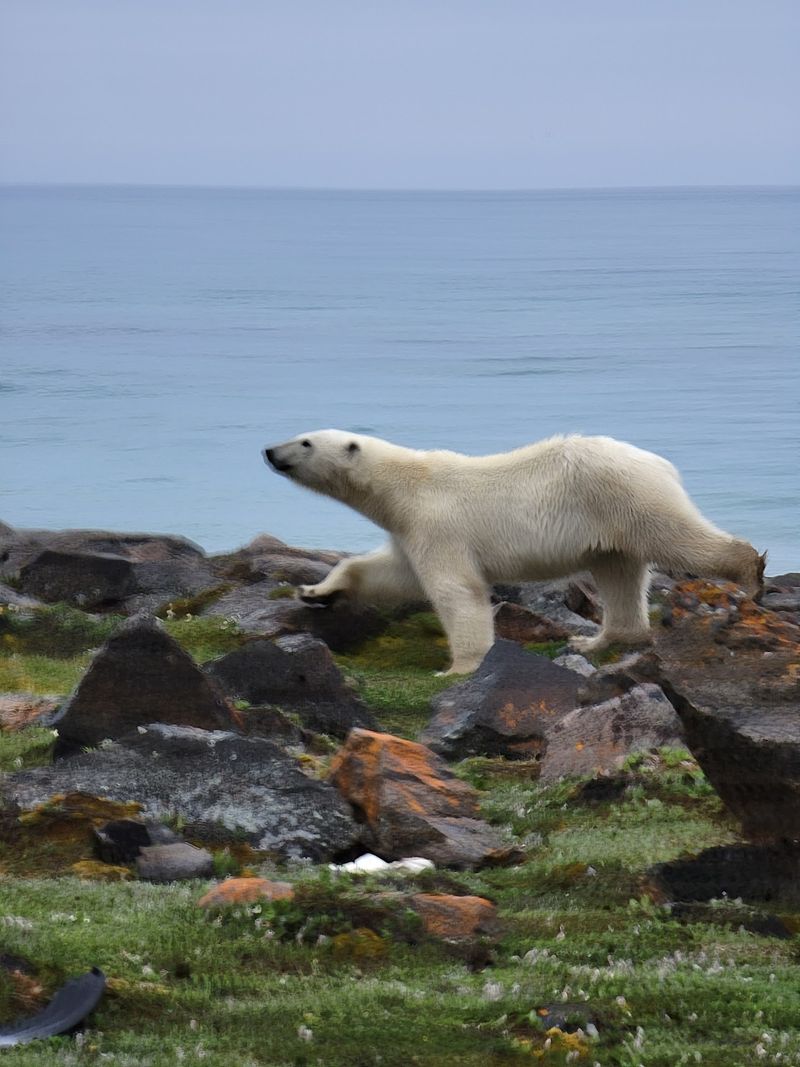
Located on Southampton Island at the northern entrance to Hudson Bay, Coral Harbour is surrounded by an Arctic environment rich in wildlife. Polar bears inhabit the region alongside caribou, Arctic foxes, marine mammals, and enormous numbers of migratory birds.
Southampton Island’s geography puts travelers deep into genuine polar bear country. Sightings can occur along coastal areas, particularly as bears move between land and sea ice.
Getting here requires considerably more effort than booking a standard Canadian wildlife vacation. There are no highways connecting Coral Harbour to southern Canada, and visitors need appropriate local arrangements for excursions outside the community. Those who make the journey, however, experience an Arctic landscape that remains far beyond conventional tourist routes.
7. Resolute, Nunavut
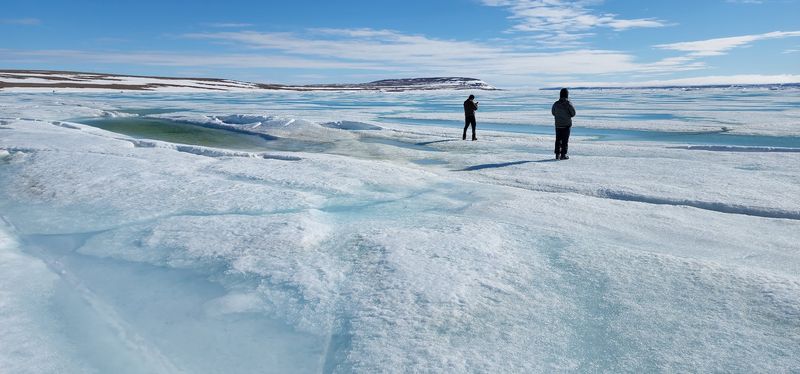
Resolute is one of Canada’s northernmost communities, sitting on Cornwallis Island in the High Arctic. The surrounding landscape of tundra, sea ice, channels, and islands supports an extraordinary range of Arctic wildlife.
Polar bears are part of that ecosystem, and Destination Nunavut specifically identifies Resolute as one of the communities where they can be encountered. Wildlife experiences here can also include muskoxen, Arctic foxes, seabirds, and marine mammals.
The difference from Churchill is enormous. Resolute is a High Arctic expedition destination where weather, sea ice, and logistics dictate what is possible. Visitors hoping to see polar bears need experienced local or expedition guides and should treat any sighting as part of a much broader Arctic experience.
8. Pond Inlet, Nunavut
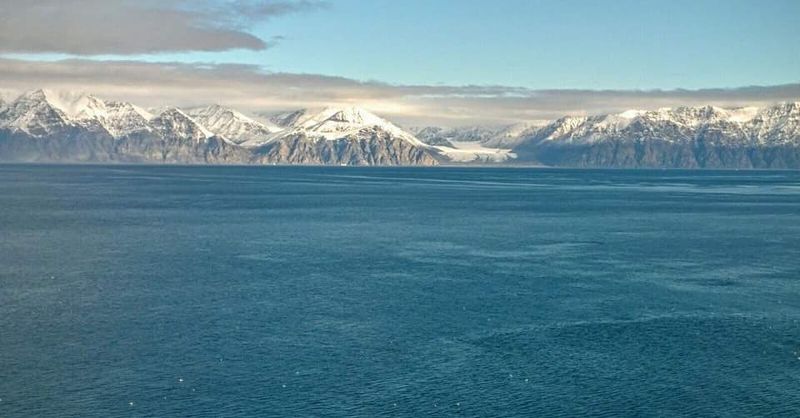
Backed by mountains on northern Baffin Island, Pond Inlet has one of the most spectacular settings of any Arctic community in Canada. Across Eclipse Sound lies Bylot Island, while glaciers and rugged peaks dominate the surrounding landscape.
Polar bears inhabit the wider region, and Destination Nunavut lists Pond Inlet among the communities where fall can bring bears toward shorelines as they wait for sea ice. Depending on the season, travelers may also encounter narwhals, seals, seabirds, and other Arctic wildlife.
Pond Inlet is particularly appealing to travelers who want more than a single-species wildlife trip. The combination of Inuit culture, dramatic scenery, marine wildlife, and polar bear habitat makes the destination an introduction to an entire High Arctic ecosystem.
9. Qikiqtarjuaq, Nunavut
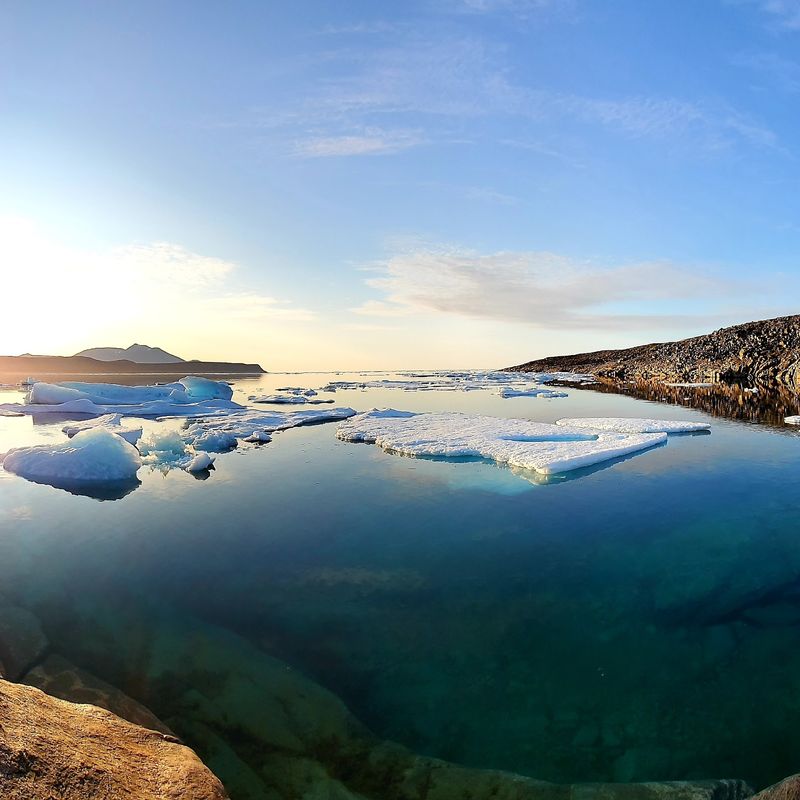
Located on eastern Baffin Island, Qikiqtarjuaq sits beside a dramatic landscape of mountains, fjords, glaciers, and Arctic coastline. The community is a gateway to some exceptionally wild country, including nearby Auyuittuq National Park.
Polar bears range through the coastal environment surrounding eastern Baffin Island, following sea ice and marine prey. Sightings are never something visitors should attempt to pursue independently, particularly in terrain where help may be far away.
Instead, locally guided excursions and expedition-style travel offer the appropriate way to explore. The reward isn’t simply the possibility of a polar bear. Icebergs, seals, whales, seabirds, and spectacular mountain scenery make Qikiqtarjuaq one of Canada’s most dramatic Arctic wildlife destinations.
10. Hall Beach, Nunavut
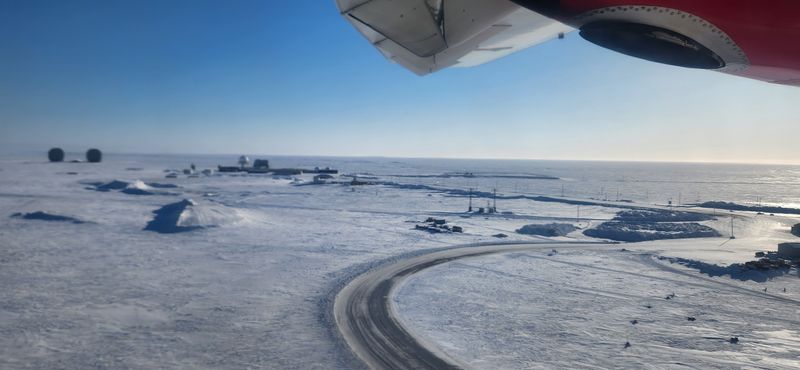
Hall Beach sits on the shores of Foxe Basin on central Nunavut’s Melville Peninsula. It is another community where the annual formation and disappearance of sea ice shape both wildlife movements and daily life.
Destination Nunavut specifically highlights Hall Beach as a place where polar bears may gather near the shoreline during fall. Bears are drawn toward coastal areas as they wait for ice conditions that allow them to resume hunting seals.
There is little resemblance to a conventional wildlife park here. Travelers are entering an inhabited Arctic landscape where polar bears are genuinely wild animals capable of appearing close to communities. That makes experienced local guidance particularly important and gives visitors a much clearer appreciation of what living in polar bear country actually means.
11. Baffin Island, Nunavut
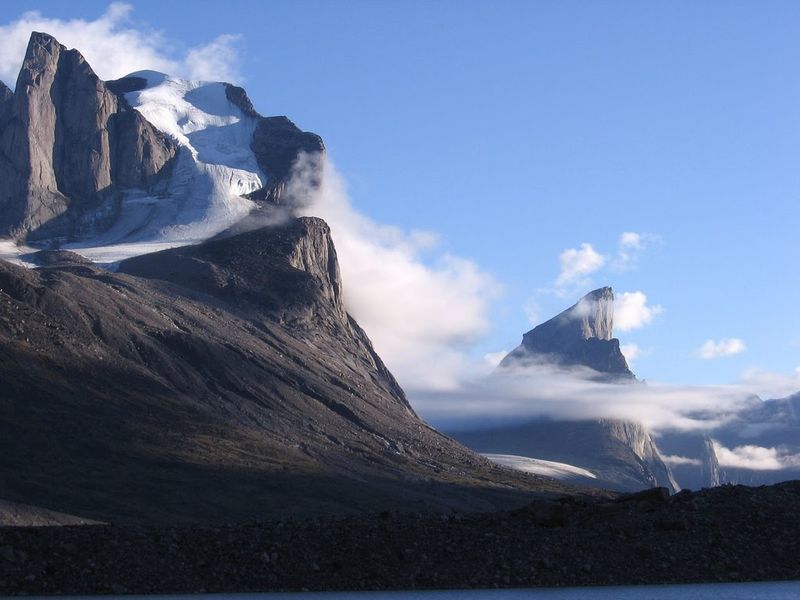
Baffin Island is enormous, covering more than half a million square kilometers and containing some of Canada’s most spectacular Arctic scenery. Polar bears inhabit its vast coastline, where mountains, fjords, glaciers, sea ice, and remote islands create ideal habitat.
There is no single “Baffin Island polar bear tour” covering the entire region. Instead, communities such as Pond Inlet and Qikiqtarjuaq serve as gateways, while specialized expeditions explore coastal areas depending on season and ice conditions.
For wildlife travelers, that scale is part of the attraction. A polar bear might appear along a shoreline or sea-ice edge while travelers are also watching narwhals, seals, whales, and seabirds. Here, polar bears aren’t the centerpiece of an enclosed viewing area. They are one part of an immense Arctic ecosystem.
12. Torngat Mountains National Park, Newfoundland and Labrador
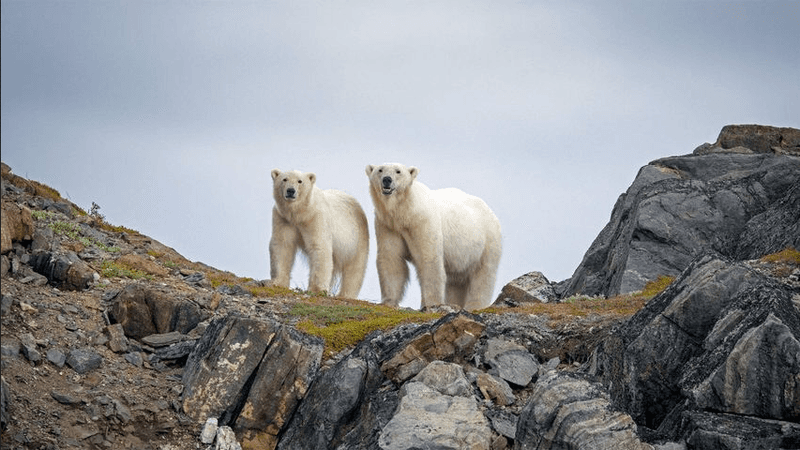
At the northern tip of Labrador, the Torngat Mountains rise dramatically above deep fjords and the Labrador Sea. This remote national park protects an extraordinary landscape where polar bears share the environment with black bears, caribou, wolves, and other northern wildlife.
Polar bears travel through the coastal portions of the region, and their presence is taken seriously when visitors explore the park. This isn’t a destination where travelers should expect guaranteed bear sightings. Instead, it offers the possibility of encountering polar bears as part of an expedition into one of eastern Canada’s wildest landscapes.
The combination of towering mountains, Inuit cultural connections, fjords, and Arctic wildlife makes the Torngats exceptional even when the bears remain out of sight.
13. Akimiski Island, Nunavut
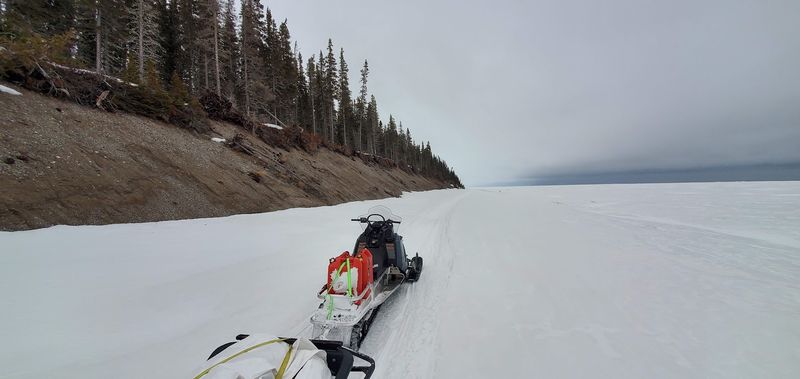
Akimiski Island lies in southern James Bay, surprisingly far south for a landscape associated with polar bears. The large, low-lying island is part of Nunavut despite sitting just off the coast of Ontario.
Polar bears from the Southern Hudson Bay population use the broader James Bay region, particularly as seasonal ice conditions change. That makes Akimiski an intriguing example of how far south Canada’s polar bear range extends.
It is not a mainstream tourism destination, and travelers shouldn’t expect Churchill-style infrastructure or predictable viewing excursions. Instead, Akimiski represents the wilder end of polar bear country, a remote island landscape where wildlife movements are dictated by sea ice rather than visitor schedules.
14. Hudson Bay Coast, Ontario
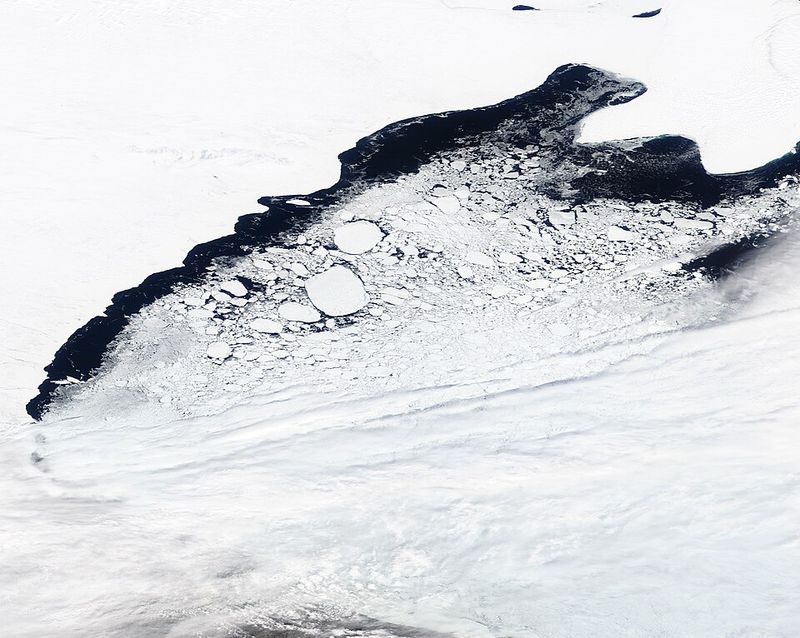
Ontario might not immediately come to mind when travelers think about polar bears, but the province’s far northern Hudson Bay coastline lies within their natural range. Bears from the Southern Hudson Bay population spend part of the ice-free season on land before returning to the bay as sea ice develops.
Communities and remote wilderness areas along the coast can therefore experience polar bear activity, although tourism opportunities are far more limited than in Churchill. Reaching this region generally requires flying into northern communities and arranging specialized local guidance.
For travelers accustomed to associating Ontario wildlife with moose, wolves, and black bears, the existence of polar bears along the province’s northern coast can come as a surprise. It is a reminder of Canada’s extraordinary scale, where one province can stretch from major cities to genuine polar bear habitat.
Share this story