Canada is home to some of the most stunning natural landscapes on the planet, and its national parks protect the best of them. From glacier-carved mountains in Alberta to ancient fjords in Newfoundland, these parks cover an almost unbelievable range of terrain.
Whether you are planning a cross-country road trip, a family camping adventure, or a solo escape into the wilderness, there is a Canadian national park that fits the bill. This list covers 14 parks worth putting on your radar, with details on what makes each one genuinely worth the trip.
Banff National Park, Alberta
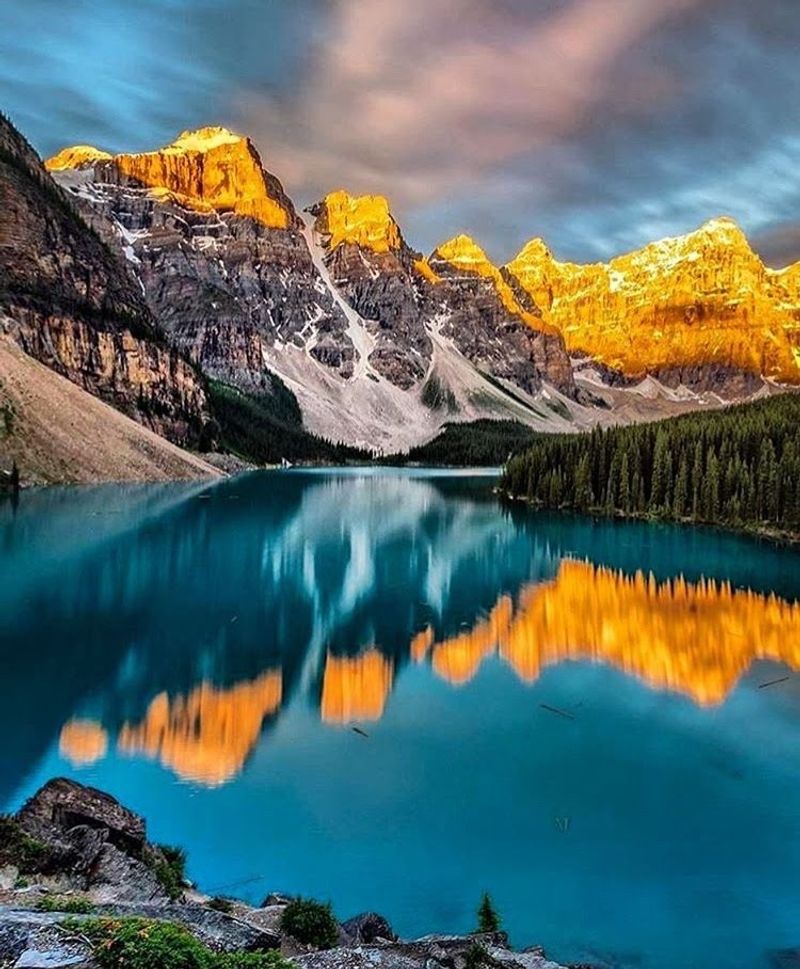
Canada’s first national park, Banff set the standard for every wilderness destination that followed. Established in 1885, it sits within the Canadian Rocky Mountain Parks UNESCO World Heritage Site and covers more than 6,600 square kilometres of mountains, glaciers, valleys and forests.
Lake Louise is the park’s most iconic landmark, with its famously blue glacial water drawing visitors from around the world. Treating Banff as just a photo stop, though, means missing most of what it actually offers.
Scenic drives like the Icefields Parkway, extensive hiking trail networks and mountain viewpoints reward travelers who slow down and explore.
The townsite of Banff provides restaurants, accommodations and visitor services that most wilderness parks simply cannot match. Parks Canada strongly recommends planning ahead, especially around Lake Louise, where demand can outpace available space quickly.
For a first encounter with Canada’s national park system, Banff is genuinely hard to top.
Jasper National Park, Alberta
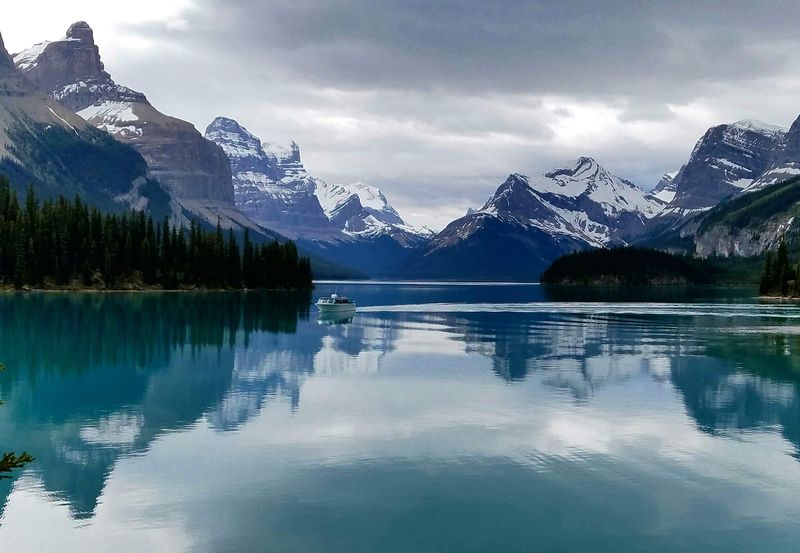
At more than 11,000 square kilometres, Jasper is the largest national park in the Canadian Rockies, and that scale changes the experience completely. There is no single attraction pulling all the crowds in one direction.
Instead, mountains, valleys, lakes, waterfalls and extensive trail systems spread across a massive, varied terrain.
Wildlife watching is one of Jasper’s strongest draws. Elk, bears, wolves and bighorn sheep are among the species that call this park home, and sightings along park roads are not unusual.
After dark, the park earns a completely different kind of attention as the world’s second-largest dark-sky preserve, making clear nights here genuinely spectacular.
Following the destructive 2024 Jasper wildfire, recovery efforts have continued and the park remains open year-round. Travelers should check current service updates and any closures before visiting, as some facilities and trails may still be affected.
Planning ahead ensures a smoother experience throughout the park.
Yoho National Park, British Columbia
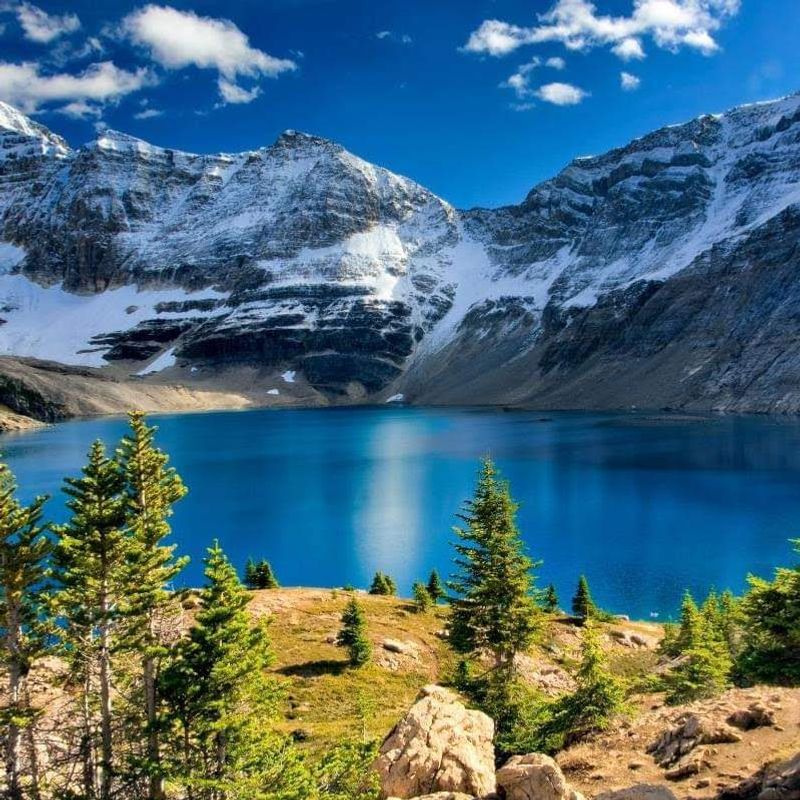
Just across the Alberta border into British Columbia, Yoho National Park sits quietly beside its more famous neighbor and holds its own without any trouble. The name “Yoho” comes from a Cree expression of wonder, and the landscape earns that reaction consistently.
Emerald Lake is the park’s most visited destination, with mountain reflections on the water making it one of those places where a planned 20-minute stop turns into an afternoon. Beyond the lake, the park contains dramatic waterfalls including Takakkaw Falls, one of Canada’s highest, along with hiking trails and backcountry routes.
Yoho is also connected to the Burgess Shale, an internationally significant fossil site that has helped scientists understand ancient marine life from hundreds of millions of years ago. Parks Canada offers guided experiences for visitors interested in that geological history.
If you are already traveling through the Canadian Rockies, adding Yoho to the route makes excellent geographic sense.
Kootenay National Park, British Columbia
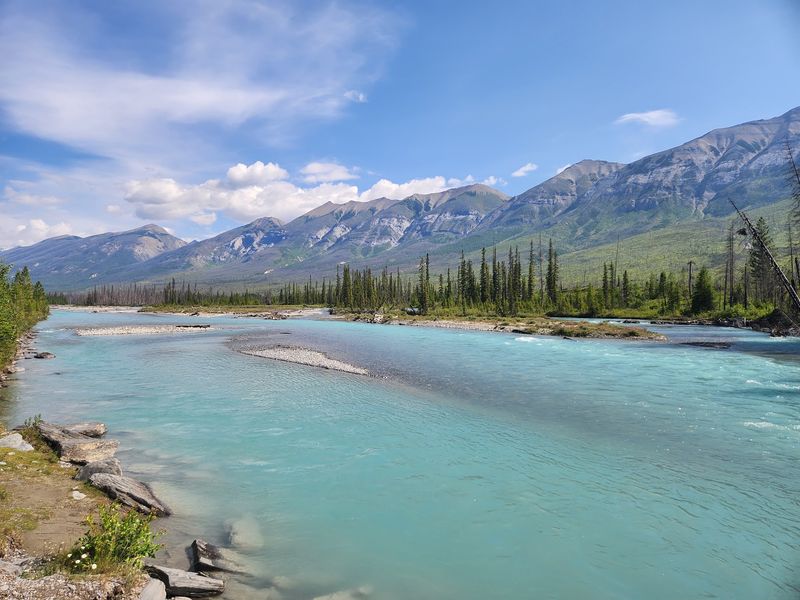
Parks Canada describes Kootenay as a land of “ice and fire,” and that framing captures the park’s character well. Glacier-carved valleys and deep canyons sit alongside landscapes shaped by wildfire and natural thermal activity, creating a terrain that shifts noticeably as you move through it.
Driving the main highway through the park is rewarding on its own, with mountain scenery framing the route throughout. Shorter walks lead into canyon landscapes, while backcountry trails push deeper into the wilderness for more committed hikers.
Marble Canyon and the Paint Pots are two natural features worth stopping for specifically.
Near the park’s southern entrance, Radium Hot Springs offers naturally heated mineral pools that make for a satisfying end to a day outdoors. The park is open year-round, though primary visitor services run mainly from May through mid-October.
One current restriction worth noting: all water bodies in Kootenay and Yoho are closed to watercraft and angling through March 31, 2027, due to invasive species concerns.
Waterton Lakes National Park, Alberta
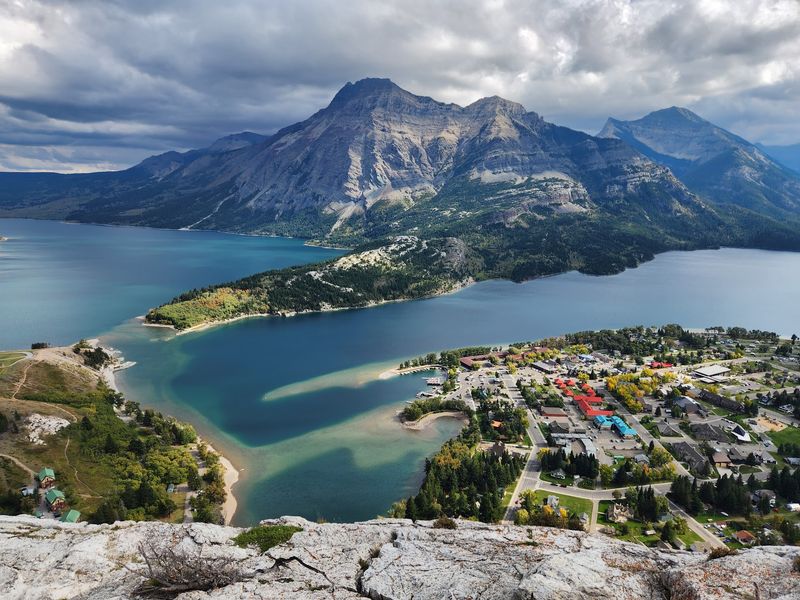
Waterton Lakes sits where Alberta’s open prairie suddenly runs into the Rocky Mountains, and that collision of landscapes creates something genuinely unusual. Within a compact area, the park contains grasslands, mountain peaks, lakes, waterfalls and canyon scenery that most parks spread across a much larger footprint.
Upper Waterton Lake, Red Rock Canyon and Cameron Falls are among the park’s most visited spots, each offering a completely different kind of scenery. Parks Canada notes that more than 1,000 plant species have been recorded within the park, with wildflowers adding strong colour to the landscape during warmer months.
Wildlife is also a consistent presence throughout the park.
Waterton Lakes is open year-round, though access to specific roads, campgrounds and trails changes by season. The park connects across the international border with Glacier National Park in Montana, forming the Waterton-Glacier International Peace Park, a UNESCO World Heritage Site.
That cross-border context gives Waterton an identity unlike any other park in the country.
Pacific Rim National Park Reserve, British Columbia
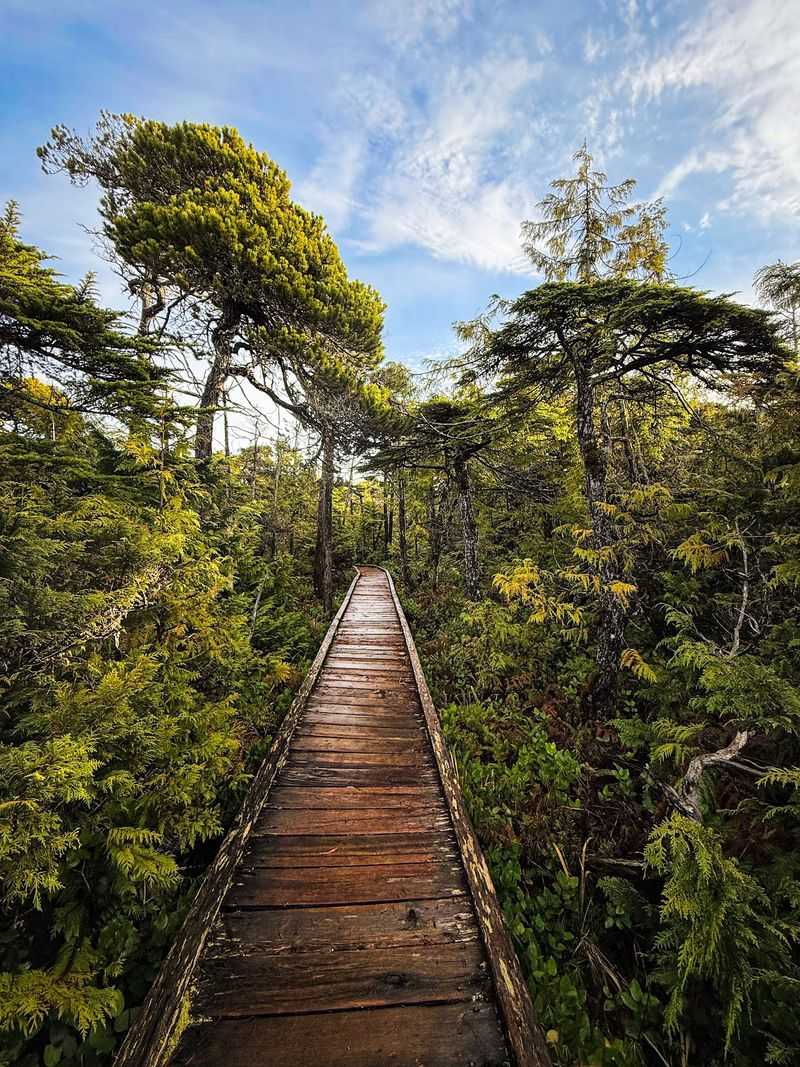
Located along Vancouver Island’s west coast, Pacific Rim National Park Reserve protects a stretch of coastline where dense temperate rainforest meets the open Pacific Ocean. The reserve sits within the traditional territories of the Nuu-chah-nulth First Nations and is divided into three distinct units: Long Beach, the Broken Group Islands and the West Coast Trail.
Long Beach offers the most accessible entry point for casual visitors. The transition from mossy, old-growth rainforest to a wide sandy shoreline happens in a short walk, and the contrast between those two environments is part of what makes this place memorable.
Storm watching in the off-season has also developed into a genuine draw for travelers who prefer fewer crowds.
The West Coast Trail is a multi-day backcountry route with a serious reputation and strict reservation requirements. Pacific Rim remains active for the 2026 season, but coastal weather and trail conditions can shift quickly.
Checking current Parks Canada bulletins before arrival is genuinely useful here, not just a formality.
Gros Morne National Park, Newfoundland and Labrador
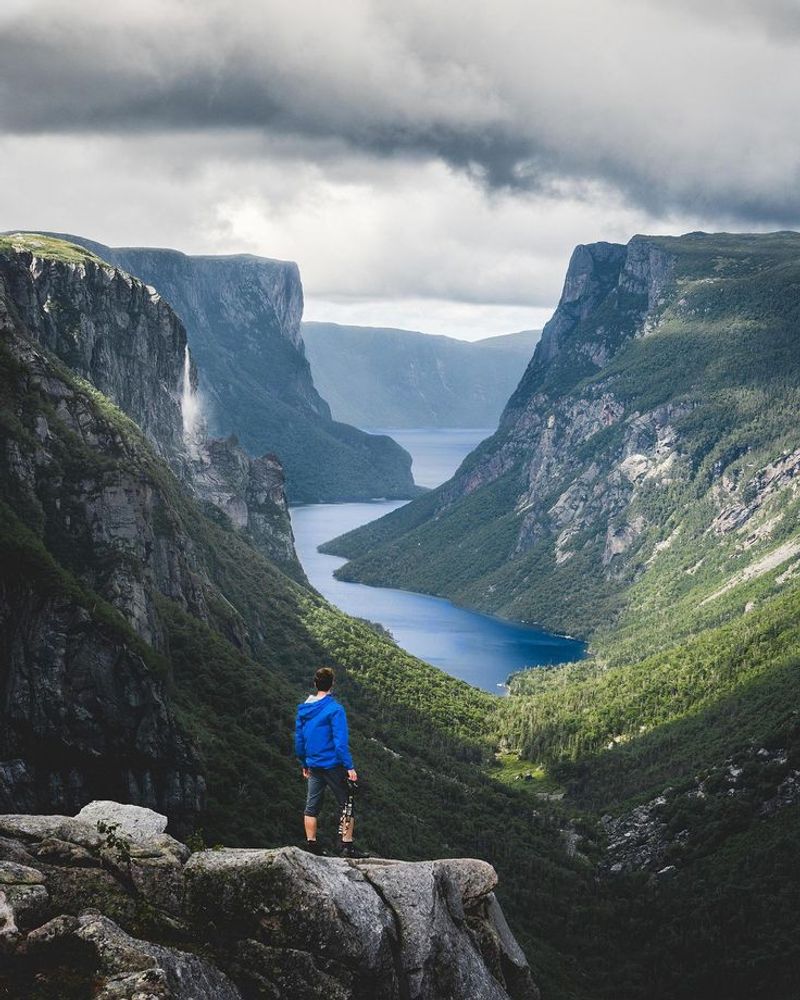
Gros Morne is one of those places that requires a bit of explanation before you visit, because what you are looking at goes far deeper than scenery. This UNESCO World Heritage Site on Newfoundland’s west coast contains fjords, mountains, beaches and one of the most geologically significant landscapes in North America.
The Tablelands are the park’s most striking and unusual feature. Their rust-orange terrain looks completely out of place among the surrounding green landscape, and that contrast is not accidental.
The rock exposed here was once part of Earth’s mantle, pushed to the surface through tectonic processes, making the Tablelands a rare window into the planet’s deep interior.
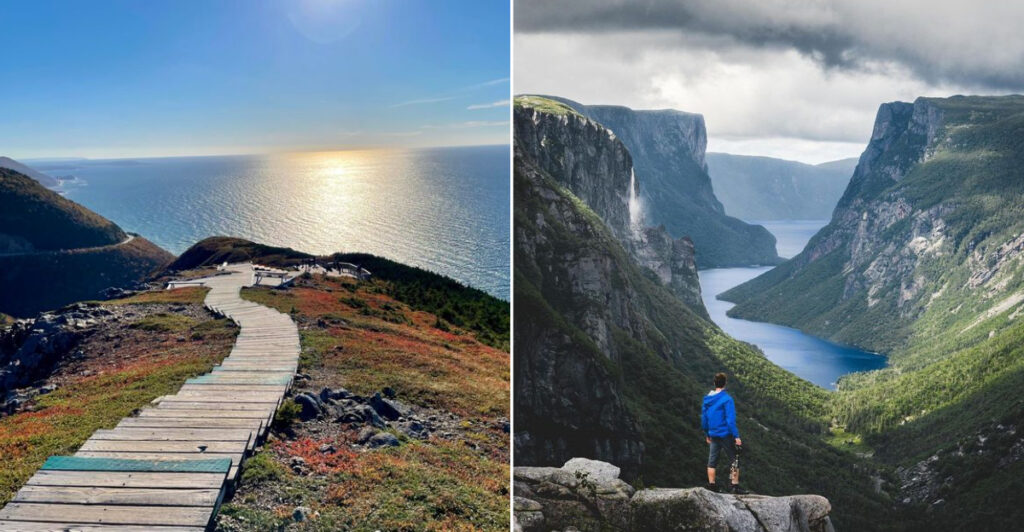
Western Brook Pond offers a different kind of scale, with vertical cliffs rising hundreds of metres above a long, glacier-carved inland lake. Guided boat tours make it accessible without requiring backcountry experience.
The park is open year-round, with peak visitor services running from spring through fall and many facilities operating on seasonal schedules.
Cape Breton Highlands National Park, Nova Scotia
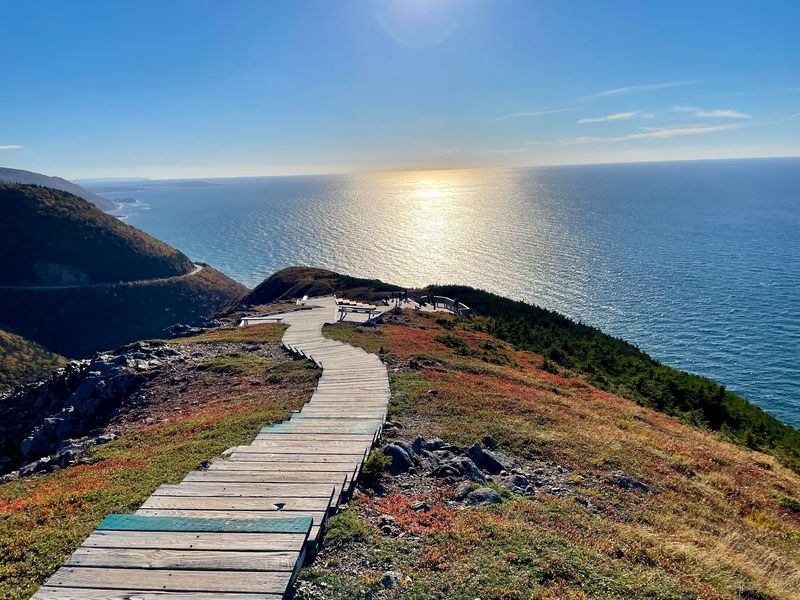
The Cabot Trail is one of Canada’s most celebrated scenic drives, and roughly one-third of that route passes directly through Cape Breton Highlands National Park. The combination of highland plateau, forested valleys and views over the Atlantic Ocean and Gulf of St. Lawrence makes driving it a genuinely rewarding experience even before you step out of the vehicle.
Getting out of the car is where the park really opens up. Twenty-six hiking trails cover a range of difficulty levels, from short coastal walks to longer highland routes with serious elevation gain.
River canyons, beaches and forested areas add variety beyond the clifftop views the park is most famous for.
Autumn is when the highlands put on their most dramatic display, with hardwood forests shifting into reds, oranges and golds that contrast sharply against the ocean backdrop. The park’s main operating season runs from May through October, with full services available in July and August.
For road-trip travelers in Atlantic Canada, this park consistently delivers.
Fundy National Park, New Brunswick
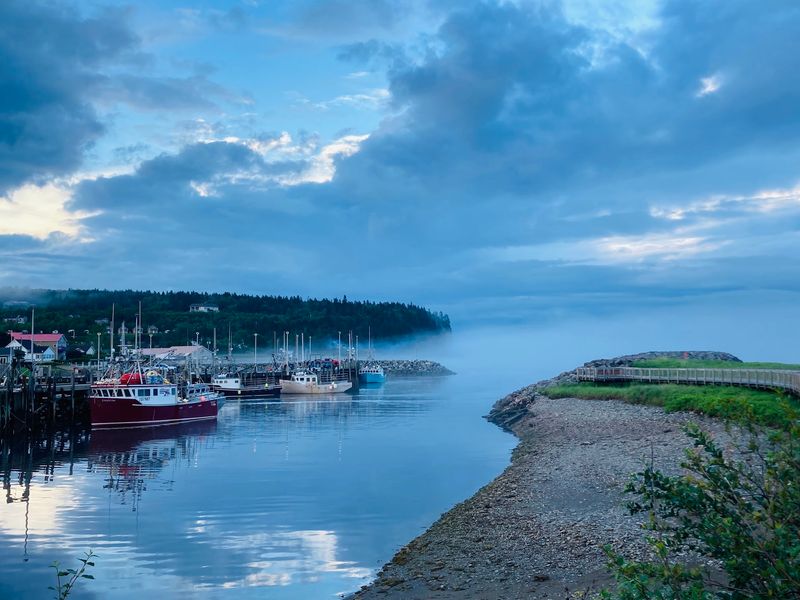
The Bay of Fundy holds a record that is hard to fully picture until you witness it yourself. Parks Canada identifies it as home to the world’s highest tides, with water levels rising roughly 12 metres or more along certain sections of coastline.
At low tide, large areas of seafloor become exposed and walkable. Return a few hours later and the same area can be completely submerged.
That tidal drama is the park’s headline attraction, but Fundy has a lot going on inland as well. Acadian forest covers much of the park’s interior, threaded with hiking trails, rivers and waterfalls.
Camping, cycling and paddling opportunities extend the range of what visitors can do across multiple days.
One practical note for 2026 visitors: the Point Wolfe Covered Bridge is scheduled to close from September 8 through December 2026 for repairs, which will affect access to some facilities in that area. Checking current conditions before arrival helps avoid any surprises during your visit.
Prince Edward Island National Park, Prince Edward Island
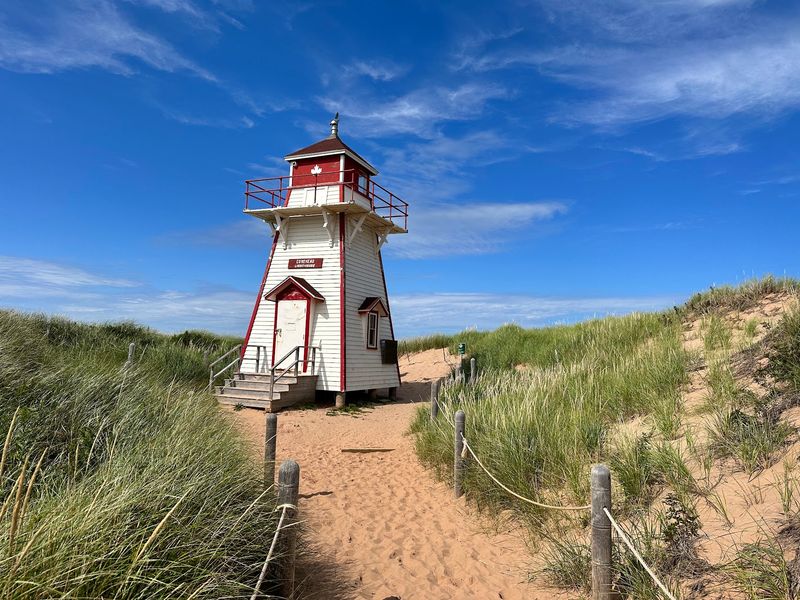
Prince Edward Island National Park does not rely on mountains or dramatic elevation to make an impression. Stretching roughly 40 kilometres along PEI’s north coast, it protects a quieter but equally distinctive environment of sandy beaches, red sandstone cliffs, coastal wetlands and wind-shaped dunes that shift with the seasons.
This is a park that rewards a slower pace. Walking the beach, cycling beside the coast, watching shorebirds around the wetlands and stopping near a lighthouse to take in the view are all genuinely satisfying ways to spend time here.
Evening light on the red cliffs is particularly striking and changes the entire mood of the landscape.
A separate section of the park on the Greenwich peninsula adds further variety, with some of the most ecologically significant parabolic dunes in the region. Because those dunes are fragile and actively protected, visitors should stay on designated paths and boardwalks.
Parks Canada is welcoming visitors for the 2026 season, with services generally running from May through October.
Bruce Peninsula National Park, Ontario
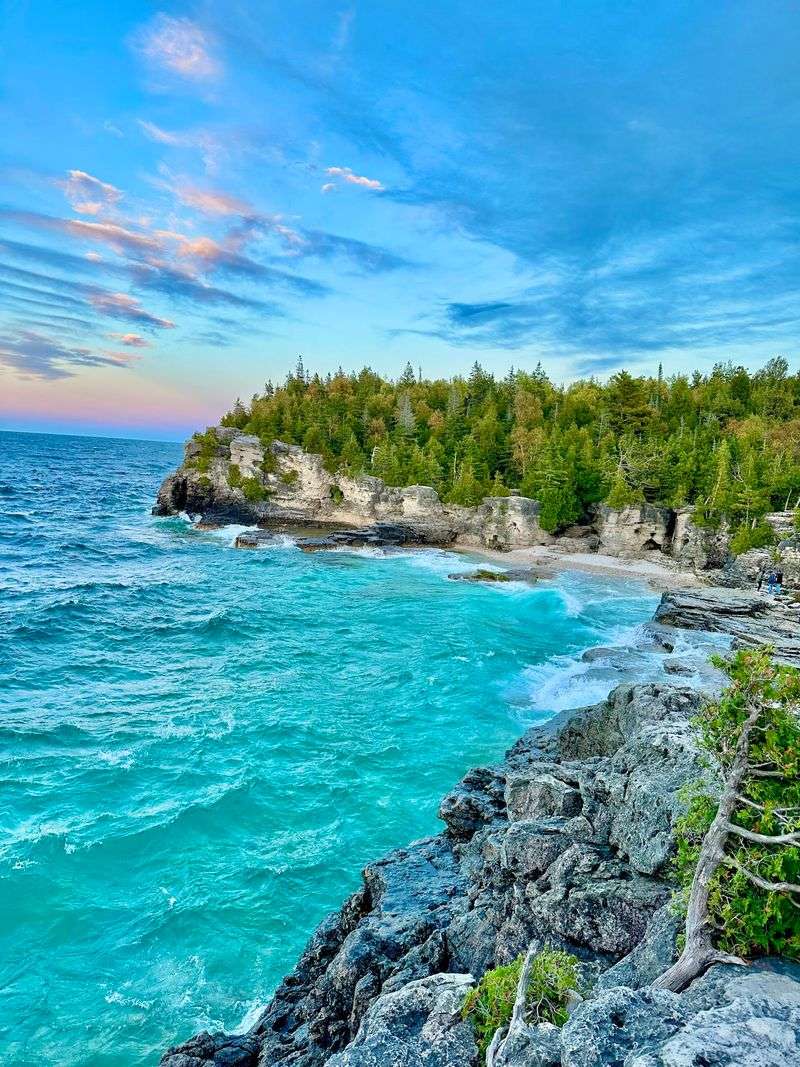
Georgian Bay water near Tobermory has a clarity and colour that surprises a lot of first-time visitors. Bruce Peninsula National Park sits at the tip of the Bruce Peninsula where Lake Huron meets Georgian Bay, and its combination of white limestone cliffs, old-growth forest and unusually clear water creates a setting that feels distinctly different from most Ontario destinations.
The Grotto is the park’s most famous feature, a natural sea cave carved into the Georgian Bay shoreline that draws significant visitor traffic during peak season. That popularity means planning ahead is not optional if you want to visit during summer.
Timed-entry reservations and advance planning are part of the reality here.
Beyond the Grotto, the park offers camping at Cyprus Lake, hiking trails through the Bruce Peninsula Biosphere Reserve, paddling, swimming and winter activities for off-season visitors. The Parks Canada Visitor Centre near Tobermory is open daily from May 16 through October 31, 2026, with reduced winter hours available afterward.
Booking early is strongly recommended.
Riding Mountain National Park, Manitoba
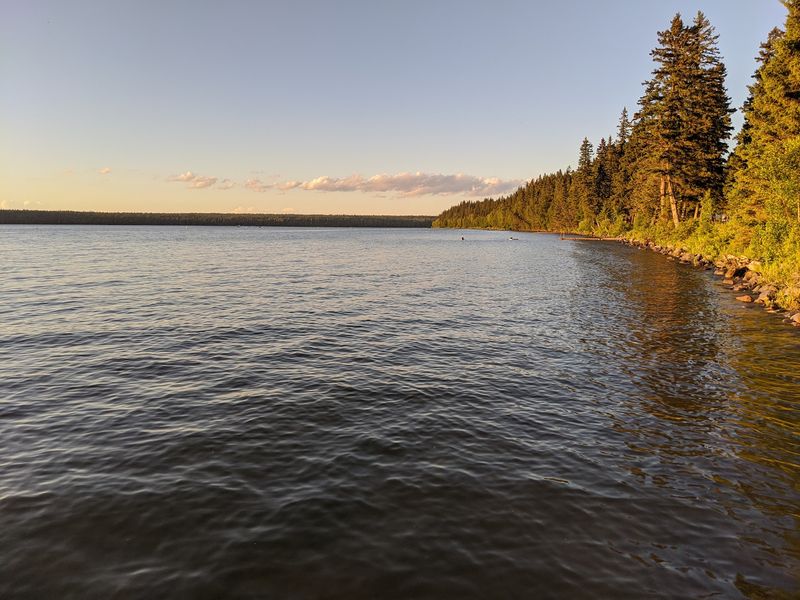
Riding Mountain rises unexpectedly from Manitoba’s surrounding prairie, and that geological contrast shapes everything about the park’s character. Boreal forest, lakes, wetlands and grasslands occupy a landscape that looks dramatically different from the flat agricultural land just beyond the park boundary.
Clear Lake and the nearby community of Wasagaming serve as the central hub for most visits, offering beaches, boat rentals, restaurants and accommodation options within easy reach of the park’s natural areas. The lake itself is large enough to spend an entire day on the water without running out of space.
Hiking and cycling trails extend into quieter corners of the park for those who want to move beyond the main hub.
Wildlife viewing is a consistent draw throughout the park, with bison, elk, bears and various bird species among the animals that live within the protected area. Parks Canada places Riding Mountain approximately 3.5 hours west of Winnipeg by road.
Visitor facilities and programming are operating for the 2026 season, making this an accessible and underappreciated prairie escape.
La Mauricie National Park, Quebec
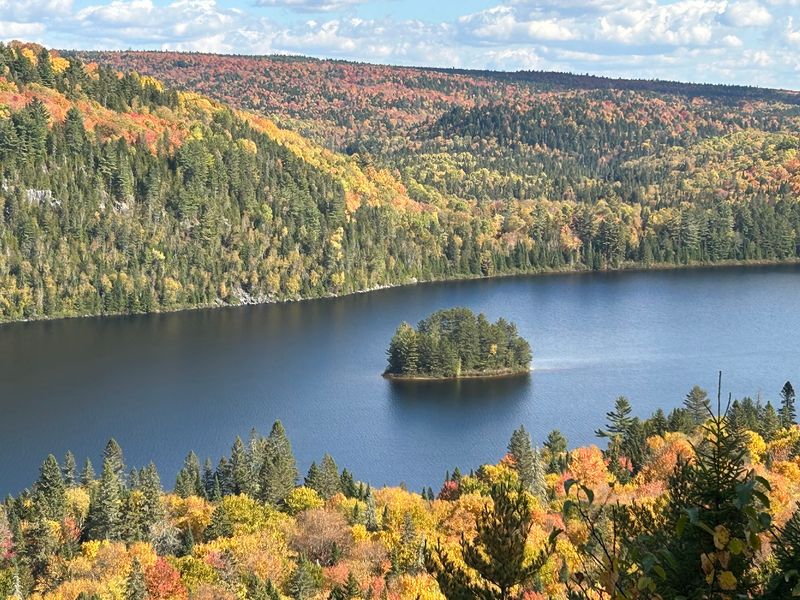
Situated in the Laurentian Mountains between Montreal and Quebec City, La Mauricie protects a landscape built almost entirely around forest and water. Hundreds of lakes dot the park’s interior, connected by rivers and portage routes that make canoe tripping a natural centerpiece of the visitor experience here.
Summer is when the lakes and trails fill with paddlers, hikers and swimmers, but autumn is when La Mauricie arguably looks its best. The hardwood forests shift into intense yellows, oranges and reds that make even a simple drive through the park a rewarding outing.
That fall colour season has made La Mauricie a popular destination for Quebec travelers specifically planning a foliage trip.
Winter brings a quieter version of the park, with snowshoeing and cross-country skiing available when conditions allow. Unlike some national parks that essentially pause outside summer, La Mauricie is open every day of the year including holidays, though roads, services and seasonal activities follow their own schedules.
For forest and lake lovers, this park fits the image of Quebec wilderness extremely well.
Kejimkujik National Park and National Historic Site, Nova Scotia
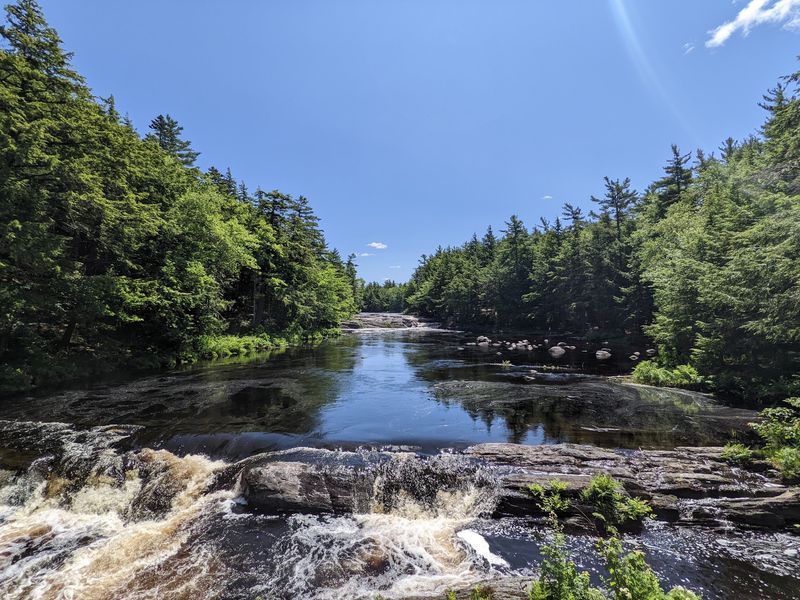
Kejimkujik carries a dual designation that sets it apart from most other entries on this list. As both a national park and a national historic site, it combines wilderness recreation with landscapes that hold deep cultural significance for the Mi’kmaw people, whose presence in this region stretches back thousands of years.
Petroglyphs carved into the park’s lakeshores are among the most tangible expressions of that long history.
The inland portion of the park is built around lakes, rivers and Acadian forest, making canoeing the activity most closely associated with the Kejimkujik experience. A network of portage routes connects multiple lakes and allows for multi-day paddling trips through quiet backcountry.
Hiking and cycling trails offer alternatives for visitors who prefer land-based exploration.
A separate coastal section called Kejimkujik Seaside, near Port Joli, shifts the environment entirely to Atlantic shoreline. The park is open and welcoming visitors during the 2026 season, though one rule has changed: motorized watercraft are now prohibited within the park except when specifically authorized for park administration purposes.
For paddlers, that change makes the lakes even more appealing.
Share this story