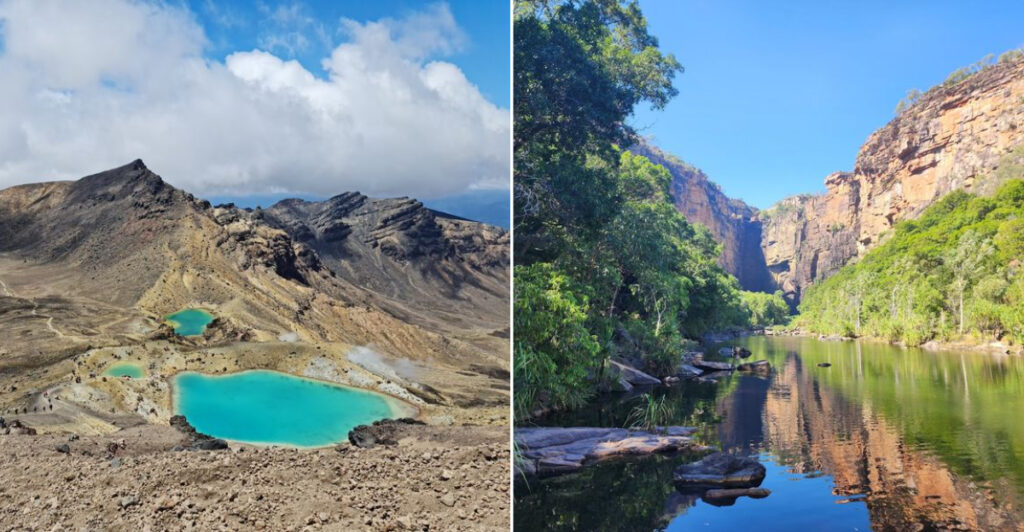
Oceania is home to some of the most jaw-dropping natural landscapes on the planet, and most travelers have barely scratched the surface of what this vast region offers. From the coral-covered depths of the Great Barrier Reef to the volcanic drama of Vanuatu, the range of natural experiences across Australia, New Zealand, Fiji, and the Pacific islands is genuinely hard to match anywhere else in the world.
Whether you are planning a major trip or simply building a dream list, these 14 places are the kind that make you stop scrolling and start searching for flights. Each one has a distinct character, a compelling reason to visit, and a landscape powerful enough to make the journey feel completely worth it.
Great Barrier Reef, Queensland, Australia
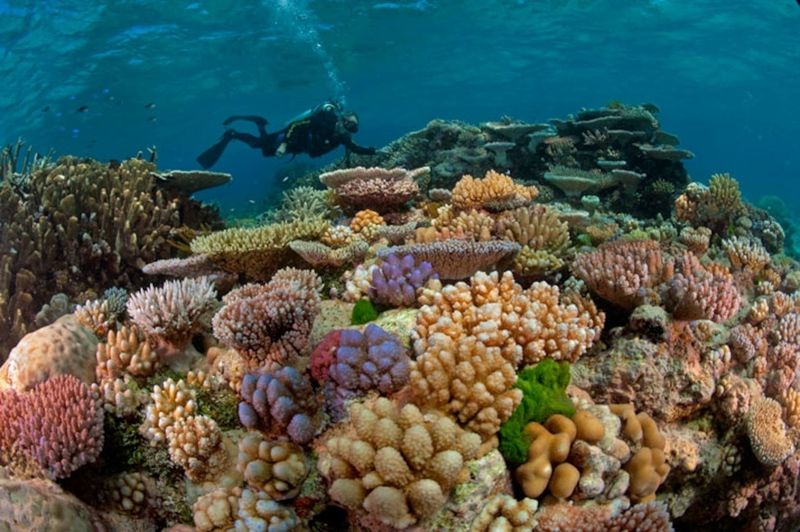
The Great Barrier Reef is the kind of place that makes the word “big” feel inadequate. Stretching along the Queensland coast, this marine ecosystem is the world’s largest coral reef system, covering an area larger than Italy.
Even from the surface, the color and scale of the water signal that something extraordinary is happening below.
Visitors have a wide range of options for experiencing it. Snorkeling, scuba diving, sailing, island stays, day cruises, and scenic flights all offer different perspectives on the same remarkable environment.
Permitted tourism operators provide structured access throughout the year, and the Reef Authority offers guidance for both independent travelers and group tours.
The marine life here includes sea turtles, reef sharks, manta rays, and hundreds of coral species. No single visit covers everything the reef has to offer.
For anyone building an Oceania nature itinerary, this is the logical starting point and one of the strongest arguments for the entire trip.
Daintree National Park, Queensland, Australia
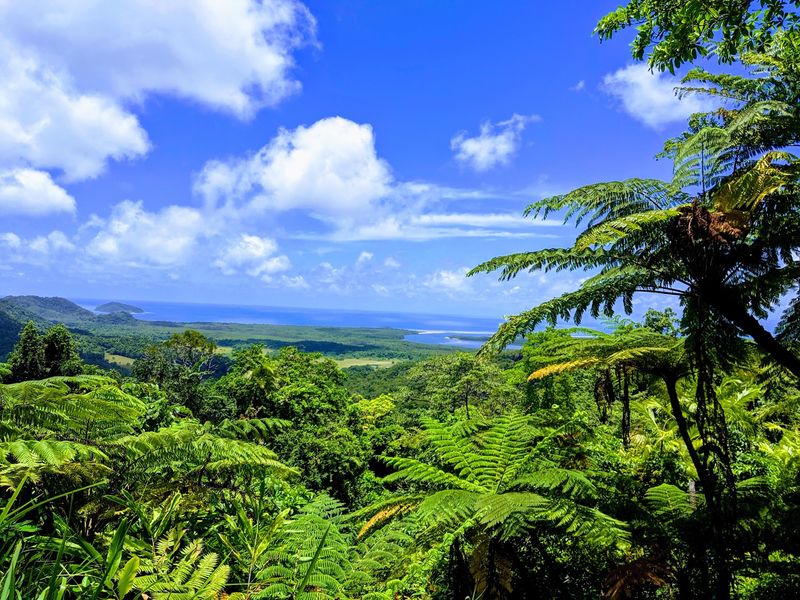
North Queensland pulls off something genuinely unusual: two of the world’s most significant natural environments sit almost side by side. The Daintree rainforest is one of the oldest tropical rainforests on Earth, and its dense canopy, tangled roots, rivers, and wildlife create a landscape that feels prehistoric in the best possible way.
Around Cape Tribulation, rainforest-covered hills slope toward beaches along the Coral Sea, making even a slow drive through the area feel rewarding. Queensland Parks maintains visitor facilities including walking tracks, boardwalks, lookouts, and picnic areas at both the Cape Tribulation and Mossman Gorge sections of the park.
One thing worth knowing before you go: crocodiles are present in this region. Queensland Parks clearly advises travelers to follow crocodile safety signs and avoid entering coastal and river waters where warnings are posted.
The forest is the attraction here, not the resort amenities. Come with that mindset and the Daintree will exceed almost any expectation.
Uluru-Kata Tjuta National Park, Northern Territory, Australia
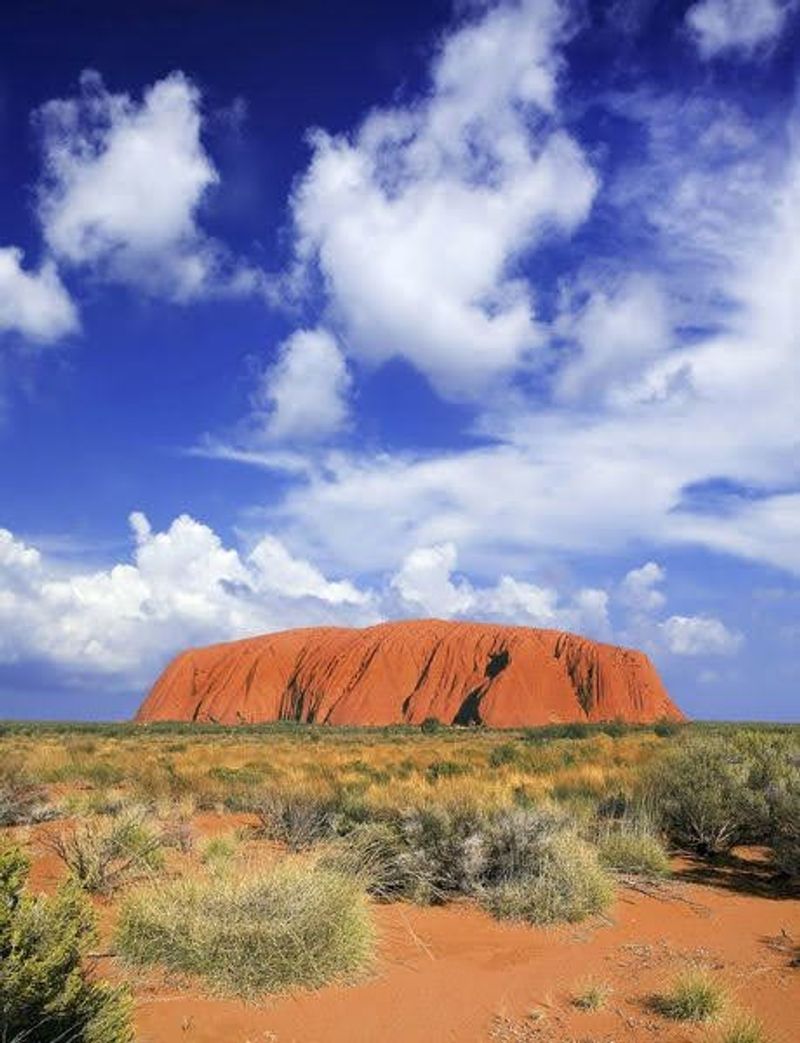
There are a handful of natural landmarks so visually striking that photographs barely prepare you for the real thing. Uluru is one of them.
This enormous sandstone formation rises from the flat Central Australian landscape with a presence that feels almost impossible to explain until you are standing in front of it.
As the light shifts through sunrise and sunset, the surface moves through deep reds, burnt oranges, warm browns, and muted purples. Walking around the base reveals caves, waterholes, and geological details that disappear when the rock is viewed only from a distance.
Nearby Kata Tjuta offers a completely different but equally dramatic arrangement of massive rounded rock formations.
Uluru-Kata Tjuta National Park remains open to visitors in 2026, though repair work has affected some walking routes. Checking current track conditions through Parks Australia before visiting is genuinely useful.
This is also a place of deep cultural significance to the Anangu people, and respectful visitation is not optional. It is simply the right approach.
Kakadu National Park, Northern Territory, Australia
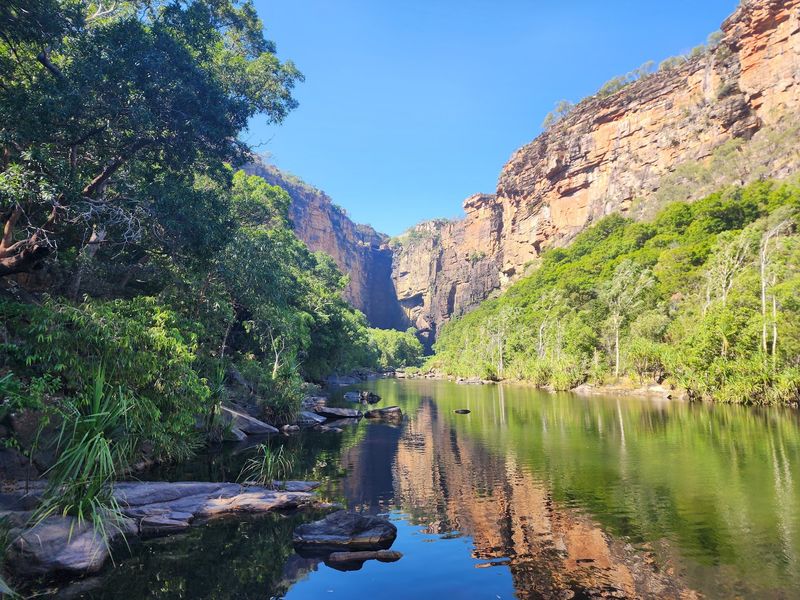
Kakadu is the kind of national park that takes a while to fully understand because it contains so many different landscapes within one enormous boundary. Wetlands stretch toward the horizon.
Sandstone escarpments rise sharply above surrounding floodplains. Waterfalls appear between rugged cliffs during the wet season, and wildlife thrives across every corner of the park.
Parks Australia confirmed that major attractions including Ubirr, Burrungkuy (Nourlangie), and Yellow Water remain open to visitors in 2026. One current exception is the Jim Jim Falls and Twin Falls area, which is closed for 2026 due to road and infrastructure work.
Reopening is expected for the 2027 dry season.
That single closure does not significantly reduce what Kakadu offers. The rock art sites at Ubirr and Nourlangie alone make the visit worthwhile, with ancient paintings that provide a direct connection to cultures that have called this landscape home for tens of thousands of years.
Kakadu rewards travelers who give it more than a single day.
Cradle Mountain, Tasmania, Australia
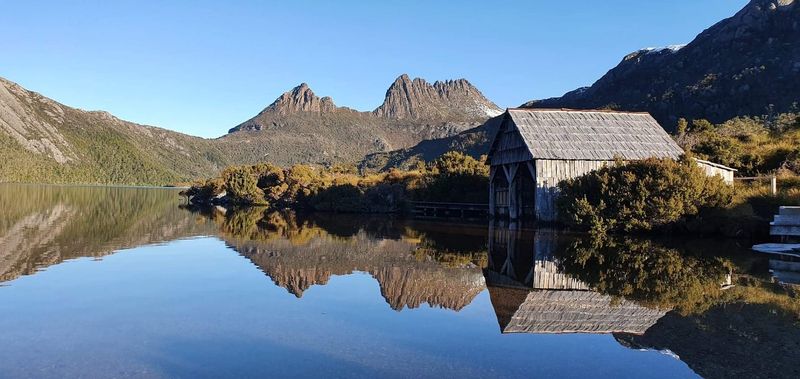
Tasmania has a reputation for feeling wilder and more remote than the Australian mainland, and Cradle Mountain does everything it can to live up to that reputation. The jagged peaks rising above Dove Lake create one of the most recognizable mountain silhouettes in the country, and the surrounding alpine landscape adds forests, streams, and unpredictable weather that keep conditions interesting year-round.
Tasmania’s Parks and Wildlife Service lists the visitor center as operating seven days a week. The park offers a wide range of walking options, from short rainforest boardwalks suitable for casual visitors to the famous multi-day Overland Track for experienced hikers seeking a serious wilderness experience.
Wildlife is a genuine highlight here. Wombats, echidnas, platypuses, quolls, Tasmanian devils, and numerous bird species all inhabit the park.
Spotting a wombat grazing near the lake at dusk is the kind of moment that sticks with you. Come prepared for rapidly changing weather.
The unpredictability is part of what makes Cradle Mountain feel so genuinely untamed.
Twelve Apostles and Port Campbell National Park, Victoria, Australia
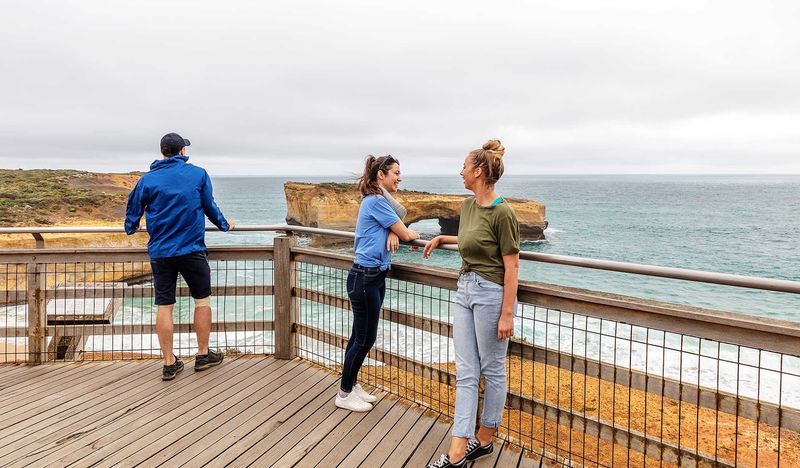
The Great Ocean Road builds anticipation across its entire length, but Port Campbell National Park is where the coastline delivers its most dramatic statement. The Southern Ocean has been carving into the soft limestone cliffs here for an enormous span of time, leaving behind isolated sea stacks, archways, and sheer cliff faces that drop straight into rough water below.
The Twelve Apostles are the most famous result of that process. Standing above the ocean on the viewing platforms and looking out at those massive columns of rock rising from the waves is a genuinely different experience from seeing them in photos.
The scale only registers in person.
From July 1, 2026, management of the area transitioned to the Great Ocean Road Coast and Parks Authority. Parks Victoria confirmed that public access has not changed and that visitor sites remain open and operating as usual.
The coastline continues to shift slowly over time, which gives the landscape a quality that no photograph fully captures.
Milford Sound/Piopiotahi, New Zealand
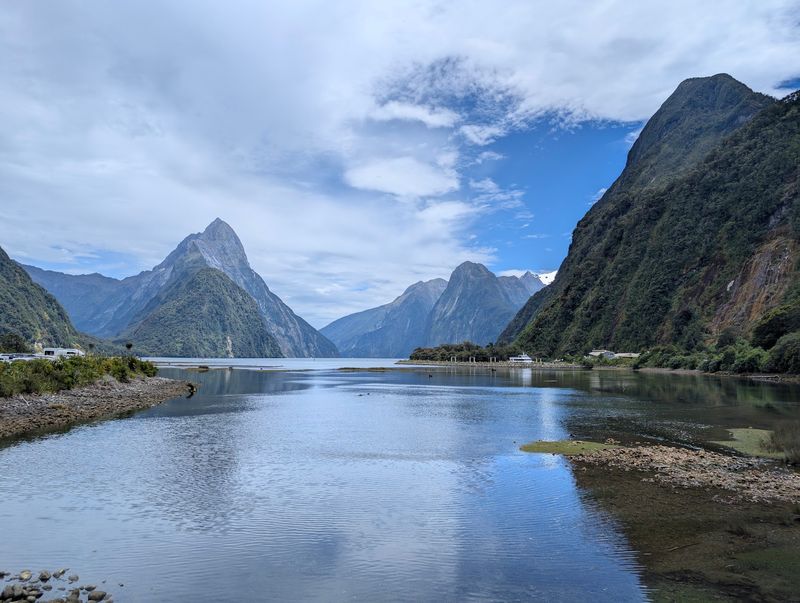
Milford Sound has a reputation that seems almost impossible to live up to, and then you arrive and realize the reputation was understating things. Located within Fiordland National Park on New Zealand’s South Island, Piopiotahi is enclosed by immense mountain walls shaped over thousands of years by glacial activity.
Waterfalls drop from clifftops, rainforest clings to steep slopes, and the dark water of the fiord stretches deep into the surrounding mountains.
One genuinely interesting characteristic of this place: heavy rainfall can actually improve the experience. Extra precipitation creates dozens of temporary waterfalls across the cliff faces, adding to an already theatrical landscape rather than ruining it.
New Zealand’s Department of Conservation continues to provide current travel guidance for Milford Road, recommending roughly eight hours for a Te Anau-to-Milford return journey that includes scenic stops and a boat cruise. Winter travelers should prepare for snow, ice, and avalanche conditions affecting the road.
Few places in Oceania demonstrate nature’s ability to make humans feel genuinely small quite like this fiord does.
Aoraki/Mount Cook National Park, New Zealand
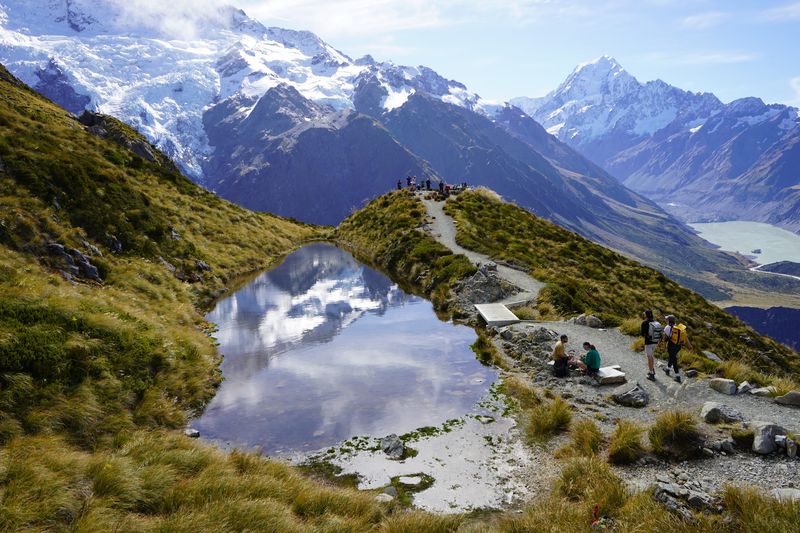
New Zealand’s highest mountains gather in one place inside Aoraki/Mount Cook National Park, and the result is a landscape that looks almost exaggerated on clear days. According to the Department of Conservation, the park contains 19 peaks above 3,000 meters, with Aoraki/Mount Cook standing as the country’s tallest mountain at 3,724 meters.
The good news for non-mountaineers is that the scenery is accessible without technical climbing skills. Walking routes throughout the park offer views into alpine valleys filled with glacial debris, while the roads and viewpoints around Aoraki/Mount Cook Village deliver panoramas of icy peaks and enormous open terrain.
The Aoraki/Mount Cook National Park Visitor Centre is operating and helps travelers plan their time in the park.
Glaciers are another feature that sets this park apart from New Zealand’s other alpine areas. The Tasman Glacier is the country’s longest, and guided glacier experiences are available for those wanting a closer look.
The combination of scale, elevation, and geological drama makes this one of the South Island’s most compelling natural destinations.
Tongariro National Park, New Zealand
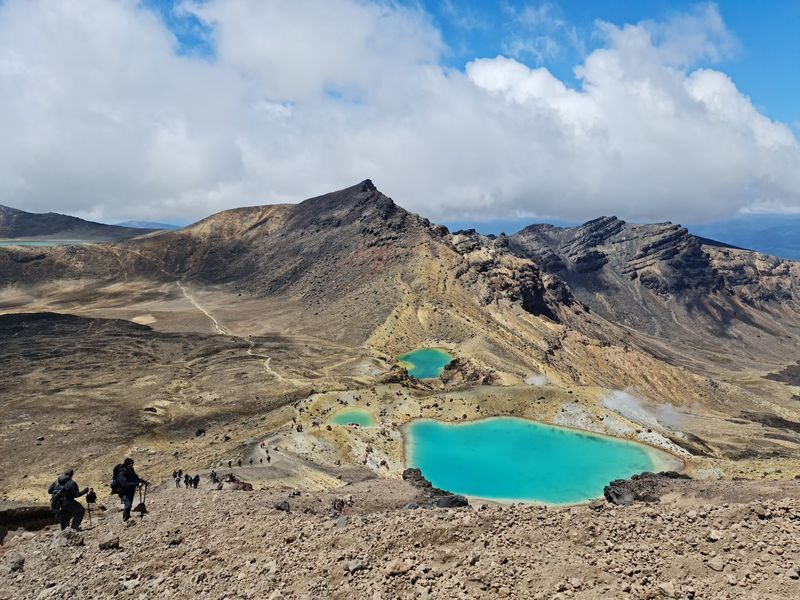
Tongariro sits in a completely different visual category from the green, lush New Zealand that fills most travel brochures. The landscape here is volcanic, exposed, and at times almost surreal.
Craters, hardened lava fields, alpine vegetation, and brilliantly colored volcanic lakes create scenery that genuinely has no equivalent anywhere else in the country.
The Tongariro Alpine Crossing has reopened following damage from the 2025 wildfire, which is welcome news for anyone who had been waiting to attempt one of New Zealand’s most celebrated day walks. However, parts of the Tongariro Northern Circuit remain closed due to fire damage and will not be available for the 2026-27 Great Walk season.
Checking current alerts from the Department of Conservation before choosing a route is essential, not optional. The Whakapapa area remains a primary gateway to the park and offers multiple walking options along with a visitor center.
Tongariro rewards travelers who do their research beforehand and arrive knowing what is currently accessible.
Wai-O-Tapu Thermal Wonderland, Rotorua, New Zealand
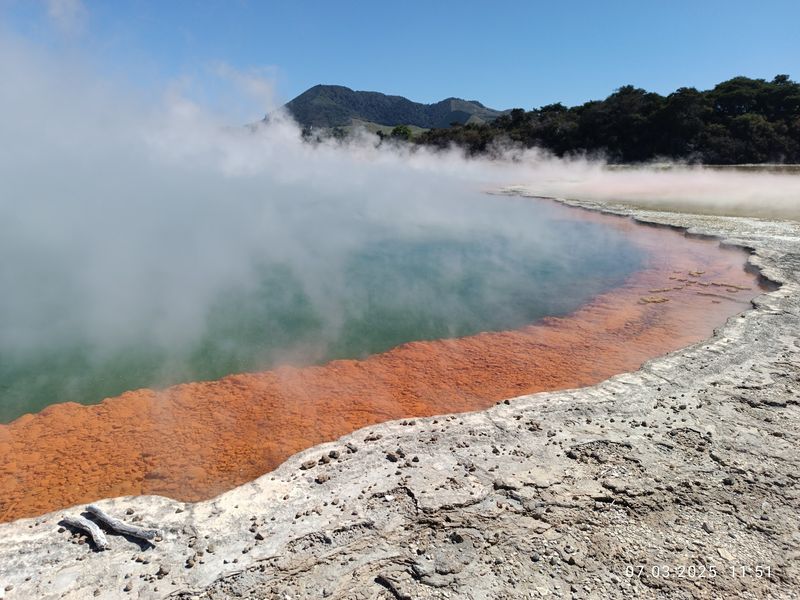
Wai-O-Tapu near Rotorua is proof that New Zealand’s volcanic activity produces results that go far beyond ordinary landscapes. The geothermal features here include mineral-rich pools displaying startling shades of yellow, green, orange, and deep blue, along with steaming craters, bubbling water, and formations that look like they belong in a geology textbook rather than a public walking trail.
Rotorua’s tourism organization describes it as one of New Zealand’s most colorful geothermal attractions, and the booking service lists Wai-O-Tapu as open seven days a week from 8:30 a.m. to 3:30 p.m. That reliable operating schedule makes it easy to fit into a broader Rotorua itinerary.
The Lady Knox Geyser erupts daily at 10:15 a.m. and is one of the park’s most popular features, drawing visitors who want a scheduled but genuinely impressive natural spectacle. Wai-O-Tapu is a strong reminder that some of Oceania’s most striking landscapes are still being actively shaped by geological forces operating far below the surface.
Yasawa Islands, Fiji
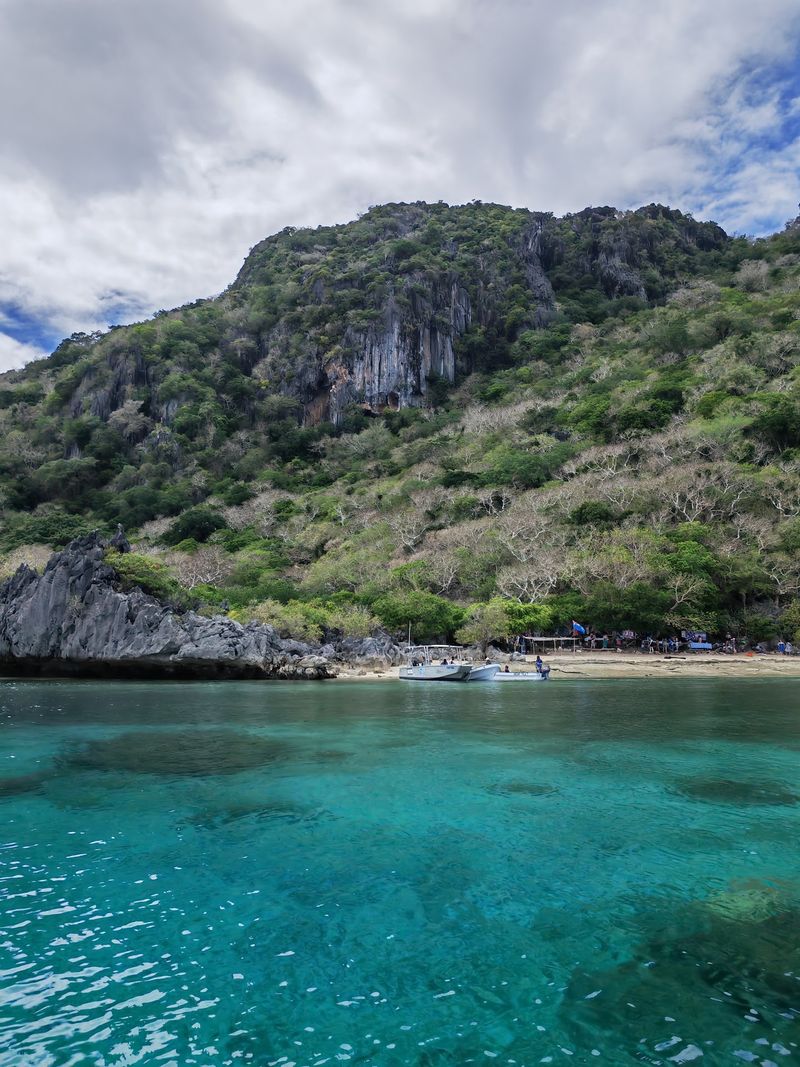
The Yasawa Islands sit northwest of Fiji’s main island and represent a version of the South Pacific that still feels genuinely remote. The chain stretches across more than 20 islands, combining rocky peaks, secluded beaches, coral reefs, and water in shades of turquoise that seem almost artificially bright until you realize that is simply what the ocean looks like here.
Tourism Fiji promotes island-hopping trips through the Yasawas as one of the region’s signature experiences. Travelers can move between islands rather than staying anchored to a single resort, with snorkeling, hiking, and village visits available depending on which islands you include.
Waya and Nacula are both highlighted for hiking opportunities alongside their beach appeal.
The Sawa-i-Lau area adds limestone caves and dramatic coastal scenery to the mix, giving the Yasawas more geological variety than a typical Pacific island chain. The mountains rising behind the beaches are easy to overlook when the water is that color, but the elevated terrain makes the landscape far more interesting than a flat coral atoll would.
Mount Yasur and Tanna Island, Vanuatu
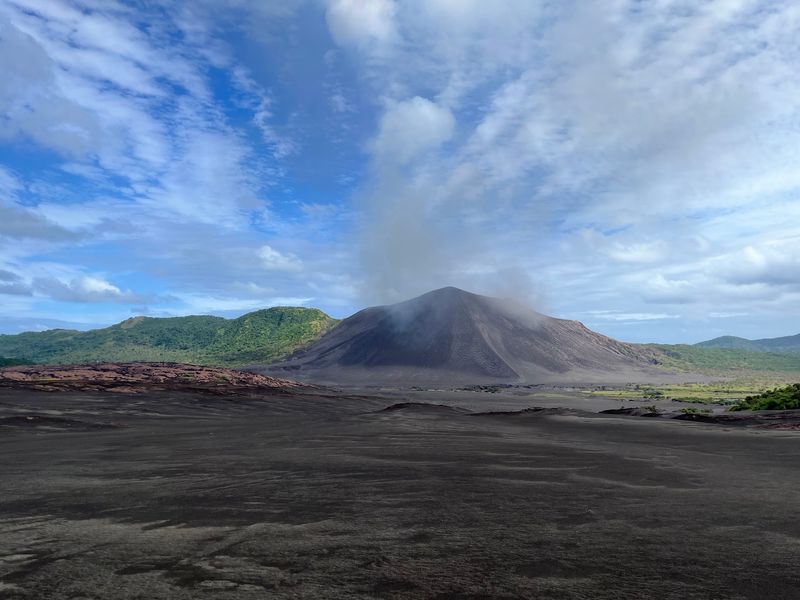
Standing near an active volcano while it erupts is a fundamentally different experience from any other natural encounter in Oceania. Mount Yasur on Tanna Island provides exactly that.
The volcano is one of the most accessible active volcanoes in the world, and its regular eruptions of steam, smoke, and volcanic material make the landscape feel genuinely alive in a way that few places can match.
Tanna Island offers more than just the volcano. Waterfalls, coral areas, sea caves, wild coastal scenery, and beaches colored by volcanic rock and ash add variety to the island’s natural profile.
Vanuatu Tourism continues to promote Mount Yasur as the island’s primary natural attraction.
Because volcanic conditions can shift without warning, independent access to the crater rim is not recommended. Vanuatu Tourism advises booking a guided tour and checking current government safety alerts before visiting.
The guided approach keeps visitors informed about current activity levels and ensures the experience stays safe. This is probably the most literal example on this entire list of nature commanding complete attention.
Isle of Pines, New Caledonia
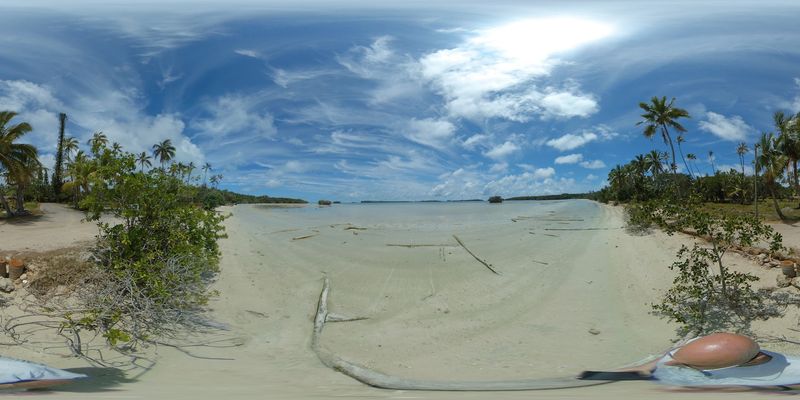
The Isle of Pines earns its name immediately. Tall columnar pines rise behind beaches in a way that makes the island instantly recognizable and visually unlike almost any other Pacific destination.
The combination of those distinctive trees, turquoise lagoons, and bright white sand creates a landscape that photographers and painters have been drawn to for generations.
New Caledonia’s official tourism organization actively promotes the island and highlights Kuto and Kanuméra beaches, forest excursions, and lagoon experiences as key attractions. The natural pool at Oro Bay is one of the island’s most unusual features: a sheltered coral environment surrounded by columnar pines where visitors can snorkel in exceptionally clear water.
Caves, small offshore islets, and forested interior trails add to the range of things to explore beyond the beaches. The Isle of Pines sits within New Caledonia’s UNESCO-listed lagoon, which is one of the largest coral lagoons in the world.
That broader ecological context makes the island more than just a pretty beach stop. It is part of a genuinely significant marine environment.
Rock Islands Southern Lagoon, Palau
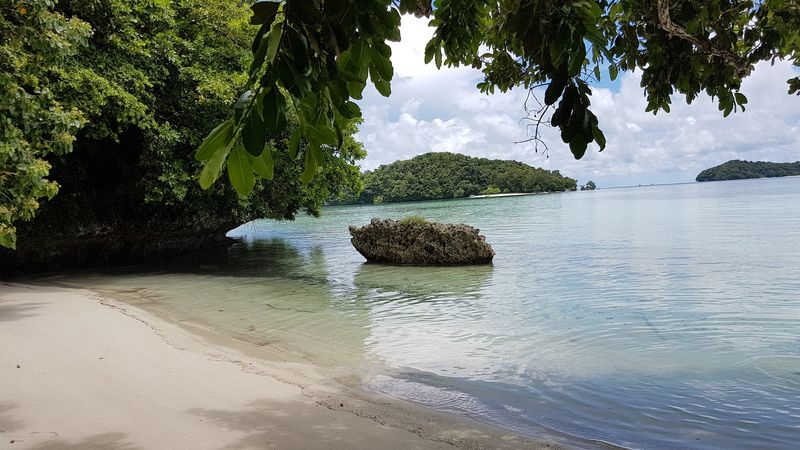
Palau’s Rock Islands Southern Lagoon looks like something a landscape architect would design if given unlimited time and no budget constraints. Hundreds of small limestone islands, many shaped like rounded green mushrooms, rise from water that shifts between electric blue and vivid turquoise depending on depth and angle.
The entire seascape seems built for exploration.
Travelers can kayak between islands, snorkel in lagoons, take guided boat cruises through narrow marine passages, or view the archipelago from above on scenic flights. Palau’s official tourism organization continues to list Rock Islands excursions and active tour operators providing trips into the Southern Lagoon throughout 2026.
The Rock Islands Southern Lagoon holds UNESCO World Heritage status, recognizing both its natural significance and its cultural history connected to Palau’s indigenous communities. Nearby Jellyfish Lake adds a famous additional experience to the area.
Current visitor information states that access to Jellyfish Lake requires a Rock Islands/Jellyfish Lake pass. If turquoise water, remote islands, coral reefs, and unusual geology represent your idea of Oceania at its finest, Palau delivers all of it in one concentrated and extraordinary destination.
Share this story