Some cities are just better experienced from the seat of a bicycle. Europe happens to have quite a few of them, spread across countries where cycling is not an afterthought but a genuine part of daily life.
From the canal-laced streets of Amsterdam to the Alpine-backed paths of Salzburg, these destinations offer well-maintained routes, easy rentals, and enough sights to fill an entire day without ever needing a bus or taxi. Whether you are a confident urban cyclist or someone who just wants a relaxed pedal through a pretty city, this list covers fourteen European spots where two wheels genuinely make the experience better.
Each place on this list has verified cycling infrastructure, active rental options, and routes worth following. Save this one before your next trip abroad.
Copenhagen, Denmark
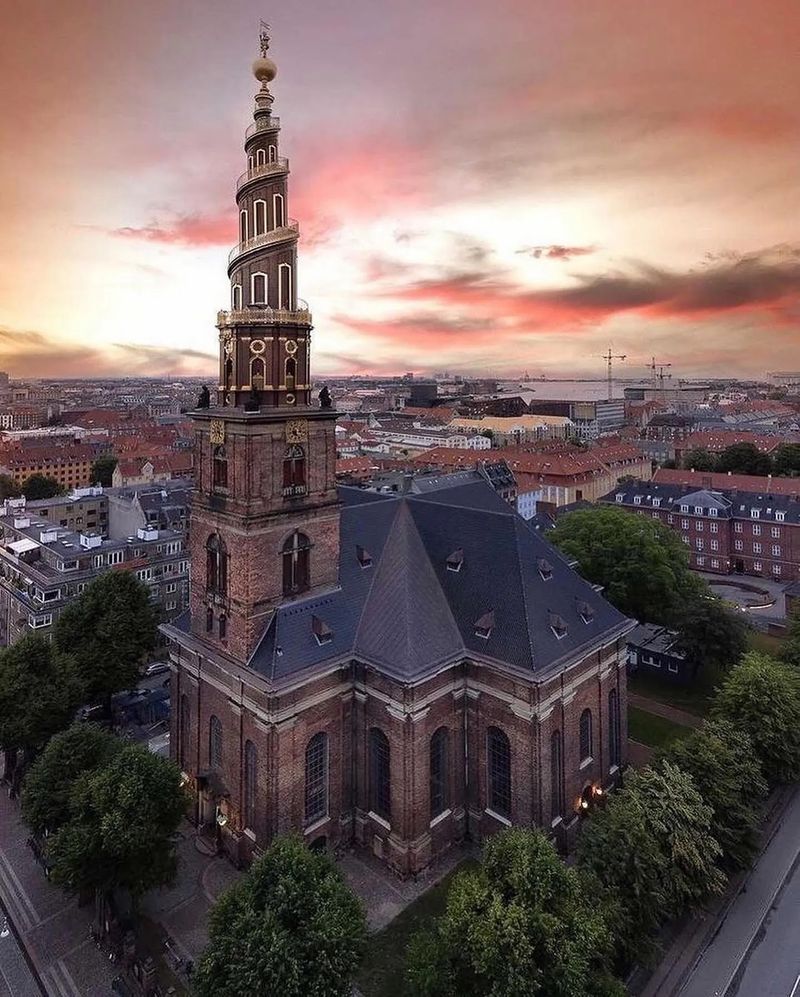
Copenhagen does not just accommodate cyclists, it is genuinely built around them. Cycling is woven into everyday life here, and visitors benefit from an extensive network of dedicated bike lanes connecting historic neighborhoods, harbor districts, parks, and major landmarks.
A full day on two wheels can take you past Nyhavn, Rosenborg Castle, the city lakes, Christianshavn, and Copenhagen’s modern waterfront without any overlap or backtracking. Rental options are plentiful, with companies like Donkey Republic, Baisikeli, Tropical Bikes, and Rosenborg Cykler all currently operating.
Guided tour operators also run regular departures for visitors who prefer a structured experience.
For something more focused, tourism authorities publish a 22-kilometer architecture route highlighting projects connected to architect Bjarke Ingels. Cycling traffic picks up during morning and evening commutes, so newcomers will likely find the middle of the day more comfortable for navigating the city at their own pace.
Amsterdam, Netherlands
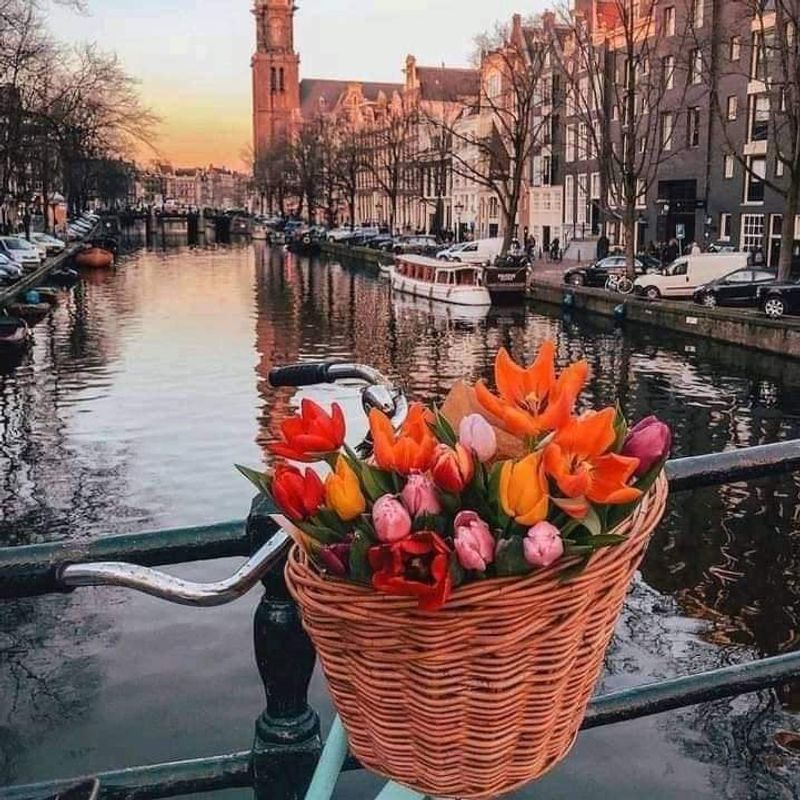
Amsterdam’s canal belt and narrow streets look almost custom-designed for bicycles, and in many ways they are. The city has around 400 kilometers of dedicated bike paths, and rental shops are easy to find near Central Station, Leidseplein, and other busy visitor areas.
A single cycling day can connect the Museum Quarter, Vondelpark, the canal belt, Jordaan, and the waterfront without relying on trams or metro lines. Visitors holding an I amsterdam City Card currently receive a 24-hour bicycle rental through participating providers, including Yellow Bike, A-Bike, and Amsterbike.
Amsterdam also promotes official “Cycleseeing” routes that reach beyond the busiest central streets into parks, waterways, architectural districts, and quieter surrounding landscapes. One practical note worth knowing before you go: Amsterdam’s cycling traffic moves fast, and understanding local rules before joining the flow makes the whole experience considerably smoother and more enjoyable.
Ljubljana, Slovenia
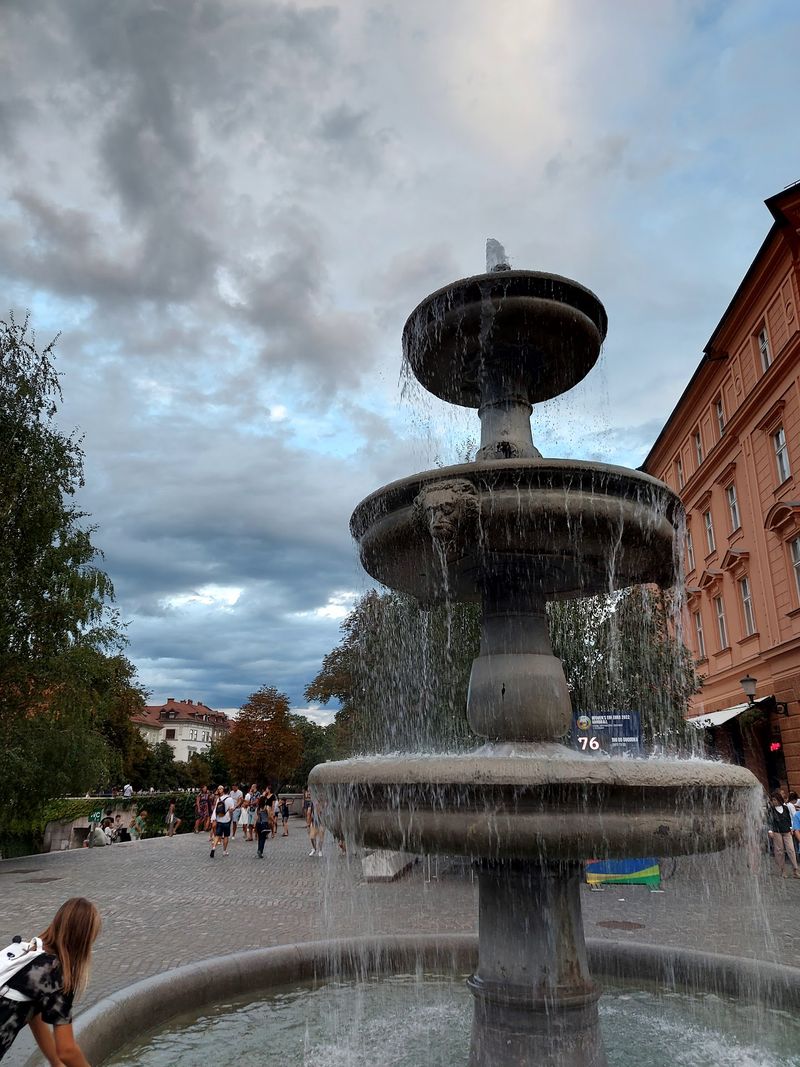
Compact, mostly flat, and genuinely green, Ljubljana is one of Europe’s most approachable capitals for a cycling day. The city has more than 230 kilometers of designated cycling paths, and bicycles are also permitted within its pedestrianized center as long as riders yield to people on foot.
Official routes make planning a full day straightforward. The Waterside Route follows sections of the Ljubljanica River, while the Plečnik Route links architectural works associated with celebrated Slovenian architect Jože Plečnik.
More ambitious riders can take on all or part of the 33-kilometer Path of Remembrance and Comradeship that circles the entire city.
Rentals are available through Ljubljana Bike or the BicikeLJ self-service station network, so getting set up does not require much planning. Ljubljana is also small enough that you can explore several distinct neighborhoods and green spaces in a single relaxed day without ever feeling rushed.
Vienna, Austria
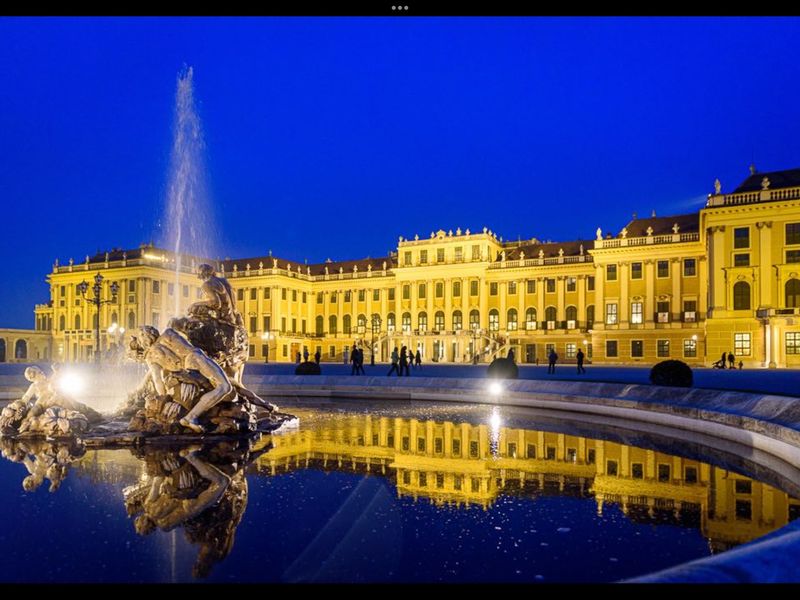
Vienna is best known for imperial palaces and grand coffeehouses, but connecting those landmarks by bicycle has become increasingly practical. The Austrian capital now has more than 1,600 kilometers of cycling infrastructure, according to Vienna’s official tourism organization, which makes it one of the most cycle-friendly major cities in Central Europe.
A well-planned cycling day can combine the Ringstrasse, the Prater, the Danube Canal, Stadtpark, and neighborhoods well beyond the historic center. The bicycle is especially useful here because major monuments are spread across a relatively large area, and stopping whenever something catches your eye is far easier on two wheels than on foot.
The WienMobil bike-sharing network has replaced the former Citybike system and offers stations around the clock throughout the year. That means spontaneous sightseeing is completely practical even without arranging a rental the night before.
Traditional bicycle and e-bike rental companies also remain active across the city.
Valencia, Spain
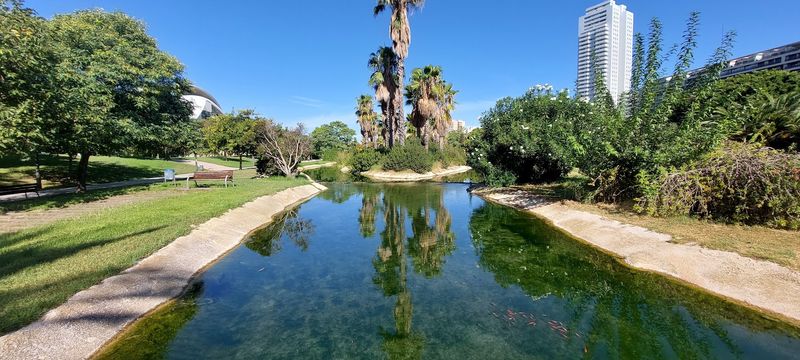
Valencia has a combination that very few European cities can match: flat terrain, warm Mediterranean weather, sandy beaches, and more than 200 kilometers of cycle paths all in one place. That mix makes it one of Spain’s most enjoyable major cities to explore entirely by bicycle.
The standout route is the Turia Garden, a roughly eight-kilometer green corridor created along the former Turia riverbed. It passes through open parkland and leads directly toward the futuristic City of Arts and Sciences, one of the most photographed architectural sites in Spain.
From there, riders can continue toward the waterfront and beaches or loop back toward the historic center.
Valenbisi, the city’s bike-sharing service, has roughly 300 stations spread across Valencia, making it easy to pick up and drop off without worrying about a rental shop’s hours. Guided cycling tours also currently operate routes connecting the Cathedral, Central Market, Turia Garden, and City of Arts and Sciences.
Bordeaux, France
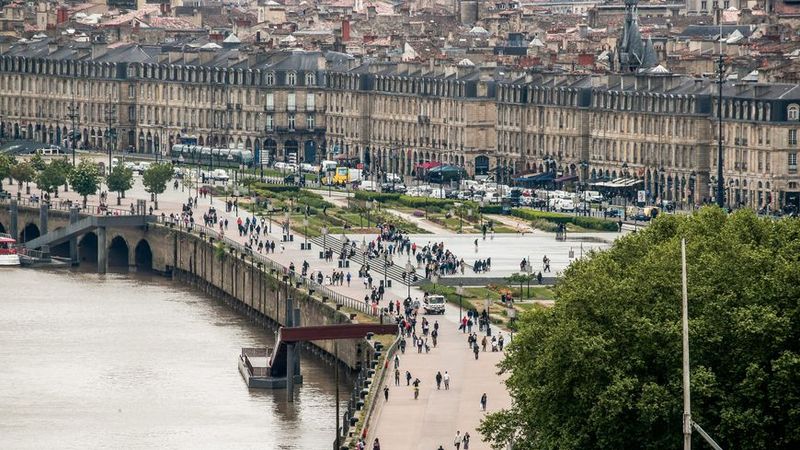
Bordeaux has built a serious cycling culture to go alongside its famous wine reputation. The metropolitan area now has roughly 1,500 kilometers of cycling infrastructure and more than 2,000 shared bicycles spread across approximately 200 stations, giving visitors plenty of options for getting around without a car.
The easiest introduction to the city by bike is the official 7.1-kilometer route along Bordeaux’s quays. Following the Garonne River, it connects Esplanade des Quinconces, the historic riverfront facades, Pont de Pierre, Jardin Botanique, Darwin, and Pont Jacques Chaban-Delmas in one flowing, largely flat ride.
Travelers with extra time can push well beyond the city center. Tourism authorities publish additional routes through the wider metropolitan area, including circuits connecting vineyard landscapes and longer rides toward the Atlantic coast.
For a city that rewards slow exploration, cycling is genuinely one of the best ways to take it all in without rushing.
Strasbourg, France
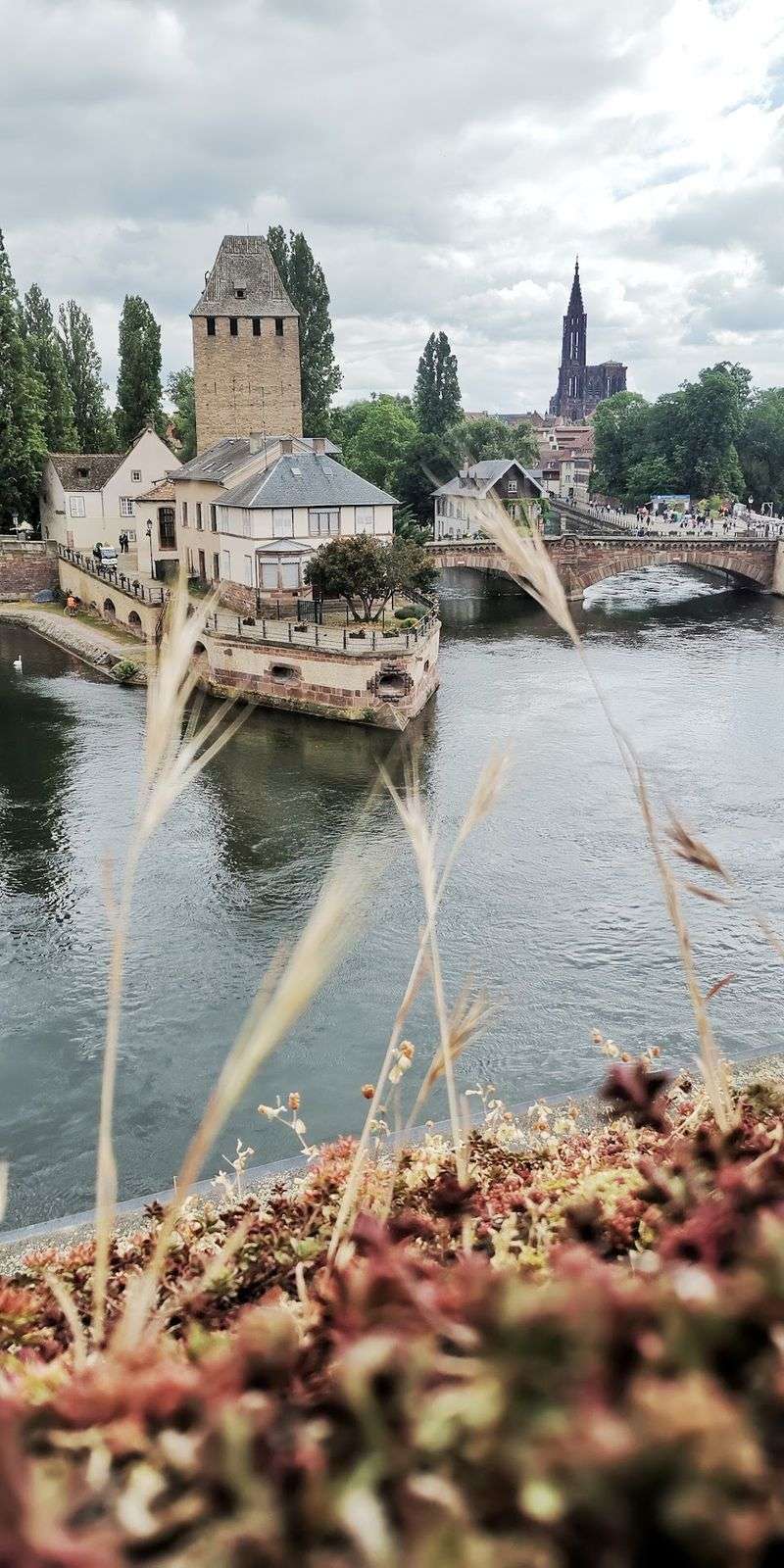
Strasbourg pairs storybook medieval architecture with some of the most developed cycling infrastructure in France. The metropolitan area has around 600 kilometers of bicycle paths, and the city sits along two major long-distance European routes, EuroVelo 5 and EuroVelo 15, for riders who want to keep going well beyond the city limits.
A natural starting point is Grande Ile and Strasbourg Cathedral, from which cycling paths lead beside canals and the River Ill through the Petite France district and into quieter residential areas. Because the network extends far beyond the historic core, it is entirely possible to reach surrounding countryside and Alsatian villages without ever abandoning the bike lane.
Official tourism information lists rental services, repair resources, and bicycle parking facilities throughout the city. For travelers who want more than urban sightseeing, the wider network connects with forests, canals, and vineyard landscapes across the Alsace region.
Strasbourg rewards riders who venture a little further than the postcard views.
Bruges, Belgium
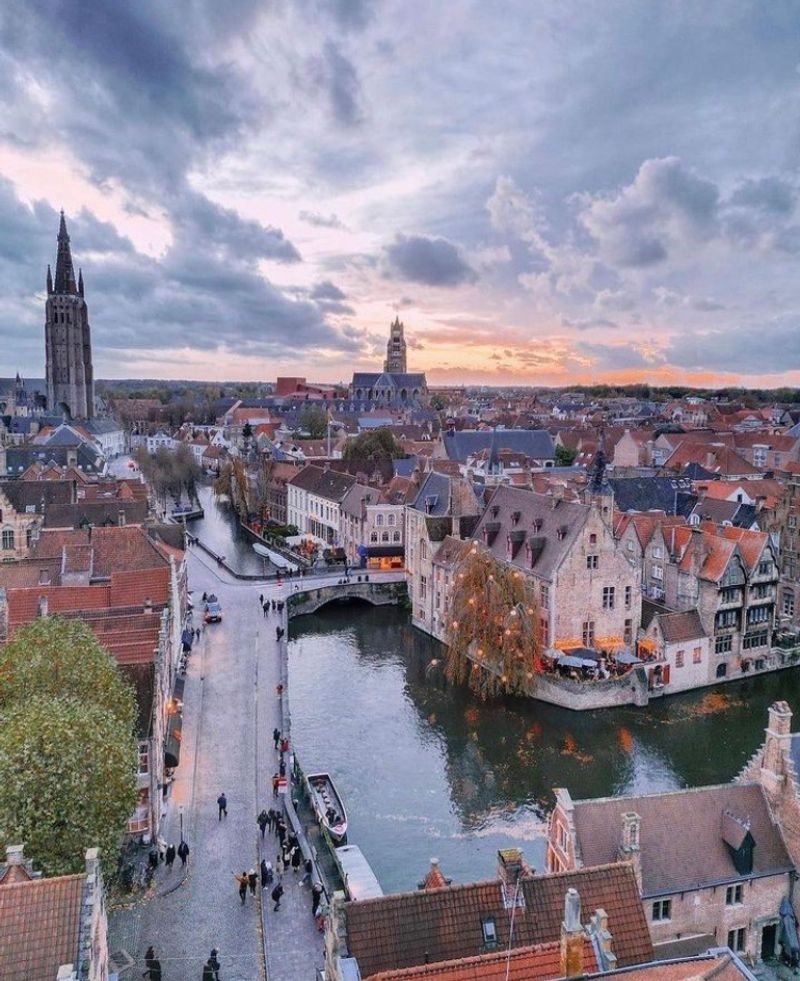
Bruges is compact enough to walk, but a bicycle opens up a completely different side of the city. Almost the entire historic center forms a bicycle zone where vehicles are restricted to 30 km/h and generally cannot overtake cyclists, making riding here feel unusually relaxed compared to most European city centers.
The city’s cycling zone covers roughly 87 kilometers of streets, giving you plenty of ground to cover without retracing the same paths. Start around Markt and Burg before following the green city ramparts outward toward Bruges’ well-known windmills and quieter residential neighborhoods that most day-trippers never reach.
Longer routes extend into the flat surrounding polders and toward nearby Damme, a small town connected to Bruges by a scenic canal-side path that makes for a pleasant half-day addition. Bicycle rentals are widely available in hourly and full-day formats, and shared-bike services operate within the city as well.
Bruges on two wheels feels genuinely different from Bruges on foot.
Ghent, Belgium
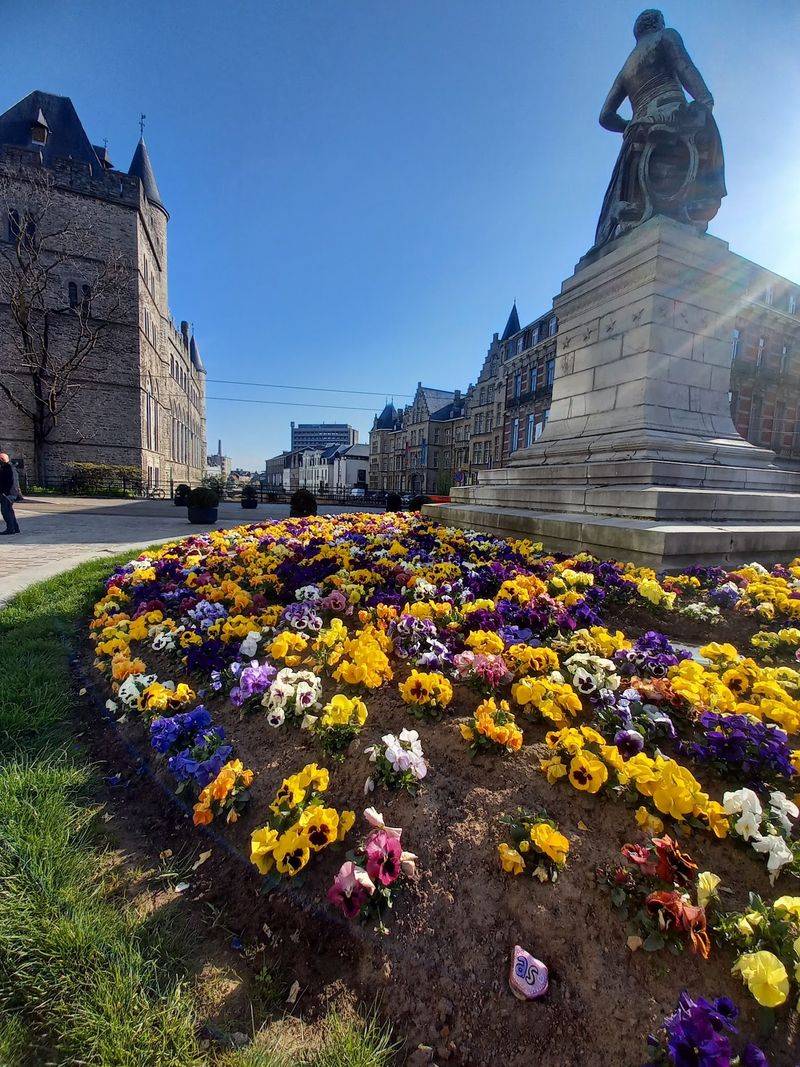
Ghent’s combination of medieval castles, canal-side squares, and low-traffic streets makes it particularly enjoyable from a bicycle. The city actively supports cycling and provides rental locations at Gent-Sint-Pieters station, Gent-Dampoort station, and in the central area.
The CityCard Gent currently includes a one-day city-bike rental, which is worth factoring into your budget when planning the trip.
Visitors can design a personal route between Graslei, Korenlei, the Castle of the Counts, city parks, and residential neighborhoods, or follow the established Gentse Fietsen Route, which covers 37 kilometers in full. Two shorter loop options are available for travelers who want a more manageable ride without missing the key highlights.
Those looking beyond the historical center can follow additional routes toward Blaarmeersen recreational area, Gentbrugse Meersen nature reserve, or the villages of the Lys region. Ghent rewards curiosity, and a bicycle is the most efficient way to act on it throughout the day.
Stockholm, Sweden
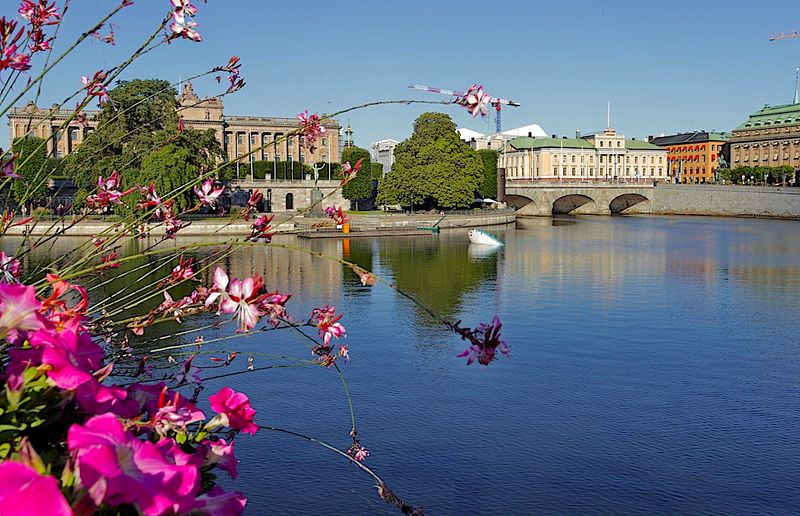
Stockholm is built across numerous islands, and that geography makes cycling here genuinely interesting rather than just practical. Water, parks, and urban neighborhoods appear and disappear as you cross bridges and follow paths between districts, giving the city a rhythm that is hard to appreciate from inside a bus or metro car.
An easy sightseeing day can connect central Stockholm with the waterfront and Djurgarden, where green surroundings and museum clusters offer a quieter contrast to the city center. The route between islands naturally includes viewpoints, harbor scenery, and architectural variety that keeps the ride engaging from start to finish.
Stockholm’s tourism organization reports more than 700 miles of cycling lanes across the metropolitan area and highlights several active rental operators, including Gamla Stans Cykel, Cykelstallet, and Stockholm Adventures. Official tourism information published in 2026 confirms that multiple rental businesses operate throughout the year, so seasonal timing is not a concern for most visitors planning a cycling day.
Helsinki, Finland
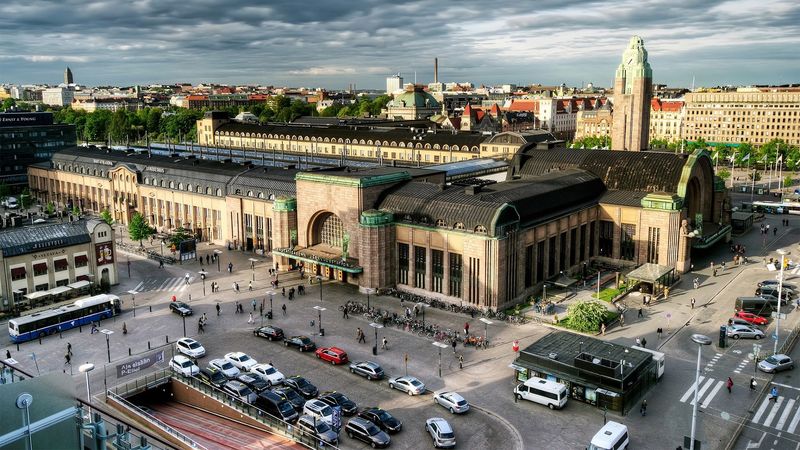
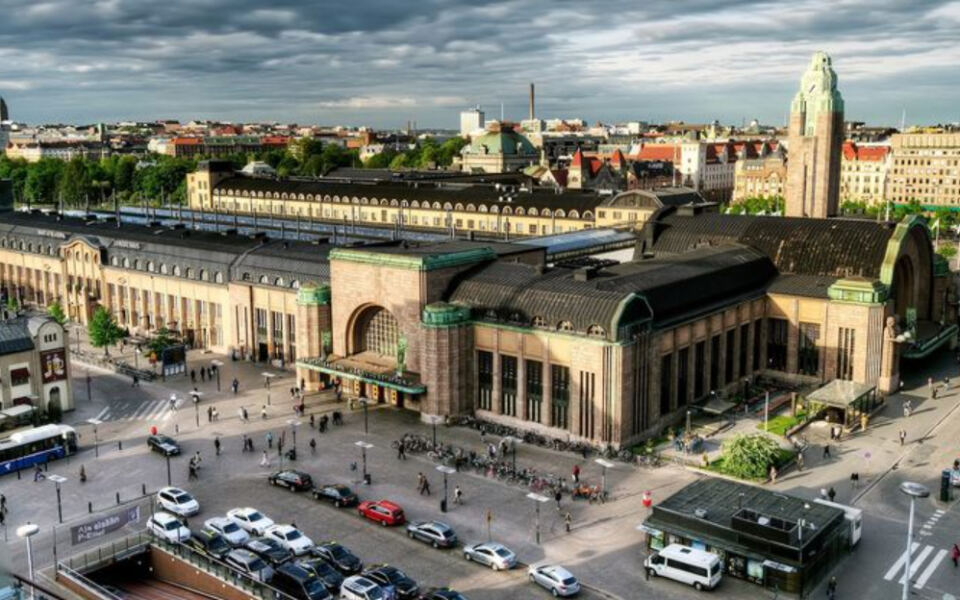
Helsinki gives cyclists considerably more room than many first-time visitors expect from a Nordic capital. The city offers more than 1,200 kilometers of cycling paths linking urban neighborhoods with parks, residential districts, and the Baltic waterfront, and its relatively flat terrain keeps the riding approachable for casual visitors.
A full cycling day might combine central landmarks with Toolonlahti Bay, coastal paths, parks, and quieter residential streets before looping back downtown. The variety of terrain means you can structure the day around scenery, history, architecture, or a combination of all three without the route ever feeling repetitive.
Helsinki’s city bike system and commercial rental operators mean visitors do not need to bring their own equipment. The extensive network also allows you to design a route focused almost entirely on separated paths and low-traffic streets, which makes the experience noticeably more relaxed than cycling through many other European capitals of similar size.
Helsinki rewards the riders who explore beyond the center.
Tallinn, Estonia
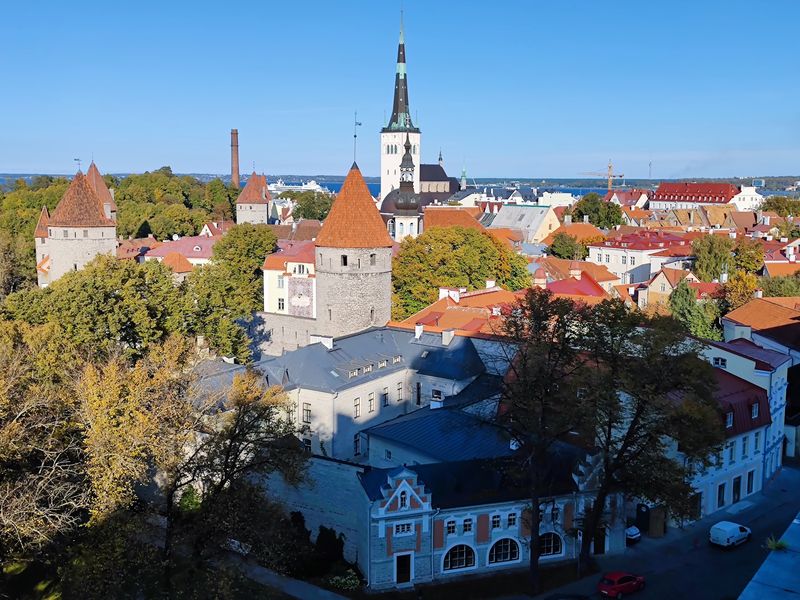
Tallinn’s medieval Old Town draws most of the visitors, but the Estonian capital has a great deal more to offer once you get moving on two wheels. Official cycling routes connect the center with seaside promenades, parks, beaches, coastal forests, and outlying neighborhoods that most short-stay visitors never reach.
The Old Town itself requires care because of cobblestones and pedestrian foot traffic, but riders can move quickly toward the waterfront and Kadriorg, a neighborhood anchored by a Baroque palace and extensive park grounds, before continuing along the coastal paths heading north and east.
City Bike currently operates from Tallinn’s Old Town and maintains a large, varied fleet that includes city bikes, trekking bikes, gravel bikes, road bikes, cargo bikes, and e-bikes. Its official tourism listing confirms the rental operation is active in 2026, with daily opening hours listed year-round.
For a city often visited as a quick stop, Tallinn genuinely rewards a full cycling day.
Berlin, Germany
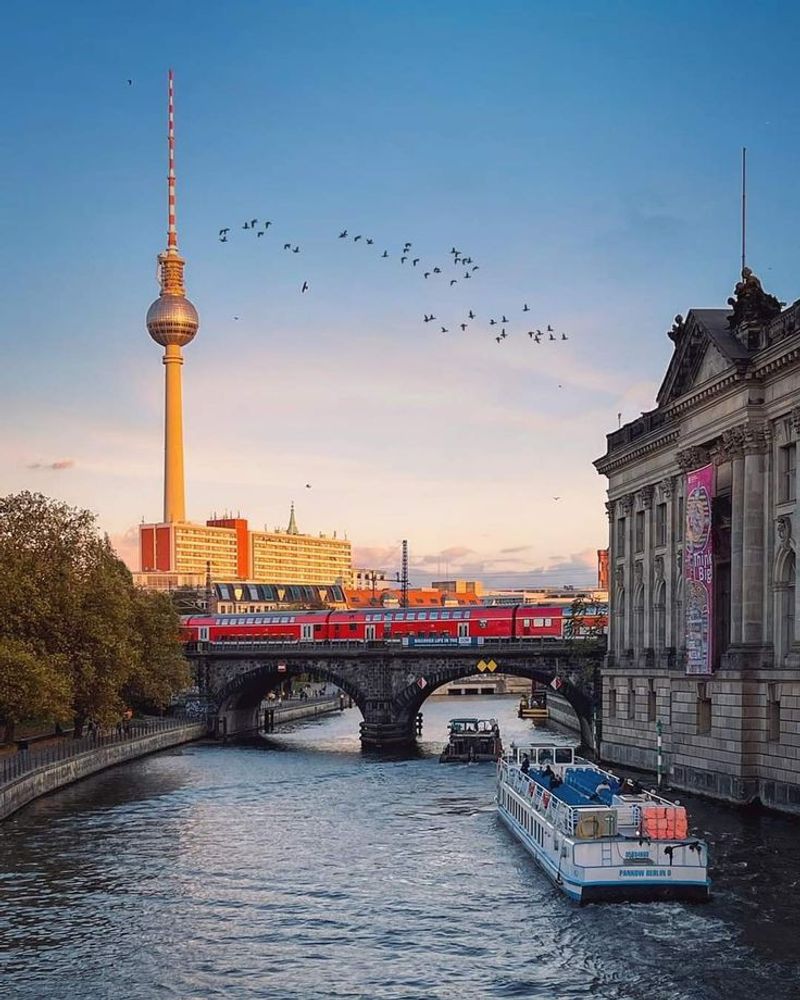
Berlin’s size can make walking between major sights genuinely tiring, but the city’s flat terrain makes a bicycle surprisingly practical for covering real ground. The official tourism organization recommends cycling for exploring both landmarks and neighborhoods and maintains multiple suggested routes for visitors at different fitness levels.
A first-time visitor could connect the Brandenburg Gate, the Reichstag area, Tiergarten, Museum Island, the Berlin Wall Memorial, and sections of the Spree River in one extended day. For something more historically focused, the Berlin Wall Trail traces sections of the former border around the city and offers a perspective on Berlin’s divided past that no museum can fully replicate.
Bike-sharing providers and traditional rental companies remain available throughout the city, and guided tours currently operate routes of approximately 15 kilometers through major landmarks. Berlin’s cycling culture is active and well-supported, meaning the infrastructure is there whether you prefer to explore alone or with a group.
Salzburg, Austria
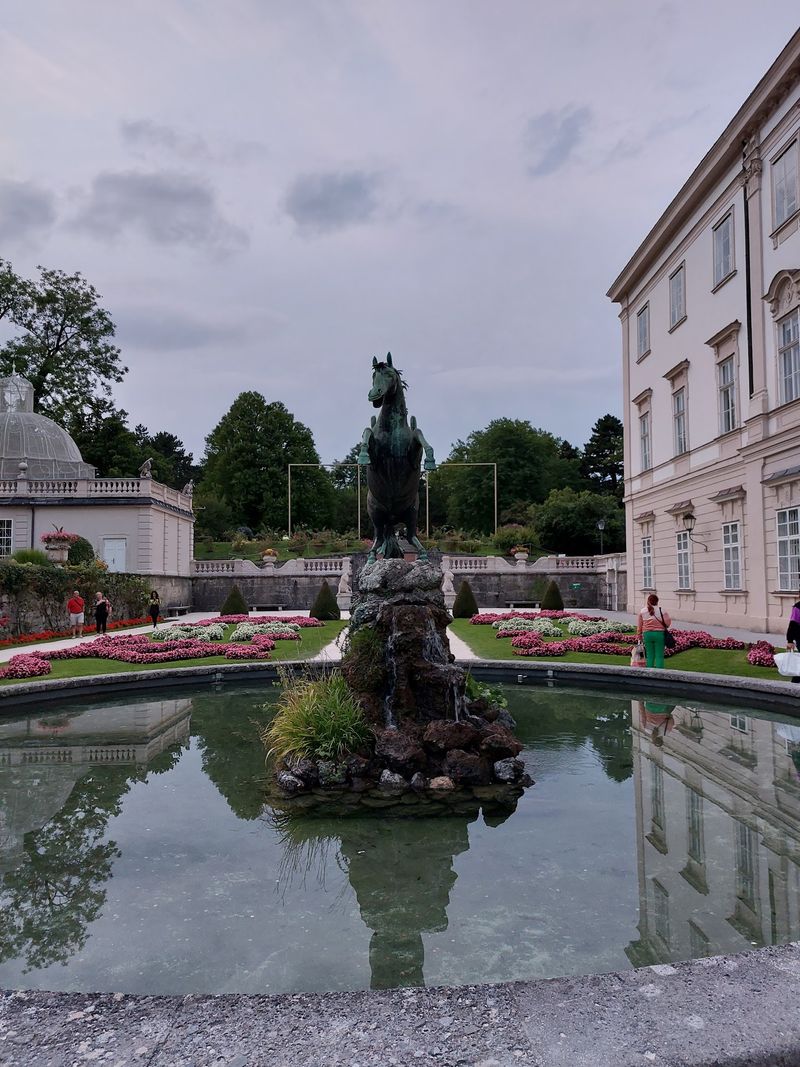
Few cycling backdrops in Europe compare to what Salzburg offers. The Hohensalzburg Fortress sits above the city while the Alps rise sharply beyond, and even a short ride along the Salzach River puts that scenery directly in front of you rather than glimpsed from a crowded street corner.
The city has more than 180 kilometers of cycle paths, many running beside the Salzach or through parks and tree-lined avenues that connect the historic center with greener, quieter areas. Cycling here makes it easy to move between landmarks without spending much of the day waiting at traffic lights or navigating busy pedestrian zones.
Visitors can follow official sightseeing routes, including a photography-focused Salzburg cycling itinerary, or join themed tours connected to city attractions and filming locations from The Sound of Music. Tourism authorities currently list standard bicycles, trekking bikes, mountain bikes, children’s models, e-bikes, and other options from local rental providers, so finding the right fit for the day is straightforward.
Share this story