There is something quietly powerful about a town where church bells still ring on the hour. Long before smartphones and digital clocks, these bells told farmers when to work, called communities to worship, and marked the rhythm of daily life.
Across Europe, many towns have held onto that tradition, and the bells still ring out across cobblestone streets and red-roofed skylines today. Whether you are a history lover, a slow traveler, or someone who just wants to experience a place that feels genuinely rooted in time, these fourteen European towns offer something rare.
The bells here are not just background noise. They are part of the identity of the place, woven into the architecture, the culture, and the daily routine of the people who live there.
Pack light, walk slowly, and listen closely.
Lier, Belgium
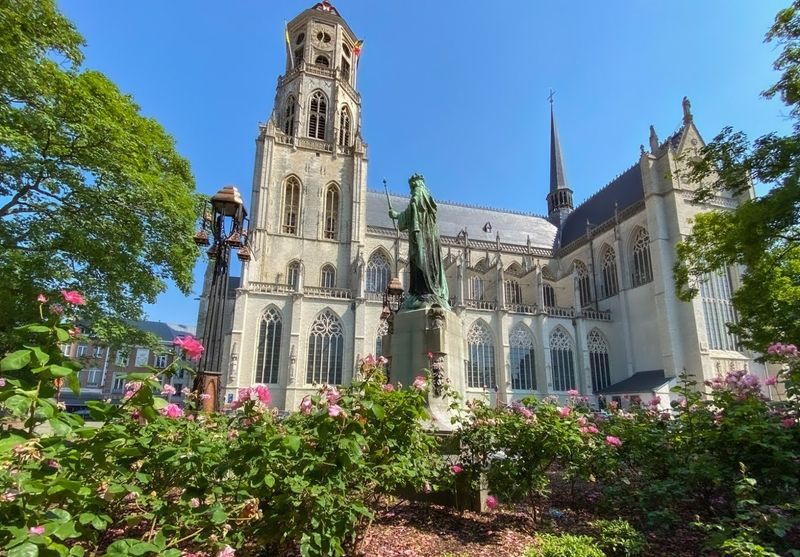
Most visitors to Belgium head straight for Bruges or Ghent, but Lier has been quietly keeping time for centuries with one of the most fascinating clock towers in the country. The Zimmer Tower, built in the 14th century, features an astronomical clock and a Jubilee Clock with 93 moving figures that still function today.
The town’s belfry and St. Gummarus Church add deep, resonant bell tones to the mix, ringing across a compact and walkable old center. Lier sits along the Nete River, giving the town a gentle, unhurried atmosphere that pairs well with its bell-ringing tradition.
The bells here feel personal rather than ceremonial. Lier has a population of just over 35,000, which means the ringing carries across nearly the entire town.
For travelers who want genuine Belgian charm without the crowds, Lier is a serious contender worth putting on the map.
Mechelen, Belgium
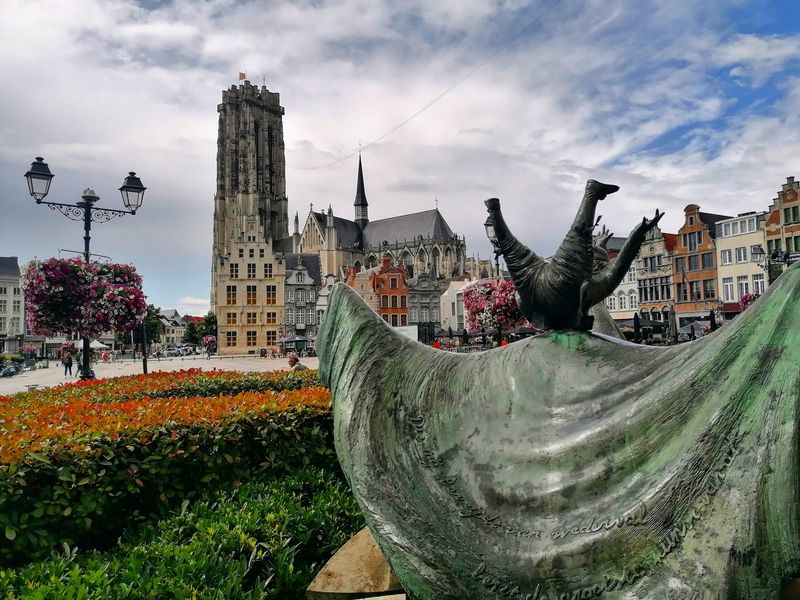
Mechelen is the carillon capital of the world, and that is not a casual claim. The Royal Carillon School of Queen Fabiola is based here, and St. Rumbold’s Cathedral houses one of the finest carillons in existence, with 49 bells spanning nearly four octaves.
Carillon concerts are performed regularly, filling the streets with layered, melodic bell music that sounds nothing like a simple church chime. The tower itself was intended to be the tallest in the world when construction began in the 15th century, though it was never completed to its original planned height.
Walking through Mechelen on a concert evening, with the bells rolling across the old market square, gives you a clear sense of why this city takes its bell culture so seriously. The town also offers a well-preserved medieval center, excellent cycling routes, and a strong local food scene that makes the visit easy to extend.
Bruges, Belgium
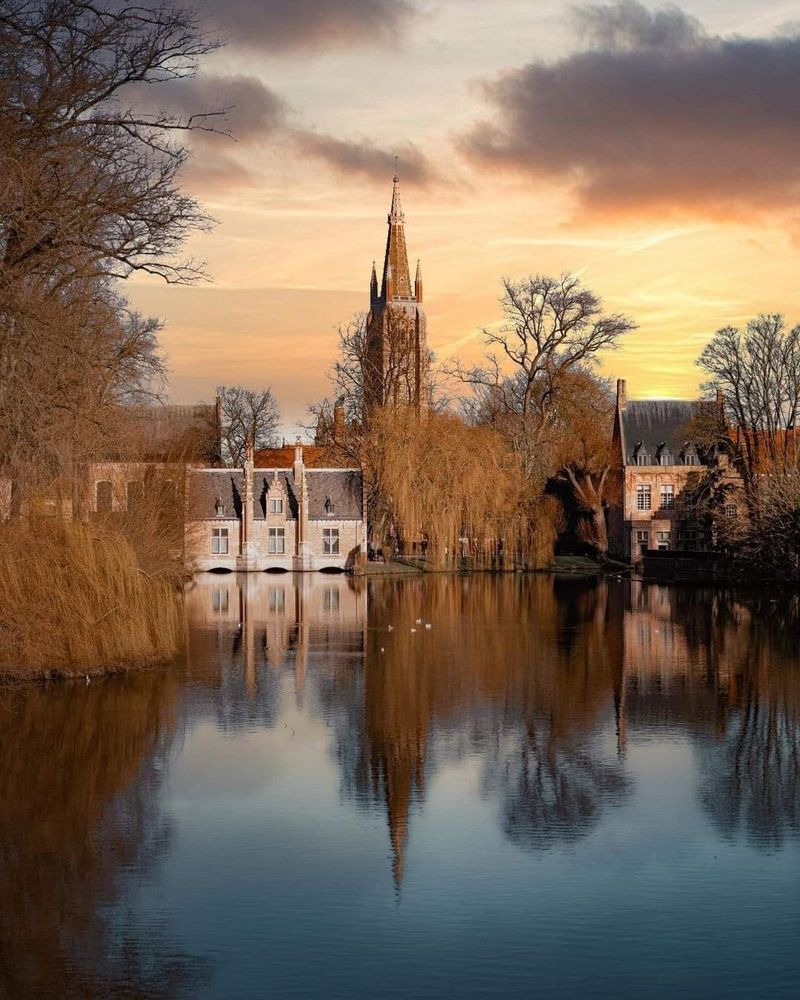
Few cities in Europe have a belfry as iconic as the one standing at the center of Bruges. The Belfry of Bruges dates to the 13th century and houses a carillon of 47 bells, which ring out over the Markt square on a regular schedule throughout the day.
Climbing the 366 steps to the top rewards you with a view across a city that looks remarkably similar to how it appeared five hundred years ago. The bells are not just decorative.
Historically, they signaled market hours, warned of fires, and announced civic events.
Today, Bruges is a UNESCO World Heritage Site, and the belfry remains its most recognized landmark. The city draws large crowds, especially in summer, so arriving early in the morning gives you the best chance of hearing the bells ring over quieter streets.
The sound carries far, bouncing off the canal-lined lanes in every direction.
Ghent, Belgium
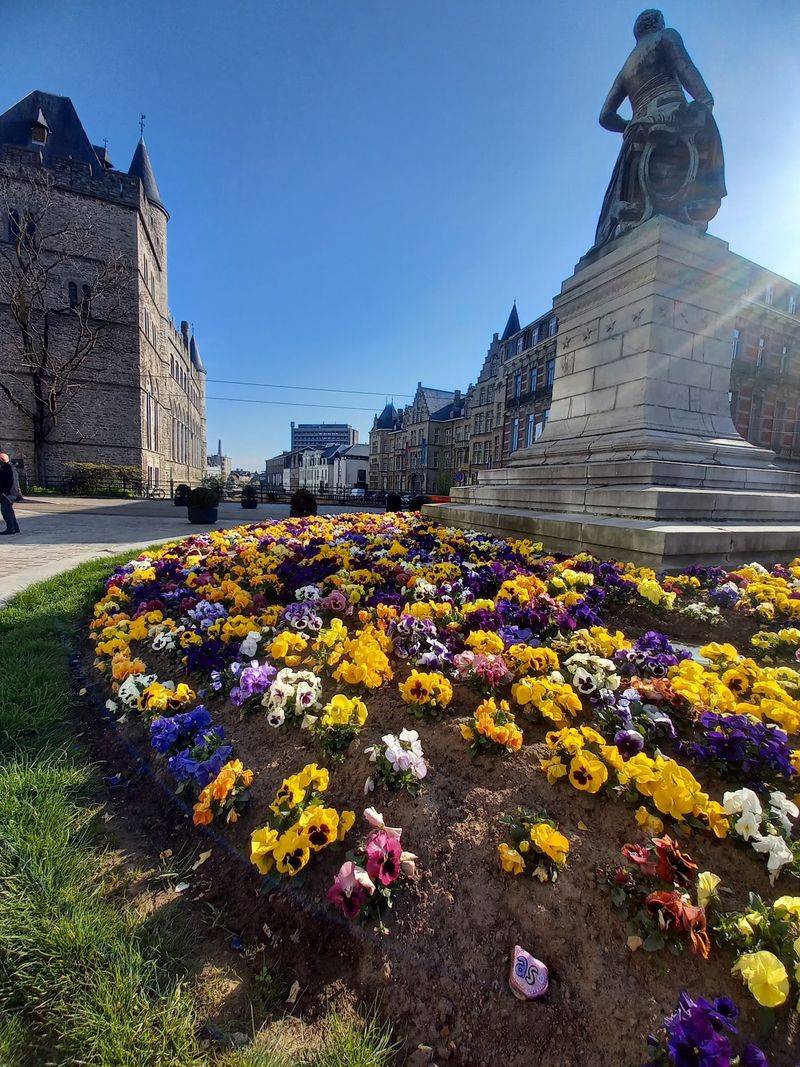
Ghent may be the only city in the world where three medieval towers stand close enough together that their bells can be heard simultaneously from a single spot. St. Bavo’s Cathedral, St. Nicholas Church, and the Belfry of Ghent form a trio of bell-ringing landmarks that define the city’s skyline.
The Belfry itself is a UNESCO-listed monument and houses the Roland Bell, which has rung as a symbol of civic freedom since the Middle Ages. Ghent’s bells have historically been tied to the city’s identity as a place of independence and trade.
Unlike Bruges, Ghent has a large student population and a thriving contemporary culture, which makes the medieval bell towers feel even more striking in contrast. The Graslei waterfront, lined with guild houses, offers one of the best listening spots in the city when the bells ring on the hour throughout the day.
Leuven, Belgium
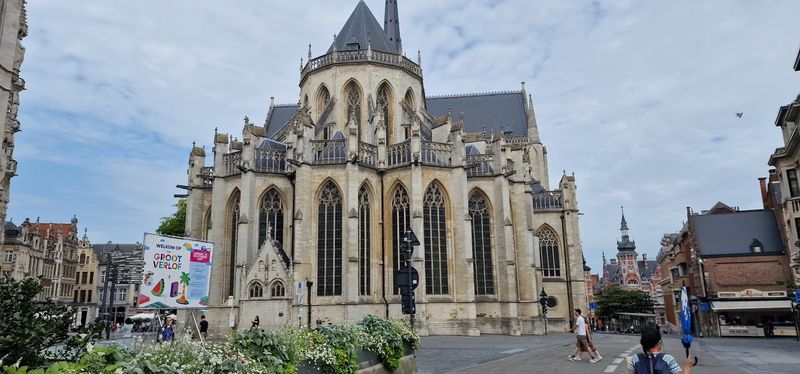
Leuven is home to one of the oldest universities in Europe, founded in 1425, and the city’s academic energy has always lived alongside a deep medieval heritage. St. Peter’s Church on the Grote Markt features a tower that was never fully completed, yet the bells inside still ring with authority across the surrounding square.
The church’s carillon adds musical depth to the hourly chimes, and regular carillon concerts are held throughout the year. Leuven’s compact old center makes it easy to wander from the university quarter to the market square while catching the bells from multiple angles.
What makes Leuven interesting is the blend of young energy and centuries-old architecture. Students cycle past Gothic facades daily, and the bells ring overhead without anyone stopping to notice, which is exactly how a living bell tradition should work.
For a day trip from Brussels, Leuven offers more texture than most visitors expect to find.
Utrecht, Netherlands
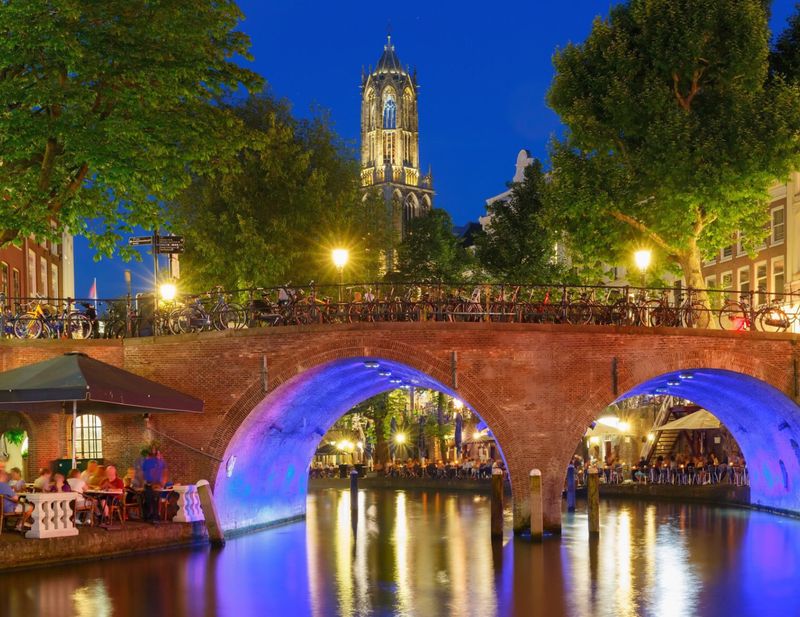
The Dom Tower in Utrecht is the tallest church tower in the Netherlands, standing at 112 meters, and its carillon of 50 bells is among the most celebrated in the country. The tower has been ringing over the city since the 14th century, and carillon concerts are still performed every Saturday and Sunday.
What makes Utrecht’s bell culture especially strong is the presence of the Netherlands Carillon School, which has trained bell players from across Europe and beyond. The Dom Tower stands apart from the Dom Church, since the nave connecting them collapsed in a 1674 storm and was never rebuilt, giving the tower a striking, solitary presence in the city center.
Utrecht is a canal city with a distinctive lower-level canal infrastructure, where cafes and restaurants sit at water level beneath the street. Hearing the Dom Tower bells echo through those stone-lined canal corridors is one of the more memorable acoustic experiences the Netherlands has to offer.
Weesp, Netherlands
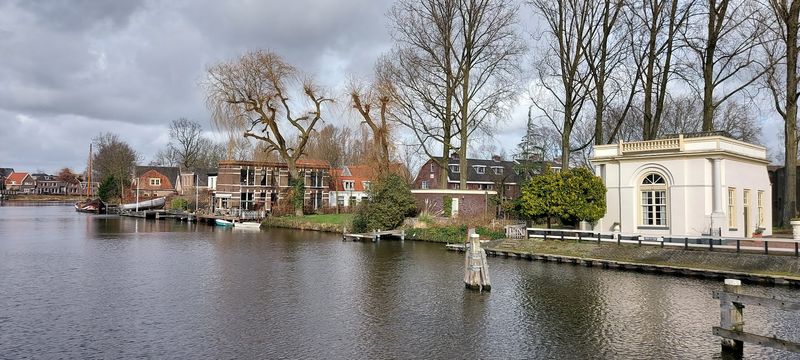
Weesp is a small Dutch town of around 20,000 people, located just east of Amsterdam, and it carries a disproportionately large bell heritage for its size. The St. Lawrence Church, known locally as the Grote Kerk, houses a historic carillon that has been part of the town’s rhythm for several centuries.
The town itself is a well-preserved example of a Dutch fortified town, with a canal-lined center and 17th-century architecture that has remained largely intact. Weesp became part of the Amsterdam municipality in 2022, but it retains its own distinct character and unhurried pace.
Visiting Weesp means stepping into a version of the Netherlands that most tourists never reach, even though it sits just 15 kilometers from Amsterdam. The bells of St. Lawrence ring over a town where the streets are quiet, the canals are calm, and the pace of daily life still matches the rhythm of the hourly chime rather than the other way around.
Copenhagen, Denmark
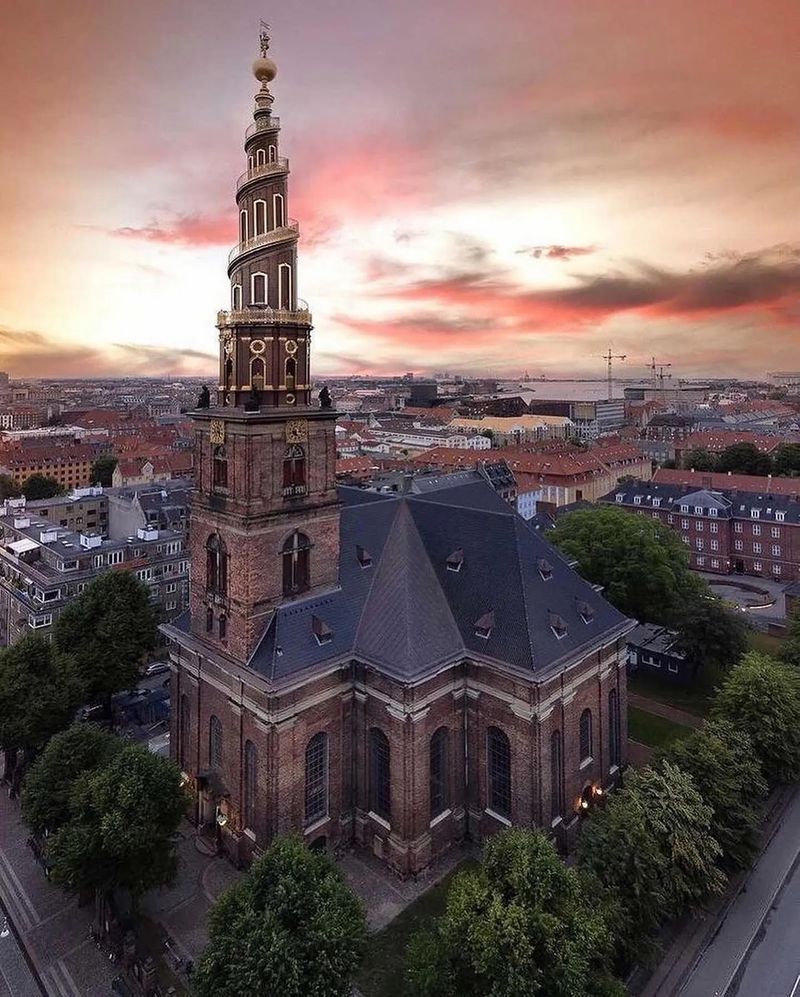
Copenhagen is a modern Scandinavian capital, but its church bell tradition runs deeper than the sleek design culture might suggest. The Church of Our Lady, known as Vor Frue Kirke, serves as the city’s cathedral and rings its bells for services, civic events, and national occasions.
The Round Tower, built in 1642 under King Christian IV, also features a bell that has marked time across the city for nearly four centuries. Copenhagen’s church bells became especially significant during times of occupation and national struggle, which is why many Danes still associate the sound with resilience and identity.
The city is very walkable, and the Latin Quarter around the cathedral gives you the best chance of hearing bells ring in a setting that still has some medieval street character. Copenhagen rewards slow exploration, and pausing to listen when the bells strike the hour adds a layer of historical connection to what is otherwise a very contemporary city.
Salzburg, Austria
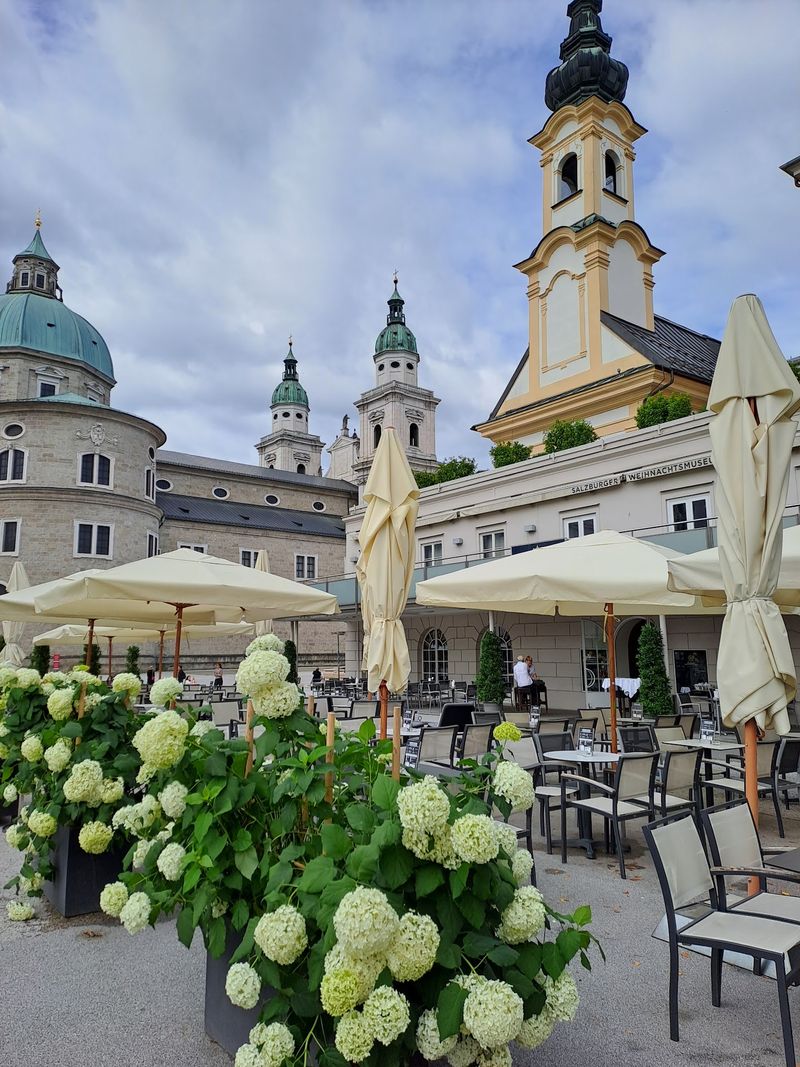
Salzburg has more churches per square kilometer than almost any other city its size in Europe, and the result is a layered, overlapping bell soundscape that has defined the city for centuries. The old town sits in a valley surrounded by hills, which means the bells echo and multiply in ways that feel almost orchestrated.
The Cathedral of Salzburg, the Collegiate Church, the Franciscan Church, and the Peterskirche all ring their bells throughout the day, and they rarely ring in perfect unison, which makes the effect feel organic rather than staged. Salzburg was the birthplace of Wolfgang Amadeus Mozart, and it is worth noting that he grew up hearing these exact bells from early childhood.
The old town is a UNESCO World Heritage Site, and most of it is walkable and car-free. The best spot to hear multiple bell towers at once is from the Kapitelplatz square, just beside the cathedral, where the sound arrives from several directions simultaneously.
Prague, Czech Republic

Prague’s Old Town Square is one of the most bell-rich public spaces in Europe. The Astronomical Clock, installed in 1410, performs an hourly mechanical show accompanied by bells, drawing crowds every hour of the day.
The Church of Our Lady before Tyn, with its dramatic Gothic twin spires, also rings its bells across the square.
St. Vitus Cathedral up in Prague Castle adds another layer, with its bells audible across much of the city depending on wind direction. Prague’s bell tradition survived centuries of political change, and the bells have rung through everything from imperial rule to communist-era restrictions.
The city is dense with churches, and nearly every neighborhood has at least one tower contributing to the daily soundscape. Visiting the Old Town Square at the top of any hour gives you the full experience, with the clock’s mechanical figures appearing just as the bells begin to ring, creating a moment that feels genuinely medieval despite the modern crowds around it.
Tallinn, Estonia
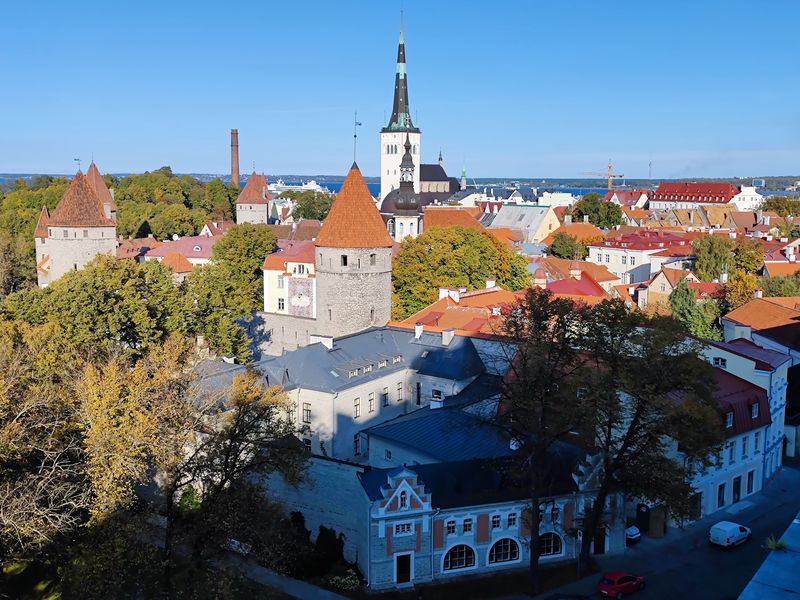
Tallinn’s medieval old town is one of the best-preserved in all of northern Europe, and its church bells are very much part of that living heritage. St. Olaf’s Church, which was once the tallest building in the world during the 16th century, still rings its bells over a skyline that has changed very little in five hundred years.
The Alexander Nevsky Cathedral adds a deeper, Russian Orthodox tone to the city’s bell mix, and the combination creates a layered sound profile that reflects Tallinn’s complex cultural history under Danish, Swedish, German, and Russian influence at various points.
Walking the old town walls gives you an elevated perspective on the city’s towers, and the bells are easiest to hear from Town Hall Square, which sits at the center of the medieval street grid. Tallinn remains one of the most affordable capital cities in Europe, which makes it an accessible destination for travelers who want genuine medieval atmosphere without heavy tourist pricing.
Bern, Switzerland
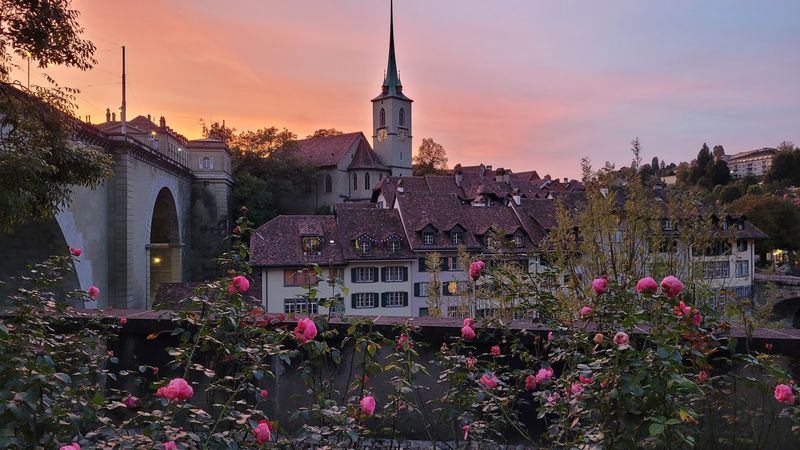
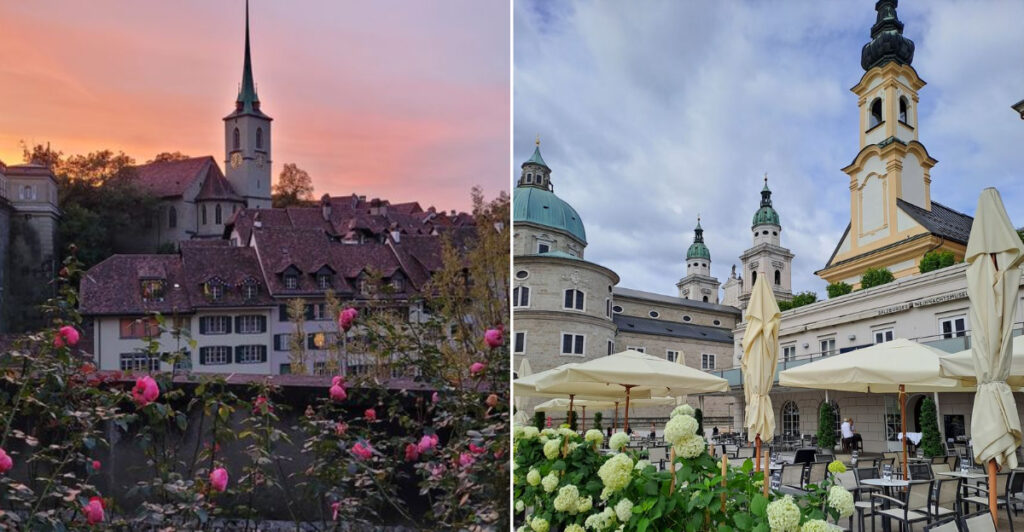
Bern’s Zytglogge, a medieval clock tower dating back to the early 13th century, is one of Switzerland’s most recognizable landmarks and one of the oldest functioning clock mechanisms in Europe. Its bells ring before each hour, accompanied by a mechanical figure show that has been running since 1530.
The Bern Minster, the city’s Gothic cathedral, adds its own substantial bell voice to the mix. The Minster’s main bell, known as the Susanna, weighs over 10 tons and is one of the largest church bells in Switzerland.
Bern’s old town sits on a peninsula above the Aare River, and the arcaded sandstone streets create a natural echo chamber for the bells. The city is also the federal capital of Switzerland, which gives the bell tradition an added civic weight.
Albert Einstein lived in Bern during the years he developed the theory of relativity, and the Zytglogge’s bells were part of his daily environment during that period.
York, England
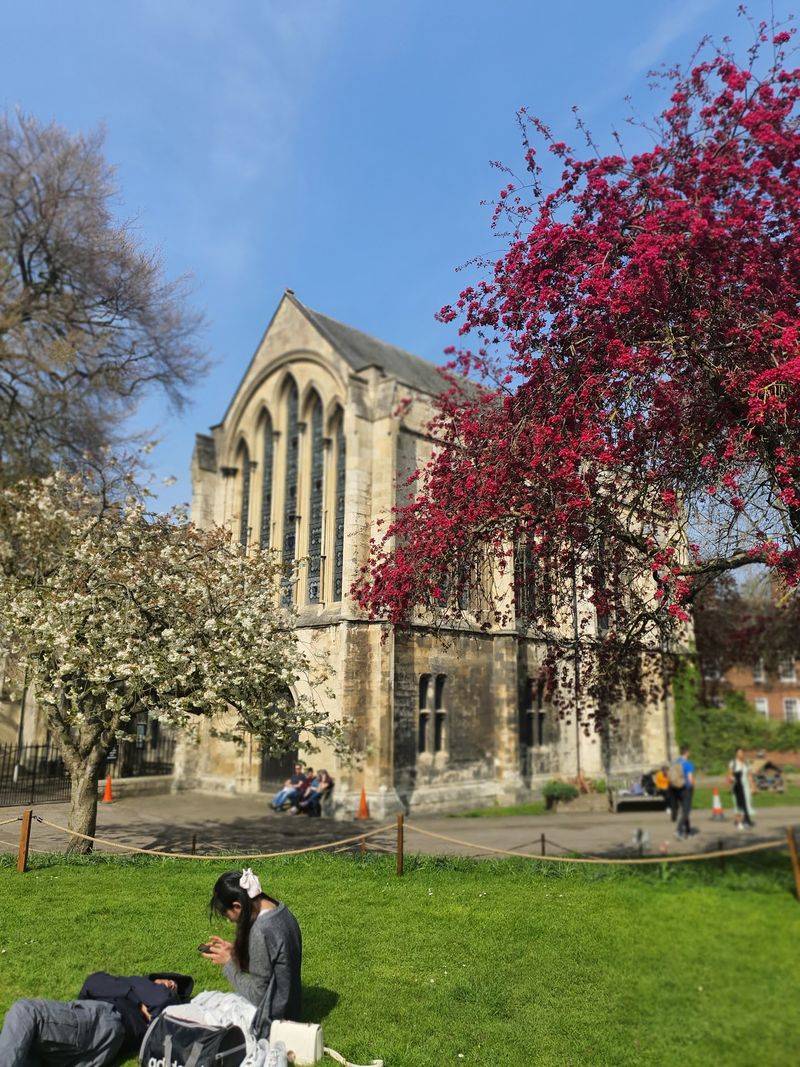
York Minster is one of the largest Gothic cathedrals in northern Europe, and its bells have been ringing over the city since medieval times. The Minster’s ring of twelve bells, along with its massive bourdon bell called Great Peter, creates a layered, powerful sound that carries across the city’s ancient walls.
York has over 45 churches within its medieval walls, and several of them still ring bells regularly, which means the city has one of the most active bell-ringing communities in England. Change ringing, the uniquely English tradition of ringing bells in complex mathematical sequences, is practiced at multiple churches throughout the week.
The Shambles, one of the best-preserved medieval streets in the world, sits just a short walk from the Minster, and hearing the bells ring from that narrow lane is one of those travel moments that connects you directly to how the city has felt for centuries. York’s city walls are free to walk and offer elevated views of the Minster towers.
Venice, Italy
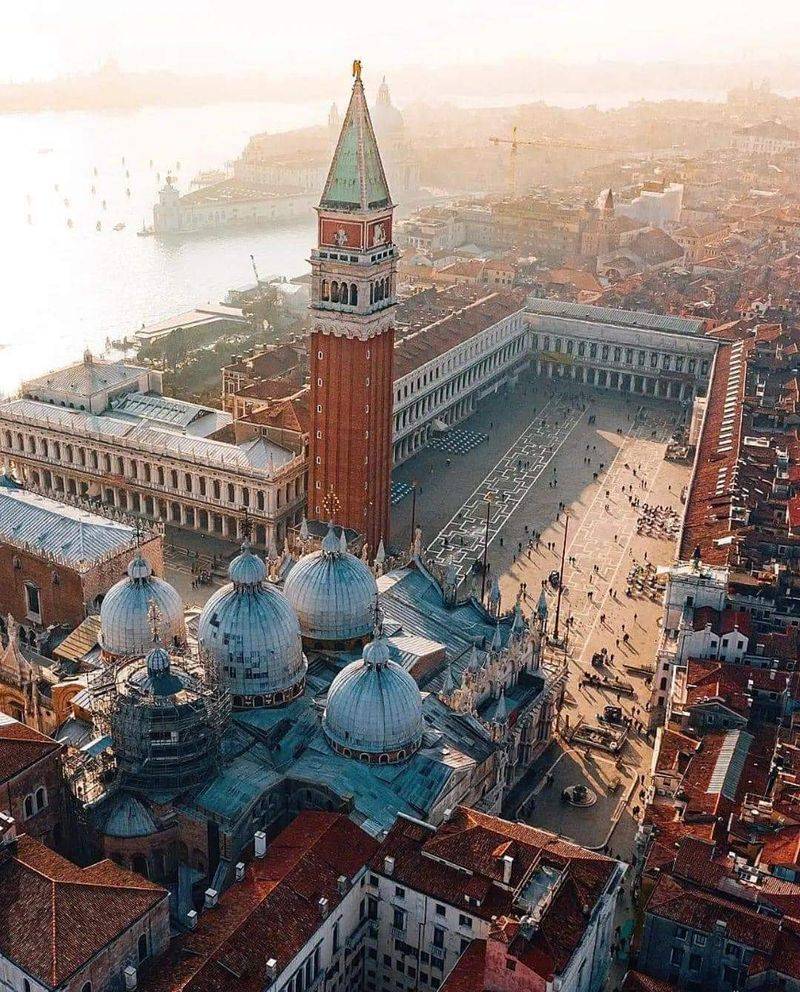
Venice has no cars, no traffic noise, and very few of the sounds that fill most European cities, which means the church bells here carry across the lagoon with unusual clarity. The city has around 170 church campaniles, and many of them still ring their bells on a regular schedule throughout the day.
St. Mark’s Campanile, the most famous of them all, stands 98.6 meters tall and rings five different bells for different purposes, including the Marangona, which historically marked the start and end of the working day for craftsmen.
Moving through Venice by foot or vaporetto while bells ring from multiple directions at once is one of the most distinctive acoustic experiences in Europe. The sound travels across water differently than it does over land, giving the bells a softer, more diffused quality.
Early morning is the best time to experience this, before the day crowds arrive and the city fills with the sounds of tourism.
Share this story