History’s most famous outlaws are often remembered for their daring crimes and dramatic showdowns, but there is so much more to their stories than the legends suggest. Behind every notorious name lies a collection of surprising, strange, and deeply human moments that rarely make it into textbooks.
From mysterious disappearances to unexpected acts of kindness, these lesser-known tales reveal a side of history’s most infamous criminals that most people never get to hear. Get ready to see some of the Wild West’s biggest names in a whole new light.
1. Jesse James’ Near-Fatal Childhood Injury
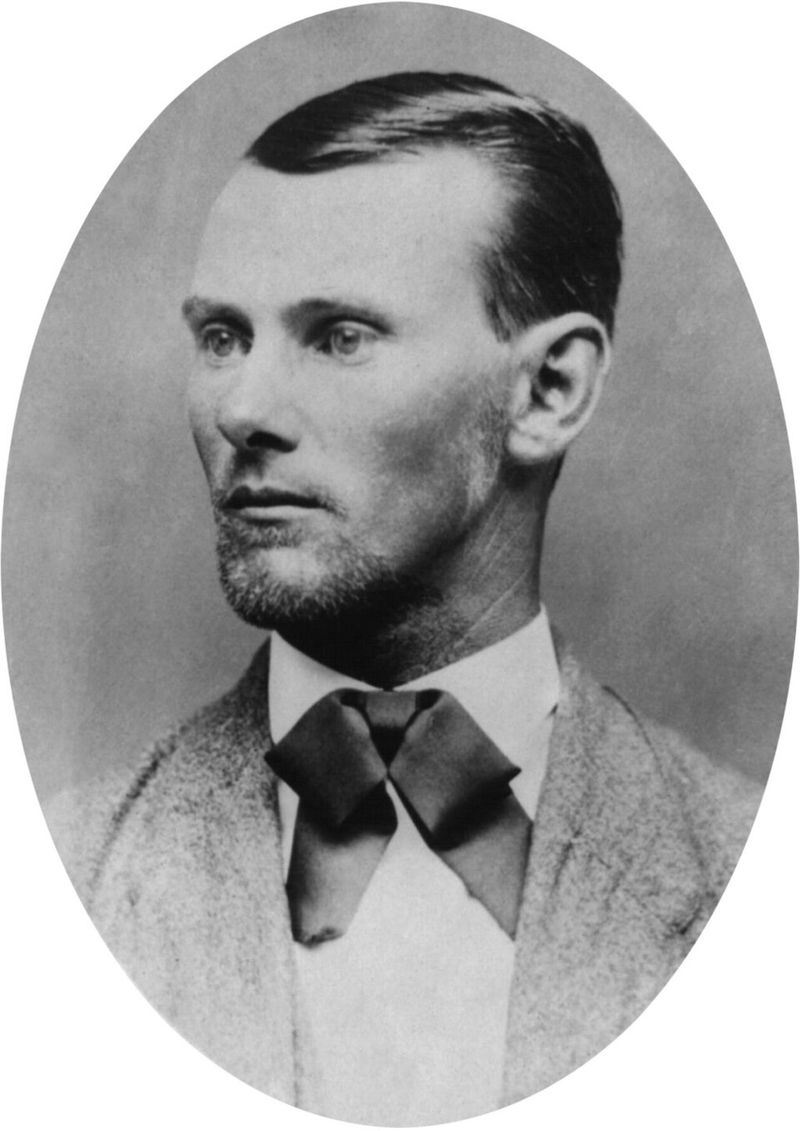
Long before Jesse James became one of America’s most wanted outlaws, he nearly lost his life on a Missouri farm. As a young boy, he accidentally shot off the tip of his own middle finger while working in the fields.
The injury was painful and left a permanent mark, but it did not slow him down.
Some historians believe this early brush with danger helped shape his fearless attitude toward risk. Jesse grew up in a time of intense conflict, with the Civil War dividing families and communities across Missouri.
His family’s struggles during that period pushed him toward a life outside the law.
What makes this story compelling is how ordinary it started. A farm boy with a bad injury became one of the most legendary figures in American history.
His childhood wounds, both physical and emotional, clearly left a lasting impression on the man he would become.
2. Butch Cassidy’s Mysterious Disappearance
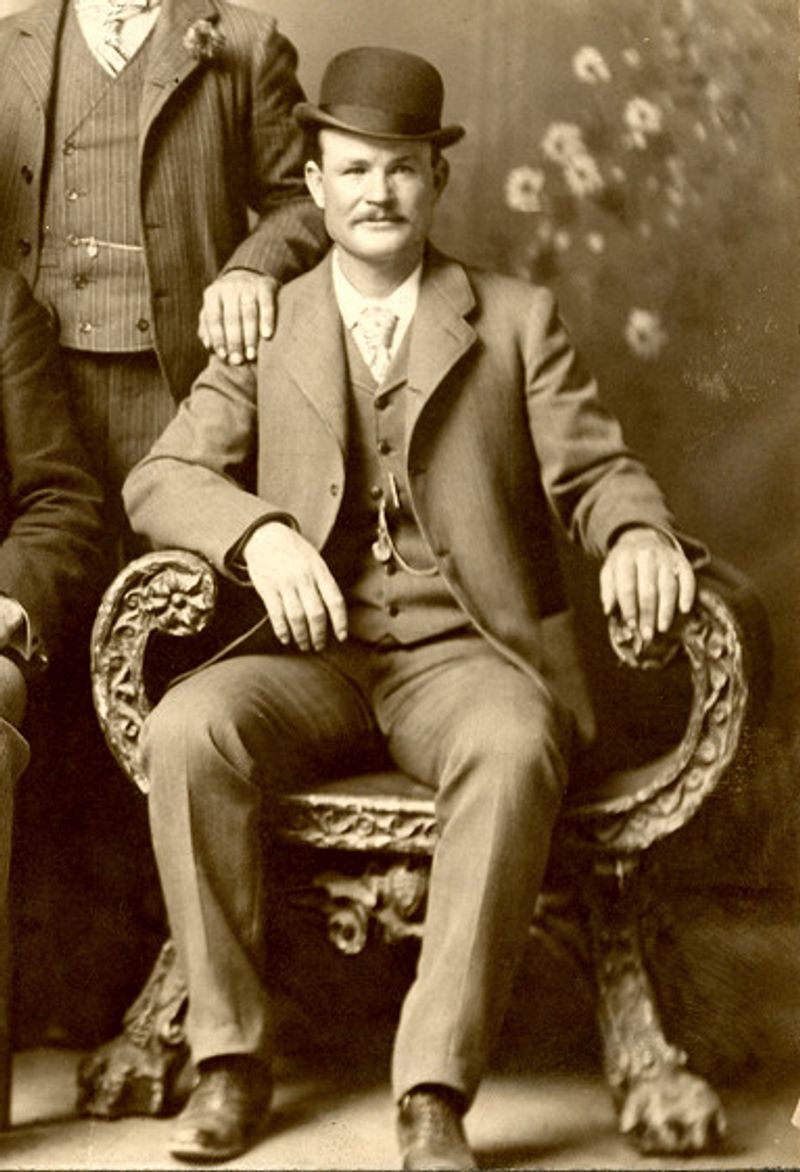
Most people know that Butch Cassidy and the Sundance Kid fled to South America to escape American law enforcement. What fewer people know is that Butch Cassidy’s death has never been officially confirmed.
The story of a shootout in San Vicente, Bolivia in 1908 became the accepted version of events, but doubts have lingered for over a century.
Several people came forward over the years claiming that Cassidy had survived and returned to the United States under a different name. His sister, Lula Parker Betenson, insisted until her death in 1980 that her brother had come home quietly and lived out his final years in peace.
No confirmed burial site or definitive proof of death has ever been found. Whether he died in Bolivia or slipped back into American life remains one of the great unsolved mysteries of the outlaw era.
The truth may never be known.
3. The Sundance Kid’s Possible Survival After Bolivia
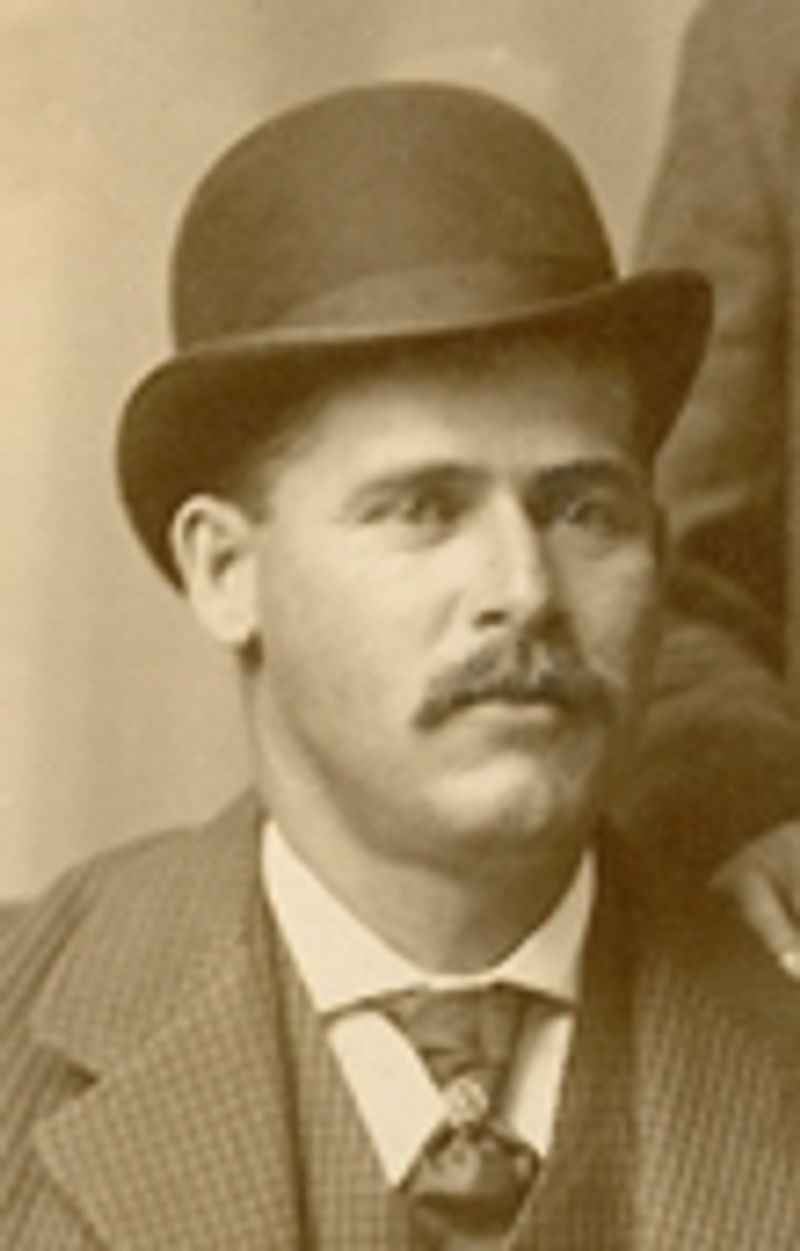
The Sundance Kid, born Harry Longabaugh, is widely believed to have died alongside Butch Cassidy in that famous 1908 Bolivian standoff. But historians and researchers have questioned this conclusion for decades.
The bodies were never positively identified, and official records from that time were incomplete at best.
A woman named Etta Place, who traveled with both outlaws to South America, reportedly disappeared from the historical record around the same time. Some researchers believe all three may have faked their deaths and returned to the United States separately.
DNA testing on remains from a San Vicente grave in the 1990s produced inconclusive results.
Stories of a man matching the Sundance Kid’s description living quietly in various American towns surfaced for years after the reported shootout. Whether he survived remains unproven.
His story is a reminder that history does not always wrap up neatly, no matter how dramatic the ending appears.
4. Belle Starr’s Unsolved Murder
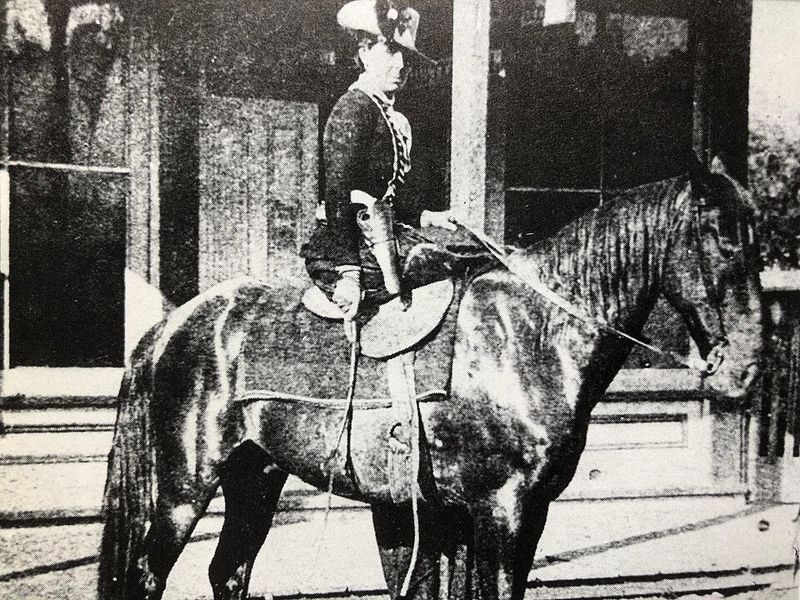
Known as the Bandit Queen of the West, Belle Starr lived a life full of controversy, crime, and colorful characters. On February 3, 1889, just two days before her 41st birthday, she was shot from her horse and killed on a rural road near her home in Indian Territory, which is now Oklahoma.
Nobody was ever charged with her murder.
Suspects ranged from a neighbor she had recently argued with to her own son, Edward, who reportedly had a troubled relationship with his mother. Some historians have pointed to former associates who may have had grudges against her.
The case was never fully investigated, and witnesses were scarce.
Belle Starr had made plenty of enemies during her lifetime, so the list of possible suspects was long. Her death remained as mysterious as her life.
To this day, no one has definitively solved the case, leaving her story with a haunting, unresolved ending.
5. Billy the Kid’s Escape Using a Stolen Revolver
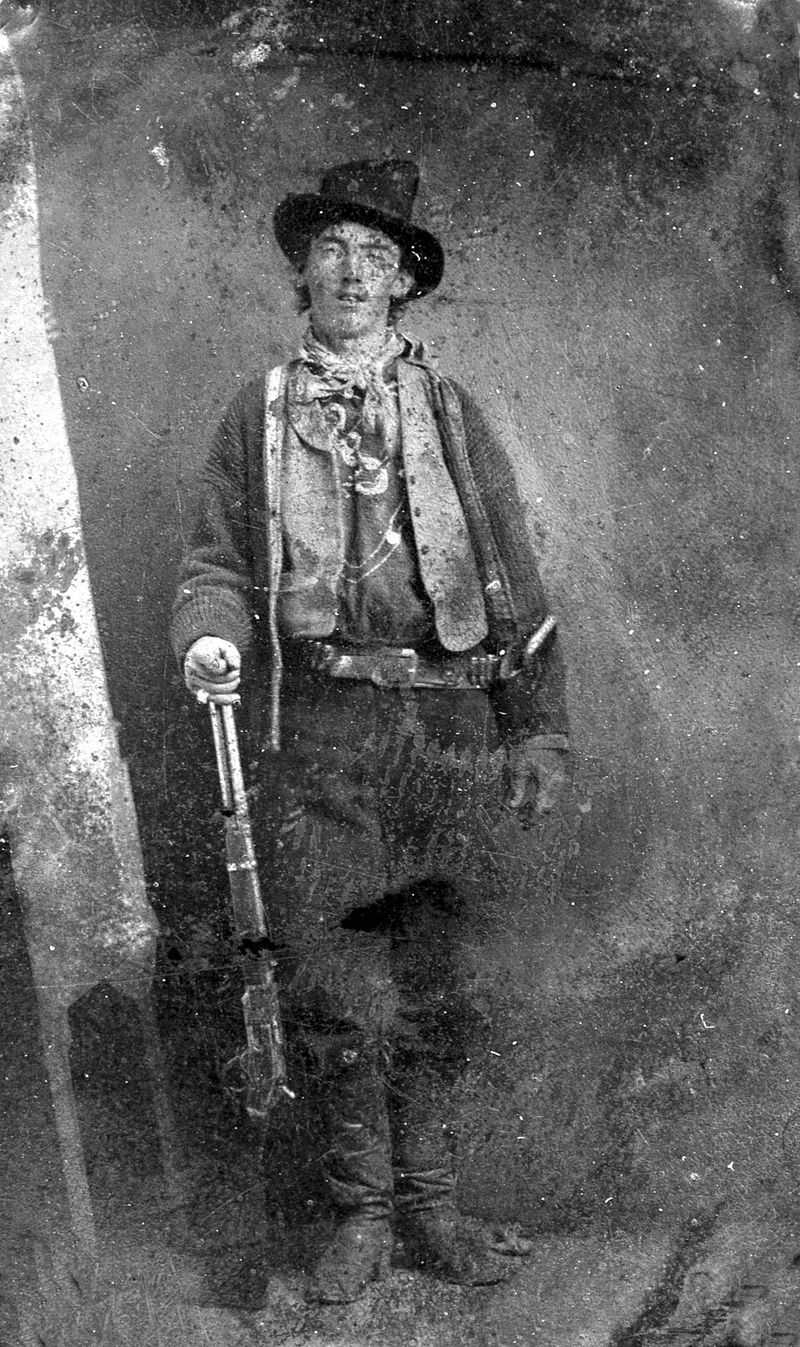
Billy the Kid pulled off one of the most daring jail breaks in American history on April 28, 1881, at the Lincoln County Courthouse in New Mexico. Sentenced to hang, he managed to escape while being held on the second floor of the building, killing two deputies in the process.
The exact method of how he obtained a weapon remains debated.
One widely accepted account suggests he slipped his notoriously small hands out of his handcuffs and found a revolver that had been left unattended, possibly by a sympathetic guard or hidden by a friend. His ability to move quickly and think on his feet was something even his enemies admired.
Billy walked away into the New Mexico landscape while an entire county scrambled to catch him. He remained free for several months before Sheriff Pat Garrett tracked him down.
That final escape attempt showed exactly why Billy the Kid had such an outsized reputation for cleverness and nerve.
6. Ned Kelly’s Homemade Bulletproof Armor
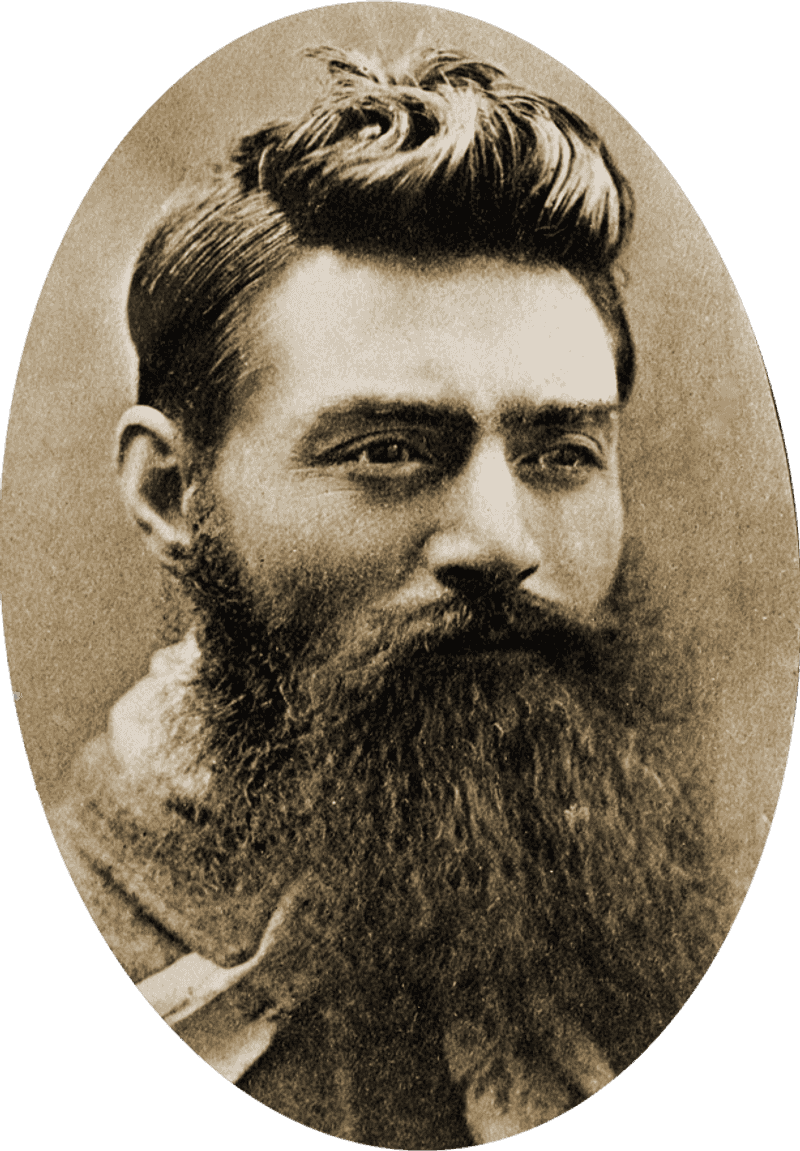
Ned Kelly is Australia’s most famous outlaw, and his final stand at Glenrowan in 1880 is the stuff of legend. What makes his story especially remarkable is the armor he wore during that confrontation.
Kelly and his gang spent months secretly crafting bulletproof suits from stolen plow parts, hammering iron into curved plates that covered their torsos and heads.
The helmets weighed around 10 kilograms each, and the full suit was incredibly heavy. During the Glenrowan siege, police fired dozens of rounds at Kelly, and the armor stopped most of them.
He was eventually brought down by shots to his unprotected legs.
The armor Kelly wore that day still exists and is displayed in museums across Australia. It stands as one of the most extraordinary examples of outlaw ingenuity in history.
Kelly was captured, tried, and hanged, but his iron suit became a symbol of defiance that Australians still debate and discuss today.
7. Joaquin Murrieta and the Legend Behind Zorro
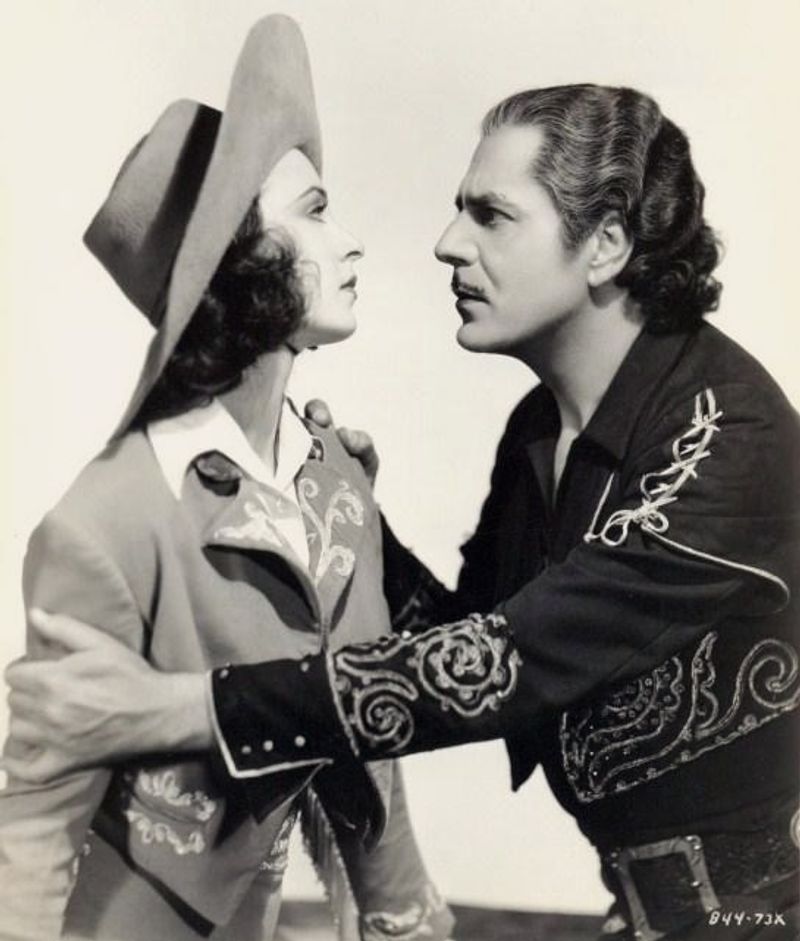
Most people know Zorro as a fictional masked hero, but the character may have been inspired by a real person. Joaquin Murrieta was a Mexican-American outlaw who operated in California during the gold rush era of the early 1850s.
He became famous for robbing miners and evading capture, earning both fear and admiration from different communities.
Writer Johnston McCulley, who created Zorro in 1919, never confirmed Murrieta as his inspiration, but historians and literary scholars have long noted the strong similarities between the two figures. Both were seen as avengers fighting back against injustice in California, and both captured the public imagination in powerful ways.
Murrieta’s story took a grim turn when California authorities offered a bounty for his capture. A man named Harry Love claimed to have killed him and presented a severed head as proof, though many doubted its identity.
The legend of Murrieta, much like Zorro himself, has never fully faded.
8. Black Bart, the Gentleman Stagecoach Bandit Who Left Poems
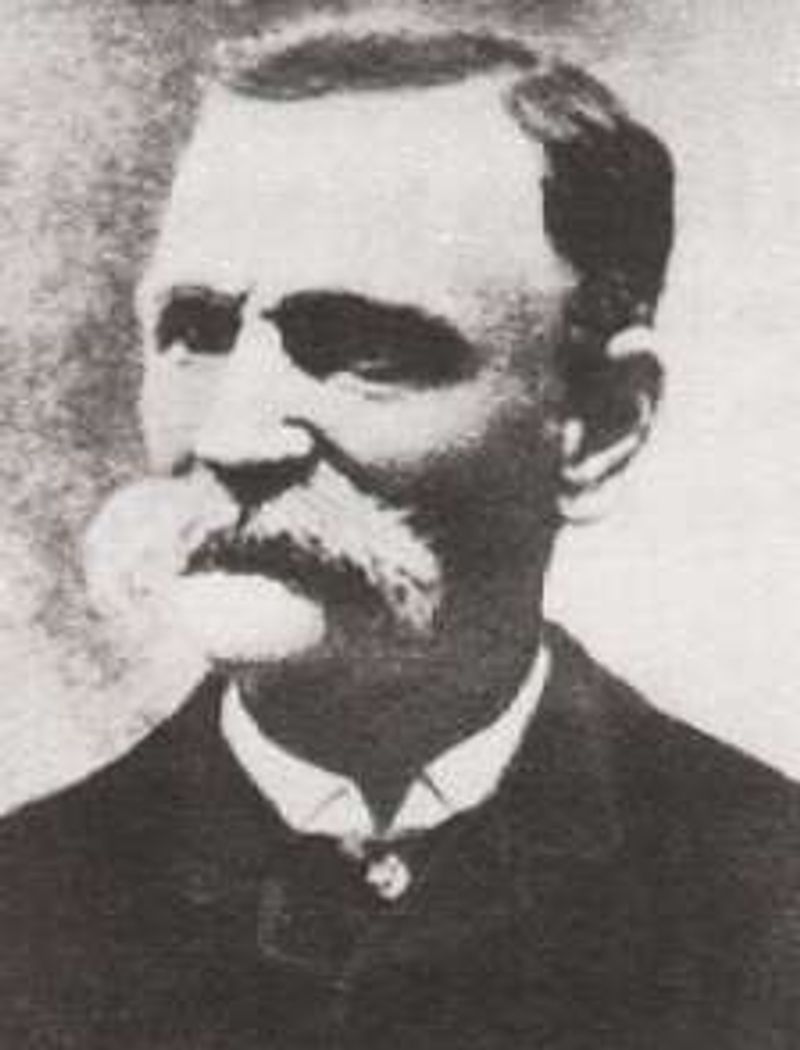
Charles Boles, better known as Black Bart, was unlike any other outlaw of his era. He robbed Wells Fargo stagecoaches at least 28 times between 1875 and 1883, yet he never fired a single shot.
He was polite to passengers, never took personal belongings from travelers, and occasionally left handwritten poems at the scene of his crimes.
One of his most famous verses read, “I’ve labored long and hard for bread, for honor and for riches, but on my corns too long you’ve tred, you fine-haired sons of bitches.” He signed them “Black Bart, the Po8,” using a clever play on the word poet.
When he was finally caught in 1883, investigators were stunned to discover he was a well-dressed, soft-spoken man who lived quietly in San Francisco. He served four years in prison and was released in 1888.
His combination of charm, wit, and nerve made him one of the most unusual criminals in American history.
9. John Dillinger’s Wooden Gun Escape
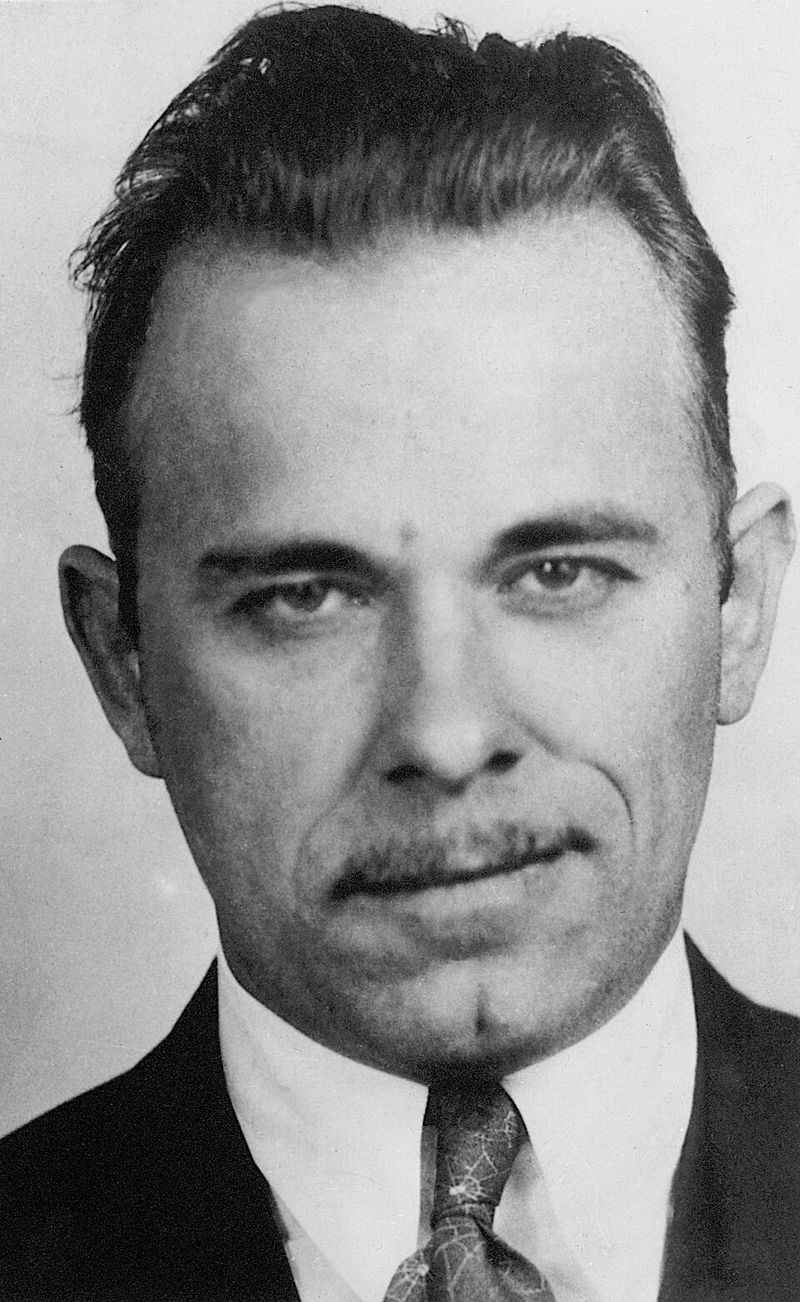
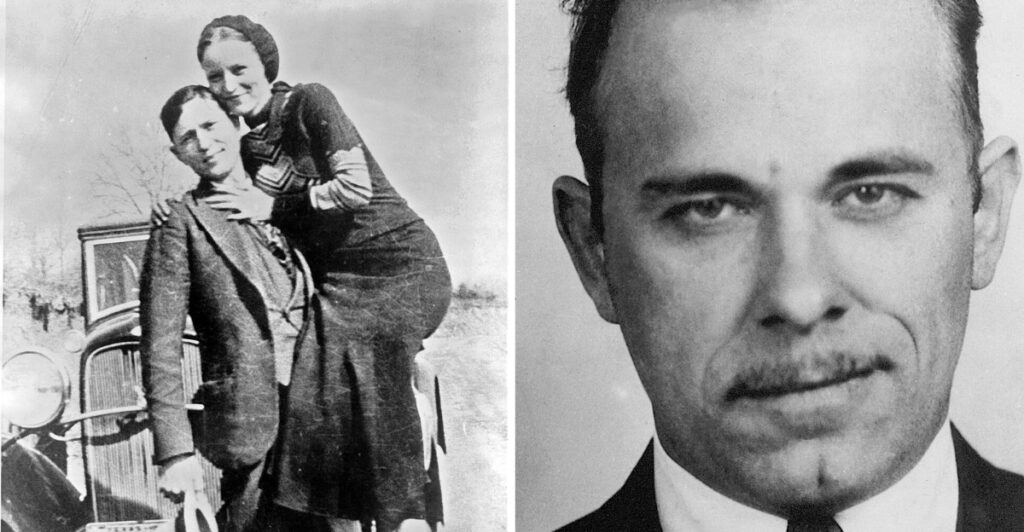
John Dillinger’s escape from the Crown Point Jail in Indiana on March 3, 1934 became one of the most talked-about prison breaks in American history. He reportedly carved a fake gun from a wooden washboard, darkened it with shoe polish, and used it to bluff his way past multiple guards.
The audacity of the plan was almost unbelievable.
Dillinger used the escape to embarrass law enforcement on a national level. He even posed for photos with the wooden gun afterward, grinning at the camera.
The FBI, led by J. Edgar Hoover, declared him Public Enemy Number One shortly after the escape.
Some historians have debated whether the gun was truly made of wood or if Dillinger had help smuggling a real weapon inside. Either way, he walked out of what was considered an escape-proof facility.
His ability to turn a desperate situation into a spectacle was a trademark of his criminal career.
10. Bonnie and Clyde’s Habit of Visiting Family Between Robberies
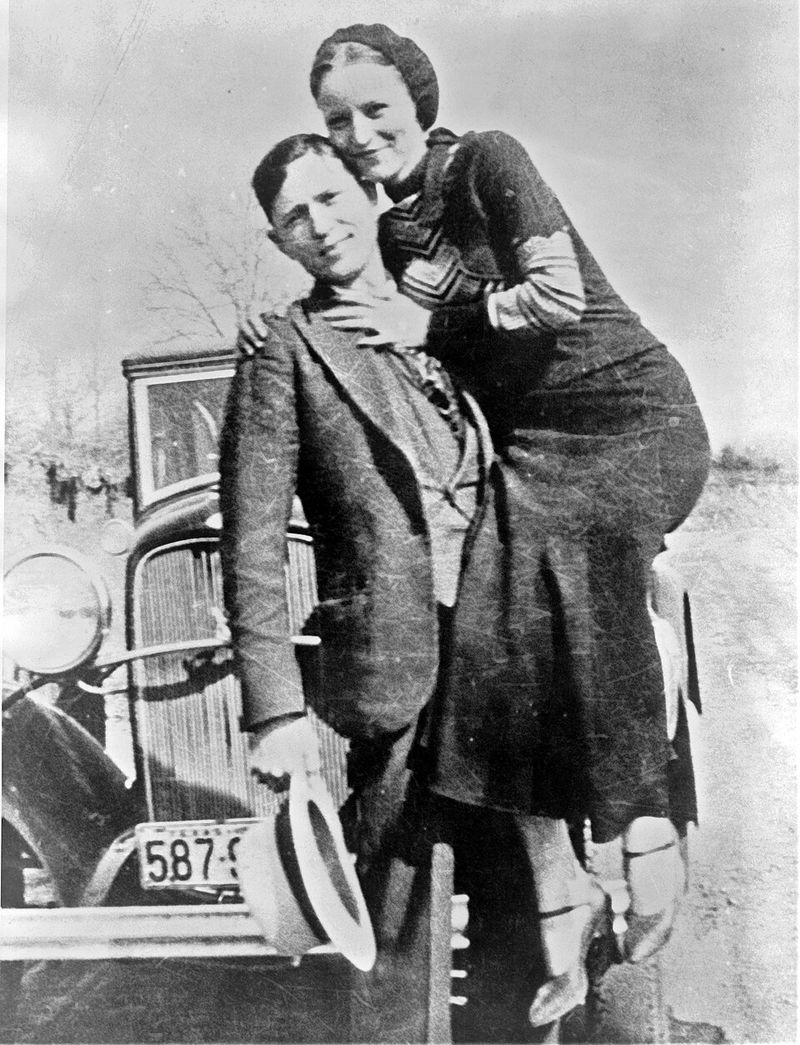
Bonnie Parker and Clyde Barrow are remembered for their violent crime spree across the American South and Midwest during the early 1930s. What often gets left out of their story is how frequently they returned home to visit their families, even while being hunted by law enforcement across multiple states.
The two were deeply attached to their relatives in Texas and reportedly arranged secret meetings with family members in remote locations. These visits were emotional and risky, as law enforcement was aware of the family connections and sometimes used them to track the couple’s movements.
Their devotion to family painted a more complicated picture of two people who, despite their crimes, craved normal human connection. It also contributed to their downfall, as authorities eventually used a family member to set up the ambush that ended their lives in Louisiana in 1934.
Love, in their case, proved to be a vulnerability they could never fully protect.
11. Pretty Boy Floyd’s Depression-Era Robin Hood Reputation
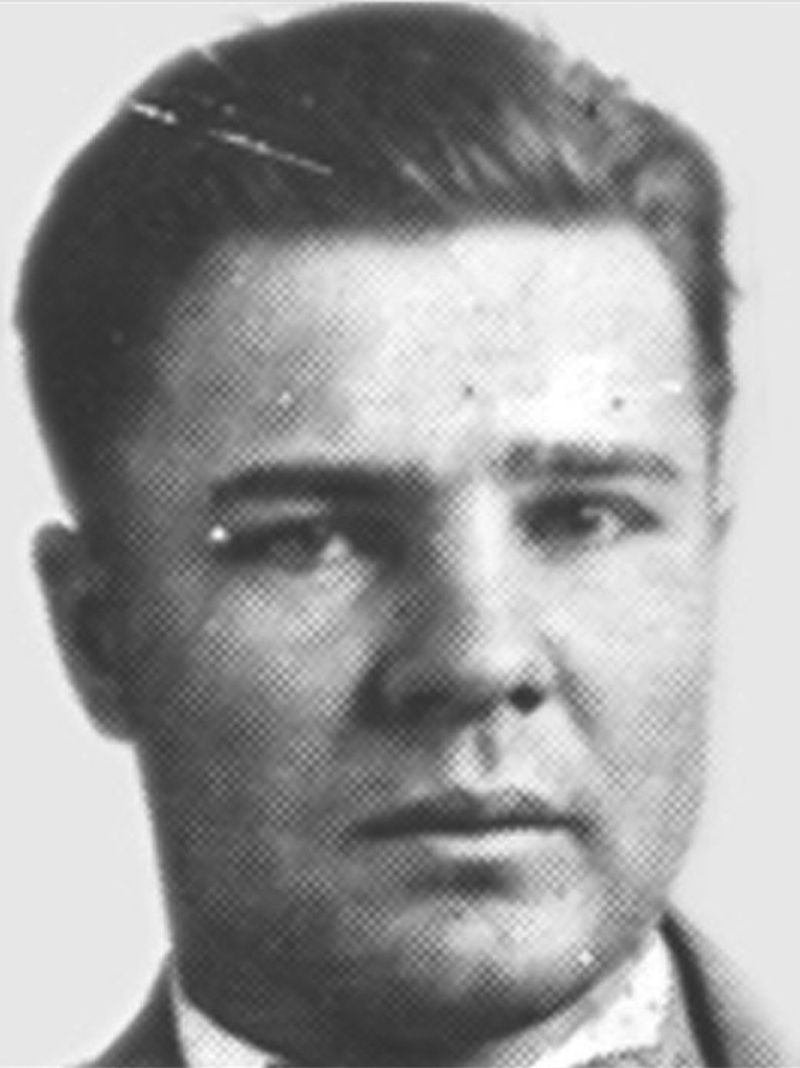
Charles Pretty Boy Floyd was one of the most wanted criminals in America during the 1930s, yet thousands of ordinary people across Oklahoma saw him as a hero. During the Great Depression, Floyd reportedly handed out money to struggling families, bought groceries for the poor, and burned mortgage documents during bank robberies, which freed farmers from their debts.
Whether all of these stories are fully accurate is debated by historians, but the reputation stuck. When he was killed by FBI agents in Ohio in 1934, an estimated 20,000 people attended his funeral in Oklahoma.
That turnout was extraordinary for a man the government had labeled a dangerous criminal.
Floyd’s story reflects the complicated feelings many Americans had toward banks and authority during the Depression. When people were losing their homes and farms, a man who robbed banks was sometimes seen as striking back on their behalf.
His legacy sits somewhere between criminal and folk hero, and that tension is what keeps his story alive.
12. Dick Turpin’s Mythologized Midnight Ride
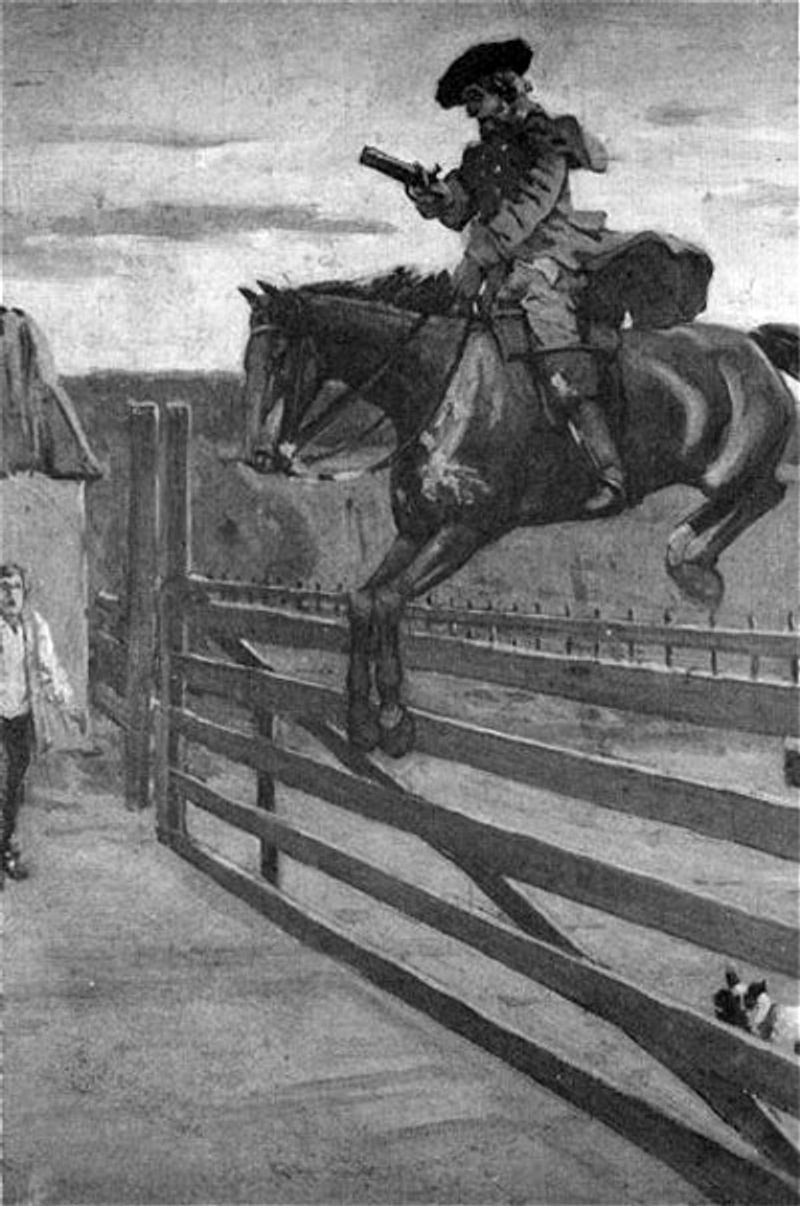
Dick Turpin is one of England’s most romanticized outlaws, famous for a legendary overnight ride from London to York on his horse Black Bess. The story goes that he completed the 200-mile journey in record time to establish an alibi.
It is a thrilling tale, but historians agree it almost certainly never happened.
The ride was invented by novelist William Harrison Ainsworth in his 1834 book Rookwood, which turned a brutal, violent criminal into a dashing romantic hero. The real Dick Turpin was a horse thief, burglar, and murderer who terrorized the English countryside.
He was hanged in York in 1739 for horse stealing.
Ainsworth’s novel was so wildly popular that the fictional version of Turpin completely replaced the historical one in public memory. It is a fascinating example of how literature can reshape a criminal’s legacy entirely.
The romantic highwayman people celebrate today bears almost no resemblance to the man who actually lived.
13. Captain Kidd’s Lost Treasure Legend
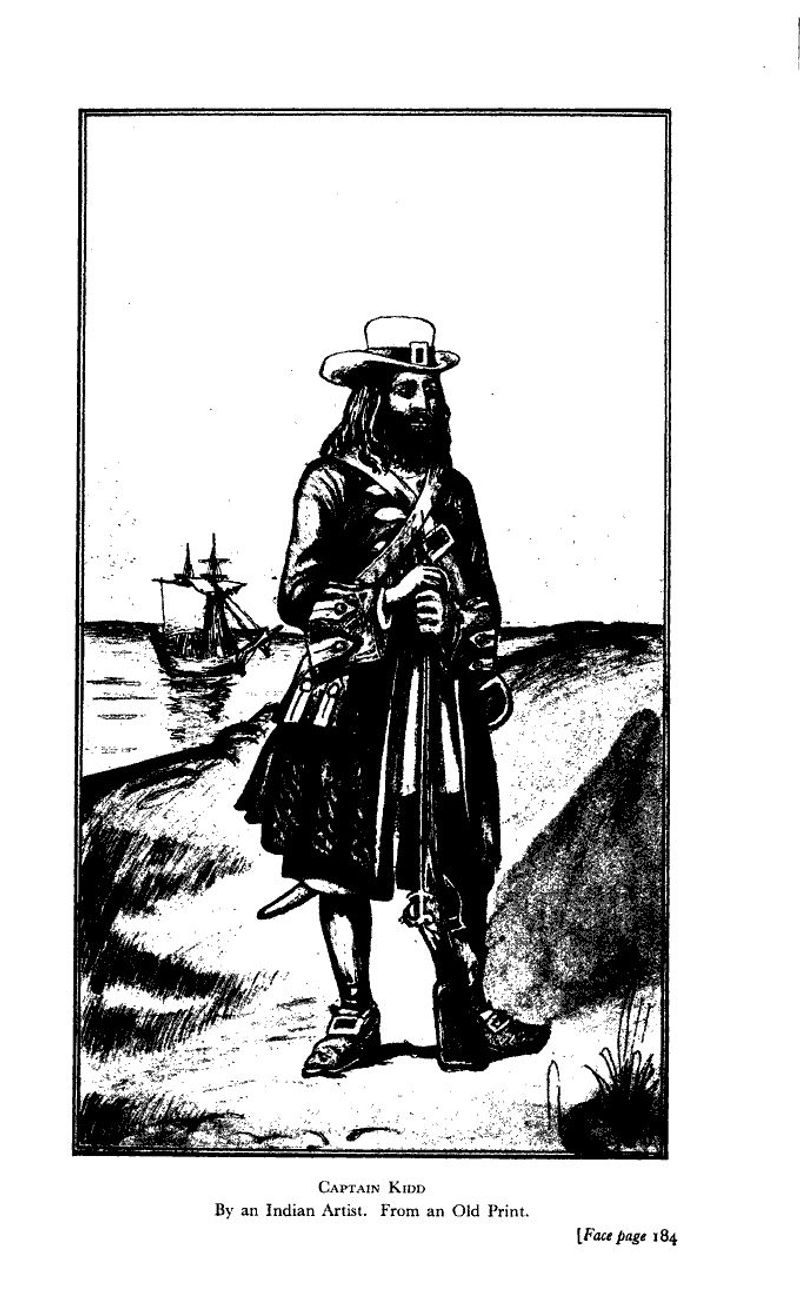
Captain William Kidd started his career not as a pirate but as a privateer, legally authorized by the English government to hunt pirates and enemy ships. Somewhere along the way, his mission went wrong, and he ended up being charged with piracy and murder.
He was hanged in London in 1701, but the story did not end there.
Before his arrest, Kidd reportedly buried a portion of his treasure on Gardiners Island off the coast of New York. That cache was recovered, but rumors spread that far more treasure remained hidden in secret locations.
Treasure hunters have been searching for Kidd’s lost fortune for over three centuries.
In 2015, a silver bar was reportedly found near Madagascar and initially linked to Kidd, though experts later questioned the claim. Whether significant treasure remains buried somewhere continues to fuel expeditions and speculation.
Captain Kidd’s story is proof that the line between privateer and pirate was often dangerously thin, and that legends outlast the people who inspire them.
14. Calamity Jane’s Friendship with Wild Bill Hickok
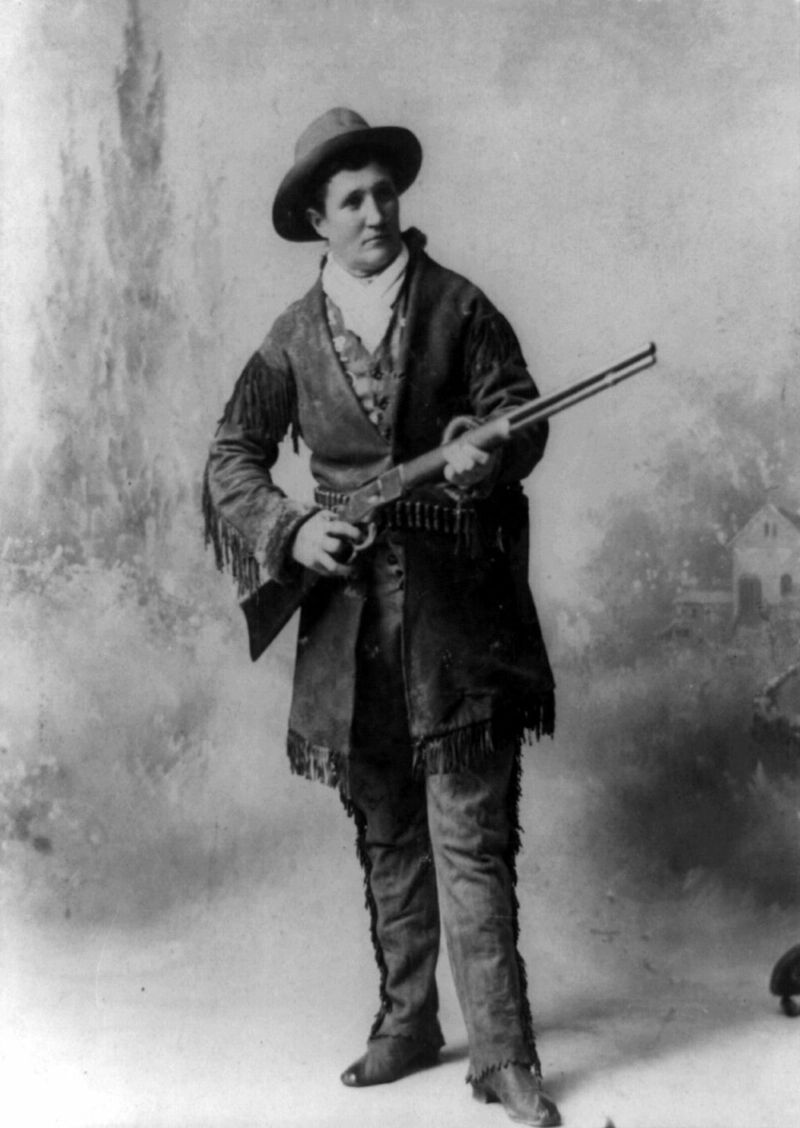
Martha Jane Cannary, known to history as Calamity Jane, had one of the most unique friendships in the entire Wild West era. Her bond with legendary lawman and gambler Wild Bill Hickok has been the subject of books, films, and countless debates.
The two met in Deadwood, South Dakota in 1876, and their connection was undeniable, though its exact nature remains unclear.
Calamity Jane later claimed they had been secretly married and even had a child together, but most historians consider these claims to be exaggerated or entirely fictional. What is well documented is that she was devastated when Hickok was shot and killed in Deadwood just weeks after their arrival.
She reportedly visited his grave regularly for the rest of her life and requested to be buried beside him when she died in 1903. That wish was honored.
Whatever the true nature of their relationship, her loyalty to Wild Bill Hickok lasted far beyond his lifetime and gave their story an enduring emotional weight.
Share this story