Royal courts were among the most competitive environments in human history. From the Tudor palaces of 16th-century England to the imperial courts of China and Spain, courtiers spent years cultivating influence, securing offices, and building the kind of access that translated directly into political power.
Yet for all that careful work, a courtier’s position could unravel with astonishing speed. One wrong alliance, one suspicious rumor, one shift in a monarch’s priorities, and a person who had appeared untouchable could vanish from the historical record almost overnight.
The reasons behind these disappearances range from political miscalculation to religious upheaval to simple bad timing. Understanding them reveals something important about how power actually functioned in premodern governments, where personal relationships carried as much weight as law or tradition.
Each of the following entries explores a distinct reason why once-prominent courtiers seemed to drop out of history entirely, and why their falls often came faster than anyone around them expected.
1. They Lost the Ruler’s Favor

Personal access to the monarch was the foundation of nearly every courtier’s political career, and losing it could bring down an entire structure of influence built over decades. Courtiers derived their offices, income, and social standing directly from the ruler’s goodwill.
When that goodwill disappeared, so did everything attached to it.
A rival’s well-timed whisper, a policy failure, or a monarch’s growing suspicion that a servant was becoming too prominent could all trigger the shift. Anne Boleyn’s swift fall from Henry VIII’s favor in 1536 remains one of the clearest examples of how completely a courtier’s world could collapse once royal confidence was withdrawn.
Dismissal from office or exclusion from royal audiences could be just as effective as more dramatic punishments. For people whose identities depended entirely on proximity to the throne, being denied that proximity was enough to end a political life completely.
2. They Were Accused of Treason

Treason accusations moved faster than almost any other political force in a royal court, and they were devastating precisely because they were so difficult to disprove once made. The charge could involve a genuine conspiracy, contact with a foreign power, or support for a rival claimant to the throne.
It could also be entirely fabricated for political convenience. Henry Howard, Earl of Surrey, was executed in 1547 after placing royal arms in his coat of arms, an act interpreted as a claim to the throne regardless of his actual intentions.
Once the accusation hardened, allies rushed to distance themselves, property was confiscated, and titles evaporated. Proof did not always need to meet rigorous legal standards.
Political testimony or coerced confessions were frequently sufficient to seal a courtier’s fate and erase their presence from the public record entirely.
3. They Backed the Wrong Heir
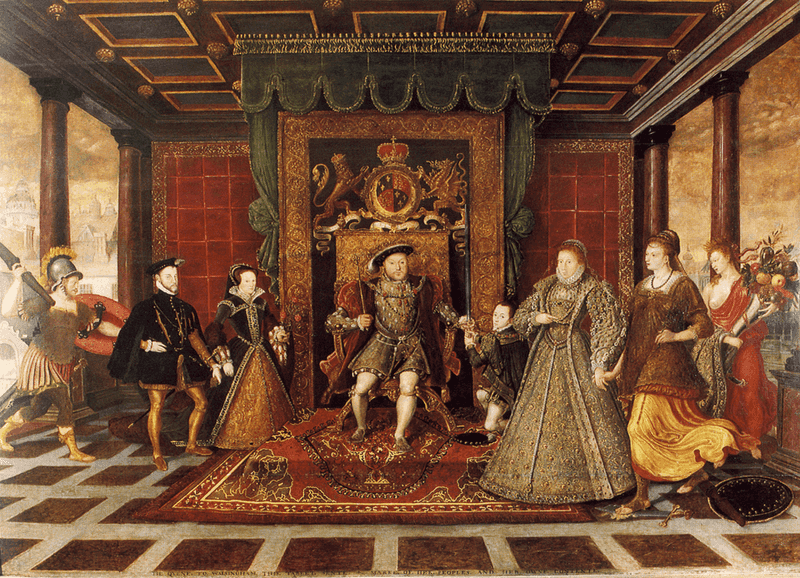
Succession politics forced courtiers into one of the most dangerous gambles in court life. Whenever a ruler had multiple potential heirs or an unclear line of succession, everyone near the throne had to decide where their loyalties would land, often before the outcome was obvious.
Backing the eventual winner could bring offices, lands, and lasting influence. Backing the loser could mean immediate dismissal, exile, or worse under the incoming regime.
A new monarch typically arrived with a trusted circle of supporters who expected to fill key positions, leaving the previous faction exposed.
Even studied neutrality could be dangerous if the new ruler read caution as hidden opposition. This dynamic explains why royal deaths so frequently produced abrupt personnel changes at court.
A courtier did not need to commit any formal offense. Simply standing on the wrong side of a succession dispute was enough to erase years of careful advancement.
4. They Married Without Permission

Marriage at court was never purely a personal decision. Unions between prominent courtiers could forge new political alliances, concentrate family power, or raise uncomfortable questions about succession and influence, all of which made monarchs deeply interested in who their courtiers chose to wed.
Margaret Douglas, niece of Henry VIII, faced royal fury twice for contracting marriages without permission. Her first offense, a match with Thomas Howard, led directly to Howard’s condemnation.
The pattern repeated because the political stakes of an unauthorized union were simply too high for any ruler to overlook.
Secret marriages were especially explosive. A courtier who quietly wed a royal relative, wealthy heiress, or politically connected figure risked being accused of deliberate overreach.
Imprisonment, banishment, loss of income, and confiscation of estates were all possible consequences. What appeared to be a private romantic decision could shift court alliances so dramatically that palace doors closed permanently afterward.
5. They Became Too Powerful

Court politics rewarded ambition right up to the point where ambition started looking like a threat. A successful courtier who accumulated titles, estates, military commands, and direct access to the ruler could appear indispensable, at least for a while.
Eventually that concentration of influence made rivals nervous and gave the monarch reason to wonder whether the servant had become too difficult to control. The Duke of Lerma, favorite of Philip III of Spain, is a clear example.
His administration accumulated enormous power through the early 17th century, but the very scale of that power made his position politically unsustainable, and he fell from grace as opposition mounted.
Once a courtier appeared to overshadow the office he served, enemies could frame ordinary decisions as evidence of arrogance or disloyalty. The ruler who had elevated the favorite could become the same person who dismantled him.
Obscurity was sometimes the safer career path.
6. They Were Blamed for a Failed War
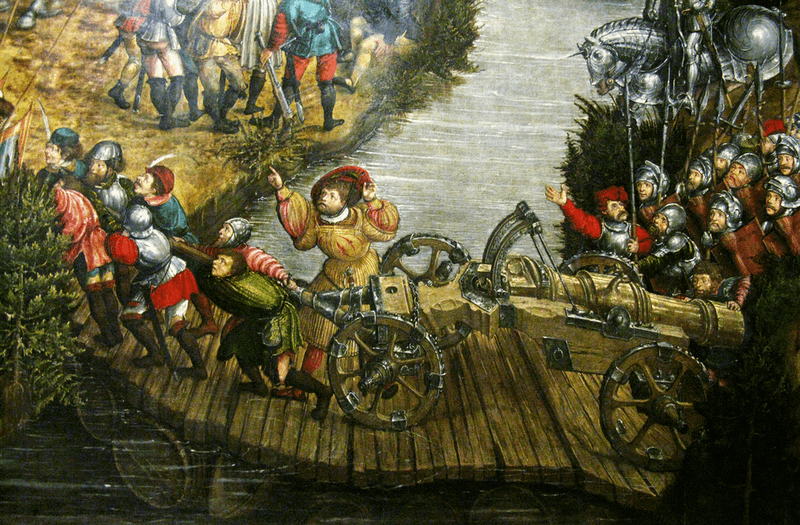
Military disasters had a reliable way of ending political careers. Courtiers involved in advising the ruler, organizing campaigns, or commanding armies became convenient targets when a war went badly, because the monarch had every incentive to ensure blame did not point toward the throne.
An accused courtier might face charges ranging from incompetence to deliberate sabotage of the war effort. Even someone who had warned against the campaign could be swept away if the political climate demanded a clear scapegoat.
The consequences ranged from dismissal to something considerably more severe.
Military failure also reshuffled court factions quickly. Supporters of a failed strategy lost influence almost immediately, while rivals who had advocated a different approach gained access and power.
A courtier who appeared dominant during the months before a campaign might return from defeat to find that everyone had already decided his career was finished and moved on without him.
7. They Became a Scapegoat
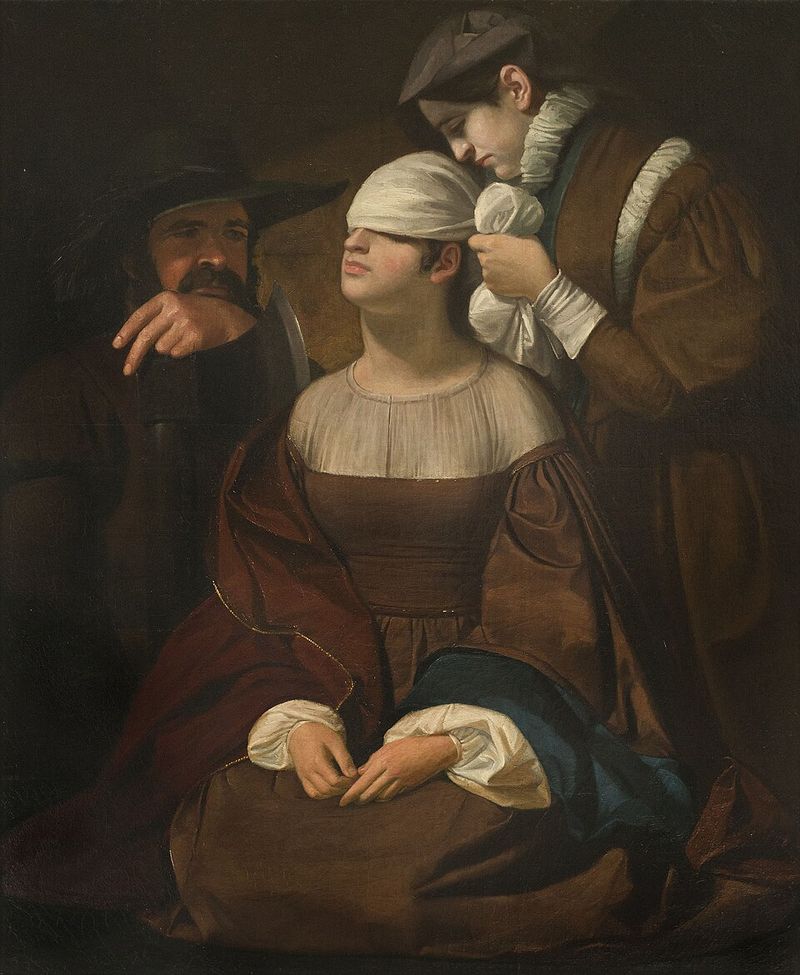
Royal courts were highly practiced at locating someone to absorb public anger. Economic hardship, unpopular taxes, expensive wars, or widespread unrest created pressure around the throne, and removing a visible courtier offered a practical release valve without requiring the ruler to accept any personal responsibility.
Favorites were particularly exposed because the same closeness that had made them powerful also made them visible targets. Sometimes a dismissal was sufficient to calm opposition.
In sharper cases, a prosecution or public punishment demonstrated that the ruler had corrected the problem, even if the courtier had not committed any obvious offense.
Their usefulness had simply changed. They were no longer valuable as advisers.
They had become more valuable as evidence that the ruler was taking action. A courtier could spend years benefiting from royal favor only to discover that a shift in public mood had made their downfall the most politically convenient option available.
8. They Were Caught in a Religious Shift

Religious upheaval could reshape a court almost instantly, and courtiers who had built careers around one doctrinal position could find themselves dangerously exposed when the official faith shifted. England’s Reformation years produced some of the most dramatic examples, as courtiers associated with Catholic practices suddenly became liabilities under Protestant administrations, and vice versa.
The problem was especially acute because religion and politics were nearly inseparable during this period. Supporting the wrong doctrine could imply loyalty to a rival foreign power or a competing dynasty, turning a private matter of belief into a public security concern.
Dismissal, exile, and imprisonment all followed for those who could not adapt quickly enough. Even courtiers who survived learned to navigate the new landscape with considerable caution, forming new alliances and speaking carefully about their convictions.
A strong association with yesterday’s orthodoxy was frequently enough to ensure someone would not appear in tomorrow’s court records.
9. They Were Linked to a Sexual Scandal
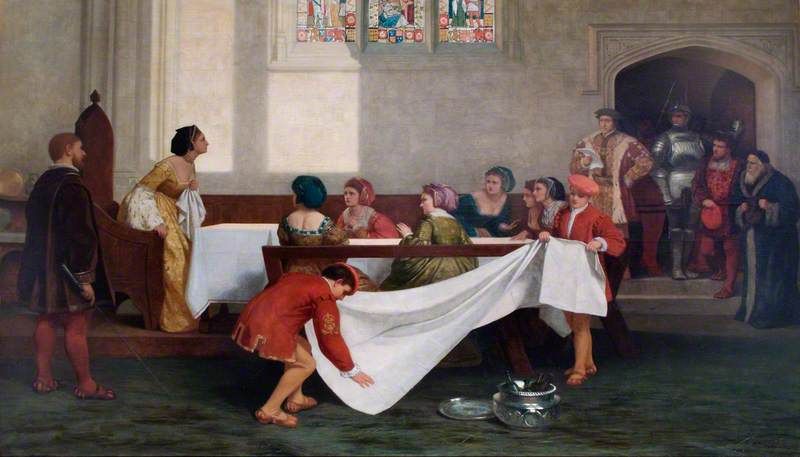
Court gossip could shatter reputations faster than any formal legal proceeding. An affair involving the monarch, a royal spouse, or a prominent heir was rarely treated as a private matter.
Such accusations raised immediate questions about legitimacy, loyalty, and political manipulation that the court could not afford to ignore.
Women were especially vulnerable to sexual accusations because courts applied far stricter moral standards to their behavior than to men. But men were also at serious risk if an affair suggested interference with royal authority or loyalty to a rival.
Anne Boleyn’s prosecution in 1536 involved multiple accusations of this kind, regardless of how historians have since evaluated their credibility.
Scandals spread faster than investigations could contain them. By the time any formal process began, the accused courtier was often already imprisoned, exiled, or socially finished.
Reputation functioned as political currency at court, and once it was gone, recovery was rarely possible through any available means.
10. They Offended the Wrong Rival
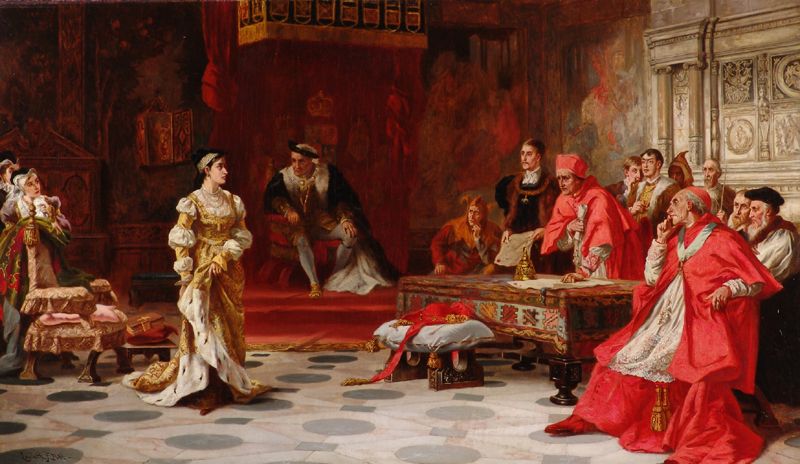
Not every courtier’s downfall began with the monarch. Royal courts were crowded with ambitious families, ministers, military leaders, and ecclesiastical figures all competing for access and influence, and acquiring one determined enemy in that environment could be enough to end a career entirely.
A rival might block appointments, circulate damaging rumors, expose financial irregularities, or simply manipulate access to the ruler in ways that made continued influence impossible. Because court politics depended so heavily on personal relationships, enemies could sometimes destroy a person without ever making a direct accusation.
They simply made access to power progressively harder to maintain.
Newcomers who had risen quickly were particularly vulnerable because they often lacked the deep aristocratic family networks that provided protection for established courtiers. Even genuine competence offered limited defense against a well-connected opponent who had decided the relationship had become intolerable.
One influential enemy could compress a promising career into a very brief chapter.
11. They Were Sent Into Exile
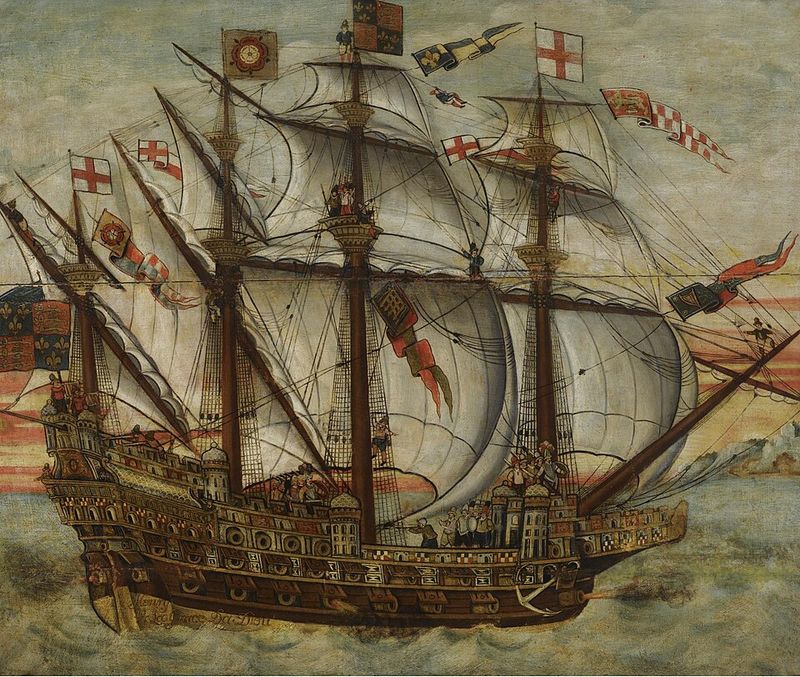
Exile was one of the tidiest solutions available to a ruler who wanted to neutralize a troublesome courtier without the political complications of a public prosecution. An order to leave the capital, retire to a country estate, or depart the kingdom entirely could accomplish the same practical result as imprisonment, at considerably less cost.
For someone whose entire career depended on daily access to information, personal audiences, and the cultivation of allies, distance was devastating. Once outside court, a former favorite quickly became irrelevant as rivals filled the empty space.
Some exiles petitioned for years hoping for a forgiveness that never arrived.
Historical records often grow noticeably sparse after such removals because the person’s political significance had been deliberately reduced. That silence can create the impression of someone vanishing entirely.
What actually disappeared was not necessarily the person but their access to the world where their importance had once been real and consequential.
12. They Were Imprisoned Without a Public Trial

Quiet imprisonment offered rulers a flexible tool that a public trial could not. Confining a troublesome courtier in a tower, fortress, monastery, or designated private residence removed them from political life without creating the spectacle of formal proceedings or the risk of turning the accused into a martyr.
Such confinements could last months or years with severely restricted outside contact. The uncertainty itself functioned as punishment.
Without a public trial, supporters had fewer opportunities to rally on behalf of the accused, and the ruler retained full flexibility to release, continue confining, or later prosecute the prisoner depending on how circumstances developed.
Historians often find striking gaps in the documentary record after these episodes, as names that appeared regularly in official correspondence simply stop appearing. That silence was frequently deliberate.
Imprisonment did more than restrict movement. It severed the courtier from the political network that had generated their importance, effectively ending their public existence without requiring a formal verdict.
13. They Were Executed After a Sudden Reversal

One of the most unsettling patterns in court history is how quickly a person could move from the ruler’s table to a formal sentence. The speed was possible because royal favor could collapse faster than legal institutions could offer any meaningful protection to the accused, particularly when treason was involved.
Thomas Seymour, Lord Admiral of England, was executed in 1549 after a series of reckless political moves that included attempting to marry Princess Elizabeth without authorization. His rise had been swift, but his fall was faster, compressed into weeks once the Privy Council decided he had become a liability.
Execution also sent a signal beyond the individual. It warned everyone else at court that closeness to power was not the same as safety.
Estates and titles could be confiscated, and families might spend generations trying to recover from the damage. A courtier’s ascent could take decades.
Their fall, once started, often took very little time at all.
14. A New Regime Erased Their Importance

Sometimes a courtier’s disappearance from history had nothing to do with personal failure. When a dynasty collapsed, a conqueror entered the capital, or a political revolution dismantled the court system entirely, even loyal and highly capable courtiers could become irrelevant within days.
The offices they held might cease to exist under the new order. Titles could be abolished.
Property could be seized. Records of their contributions might be deliberately suppressed or simply ignored by incoming governments that had no interest in preserving the legacy of the previous administration.
Later historians tended to focus on the rulers and revolutionaries who replaced the old order, pushing yesterday’s influential figures into footnotes. This kind of disappearance was distinct from personal disgrace because the courtier had not necessarily made a mistake.
The political world that had given them purpose and standing simply stopped existing. Mastering every rule of palace life could still prove futile if someone else rewrote the rules entirely.
Share this story