Australia is home to animals that exist nowhere else on the planet, and finding them in the wild is one of the most rewarding experiences any traveler can have. From tiny marsupials that shuffle through woodland at dawn to egg-laying mammals diving beneath river surfaces, the variety is genuinely hard to believe.
Whether you are planning a road trip around the country or simply looking for a memorable day out, this list covers fifteen real, accessible places where you can encounter wildlife that is uniquely Australian. Some are national parks with walking tracks and boardwalks, others are conservation sanctuaries with guided evening tours, and a couple are well-run wildlife facilities that bring rare species within easy reach.
Each one offers something specific and worth your time, so keep reading to find out which spot might belong on your next trip.
Rottnest Island, Western Australia
The quokka has become one of Australia’s most photographed animals, and Rottnest Island is where you stand the best chance of finding one in the wild. This small marsupial’s natural range is restricted to Western Australia, and Rottnest holds the largest wild population anywhere on Earth.
Visitors regularly come across quokkas while walking or cycling around the island, particularly in the early morning and late afternoon when the animals become most active. Quokkas are mainly nocturnal, so those quieter hours at the edges of the day genuinely improve your chances of a proper sighting rather than just a fleeting glimpse.
A small wild population does survive on the mainland, but Rottnest is by far the most reliable and accessible place to find them. Never feed or touch a quokka, even if a curious one approaches you closely.
The island is reached by ferry from Perth or Fremantle.
Seal Bay Conservation Park, Kangaroo Island, South Australia
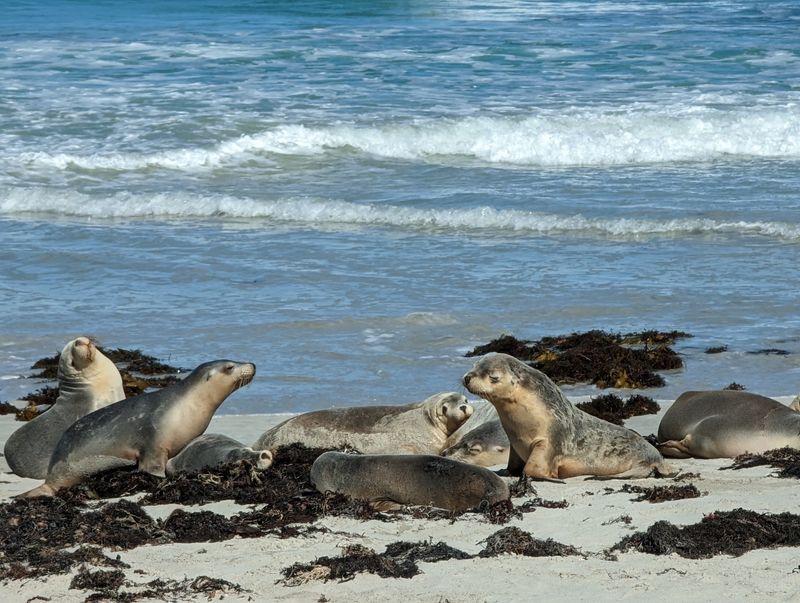
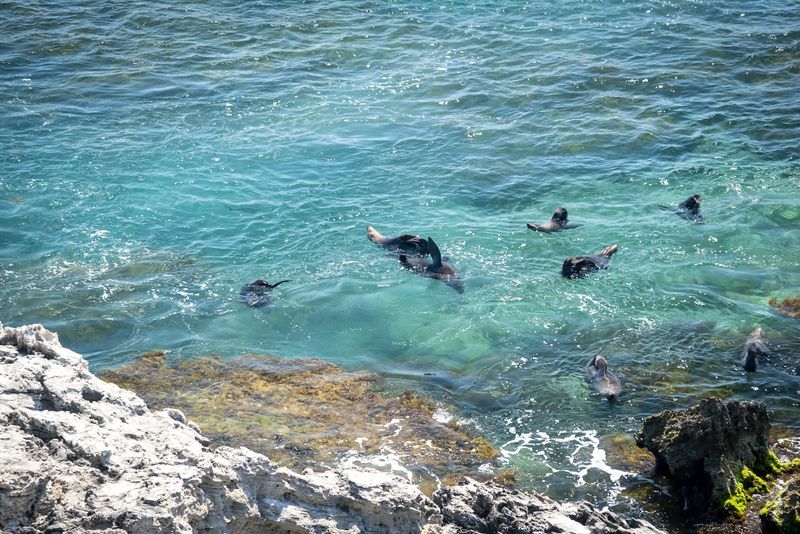
Australian sea lions rank among the rarest pinnipeds in the world, with breeding colonies found only along the coast and islands of southern and western Australia. Seal Bay on Kangaroo Island protects one of the most significant of those colonies, and it gives travelers a genuine opportunity to watch these animals up close without fences or zoo enclosures getting in the way.
The park is currently open daily from 9 a.m. to 5 p.m. Beach access has been temporarily paused to protect the colony, but visitors can still observe sea lions resting, nursing pups and moving between the dunes and the ocean from a well-positioned boardwalk with interpretive guides on hand.
Kangaroo Island itself is worth the trip even before you factor in the sea lions. Getting there involves a ferry crossing from Cape Jervis, and Seal Bay sits on the island’s southern coast.
Plan for at least a few hours here.
Dryandra Woodland National Park, Western Australia
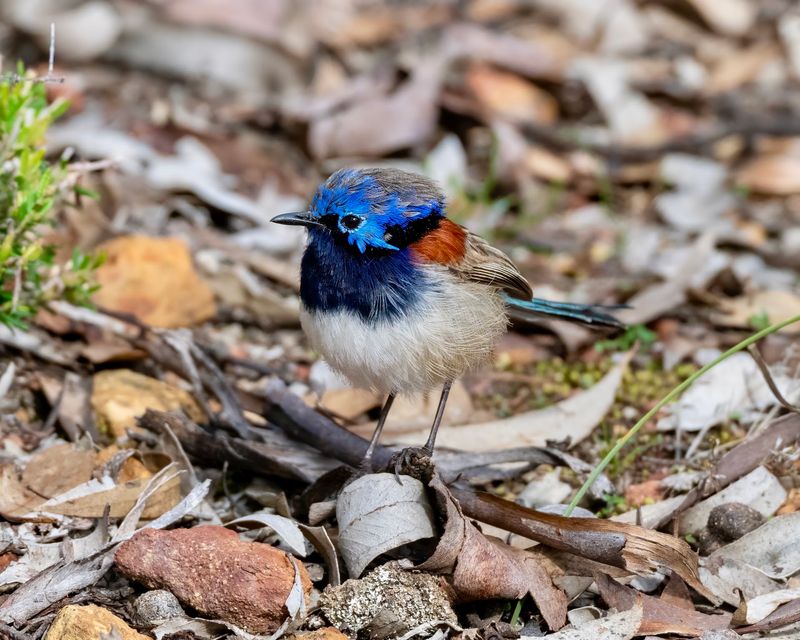
Numbats are one of Australia’s most striking and unusual mammals, with bold rust and white stripes running across their back and a diet made up almost entirely of termites. They are found naturally only in Australia, and Dryandra Woodland northeast of Narrogin is one of their most important remaining strongholds.
Unlike many Australian marsupials that stay hidden during daylight, numbats are active in the daytime. Patient visitors who walk quietly along woodland tracks or pause near fallen logs have a genuine chance of spotting one going about its business in full daylight, which is a rare treat in Australian wildlife watching.
Dryandra also supports woylies, chuditch and western brush wallabies, making it a productive destination for anyone interested in threatened native mammals. Western Australia’s parks service has noted that conservation work in the area has contributed to improved sightings of both numbats and woylies.
Entry to the park is free.
Barna Mia Nocturnal Wildlife Experience, Dryandra Woodland, Western Australia
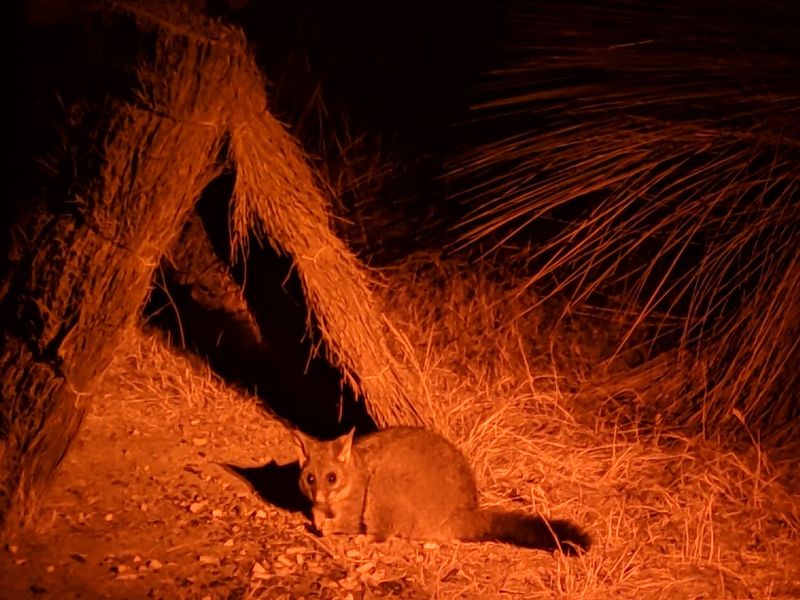
After the sun goes down at Dryandra, a completely different set of Australian animals takes over. Barna Mia Nocturnal Wildlife Experience runs guided tours through predator-protected habitat, using red-filtered lights to search for animals that most visitors never get to see up close in the wild.
The species list here is remarkable. Greater bilbies, woylies, boodies and mala all live inside the protected area.
The bilby is especially distinctive, with long rabbit-like ears, a sharply pointed snout and powerful digging claws that make it look unlike anything else in Australian wildlife. Seeing one move through the dark on a guided tour is a genuinely memorable experience.
Tours operate Monday, Wednesday, Friday and Saturday from March through November, and Friday and Saturday during December, January and February, excluding public holidays. Advance reservations are required and recommended well ahead of time, particularly on weekends.
This is one of those experiences that rewards forward planning with something truly special.
Eungella National Park, Queensland
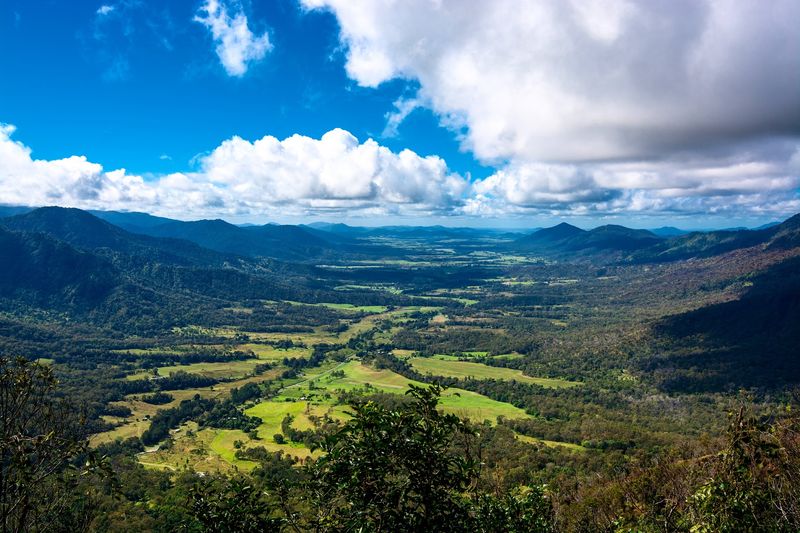
Eungella National Park is one of the most reliable places in Queensland to watch a platypus in the wild. Viewing platforms along Broken River overlook pools where these egg-laying mammals regularly forage, and the experience of watching one surface between dives never really gets old.
Dawn and dusk are consistently the best times to visit the platforms. The platypus is uniquely Australian, and Eungella’s river habitat gives visitors a natural, undisturbed setting that is very different from any zoo or sanctuary encounter.
Bring patience and keep noise to a minimum around the water.
The park is also home to the Eungella tinkerfrog, a tiny endangered species found only within the Clarke Range. Spotting one is considerably harder than finding a platypus, but knowing it exists here adds to the sense that Eungella is protecting something genuinely irreplaceable.
The national park is open 24 hours a day, though temporary closures can occur for weather or management reasons.
Magnetic Island National Park, Queensland
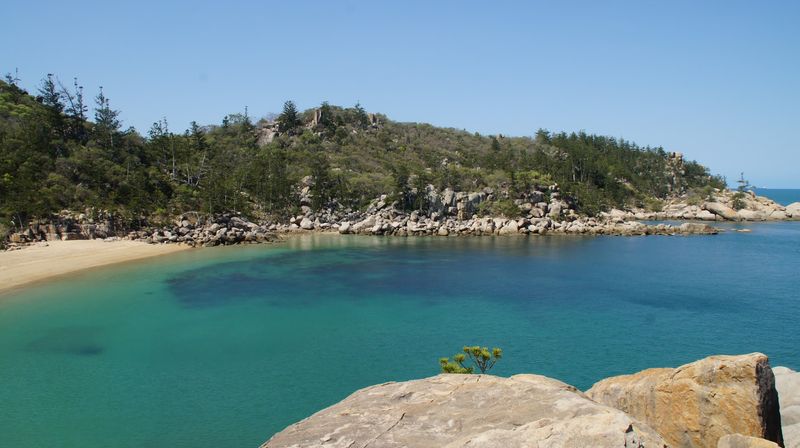
Koalas only exist naturally in Australia, and finding one in the wild rather than in a sanctuary adds a completely different dimension to the encounter. Magnetic Island, just a short ferry ride from Townsville, is one of the more accessible places in Queensland to go looking for them without driving deep into remote bushland.
Queensland Parks specifically recommends the Forts Walk and the Nelly-Arcadia-Junction track as good routes for koala spotting. Much of the island sits within national or conservation park boundaries, protecting the eucalyptus woodland these animals depend on for both food and shelter.
Allied rock-wallabies also move among the island’s granite boulder formations, and sea turtles can sometimes be spotted from the coast. Because the animals here are completely wild, sightings vary from day to day.
Visitors are reminded not to approach, touch or feed koalas under any circumstances. The combination of accessible ferry transport and genuine wildlife makes Magnetic Island a practical and rewarding stop.
Atherton Tablelands, Queensland
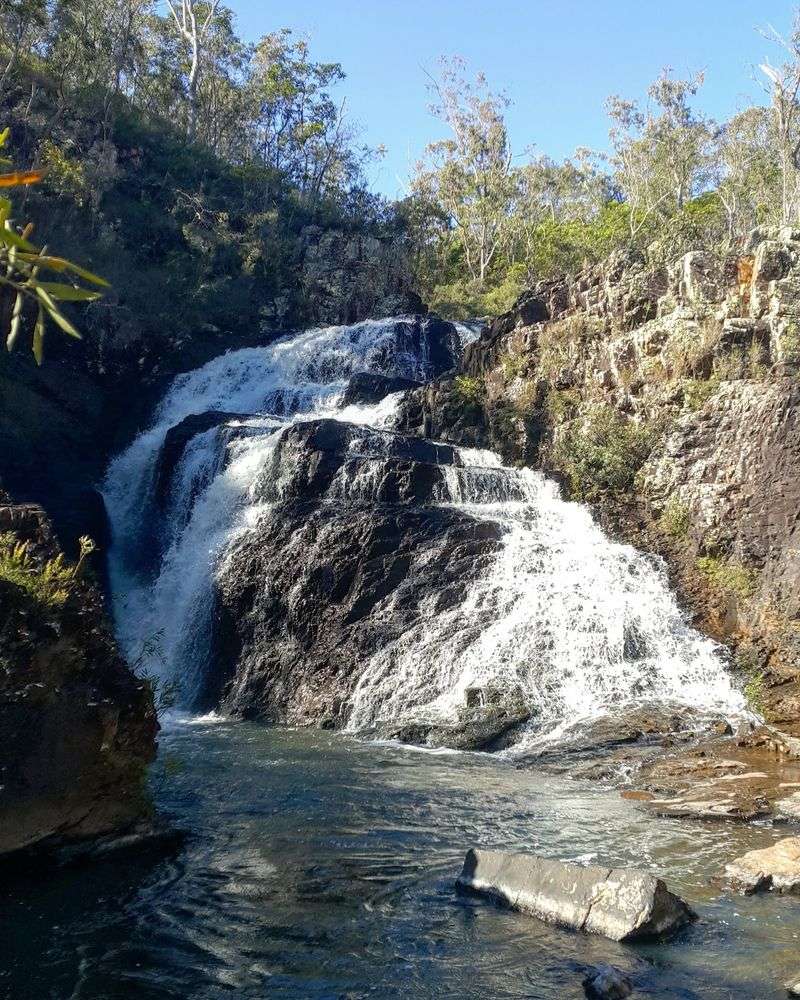
Most people picture kangaroos bounding across open grassland, so seeing one sitting high in a rainforest tree genuinely stops you in your tracks. Lumholtz’s tree-kangaroo does exactly that, spending much of its life among branches rather than on the ground, and the Atherton Tablelands is one of the only regions in the world where this species occurs.
Their dark coats blend surprisingly well into the rainforest canopy, which makes spotting one a rewarding challenge rather than a guaranteed tick. Communities like Yungaburra are popular bases for wildlife watchers, and the surrounding rainforest provides the habitat these marsupials need to survive.
Queensland tourism authorities consistently identify the Tablelands as the go-to destination for tree-kangaroo encounters in Tropical North Queensland. Even if you do not find one on your first walk, the broader wildlife scene here is exceptional.
Musky rat-kangaroos, platypuses and a wide range of tropical birds also inhabit the area, making the Tablelands worth several days of exploration.
Cradle Mountain-Lake St Clair National Park, Tasmania
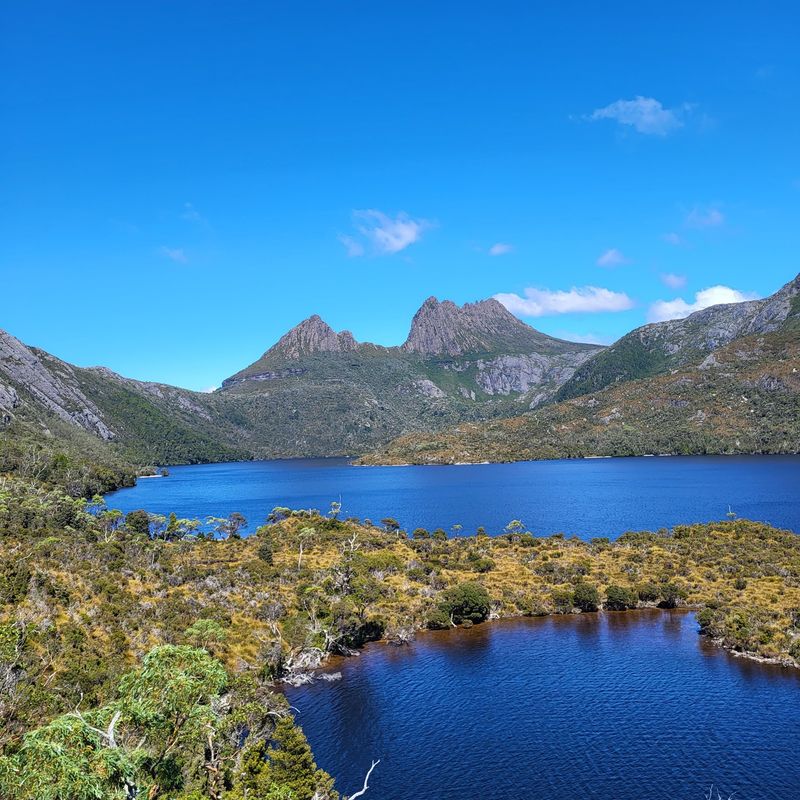
Tasmania is where wild Tasmanian devils still roam, and Cradle Mountain is one of the best settings in the state to appreciate just how rich Australia’s island wildlife heritage really is. Tasmania Parks lists devils, wombats, quolls, platypuses and echidnas among the animals visitors may encounter within the park.
Tasmanian devils are nocturnal and considerably harder to find than wombats, which are sometimes seen grazing in open areas near walking routes during low-light hours. All wombat species occur naturally only in Australia, so even a wombat encounter here carries some weight when you think about it from a global perspective.
Cradle Mountain operates as one of Tasmania’s major national parks, with extensive walking tracks ranging from short boardwalk circuits to multi-day wilderness routes. Visitor facilities run throughout the year, though conditions in the highlands can change quickly.
Checking the Tasmania Parks website for current alerts before heading out is always a practical step.
Freycinet National Park, Tasmania
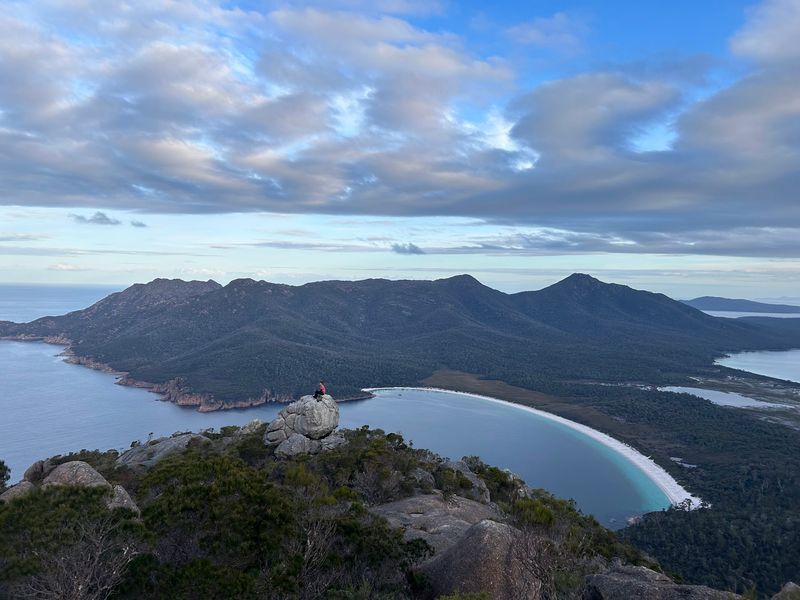
Freycinet is famous for Wineglass Bay, but the wildlife on this granite peninsula is worth just as much attention as the scenery. Tasmanian pademelons are regularly encountered around forest edges, campsites and quieter walking areas, and these compact relatives of wallabies are found naturally in Tasmania rather than anywhere else on the planet.
Tasmania Parks lists pademelons, wallabies and echidnas among the mammals commonly seen on land within the park. Bennett’s wallabies and other Australian wildlife also move through the area, making Freycinet a productive destination for anyone who keeps their eyes open while walking between viewpoints.
The combination of pink granite peaks, white beaches and roaming marsupials makes this an unusually easy place to blend classic sightseeing with genuine wildlife watching. Campers staying overnight tend to have the best pademelon encounters because the animals become more active around dusk and into the evening.
Freycinet is accessible from Coles Bay on Tasmania’s east coast.
Healesville Sanctuary, Healesville, Victoria
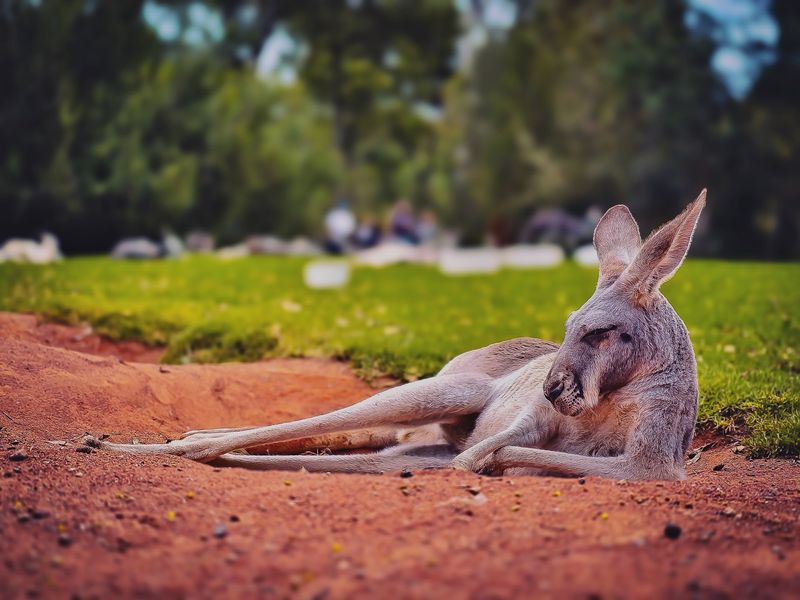
Healesville Sanctuary sits in the Yarra Valley about an hour from Melbourne, and its entire focus is on Australian native wildlife rather than collecting animals from around the world. That single-minded approach makes it one of the most informative wildlife destinations in Victoria for understanding what makes Australian fauna so unusual on a global scale.
The sanctuary’s bushland habitats house wombats, Tasmanian devils, koalas, platypuses and a range of threatened native species. Conservation work here also covers extraordinarily restricted animals like the mountain pygmy-possum, a tiny marsupial confined to alpine regions of southeastern Australia that most travelers would never find independently in the wild.
For anyone with limited time or mobility who wants to see multiple rare Australian species in one visit, Healesville delivers that efficiently without feeling rushed or overcrowded. The sanctuary is open every day from 9 a.m. to 5 p.m.
Booking tickets in advance online is recommended, particularly during school holidays and weekends.
Wilsons Promontory National Park, Victoria
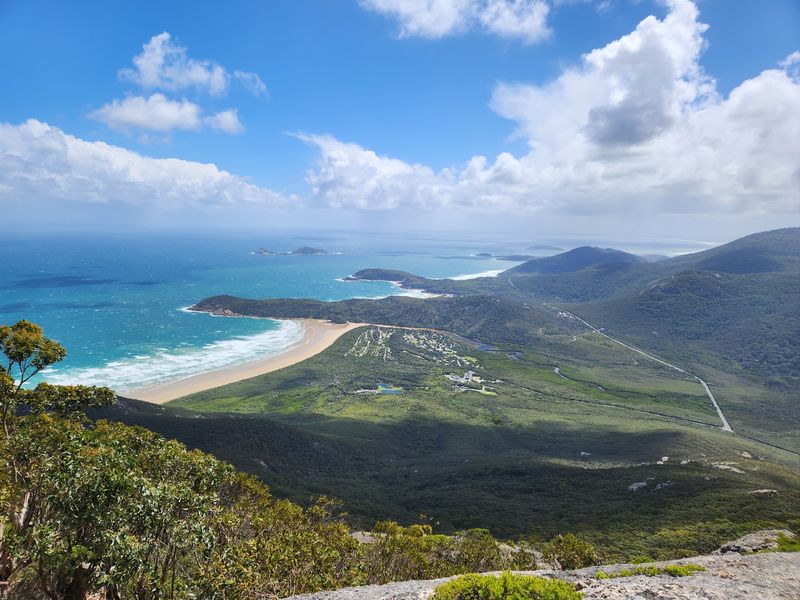
Wild wombats wandering across grassy clearings might sound like a fairly ordinary Australian experience, but consider this: all living wombat species occur naturally only in Australia. That makes even a relaxed, unhurried wombat sighting at the Prom something no traveler can replicate anywhere else on Earth.
Common wombats are regular residents around Tidal River and the park’s designated wildlife-viewing areas. Parks Victoria identifies kangaroos, wallabies, wombats and emus among the animals visitors can watch at the Prom Wildlife Viewing Area, which makes it a genuinely productive stop for a single afternoon outing.
The park also protects a remarkable marine environment, with Parks Victoria noting that certain organisms found in these waters occur nowhere else on Earth. Visitors should check current park alerts before heading out, because individual tracks and facilities can close temporarily for conservation or maintenance work.
Wilsons Promontory is about three hours from Melbourne by road, making it a solid overnight or weekend destination.
Tower Hill Wildlife Reserve, Victoria
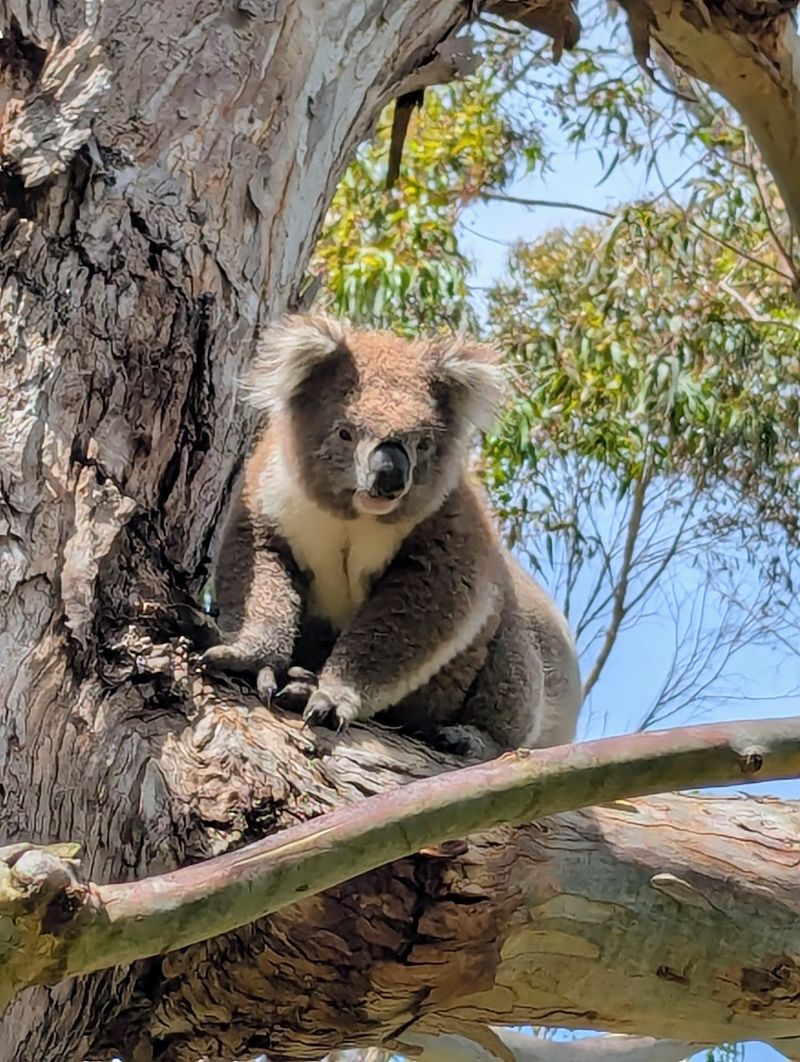
Tower Hill sits inside a dormant volcanic crater near Warrnambool, not far from the Great Ocean Road, and the setting alone makes it feel different from any other wildlife reserve in Victoria. The crater landscape creates a natural enclosure where emus, koalas and kangaroos move freely across wetlands, woodland and volcanic formations.
The emu is a particularly impressive animal to encounter on foot. Adults can stand well over a meter tall, and coming across one on a walking track inside the crater puts their size into immediate perspective.
Parks Victoria describes Tower Hill as an important wildlife-viewing destination and specifically lists emus, kangaroos and koalas among the animals living inside the reserve.
All three of those species are Australian natives, and finding all of them in one compact location without entering a zoo environment is genuinely convenient. Walking tracks cross the reserve and are accessible to most fitness levels.
Tower Hill is open daily and entry is free, which makes it an easy addition to any Great Ocean Road itinerary.
Tidbinbilla Nature Reserve, Canberra, Australian Capital Territory
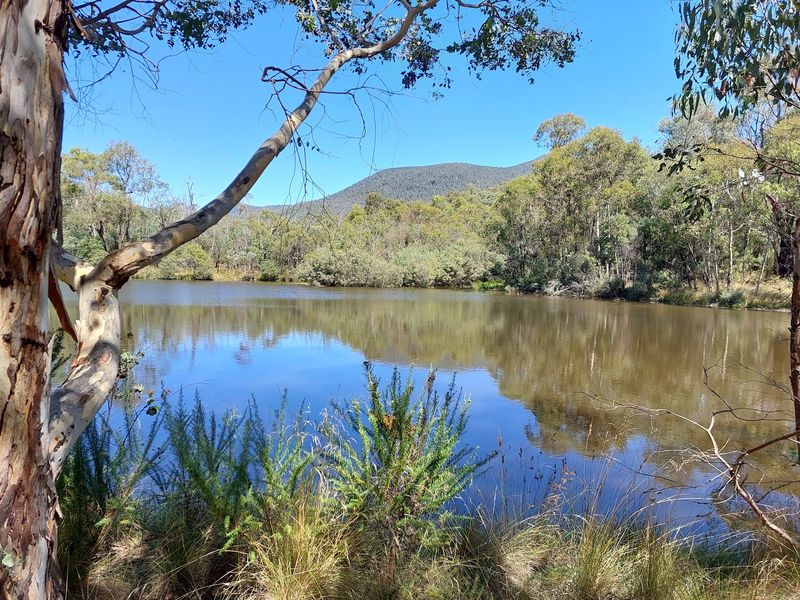
The Northern Corroboree Frog is one of Australia’s most critically endangered amphibians, a tiny creature with vivid yellow and black patterning that looks almost too striking to be real. Tidbinbilla Nature Reserve operates the largest captive breeding population for this species, and the reserve’s visitor guide confirms that travelers can see Northern Corroboree Frogs at the Visitor Information Centre.
That alone sets Tidbinbilla apart from most wildlife reserves in the country. Beyond the frogs, the broader reserve supports koalas, platypuses, kangaroos, potoroos and a range of other Australian wildlife across its varied habitats.
Conservation programs here also cover the southern brush-tailed rock-wallaby and the grassland earless dragon.
Tidbinbilla is located about 40 kilometers southwest of Canberra city center, making it an accessible day trip from the capital. The reserve combines serious conservation work with visitor-friendly infrastructure, so there is genuine substance here beyond the walking tracks.
Check the ACT Parks website for current opening details and seasonal access information.
Mulligans Flat Woodland Sanctuary, Canberra, Australian Capital Territory
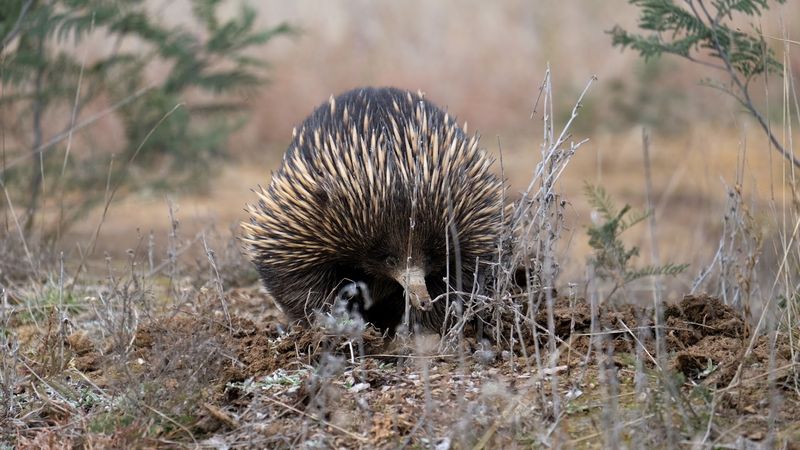
Eastern bettongs disappeared from mainland Australia more than a century ago, largely due to introduced predators. Mulligans Flat Woodland Sanctuary brought them back, successfully reintroducing the species within predator-proof fencing in 2012.
Eastern quolls followed in 2016, making this one of the more ambitious rewilding projects operating within an Australian capital city.
Both species are distinctively Australian marsupials, and seeing them moving freely through native woodland rather than in small zoo enclosures is a noticeably different kind of experience. Evening and guided activities provide the best chances of encountering the more nocturnal residents, including the quolls, which are active after dark.
The sanctuary is generally open seven days a week and its trails can be walked independently. Guided wildlife activities run through the Wildbark visitor center and are worth booking if you want a more focused and informative experience.
Mulligans Flat sits in Canberra’s north, making it a practical and rewarding stop for anyone spending a few days in the capital.
Taronga Zoo Sydney, Sydney, New South Wales
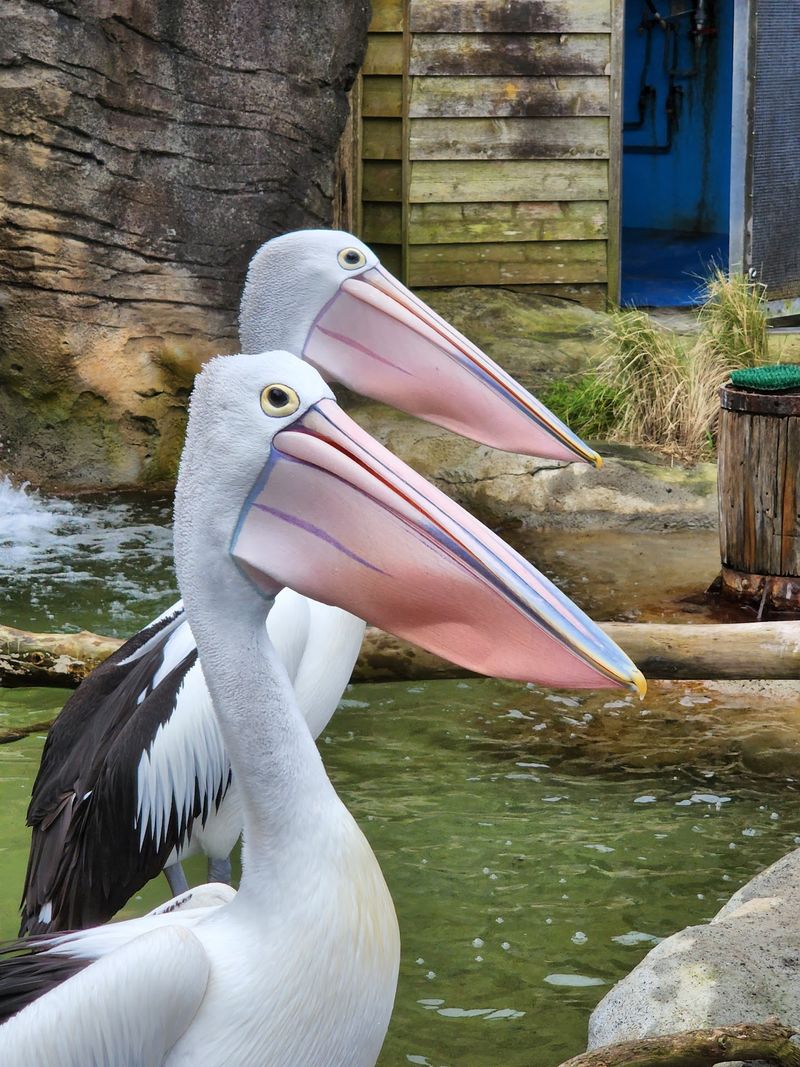
Not every traveler has two weeks to explore remote national parks, and Taronga Zoo Sydney exists for exactly that reason. Its Australian wildlife collection brings together greater bilbies, koalas, corroboree frogs, emus, Australian sea lions and brush-tailed rock-wallabies in one harbour-side location that is easy to reach from the city center by ferry.
Greater bilbies can currently be viewed in Nguwing Nura, Taronga’s nocturnal habitat area. The zoo recommends visiting between roughly 10:30 a.m. and 2:30 p.m. for the best chance of seeing the bilbies active.
That is a practical detail worth knowing before you plan your visit, because timing genuinely matters with nocturnal species.
Taronga Zoo Sydney is open every day of the year, which makes it one of the most dependable wildlife options for visitors on tight schedules. The harbour views from the zoo grounds are also genuinely impressive, so the visit tends to deliver more than just the animals.
Book tickets online in advance to avoid queues at the gate.
Share this story